
La lógica gastronómica de Tarchen está moldeada por la kora: alta densidad energética, servicio rápido, calidez ante todo. El día se come verticalmente, del té dulce al té con mantequilla a una mesa tibetana a comidas sencillas, cuatro tiendas que forman la cadena de suministro completa en torno a una kora y una introducción al sabor de la meseta.
Primero tres reglas: detente a siete décimas partes lleno y deja el riego sanguíneo del intestino a la altitud; elige caliente sobre frío y fresco sobre guardado; bebe té sin límite, ya que la deshidratación es cómplice del mal de altura. El resto pertenece a la lengua.
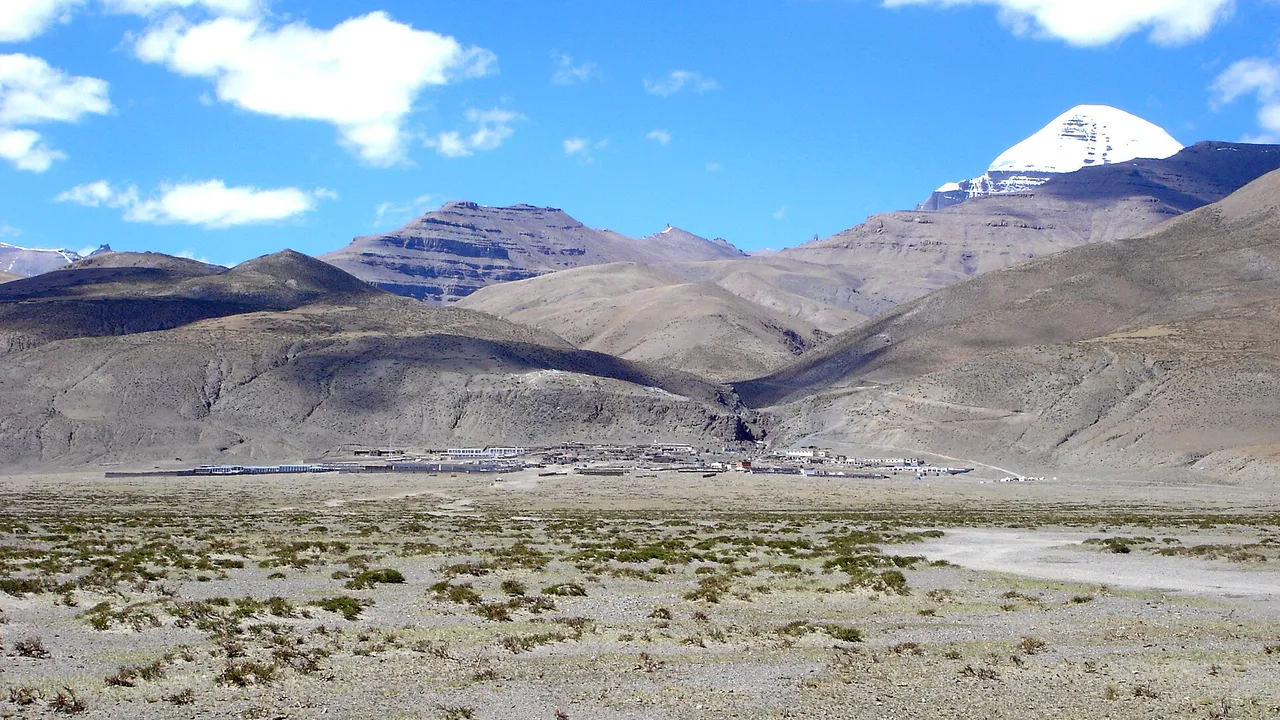
Itinerario de un vistazo
| 08:00 | Casa de té dulce de Tarchen: El desayuno correcto en la meseta |
| 11:00 | Puesto de té con mantequilla de Tarchen: El té salado de media mañana |
| 14:00 | Tarchen Tibetan Eatery: The Midday Main-Event Hour |
| 18:00 | Tarchen Simple Meals: Dusk Carbohydrate Repair |
La ruta, parada a parada
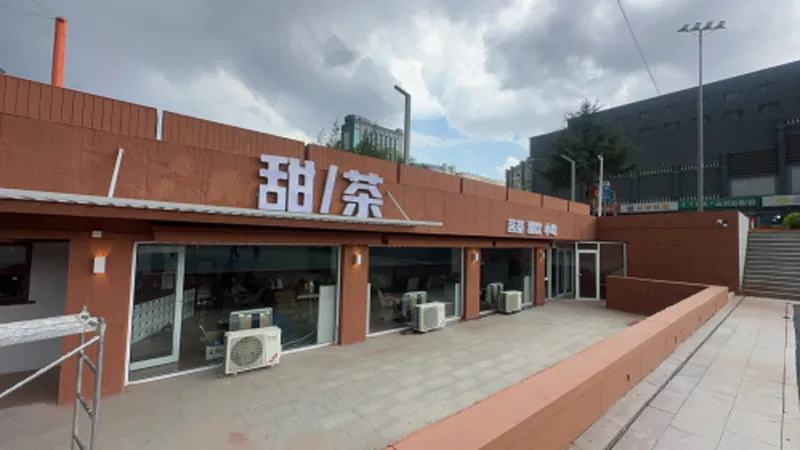
Casa de té dulce de Tarchen: El desayuno correcto en la meseta
At dawn the sweet teahouse seats last night's returned trekkers and this morning's departing pilgrims, both drinking the same tea. Tibetan noodles with sweet tea is the standard breakfast: one hot bowl into the stomach, one flask warming the hands, gut and mood aligned at once.
Reading the breakfast tables is a shortcut to understanding the kora: the outbound eat little and fast, the returned eat much and slow. Your own role is your choice, and playing the slow eater today has its joys.
Puesto de té con mantequilla de Tarchen: El té salado de media mañana
The late-morning butter-tea stall bridges from sweet to salty, thin to thick: brick tea churned with butter and salt, extremely calorie-dense, the herding world's weapon against cold and expenditure. With curds and fried kase pastry, one sitting fuels two hours.
First-timers should start with half a bowl: the triple shock of salty, oily and thick takes acclimatizing. The stall's warmth and tea aroma will argue your second half-bowl for you.
Tarchen Tibetan Eatery: The Midday Main-Event Hour
The noon Tibetan eatery serves the day's heaviest sitting: yak stewed with radish, Tibetan steamed buns and noodle-flake soup form the base, with blood sausage and meat sausage for the organ-brave. Around a kora, protein and salt are hard currency.
Order on the two-people-three-dishes rule: one meat, one soup, one staple, plus a pot of plain tea to cut the richness. Tibetan cooking salts higher than lowland food, so asking the kitchen to go light is a fair request.
Tarchen Simple Meals: Dusk Carbohydrate Repair
The dusk simple-meals shop closes the day: fried rice, fried noodles, egg-fried bread slices and instant soups, fast out of the kitchen and steaming, the town's best-value sitting. The kora's returned repair carbohydrates here, and tomorrow's starters bank energy in advance.
One lesson from a day of eating: at altitude, dine hot, small bowls, multiple rounds; the shop's window seat overlooks the kitchen, where you can watch the wok's fresh fire. Afterward a slow ten-minute walk along the main street turns four sittings into tomorrow's strength.
| Cómo moverse |
|
| Budget | Un día completo de comidas cuesta unos 100-180 RMB por persona, con la comida principal tibetana a 40-80 RMB por persona y el té casi un error de redondeo. |
| Mejor época | Comestible todo el año; la temporada de kora de abril a octubre trae los suministros más frescos y todas las cocinas abiertas, mientras que en invierno algunas cierran pero los locales de los habituales siguen encendidos. |
FAQs
¿Cómo debe ser la cena la noche antes de la kora?
La regla es familiar, caliente y rica en carbohidratos: sopa de fideos en copos, arroz frito o bollos tibetanos, dejando que el intestino pase la noche sin riesgo; nada de comida cruda o fría, nada de carne pesada, nada de alcohol, que la altitud amplifica. Siete décimas partes lleno, una taza de té dulce o agua caliente antes de dormir y algo de ración seca de nuevo antes de partir al amanecer.
¿Cuál es la primera comida más inteligente tras terminar la kora?
The scientific order is water before food: half a liter of warm water or sweet tea on return, half an hour of rest, then the proper meal. Hot noodle-flake soup or congee, soft staples first, moderate protein, easy on fat, a gentle slope for spent digestion. Binging is the return day's top error, causing bloating at best and overnight trips to the toilet at worst.
¿Cómo deben comer en Tarchen los estómagos sensibles?
Tres medidas: comida caliente recién cocinada en todo momento, evitando ensaladas frías y platos guardados mucho tiempo; probar el té con mantequilla superficialmente antes de rellenar; y llevar remedios estomacales más sales de rehidratación oral. Bebe agua embotellada o hervida en el pueblo, mientras que el té de las casas de té es todo hervido y seguro. Con diarrea, la rehidratación supera a los antidiarreicos como primera medida, ya que la deshidratación en altura duplica su peligro.
¿Son caras las cuatro tiendas? ¿Hay que dejar propina?
No son caras: cuatro comidas suman 100-180 RMB al día, con recargas de té casi gratis. No hay costumbre de propina; paga el precio indicado. Los fideos y el té dulce están entre los artículos más baratos en los precios de la meseta, y las ligeras subidas en temporada de kora son normales, la lógica de un pueblo cuyas líneas de suministro recorren setecientos kilómetros.