 TripMyChinaJOURNEYS THROUGH REAL CHINA✦ Perjalanan AI✦ Rencanakan Perjalanan Saya
English
简体中文
繁體中文
日本語
한국어
ไทย
Tiếng Việt
Bahasa Indonesia
Italiano
Español
العربية
Русский
Deutsch
Français
Bahasa Malaysia
TripMyChinaJOURNEYS THROUGH REAL CHINA✦ Perjalanan AI✦ Rencanakan Perjalanan SayaNingbo · Atraksi
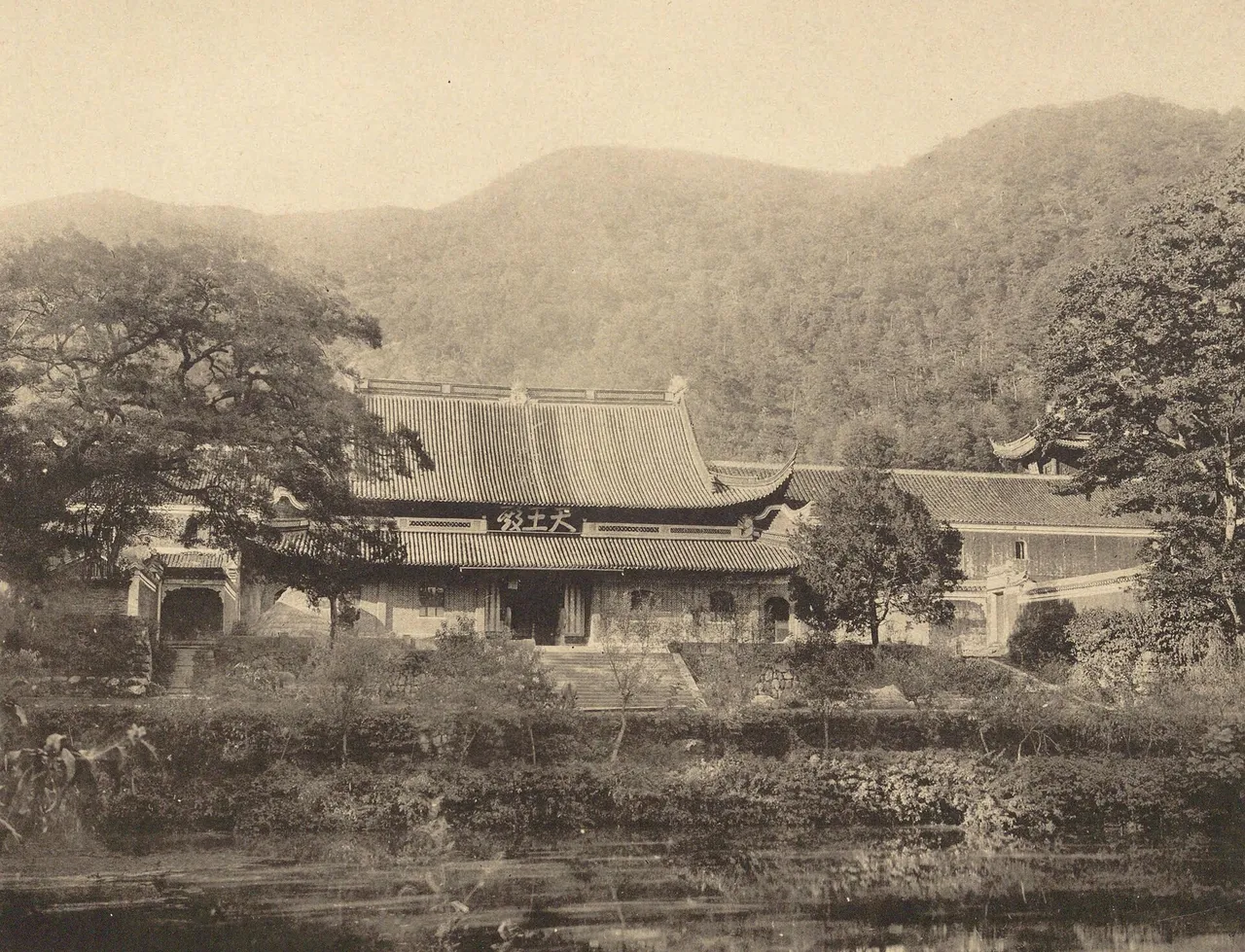
Tucked into a forested valley east of Ningbo, Tiantong Temple is one of China's great Zen monasteries, founded in the Western Jin dynasty and still a working center of Chan Buddhism. A stone path lined with ancient pines climbs past reflecting pools through a sequence of grand courtyards to halls wreathed in incense. For travelers, the appeal is twofold: architecture and ritual little changed by centuries, and the mountain air of Tiantong National Forest Park that wraps the whole complex in green. It pairs naturally with nearby Yuwang Temple or a Dongqian Lake morning.
Founded around the year 300, Tiantong rose to prominence in the Song dynasty as one of the five great Chan mountains, and its abbots taught generations of monks who carried Zen east. The Japanese monk Dogen studied here in the thirteenth century before founding the Soto school in Japan, and the monastery remains a place of living pilgrimage between the two countries. Rebuilt many times after fires, the present halls are largely Ming and Qing structures arranged on a rising axis that is considered a masterpiece of monastic planning.
The approach is half the experience. From the gate, a pilgrimage path leads under ancient pines — the celebrated 'deep path of pines' praised by poets — past ponds and memorial arches before the first courtyard opens. Inside, monks chant at dawn and dusk, and the kitchen still cooks vegetarian temple food for visitors on some days. Allow two to three hours, wear modest clothing, and keep voices low: this is first a monastery and only second a sight.
Admission to Tiantong Temple is inexpensive — a low single-digit tens-of-yuan ticket in recent years — while the surrounding forest park may charge a small separate fee for longer trails. Hours generally run from early morning until about 16:30 or 17:00, with the most atmospheric time being morning chanting before the day-trip crowds arrive. Vegetarian meals in the temple refectory are offered on certain days at a symbolic price. Exact fares and meal days change, so confirm on site or ask your guide to check that morning; bring cash or a linked payment app for the ticket window.
Tiantong Temple sits about 25 kilometers east of downtown Ningbo in Yinzhou District. Public bus routes from the city's eastern terminals take roughly an hour; a taxi or ride-hailing car costs more but completes the trip in 40 minutes and can wait or be rebooked for the return. The temple lies at the foot of the forest park, and the pine path from the parking area to the first gate takes 20 to 30 unhurried minutes. Most visitors devote a half day; combining the temple with Dongqian Lake to the southwest or with Ayuwang (King Ashoka) Temple, which holds a celebrated Buddhist relic, makes an efficient day loop by car.
Spring brings camphor freshness and mountain mist to the pine path, while late autumn gilds the ginkgo trees in the courtyards — both are superb. Summer is green and shady though humid, and winter offers profound quiet with frost on the temple roofs. Aim to arrive before 9:00: the morning chanting, thin incense smoke and empty courtyards are the experience that postcards cannot capture, and tour groups from Ningbo begin arriving by mid-morning. Weekdays are noticeably calmer than weekends year-round, and the first sunny day after rain gives the valley its clearest, most photogenic air.
It was founded around the year 300 in the Western Jin dynasty, making it over 1,700 years old. The present halls are largely Ming and Qing rebuildings, arranged along a classic rising axis through the valley.
The Japanese monk Dogen studied here in the thirteenth century and later founded the Soto school of Zen in Japan. The temple remains a place of active pilgrimage for Japanese Buddhists and visitors.
Two to three hours covers the pine path and the main courtyards at a contemplative pace. Adding a forest-park trail or a second temple nearby turns it into a full-day outing.
On certain days the temple refectory serves simple vegetarian meals to visitors at a symbolic price. Availability varies with the monastic schedule, so confirm at the entrance on the day.
 Sehari penuh · 8–10 jam
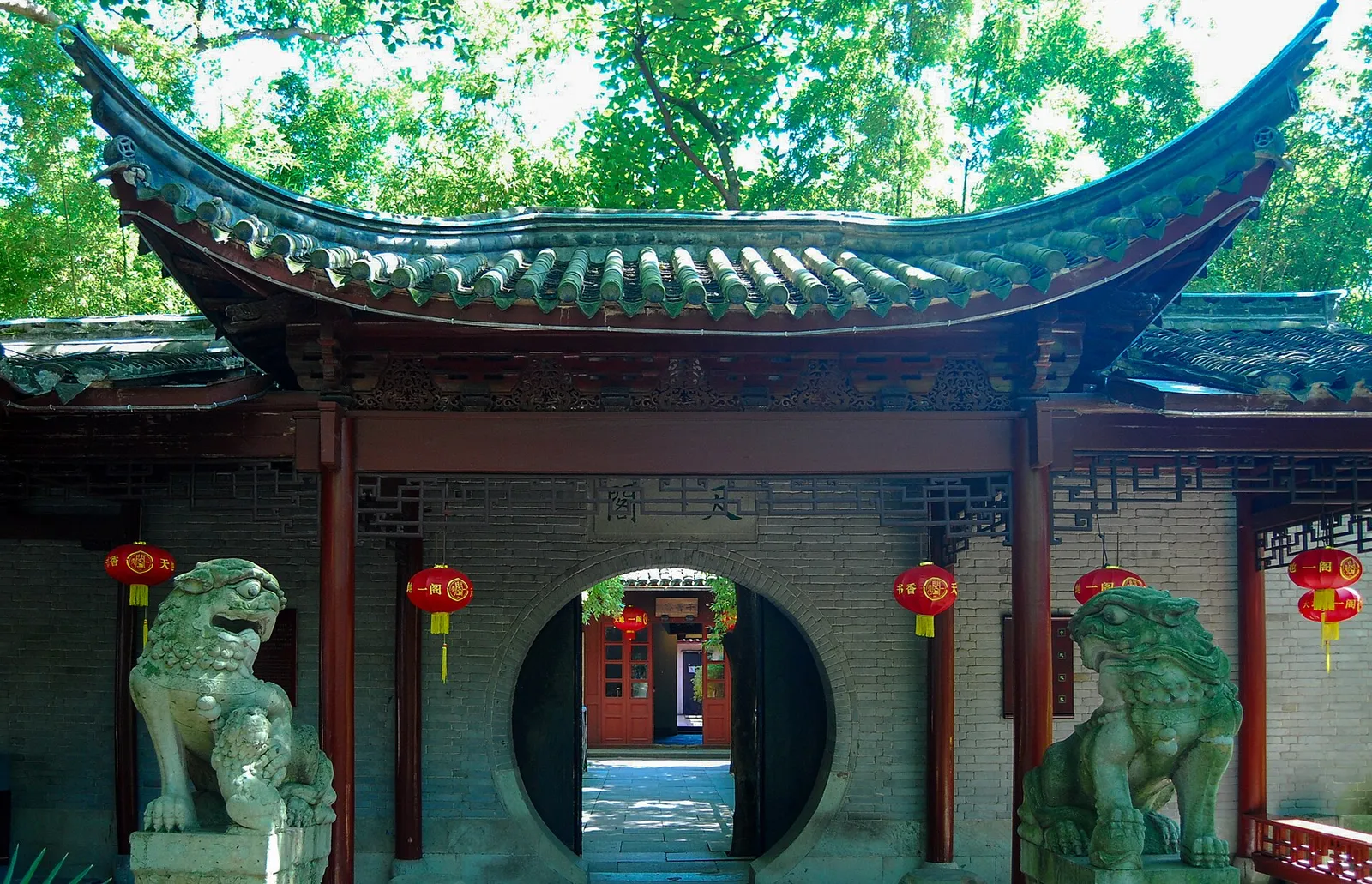
Perpustakaan pribadi tertua di Asia, aula kayu dari tahun 1013, dan tepi sungai yang dibuka untuk perdagangan asing pada tahun 1844
Lihat detail →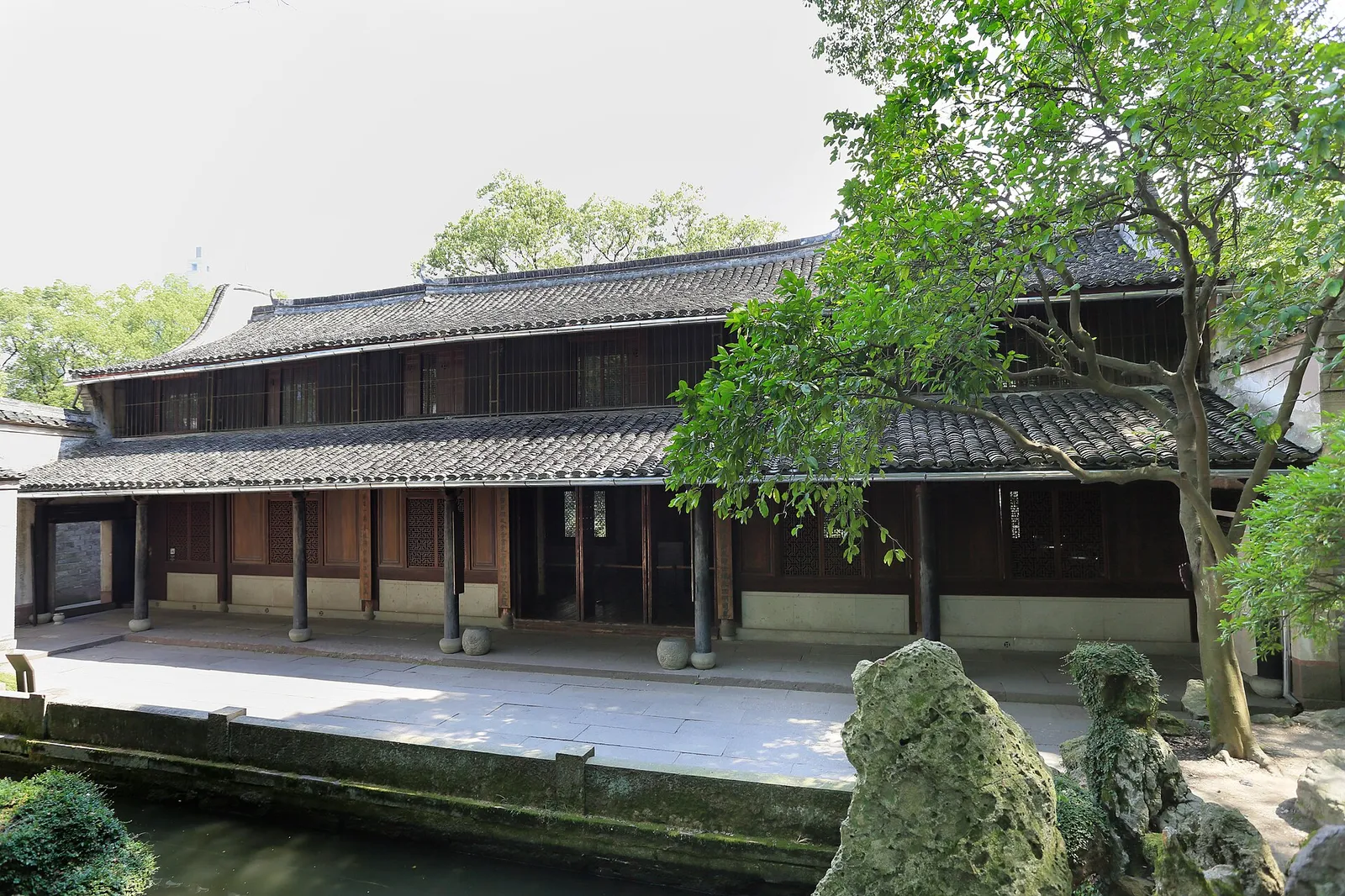 Sehari penuh · 8–10 jam
Danau tiga kali ukuran Danau Barat Hangzhou, lereng bukit patung Song, lalu jalan pegunungan
Lihat detail → Sehari penuh · 8–10 jam
Pameran interaktif sebelum makan siang, lalu empat lantai wahana dalam ruangan sementara cuaca sesukanya
Lihat detail → 2 hari · 1 malam · privat
Dua hari padat mencakup hal-hal penting di Ningbo. Jelajahi Tianyi Pavilion
Lihat detail → 3 hari · 2 malam · privat
Tiga hari mencakup seluruh daftar destinasi Ningbo. Baca Tianyi Pavilion di samping
Lihat detail →Sewa pemandu privat satu hari dan dia ajak aku ke Tianyi Pavilion pas jam 8 pagi. Kami berdua doang di taman itu hampir setengah jam, dan dia jelasin sejarah perpustakaannya kayak ngobrol, bukan ceramah. Lebih mahal dari tur grup tapi worth it cuma buat ketenangannya.
Bawa dua anak kami (9 dan 12) ke Museum Ningbo dan mereka betah lebih dari satu jam, yang mana nggak pernah terjadi. Gedungnya sendiri terbuat dari batu bata dan genteng desa-desa lama yang dibongkar, dan anakku terus nanya batu batanya dari rumah siapa. Sisa sore kami habiskan di Danau Dongqian, cukup sepi sampai anak-anak bisa lari-lari tanpa aku khawatir.
Mobil pribadi & sopir, tur sehari dan rute multi-hari dari Ningbo.