
Zhangjiajie's mountains are nature's show; its culture lives with the Tujia people. This one-day line links three things: the customs park in the morning with its nine-story stilt house and the historical world of Tujia chieftain rule; a proper Tujia lunch at noon; and an afternoon of Xilankapu brocade, Tujia drums and the hand-waving dance, done either in the park's performance ground or at a downtown craft house; then a large evening show turns the day's knowledge into sound and light.
The Tujia keep no script of their own; history passes through songs, buildings and brocade patterns, which means the right way in is listening plus doing: stay with the guide, touch a loom, wave your arms in the dance. That beats ten photographs. Every stop sits within half an hour of downtown, no early alarm needed, one of the trip's gentlest days.
กำหนดการโดยสรุป
| 09:00 | Tujia Customs Park: The Nine-Story Stilt House and Chieftain History |
| 12:00 | Lunch: Cured Meats and the Rules of the Shared Table |
| 14:00 | Brocade and the Craft House: An Afternoon of Xilankapu |
| 16:00 | Tujia Drum and Hand-Waving Dance: Move With the Rhythm |
| 19:30 | The Evening Show: Folding the Day into One Stage |
路线,一站一站地走
Tujia Customs Park: The Nine-Story Stilt House and Chieftain History
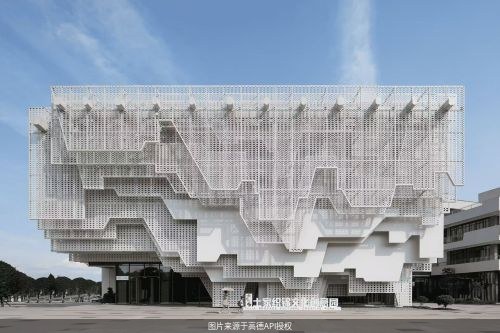
The park's centerpiece is a nine-story stilt house built into the hillside, its timber galleries cantilevered layer on layer, and the guide's highlight is the structure's total absence of iron nails. Entry runs about a hundred yuan, with chieftain-city scenes and folk displays turning terms like the chieftain system into visible courtyards and objects.
Grab the day's performance schedule at the entrance and circle the brocade and dance sessions before touring. Morning light flatters the architecture; the nine-story facade photographs best from nine to eleven.
The nine-story stilt house is a modern construction built with traditional methods rather than a Qing-era survivor, and guides usually point out which practices carry on the old ways. Note the difference between mortise-and-tenon and column-and-tie framing; once you read it here, every other Tujia building gains a reference frame.
Lunch: Cured Meats and the Rules of the Shared Table
Have the real Tujia lunch: cured pork stir-fried with flowering stalks, hezha soy-vegetable stew, pickled jar vegetables and corn rice. Tujia bacon is smoked over pinewood fires, cut thick and steamed through, the fat being the best part; hezha is cheap farmhouse comfort. Fifty to sixty RMB a head.
The Tujia table keeps old rules: juniors never eat before elders, and dishes from the fire-pit pot pass without crossing hands. Visitors need not obey, but knowing them lets you read the table.
Brocade and the Craft House: An Afternoon of Xilankapu
The afternoon belongs to Xilankapu, Tujia for flower bedding, a brocade tradition outside China's famous four. Looms run live at downtown craft houses and in the park: a palm-sized motif crosses thousands of weft threads, and classic patterns like forty-eight hooks carry their own meanings. Most houses offer a short weaving session for a few dozen yuan; weaving a coaster yourself beats buying a finished piece for memory value.
Buying brocade here beats the night market: distinguish machine from hand weave, where messy thread tails and slight asymmetry on the reverse are honest evidence of the real thing.
Xilankapu is a mandatory dowry item in Tujia weddings, with the pattern repertoire said to run past a hundred designs, each carrying its own blessing. Ask the instructor what your chosen motif means, and the coaster you weave home comes with a story attached.
Tujia Drum and Hand-Waving Dance: Move With the Rhythm
The great Tujia drum plays to fixed afternoon sessions, its head nearly man-high, its double-mallet strikes felt in the chest. The hand-waving dance follows, the Tujia's most famous group dance, every move drawn from farming: sowing, weeding, harvest. No experience needed; ten minutes of copying and you are in the crowd.
After the show, performers often pull visitors into the circle; do not be shy, this is the easiest place for real exchange on the whole culture line. Shoot video in landscape to keep drummers and dancers in one frame.
The Evening Show: Folding the Day into One Stage
Close with a large evening show, where downtown revues and gorge spectacles each have their fans. The day's knowledge cashes out here: you will recognize the morning's brocade motifs and the afternoon's dance passages on stage, and that feeling of understanding is the biggest payoff of a culture day.
Tickets run 200 to 300 RMB through legitimate channels a day ahead. Afterward, downtown late-night food is easy: a bowl of kudzu jelly or some barbecue closes the culture day gently.
Large shows let out late, so if an early departure follows, pick an aisle seat to gain a few minutes at exit; downtown indoor venues have late-night food within walking distance, while the outdoor gorge theater means budgeting time for the shuttle.
| การเดินทางในพื้นที่ |
|
| Budget | About 350 to 500 RMB per person: roughly a hundred for the customs park, a few dozen for the brocade session, 70 RMB dinner, 200 to 300 RMB for the evening show. |
| 最佳时间 | All year. Performances run to a fixed schedule; the 10:00 and 14:00 sessions are the fullest. |
FAQs
How does the customs park differ from places like Yuanjia stockade?
The park is downtown, mostly static architecture and institutional history plus performances; stockade attractions sit in or near the scenic areas, leaning toward scene reconstruction and interaction. For learning, the park wins; for atmosphere photos, the stockades. Choose by goal.
Is brocade weaving hard? Can the clumsy finish a piece?
The beginner session uses a semi-prepared loom where you handle only a few weft passes, with an instructor guiding your hands throughout; twenty minutes yields a coaster. Perfection is not the point, and slight crookedness proves you made it.
How is the hand-waving dance different from square dancing?
Hand-waving encodes farming and hunting, every move carrying a labor meaning, with arm swinging as the signature and same-side stepping as a feature, not an error; square dancing is a modern fitness scene. Do not fear matching arm and leg; that is the authentic form.
Does this culture day conflict with a mountain day?
No conflict, in fact complementary: mountain days burn legs while the culture day is indoor and light-walking, ideal between two mountain days or before departure. Most itineraries slot it on arrival day or as a rest day.