 TripMyChinaJOURNEYS THROUGH REAL CHINA✦ AI Trip✦ Plan My Trip
English
简体中文
繁體中文
日本語
한국어
ไทย
Tiếng Việt
Bahasa Indonesia
Italiano
Español
العربية
Русский
Deutsch
Français
Bahasa Malaysia
TripMyChinaJOURNEYS THROUGH REAL CHINA✦ AI Trip✦ Plan My TripMount Putuo · Attractions
Baibu Beach — the 'Hundred-Step Sands' — is Mount Putuo's most beloved stretch of shore, a crescent of golden sand folded between temple walls and the East China Sea. It sits below Puji Temple and beside the road up to Fayu, so nearly every island itinerary passes it; the wise ones stop. At dawn, monks and early pilgrims walk the waterline as the sun rises over the fishing fleet; by mid-morning it becomes a proper beach, with swimmers, umbrella rentals and the island's easy seaside rhythm. Few places in China mix prayer and paddling so naturally.
The beach's name comes from its compact length — a few hundred steps end to end — sheltered by rocky headlands that keep its water calmer than the open coast. A stone pavilion stands on rocks at its eastern end, the island's classic sunrise composition, and behind the sand rise temple walls, pines and the low skyline of the village quarter. Historically the shore has doubled as a ritual space: pilgrims traditionally enter the sea here to cleanse before climbing to the temples, a practice still quietly continued.
Practically, Baibu is the most convenient beach on the island: five minutes from Puji Temple, on the main bus loop, backed by tea houses and snack stalls. In summer it fills with families between temple visits; in the off-season it reverts to walkers, photographers and fishermen. The neighboring Qianbu Beach ('Thousand-Step Sands') stretches longer and quieter just north — many visitors walk the coast path between the two. Come at dawn if you can: the sight of the pavilion silhouette against the rising sun, with monks strolling the wet sand, is the image that defines Putuo for many travelers.
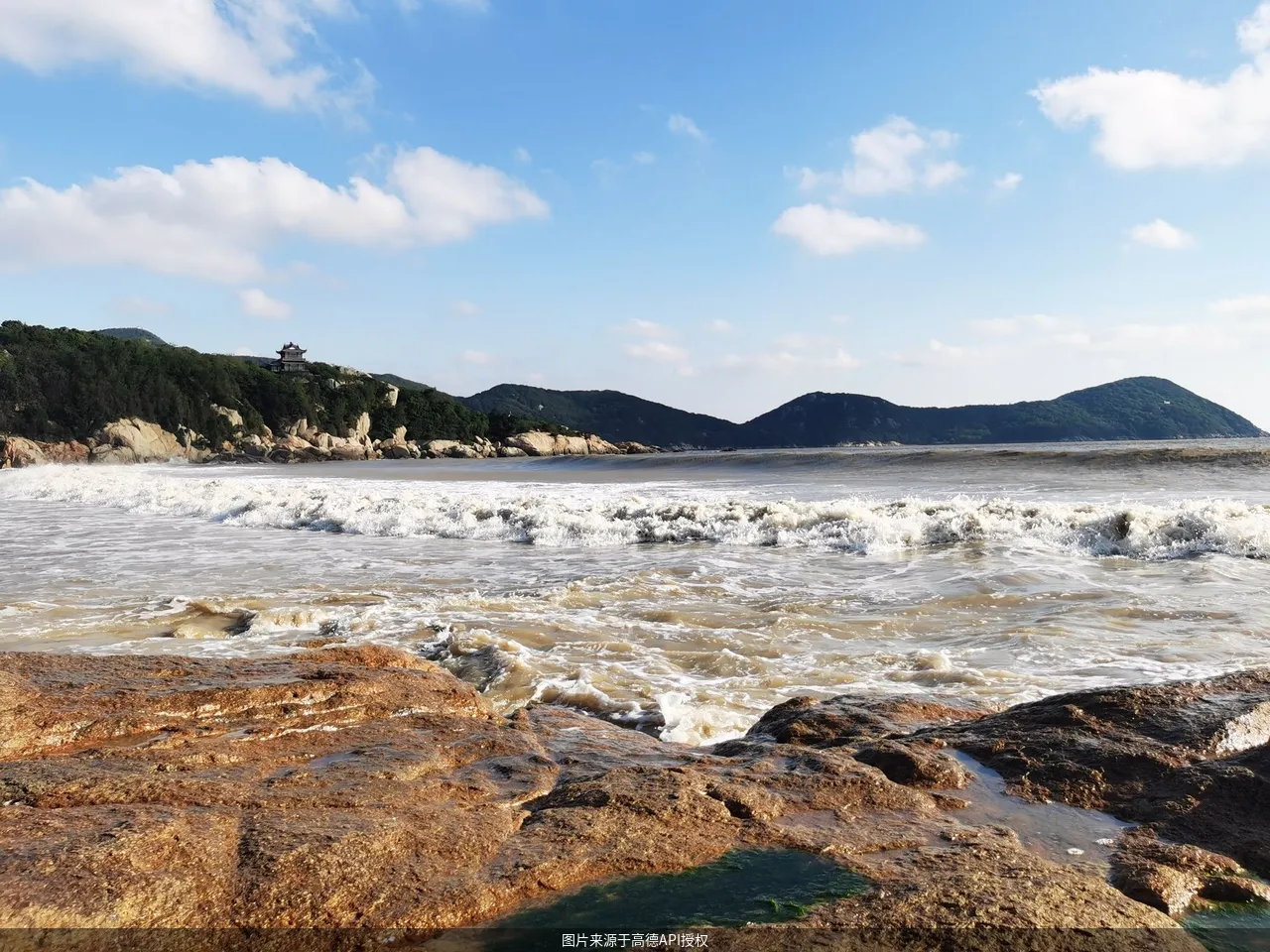
The beach itself is included in the Mount Putuo island entry ticket paid at the wharf — no separate charge applies to walk the sand. Summer extras are modest and paid on site: umbrella and swim-ring rentals, changing rooms and lockers. Lifeguards and swimming flags operate in season, with swimming generally confined to the buoyed area; outside summer the water is for walkers only in practice. Hours are unrestricted — dawn and night walks are common and safe on the promenade. Facilities and lifeguard coverage scale with the season, so in shoulder months treat any service as best-effort and check the stalls on the day.
Baibu Beach lies in the island's central quarter, five minutes' walk downhill from Puji Temple and directly on the main island-bus loop from the ferry wharf; the Fayu Temple road begins just beyond its southern end. From the wharf it's about ten minutes by bus. The beach is open at all hours and its promenade connects on foot to Qianbu Beach to the north in about 15 minutes along the coast. Facilities — umbrella and swim-ring rentals, changing rooms and snack stalls — operate in the summer season; off-season the beach is unstaffed but freely walkable. Flat access makes it easy for families with children and older travelers.
Dawn is the headline act: arrive twenty minutes before sunrise, and watch the pavilion, the fishing fleet and the first walkers turn gold. Early morning also belongs to pilgrims performing their sea rituals, best observed quietly and at a distance. Summer midday is swimming time, hot and lively; late afternoon cools into the island's most social hour as temple crowds descend. Spring and autumn give the most beautiful walking light and empty sand, while winter mornings can be wild and dramatic with sea fog. If you stay overnight on the island, make Baibu your first and last stop of the day — sunrise here, seafood nearby, and a nightcap walk on the wet sand.
Yes — the beach is covered by the island entry ticket, with no extra charge to walk the sand. Umbrella rentals, changing rooms and lockers cost small fees in summer only.
In summer, yes, within the buoyed and lifeguarded zone; facilities run during the season. Outside summer the water is cold and unguarded, better suited to walking than swimming.
The name reflects its compact length — a few hundred steps end to end — sheltered between rocky headlands. Its longer northern neighbor is aptly named Qianbu, the 'Thousand-Step Sands'.
At dawn, for the classic sunrise composition and the pilgrim rituals on the waterline. Summer adds swimming, while spring and autumn offer the most beautiful, emptiest walking light.
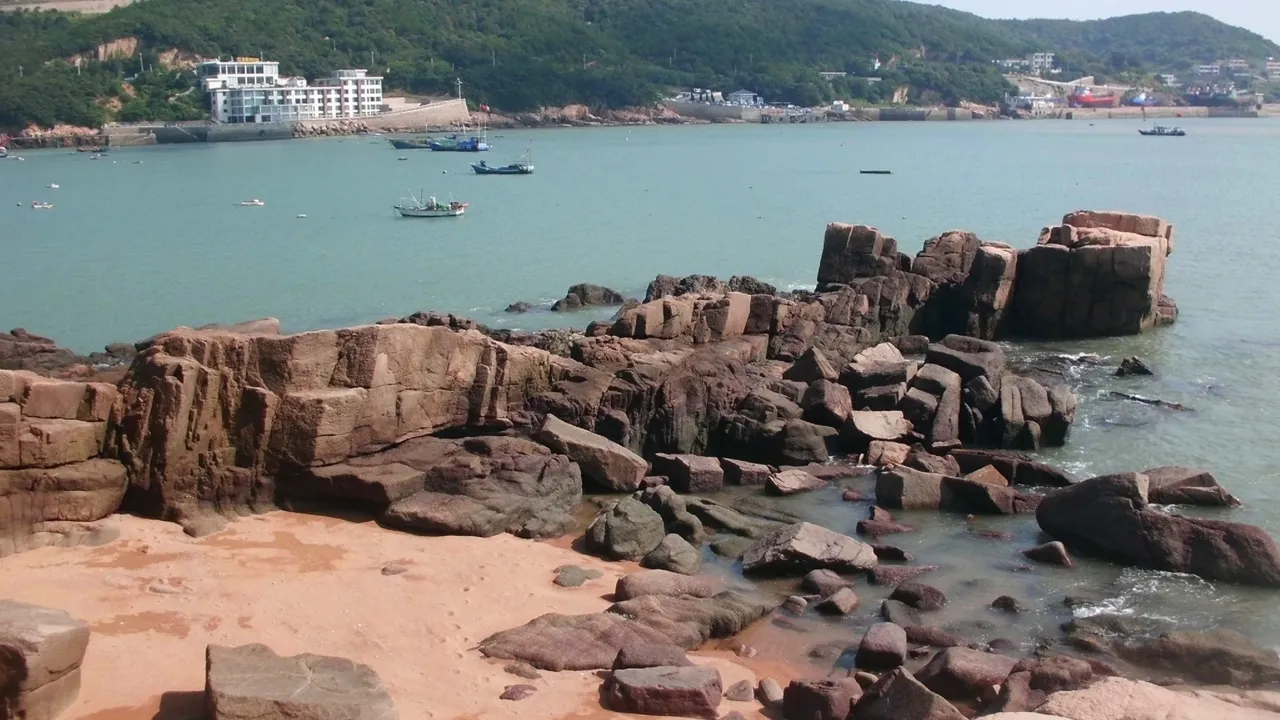 Full day · 8–10 hours
A few yuan for rice and two vegetables at eleven, then crab and mantis shrimp on a pier after five
View details →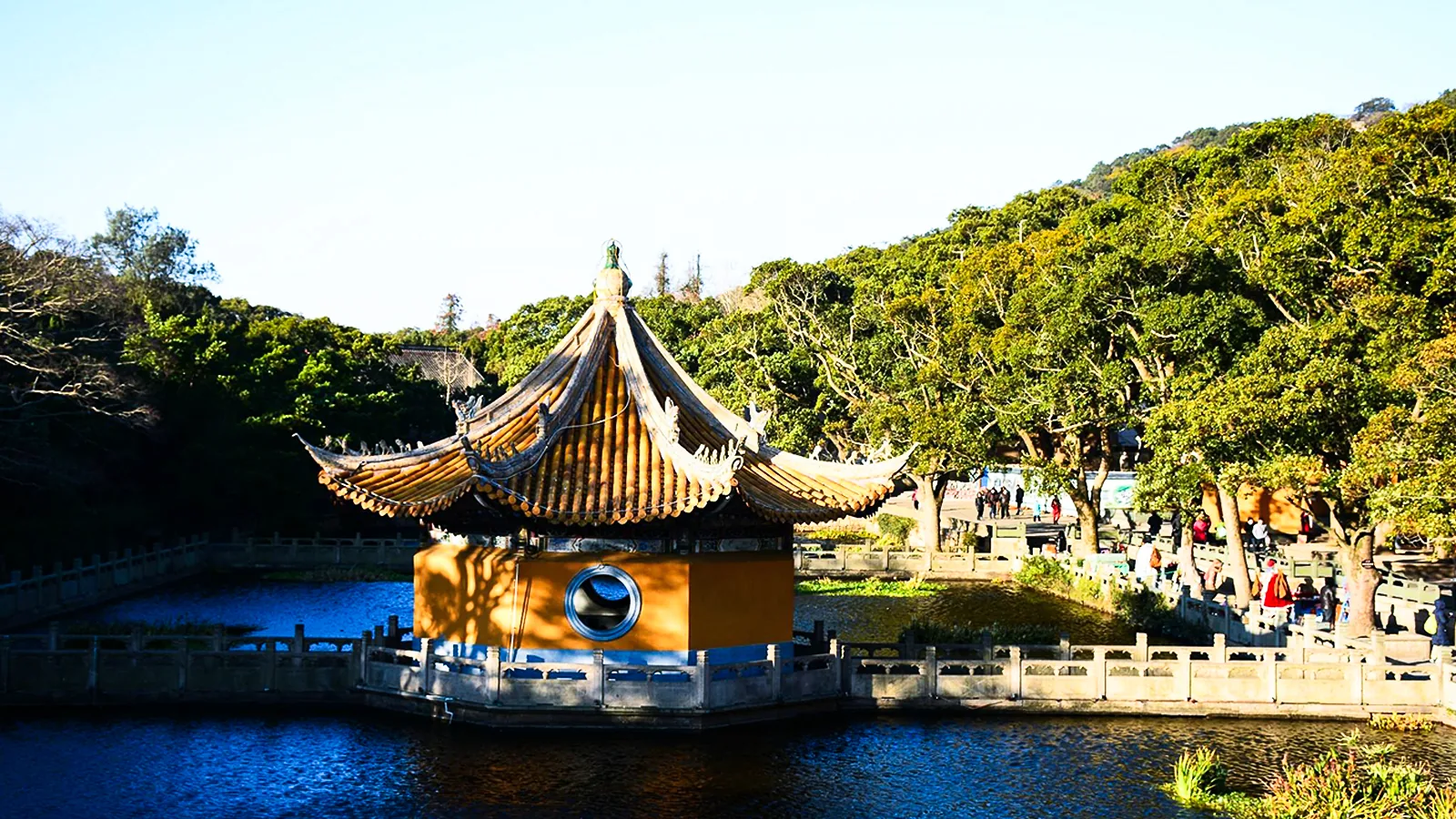 Full day · 8–10 hours
A hall first built in 916, a roof rebuilt with material from the Ming palace, and a summit reached by cable car
View details →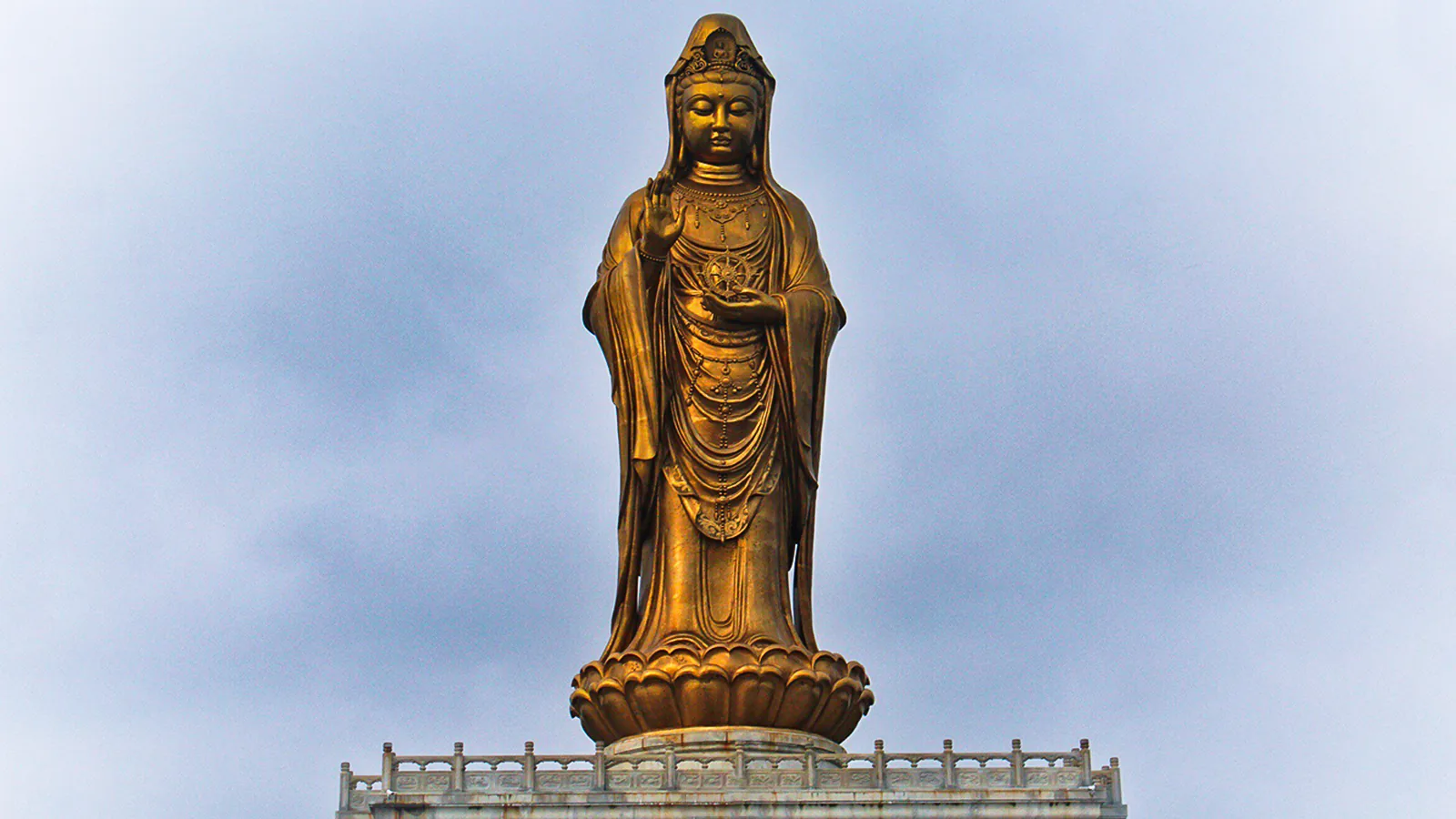 Full day · 8–10 hours
Sand on two sides of the island and a hillside of weathered granite, all of it walkable between boats
View details →2 days · 1 night · privateTwo days cover Mount Putuo's core sanctuaries: the Guanyin statue at t
View details →3 days · 2 nights · privateThree days read Mount Putuo in full: Puji, Fayu and Huiji temples link
View details →Woke up at 5am to catch the sunrise behind the 33m Guanyin statue and it was worth every minute of lost sleep. I went alone and never felt out of place — plenty of pilgrims just quietly doing their thing. The vegetarian lunch at the monastery dining hall cost almost nothing and the braised tofu was better than most restaurants back home.
We booked a private guide for the temple circuit — Puji, Fayu, Huiji — and having someone explain the rituals saved us from just wandering around clueless. The walk between Fayu and Huiji is mostly stairs, so wear proper shoes. Only gripe: the ferry over was packed and we stood the whole way, but that's island life I guess.
Private car & driver, day trips and multi-day routes from Mount Putuo. · Free consultation · reply within 12h