
China spans too many climate zones for a single best date - the real question is a matching exercise: pair the season with the destination, and somewhere in the country is always at its yearly best. This guide gives you two tools: a month-by-month climate table that decides where you go, and a holiday crowd calendar that decides which days you dodge. Stack the two and a comfortable itinerary falls out whether your dates are flexible or fixed.
1. The short answer: spring and autumn, with big exceptions
For most of the country, spring (April-May) and autumn (September-October) are the acknowledged sweet spots: mild temperatures, clear skies and manageable crowds. But the exceptions matter: Guilin peaks in autumn, Harbin belongs to deep winter, Tibet is a summer destination, and Hainan is at its best in winter. If your dates are locked, pick the region whose season matches them rather than forcing a destination into the wrong month.
2. The four seasons at a glance
Spring (March-May)
The most balanced season of the year: mild nationwide, flowers everywhere, and thinner crowds than summer. April is lovely in Beijing and Xi'an, with the south warming earlier. The one trap is the May Day holiday (May 1-5), when domestic travel surges.
Summer (June-August)
Hot and humid in the south and east, but this is when Tibet is at its most comfortable and the high-altitude west opens up fully. It is also peak season for families and students, so expect crowds and higher prices at the big sights. If you can take the heat, Chengdu hotpot still works in August - just reach the panda base for opening time.
Autumn (September-October)
The golden season for most of China: crisp air, high blue-sky days and spectacular foliage, with the Great Wall and Guilin's karst at their absolute best. Watch out for the National Day Golden Week in the first week of October, when the entire country travels at once.
Winter (November-February)
Cold in the north, mild in the south, and the quietest season overall - great prices and thin crowds outside the Spring Festival window. Harbin's ice festival and Hainan's beach weather both live here, while Guangzhou, Shenzhen and Yunnan stay pleasant all winter.
3. Match the region: where to go in which season
Expanding the four seasons into a destination list makes choosing simple:
- Beijing and Xi'an: twin windows in April-May and September-October, with city walls and the Great Wall best under crisp autumn skies
- Shanghai and the east coast: spring and autumn both work; summer is humid and rainy, so skip it if you can
- Chengdu and Sichuan: spring and autumn lead, summer escapes to the western plateau, and winter is damp but nearly crowd-free
- Guilin and Yangshuo: autumn brings the clearest skies and the sharpest karst silhouettes
- Yunnan: viable almost year-round, peaking with spring blossoms and still warm in winter
- Tibet and the high west: open May-October, most comfortable in July-August, with most routes closed in winter
- Harbin and the northeast: January's ice festival is the draw; other seasons offer limited appeal
- Hainan: the winter sun haven from November to March; typhoon season makes summer a poor choice
4. Month-by-month climate and advice
| Month | Climate snapshot | What to do |
|---|---|---|
| January | Deep northern cold, Harbin around -15℃, damp chill in the south | Harbin ice festival, Hainan beach escape |
| February | Spring Festival window, transport and hotels tightest | Travel off-peak, or catch post-holiday low prices |
| March | South warms up, Jiangnan around 10-20℃ | Flowers in Jiangnan; dodge the Qingming mini-holiday |
| April | Mild nationwide, Beijing around 10-22℃ | Prime window for Beijing and Xi'an |
| May | Comfortable turning warm; May Day early in the month | From mid-month, the whole country works |
| June | Plum rains in the south, eastern humidity begins | Yunnan and the Tibetan plateau hit their stride |
| July | High summer, 30℃+ and rainy in the east | Best month for Tibet; escape to the plateau |
| August | Peak heat and humidity | Western Sichuan, Qinghai, Tibet; museums at midday |
| September | Cooling down, skies turn clear | Golden season begins; Guilin and the Wall at their best |
| October | Peak autumn colour, quieter by month-end | Avoid Golden Week early on; value returns late month |
| November | Autumn into winter, fewest visitors of the year | Shoulder-season prices, still pleasant in the south |
| December | Deep winter in the north | Mild Sanya and Xiamen; Harbin ice sculptures under construction |
5. The holiday crowd calendar
| Holiday | Dates | Crowds | Advice |
|---|---|---|---|
| Spring Festival | Jan-Feb (lunar calendar) | Biggest of the year | Small shops close and trains sell out three weeks ahead; avoid, or base in one city |
| Qingming | Early April | 3-day weekend, mostly local trips | Slightly busy by day; manageable |
| May Day | May 1-5 | Peak | Quota sites sell out daily; avoid if you can |
| Dragon Boat | June (lunar calendar) | 3-day weekend | Moderate; just skip the headline sights |
| Mid-Autumn | September (lunar calendar) | 3-day weekend, mostly local trips | Manageable |
| National Day Golden Week | Oct 1-7 | Highest of the year | Unless your dates are fixed, avoid all top sights nationwide |
What Golden Week actually looks like: hotel prices triple; quota sights such as the Forbidden City and Jiuzhaigou sell out their daily allocations; high-speed rail tickets vanish the moment they are released; and the panda base suspends reservations at peak with queues past two hours. If your dates cannot move, book everything at maximum advance and shift sightseeing to the 7:30 openings.
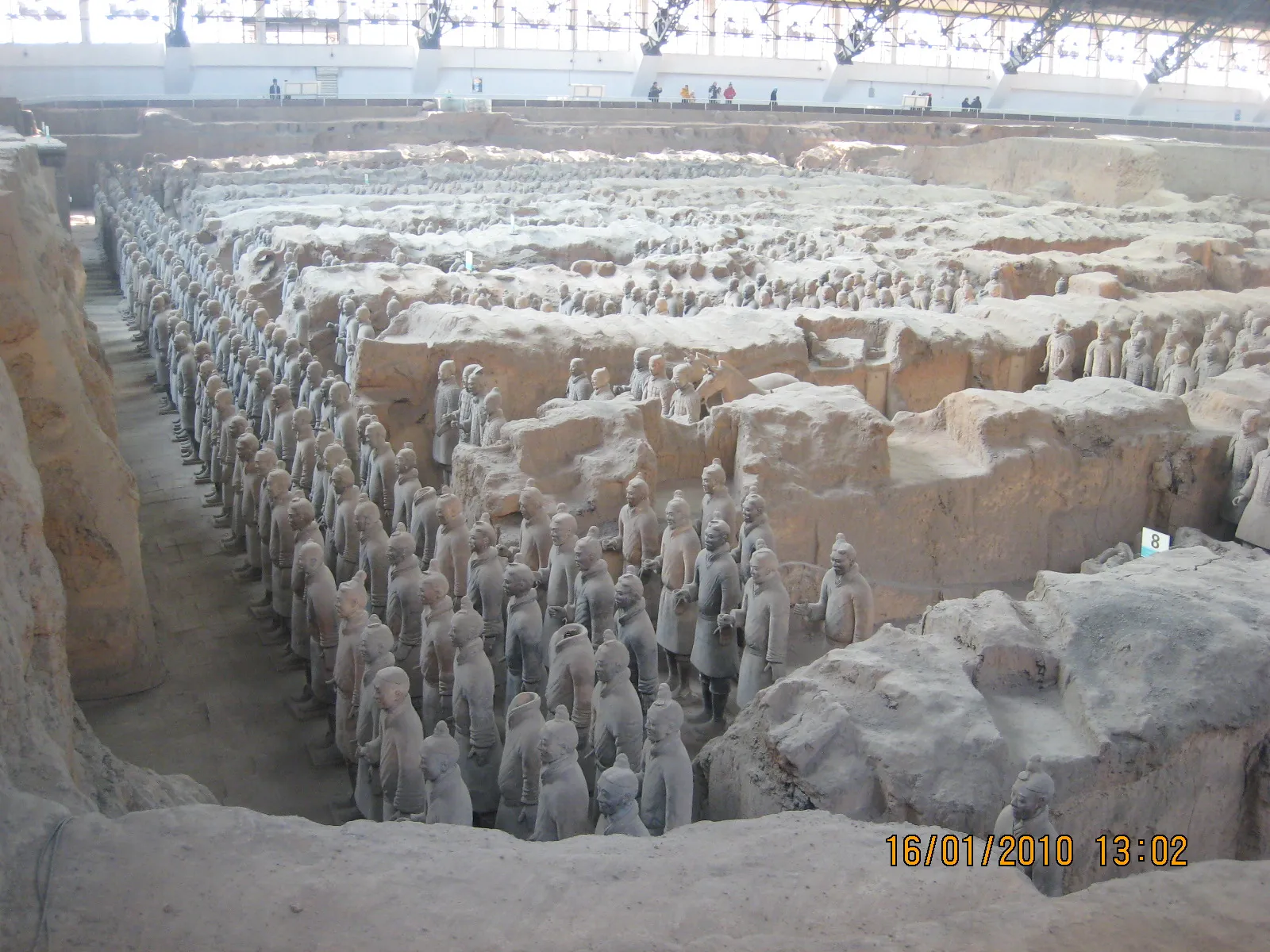
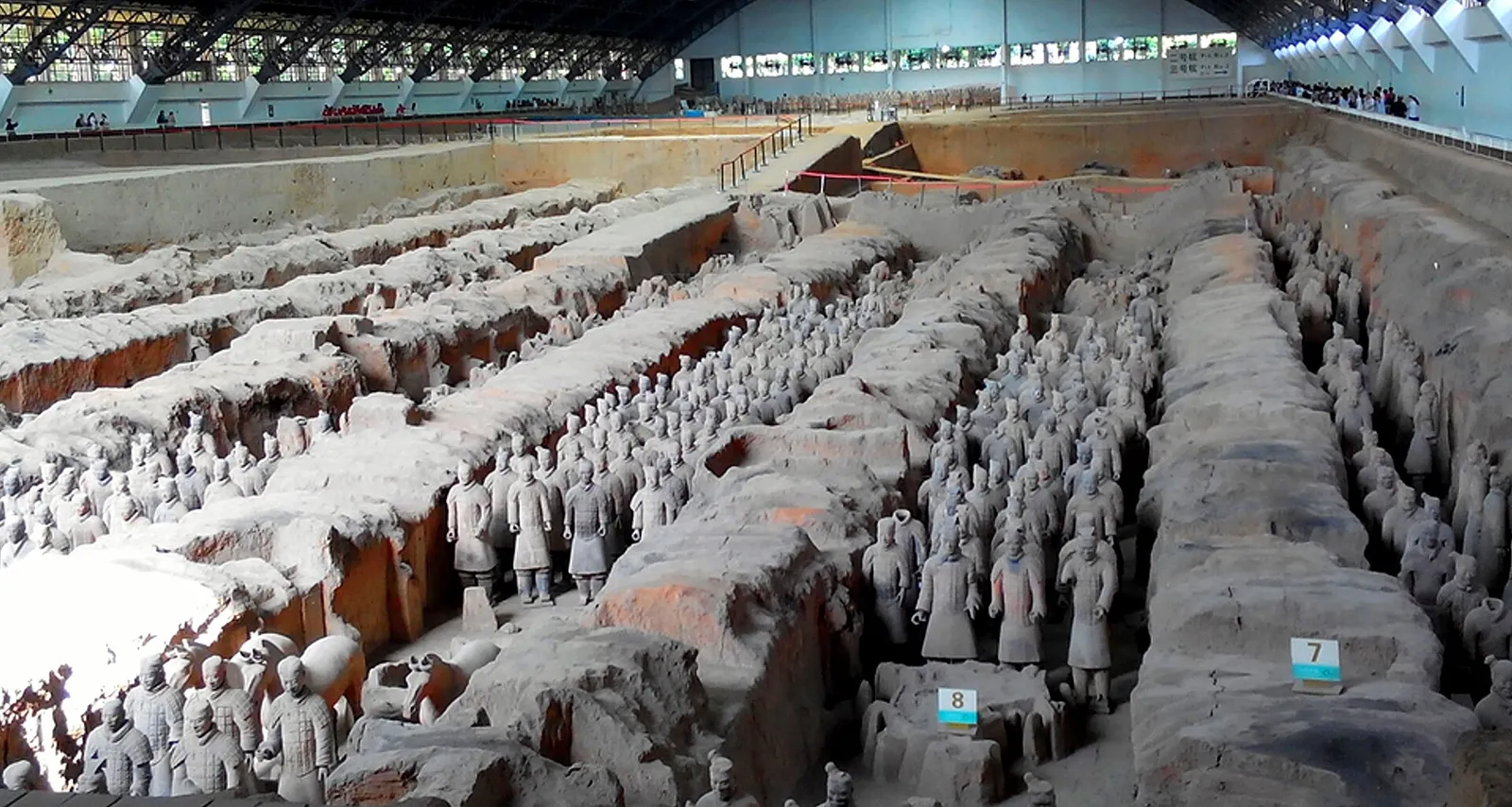
Three quiet windows worth planning around: late February to March (after Spring Festival, before Qingming), late May to early June, and November (after Golden Week, before winter) - shoulder-season prices with everything open. November in Chengdu is grey, but queues practically vanish, which is a good trade.
FAQs
I can only travel in summer. Can the trip still be good?
Yes - change the destination. Tibet, Qinghai, the Yunnan-Guizhou plateau and the northeast are summer strongholds, while in eastern cities push outdoors to early morning and evening and give midday to museums. Summer's problem is the eastern plains, not the whole country.
Is Golden Week really that bad?
The numbers do not lie: triple hotel prices, sold-out quotas, train tickets gone in seconds, two-hour queues as the baseline. It is not unplayable, but the same budget a fortnight either side buys double the experience. If locked in, book at maximum advance and start every day at opening time.
Is winter worth it in China?
Genuinely underrated: Harbin's ice festival is unique, Hainan enjoys its best three months, Shanghai, Guangzhou, Xiamen and Yunnan stay mild, hotels hit yearly lows, and top sights need no ticket battles.
How bad is the rainy season?
It concentrates in June-July across Jiangnan and South China, mostly as afternoon showers rather than days of rain - add one indoor backup per day. For mountain routes, watch heavy-rain warnings and check the day's weather and the scenic area's notices before setting out.
Do attractions close in the off-season?
Major sights stay open year-round, though hours may shorten. Some high-altitude roads (parts of the Tibet highways included) close temporarily in winter - check road conditions and official notices before setting out.