 TripMyChinaJOURNEYS THROUGH REAL CHINA✦ AI Trip✦ Plan My Trip
English
简体中文
繁體中文
日本語
한국어
ไทย
Tiếng Việt
Bahasa Indonesia
Italiano
Español
العربية
Русский
Deutsch
Français
Bahasa Malaysia
TripMyChinaJOURNEYS THROUGH REAL CHINA✦ AI Trip✦ Plan My TripAt 3,650m on the Tibetan Plateau, Lhasa is a city of sunlight, prayer wheels and pilgrims circling the Jokhang Temple. The Potala Palace alone justifies the journey, and the high-altitude light makes every photo glow. Note that foreign visitors need a Tibet Travel Permit and must join an organized tour, so plan ahead. Suited to slow, mindful travelers.
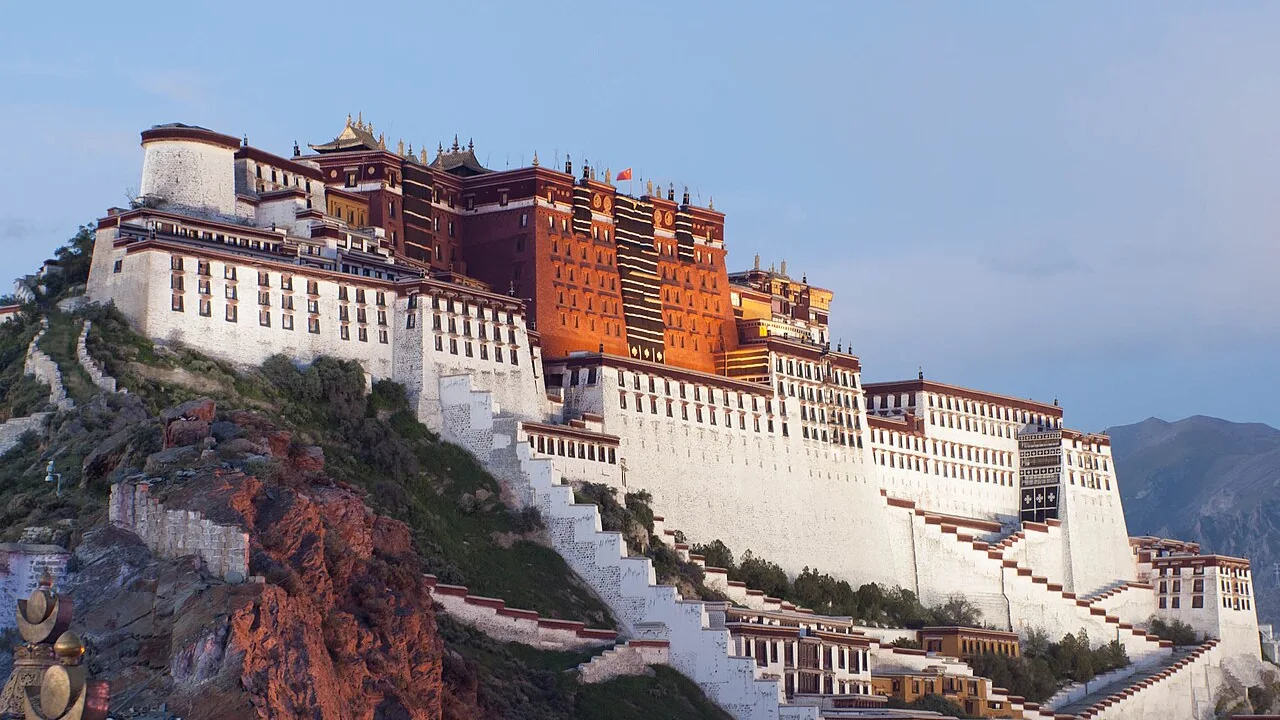
Lhasa, the capital of Tibet Autonomous Region in southwest China, is a city of profound spiritual significance and breathtaking beauty. Situated at an altitude of 3,650 meters on the Tibetan Plateau, it is one of the highest cities in the world. Known as the 'Sunlight City' due to its abundant sunshine, Lhasa has been the political, economic, cultural, and religious center of Tibet for over a thousand years. The city's name means 'Place of the Gods' in Tibetan, and its iconic Potala Palace, a UNESCO World Heritage Site, dominates the skyline, symbolizing the enduring legacy of Tibetan Buddhism and the region's rich history.
Lhasa is administratively divided into three urban districts—Chengguan, Doilungdeqen, and Dagze—and five counties: Damxung, Lhunzhub, Nyemo, Qushui, and Maizhokunggar. The urban core is centered in Chengguan District, where most of the historical and cultural attractions are located, including the Jokhang Temple and the bustling Barkhor Street. The city sprawls along the Lhasa River valley, surrounded by majestic mountains. The layout reflects a blend of traditional Tibetan architecture and modern development, with the sacred Jokhang Temple at its heart, encircled by the Barkhor pilgrimage circuit.
For travelers, Lhasa offers an unforgettable experience of spiritual discovery and natural wonder. Visitors can explore the magnificent Potala Palace, join pilgrims in circumambulating the Jokhang Temple, and immerse themselves in the vibrant atmosphere of Barkhor Street. The city is also a gateway to the wider Tibetan Plateau, with monasteries like Sera and Drepung offering glimpses into monastic life. Despite the high altitude, Lhasa's warm sunshine and the warmth of its people make it a welcoming destination. Whether witnessing the colorful prayer flags or savoring butter tea, every moment in Lhasa is a journey into the heart of Tibetan culture.
Lhasa covers an area of approximately 29,518 square kilometers and has a population of about 867,900 (2020 census). It comprises 3 urban districts and 5 counties. The city is home to the UNESCO World Heritage Site of the Potala Palace, which includes the Jokhang Temple and Norbulingka, representing the pinnacle of Tibetan architecture and spirituality.
World-class, national and global recognition earned over the decades.
The Potala Palace was inscribed in 1994, with the Jokhang Temple added in 2000 and Norbulingka in 2001.
At 3,650 m, Lhasa is one of the highest capital cities on earth — and the sunniest, with 3,000 hours a year.
The Jokhang Temple is the spiritual centre of Tibetan Buddhism, drawing pilgrims from across the plateau.
Named in the first batch in 1982.
The Potala, Jokhang, Norbulingka, Sera and Drepung monasteries are all protected at national level.
The base for Everest north-side expeditions and for the great monasteries of the plateau.

The moments that shaped the city — and the stories its people still tell.
The Tibetan king moved his court to Lhasa and built the first palace on Red Hill.
The Tang princess brought Buddhism, crafts and medicine — the Jokhang was built to house the statue she carried.
The Fifth Dalai Lama began the present Potala; it became the seat of Tibetan government until 1959.
The Seventeen-Point Agreement was signed, and Lhasa became the capital of the Tibet Autonomous Region in 1965.
Lhasa was named a National Historical & Cultural City and opened to foreign travellers.
The railway reached Lhasa, cutting the journey from Xining to 21 hours.
Legend says the lake where the Jokhang stands was the heart of a demoness; the temple was built over it and twelve smaller temples pinned her limbs across the plateau.
A lake at 4,718 m, sacred to Tibetan Buddhists, said to reflect the sky so perfectly that it was named 'Heavenly Lake'.
Tsangyang Gyatso, the poet-Dalai Lama, wrote love songs still sung across the plateau.
Three paces, one city — every route built from places we actually operate.
Weather, crowds and the best months for what you want to see.
Clear and dry with fewer crowds than summer — good for the city's monasteries.
The clearest air and warmest days — the classic Everest and Namtso season.
Green hills and warm rain; the rainy season can cloud mountain views.
Cold and dry with very few visitors; some high passes and lakes close.
What this city is known for — the things worth planning your day around.
The places worth building a day around.
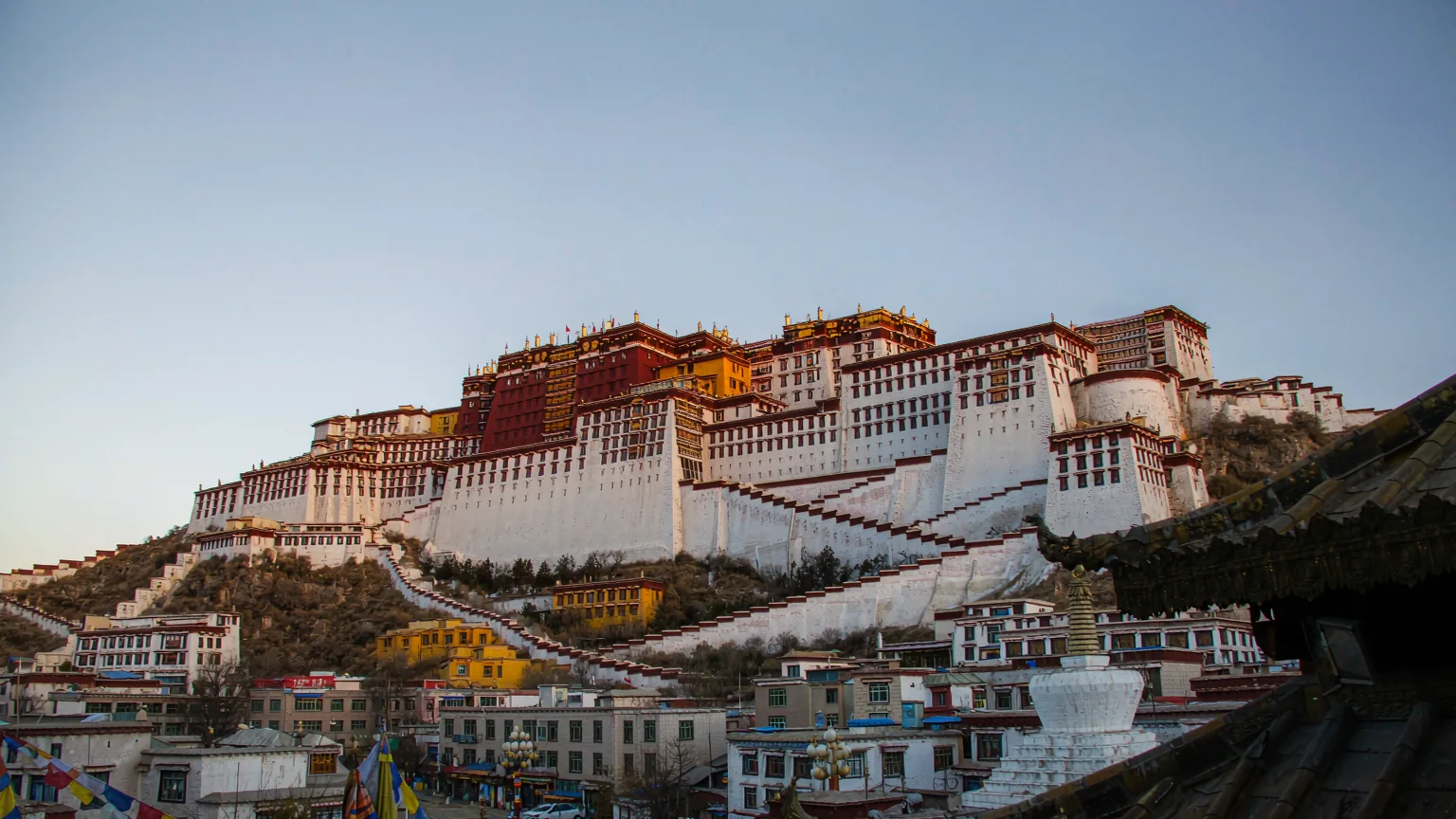
The Potala Palace is a 13-storey block of white and red walls on a rock above Lhasa, 117 metres tall and about 200 metres wide, at 3,700 metres. It wa
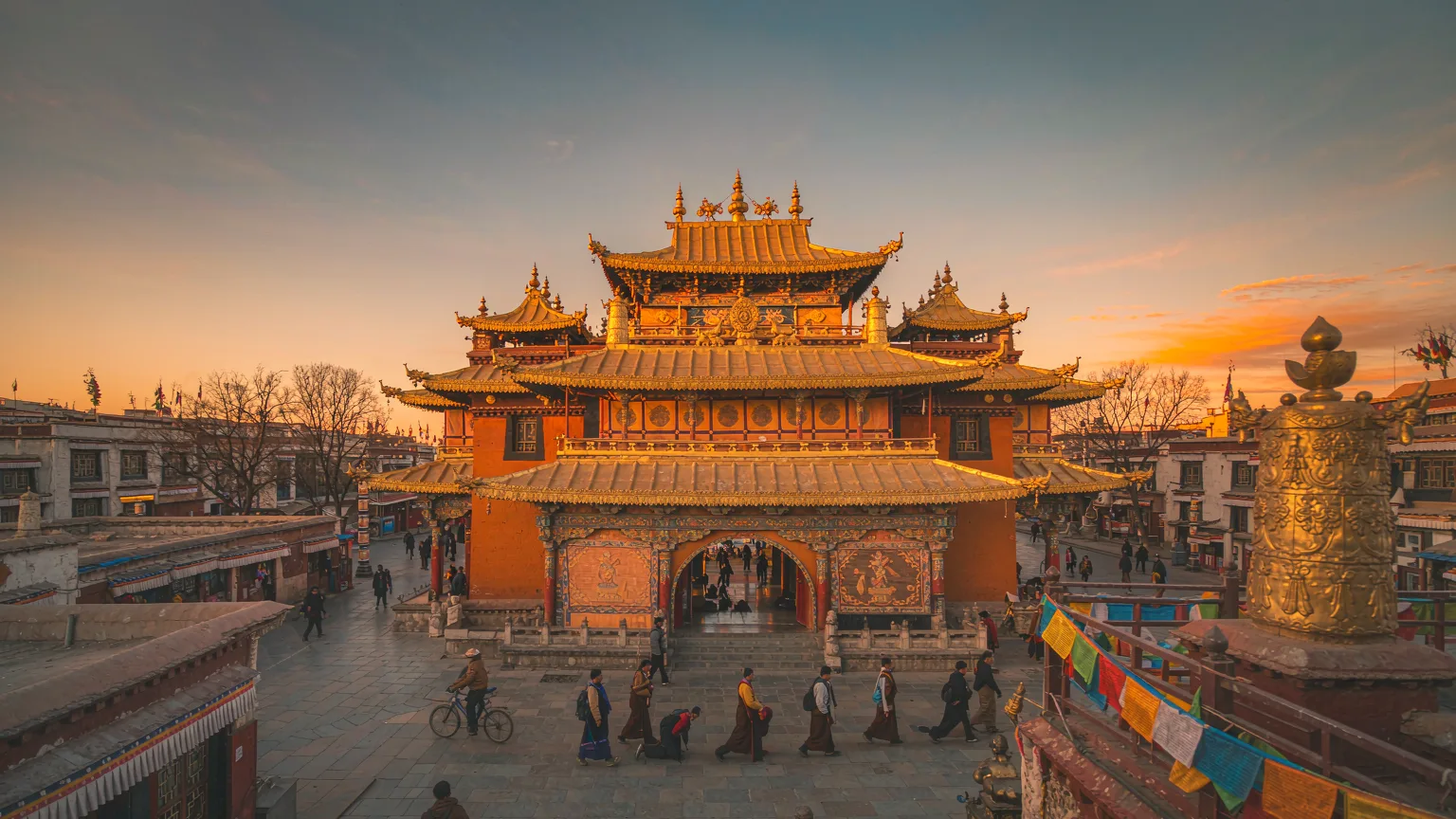
The Jokhang is the oldest temple in Lhasa, founded around 647, and the building Tibetan pilgrims treat as the centre of the world. It holds the Jowo S
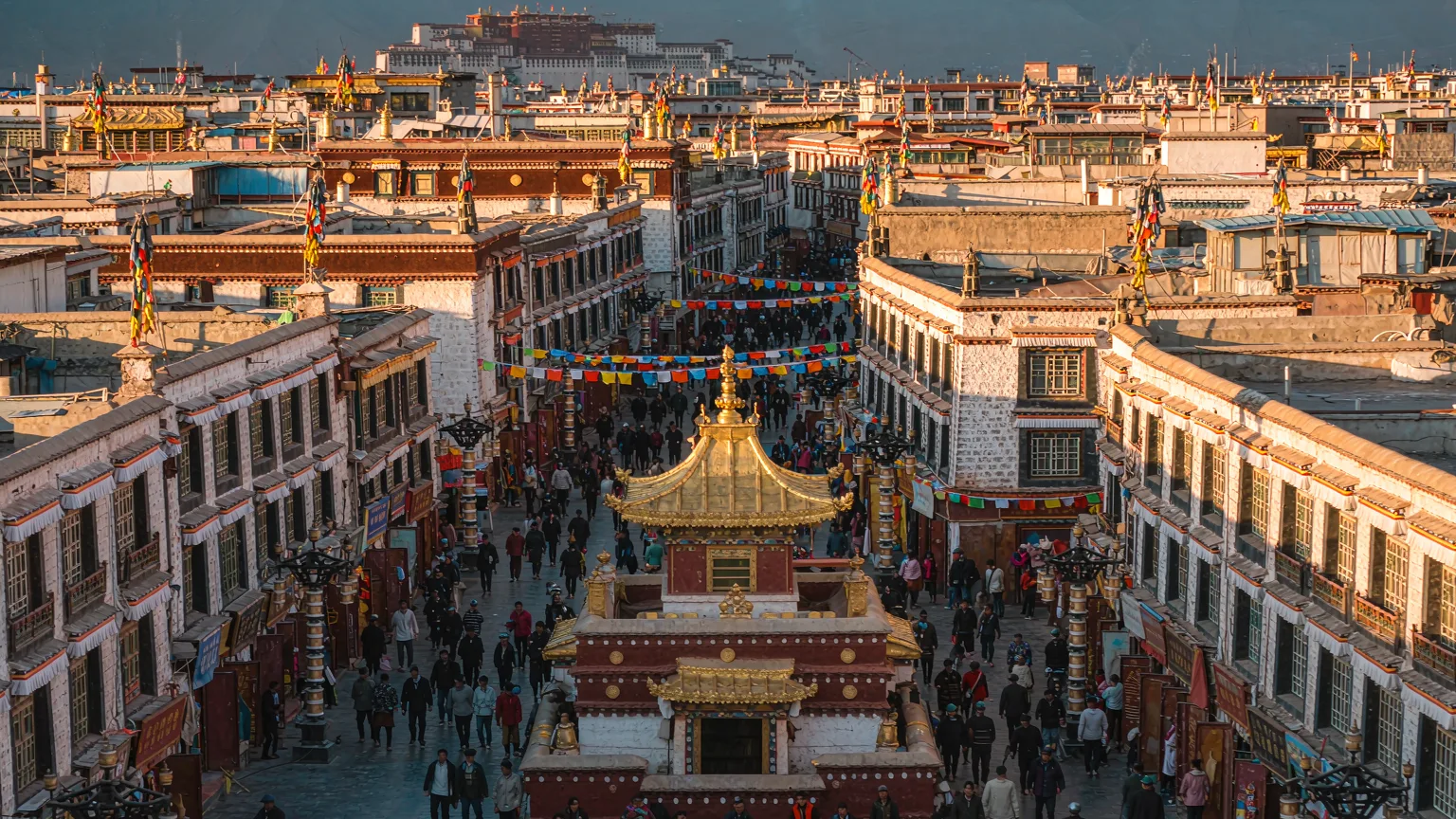
Barkhor is a one-kilometre ring of stone paving around the Jokhang, walked clockwise by pilgrims from before dawn. Shops line the outside, prayer whee
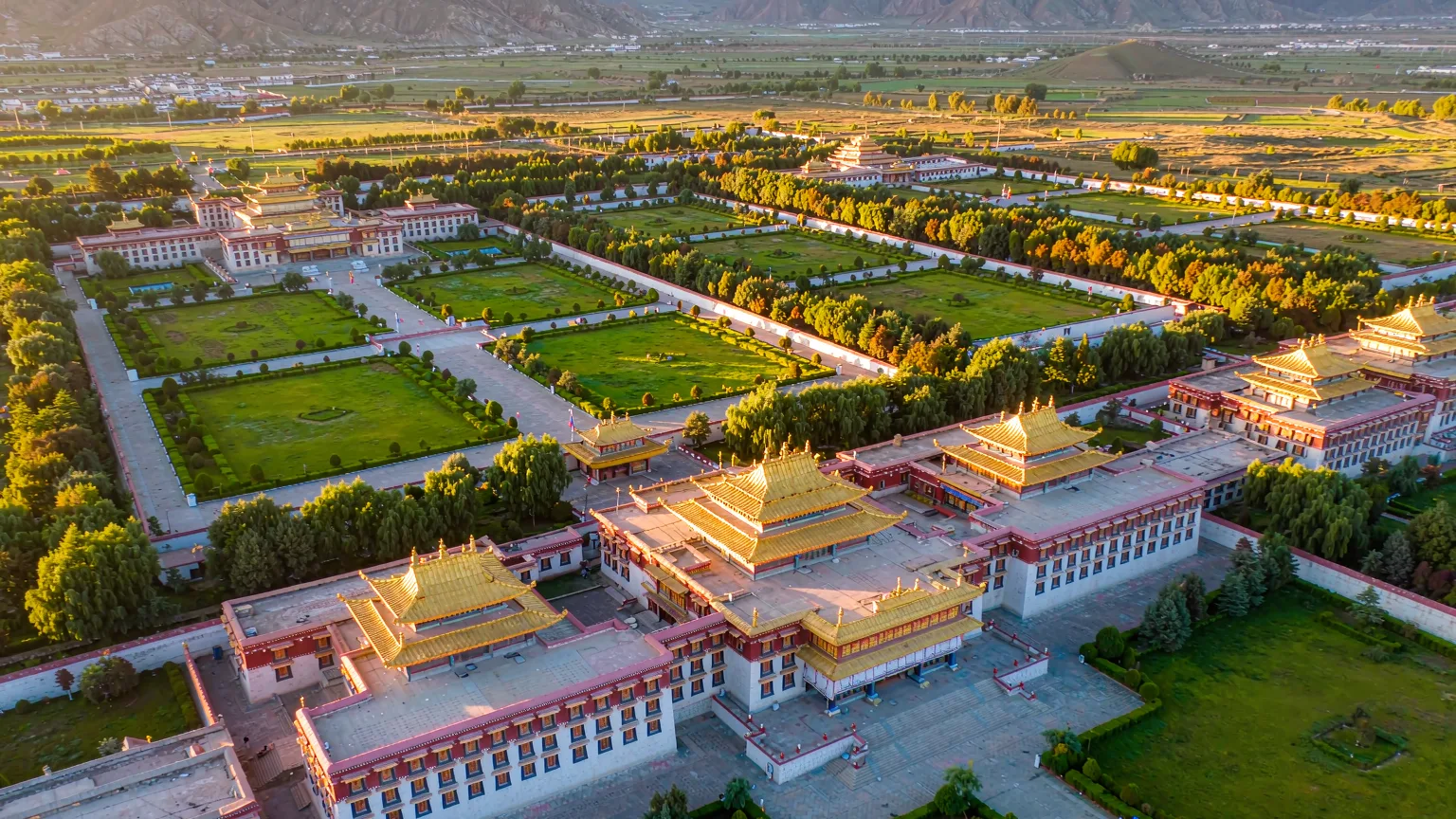
Norbulingka is 36 hectares of trees, lawns and low palaces on the south-west edge of Lhasa, laid out from 1755 as the summer residence of the Dalai La
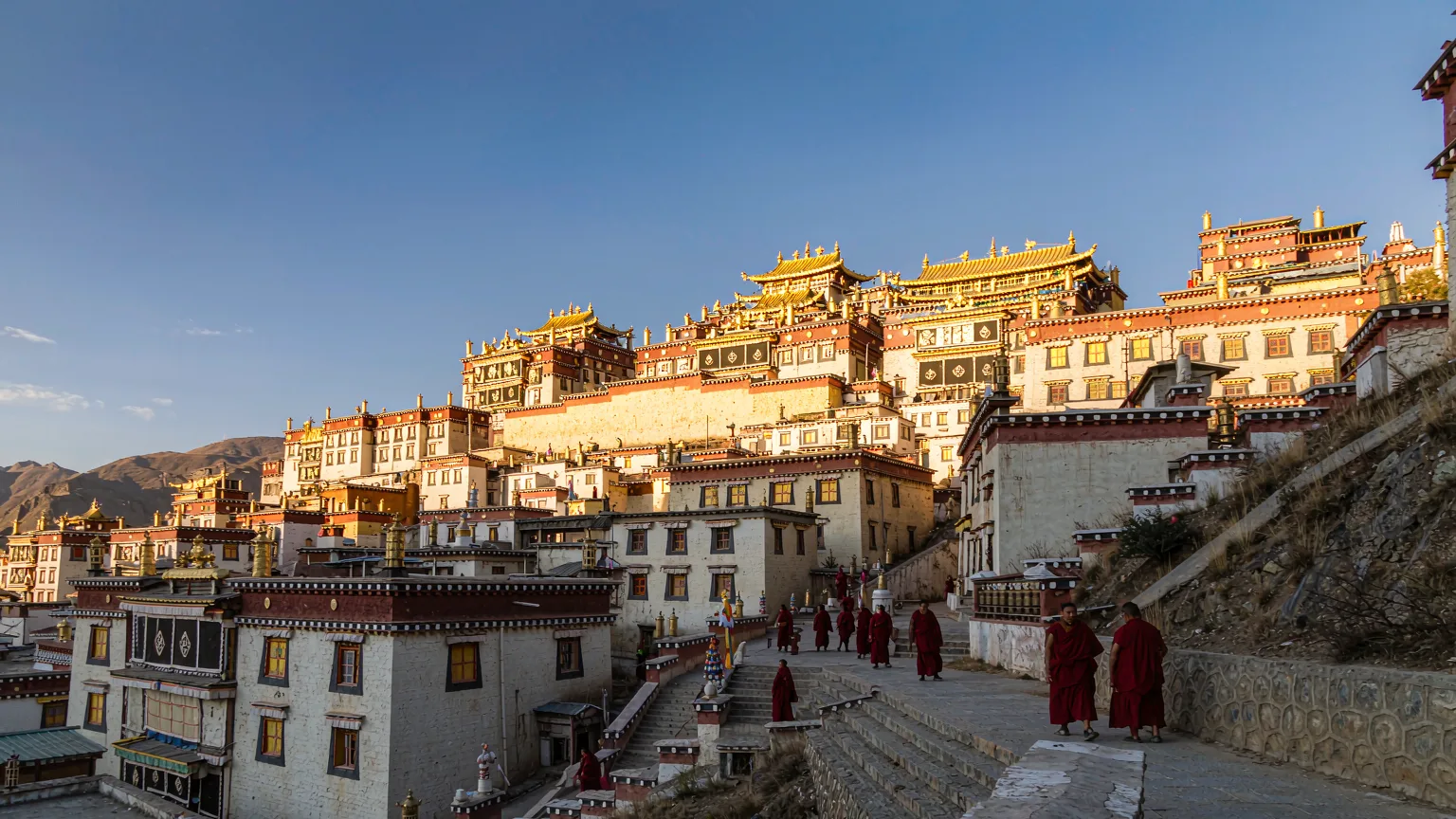
Sera is one of the three great monasteries of the Gelug order, founded in 1419 on the northern edge of Lhasa, and the one where the monks still argue
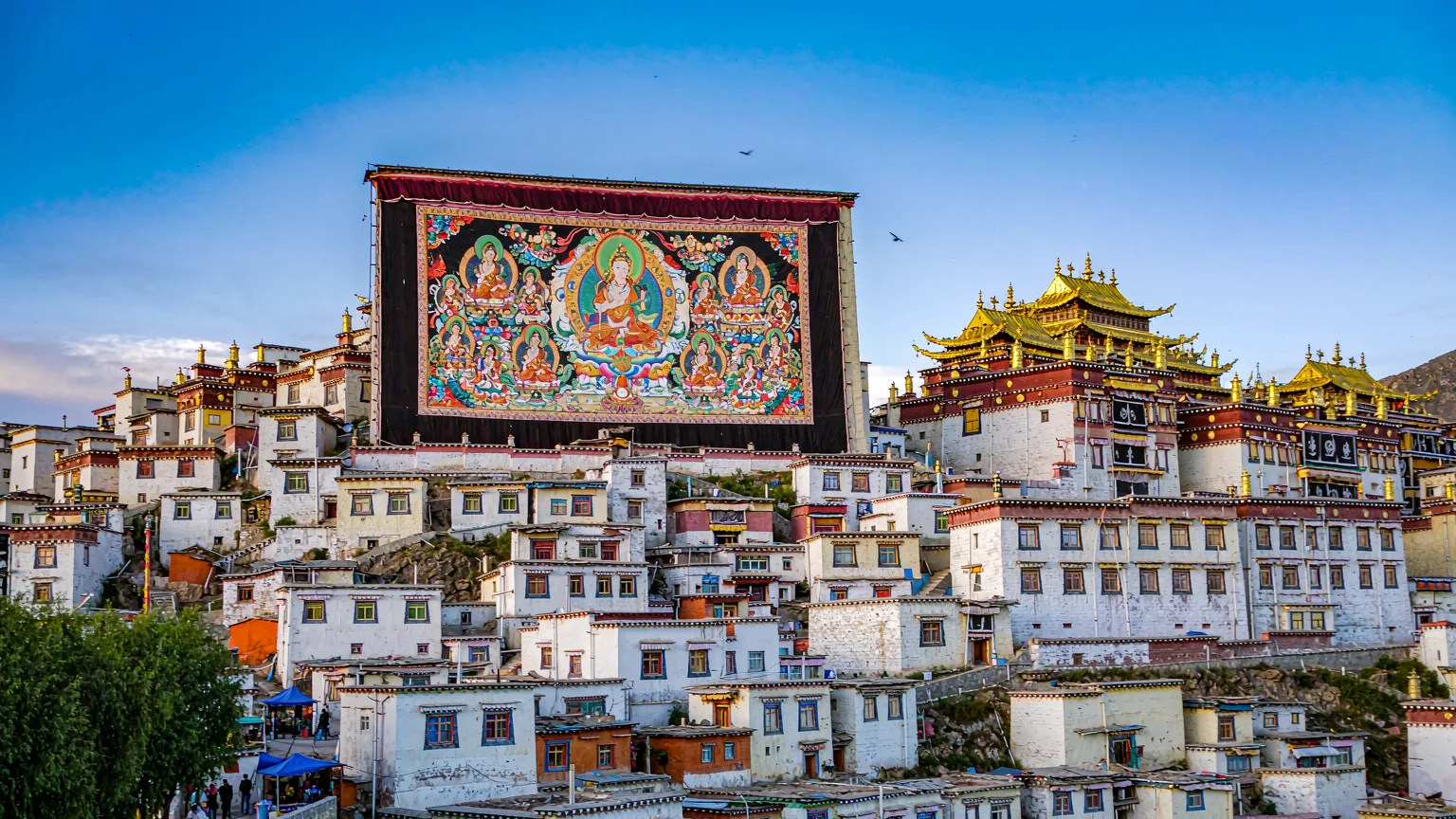
Drepung was founded in 1416 and grew into the largest monastery in the world, with about 7,700 monks by the 17th century. It sits at the foot of Mount
A little further out, for a spare half-day.
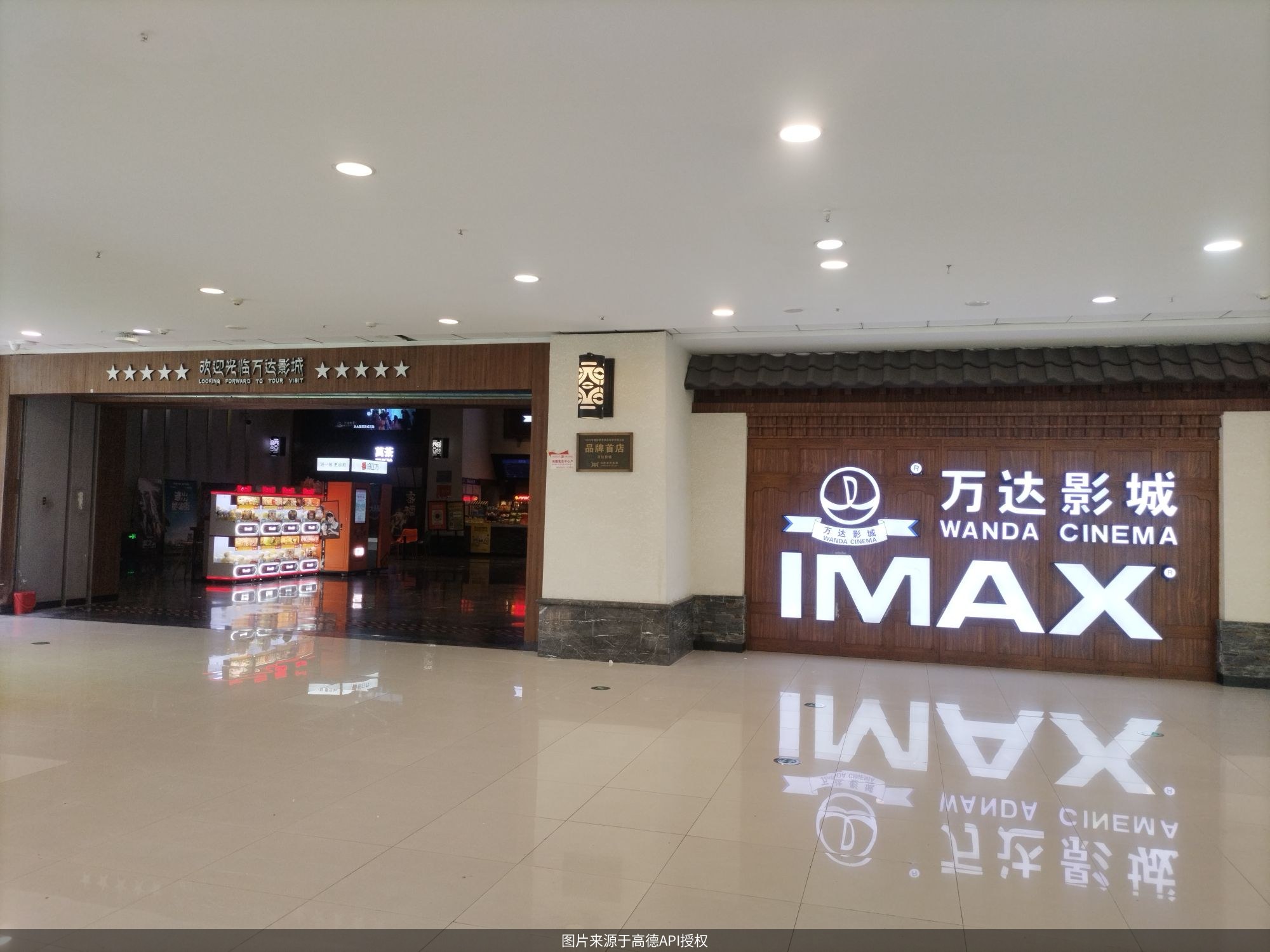
A major modern shopping center in Lhasa, gathering fashion brands, dining, cinemas and family entertainment.…
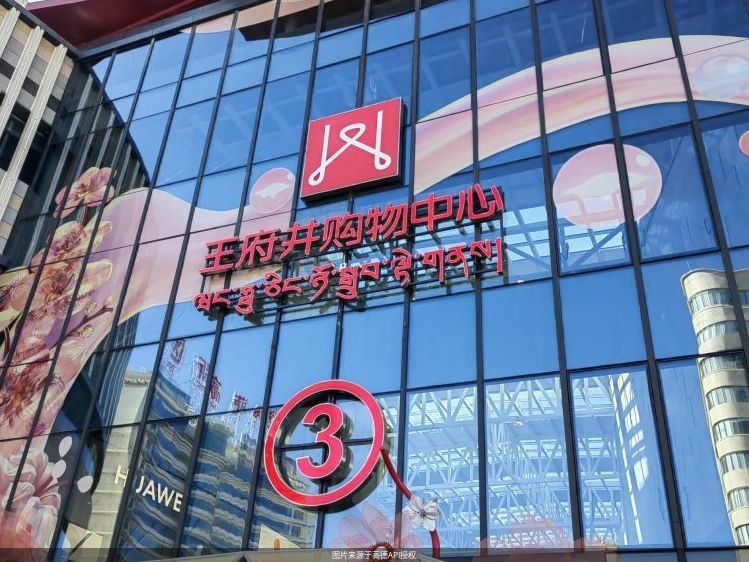
A Wangfujing-brand shopping center in Lhasa, combining retail, dining and entertainment in a rich mix of…
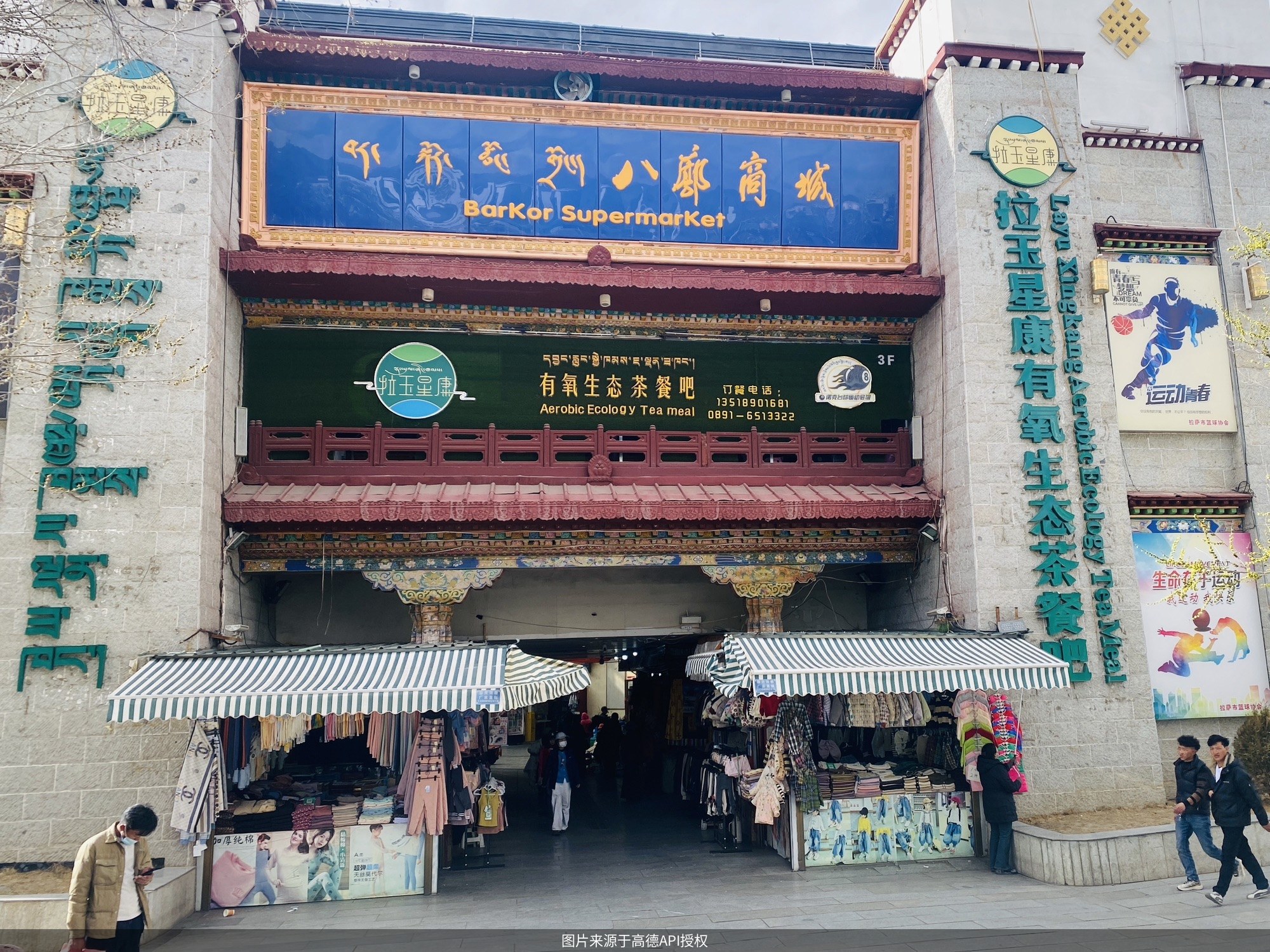
A commercial market in the heart of the Barkhor, filled with Tibetan crafts, thangkas, clothing and local…
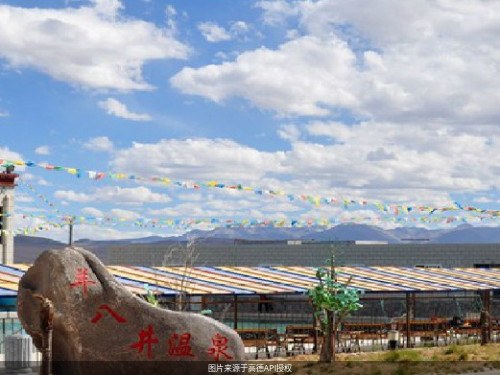
A resort over the world-renowned Yangbajain geothermal field, whose mineral-rich springs steam beneath…
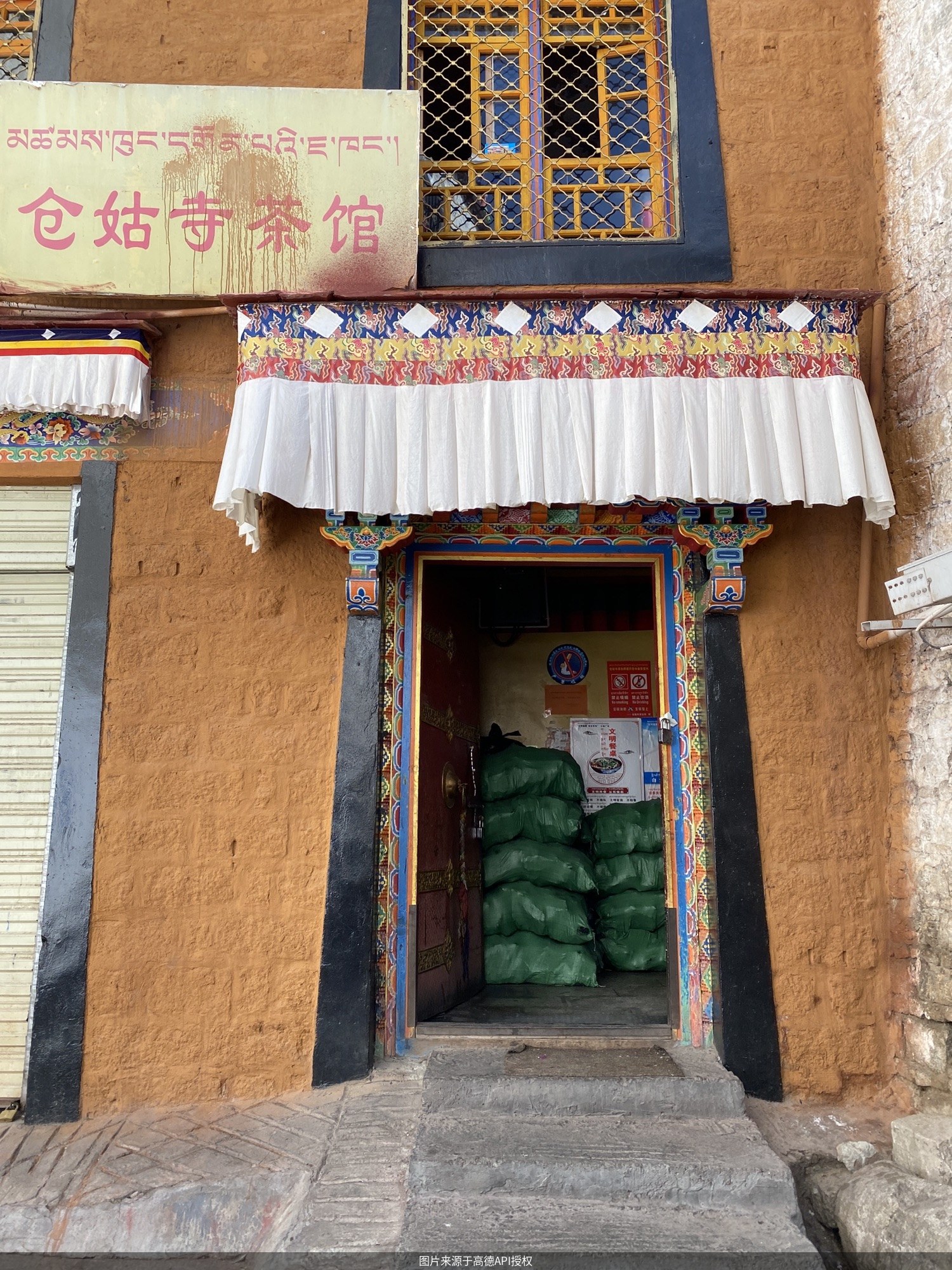
A sweet tea house run by the nuns of Canggu Temple, serene and unpretentious, serving sweet tea, Tibetan…
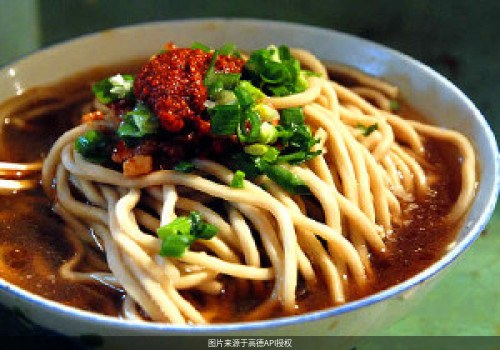
One of Lhasa's most beloved sweet tea houses, serving affordable, authentic sweet tea and Tibetan noodles at…
Museums, galleries and workshops still keeping old crafts alive.
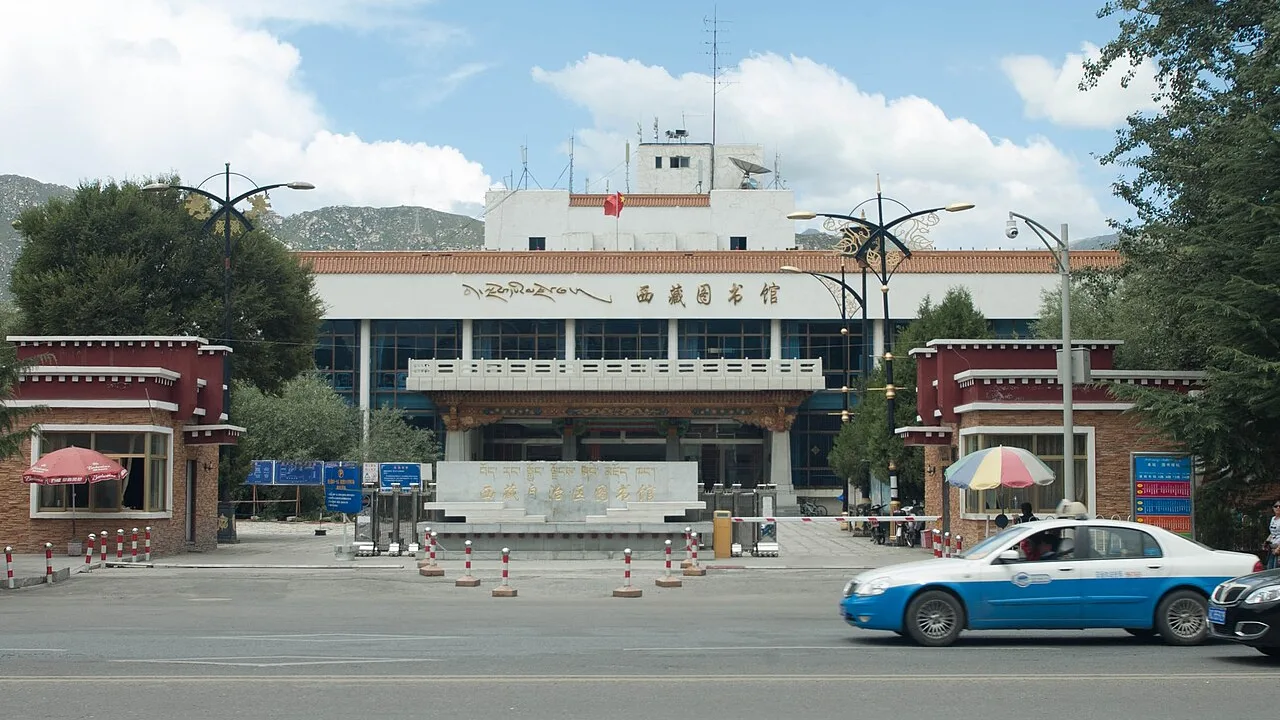
Tibet's largest public library, with rich Chinese and Tibetan collections including rare scriptures and local…
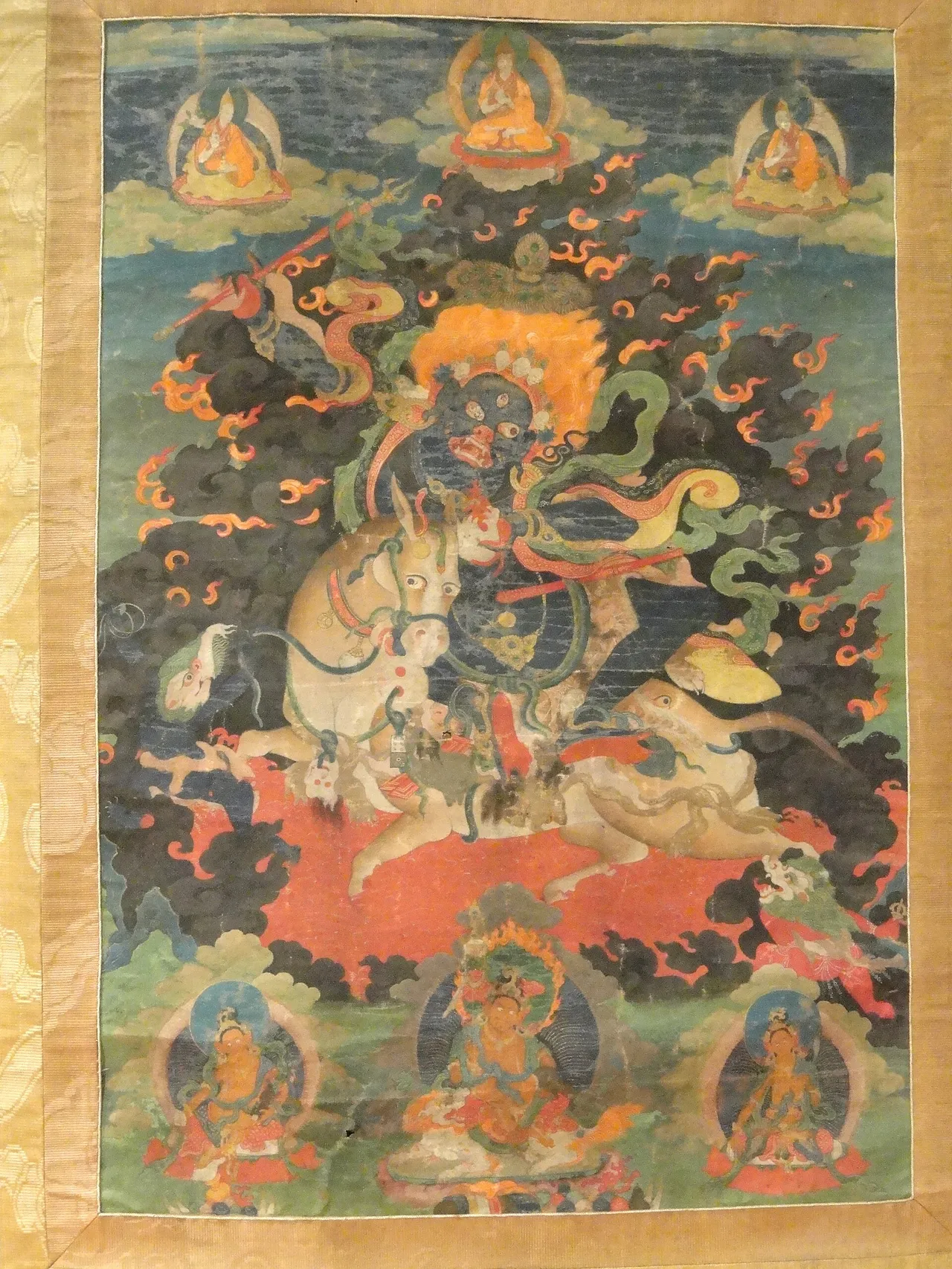
A leading Tibetan art museum showcasing modern and contemporary painting, sculpture and ethnic art. Its…
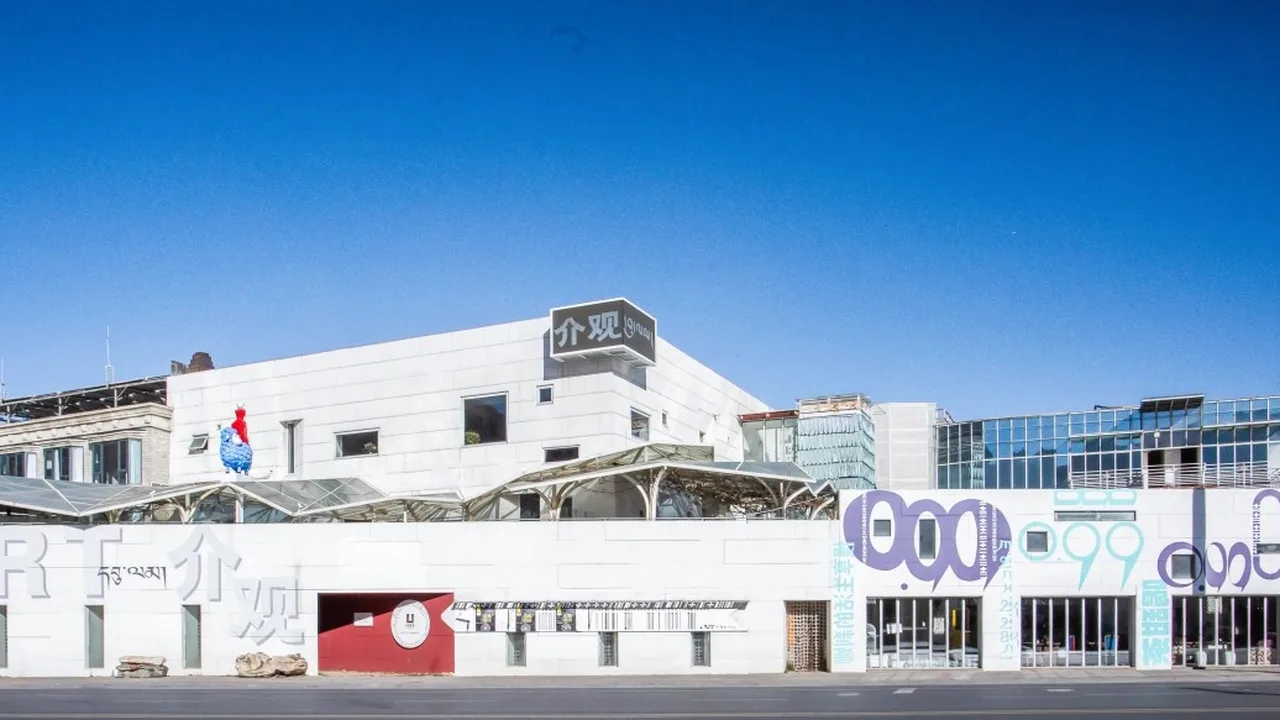
A contemporary art museum on the riverside showcasing Tibetan and international works in a modern space. It…
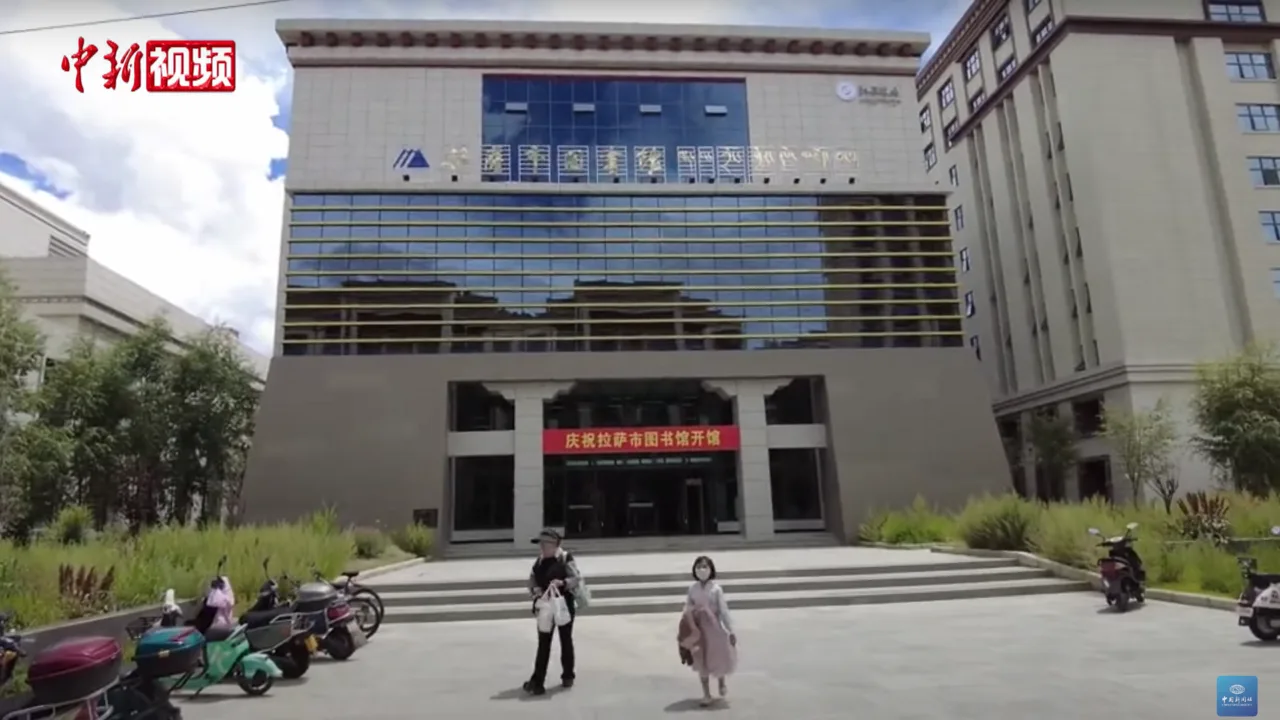
Lhasa's municipal public library, balancing general reading with local collections in a calm, comfortable…
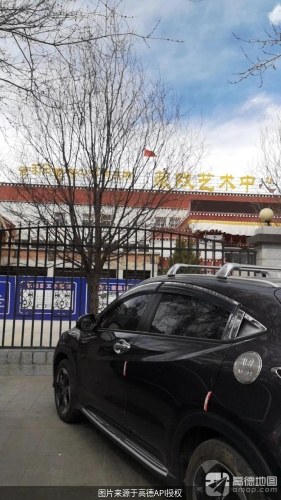
A UNESCO intangible heritage dating to 14th-century rituals, using exaggerated masks, soaring chant and…
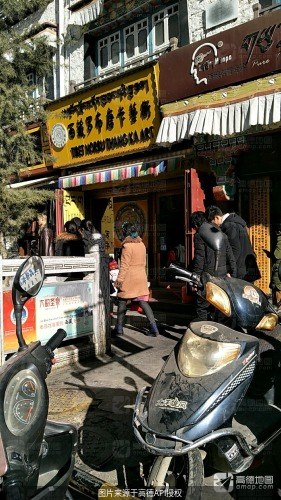
The craft of Tibetan scroll painting, applying mineral pigments to canvas with meticulous skill honed over…
What is on stage after dark.
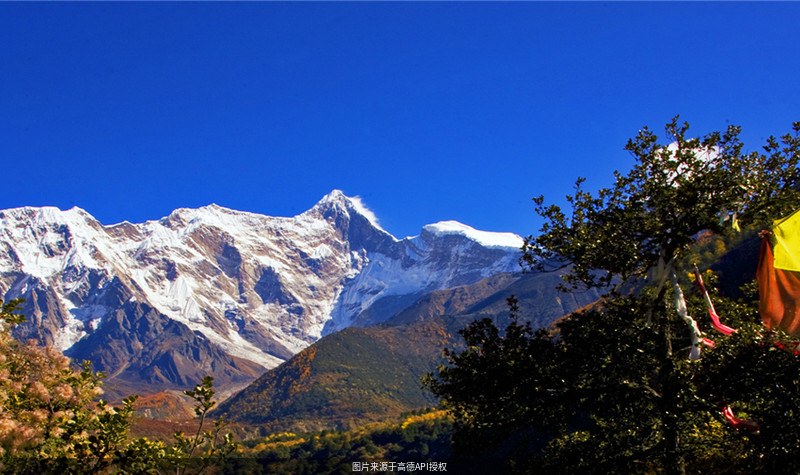
A modern, high-spec performance venue in Lhasa with an expansive stage, hosting concerts, song-and-dance…
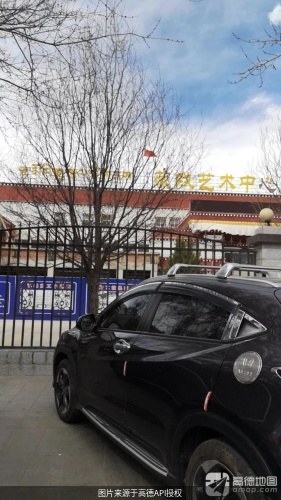
A dedicated venue for Tibetan opera, a UNESCO intangible heritage of masks, chant and dance. Here classic…
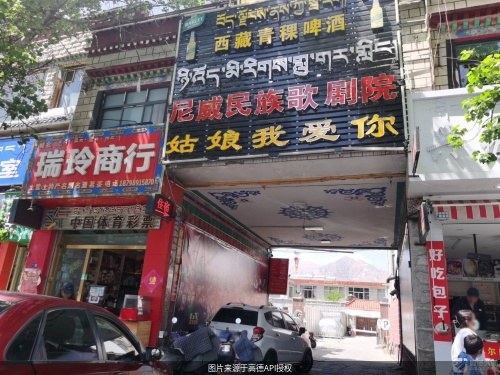
A theatre presenting folk song, dance and Tibetan opera with a full company and rich local flavor. A…
Where the whole street eats — the city's most famous food streets, each with its own guide page.
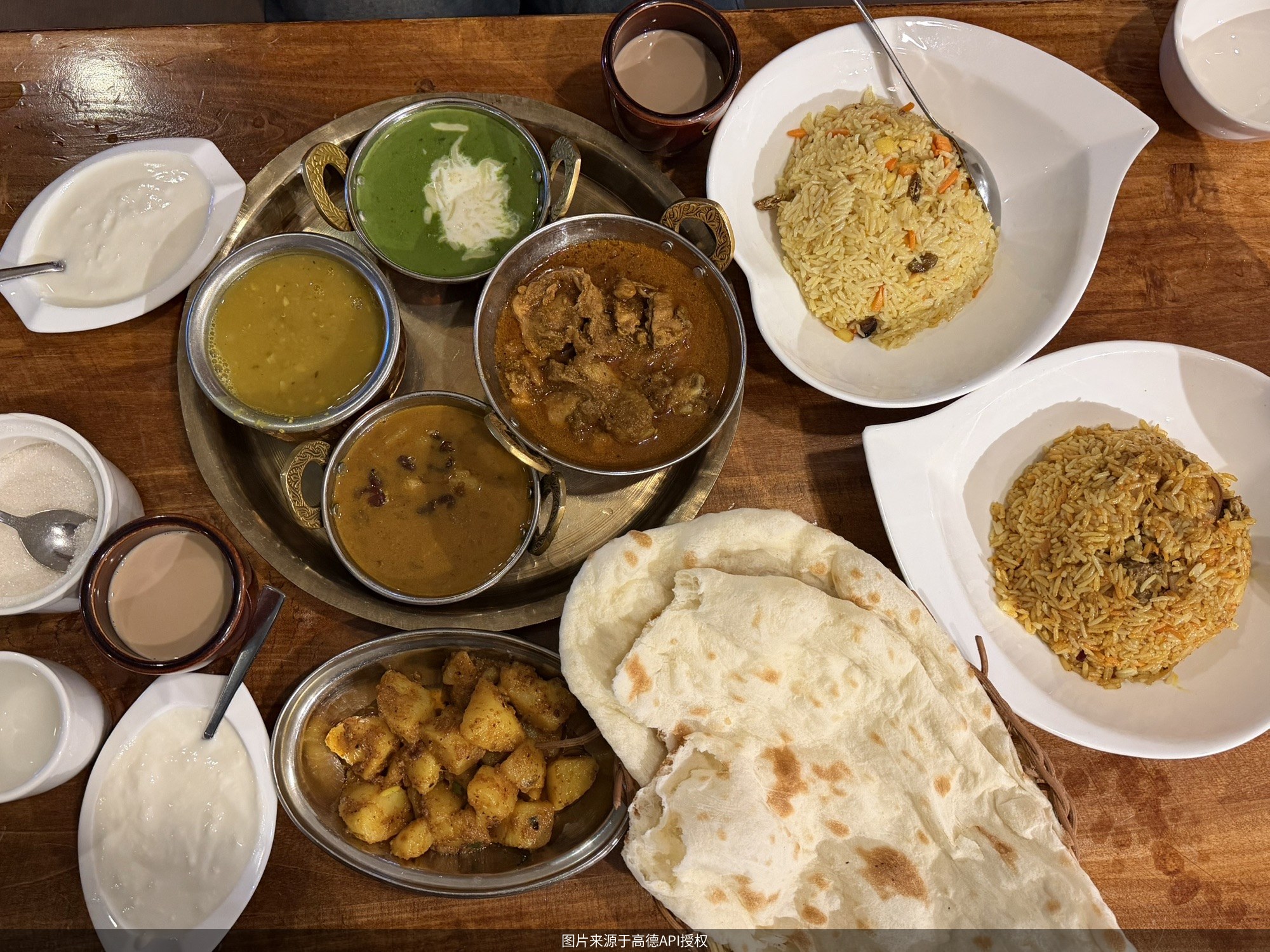
A restaurant devoted to traditional Lhasa dishes and clay-pot Tibetan cooking listed as intangible heritage.…
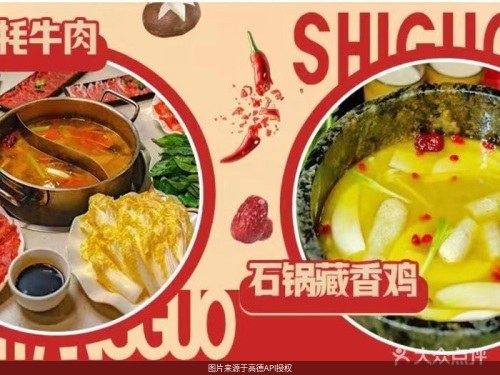
A hotpot restaurant built around plateau yak beef, with an appetizing sour-soup base and tender, satisfying…
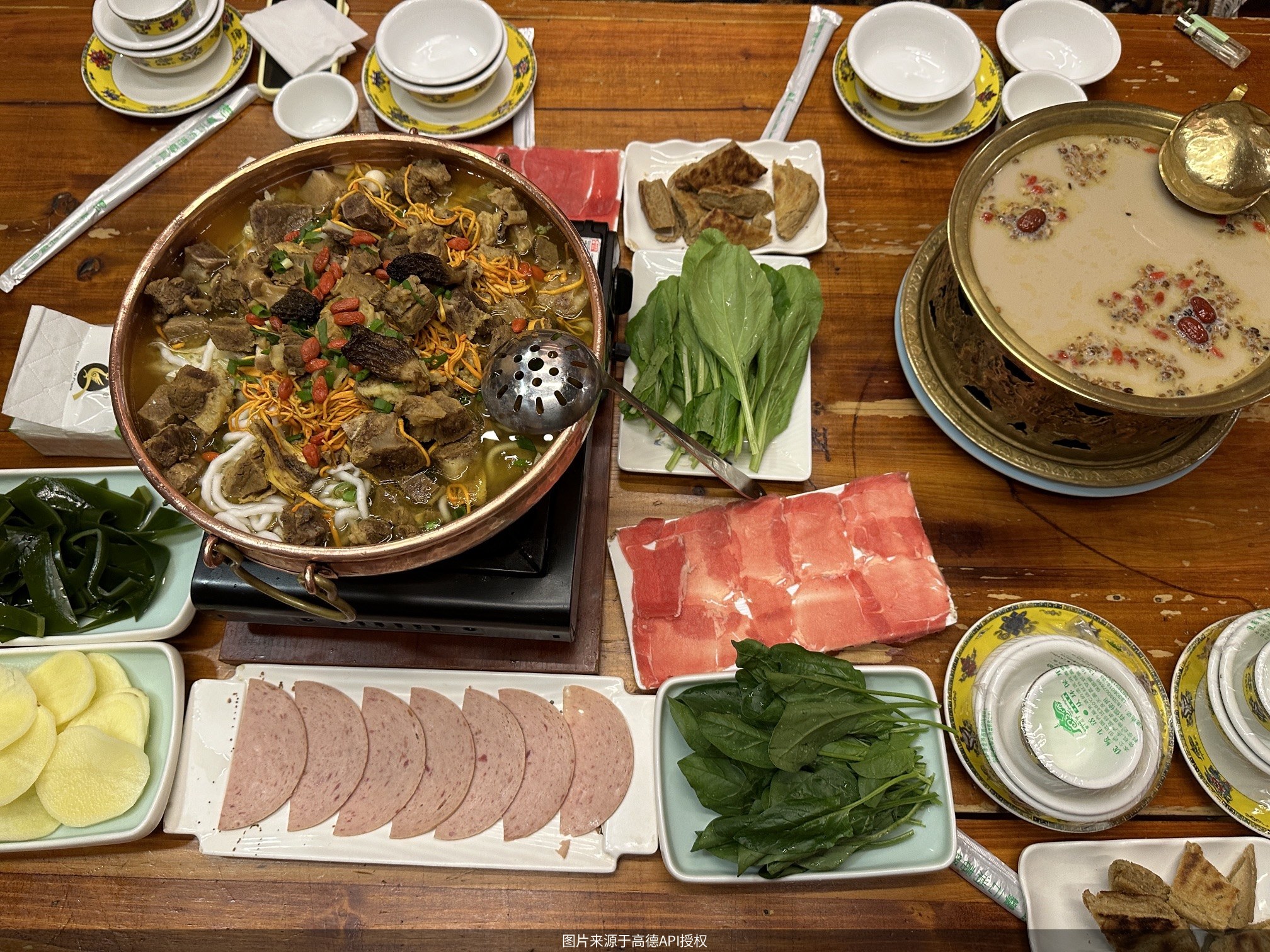
A Tibetan-style hotpot using copper pots that cook yak beef evenly, complemented by fragrant pork and yak…
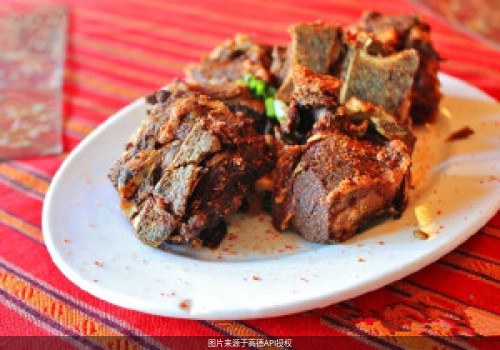
A well-known Lhasa spot for Tibetan and Nepalese flavors, celebrated for masala curries, Tibetan set meals…
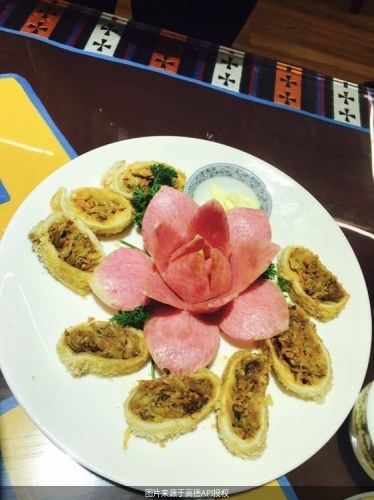
A local restaurant rich in Tibetan character, serving classics like fragrant pork, yak beef and butter tea in…
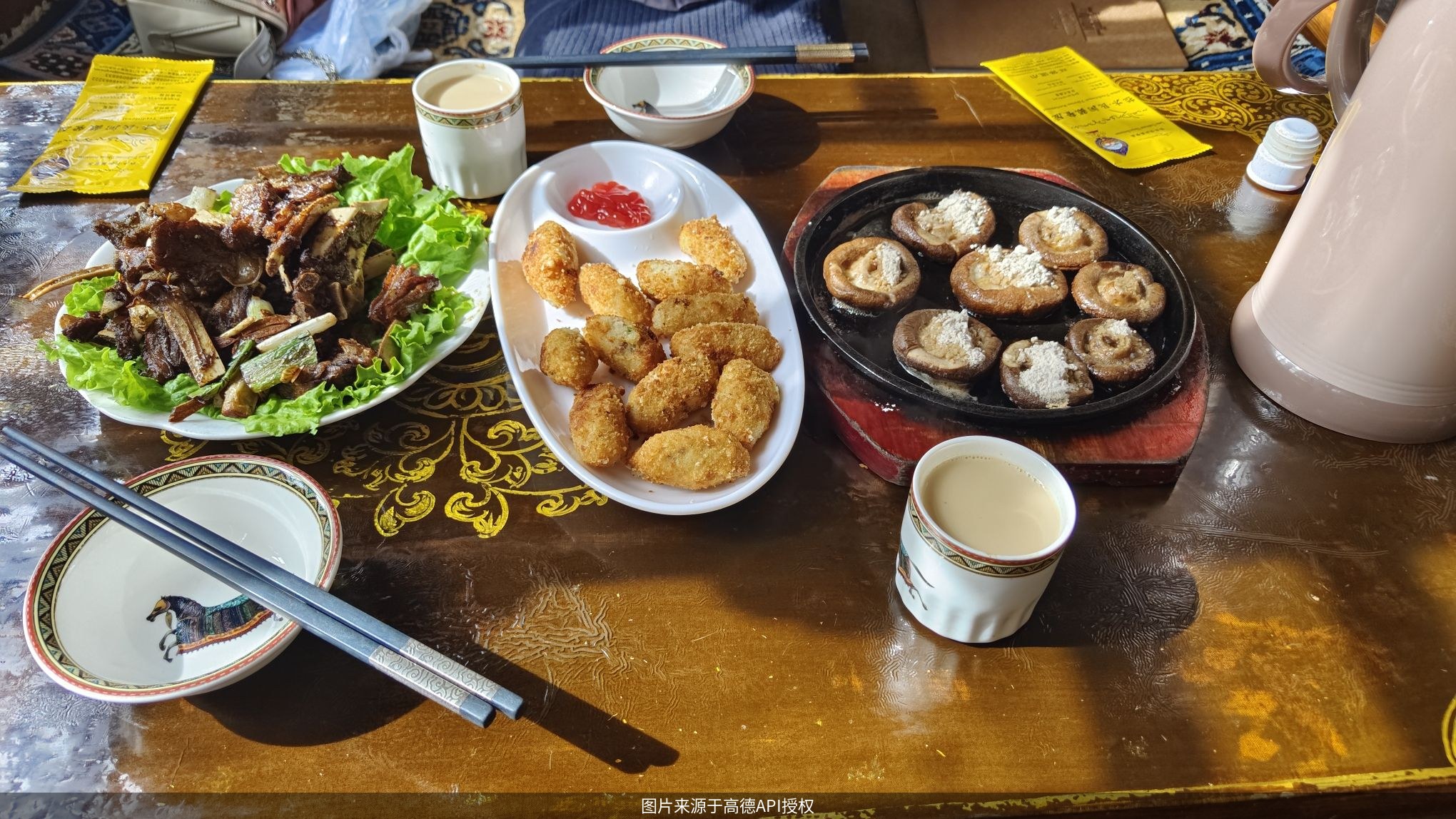
A small eatery of down-to-earth Tibetan home cooking, with hearty portions and favorites like pickled-radish…
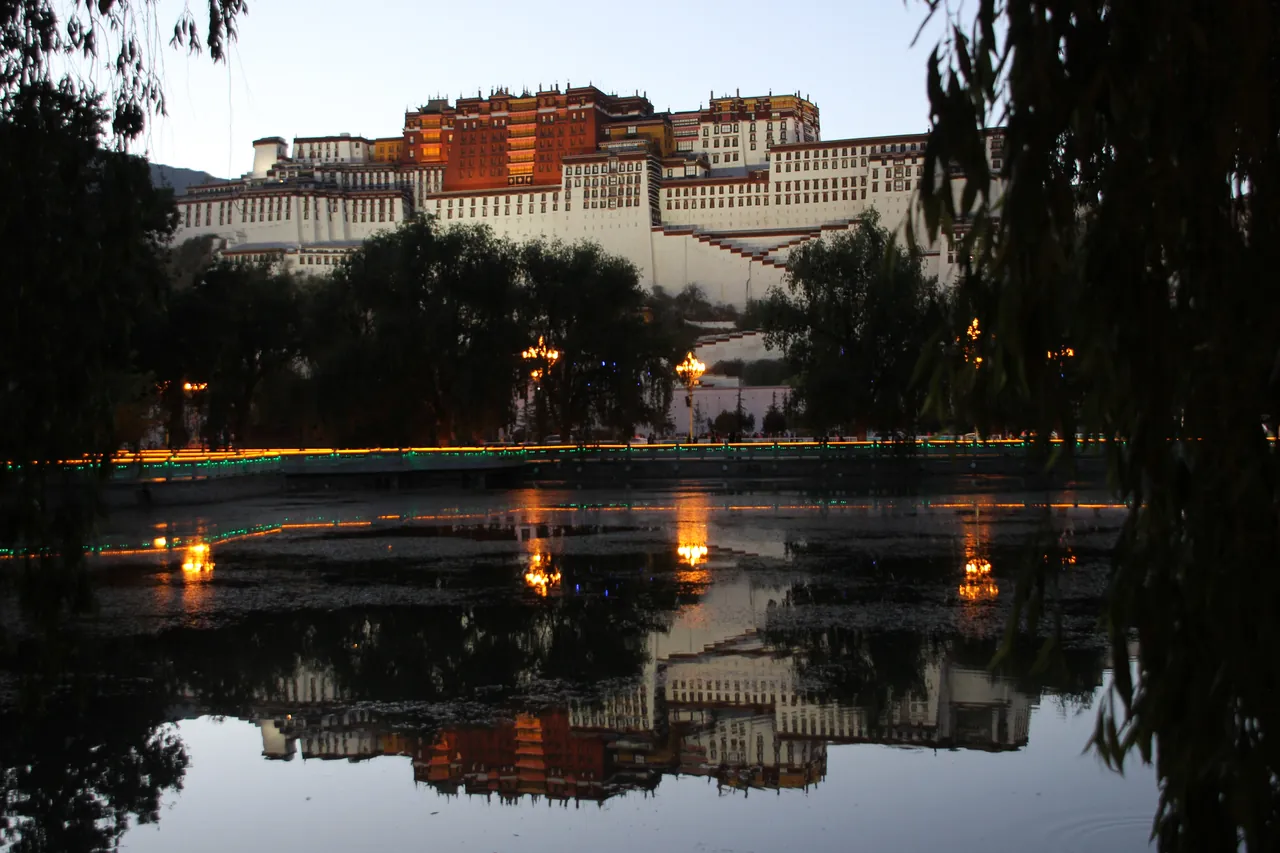
The pilgrim circuit around the Jokhang, lit after dark and busiest at dusk.
A rooftop teahouse tied to the Sixth Dalai Lama's love songs, on the Barkhor corner.
Hotel and theatre performances of folk dance and throat singing.
At 3,650 m the night sky is exceptionally clear.
Nights are cool and quiet — Barkhor's circuit is at its best after dark, when pilgrims walk clockwise around the Jokhang.
Listed sites and the crafts that made this city famous.
The 13-storey palace on Red Hill, with 1,000 rooms and the tombs of eight Dalai Lamas — inscribed in 1994.
The 7th-century temple built to house a statue brought by Princess Wencheng — added to the listing in 2000.
The Dalai Lamas' summer palace and gardens, added in 2001.
Two of the great Gelug monasteries, with dawn chanting and afternoon debate.
Masked song-and-dance opera performed at the Shoton festival — UNESCO intangible heritage (2009).
Mineral-pigment scroll painting, taking months to years per piece.
Herbal incense compounded from plateau plants, made by hand in family workshops.
Hand-knotted wool carpets with Buddhist motifs, a household craft of the plateau.
Senior licensed guides with 10+ years in the field and fluent English — deep on history, culture and local life.
Experienced licensed guides with clear English — solid on city highlights, food and day-to-day logistics.

Licensed guides with workable English — a good-value choice for city days, transfers and standard commentary.
Chauffeur-driven by the day, plus airport and intercity transfers.



Private chauffeur-driven vehicles, priced per vehicle not per person. Airport transfer from $45; intercity transfer from $180.
Tibet's largest civil airport and one of the world's highest, with routes to major Chinese cities. About sixty kilometres from the city, it links to downtown via airport buses and transfers as the key air gateway.
A road passenger terminal in east Lhasa serving regional routes and travelers from surrounding counties. An important node in the city's road transport network.
The terminus of the Qinghai-Tibet Railway and Lhasa's rail gateway, with a distinctly Tibetan-style station. Plateau trains to and from inland cities depart and arrive here, the essential stop for rail travel to Tibet.
A coach station adjacent to Lhasa Railway Station, easing transfer between rail and road with routes to surrounding counties. A key interchange for travel in and around Lhasa.
A major modern shopping center in Lhasa, gathering fashion brands, dining, cinemas and family entertainment. A one-stop destination for urban shopping and leisure, and a landmark of the city's retail scene.
A Wangfujing-brand shopping center in Lhasa, combining retail, dining and entertainment in a rich mix of offerings. A popular commercial complex for shopping and leisure outings.
A commercial market in the heart of the Barkhor, filled with Tibetan crafts, thangkas, clothing and local specialties. A lively place to browse and shop for souvenirs amid the old town's bustle.

10 guides split by trip length: one-day city routes, three-day escapes and longer journeys, with stops, costs and transport in each.
From the golden roof of the Jokhang to the floodlit Potala at night: the heart of Lhasa
Three DaysLhasa in Three Days: The Jokhang, the Potala and Sera, Sequenced RightAdjust first, climb the palace second, debate last: three days over Lhasa's three landma
Multi-DayFive Days: Lhasa's Landmarks, Then Downhill to Nyingchi for RecoveryThree days on Lhasa's core, two more over Mila Pass into Nyingchi, letting lower-altitud
Real routes, real travellers — a sense of what a trip looks like.
Most travellers spend 3 days here. Add a day for a side trip if you want a slower pace.
Spring and autumn are usually the most comfortable. Check the seasonal notes above before booking.
We arrange airport/rail transfers and private drivers. Tell us your arrival point and we plan the connection.
Send an enquiry and a human expert replies within 12 hours with a draft plan and real prices. Flexible rescheduling; clear cancellation terms in your quote.
2-day private itineraries in Lhasa start from $590 per person, two travelling together. Your proposal itemises hotels, tickets, guide and car — no hidden fees.
Lhasa sits at 3,650 m. Plan a rest day on arrival, avoid alcohol and strenuous activity for 48 hours, and drink water. We arrange oxygen in the car and can adjust the pace daily.
Foreign travellers need a Tibet Travel Permit arranged through a licensed agency, plus a Chinese visa. We handle the permit as part of every booking; the original is checked on the train or flight.
Yes — 4–5 days by road with acclimatisation stops. It is a high-altitude trip; we screen fitness and build in rest days.
Recent listed prices: Potala Palace ¥200; Jokhang Temple ¥85; Barkhor Street free; Norbulingka ¥60; Sera Monastery ¥50. Ticket prices change seasonally — we confirm them in your quote.