 TripMyChinaJOURNEYS THROUGH REAL CHINA✦ AI Trip✦ Plan My Trip
English
简体中文
繁體中文
日本語
한국어
ไทย
Tiếng Việt
Bahasa Indonesia
Italiano
Español
العربية
Русский
Deutsch
Français
Bahasa Malaysia
TripMyChinaJOURNEYS THROUGH REAL CHINA✦ AI Trip✦ Plan My TripCruise the Li River past karst peaks to Yangshuo, cycle countryside villages and watch cormorant fishing at sunset — the scenery on the ¥20 note, in real life.
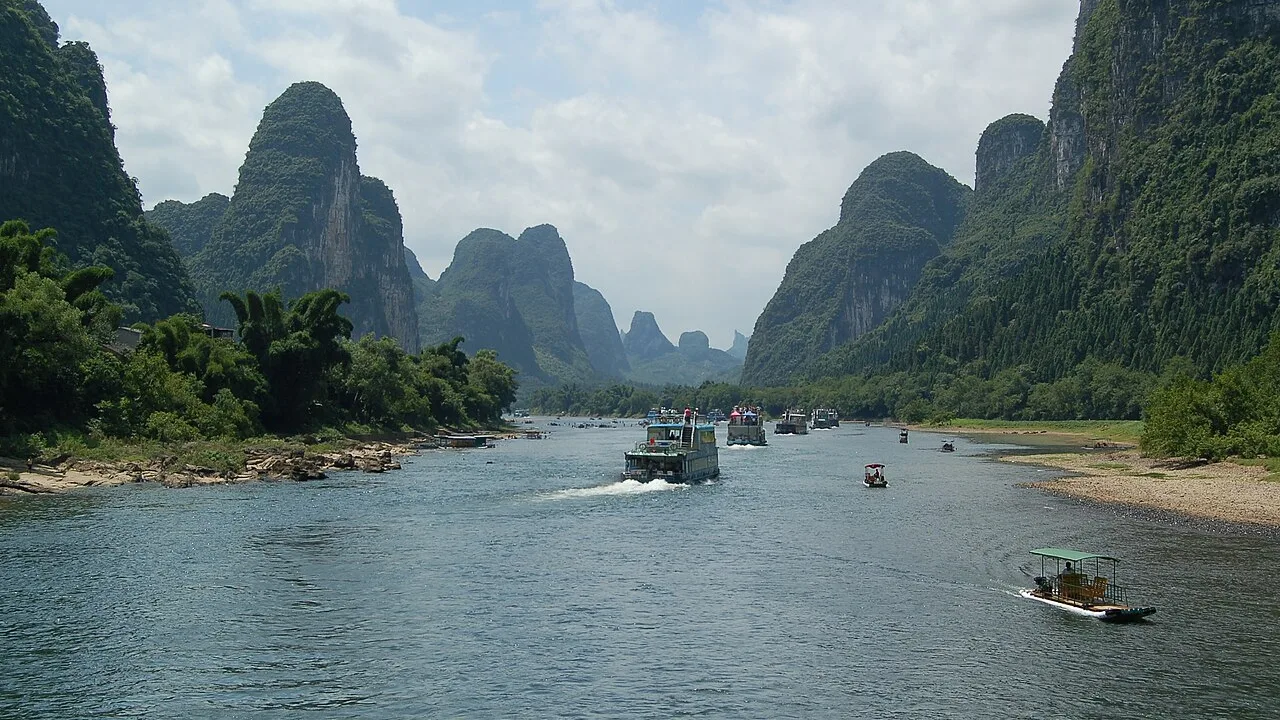
Guilin, in the northeast of Guangxi in southern China, is one of the country's most celebrated landscapes, a place whose limestone karst peaks, winding rivers and misty caves have inspired painters and poets for more than a thousand years. Founded as a commandery town in the Qin dynasty, it grew into a prosperous administrative and cultural centre on the route between the Central Plains and the far south. Its name, meaning 'forest of osmanthus', comes from the fragrant trees that still line its streets each autumn.
The city proper spreads along the Li River and its tributaries, with the compact central districts of Xiufeng, Diecai, Xiangshan and Qixing holding most of the historic sights, hotels and restaurants. Beyond them, the landscape opens into the rural counties of Yangshuo, Lingchuan and Longsheng, where the karst towers rise straight from rice paddies and the famous Li River cruise drifts past water buffalo, bamboo groves and fishing villages.
Travellers come to Guilin to slow down: to float down the Li River on a bamboo raft, cycle through Yangshuo's countryside, climb the stone steps of Fubo Hill for a panorama, and explore the vast chambers of Reed Flute Cave. Evenings bring the Two Rivers and Four Lakes night cruise and the illuminated cormorant fishing shows. It is a destination of gentle adventure, where the scenery itself is the main attraction.
Guilin covers about 27,800 km² and has a population of roughly 5.3 million, administered as 6 urban districts and 11 counties (including 2 autonomous counties). Its karst landscape is a UNESCO Global Geopark, and the Li River scenic area is one of China's most famous natural treasures.
World-class, national and global recognition earned over the decades.
The Guilin Karst — cone and tower peaks along the Li River — was inscribed as part of South China Karst in 2014.
The view of Yellow Cloth Shoal on the Li River has appeared on China's 20-yuan banknote since 1999.
Named a National Historical & Cultural City in 1982.
The Li River scenic area has been protected as a national scenic area since 1982.
The 700-year-old Zhuang and Yao terraces were listed as China's Important Agricultural Heritage in 2018.

The moments that shaped the city — and the stories its people still tell.
Qin engineers cut the Lingqu canal to link the Yangtze and Pearl river systems — one of the world's oldest contour canals, still working.
Du Fu, Han Yu and Liu Zongyuan all wrote about Guilin; 'Guilin's scenery is the best under heaven' became a proverb.
Zhu Shouqian, nephew of the first Ming emperor, built a walled princely palace that still stands in the city centre.
As the Japanese advanced, writers, painters and publishers fled here — Guilin briefly became China's cultural capital.
Guilin was one of the first Chinese cities opened to foreign tourism — and remains a benchmark for karst landscapes worldwide.
A celestial elephant came down to drink and stayed to help farmers fight a drought; it was turned to stone where it stood, trunk in the water.
A Zhuang folk singer whose improvised songs outwitted landlords and officials — the origin of Guangxi's famous song festivals.
Locals say whoever can pick out all nine horses in the cliff face will pass the imperial exam — most people find only three.
Three paces, one city — every route built from places we actually operate.
Weather, crowds and the best months for what you want to see.
Green paddies and full rivers — the best water for the Li River cruise.
Clear air and golden rice terraces — the classic photo season.
Hot and wet; afternoon thunderstorms are common, but the karst is at its greenest.
Misty and quiet — low water, but the ink-painting mood is at its best.
What this city is known for — the things worth planning your day around.
The places worth building a day around.
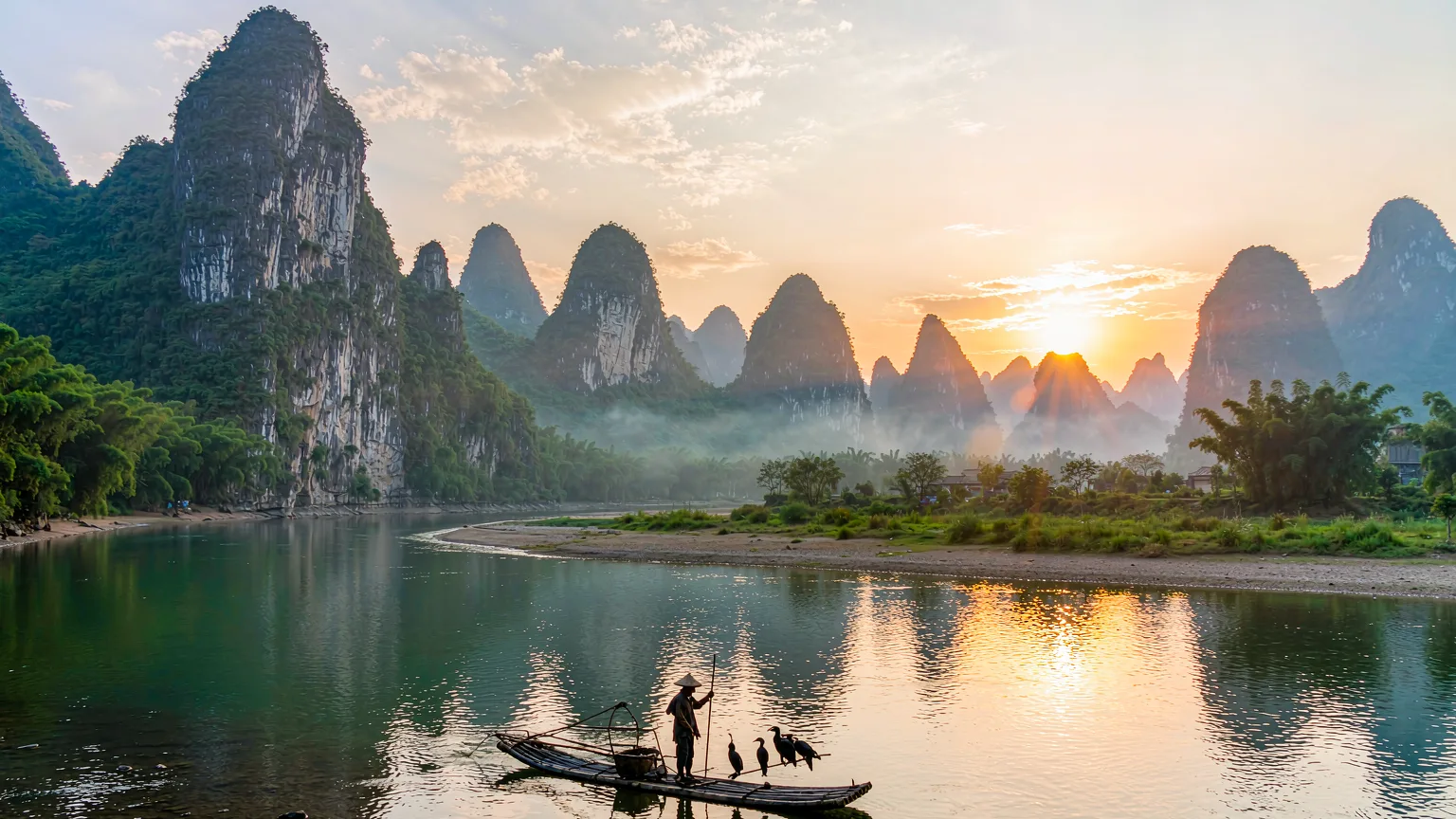
The Li River run from Guilin to Yangshuo is 83 km of karst peaks, bamboo and water buffalo, and it is the single most photographed landscape in China.
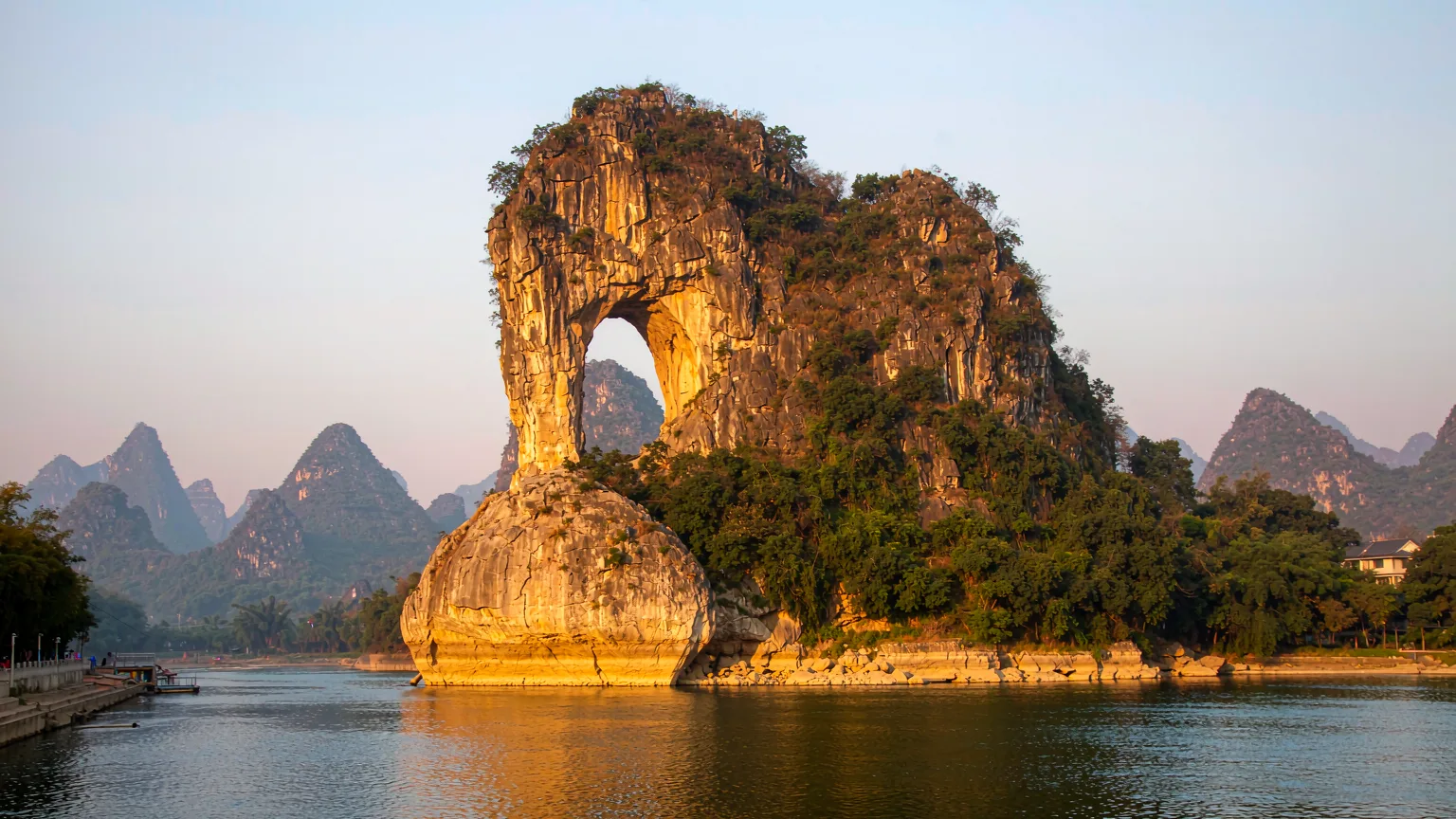
Elephant Trunk Hill is the symbol of Guilin: a limestone hill with a hole through its base, so that the rock meeting the water looks like an elephant
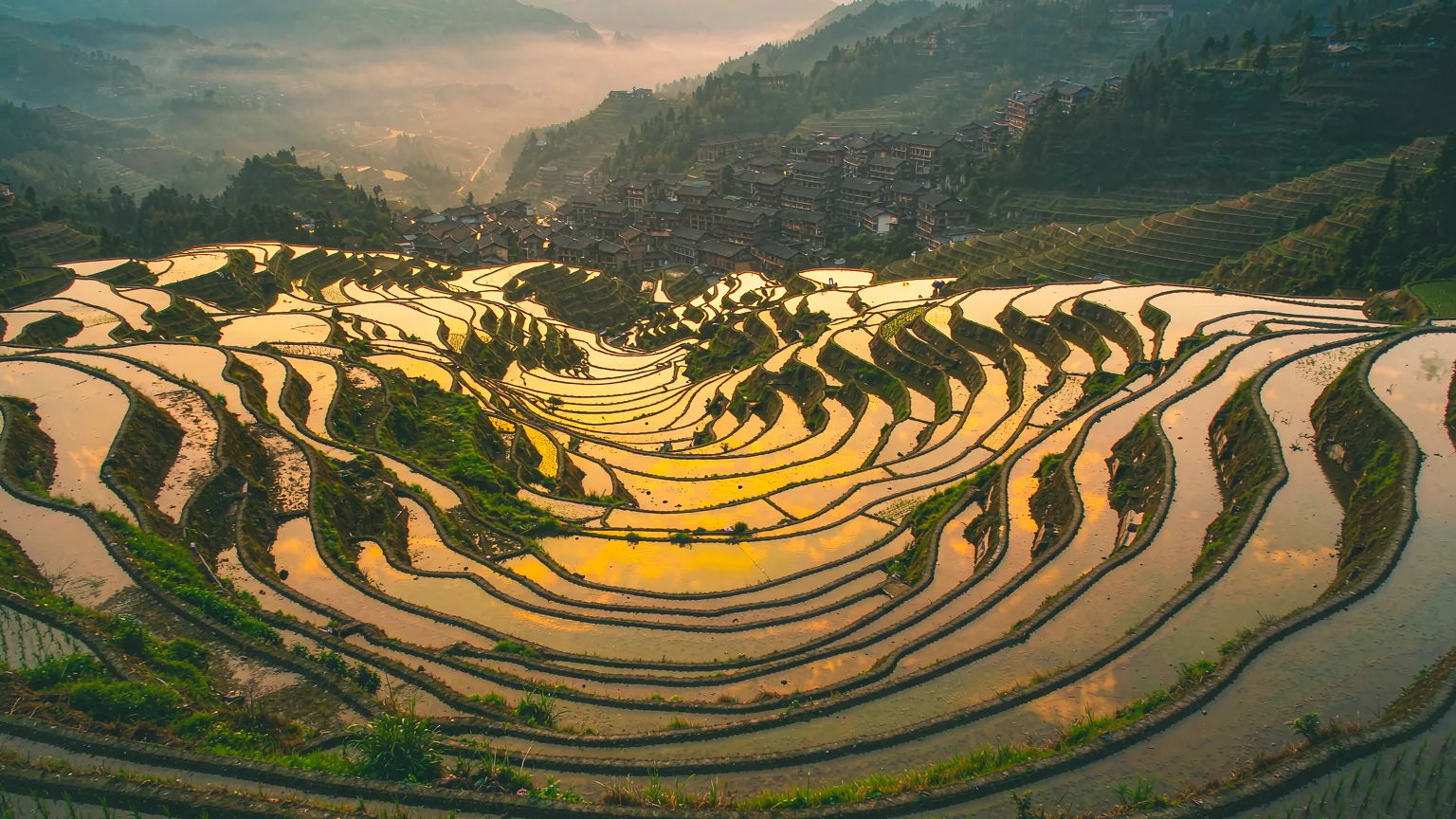
The Longji terraces are 66 square kilometres of rice paddies cut into hillsides 800 metres up, built by Zhuang and Yao farmers over 700 years. They ar
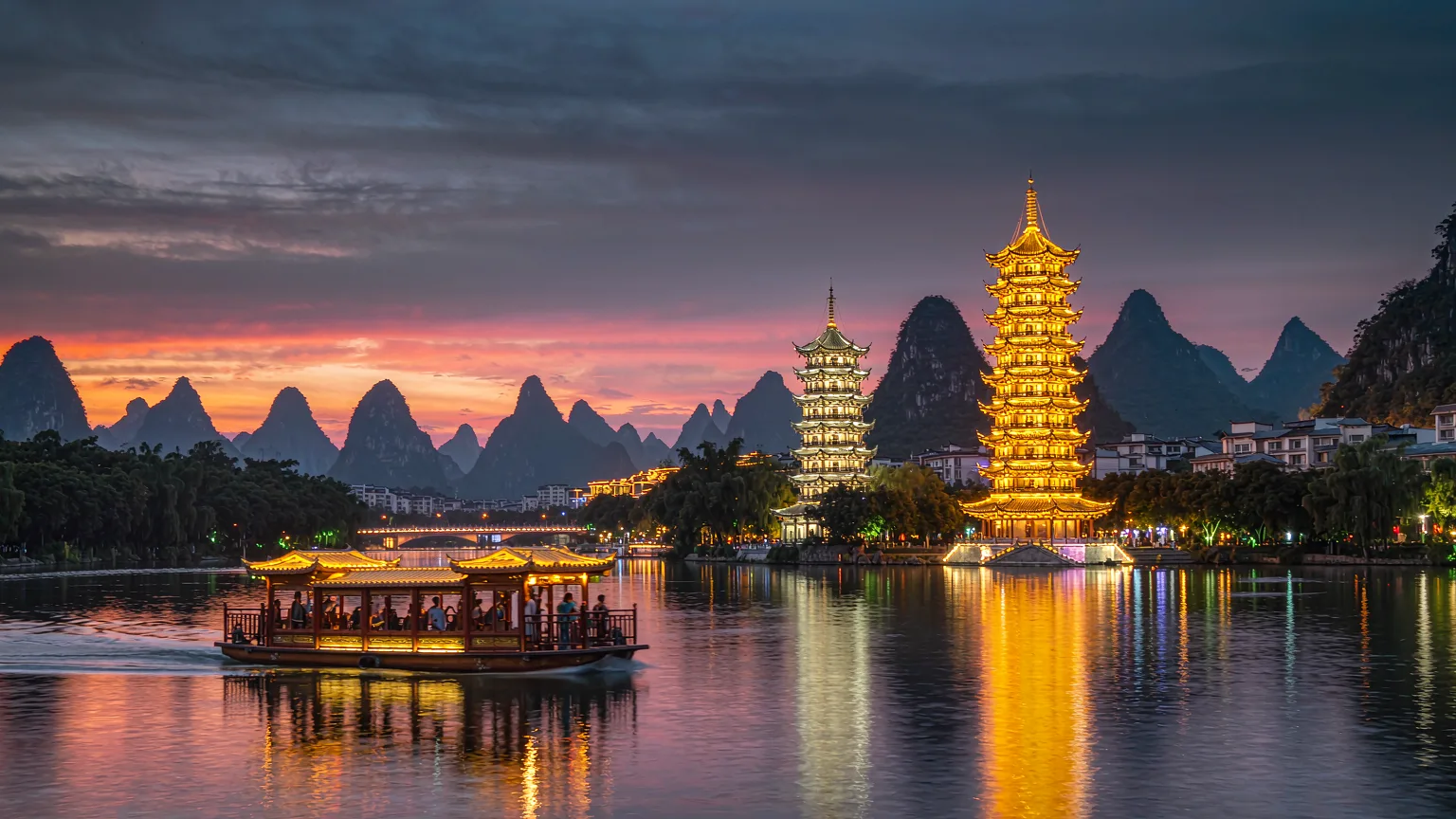
Two Rivers and Four Lakes is a 2002 engineering project that reconnected Guilin's old moat system into a 7-km ring of water around the city centre. Th
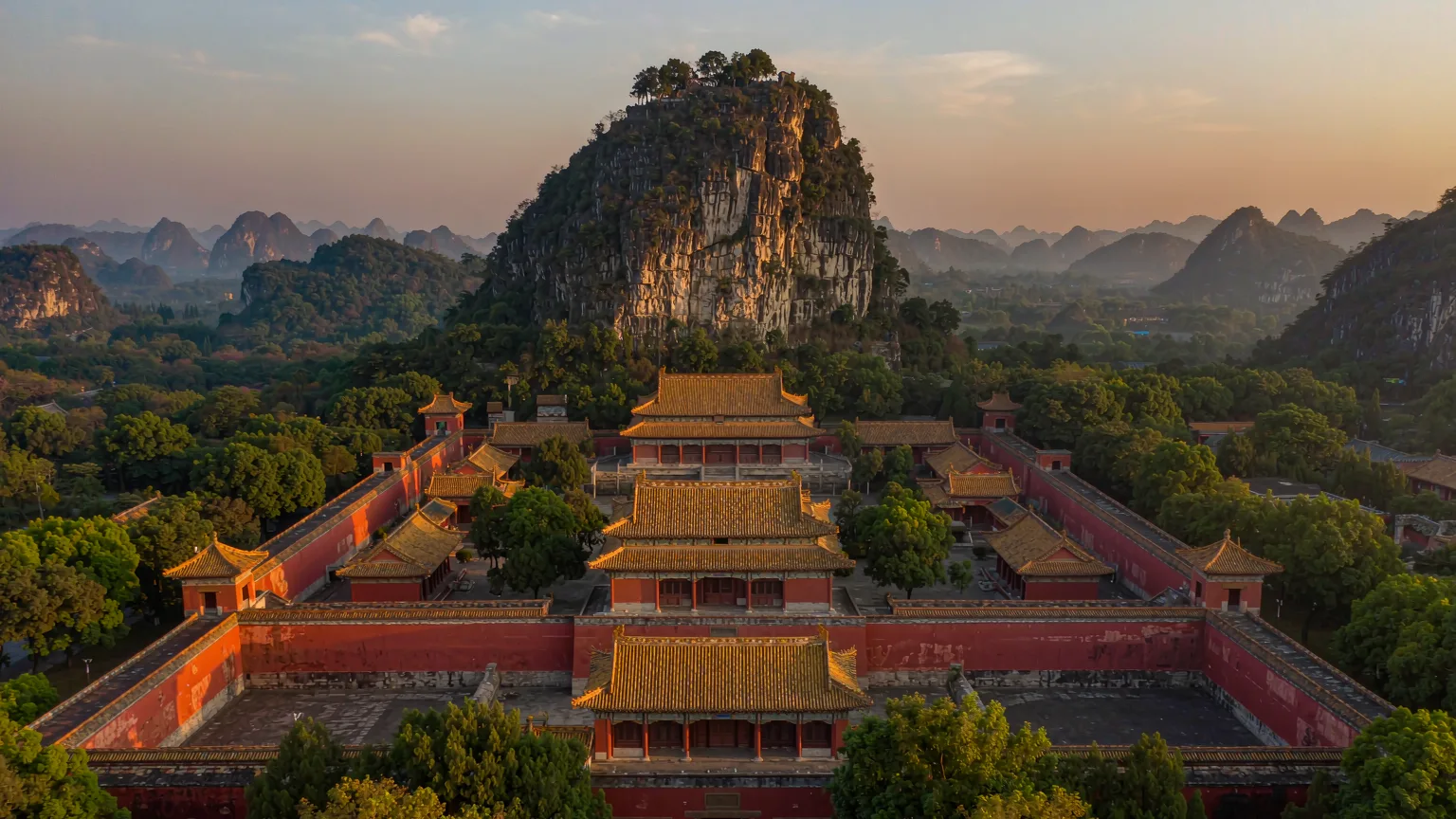
The Jingjiang Princes' Palace was built in 1372 for the Ming prince who governed Guangxi, 34 years before the Forbidden City, and it sits at the foot
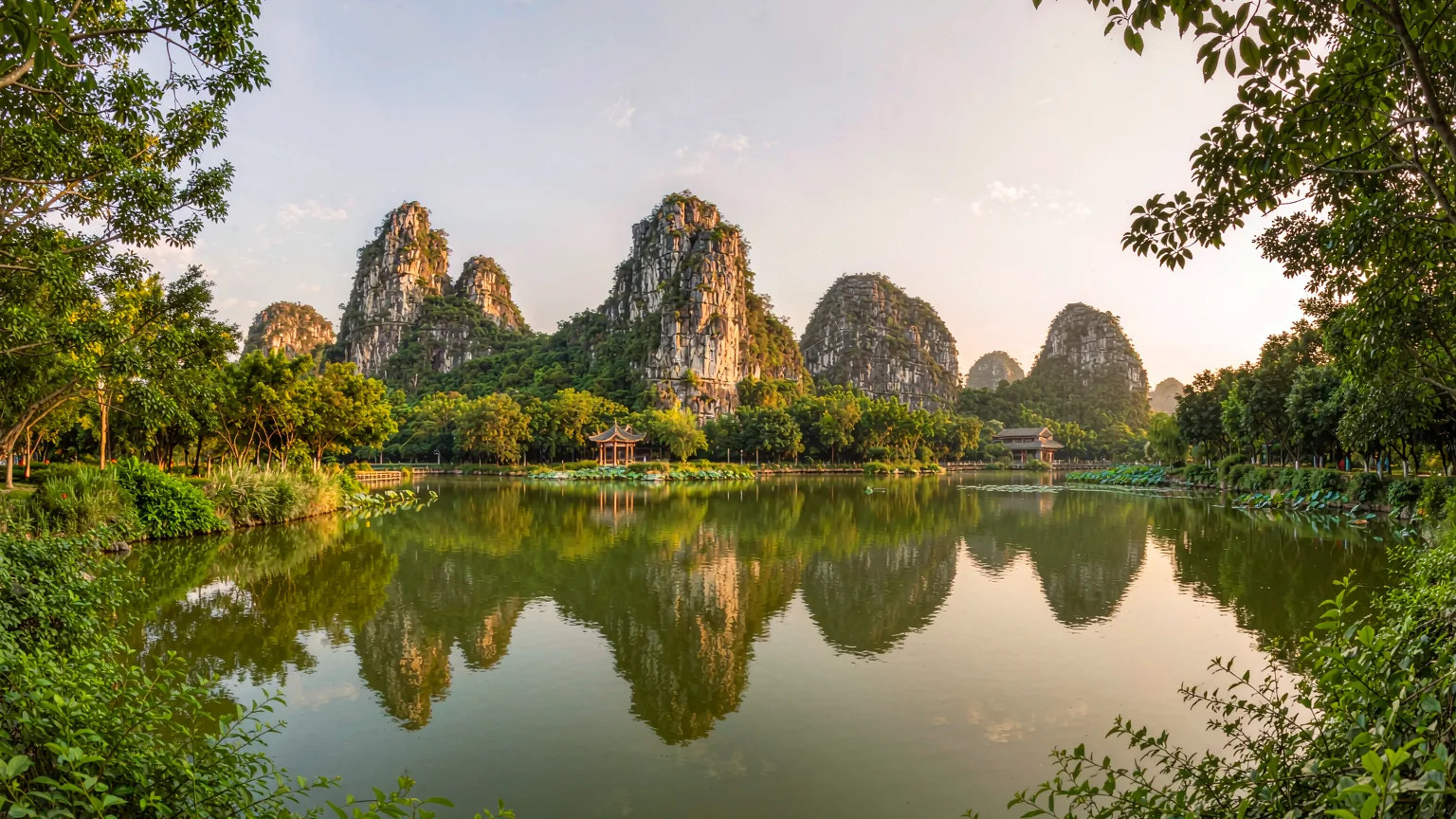
Seven Star Park is 120 hectares of karst hills, caves and gardens on the east bank of the Li River, named for seven peaks that line up like the Big Di
A little further out, for a spare half-day.
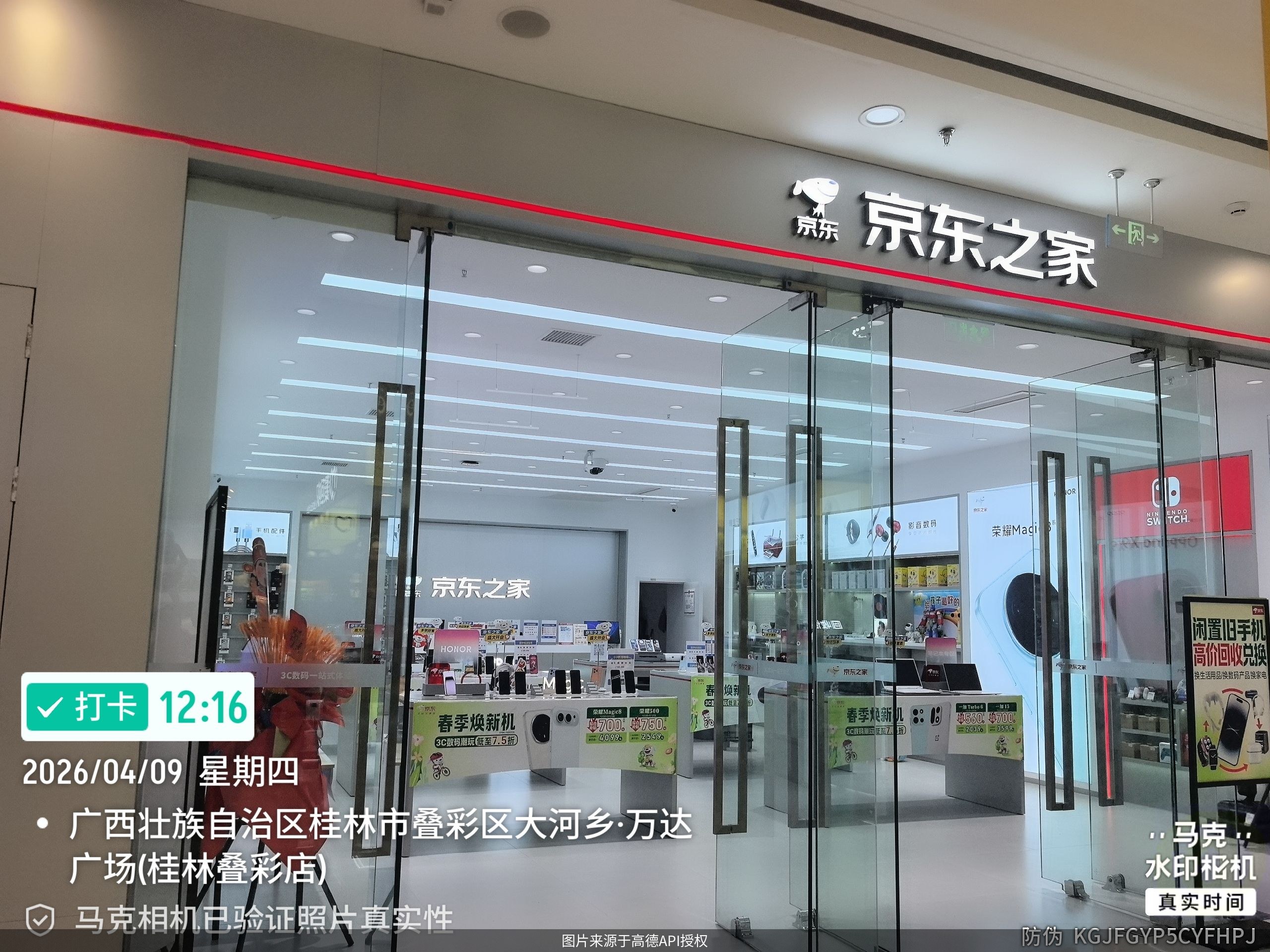
A large commercial complex in the Qixing district combining shopping, dining, cinemas and entertainment. With…
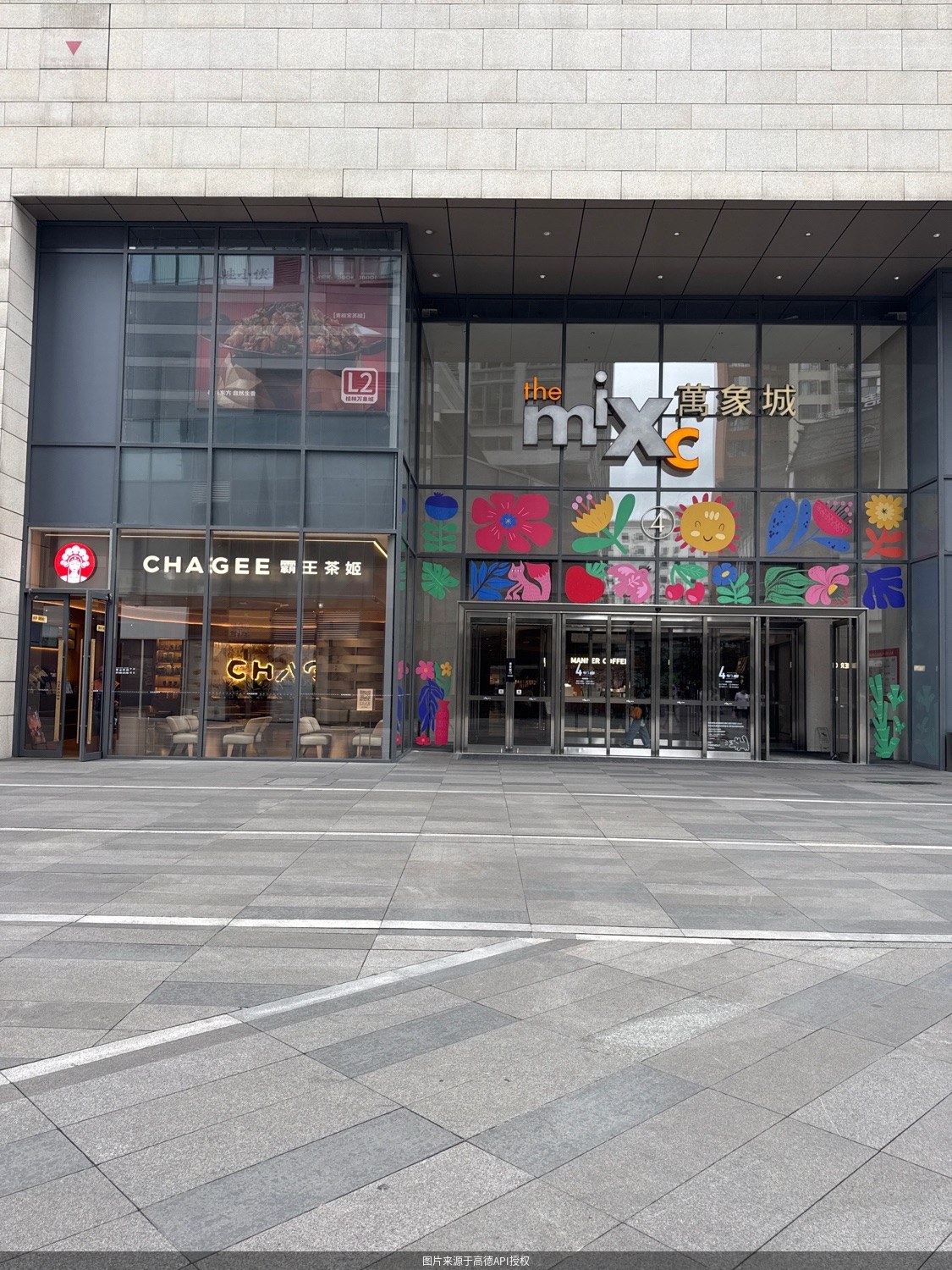
A shopping center in the Diecai district with full dining, retail and entertainment offerings. It is a…
A premium shopping mall in Guilin gathering international brands, fashion, dining and cinemas. It is a…
A national forest park combining hot springs with canyon streams and ancient trees. Soak in the springs, hike…
A hot-spring resort in the deep valleys of Longsheng, with clear, mineral-rich waters and pools built into…
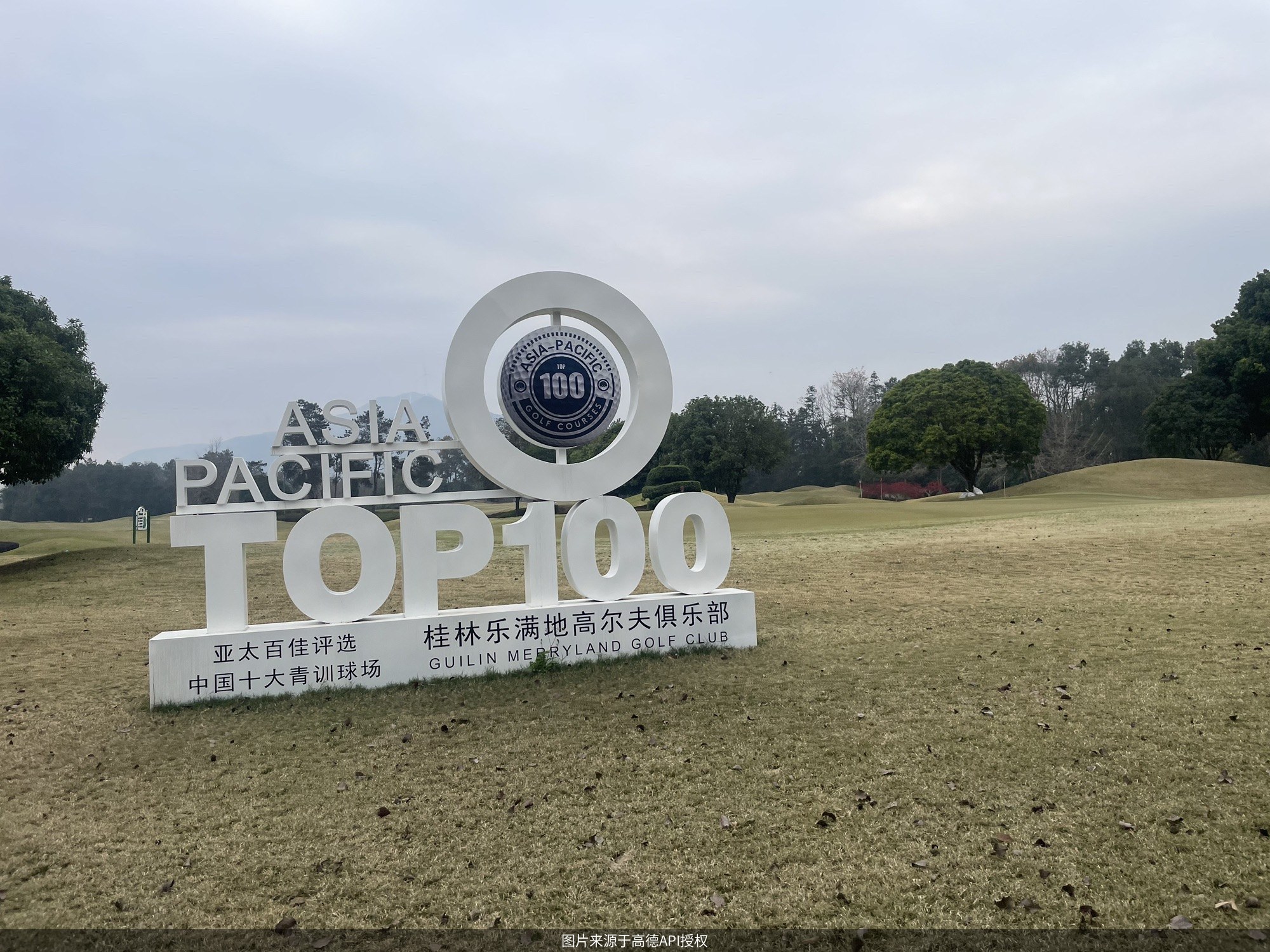
A golf course within the Lemandi resort in Xing'an, set amid hills and water with a well-appointed clubhouse.…
Museums, galleries and workshops still keeping old crafts alive.
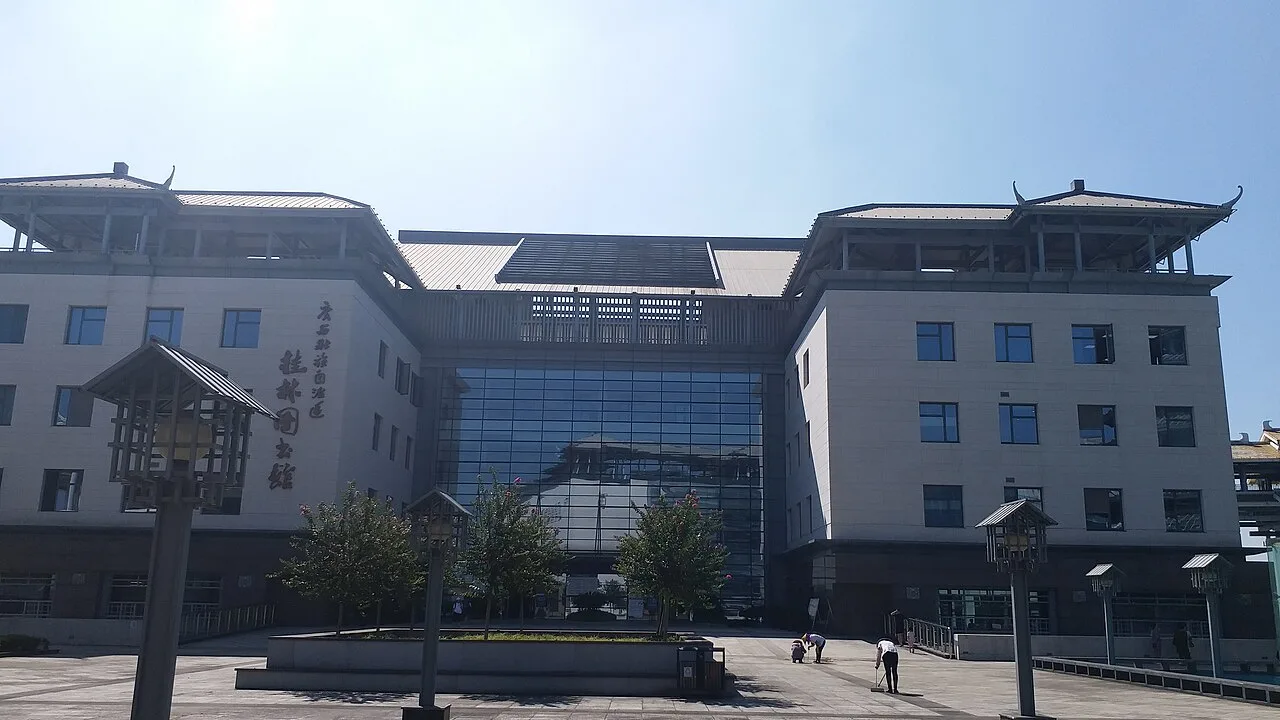
A modern public library in the Lingui New District with rich collections and spacious reading rooms, a key…
A key art venue in Guilin, rooted in the Li River school of painting and hosting exhibitions of Chinese…
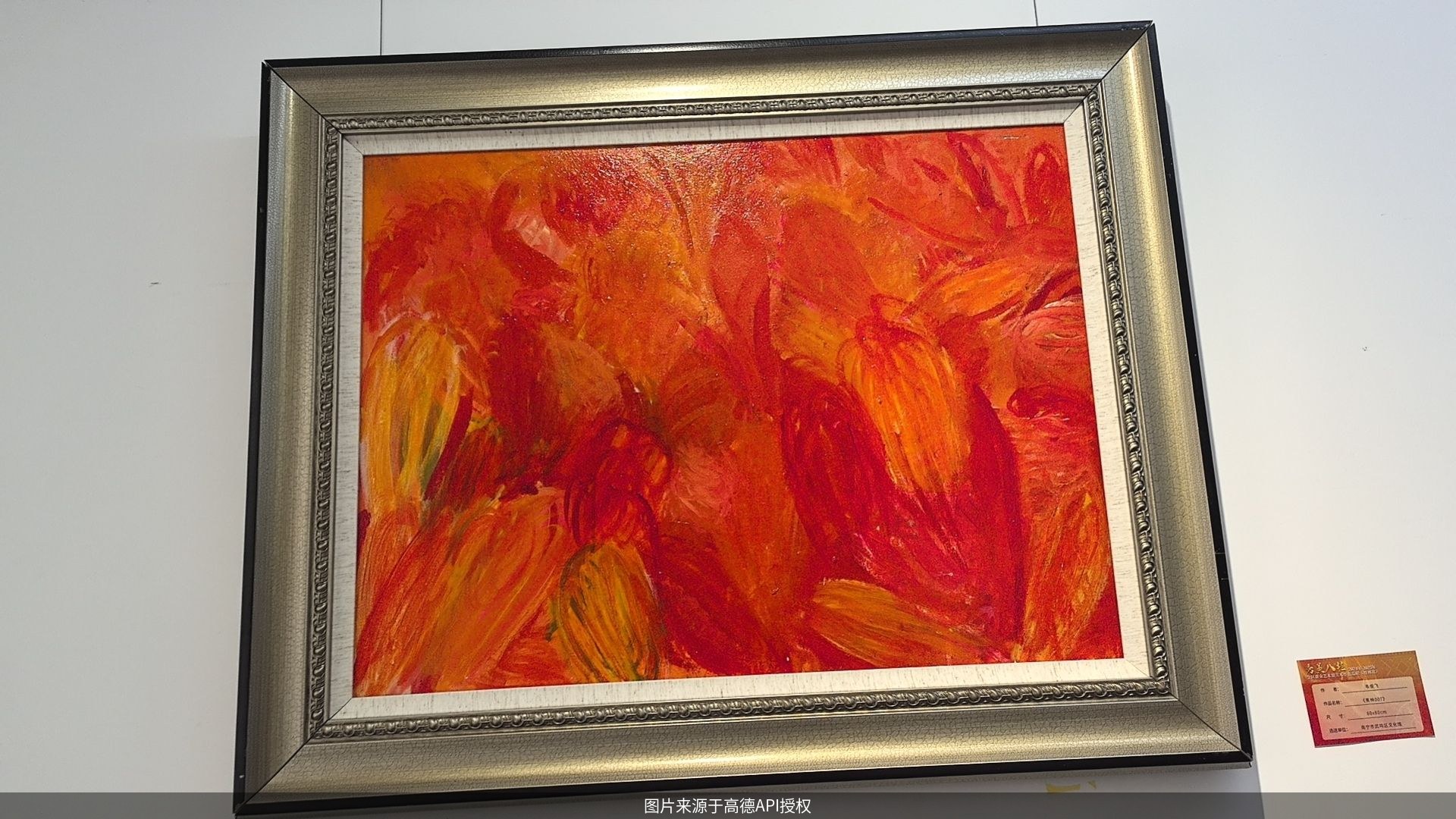
A gallery dedicated to Li River landscape art, displaying works by the Li River school and local artists. It…
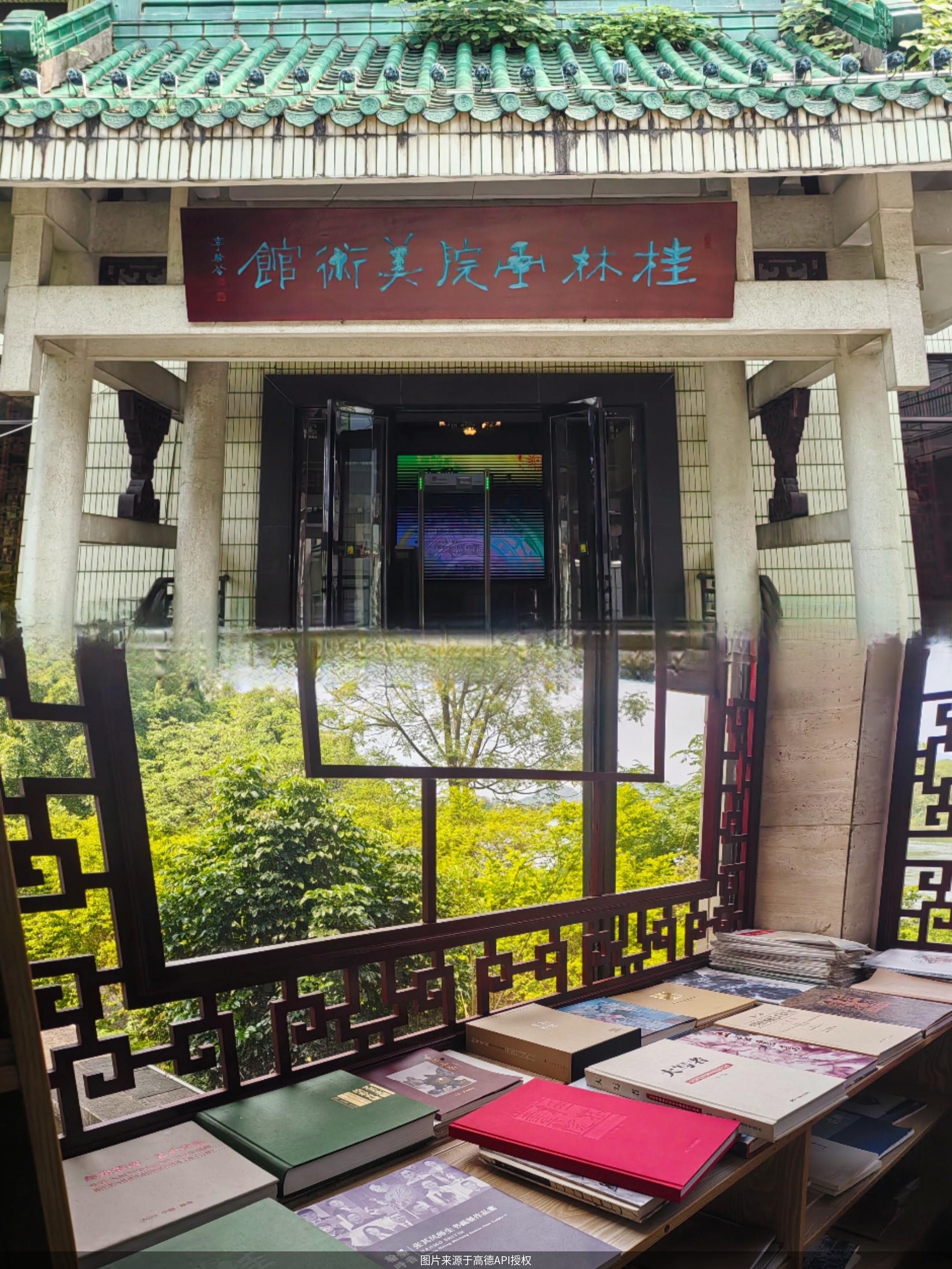
A professional art institute in Guilin devoted to Li River landscape painting, gathering local masters of…
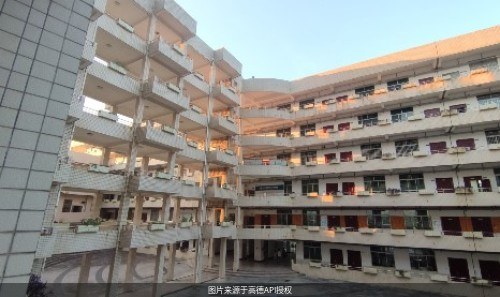
A refined narrative-singing art from the Guilin region, marked by melodious tunes and string accompaniment. A…
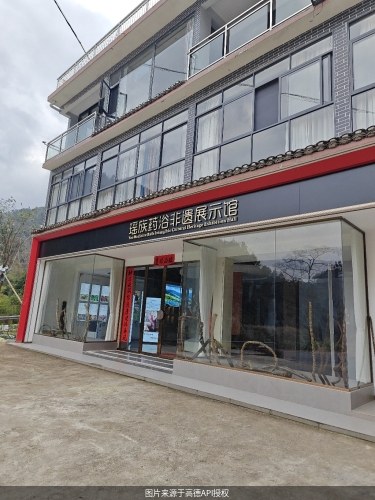
A Yao wellness custom of bathing in water boiled with gathered herbs to dispel dampness and invigorate the…
What is on stage after dark.
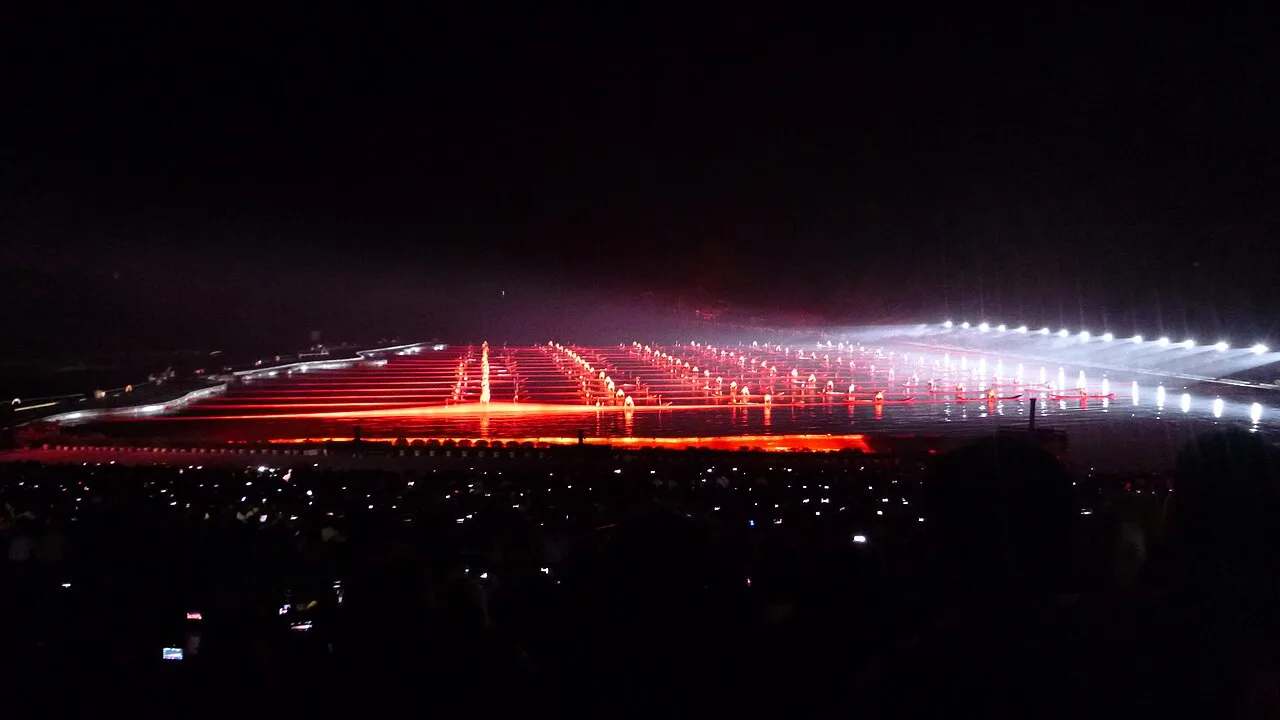
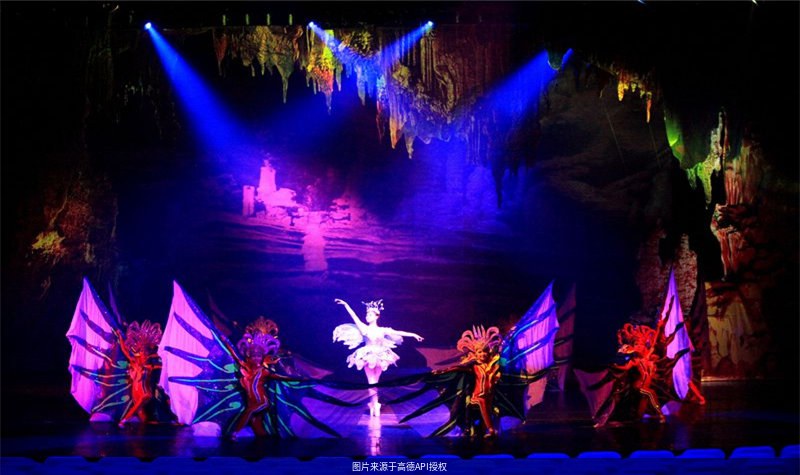
A stage show centered on the Liu Sanjie story, blending Zhuang folk songs, Caidiao opera and ethnic dance. It…
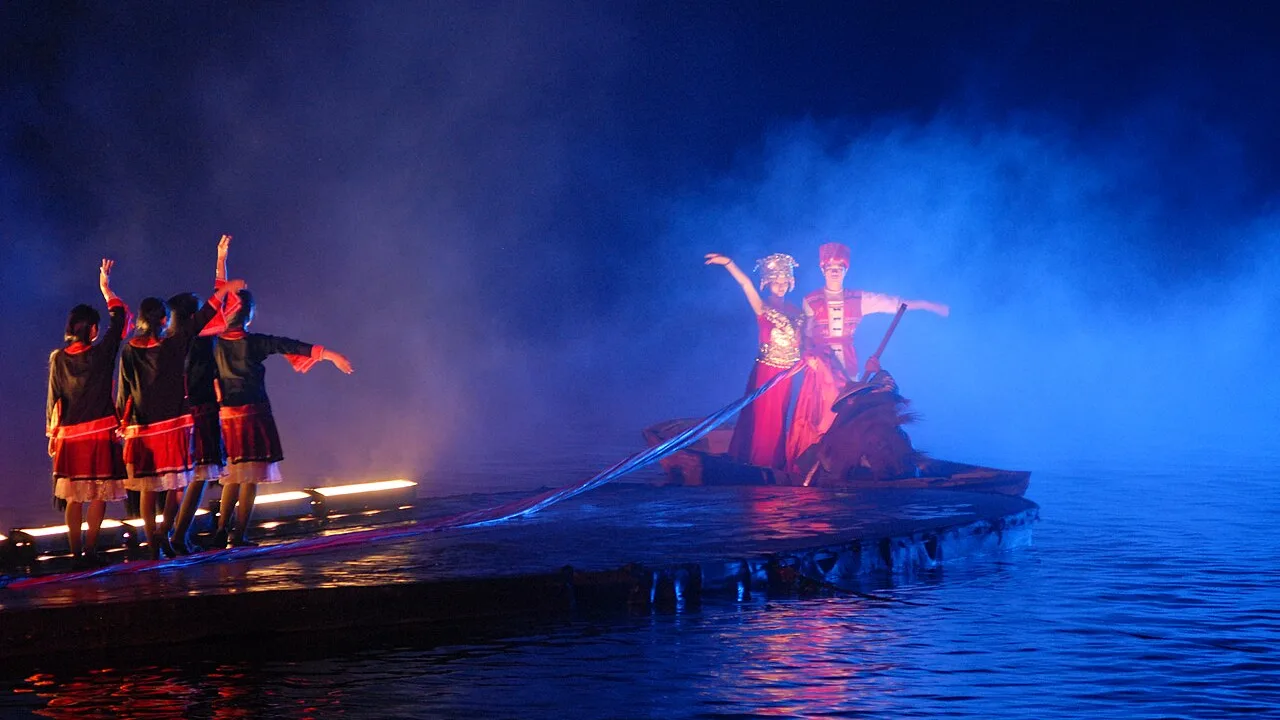
A grand open-air spectacle by Zhang Yimou's team, staged on the Li River with twelve peaks as the natural…
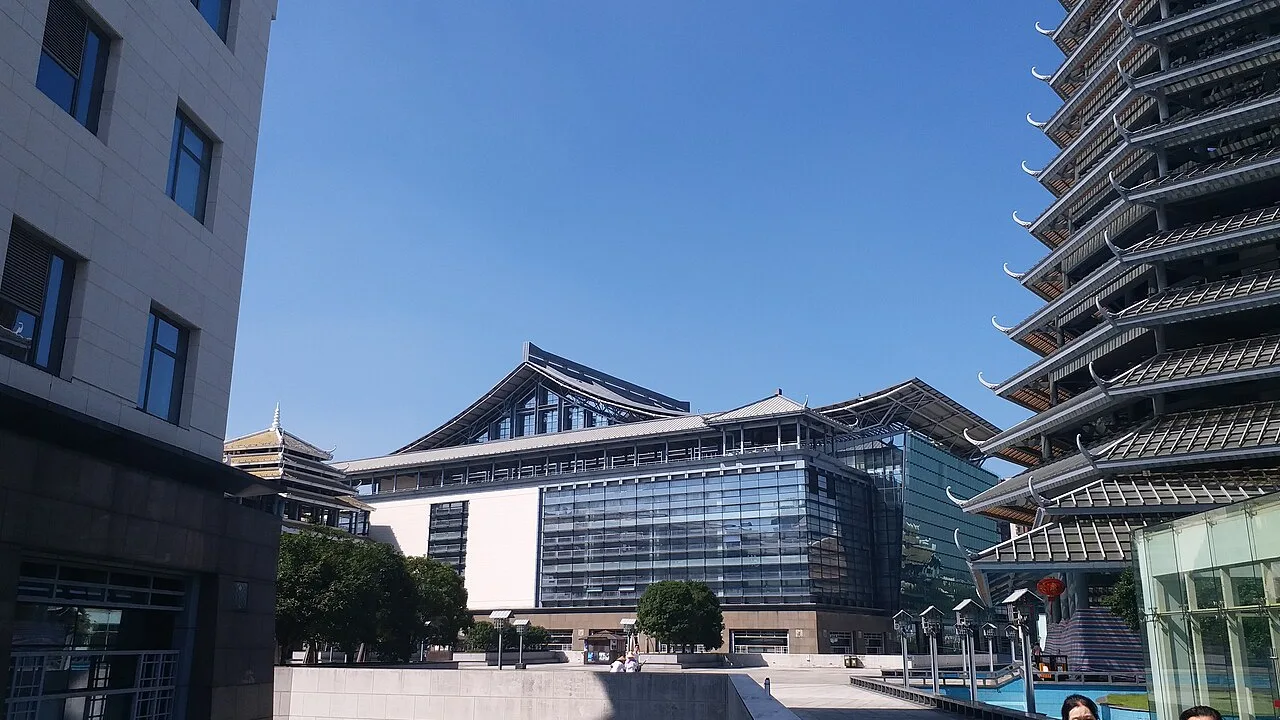
A modern performing-arts venue in the Lingui New District, equipped for opera, concerts, drama and large…
Where the whole street eats — the city's most famous food streets, each with its own guide page.
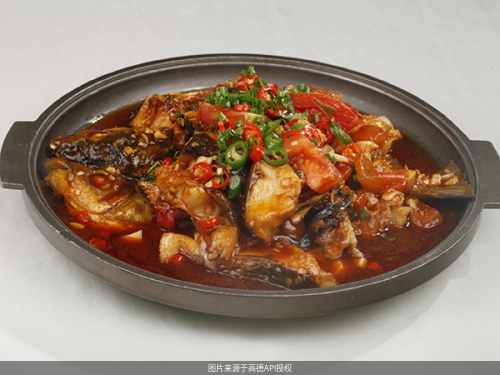
A hugely popular Guilin restaurant famed for its roast goose — crisp-skinned and tender, served with plum…
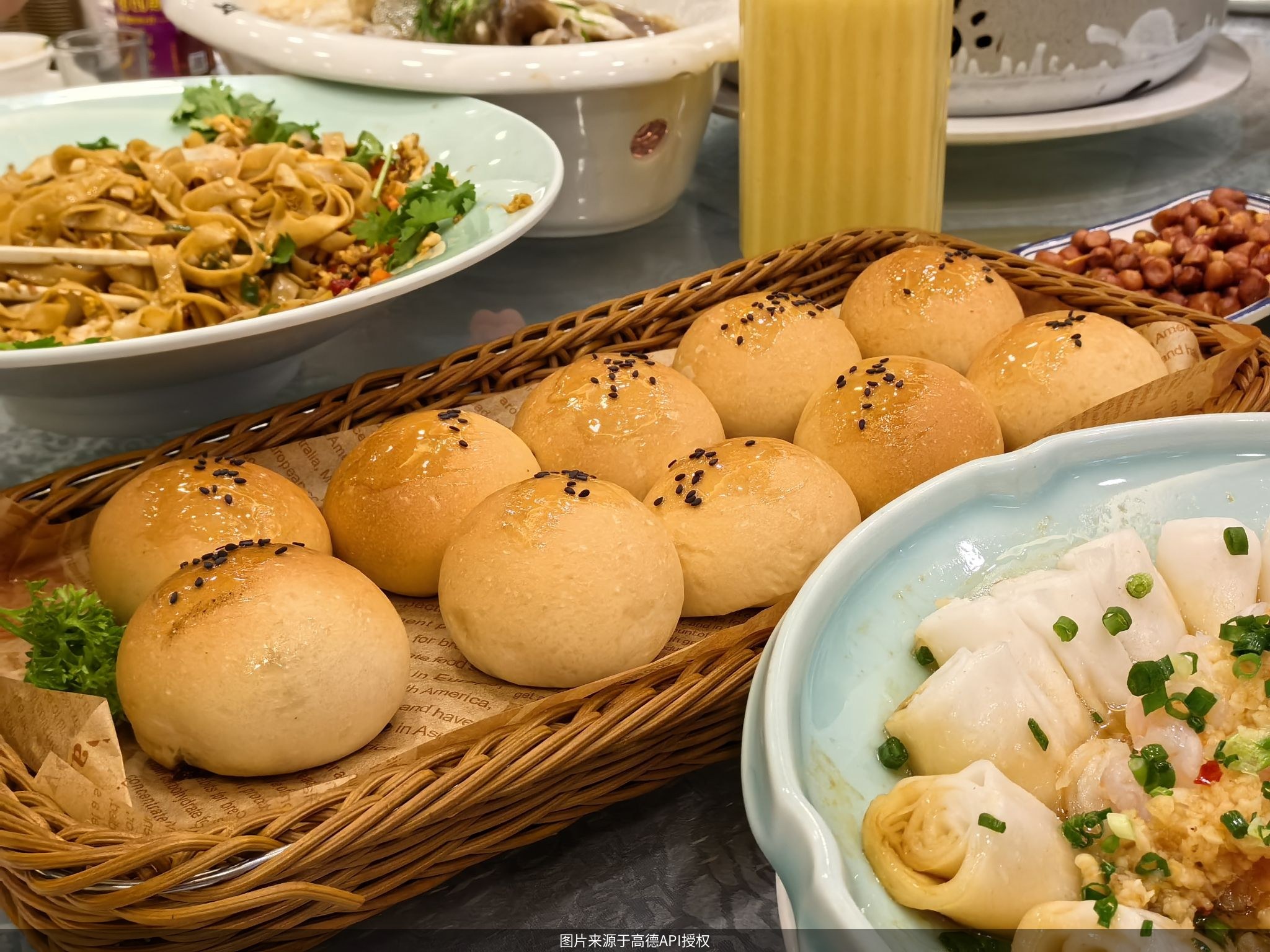
A long-standing Guilin restaurant serving home-style local dishes like crispy pork, vinegar-blood duck and…
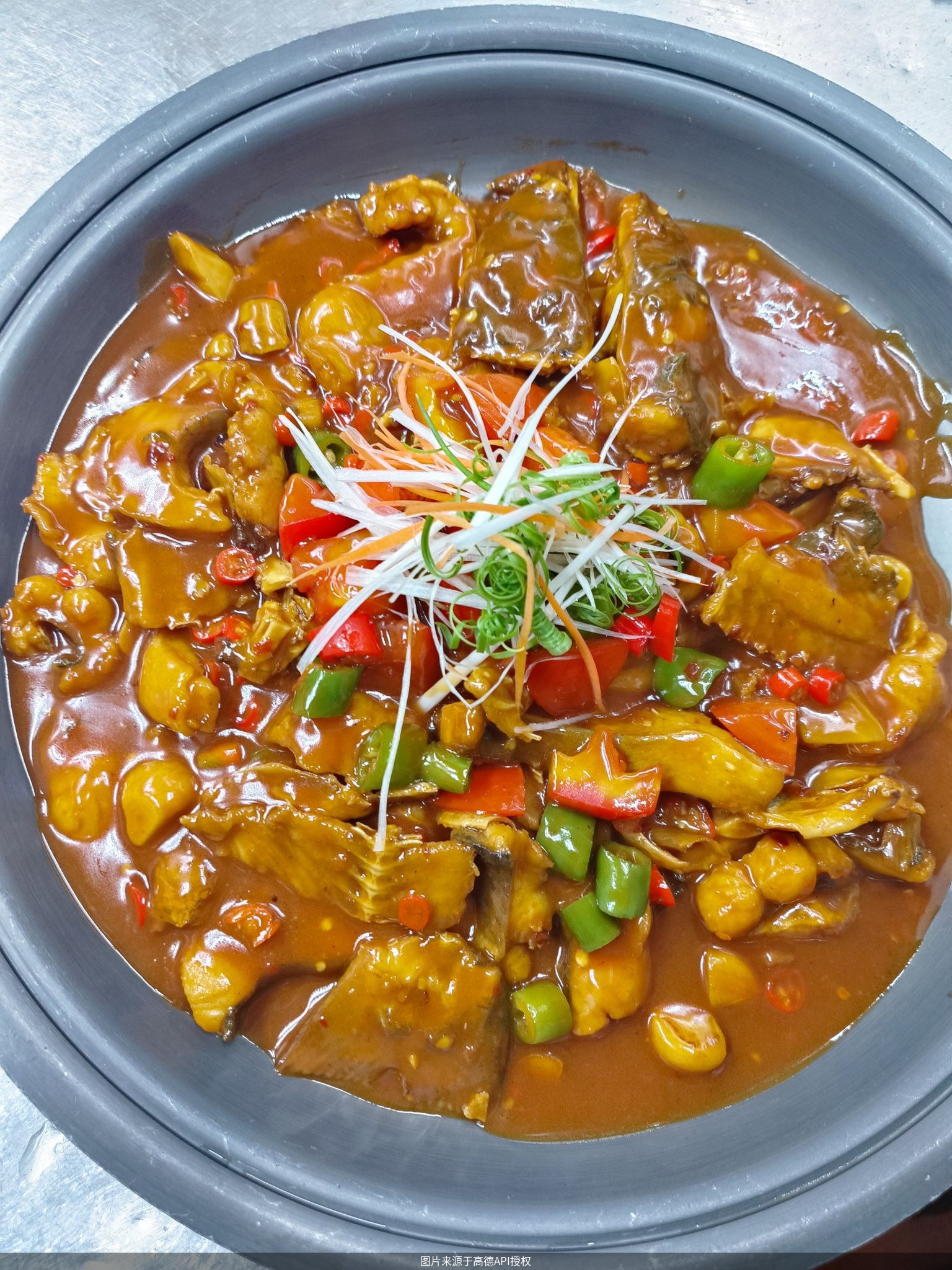
A signature beer-fish restaurant on West Street, cooking fresh Li River fish with beer and tomato for tender…
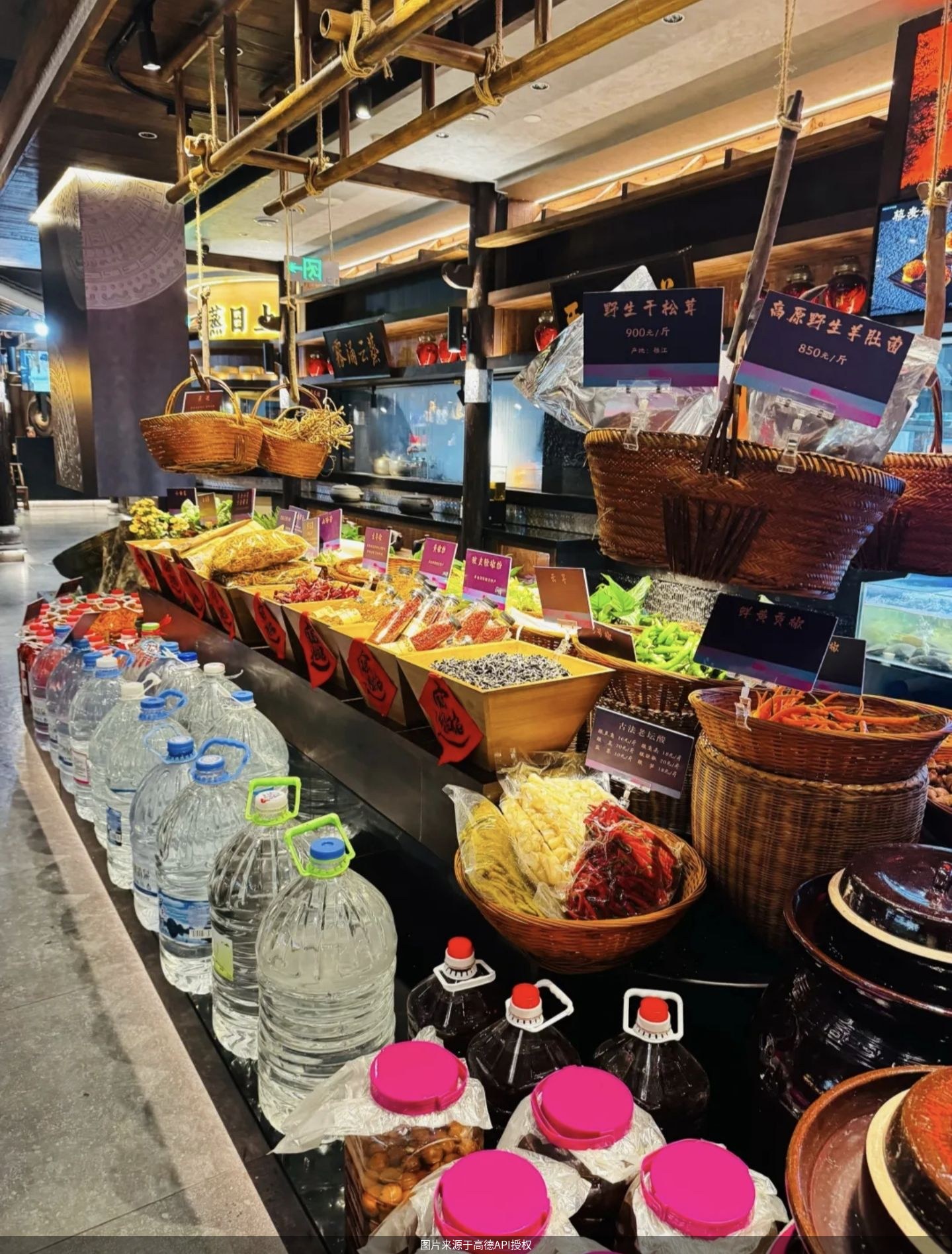
A well-known Guilin oil-tea restaurant serving Gongcheng-style oil tea with puffed rice and rice cakes. It is…
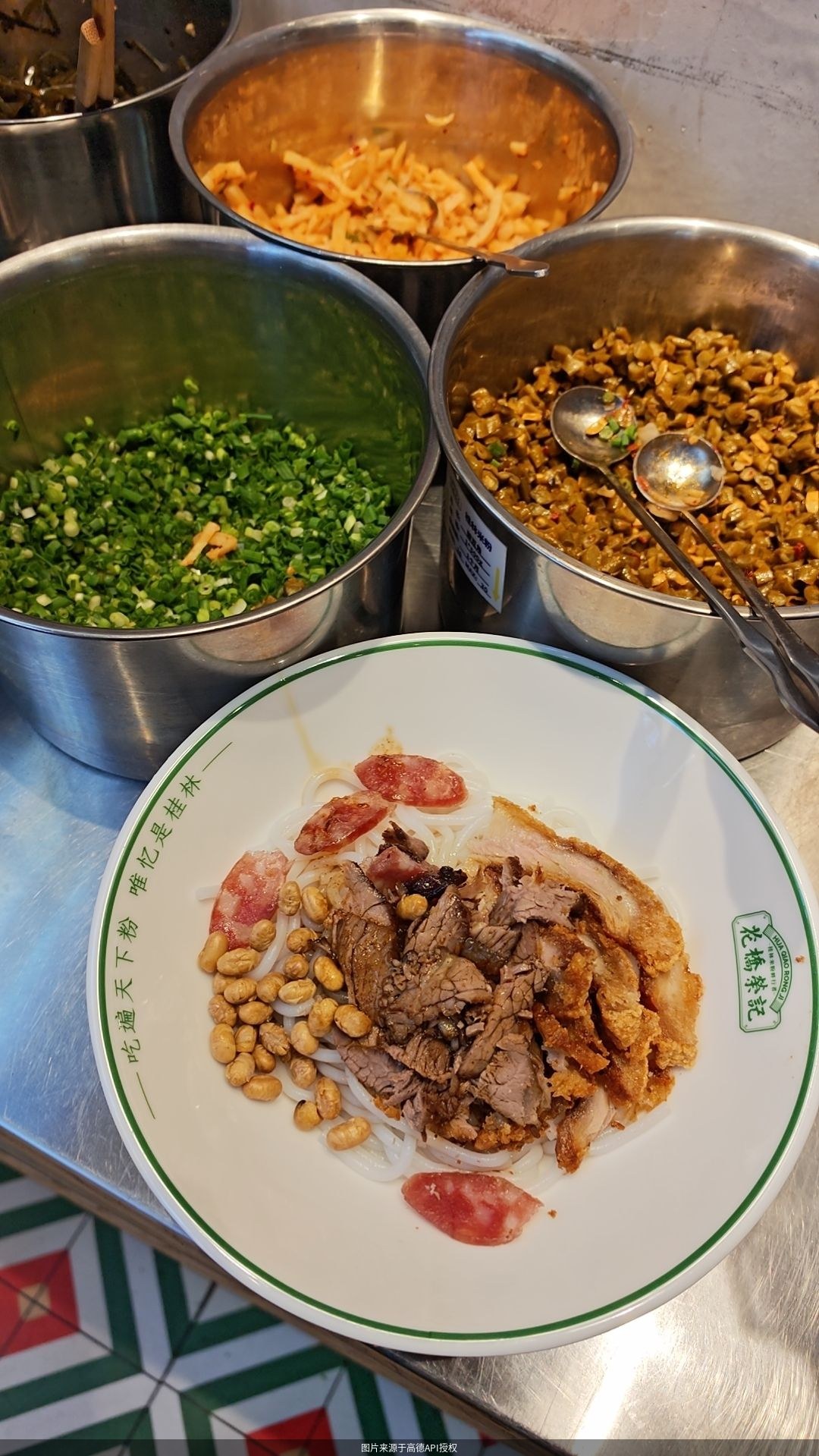
A chain shop specializing in freshly pressed Guilin rice noodles with rich marinade and toppings like crispy…
A branch of the national hot-pot chain known for attentive service and a wide range of broths and…
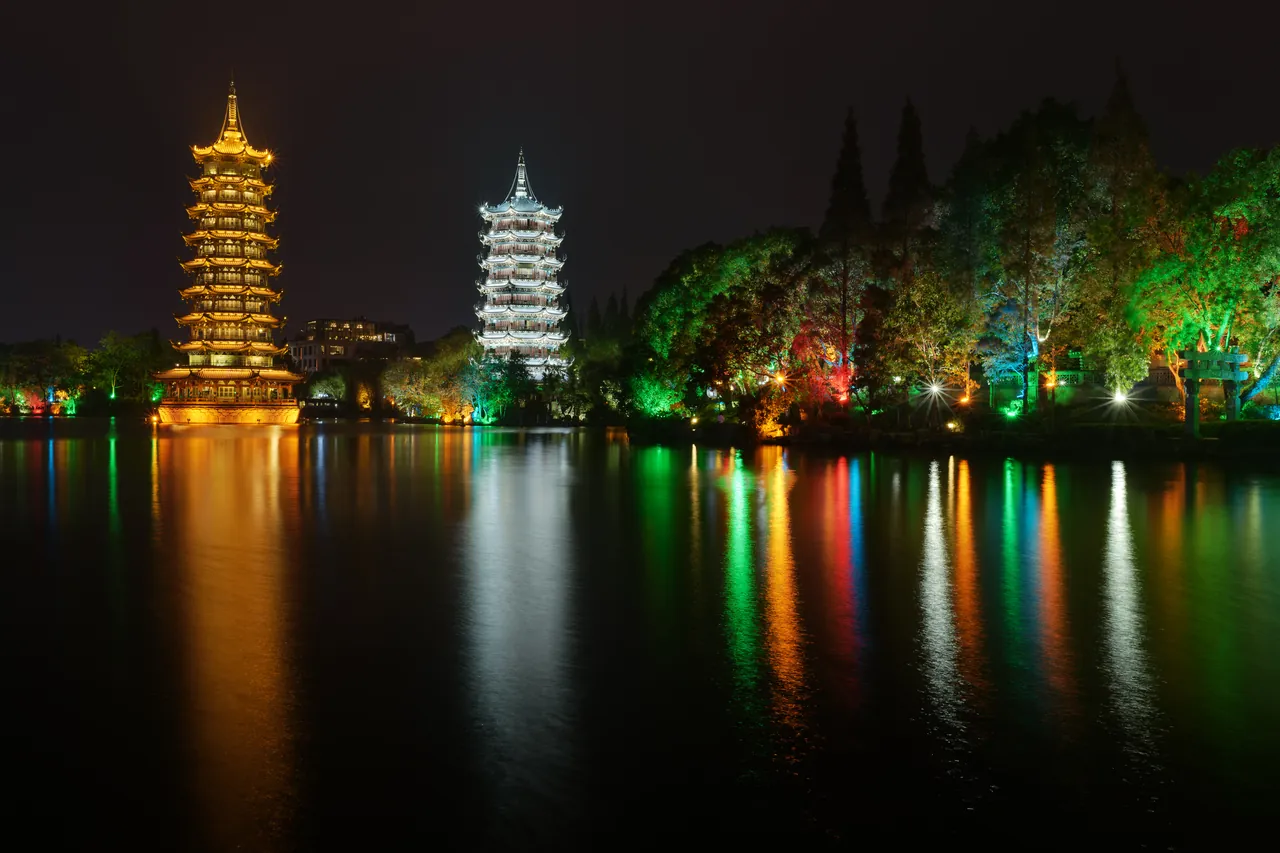
A lit night cruise around Guilin's old moat and lake system.
Zhang Yimou's river-stage spectacle in Yangshuo, with 600 local performers.
Yangshuo's main night strip — loud, busy, and best escaped after one lap.
Quieter bars and guesthouses along the Yulong River, away from the crowds.
Guilin's nights are about lit lakes and river stages; Yangshuo's are about West Street and courtyard bars.
Listed sites and the crafts that made this city famous.
Tower and cone karst along the Li River, inscribed as part of South China Karst in 2014.
The best-preserved Ming princely palace in China, with a 690-year-old wall and the Solitary Beauty Peak inside.
Guilin's local opera, with a high-pitched singing style and acrobatic martial scenes.
Rice noodles with braised beef, pickled beans and a spoon of the braising liquid — breakfast, not lunch.
Multi-part choral singing without a conductor, from the Dong villages north of Guilin — UNESCO heritage (2009).
Geometric silk-cotton brocade woven on wooden looms — one of China's four great brocades.
Senior licensed guides with 10+ years in the field and fluent English — deep on history, culture and local life.
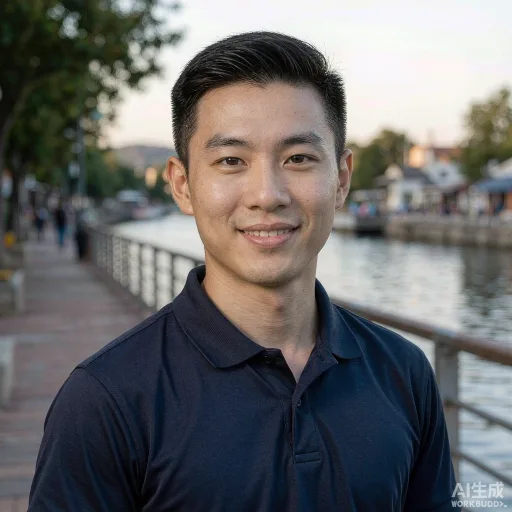
Experienced licensed guides with clear English — solid on city highlights, food and day-to-day logistics.
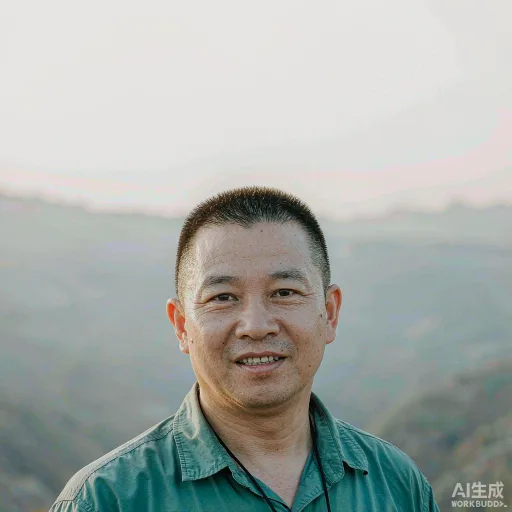
Licensed guides with workable English — a good-value choice for city days, transfers and standard commentary.

Chauffeur-driven by the day, plus airport and intercity transfers.



Private chauffeur-driven vehicles, priced per vehicle not per person. Airport transfer from $45; intercity transfer from $180.
Guilin's main aviation hub with two terminals and routes to major domestic and international cities. Airport buses and taxis link it to the city, serving as the aerial gateway to Guilin and Yangshuo.
A wharf on the Li River at Yangdi, a starting point for the riverside hike and bamboo-raft trips. It opens onto the scenic Yangdi-Xingping stretch of the river.
A central railway station serving conventional trains and some high-speed services, with convenient transfers. It is the traditional rail gateway to downtown Guilin.
A major high-speed rail hub for Guilin, served by lines like the Guiyang-Guangzhou railway in a large station building. A key gateway for high-speed travel to and from Guilin.
A large commercial complex in the Qixing district combining shopping, dining, cinemas and entertainment. With a wide range of brands, it is a key destination for leisure shopping in Guilin.
A shopping center in the Diecai district with full dining, retail and entertainment offerings. It is a commercial landmark and family leisure destination in northern Guilin.
A premium shopping mall in Guilin gathering international brands, fashion, dining and cinemas. It is a landmark for upscale urban shopping and leisure.

10 guides split by trip length: one-day city routes, three-day escapes and longer journeys, with stops, costs and transport in each.
Morning at Elephant Trunk Hill and Fubo Hill, an afternoon climb up Diecai for the city
Three DaysGuilin and Yangshuo in Three Days: Li River Rafts, Yulong River and West StreetDay one in the city for the elephant and the night cruise, day two rafting the Li River'
Multi-DayGuilin and Yangshuo in Five Days: City, Li River, Yulong, Silver Cave and LongjiTwo days cover the city and the Li River's finest stretch, day three the full Yulong and
Real routes, real travellers — a sense of what a trip looks like.
7 days · Guilin + Yangshuo + Longji · "Cycling between the peaks with no one else on the road."
5 days · Li River & rice terraces · "The terrace guesthouse view at sunrise — I still look at that photo."
4 days · Guilin + Xingping · "We asked for no tour boats — our guide put us on a bamboo raft instead."
Most travellers spend 3 days here. Add a day for a side trip if you want a slower pace.
Spring and autumn are usually the most comfortable. Check the seasonal notes above before booking.
We arrange airport/rail transfers and private drivers. Tell us your arrival point and we plan the connection.
Send an enquiry and a human expert replies within 12 hours with a draft plan and real prices. Flexible rescheduling; clear cancellation terms in your quote.
2-day private itineraries in Guilin start from $540 per person, two travelling together. Your proposal itemises hotels, tickets, guide and car — no hidden fees.
The 4-hour Guilin–Yangshuo cruise covers the full classic scenery including the 20-yuan view. The 1.5-hour Xingping stretch has the best single views but skips the rest.
West Street is. Ten minutes away, the Yulong River lanes and Xingping old town are still farmland and quiet guesthouses.
Mid-April to June for flooded terraces mirroring the sky; late September to October for golden rice.
Recent listed prices: Li River ¥215; Elephant Trunk Hill ¥55; Longji Rice Terraces ¥80; Two Rivers and Four Lakes ¥185; Jingjiang Princes' Palace ¥100. Ticket prices change seasonally — we confirm them in your quote.