 TripMyChinaJOURNEYS THROUGH REAL CHINA✦ AI Trip✦ Plan My Trip
English
简体中文
繁體中文
日本語
한국어
ไทย
Tiếng Việt
Bahasa Indonesia
Italiano
Español
العربية
Русский
Deutsch
Français
Bahasa Malaysia
TripMyChinaJOURNEYS THROUGH REAL CHINA✦ AI Trip✦ Plan My TripDunhuang is the desert oasis where the Silk Road's two routes met — a frontier town of Buddhist cave temples, crescent lakes and camel bells for over two thousand years. Rise early for the Mogao Grottoes' painted galleries, climb the singing dunes at Mingsha Shan and haggle in the night market like a Tang-dynasty trader. Unmissable for history lovers and desert photographers.
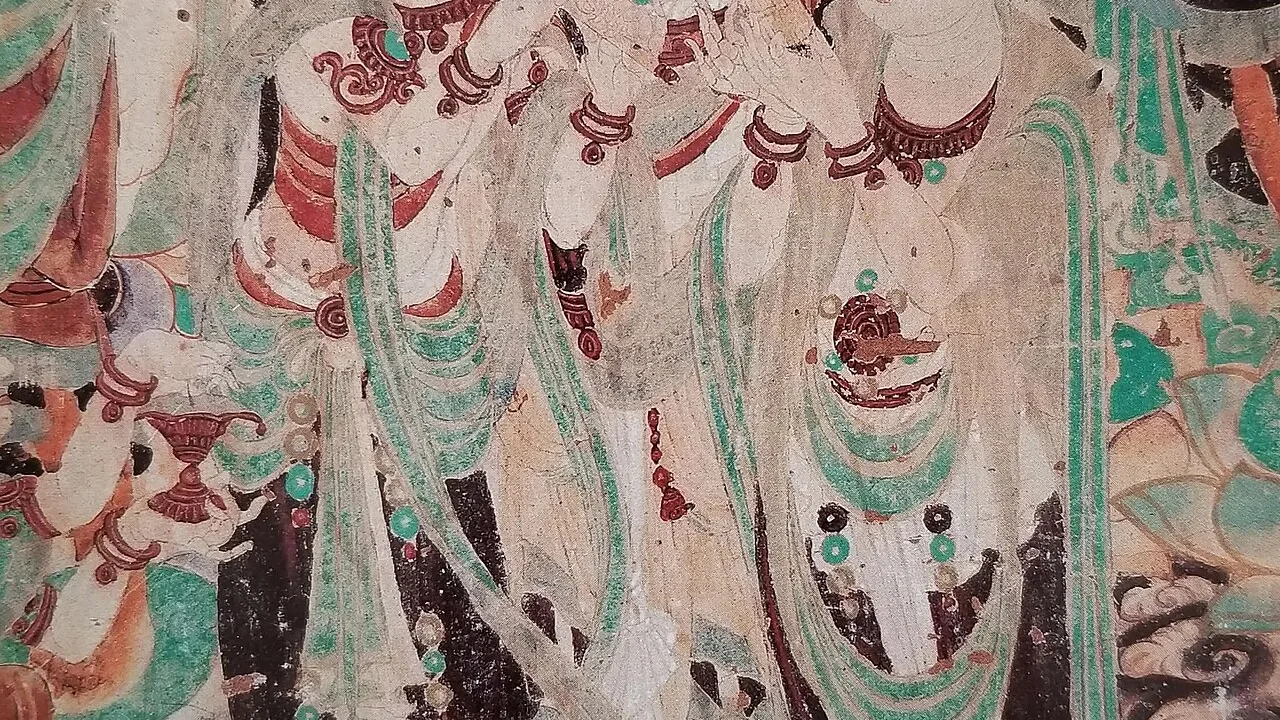
Dunhuang, a desert oasis city in Gansu Province, China, has been a pivotal crossroads on the Silk Road for over two millennia. Founded as a Han dynasty garrison, it flourished as a trading hub where Chinese, Indian, Persian, and Central Asian cultures mingled. The nearby Mogao Grottoes, a UNESCO World Heritage Site, house thousands of Buddhist murals and sculptures spanning ten dynasties, earning Dunhuang the title 'Cradle of Buddhist Art'.
The city is compact, with most attractions clustered around Shazhou Town, the main urban area. To the south, the Mingsha Shan (Echoing-Sand Mountain) and Crescent Lake form a stunning natural oasis. To the southeast, the Mogao Grottoes are carved into a cliff face. Further afield, the desolate Yumen Pass and Yardang National Geopark evoke the Silk Road's ancient grandeur. The layout is easy to navigate, with the airport and railway station on the outskirts.
Visitors to Dunhuang experience a blend of natural wonder and historical depth. They can ride camels across the dunes, explore the awe-inspiring cave temples, and wander through the night market sampling local delicacies. The desert landscape, with its shifting sands and dramatic rock formations, offers a serene yet powerful backdrop. Dunhuang is not just a destination; it's a journey through time, where the Silk Road's spirit lives on.
Dunhuang covers an area of 31,200 km² and has a population of approximately 190,000. It administers 9 towns and 1 ethnic township. The city is home to the Mogao Grottoes, a UNESCO World Heritage Site and one of the most important Buddhist art treasures in the world.
World-class, national and global recognition earned over the decades.
492 painted caves with 45,000 m² of murals and 2,000 sculptures, inscribed in 1987.
Where the northern and southern Silk Road routes met before the Gobi — a frontier garrison for 2,000 years.
Dunhuang has drawn travellers since the Tang dynasty and remains the country's desert-culture capital.
Named in the second batch in 1986.
Mogao's murals span a thousand years of Chinese painting, from the Northern Liang to the Yuan.
The Gobi desert around Dunhuang is one of China's best stargazing areas.

The moments that shaped the city — and the stories its people still tell.
Emperor Wu established Dunhuang as one of the four Hexi commanderies — the gateway to the Western Regions.
A monk named Yuezun carved the first cave at Mogao; digging continued for a thousand years.
Dunhuang was a cosmopolitan trading city with Buddhist monasteries from across Asia.
A caretaker discovered 50,000 manuscripts sealed in Cave 17 — the greatest cache of medieval documents in Asia.
A dedicated institute was founded to conserve the caves and study the manuscripts.
Mogao Caves became one of China's first UNESCO World Heritage sites.
A Buddhist jataka tale painted in Cave 257: a deer rescues a drowning man, who betrays it for a reward and is struck down.
The feitian — flying celestial beings — appear in nearly every cave, their ribbons trailing across the ceiling.
The spring beside the singing sand dunes has never been buried by the shifting sands, though the dunes surround it on all sides.
Three paces, one city — every route built from places we actually operate.
Weather, crowds and the best months for what you want to see.
Mild days and cold nights; sandstorms are possible but the desert is at its calmest.
The best season — clear skies, comfortable temperatures and the best light on the dunes.
Very hot at midday; sightsee early and late, and book Mogao slots ahead.
Cold and empty — the caves are quiet and hotel prices drop.
What this city is known for — the things worth planning your day around.
The places worth building a day around.
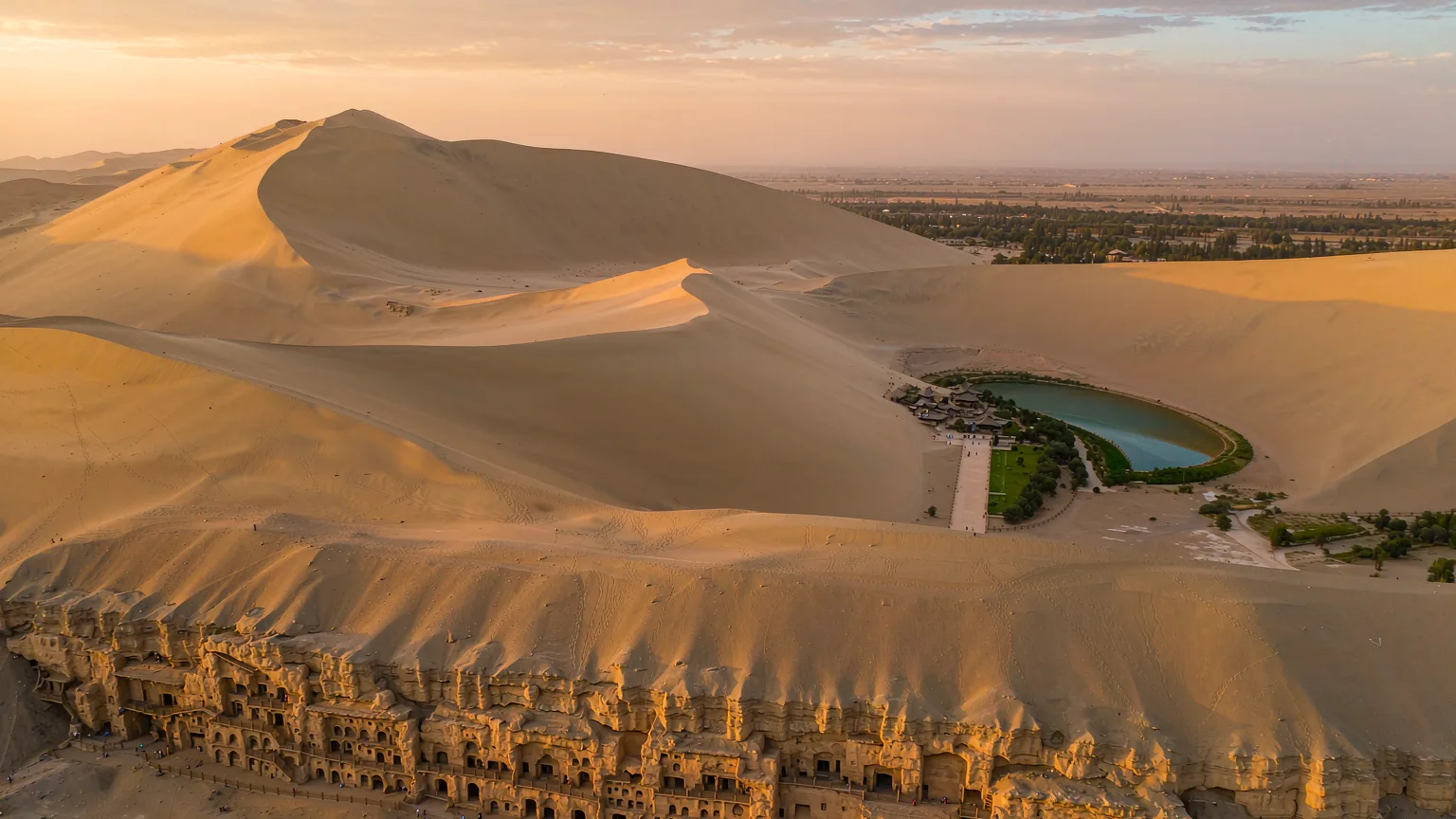
Seven hundred and thirty-five caves cut into a cliff 25 kilometres southeast of Dunhuang, 492 of them painted, holding 45,000 square metres of murals
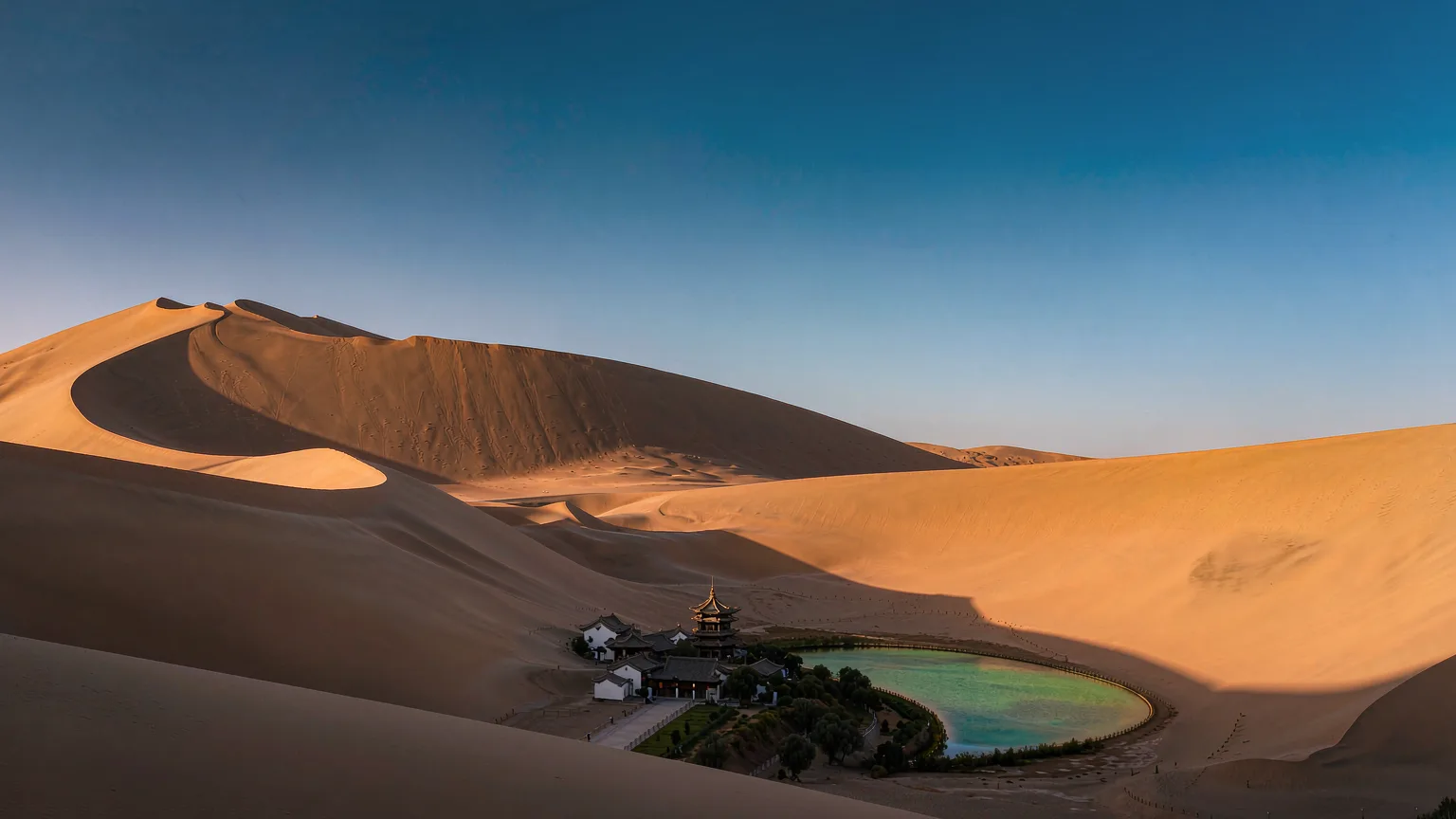
A crescent of spring water about 100 metres long, sitting at the foot of dunes that rise 250 metres, 5 kilometres south of Dunhuang. The water has not
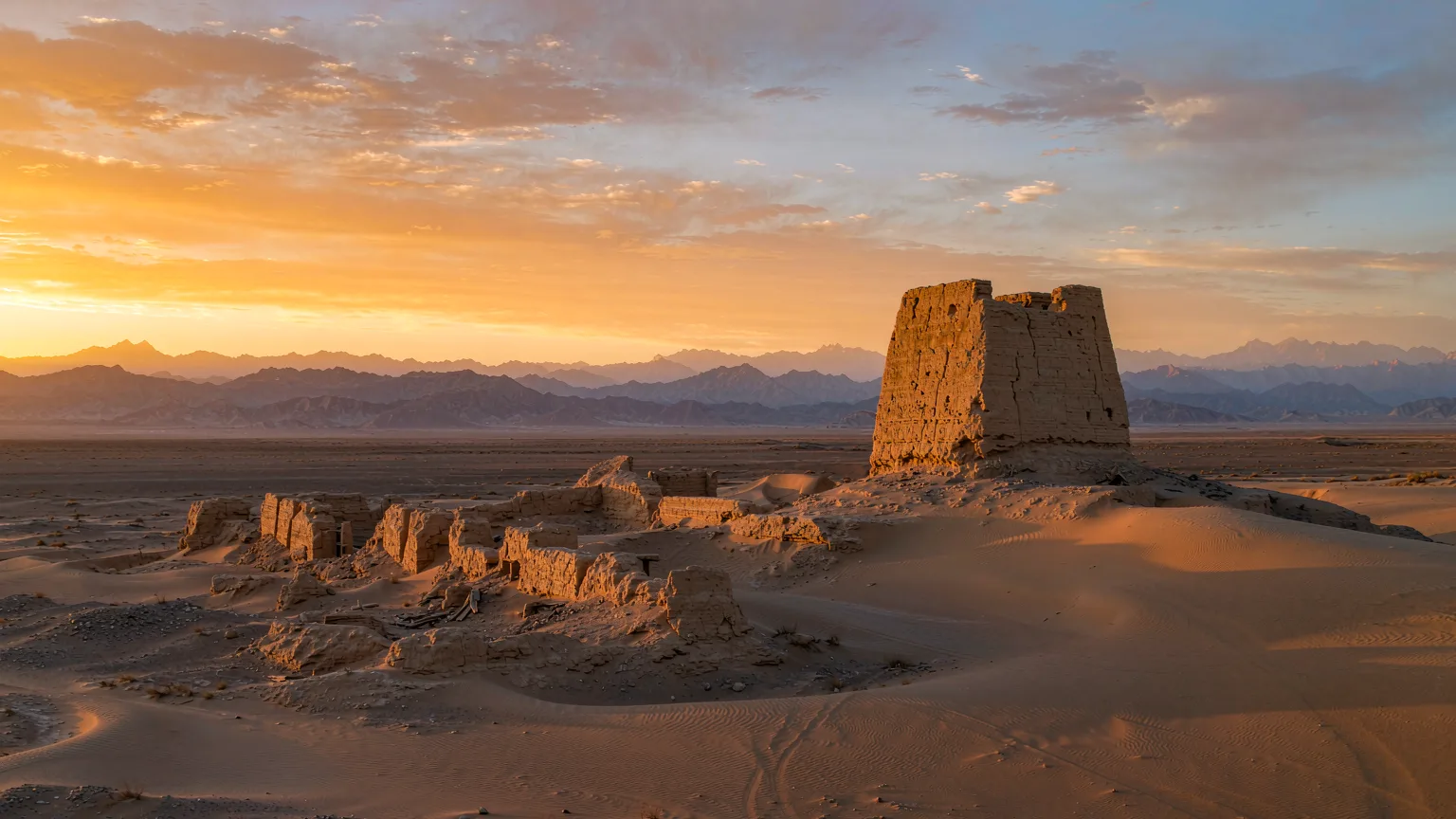
The southern gate of the Han frontier, 70 kilometres southwest of Dunhuang, marked now by a single earthen beacon tower on a ridge above the desert. W
A little further out, for a spare half-day.
At the entrance to the Mingsha Mountain and Crescent Lake scenic area, this tourist town blends boutique…
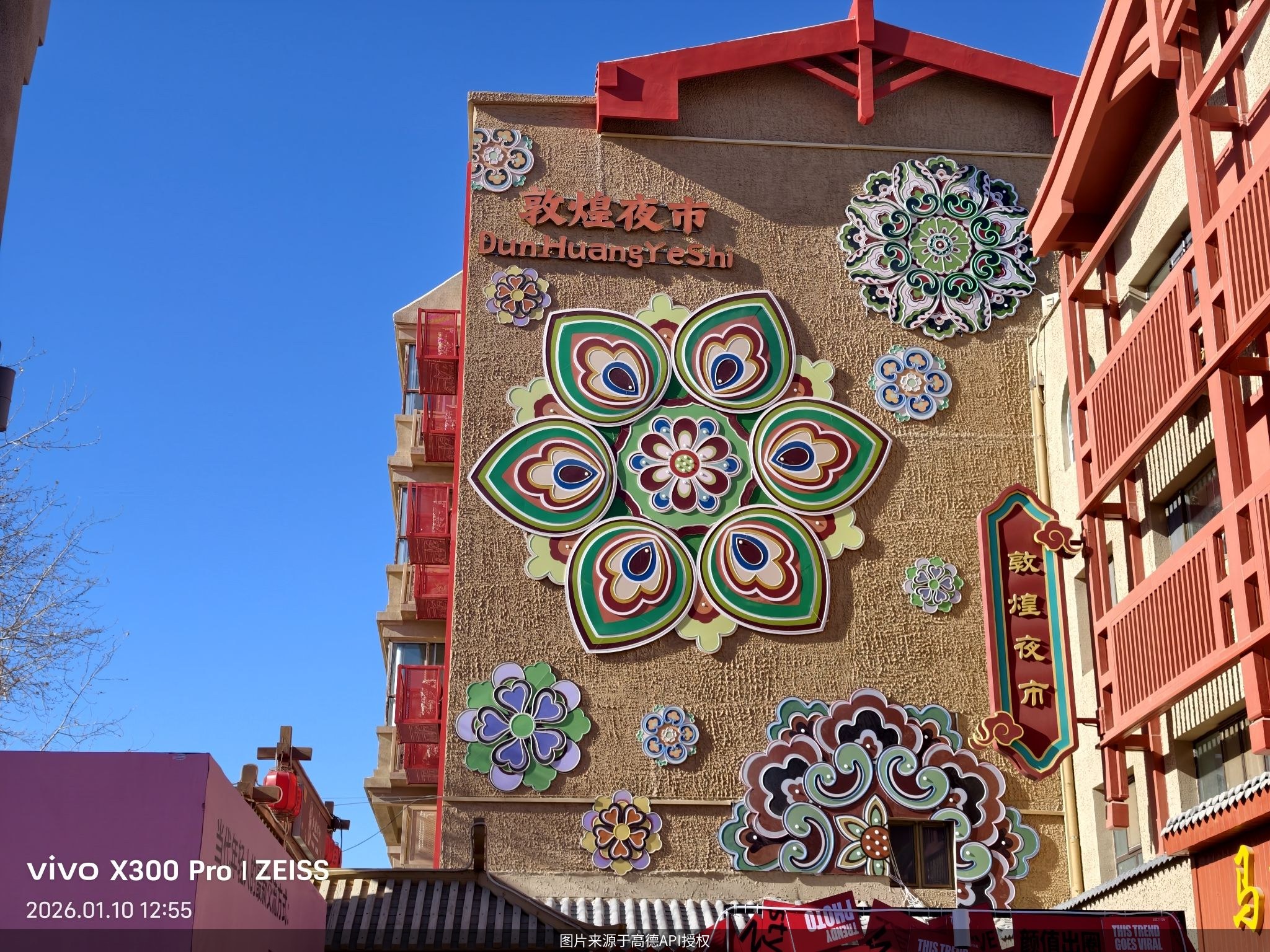
On Yangguan Middle Road, this is Dunhuang's most celebrated night market. After dark its stalls fill with…
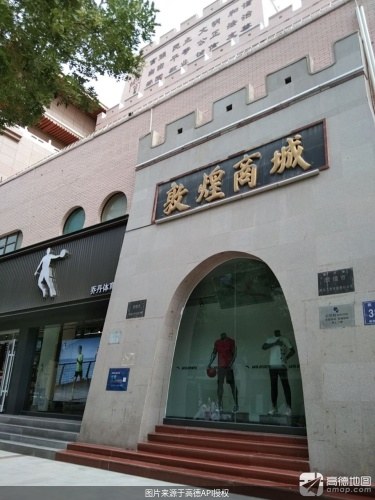
On Yangguan Middle Road, this long-established department store sells clothing, daily goods and home…
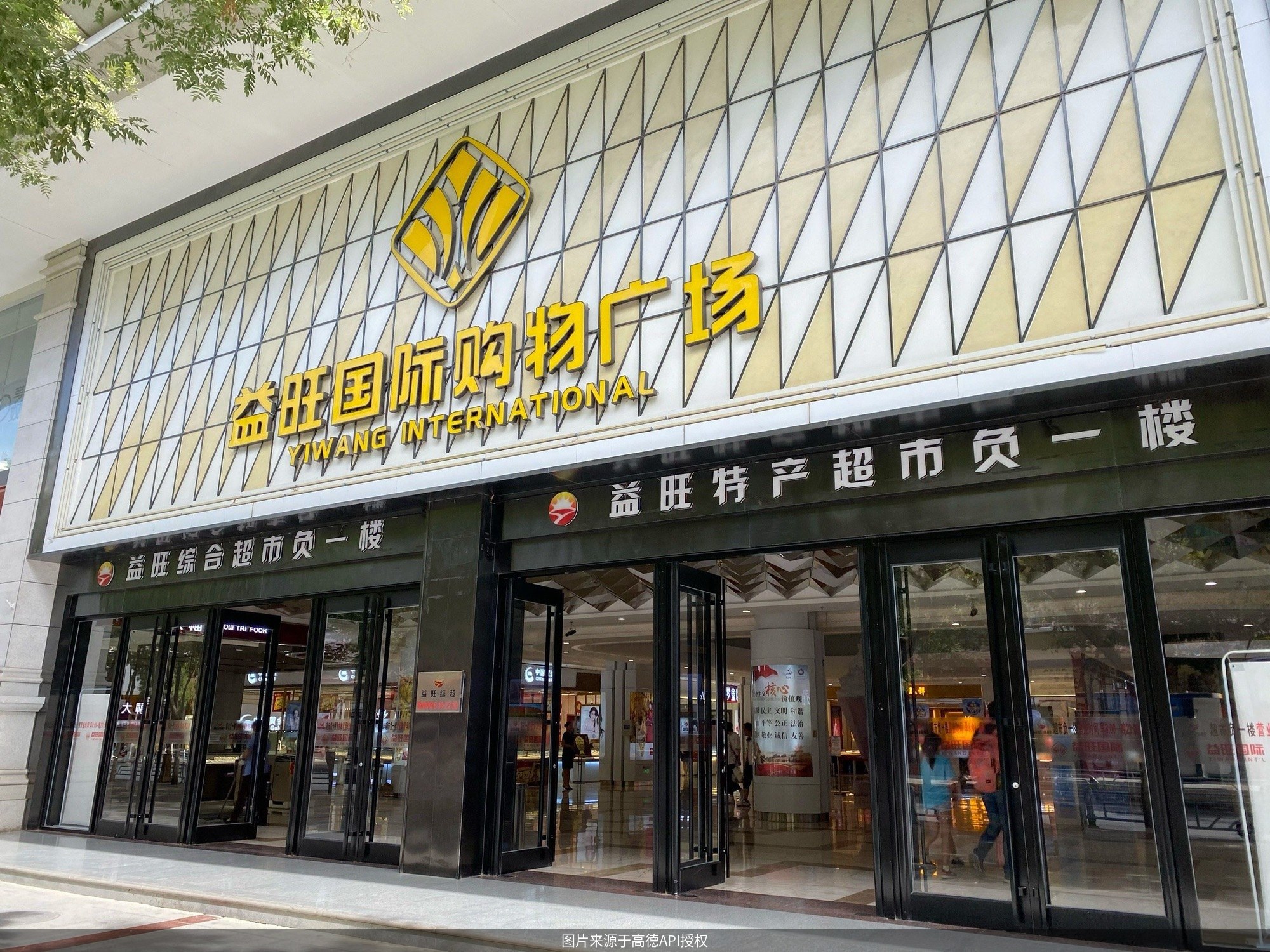
On Yangguan Middle Road, this is Dunhuang's largest shopping complex, gathering brand retail, dining, a…
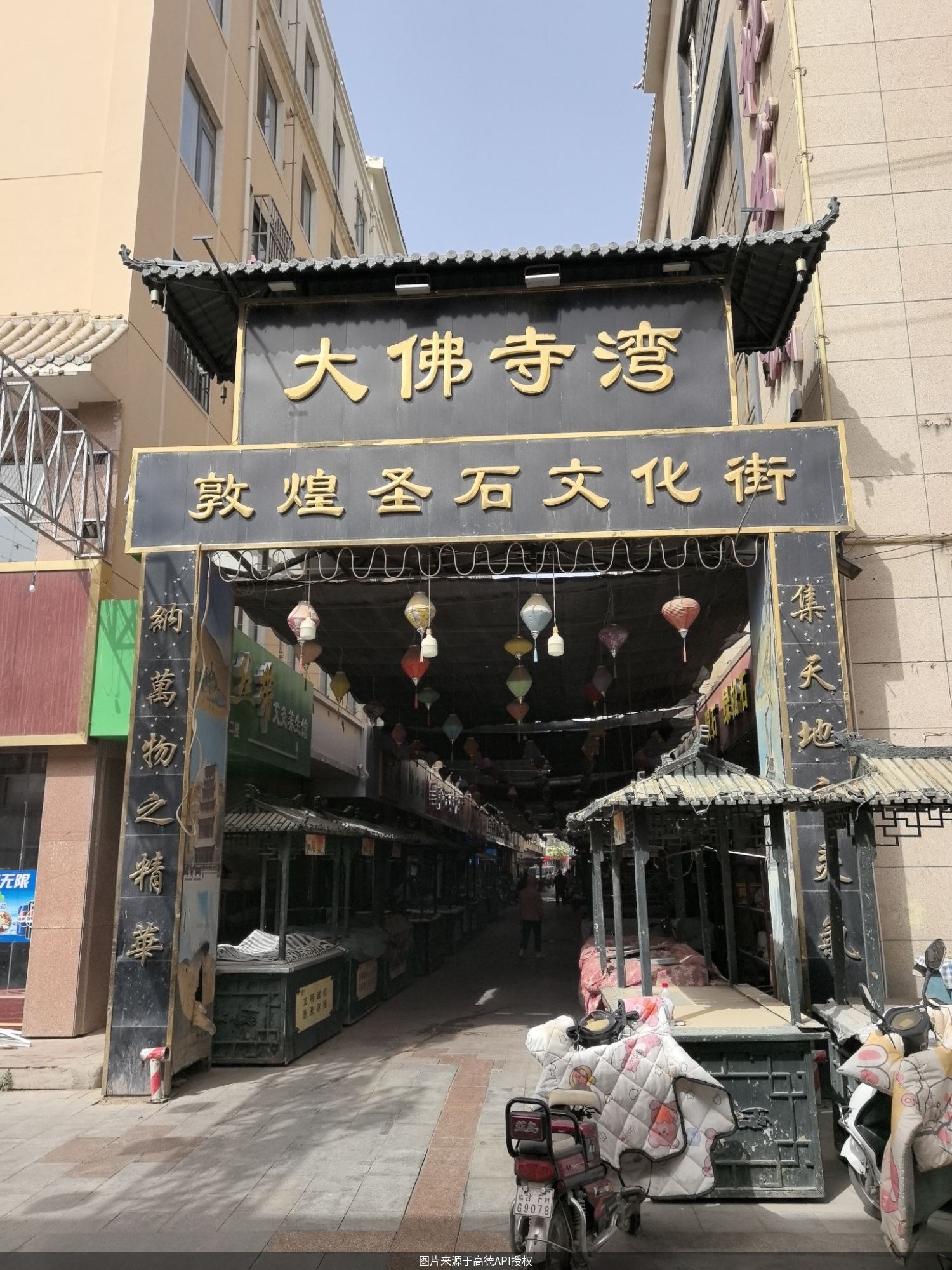
On Mingshan North Road, this is Dunhuang's main pedestrian shopping street, lined with shops selling…
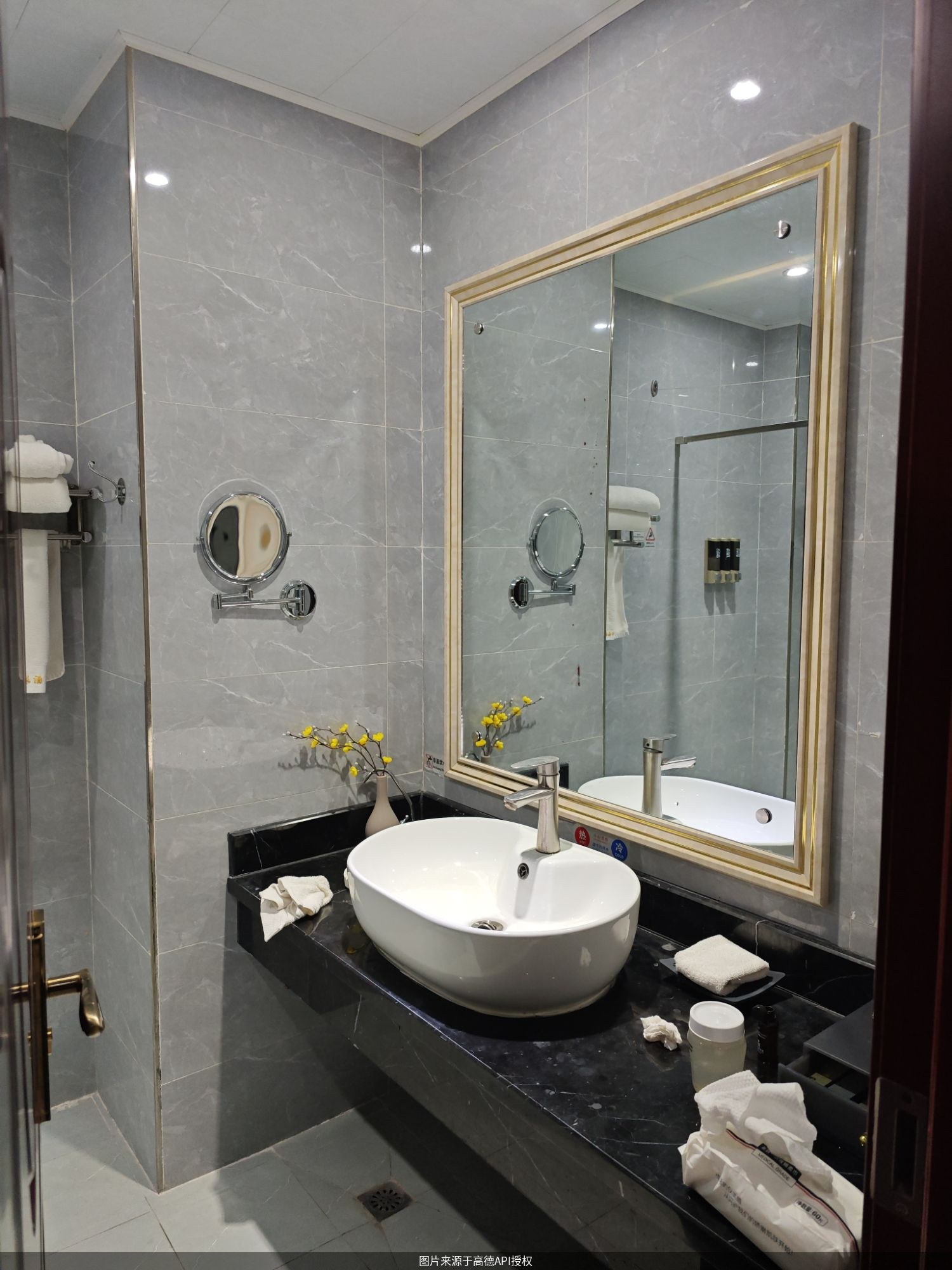
On Airport Road, this hot-spring facility taps Dunhuang's geothermal resources. Indoor and outdoor pools…
Museums, galleries and workshops still keeping old crafts alive.
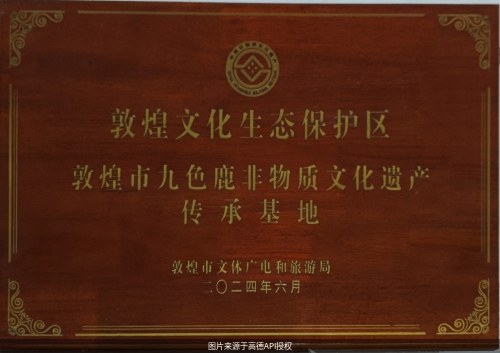
In Damiao Village, this base draws on the nine-colored deer mural motif and the ICH crafts of painted…
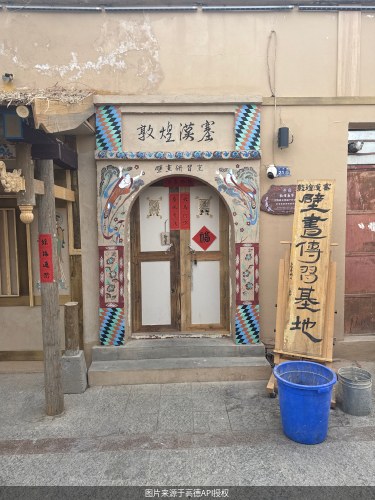
On Shazhou South Road, this experience hall centres on Silk Road intangible heritage. It offers…
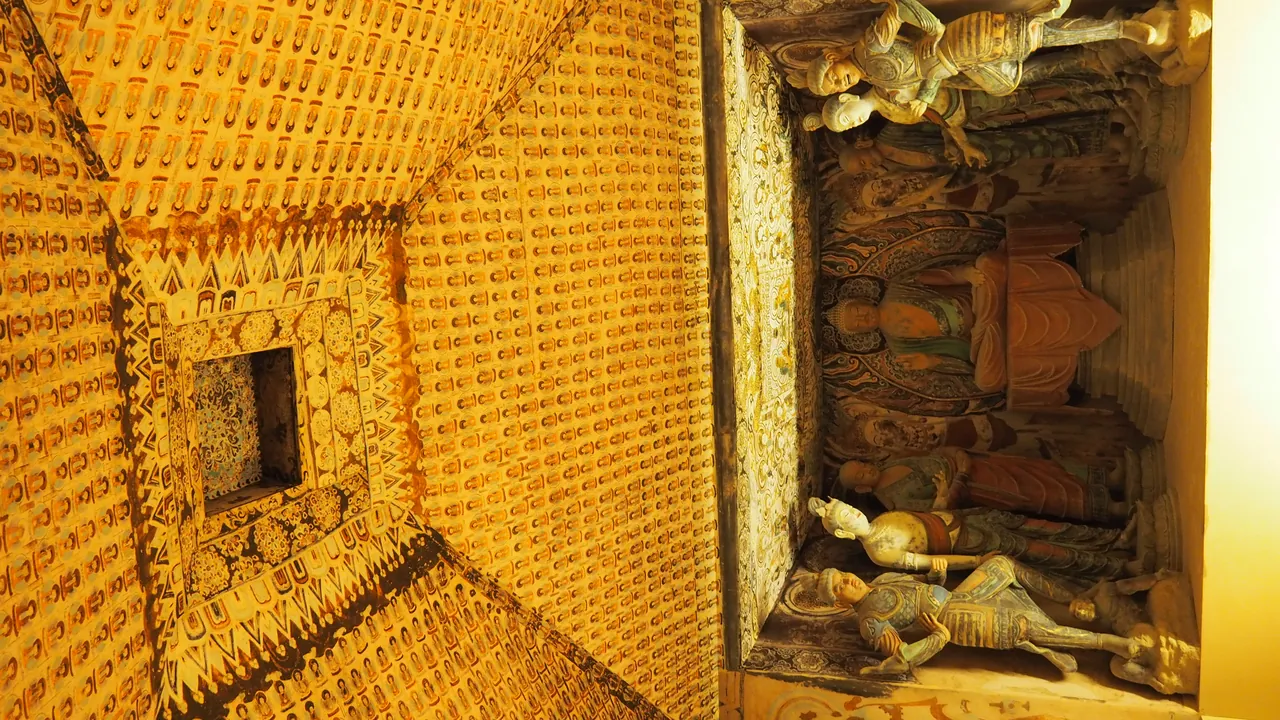
Before the caves, meet the small finds — Han slips, tomb bricks and silk scraps that made this oasis town.
What is on stage after dark.
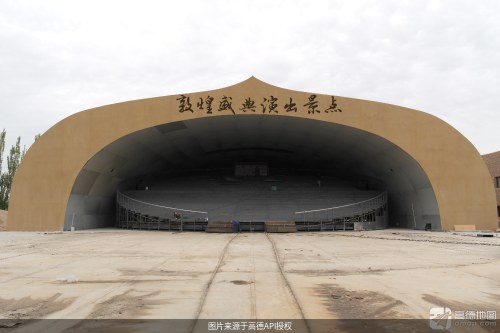
Inside Dunhuang Villa, this theatre stages Dunhuang Grand Ceremony, a large desert live show. Set against the…
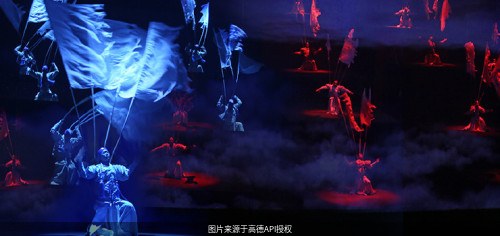
West of the Mogao Caves Digital Exhibition Center, this is the dedicated theatre for Encore Dunhuang, a large…
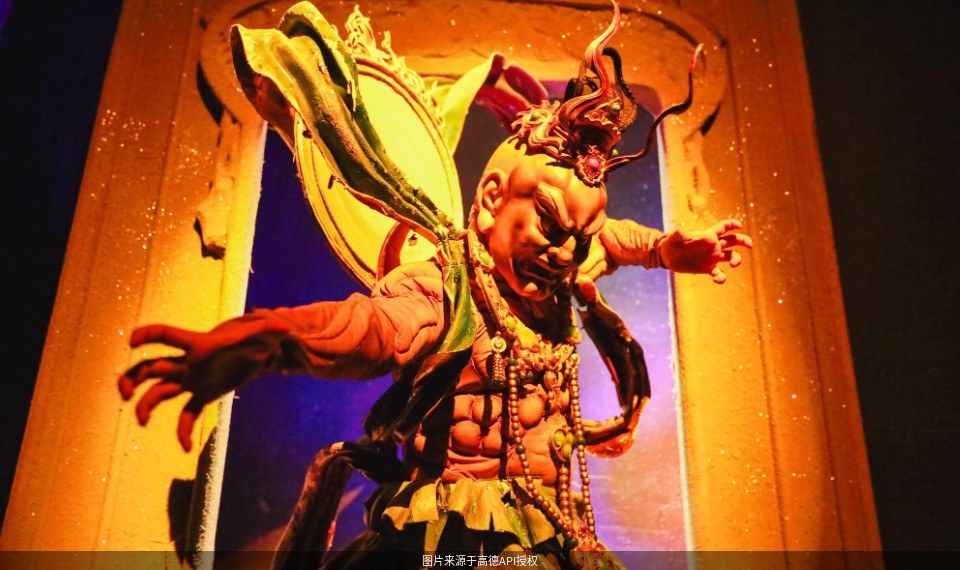
West of the Mogao Caves Digital Exhibition Center, this venue presents Le Dong Dunhuang, billed as the…
Where the whole street eats — the city's most famous food streets, each with its own guide page.
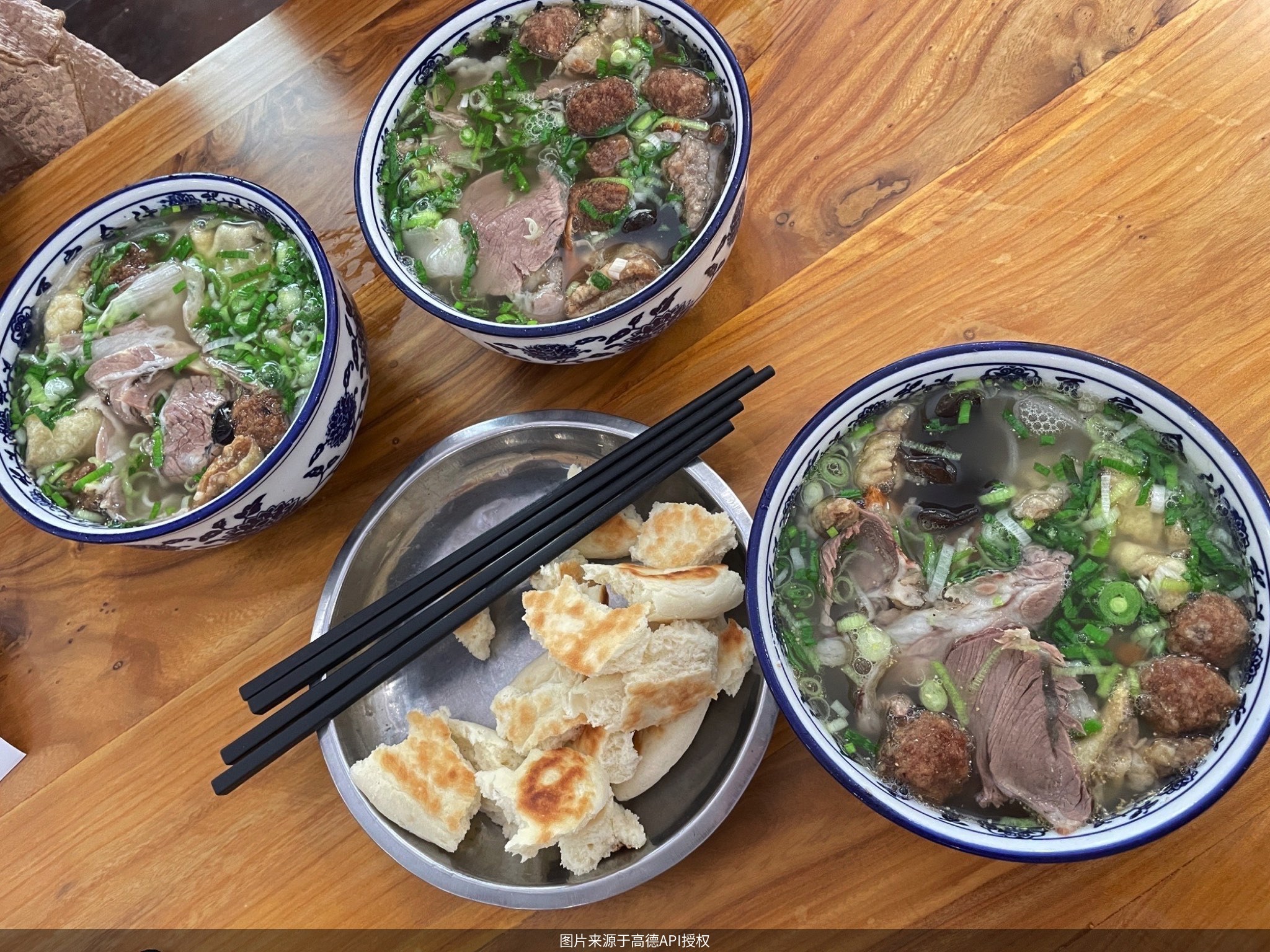
In the Tianrun Garden commercial building, this renowned long-running stall makes hezhi, a lamb broth loaded…
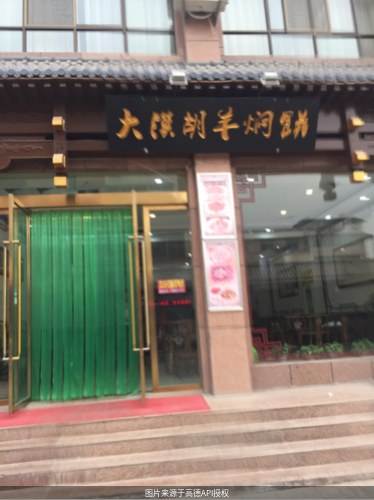
On Shichang Lane, this restaurant specialises in huyang menbing, lamb braised with flatbread that soaks up…
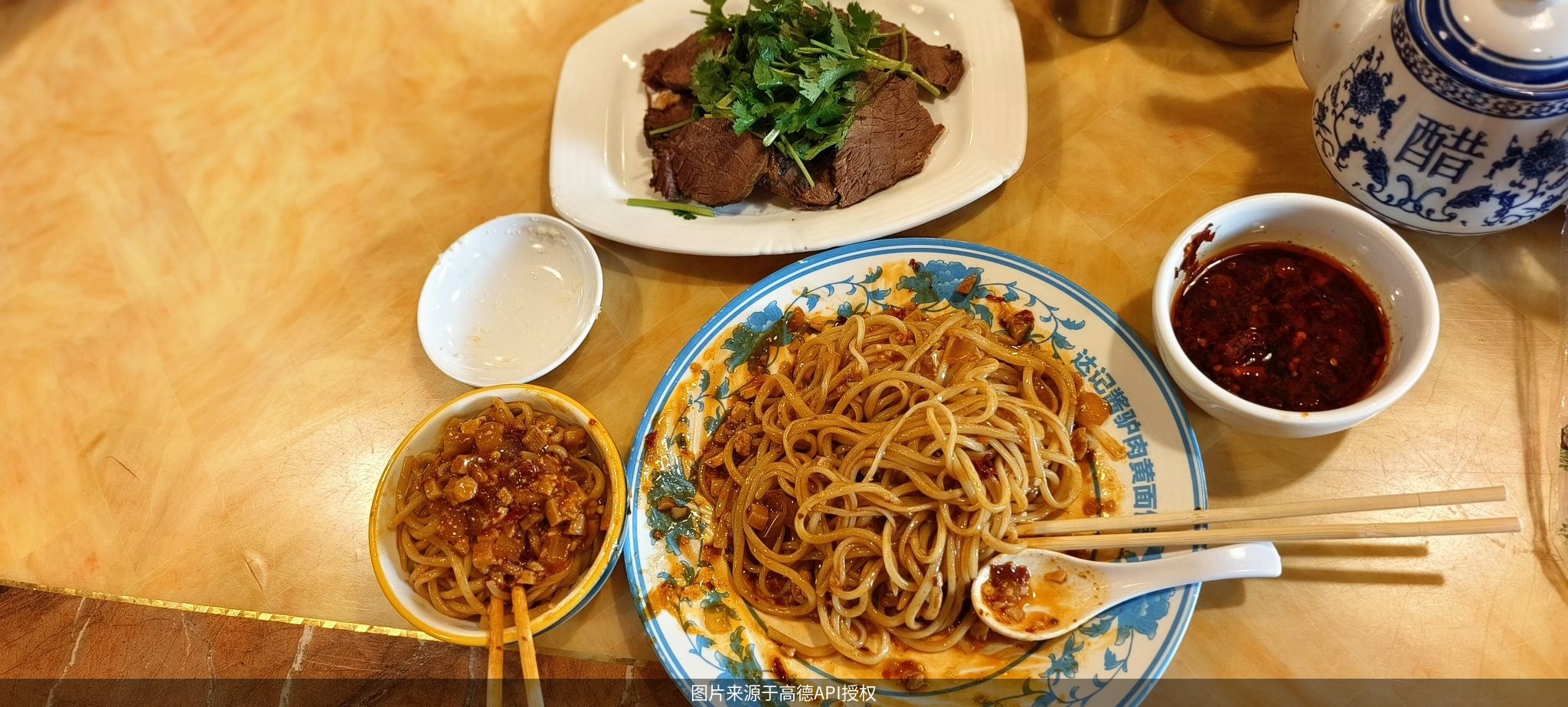
Beside the Tianrun International Hotel, this long-running eatery serves Dunhuang's signature donkey-meat…
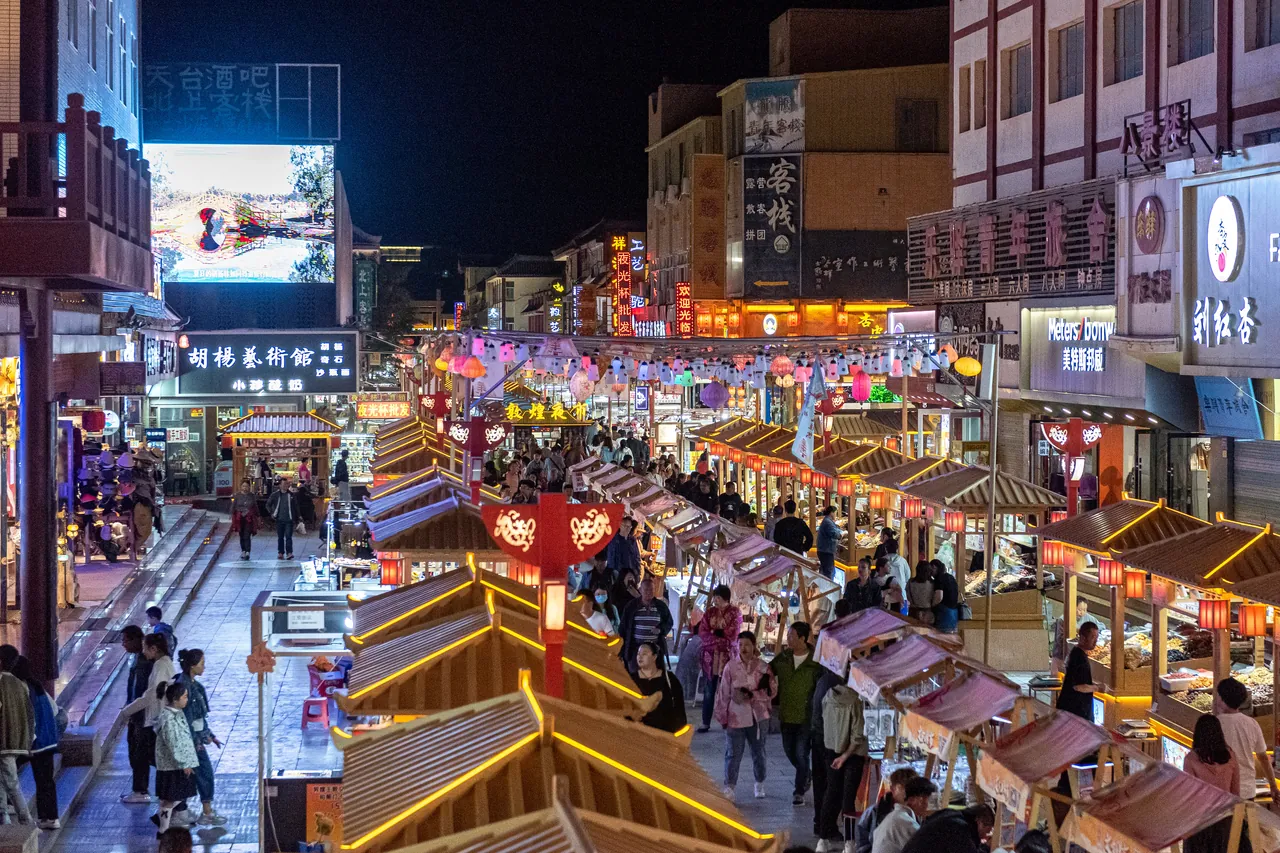
Lamb skewers, apricot juice and Silk Road souvenirs until midnight.
The dunes are open late and lit; far quieter than at sunset.
A 30-minute drive out of town for a full Milky Way.
A walk-through immersive performance on Silk Road history.
After dark the desert is the attraction — sand dunes under moonlight, then a night market of lamb skewers.
Listed sites and the crafts that made this city famous.
492 caves, 45,000 m² of murals and 2,000 sculptures spanning the 4th to 14th centuries — inscribed in 1987.
The Han-dynasty frontier gate on the Silk Road, with the rammed-earth wall still standing.
Wind-carved Gobi formations, some 20 m high, in the Dunhuang Geopark.
Mineral-pigment wall painting techniques revived by the research institute.
Layered clay ground, mineral pigments and gold — the technique behind Mogao's colours.
Instruments and scores recovered from the Library Cave manuscripts, reconstructed and performed.
Senior licensed guides with 10+ years in the field and fluent English — deep on history, culture and local life.
Experienced licensed guides with clear English — solid on city highlights, food and day-to-day logistics.
Licensed guides with workable English — a good-value choice for city days, transfers and standard commentary.
Chauffeur-driven by the day, plus airport and intercity transfers.



Private chauffeur-driven vehicles, priced per vehicle not per person. Airport transfer from $45; intercity transfer from $180.
Northeast of the city, this is the terminus of the Dunhuang branch of the Lanzhou-Xinjiang Railway. It runs passenger trains to Lanzhou, Xi'an and beyond, and with the airport and bus station forms Dunhuang's transport…
On Yangguan Avenue northeast of the city, this is Dunhuang's air gateway. It runs flights to Lanzhou, Xi'an, Beijing, Shanghai and more, offering convenient air access to the Mogao Caves, Mingsha Mountain and other…
On Sanwei Road, this is Dunhuang's main road-transport hub. Coaches run to Lanzhou, Jiuquan, Jiayuguan and neighbouring counties, with tourist routes to the Mogao Caves and Mingsha Mountain, serving as the key transfer…
On Yangguan Middle Road, this long-established department store sells clothing, daily goods and home appliances. Together with nearby Yiwang and Feitian malls it forms the old-town commercial core, a mainstay of…
On Yangguan Middle Road, this is Dunhuang's largest shopping complex, gathering brand retail, dining, a cinema and children's entertainment, including chains such as KFC. It is the city's main hub for leisure,…
On Mingshan North Road, this is Dunhuang's main pedestrian shopping street, lined with shops selling clothing, footwear, daily goods and souvenirs. Dense with shoppers and street life, it is the city's representative…

10 guides split by trip length: one-day city routes, three-day escapes and longer journeys, with stops, costs and transport in each.
Cave art in the morning, a desert sunset at night
Three DaysClassic Dunhuang in Three Days: Caves, Dunes and a Westline SunsetMogao, Mingsha, Yumen Pass and Yardang: the full classics in one trip
Multi-DayFive Days in Dunhuang: The Classic Three Plus a Guazhou Cave DaySteady pacing, with day five unlocking Yulin Caves or Jiayuguan
Real routes, real travellers — a sense of what a trip looks like.
Most travellers spend 3 days here. Add a day for a side trip if you want a slower pace.
Spring and autumn are usually the most comfortable. Check the seasonal notes above before booking.
We arrange airport/rail transfers and private drivers. Tell us your arrival point and we plan the connection.
Send an enquiry and a human expert replies within 12 hours with a draft plan and real prices. Flexible rescheduling; clear cancellation terms in your quote.
2-day private itineraries in Dunhuang start from $590 per person, two travelling together. Your proposal itemises hotels, tickets, guide and car — no hidden fees.
Book online in advance with a timed slot — A-class tickets include eight caves and two films and sell out days ahead. Peak season requires booking a week or more early.
Yes — Mogao takes a half day, and the western line (Yumen Pass, Yardang) is a full day on its own.
Lamb skewers, donkey-meat noodles (a local speciality) and apricot juice — the night market is the place.
Recent listed prices: Mogao Caves ¥238; Mingsha Sand Dunes and Crescent Lake ¥110; Yangguan Pass ¥50; Yumen Pass ¥40. Ticket prices change seasonally — we confirm them in your quote.