 TripMyChinaJOURNEYS THROUGH REAL CHINA✦ AI Trip✦ Plan My Trip
English
简体中文
繁體中文
日本語
한국어
ไทย
Tiếng Việt
Bahasa Indonesia
Italiano
Español
العربية
Русский
Deutsch
Français
Bahasa Malaysia
TripMyChinaJOURNEYS THROUGH REAL CHINA✦ AI Trip✦ Plan My TripThe Great Wall at a quiet section, the Forbidden City, hutong breakfasts and proper Peking duck — China's imperial highlights, paced around you.
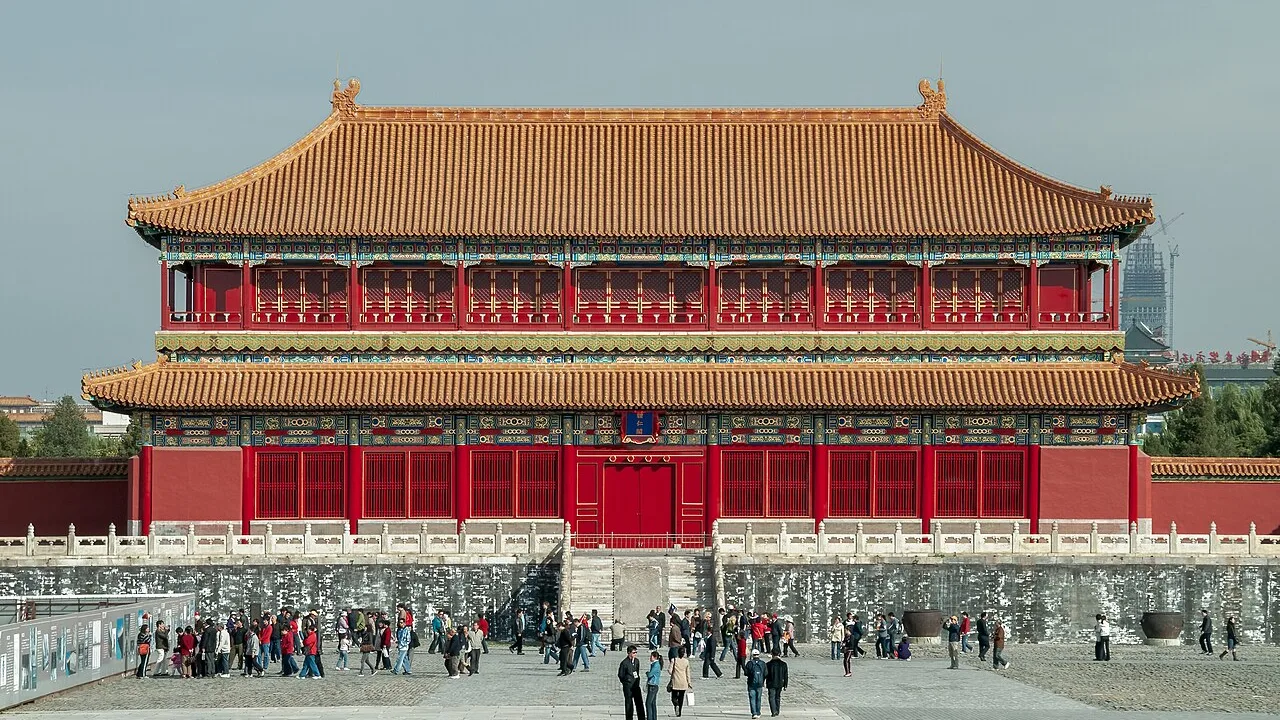
Beijing is the capital of the People's Republic of China and one of the world's great historic cities — a place where imperial grandeur and a fast-moving modern capital share the same skyline. For over 800 years it has been the political and cultural heart of the country, and its monuments — the Forbidden City, the Great Wall, the Temple of Heaven and the Summer Palace — need no introduction.
The city rewards unhurried exploration. Walk the quieter sections of the Great Wall at Mutianyu before the tour buses arrive, then trace imperial history through the Forbidden City's vast courtyards. Duck into the hutongs for a glimpse of old Beijing life, and finish with roast duck and a hutong food walk.
Beijing is also the ideal launchpad for a wider China journey — high-speed rail puts Xi'an, Shanghai and Chengdu within a few hours. Most travellers spend three to five days here, pairing the iconic sights with off-the-beaten-path neighbourhoods.
Beijing Municipality spans 16,410 square kilometers of mountains, plains and reservoirs and is home to about 21.9 million people. With more than 3,000 years of city-building history and 870 years as a capital, it now administers 16 districts, from the imperial core of Dongcheng and Xicheng to the tech belt of Haidian and the canal city of Tongzhou.
World-class, national and global recognition earned over the decades.
China's richest city for World Heritage — the Forbidden City, the Great Wall, the Temple of Heaven, the Summer Palace, Zhoukoudian, the Ming Tombs, the Grand Canal and the Beijing Central Axis (2024).
Host of both the 2008 Summer Olympics and the 2022 Winter Olympics — a first in Olympic history.
Joined the UNESCO Creative Cities Network as a City of Design in 2012.
Named in the first batch of National Historical & Cultural Cities by the State Council in 1982.
Imperial capital of the Jin, Yuan, Ming and Qing dynasties, and the capital of China today.

The moments that shaped the city — and the stories its people still tell.
The feudal state of Yan established its capital at Ji, the first walled city on the site of modern Beijing.
The Khitan Liao dynasty made Ji its southern capital, Yanjing — the city's rise as a imperial centre began.
The Jurchen Jin moved their capital here as Zhongdu, modelling the city on the Song capital Kaifeng.
Kublai Khan built Dadu around a new axis — the street grid that still defines central Beijing today.
Emperor Yongle moved the capital north from Nanjing and built the Forbidden City — the palace that still stands at the centre.
The People's Republic of China was founded with Beijing as its capital.
Legend says the Ming planner Liu Bowen laid out Beijing in the shape of the boy-god Nezha — eleven gates as his arms, the city wall as his body — so the city would be protected by a deity.
A well beneath Beixinqiao is said to hold a chained dragon; when the chain was pulled during roadworks, the water is said to have roared. The bridge was renamed so the dragon would never find its way out.
Three paces, one city — every route built from places we actually operate.
Weather, crowds and the best months for what you want to see.
The best window — mild, clear and dry, with peonies in the parks and the Great Wall at its greenest.
Crisp blue skies and golden ginkgo along the moats — the season locals call the best of the year.
Hot and often humid; sightseeing works best early morning and after 5pm.
Cold and dry, but the clearest light of the year and the fewest crowds at the palaces.
What this city is known for — the things worth planning your day around.
The places worth building a day around.
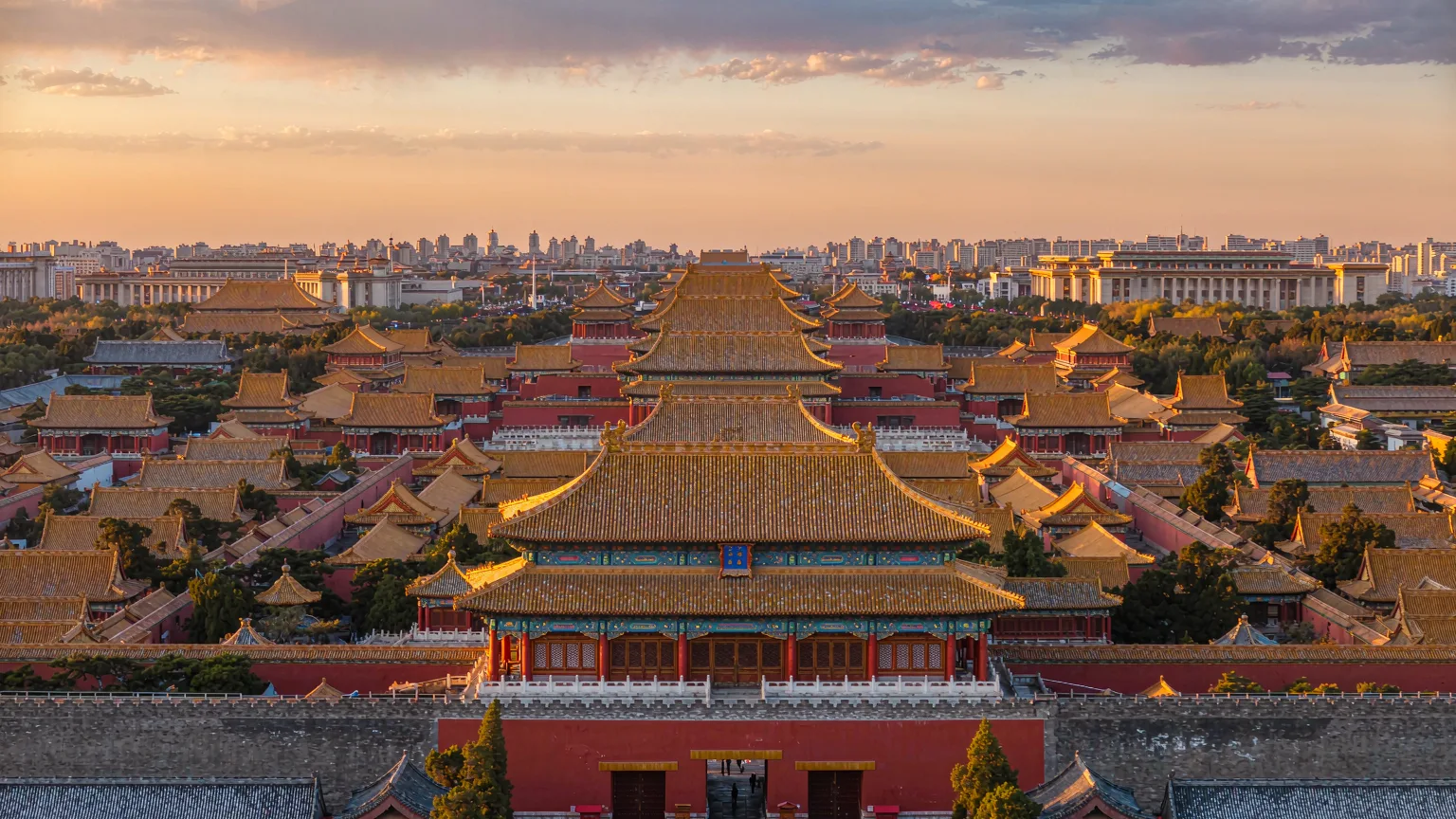
Twenty-four emperors governed China from these 72 hectares between 1420 and 1912. The scale is the point and also the problem: around 40,000 people pa
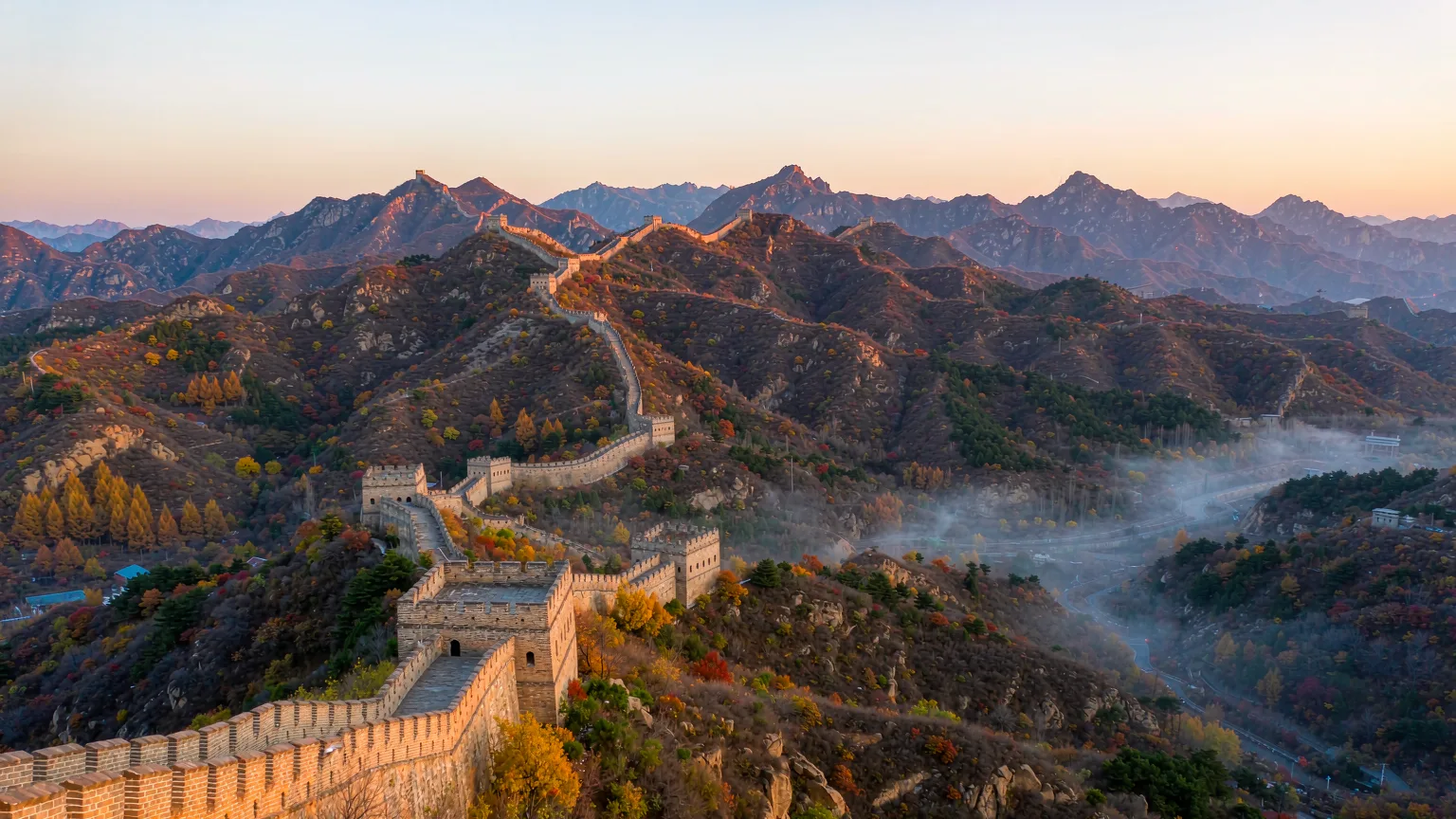
Badaling is the most-visited stretch of the Great Wall and the easiest to reach: 70 km from central Beijing, 27 minutes by high-speed train. It is als
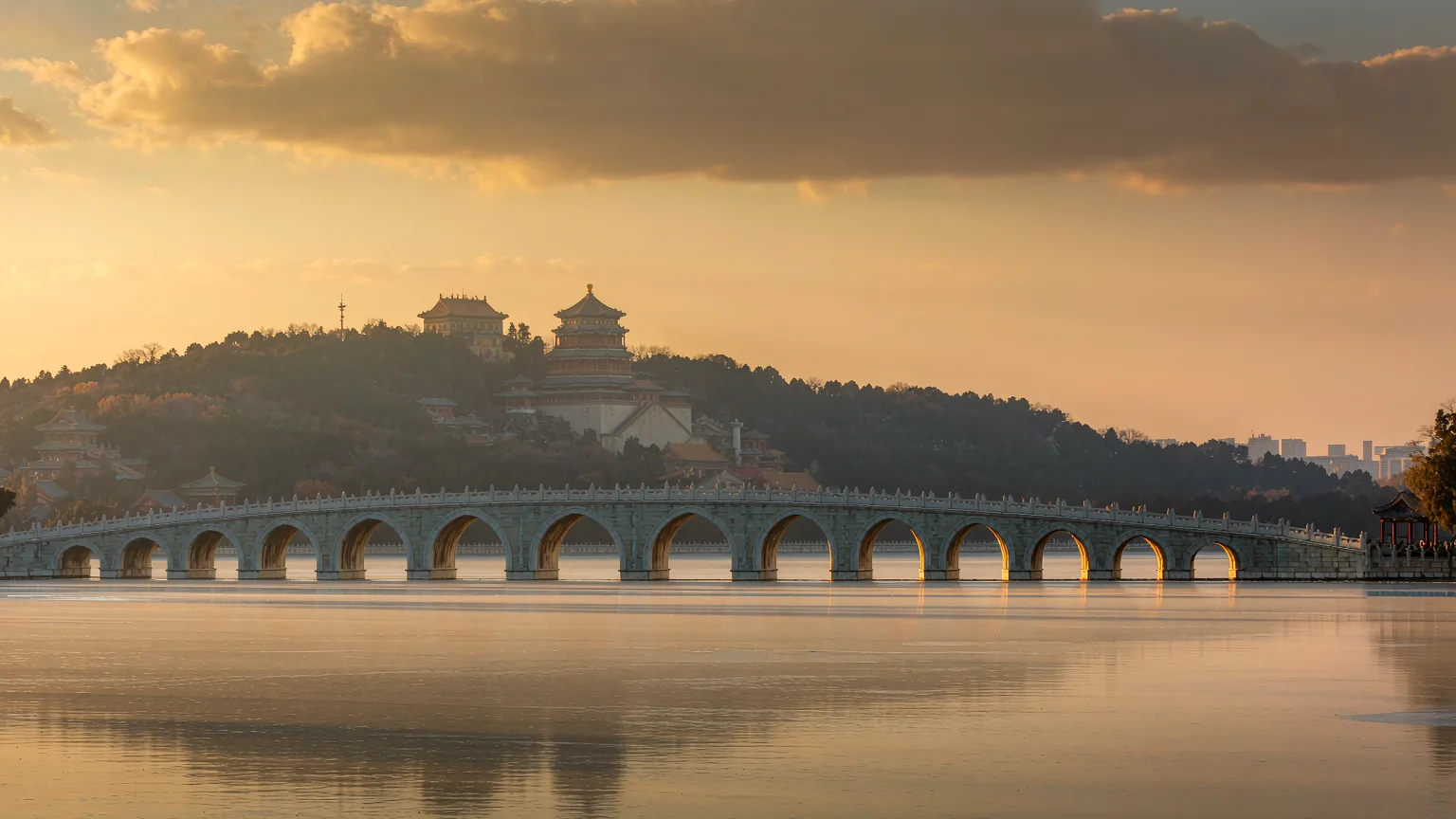
Three quarters of the Summer Palace is water. That single fact explains the place: it was built as a retreat from the Beijing summer, and it still wor
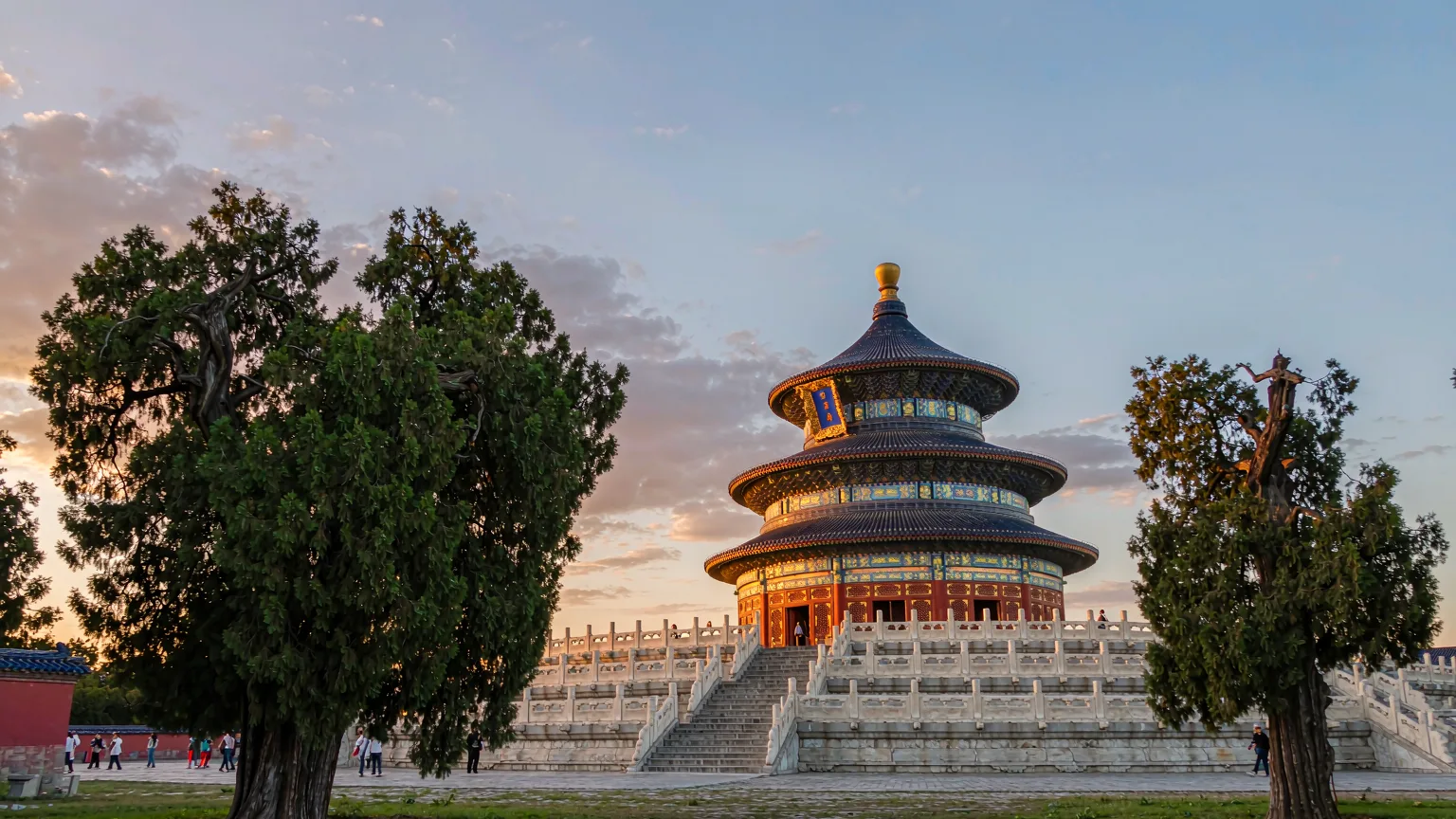
The Temple of Heaven is 273 hectares of park with a sacrificial altar in the middle. Come at 6:30 and you get the park: retirees singing opera, playin
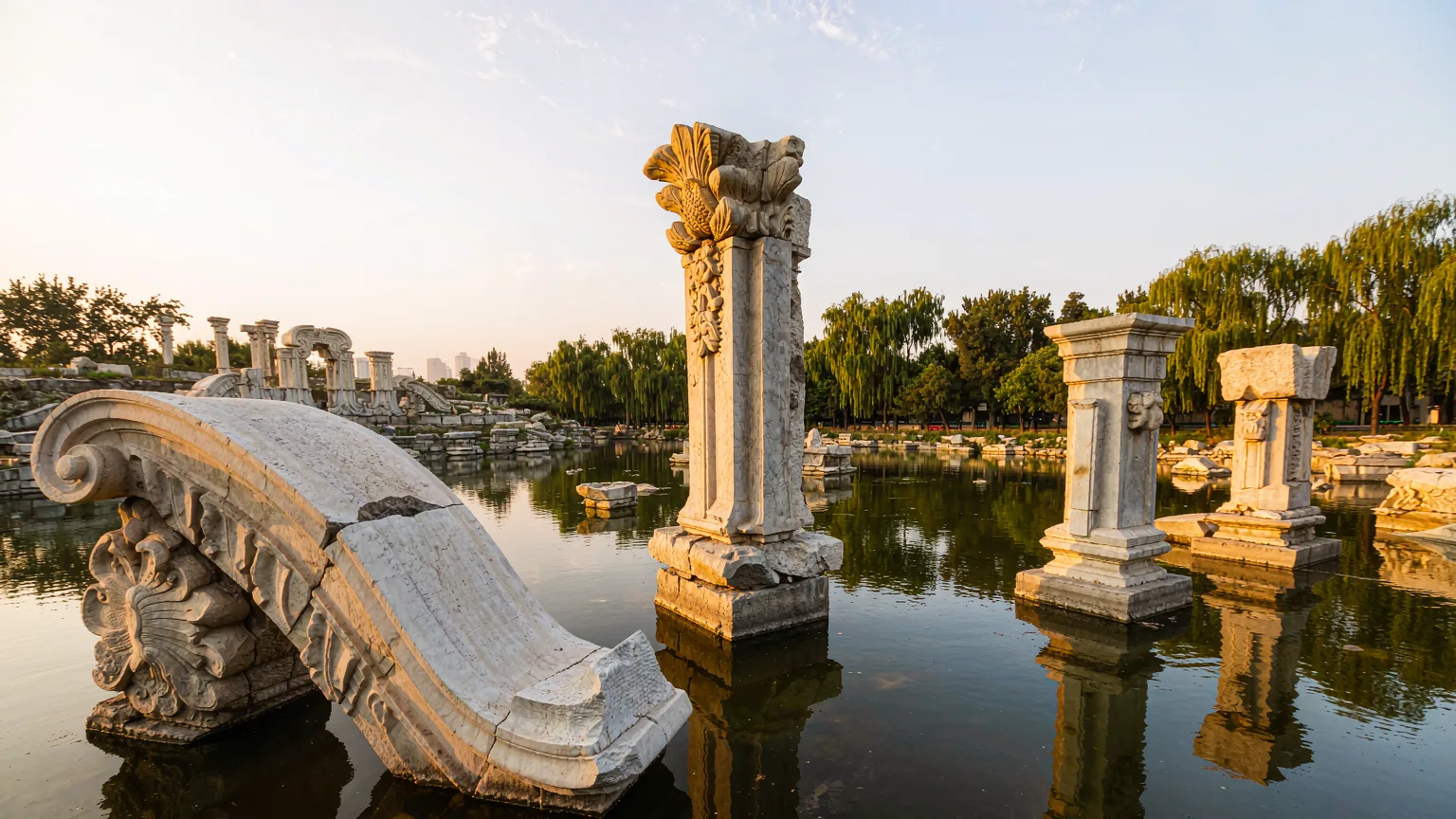
The Old Summer Palace is 350 hectares of lakes, islands and ruins, and it is the ruins people come for: a few stone fragments of European-style founta
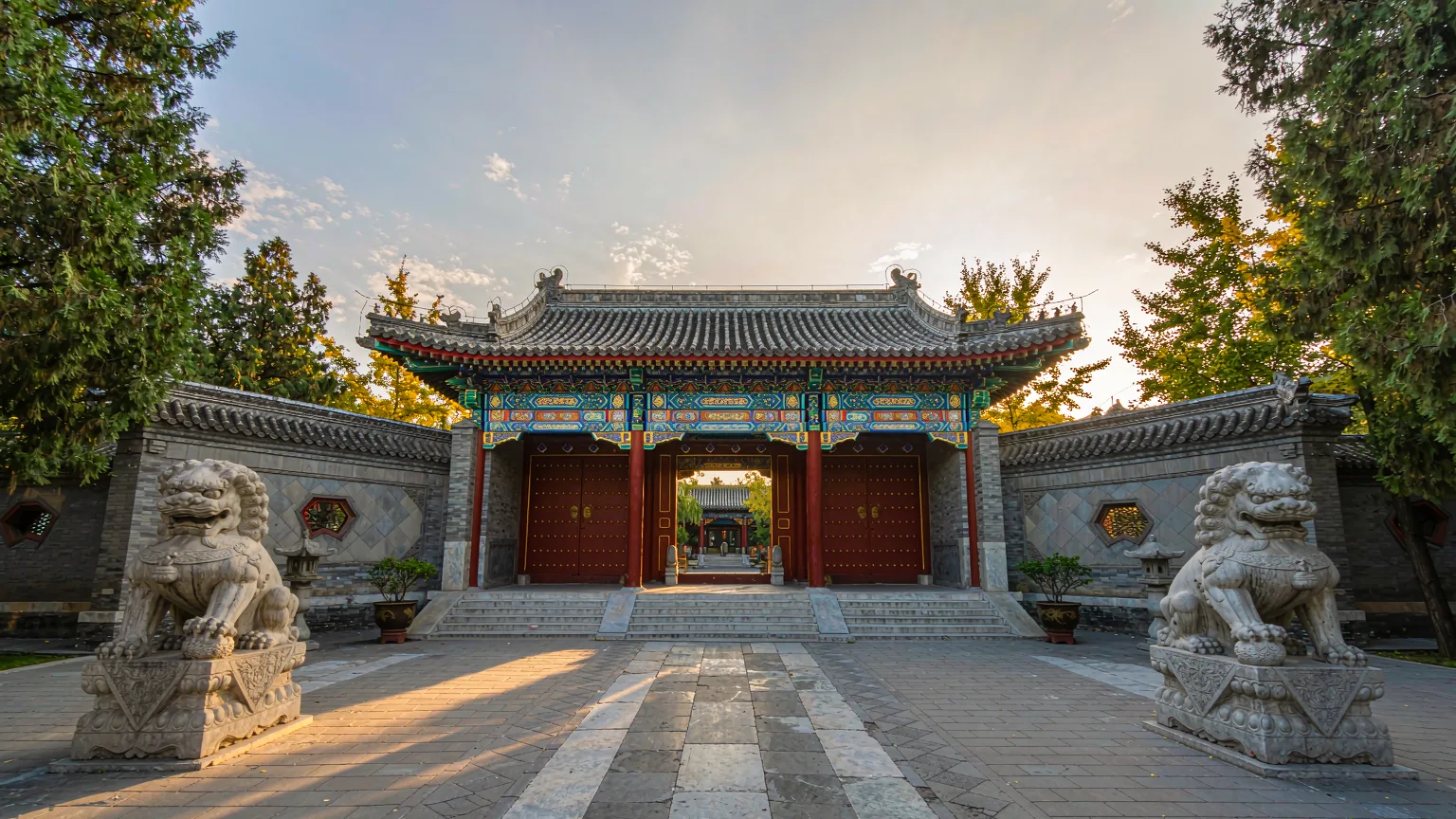
This is the best-preserved princely mansion in Beijing, and it is really two houses: the one He Shen built for himself in 1776, and the one Prince Gon
A little further out, for a spare half-day.
A large fashion mall in Xidan bringing together trendy brands, dining and cinemas. Youth-oriented and…
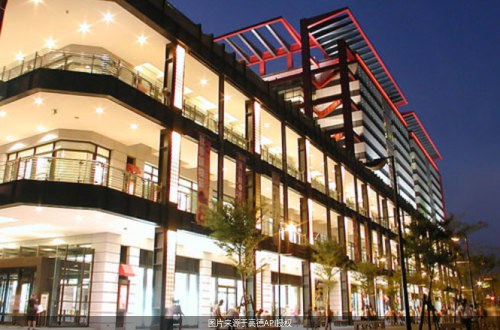
Beijing's top luxury mall, home to the world's leading brands and a perennial leader in high-end retail…
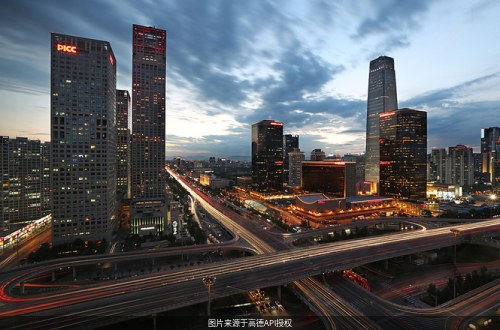
A premium mall in the heart of the CBD, with international brands and fine dining beside the China World…
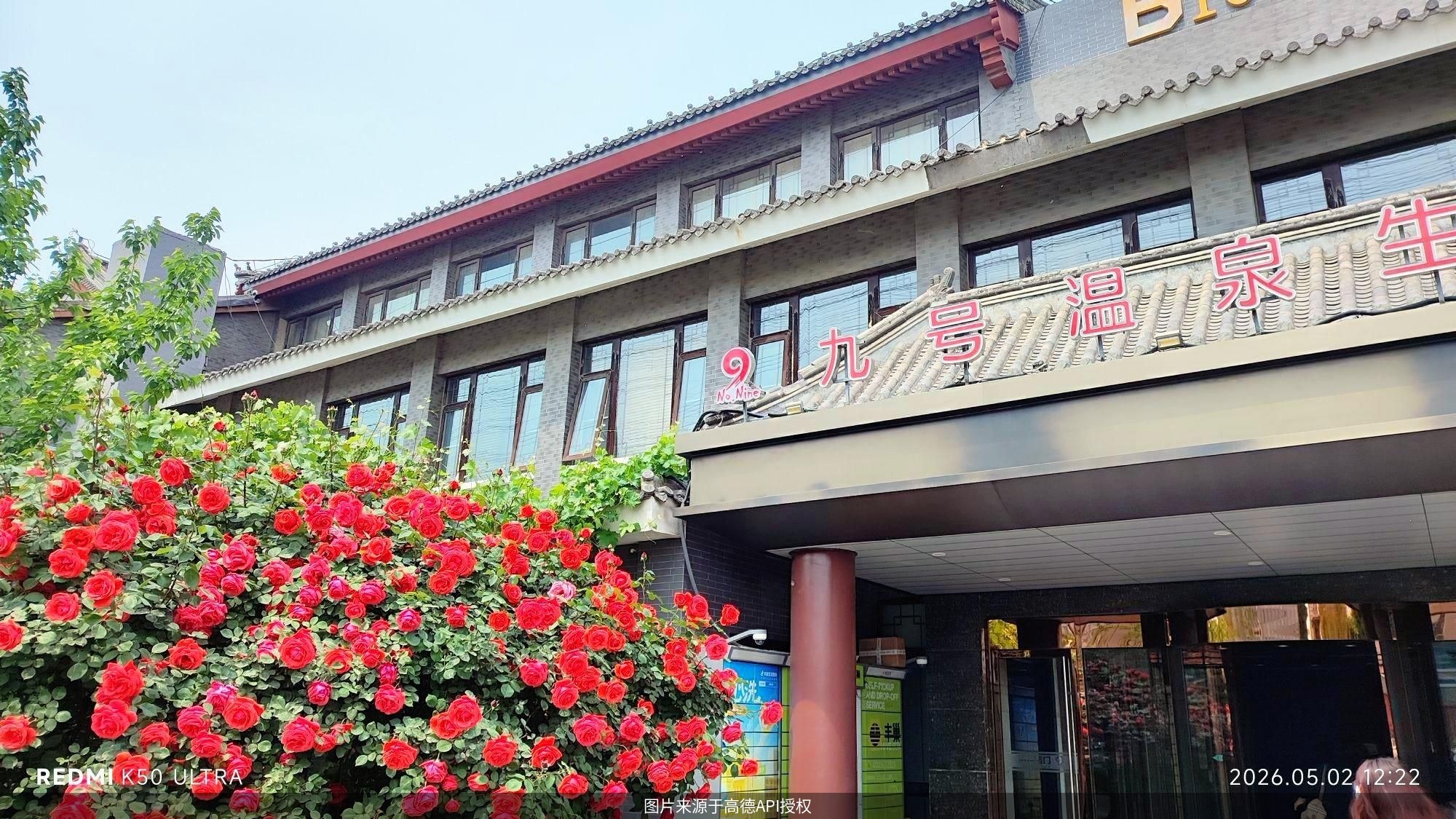
A large urban hot-spring complex combining bathing, saunas, dining and relaxation in spacious, well-served…
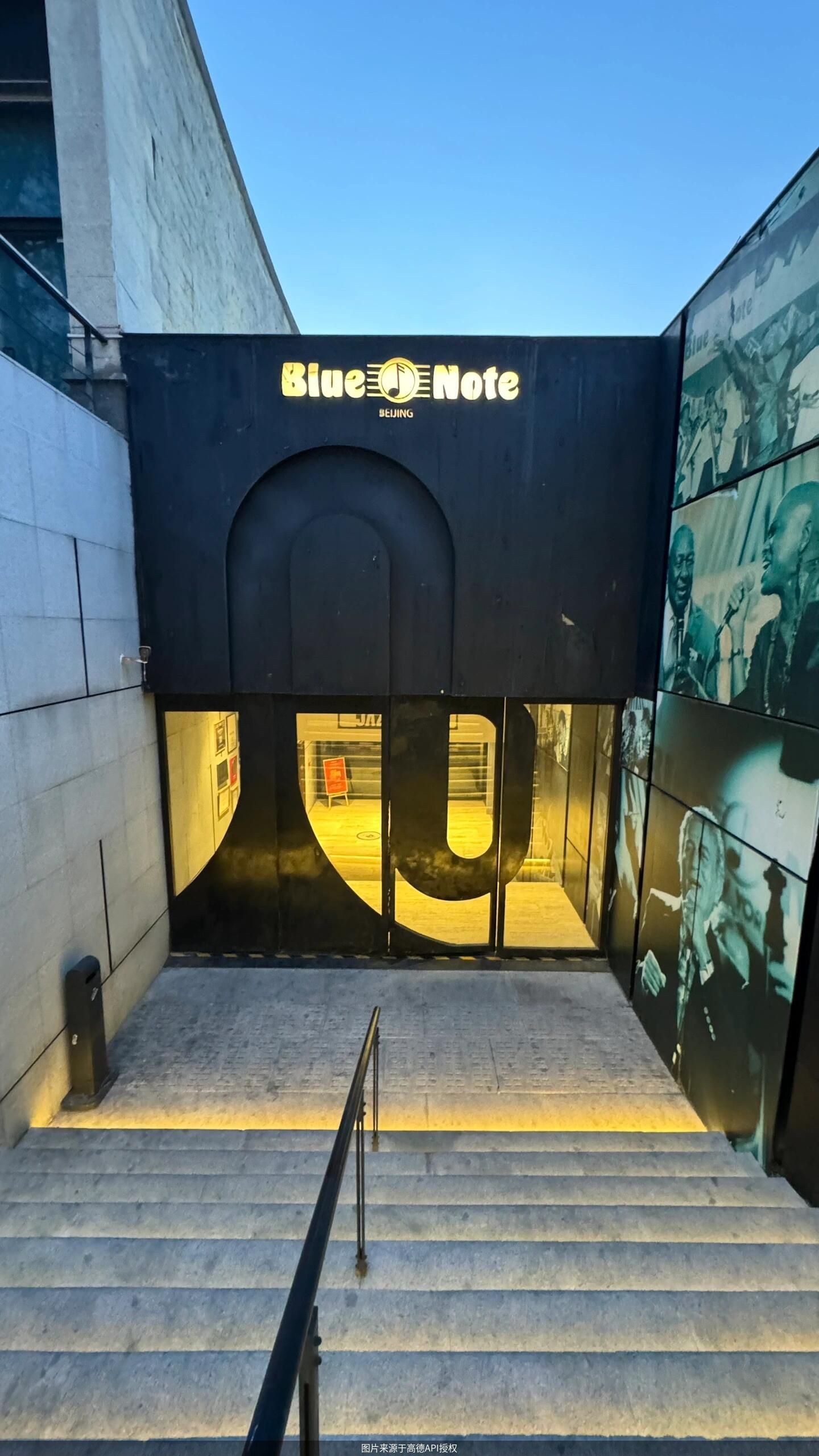
The Beijing outpost of the famed jazz club, hosting world-class jazz artists with top-tier performances. With…
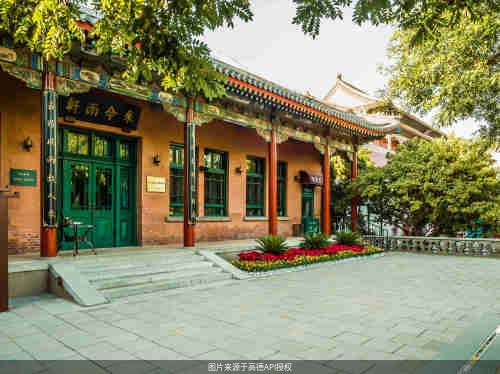
A century-old teahouse in Zhongshan Park where writers like Lu Xun and Lin Huiyin once gathered. Serene and…
Museums, galleries and workshops still keeping old crafts alive.
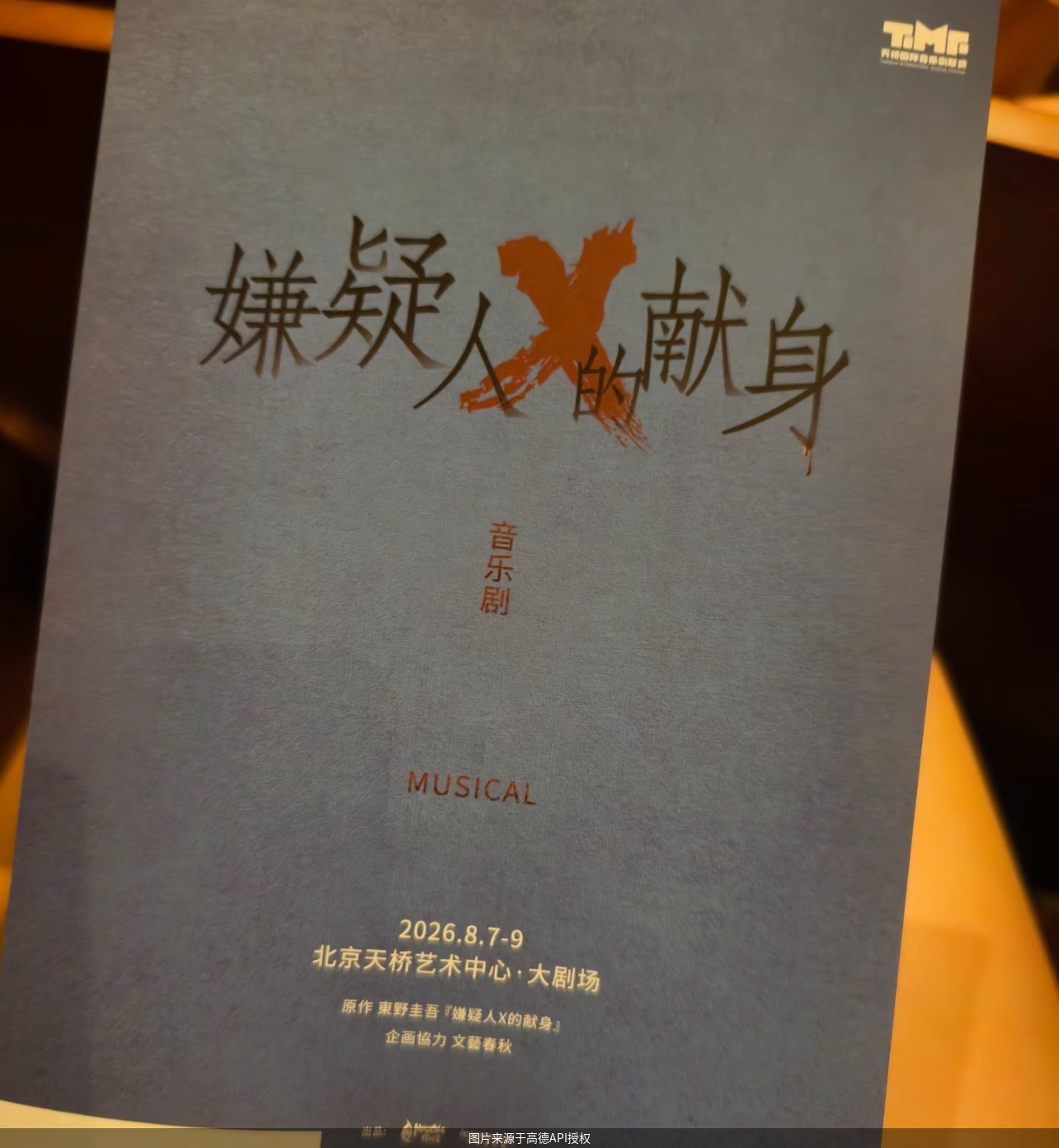
China's national opera, blending singing, recitation, movement and acrobatics with elaborate facial makeup…
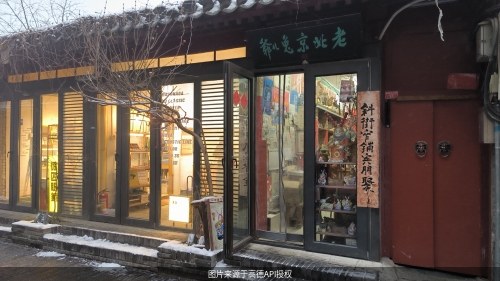
A traditional Beijing clay figurine for the Mid-Autumn Festival, depicting the rabbit-headed 'Rabbit God' in…
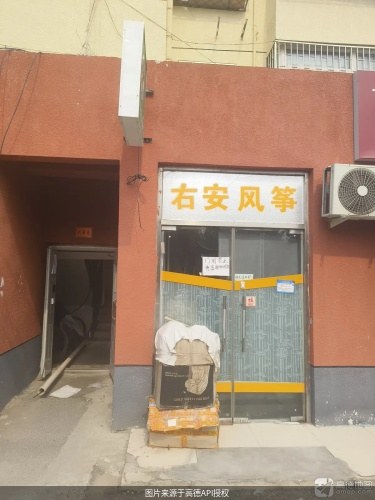
The Beijing 'swallow' kite is a representative traditional kite with graceful form and fine craftsmanship…
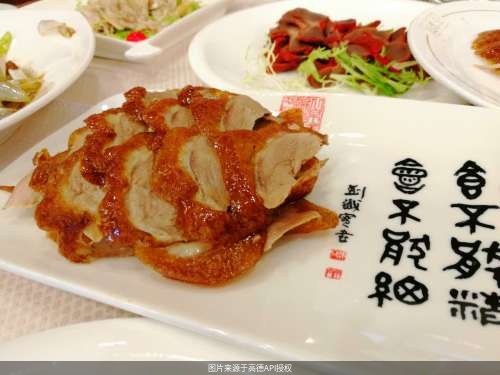
Quanjude's century-old open-oven roast-duck technique, using fruitwood fires and precise slicing for crisp…
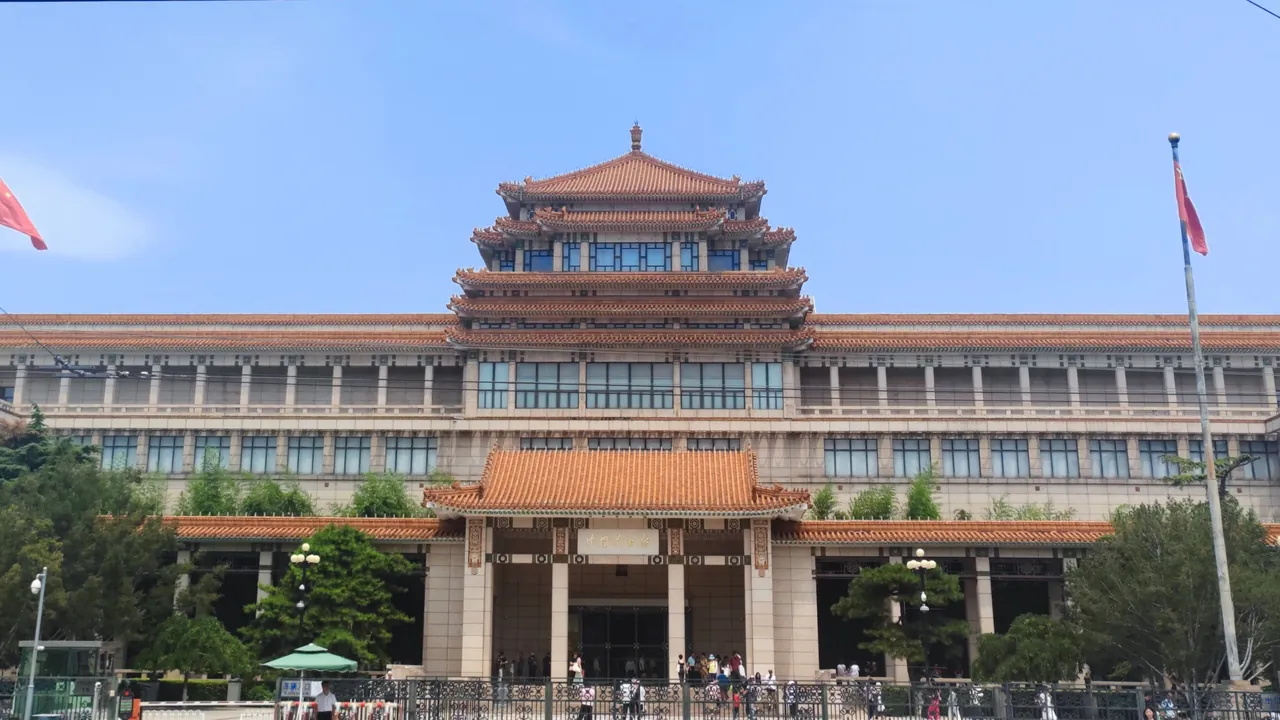
Free-entry flagship of Chinese modern art — Qi Baishi's shrimp, Xu Beihong's horses and a century of ink and…
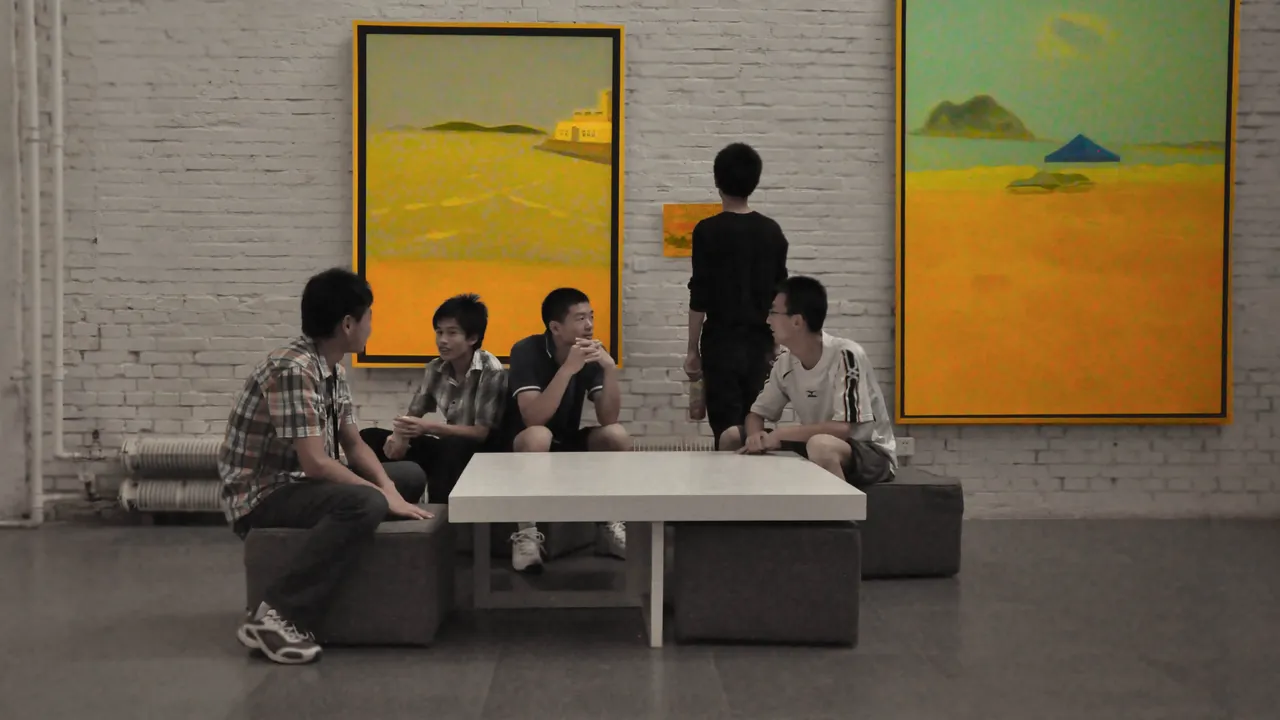
China's most influential contemporary-art institution, set inside a Bauhaus-grade 1950s factory at the heart…
What is on stage after dark.
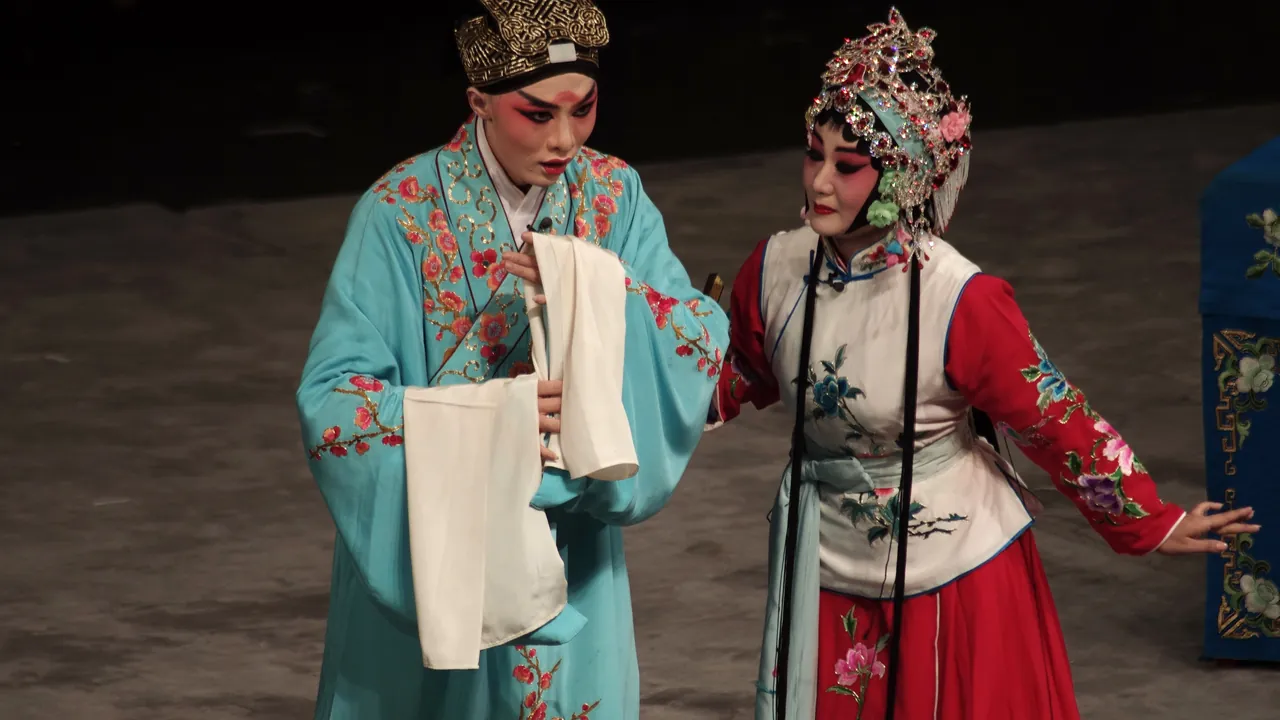
Painted faces, water-sleeves and falsetto arias — an evening of Peking Opera by China's national company, the…
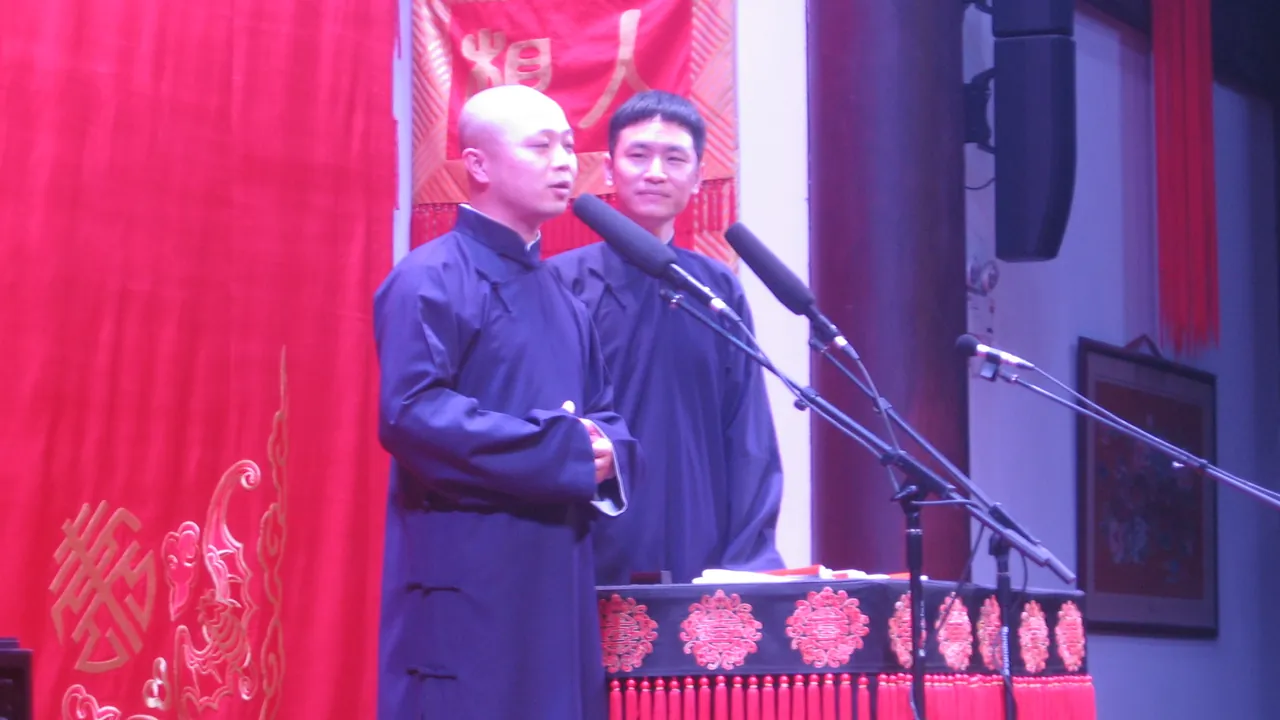
Xiangsheng — rapid-fire comedic dialogue perfected in Beijing teahouses — live at Deyun Society, the troupe…
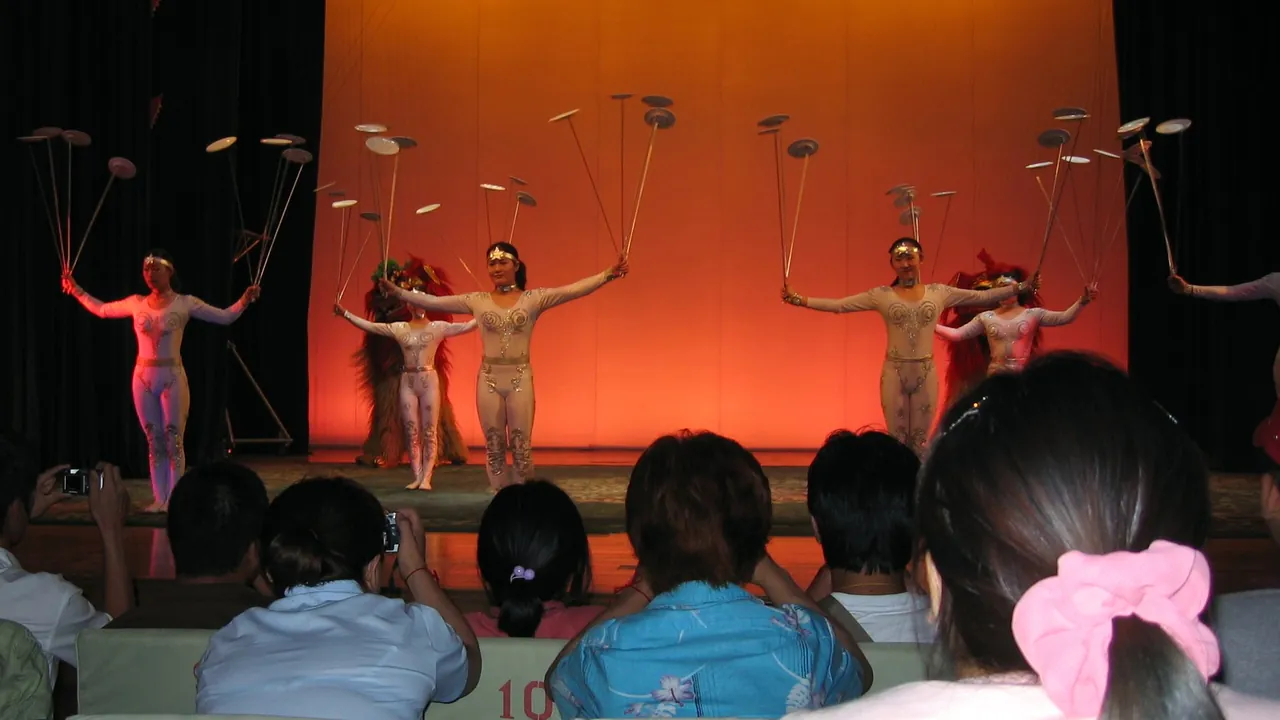
Contortionists, plate-spinners and hoop-divers in a 90-minute spectacle near the CBD — the classic Beijing…
Where the whole street eats — the city's most famous food streets, each with its own guide page.
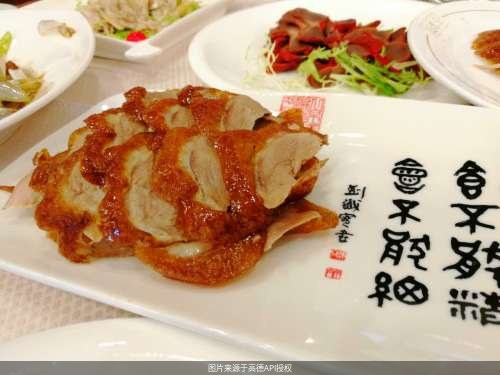
Founded in 1864, this time-honored restaurant is the home of crispy roast duck served with pancakes, sweet…
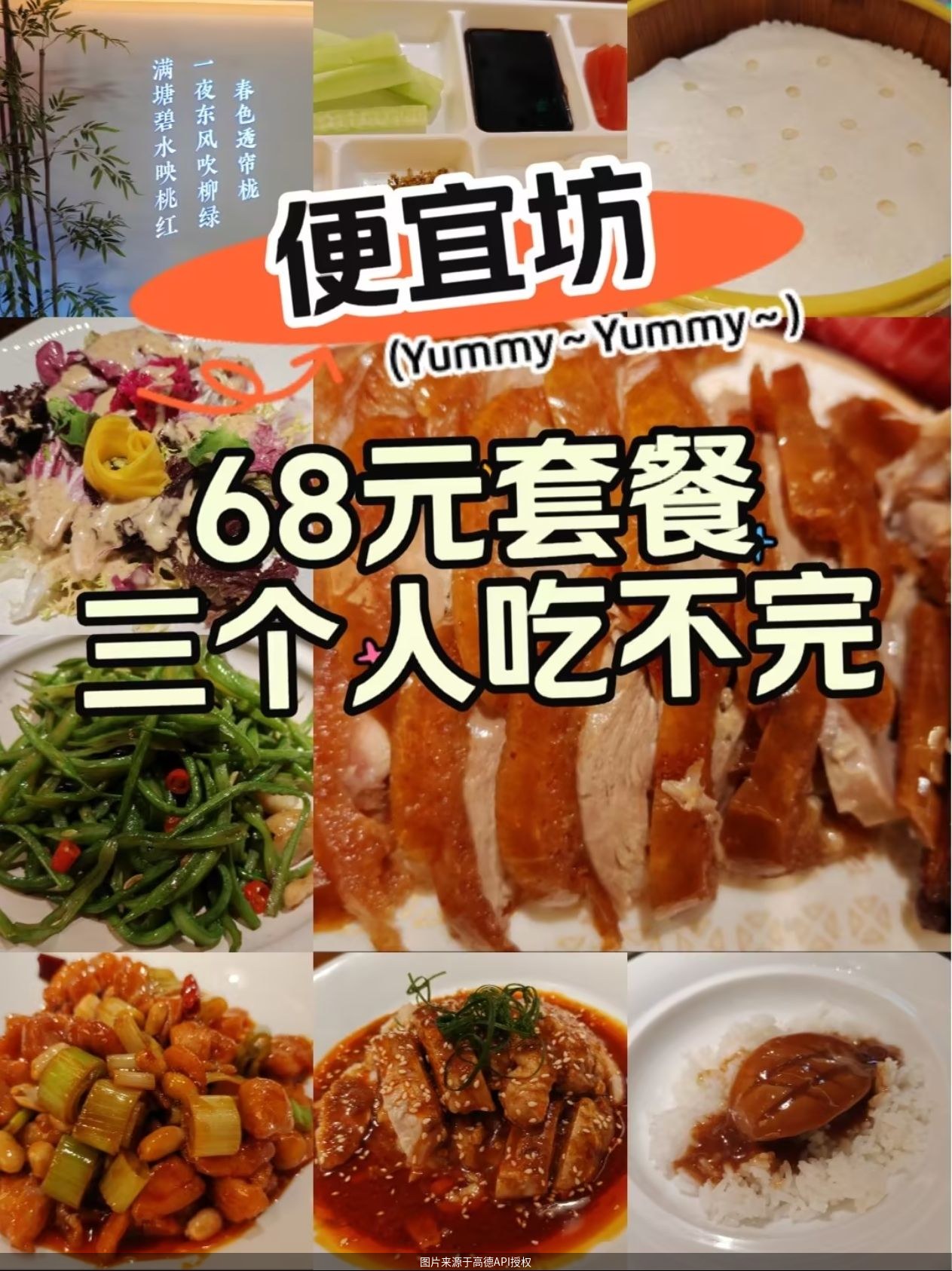
An even older roast-duck house famed for its closed-oven technique, producing tender duck with a distinctive…
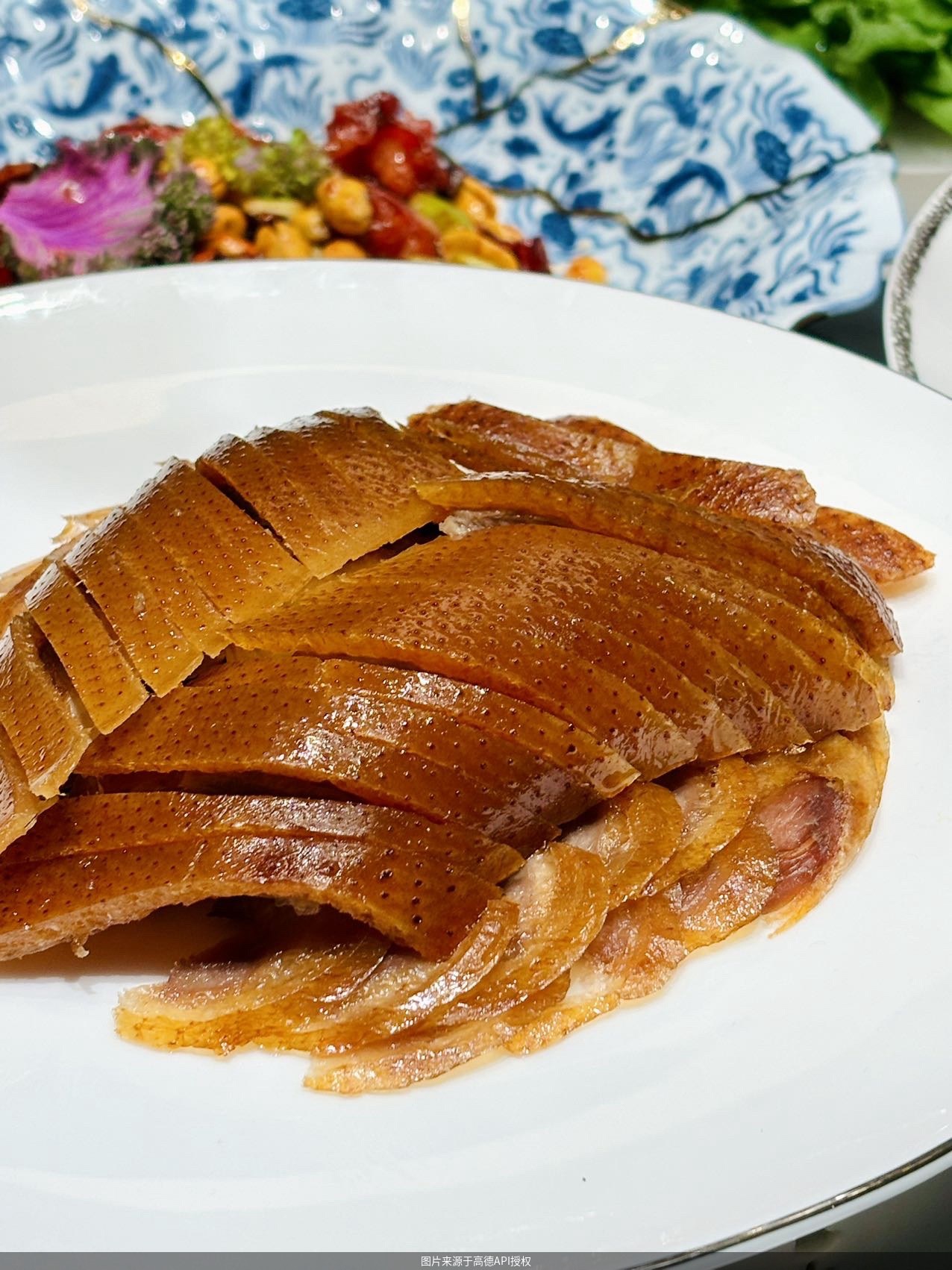
A modern roast-duck pioneer known for its 'crisp-but-not-greasy' duck and refined plating, fusing Eastern and…
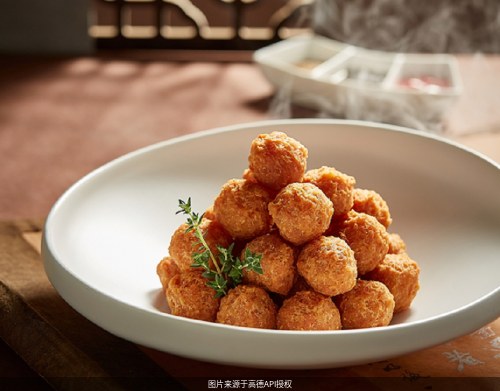
A hugely popular roast-duck chain; its Forbidden City branch offers duck with views of Donghua Gate at great…
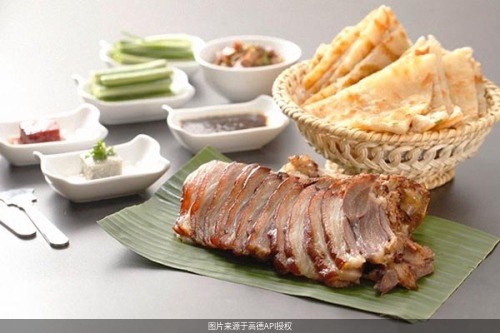
A courtyard restaurant serving imperial-style Beijing cuisine in a traditional quadrangle, often with live…
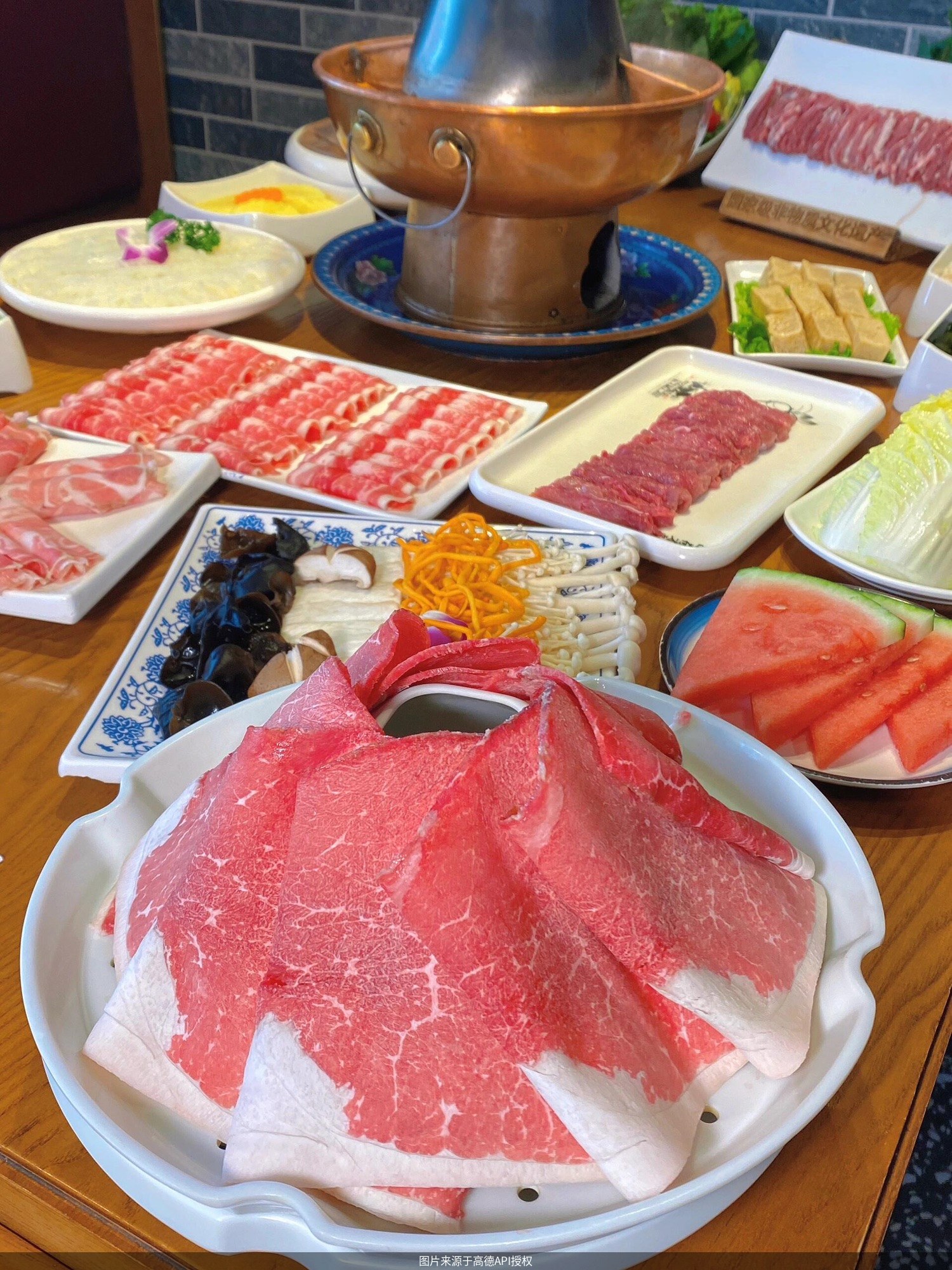
A century-old hotpot institution founded in 1903, where paper-thin lamb is swished in a copper pot and dipped…
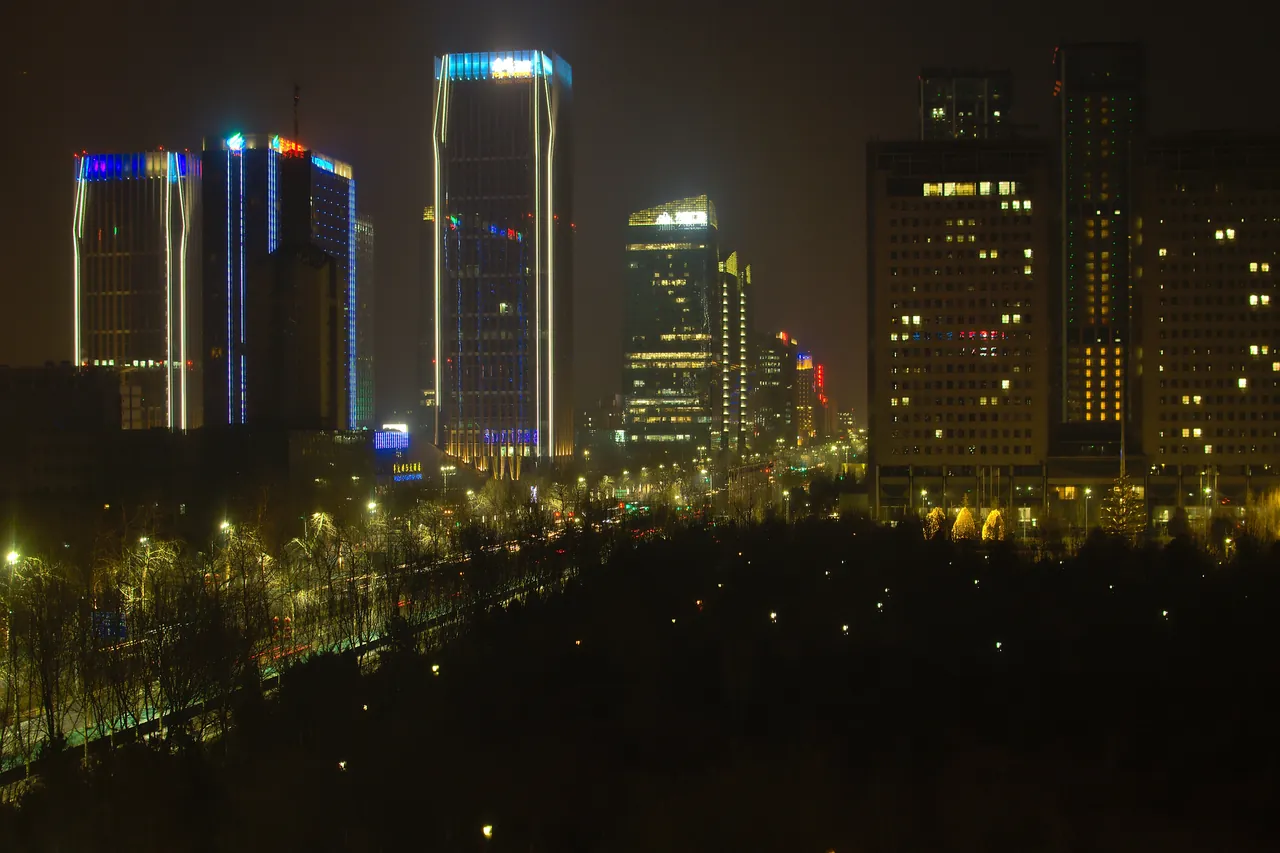
Lakeside bars and courtyard restaurants inside the old city — the classic Beijing evening.
The city's nightlife core: live houses, cocktail bars and late kitchens.
Lantern-lit Ming-Qing shopping streets, quiet after the day crowds leave.
Nightly Peking opera with English subtitles — an easy first opera.
From lakeside bars in the old city to the neon of Sanlitun — the capital after dark has two very different moods.
Listed sites and the crafts that made this city famous.
The imperial palace of the Ming and Qing dynasties — 980 buildings inside a 72-hectare walled city, listed by UNESCO in 1987.
Beijing holds the best-preserved Ming sections — Badaling, Mutianyu and Jinshanling — listed in 1987.
China's national opera form, with painted-face roles and a stylised stage language — UNESCO intangible heritage (2010).
Copper-bodied enamelware inlaid with wire and fired in colour — a court craft perfected in Beijing's workshops.
A 350-year-old pharmacy tradition — diagnosis, herbal formulas and a living culture of Chinese medicine.
Hand-sculpted silk figures dressed in miniature opera costume — a craft unique to Beijing.
Senior licensed guides with 10+ years in the field and fluent English — deep on history, culture and local life.
Experienced licensed guides with clear English — solid on city highlights, food and day-to-day logistics.
Licensed guides with workable English — a good-value choice for city days, transfers and standard commentary.
Chauffeur-driven by the day, plus airport and intercity transfers.



Private chauffeur-driven vehicles, priced per vehicle not per person. Airport transfer from $45; intercity transfer from $180.
One of China's busiest aviation hubs with three terminals and global connections. The primary gateway to Beijing, it offers convenient onward transport links.
A striking 'phoenix'-shaped international airport designed by Zaha Hadid, one of the world's largest single-terminal airports. Airport express and high-speed rail link seamlessly to the city.
A major high-speed rail hub serving the Beijing–Tianjin and Beijing–Shanghai lines, with a spacious, comfortable concourse. It connects to Metro Lines 4 and 14.
A historic railway station opened in 1959 with elegant architecture, once China's largest. Now a key hub for conventional rail, it is served by Metro Line 2.
A large fashion mall in Xidan bringing together trendy brands, dining and cinemas. Youth-oriented and stylish, it is a favorite for shopping and entertainment.
Beijing's top luxury mall, home to the world's leading brands and a perennial leader in high-end retail sales. Upscale and attentive, it is the premier destination for luxury shopping.
A premium mall in the heart of the CBD, with international brands and fine dining beside the China World Trade Center. A landmark for upscale shopping and leisure.

10 guides split by trip length: one-day city routes, three-day escapes and longer journeys, with stops, costs and transport in each.
Start at Tian'anmen, end under the lights of Qianmen. When to enter the palace, when to
Three DaysThree Days on the Great Wall: Mutianyu, Jinshanling and Simatai by NightThree days without Badaling: take the cable car at Mutianyu, walk the photogenic ridge a
Multi-DayBeijing in Five Days: The Classic First-Timer's RouteThe Central Axis, the Great Wall, imperial gardens, museums, hutongs: one theme a day fo
Real routes, real travellers — a sense of what a trip looks like.
7 days · Beijing + Xi'an · "The Wall at sunrise with nobody on it — worth every early start."
10 days · Beijing + Shanghai · "A guide who ordered for us in the hutongs — best meals of the trip."
5 days · Beijing imperial trail · "The Forbidden City before the crowds — I finally understood the axis."
Most travellers spend 3 days here. Add a day for a side trip if you want a slower pace.
Spring and autumn are usually the most comfortable. Check the seasonal notes above before booking.
We arrange airport/rail transfers and private drivers. Tell us your arrival point and we plan the connection.
Send an enquiry and a human expert replies within 12 hours with a draft plan and real prices. Flexible rescheduling; clear cancellation terms in your quote.
2-day private itineraries in Beijing start from $740 per person, two travelling together. Your proposal itemises hotels, tickets, guide and car — no hidden fees.
Mutianyu is the best balance of restored battlements and manageable crowds; Badaling is the easiest by train but busiest; Jinshanling is for hikers who want empty ridges.
Yes — tickets are sold by timed slot on real-name registration and often sell out a week ahead. It is closed on Mondays.
Yes — the subway covers every sight on this page. We still recommend a driver for the Great Wall and the Ming Tombs, where public transport eats a lot of the day.
Recent listed prices: Forbidden City ¥60; Badaling Great Wall ¥40; Summer Palace ¥30; Temple of Heaven ¥15; Old Summer Palace ¥10. Ticket prices change seasonally — we confirm them in your quote.