TripMyChinaJOURNEYS THROUGH REAL CHINA✦ AI Trip✦ Plan My Trip
English
简体中文
繁體中文
日本語
한국어
ไทย
Tiếng Việt
Bahasa Indonesia
Italiano
Español
العربية
Русский
Deutsch
Français
Bahasa Malaysia
TripMyChinaJOURNEYS THROUGH REAL CHINA✦ AI Trip✦ Plan My TripBeijing · Attractions
Three quarters of the Summer Palace is water. That single fact explains the place: it was built as a retreat from the Beijing summer, and it still works as one, which is why locals treat it as a park rather than a monument.
The Qing built it in 1750 as the Garden of Clear Ripples, destroyed it in 1860 when British and French troops burned the Old Summer Palace next door, and rebuilt it in 1888 with funds diverted from the navy. The name changed to Yiheyuan, and the Empress Dowager Cixi made it her seasonal court; she spent her summers here and ran the country from a courtyard on the east side.
The layout is a lesson in borrowed scenery. Longevity Hill is the backdrop, Kunming Lake is the mirror, and the West Causeway is modelled on the Su Causeway at Hangzhou's West Lake. The 728-metre Long Corridor connects the political halls to the lakefront, and every one of its 14,000-odd painted beams tells a different story, which is why it is worth walking rather than photographing.
Tailored guests enter through the New Palace Gate and take to the water first: a painted boat across Kunming Lake unfolds the whole Longevity Hill composition in one move, and you disembark at the Marble Boat to walk the Long Corridor afterward; doing it in reverse wastes the lake angle. Suzhou Street, the emperor's recreated Jiangnan water town, deserves the detour. In winter the lake freezes and the ice rink opens: skating inside a royal garden is a Beijing winter experience no other city offers.
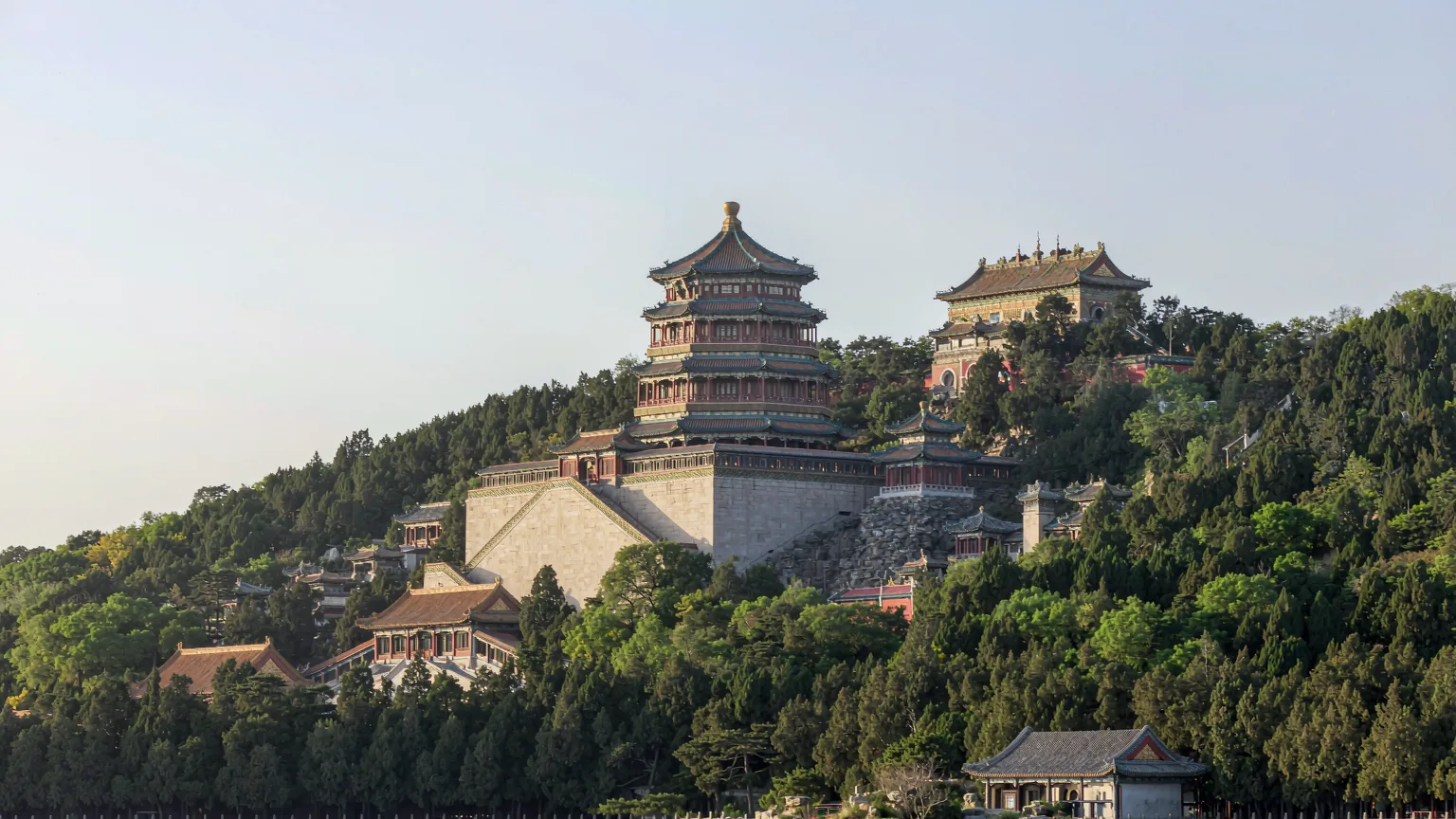
30 yuan peak (April to October), 20 yuan off-peak. Through ticket 60 and 50, which includes the Tower of Buddhist Incense, Suzhou Street and the garden of virtue. Gates 6:30 to 18:00, park stays open until 20:00 in summer. Buy at the gate with cash or card, or online with a passport; queues are shorter at the north gate.
Metro Line 4 to Beigongmen for the north gate, which puts you at the top of Longevity Hill and lets you walk downhill to the lake. Line 4 to Xiyuan or Line 10 to Haidian Huangzhuang works for the east gate. The east gate is the busiest; the north gate has the fewest tour groups.
Late April for the peonies and early November for the ginkgo along the west causeway. Early morning from 6:30 is when the park belongs to Beijing: tai chi on the east shore, swimmers in the lake, bird cages in the pavilions. By 10:00 the corridors are full.
Three hours for the hill, the corridor and the bridge. Five if you walk the full lake loop.
Only if you plan to climb the Tower of Buddhist Incense and walk Suzhou Street. Otherwise the basic ticket is enough.
Yes, they are two metro stops apart. Do the Summer Palace first, in the morning, then the ruins in the afternoon when the light is lower.
The east shore and the corridor are flat. The hill paths are stepped, so take the east gate route if you have wheels.
 Half day · 4–5 hours
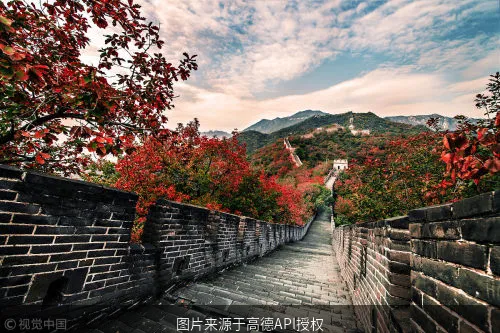
The quiet Great Wall, cable car up and toboggan down
View details →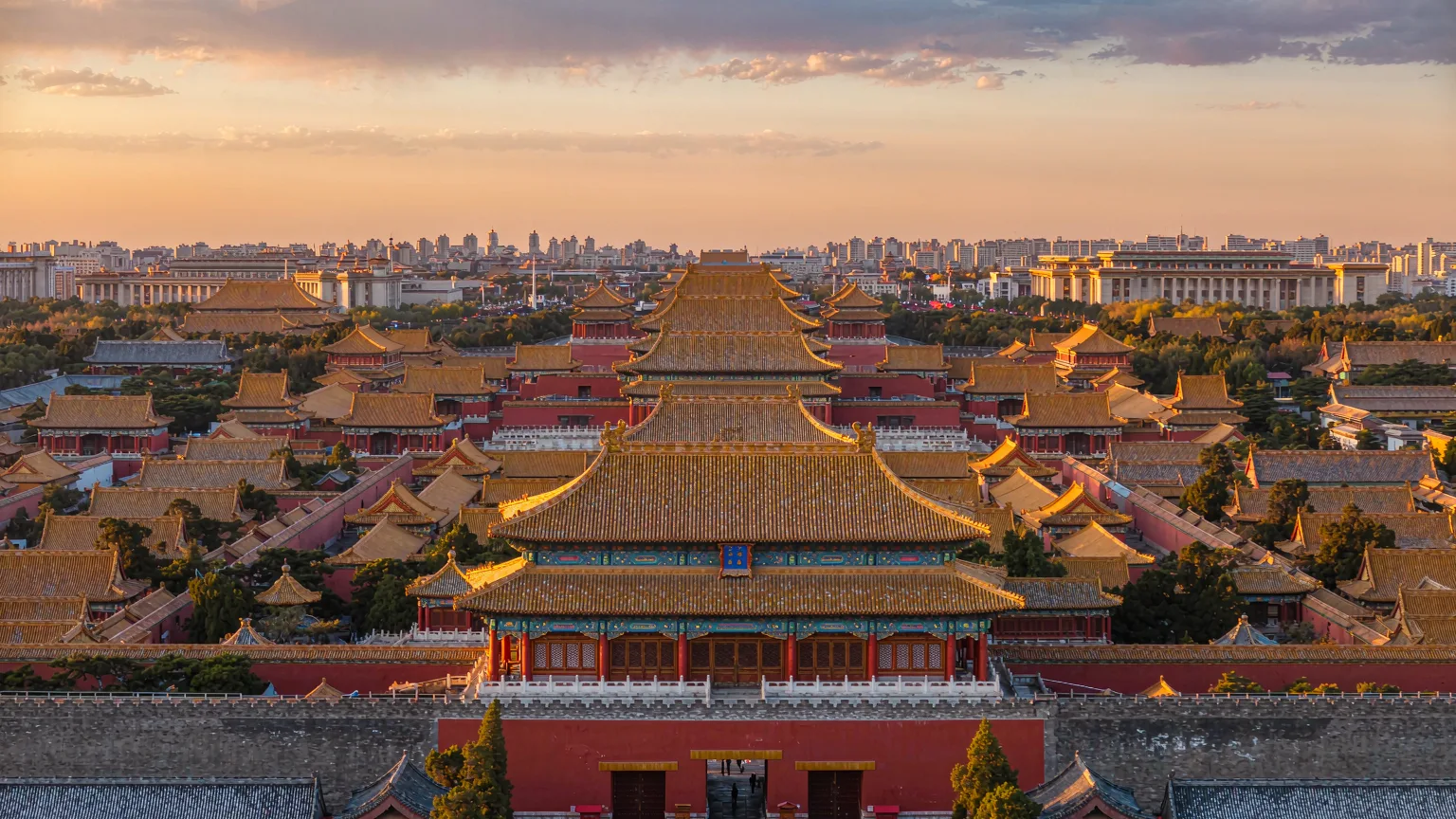 Full day · 8–10 hours
Nine thousand rooms, decoded by a guide who reads roof tiles
View details →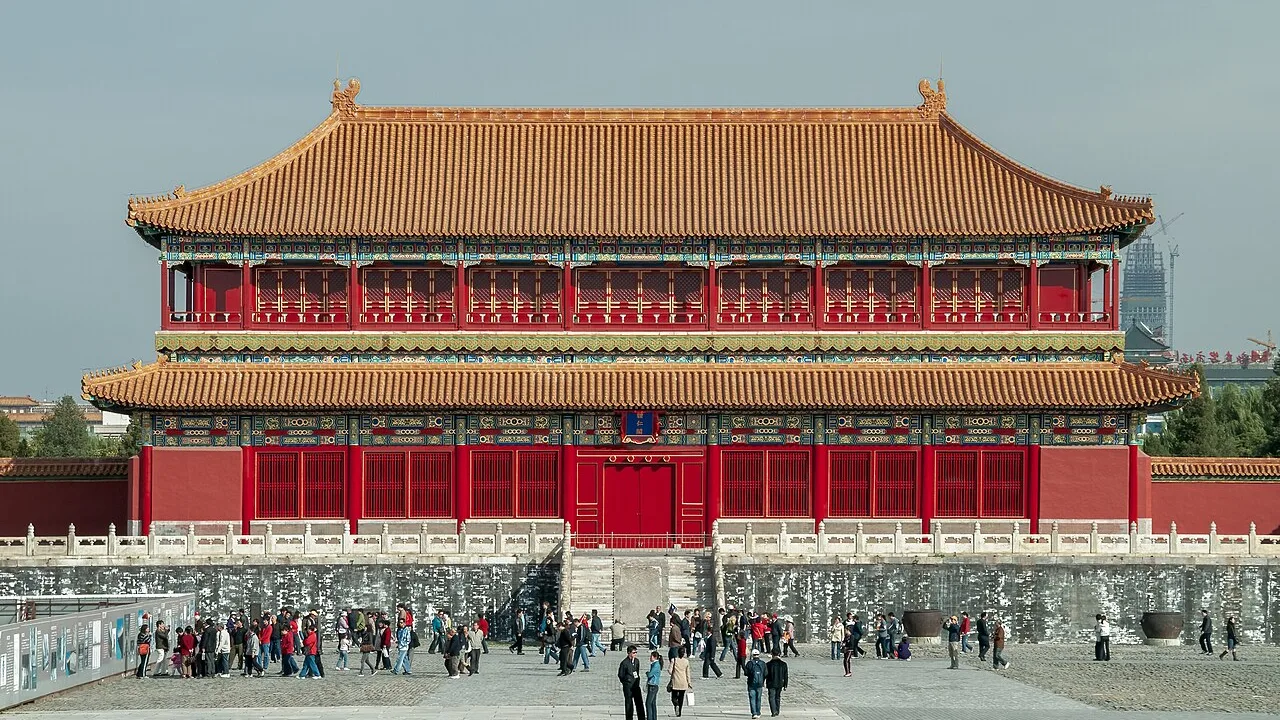 Half day · 4–5 hours
Peking duck and lantern-lit lanes after dark
View details →Booked a private guide for the Forbidden City and it was worth every yuan. She didn't just recite dates — she explained why certain doors had certain numbers of studs, and suddenly the whole place made sense. We also stopped at Jingshan Park afterward and caught the palace roofs turning orange at sunset. My feet were done by 4pm but I'd do it again.
Took the kids to a quieter stretch of the Great Wall and it was the right call — no crush of people, room to let them run a bit. The watchtowers kept them interested for way longer than I expected. Only gripe: the driver we arranged showed up 40 minutes late, so we lost some morning time. Still, the wall itself delivered.
Private car & driver, day trips and multi-day routes from Beijing. · Free consultation · reply within 12h