 TripMyChinaJOURNEYS THROUGH REAL CHINA✦ AI Trip✦ Plan My Trip
English
简体中文
繁體中文
日本語
한국어
ไทย
Tiếng Việt
Bahasa Indonesia
Italiano
Español
العربية
Русский
Deutsch
Français
Bahasa Malaysia
TripMyChinaJOURNEYS THROUGH REAL CHINA✦ AI Trip✦ Plan My TripBuilt on cliffs at the Yangtze and Jialing rivers' meeting point, Chongqing is a neon-lit vertical city of hotpot steam and stairway alleys. A monorail passes through a building; the '8D magic city' keeps surprising. For adventurous eaters and photographers chasing cyberpunk streetscapes.
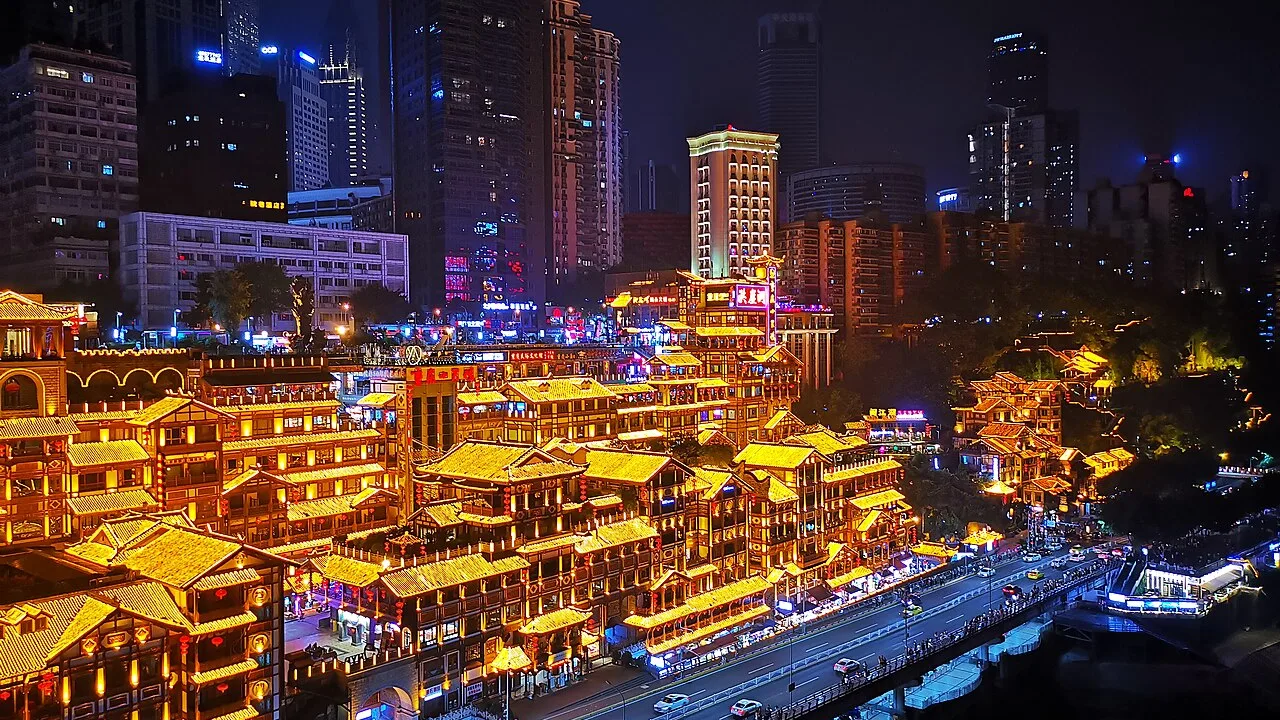
Chongqing, known as the 'Mountain City' (Shancheng), is a sprawling metropolis in southwestern China where the Yangtze and Jialing rivers converge. Its history dates back over 3,000 years, serving as the capital of the Ba Kingdom and later as a wartime capital during World War II. Today, it is a direct-administered municipality and a major economic hub, famous for its hilly terrain, spicy hotpot, and dramatic skyline.
The city is divided into several districts, each with its own character. Yuzhong District is the heart, home to the iconic Jiefangbei pedestrian street and Hongya Cave. Jiangbei District boasts modern skyscrapers and the Guanyinqiao commercial area. Nan'an District offers scenic views from Nanshan, while Shapingba is known for its universities and Ciqikou Ancient Town. The layout is famously complex, with roads winding through mountains and rivers.
Visitors to Chongqing experience a unique blend of old and new. They can ride the Yangtze River Cableway, explore the Three Gorges Museum, and marvel at the illuminated Hongya Cave at night. The city's vibrant street food scene, especially its numbing hotpot, is a must-try. With its futuristic monorails and ancient temples, Chongqing offers an unforgettable urban adventure.
Chongqing covers an area of 82,400 km² and has a population of over 32 million, making it one of the largest municipalities in China. It administers 26 districts, 8 counties, and 4 autonomous counties. The city is a UNESCO World Heritage site for the Dazu Rock Carvings and is renowned for its spicy cuisine and mountainous landscape.
World-class, national and global recognition earned over the decades.
Over 50,000 Buddhist, Taoist and Confucian carvings cut between the 9th and 13th centuries, inscribed in 1999.
82,400 km² of mountains, rivers and city — a municipality larger than Austria.
Built on ridges between the Yangtze and Jialing rivers — no flat ground, so streets stack in three dimensions.
Named in the second batch in 1986.
Diaoyucheng held out for 36 years against Mongol armies; Möngke Khan died during the siege in 1259.
Chongqing hotpot is a UNESCO-recognised city craft tradition and the city's defining flavour.
Liziba station on Line 2 passes through a residential block — the city's most photographed commute.

The moments that shaped the city — and the stories its people still tell.
The Ba state ruled the river junction before Qin conquest; its bronze culture is in the Three Gorges Museum.
Chongqing opened as a treaty port, and foreign concessions arrived on the south bank.
Möngke Khan died besieging this fortress, forcing the Mongols to withdraw from Syria and Europe.
With Nanjing fallen, Chongqing became China's wartime capital — bombed for five years but never taken.
Chongqing was separated from Sichuan as China's fourth municipality, triggering rapid growth.
The dam upstream reshaped the river and the city's waterfront.
Legend says the fortress held because a fish from the river fed the garrison — the name 'Diaoyu' (fishing) comes from that story.
Chongqing's winter fog is said to have shielded it from bombers — the city was nicknamed 'the fog capital'.
Downstream, a hill town is said to be the entrance to the underworld, where the dead are judged.
Three paces, one city — every route built from places we actually operate.
Weather, crowds and the best months for what you want to see.
Mild and green — the best season for walking the hillside streets.
Clear and comfortable, with the best river views.
One of China's hottest cities — 40°C is common; go out after dark.
Cool and foggy — atmospheric, and the hotpot tastes better.
What this city is known for — the things worth planning your day around.
The places worth building a day around.
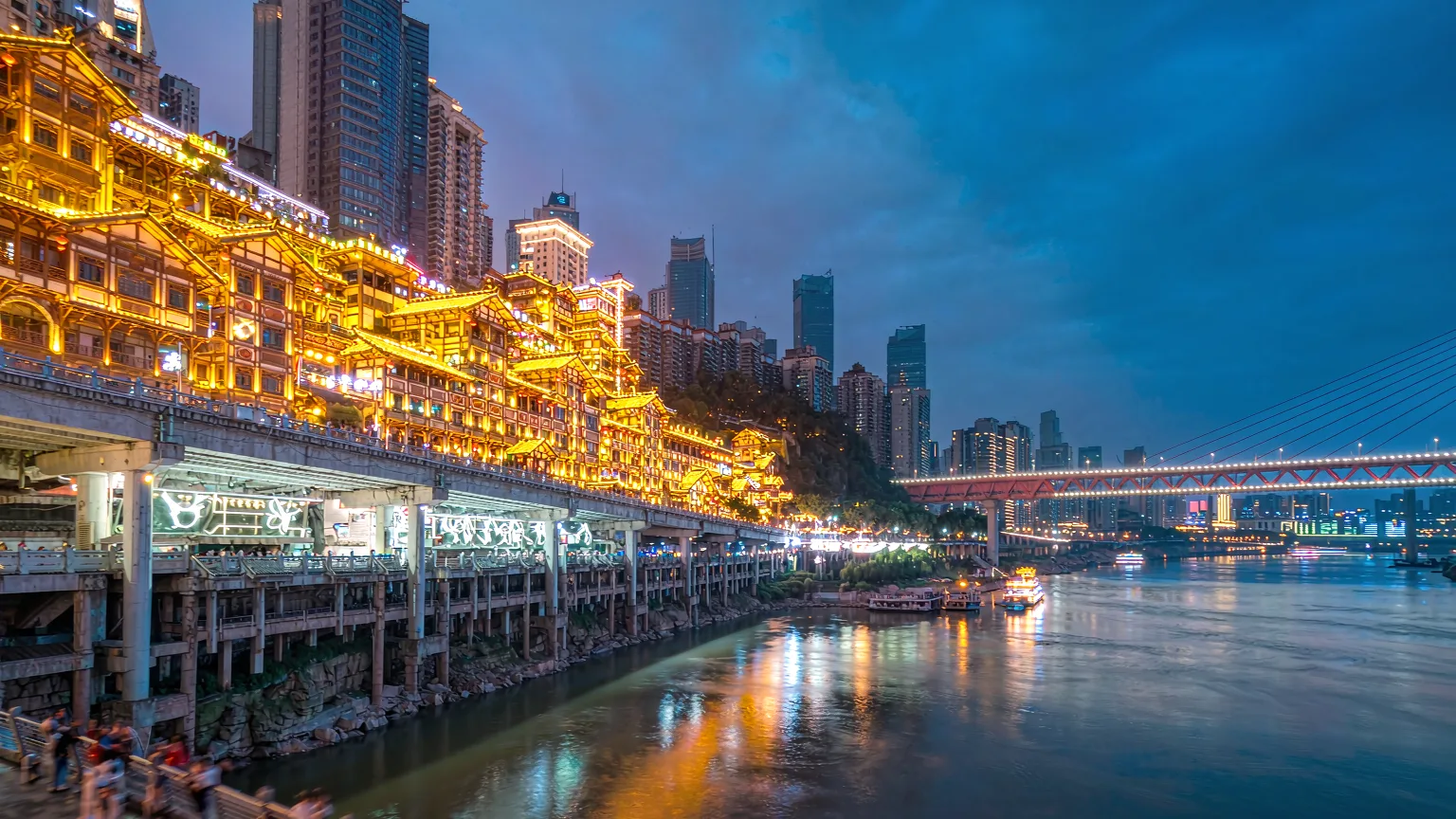
Eleven floors of restaurants, shops and stairways stacked against the cliff above the Jialing, built in 2006 in the stilt-house style that used to sta
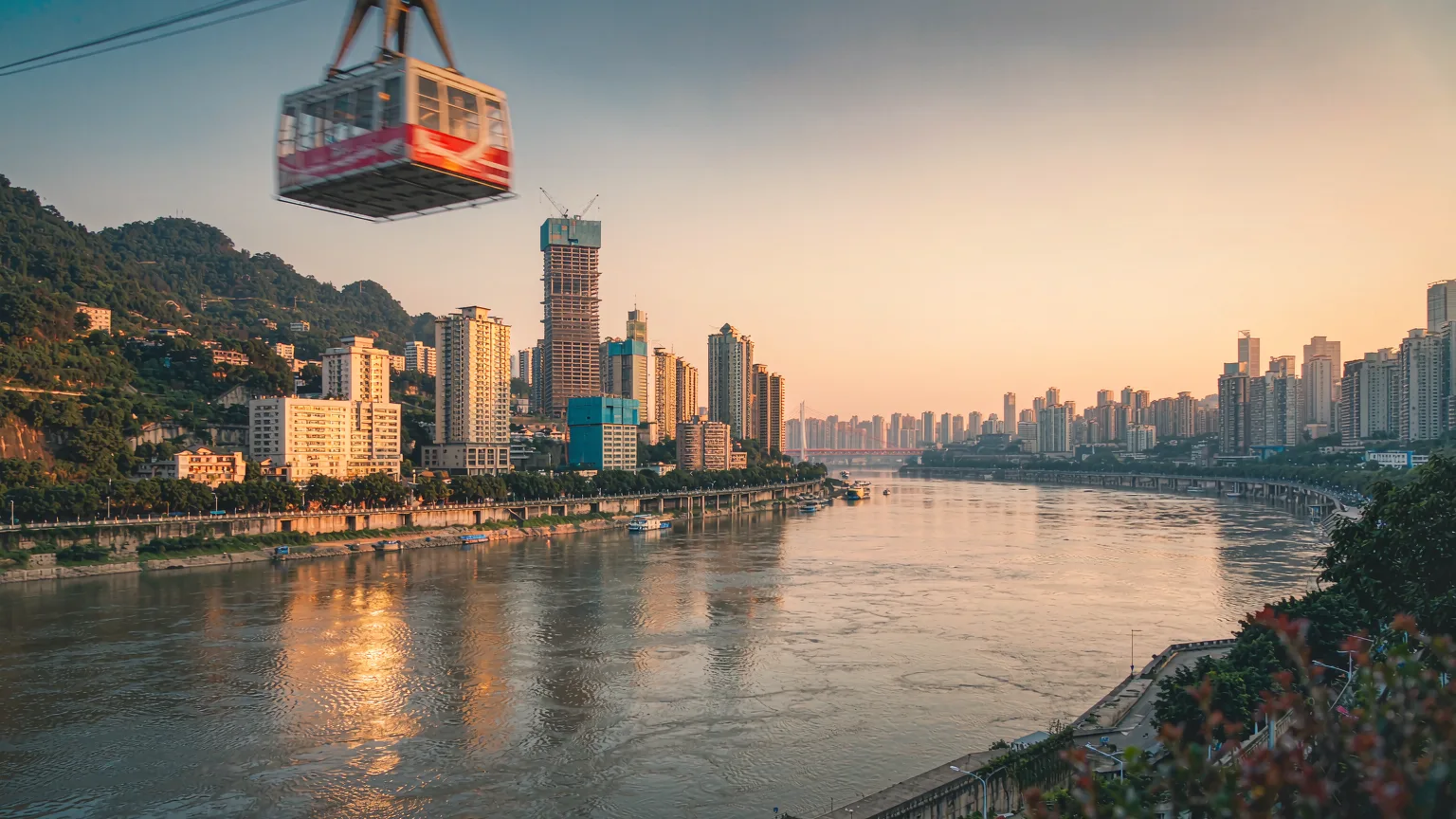
A 1,166-metre cable crossing of the Yangtze, opened in 1987 when the city had two bridges and needed a third way across. The ride takes four minutes,
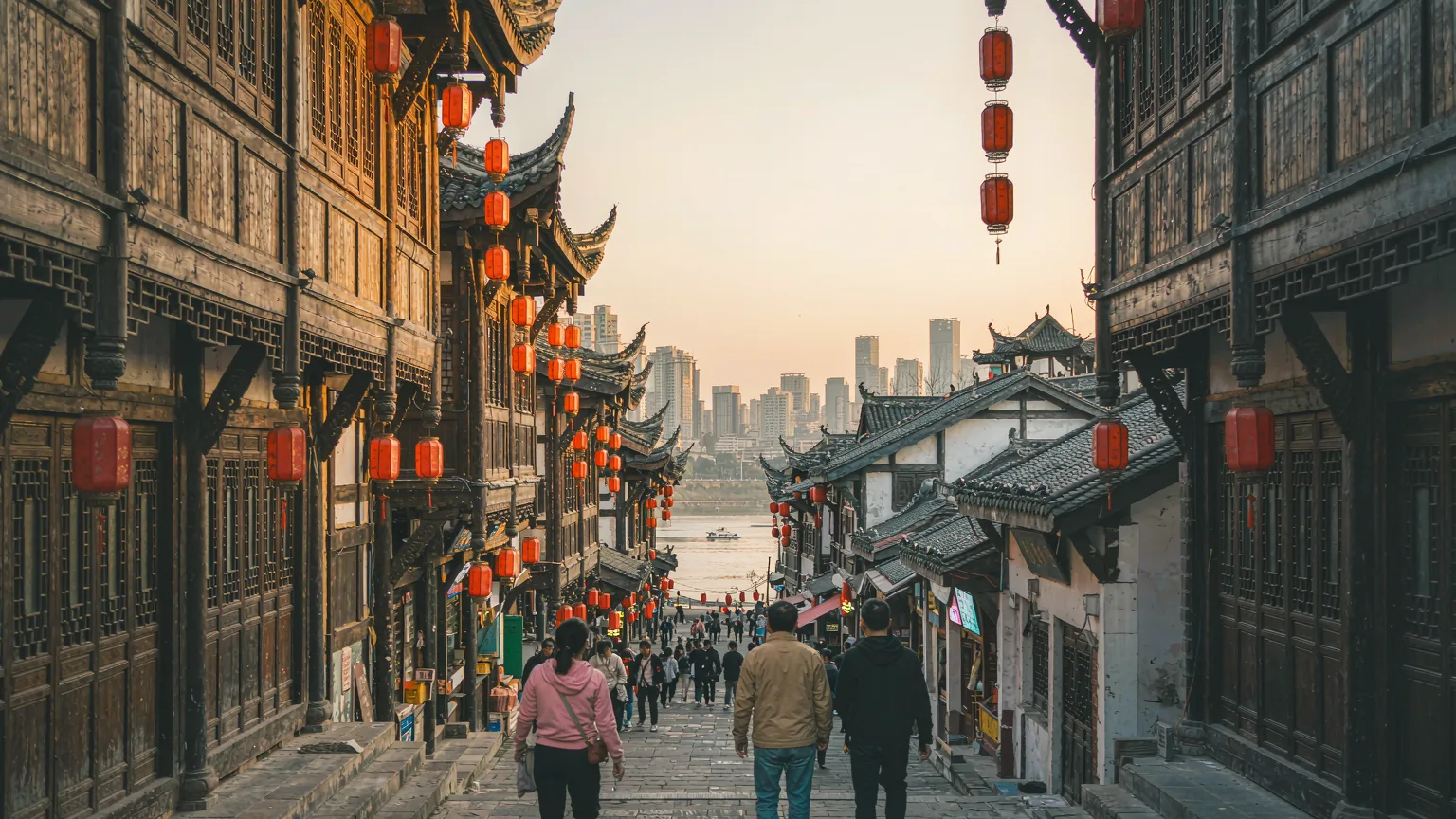
A Ming and Qing wharf town on the Jialing, 1.2 kilometres of stone street climbing from the old harbour. It is free, it is entirely given over to snac
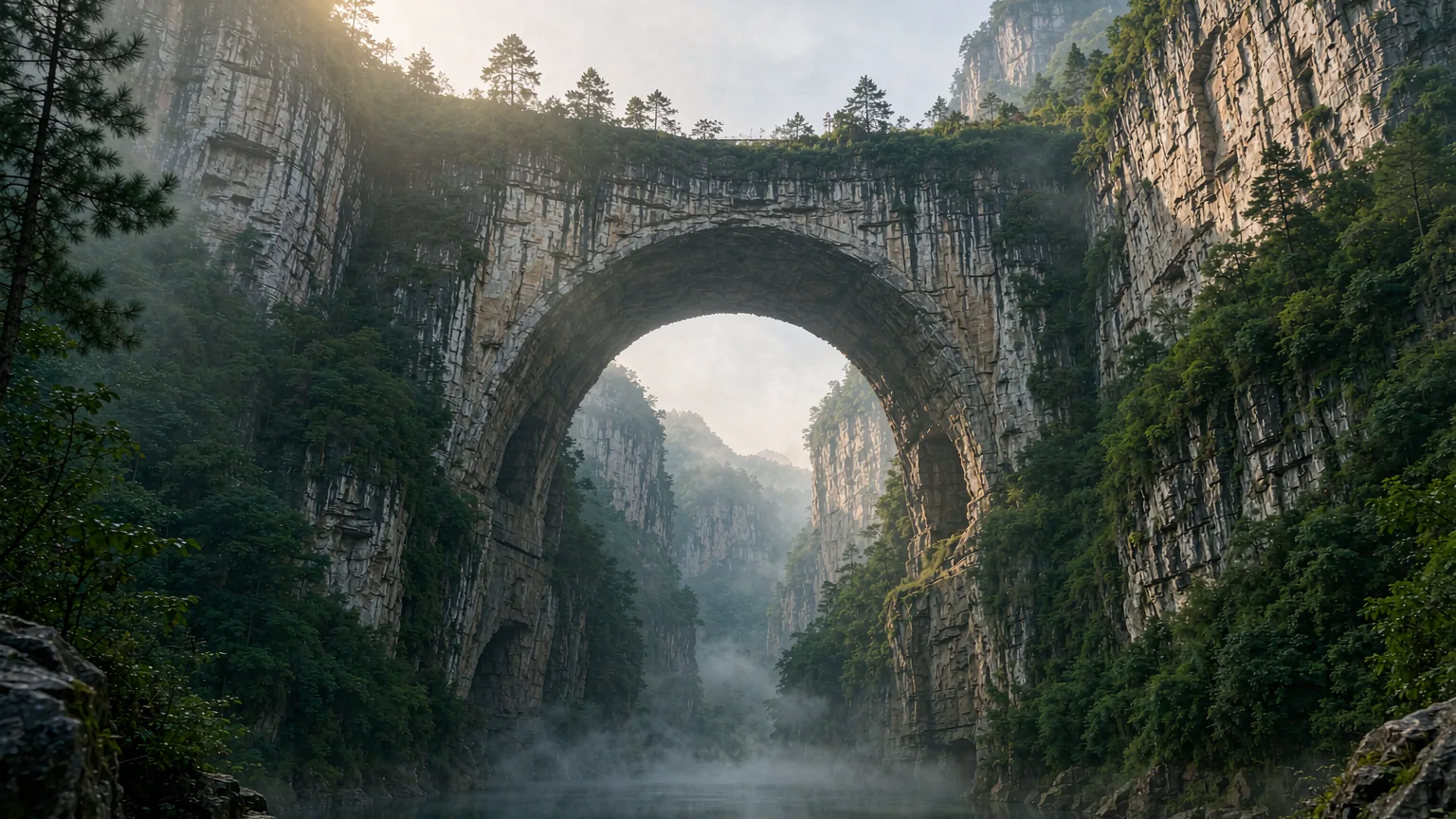
Three natural limestone arches in a row, spanning a gorge 200 metres deep: Tianlong, Qinglong and Heilong, the largest with a span of 60 metres. Part
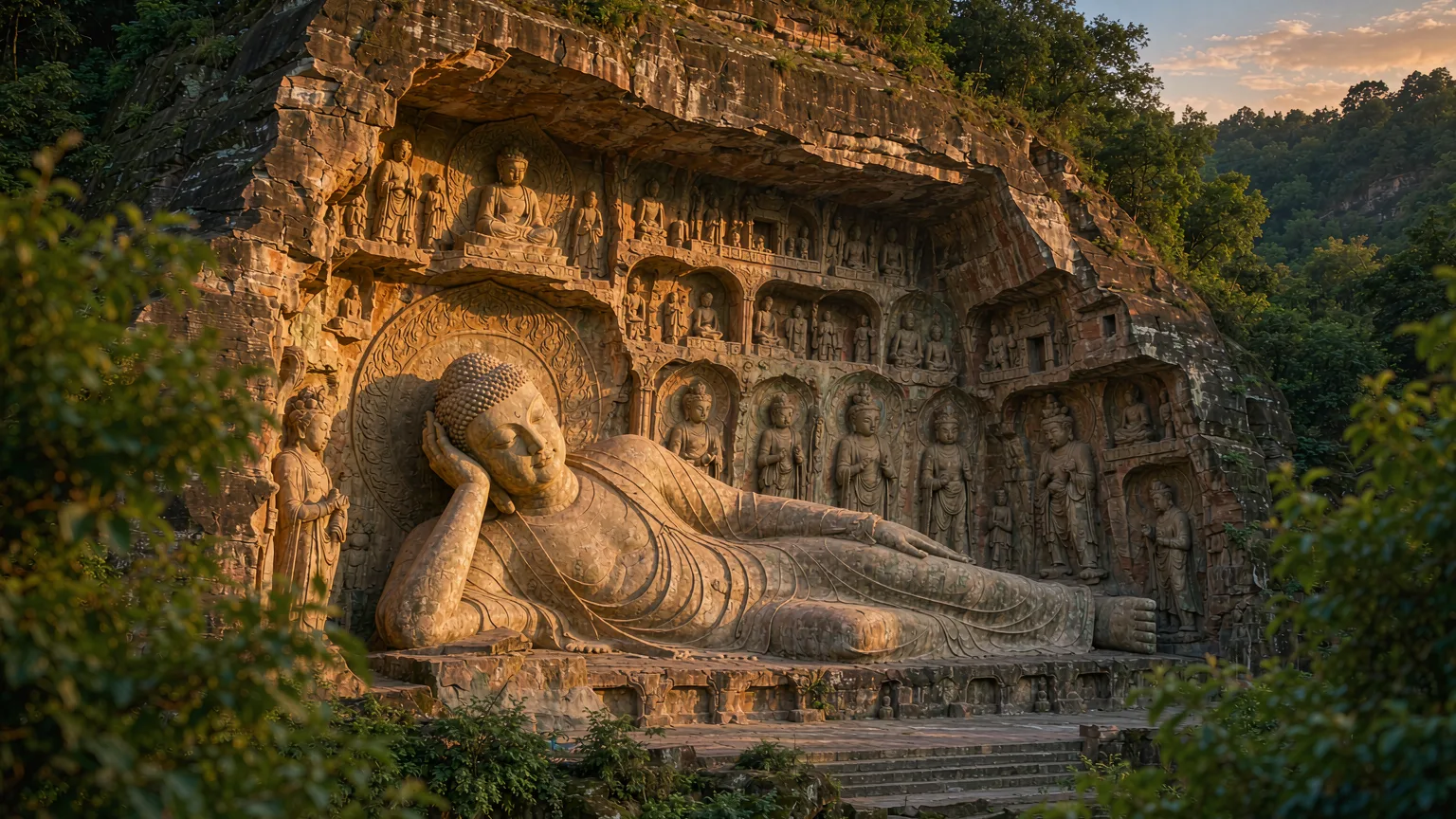
Fifty thousand Buddhist figures cut into sandstone cliffs between the ninth and thirteenth centuries, across 75 sites. The main group at Baodingshan i
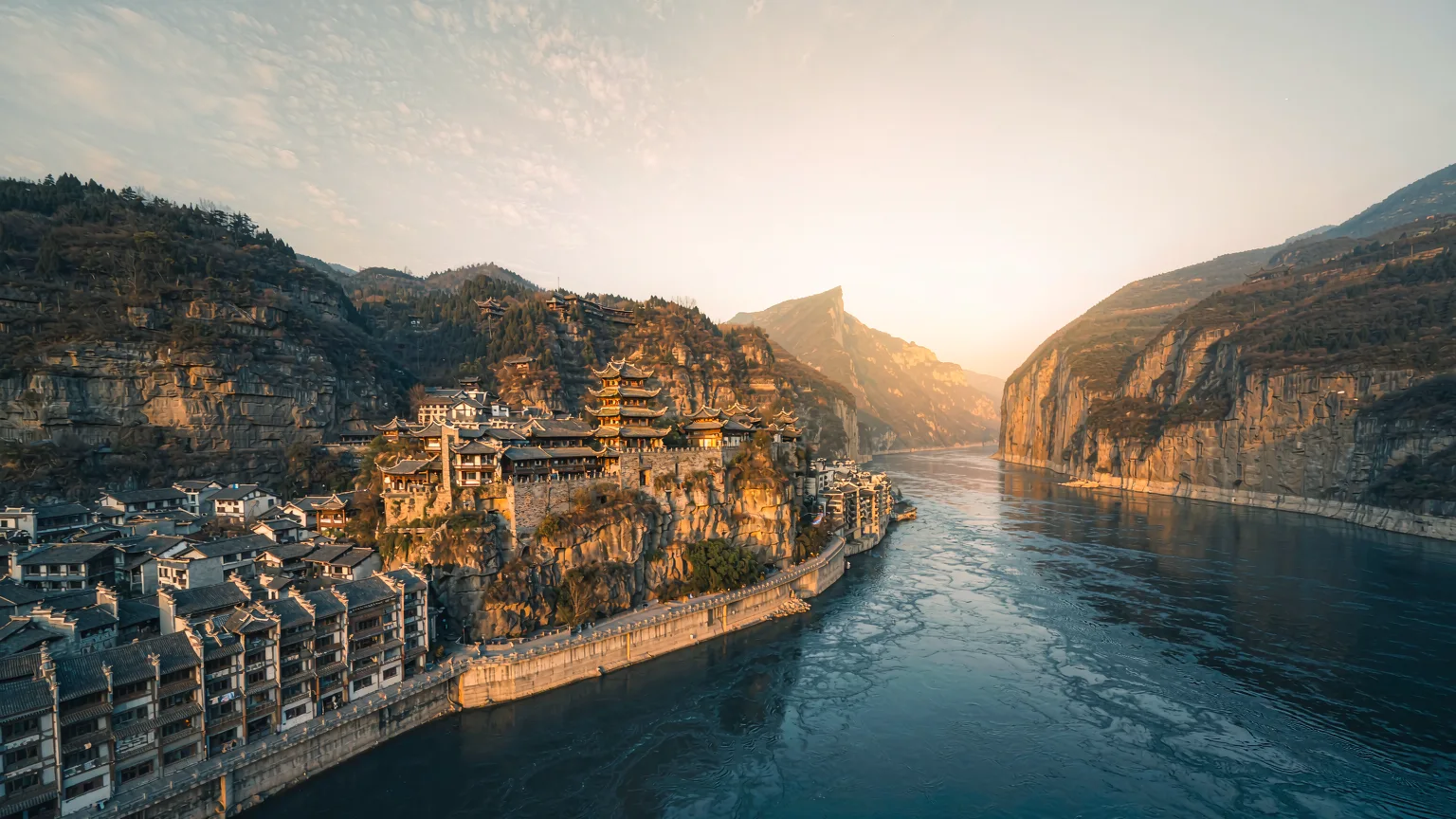
The cliff gate on the back of the ten-yuan note, and the town on the island in front of it. Baidi was a fortress, then a poet's stop, then the place w
A little further out, for a spare half-day.
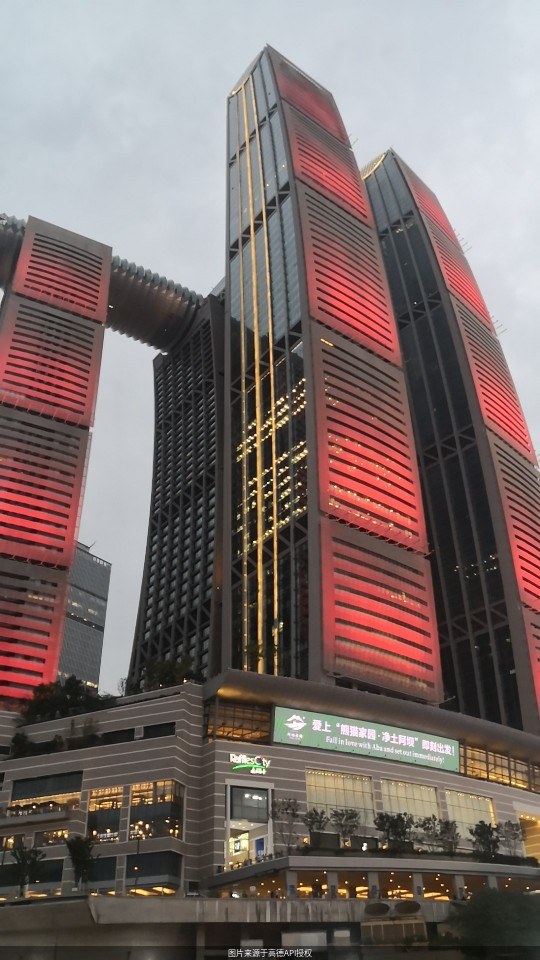
A landmark complex at Chaotianmen with a crystal sky bridge, combining shopping and views.
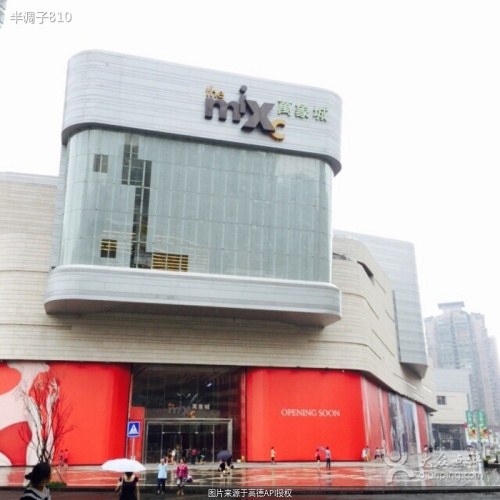
A large high-end mall with comprehensive brands.
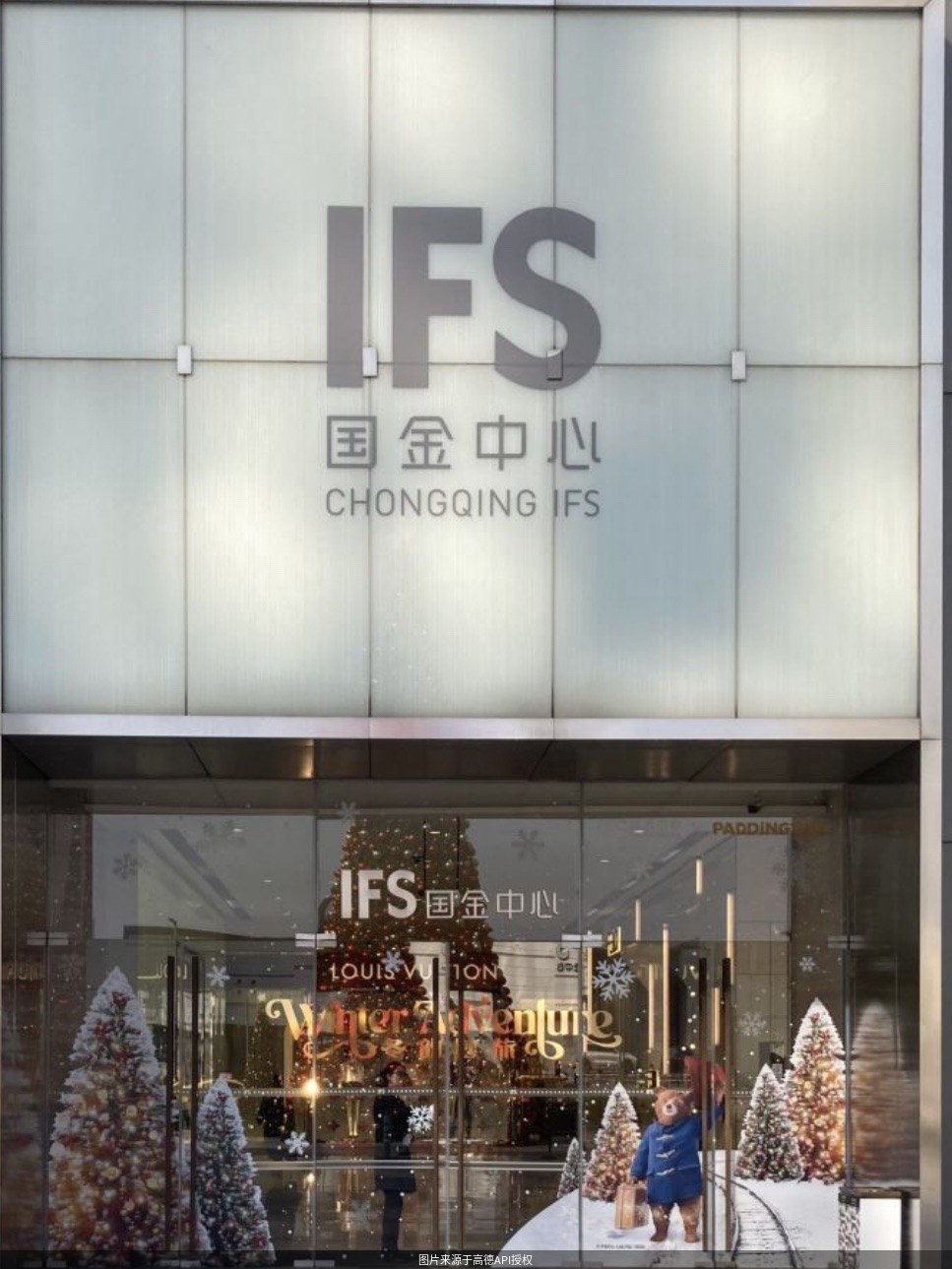
An upscale mall in Jiangbeizui with luxury brands.
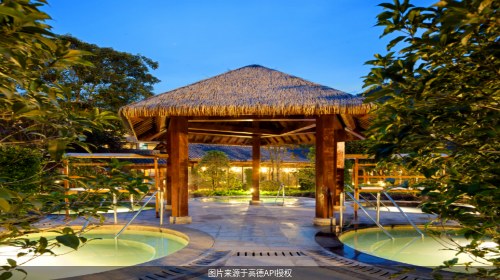
A natural hot-spring resort for soaking and wellness in a pleasant setting.
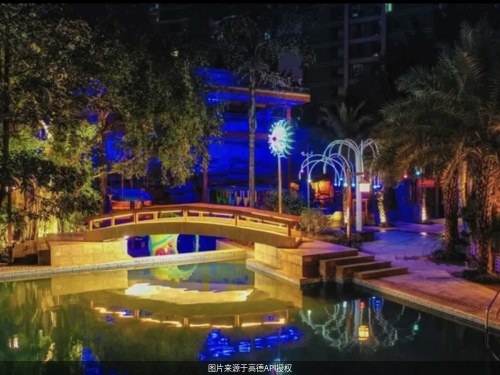
An urban hot spring combining soaking with river views.
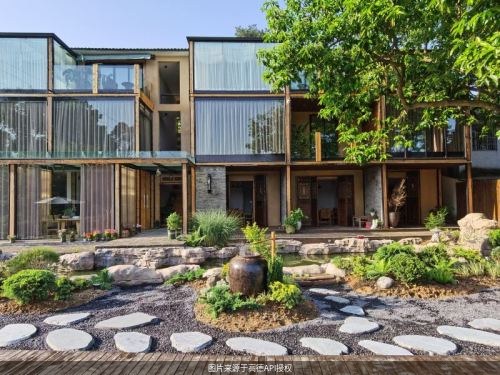
An artsy café on South Mountain with city views, perfect for relaxing.
Museums, galleries and workshops still keeping old crafts alive.
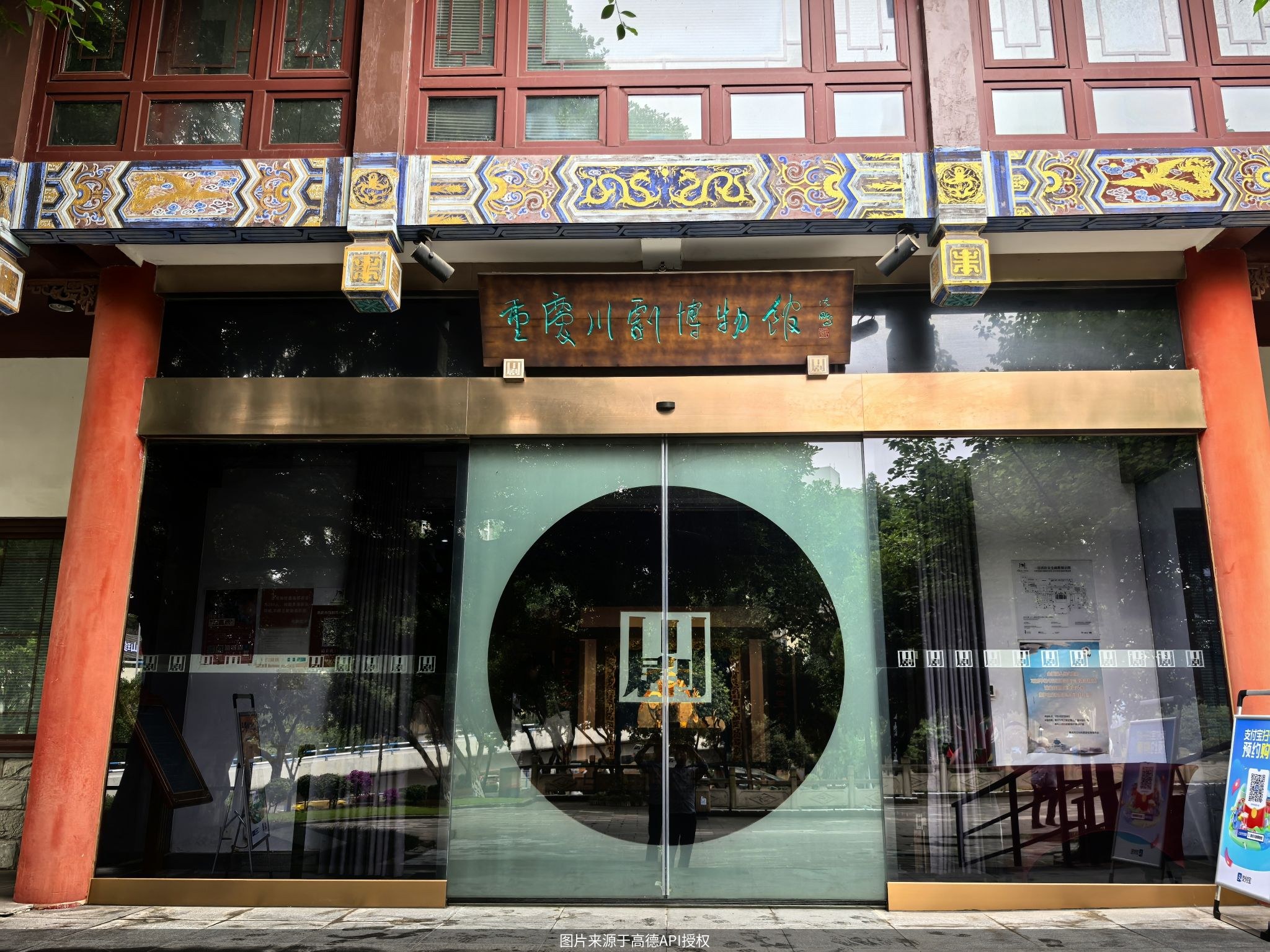
Showcasing the history of Sichuan opera and its masks, costumes and heritage.
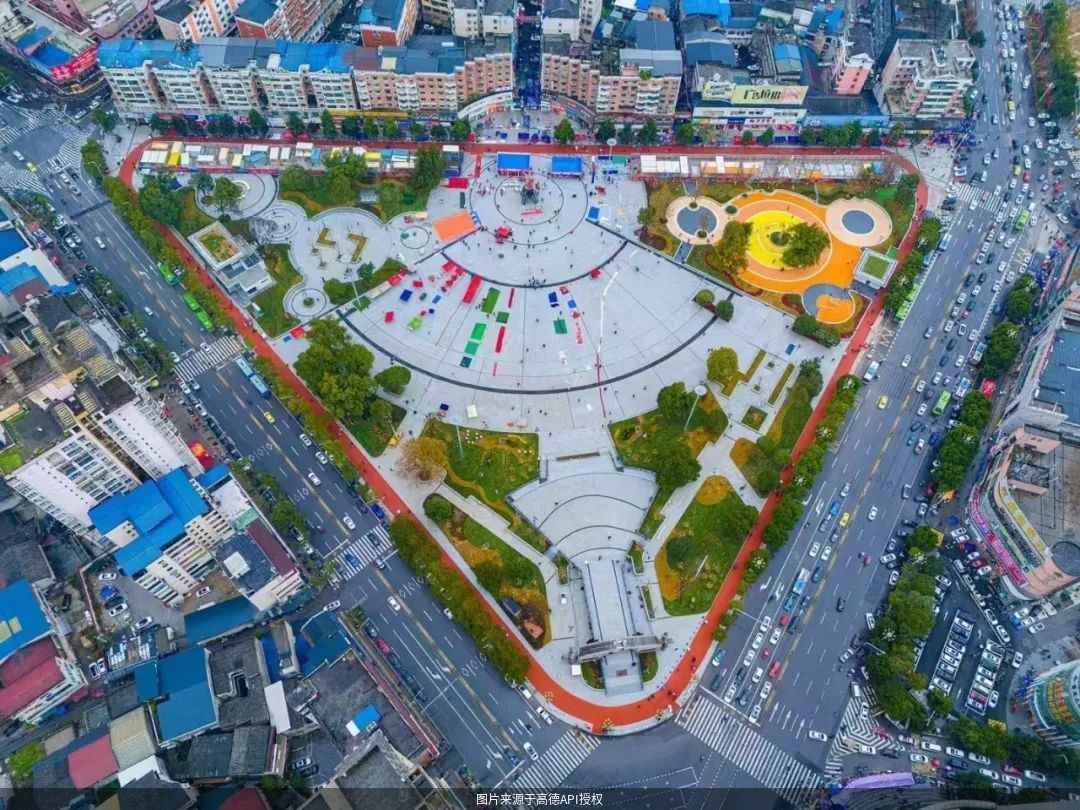
A folk flower-lantern dance of southeast Chongqing, distinctive and festive.
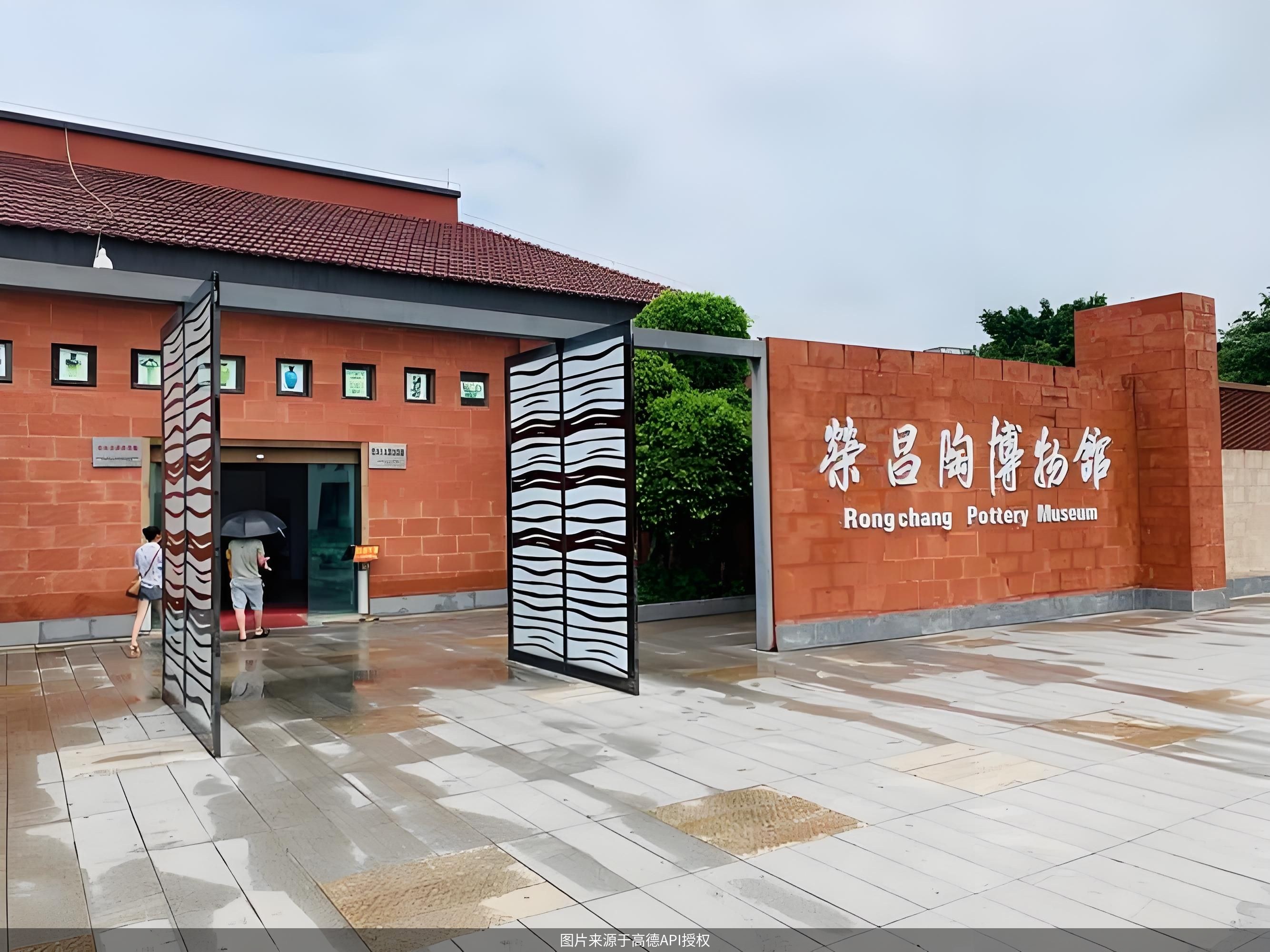
The birthplace of the national heritage Rongchang pottery, with hands-on throwing.
Where the whole street eats — the city's most famous food streets, each with its own guide page.
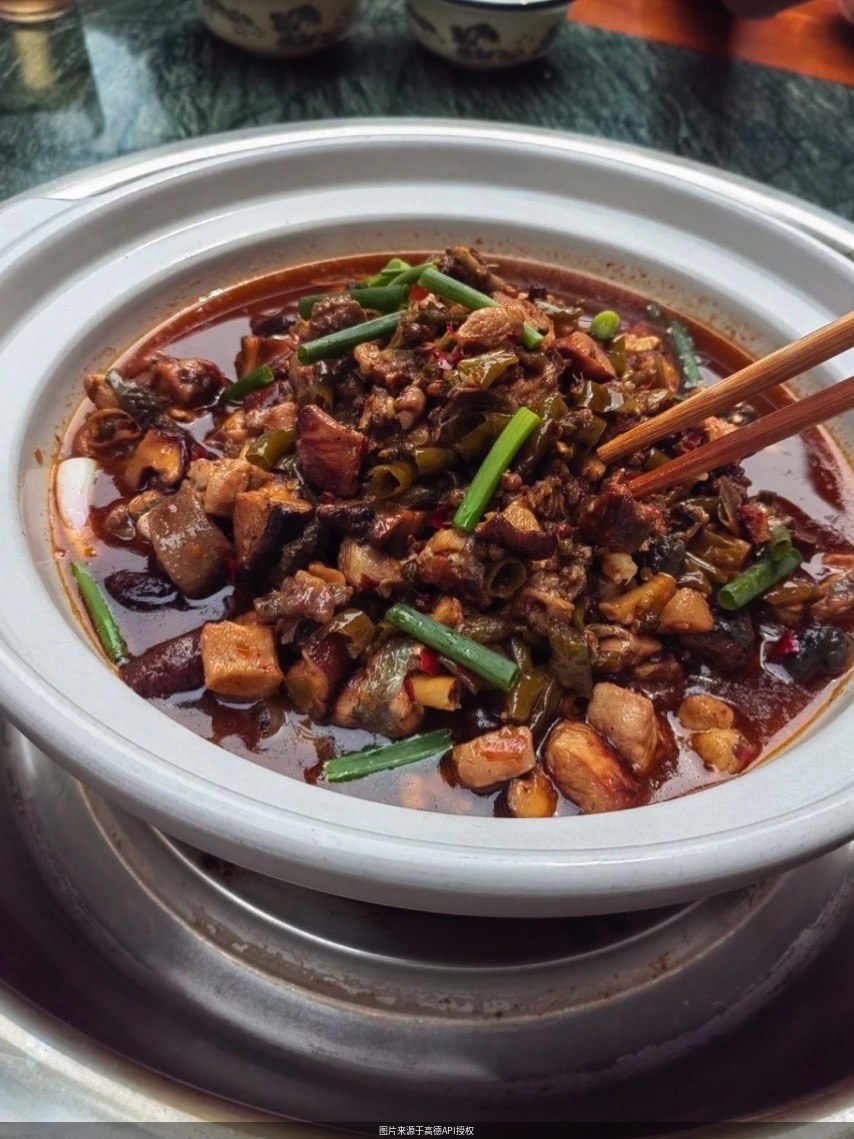
A South Mountain specialty of spring-water chicken, tender and served three ways.
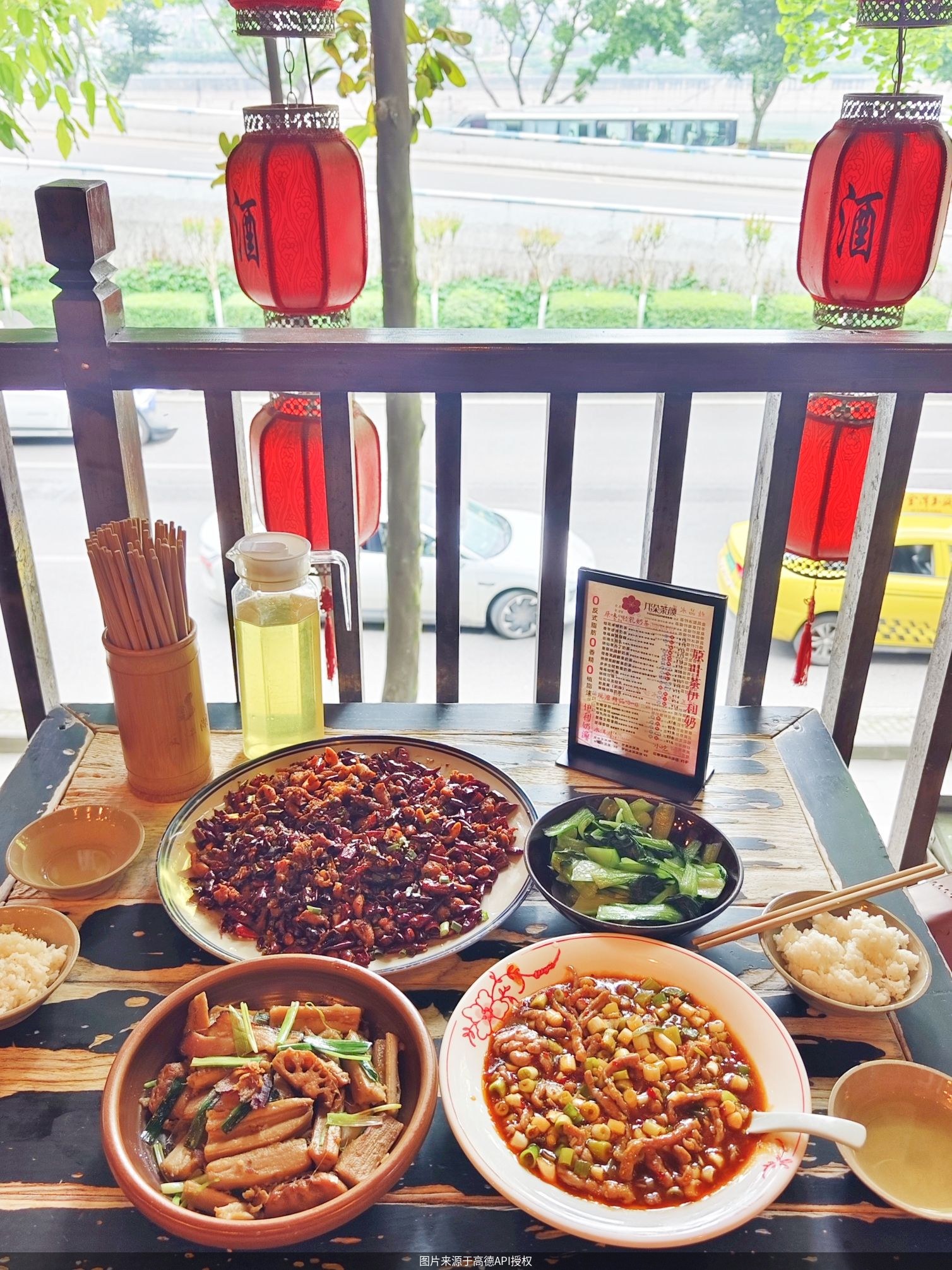
A representative Chongqing jianghu-cai restaurant with hearty, spicy, generous dishes.
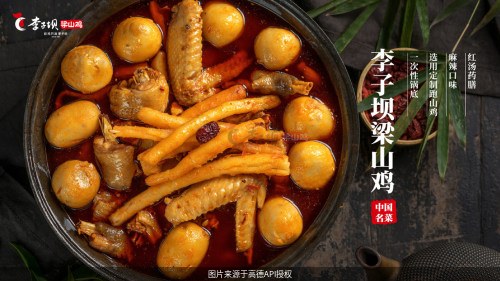
A Liziba specialty of braised chicken with a nourishing herbal broth.
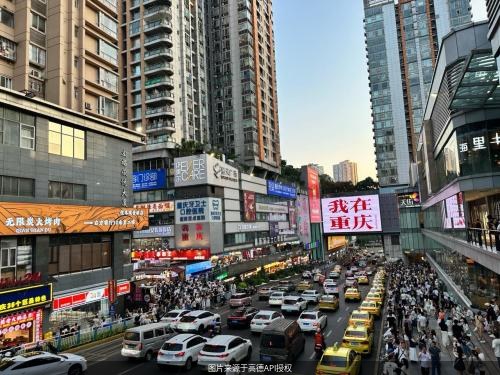
A pedestrian street gathering Chongqing's snacks, a one-stop taste of the city.
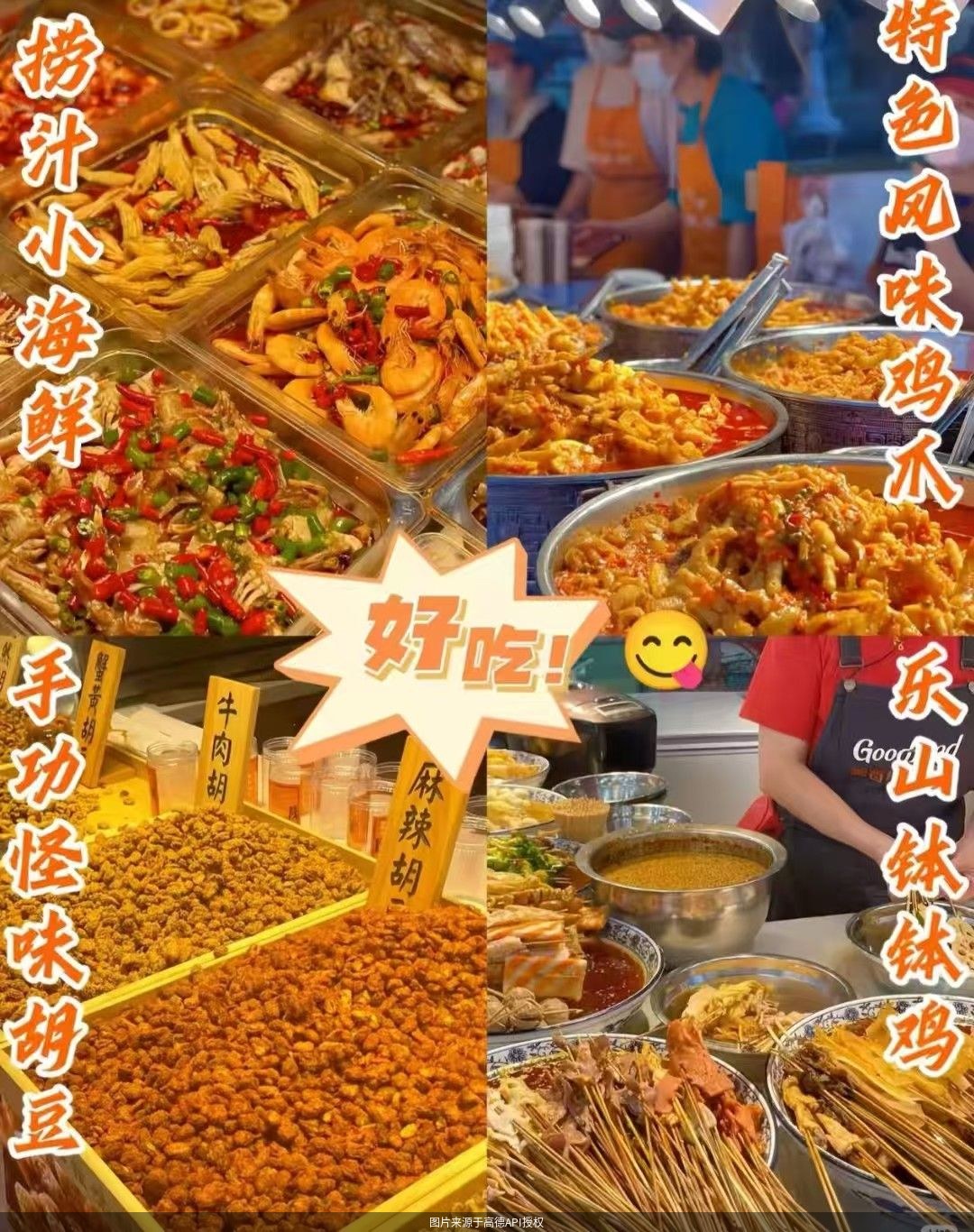
A tofu-pudding hotpot with assorted meats, available in mild or spicy.
A representative of the South Mountain hotpot cluster, open-air with night views.
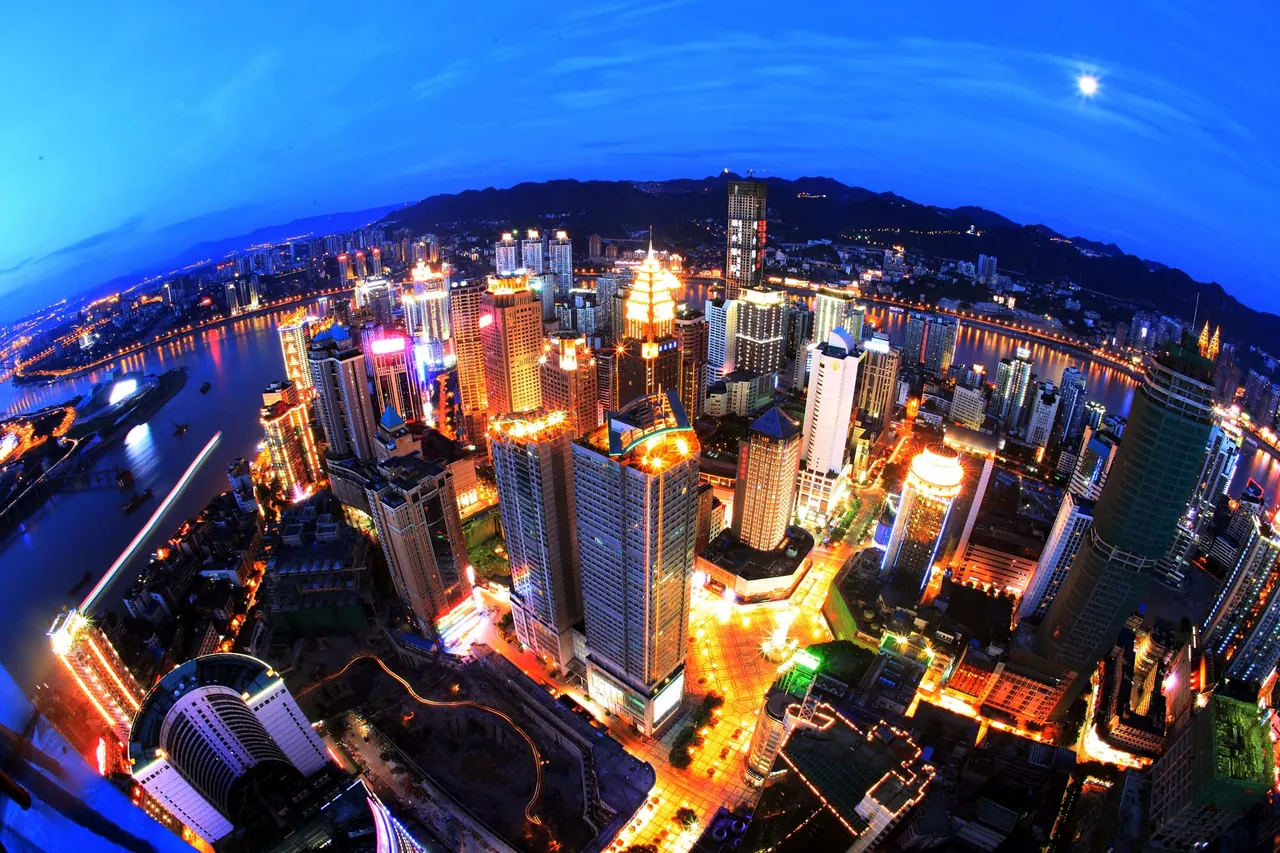
Eleven storeys of lit stilt houses on the Jialing cliff.
A one-hour loop between the Yangtze and Jialing confluence.
The classic panorama of the peninsula skyline.
Hundreds of hotpot restaurants run past midnight.
Chongqing does not really wake up until dark — the whole city is built to be seen from across the water.
Listed sites and the crafts that made this city famous.
50,000+ carvings at 75 sites, with the 1,000-hand Guanyin at Baodingshan the masterpiece — inscribed in 1999.
The Song fortress that held 36 years against the Mongols.
The largest surviving Qing guildhall complex in China, at the Yangtze docks.
Fire-breathing dragon dances performed at festivals.
The call-and-response songs of Yangtze boat trackers — national intangible heritage.
Large-scale dragon dancing with fire and drums, performed at Lunar New Year.
Beef-tallow broth, nine-grid pot and a sesame-oil dip — a city-wide craft.
Face-changing and fire-spitting, performed nightly in the city's teahouses.
Senior licensed guides with 10+ years in the field and fluent English — deep on history, culture and local life.
Experienced licensed guides with clear English — solid on city highlights, food and day-to-day logistics.

Licensed guides with workable English — a good-value choice for city days, transfers and standard commentary.
Chauffeur-driven by the day, plus airport and intercity transfers.



Private chauffeur-driven vehicles, priced per vehicle not per person. Airport transfer from $45; intercity transfer from $180.
Chongqing's main international airport and air gateway for inbound visitors.
Chongqing's traditional railway station serving conventional trains.
Chongqing's main high-speed rail hub connecting nationwide.
A major high-speed rail hub in southwest China.
A landmark complex at Chaotianmen with a crystal sky bridge, combining shopping and views.
A large high-end mall with comprehensive brands.
An upscale mall in Jiangbeizui with luxury brands.

10 guides split by trip length: one-day city routes, three-day escapes and longer journeys, with stops, costs and transport in each.
Morning at Ciqikou Ancient Town, midday for the trains threading through a tower at Lizi
Three DaysThree Days of Chongqing Landscape: River Nights, Sinkholes and GorgesDay one crosses rivers and climbs hills in the city, day two heads to Wulong for the Thr
Multi-DayClassic Chongqing in Five Days: Rivers, Carvings, Sinkholes and GraffitiTwo downtown days on the rivers and old quarters, day three at Dazu, day four in Wulong'
Real routes, real travellers — a sense of what a trip looks like.
Most travellers spend 3 days here. Add a day for a side trip if you want a slower pace.
Spring and autumn are usually the most comfortable. Check the seasonal notes above before booking.
We arrange airport/rail transfers and private drivers. Tell us your arrival point and we plan the connection.
Send an enquiry and a human expert replies within 12 hours with a draft plan and real prices. Flexible rescheduling; clear cancellation terms in your quote.
2-day private itineraries in Chongqing start from $590 per person, two travelling together. Your proposal itemises hotels, tickets, guide and car — no hidden fees.
The city is built vertically — a shop '200 m away' may be 20 storeys above you. Use landmarks, not distances, and ask your guide for the right entrance.
Very. Ask for yuanyang (split) pot with a clear broth half, and a sesame-oil dip that cools the heat.
Yes — two hours each way, but the 1,000-hand Guanyin and the wheel-of-life carving are among China's finest religious art.
Recent listed prices: Hongya Cave free; Yangtze River Cableway ¥30 起(单程;往返需两次乘坐或选快速通套餐); Ciqikou Ancient Town free; Wulong Three Natural Bridges ¥135; Dazu Rock Carvings ¥115. Ticket prices change seasonally — we confirm them in your quote.