 TripMyChinaJOURNEYS THROUGH REAL CHINA✦ AI Trip✦ Plan My Trip
English
简体中文
繁體中文
日本語
한국어
ไทย
Tiếng Việt
Bahasa Indonesia
Italiano
Español
العربية
Русский
Deutsch
Français
Bahasa Malaysia
TripMyChinaJOURNEYS THROUGH REAL CHINA✦ AI Trip✦ Plan My TripHarbin turns winter into spectacle: the Ice and Snow World's full-size illuminated palaces, Russian-built churches, and a frozen Songhua River you can walk across. Add a steaming guobaorou lunch and you have China's quirkiest city break. Best visited December to February, for the cold-hardy.
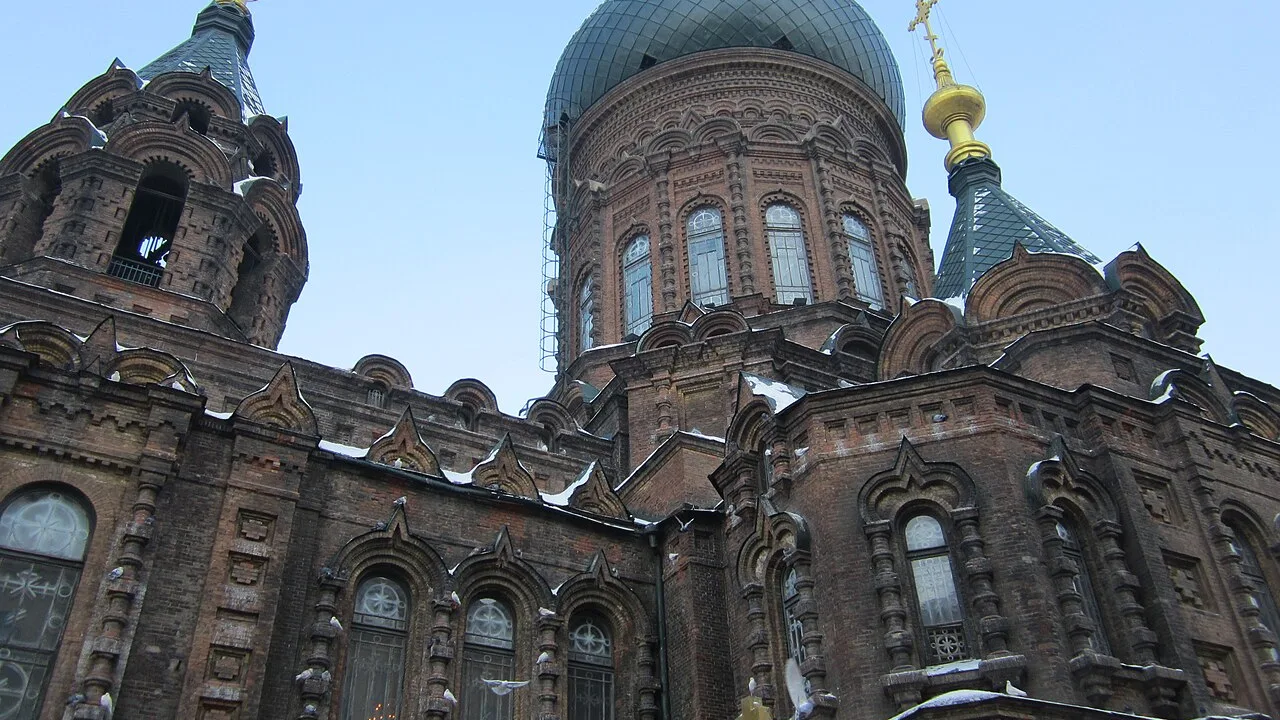
Harbin, the capital of Heilongjiang Province in northeast China, is a city of ice and snow, known as the 'Ice City'. Founded in 1898 as a railway town on the Chinese Eastern Railway, it quickly grew into a vibrant metropolis with a unique blend of Russian, European, and Chinese influences. Its name comes from the Manchu word meaning 'a place for drying fishing nets', reflecting its origins as a fishing village on the Songhua River.
The city is divided into nine urban districts, each with its own character. Daoli and Daowai districts, on the south bank of the Songhua River, form the historic core, home to the famous Central Street and Saint Sophia Cathedral. Nangang and Xiangfang are bustling commercial and educational hubs, while Songbei, on the north bank, hosts the world-renowned Harbin Ice and Snow World. The city's layout is shaped by the river and its railway heritage.
Visitors flock to Harbin for its spectacular winter festivals, but the city offers year-round delights. In winter, the Ice and Snow World transforms into a fairy-tale kingdom of illuminated sculptures, and skiers head to nearby Yabuli. In summer, the cool climate makes it a pleasant escape, with the Harbin International Beer Festival and the serene Sun Island. The city's architecture, from Baroque to Byzantine, and its hearty cuisine, influenced by Russian and Jewish traditions, create a truly unique travel experience.
Harbin covers an area of 53,100 square kilometers and has a population of over 9.8 million. It is divided into 9 urban districts, 2 counties, and 3 county-level cities. The city is famous for its Ice and Snow Festival, one of the world's largest, and its well-preserved European-style architecture.
World-class, national and global recognition earned over the decades.
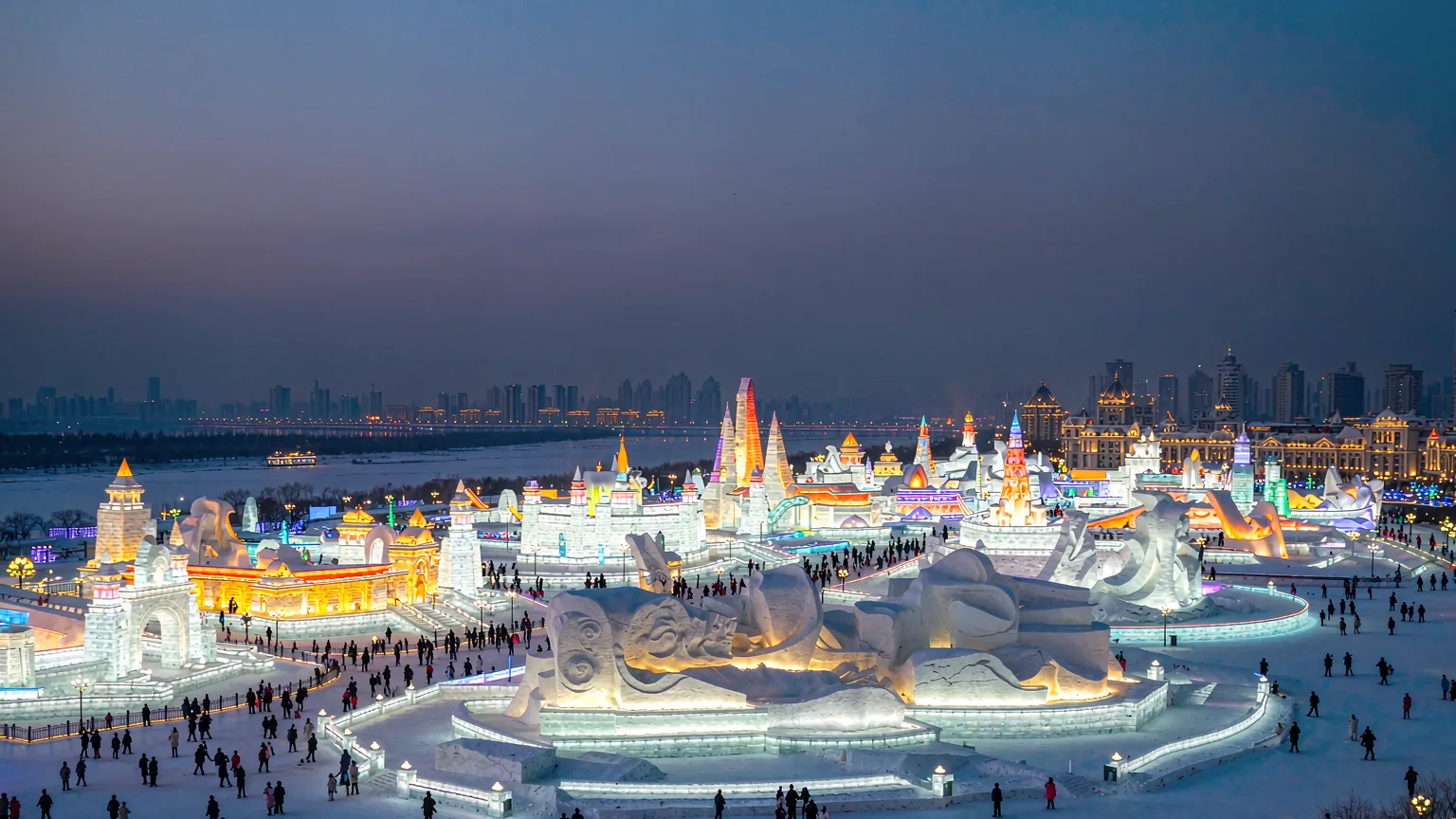
Harbin International Ice and Snow Festival runs January to February, with ice blocks cut from the Songhua River.
Central Street's 1920s Russian and European facades form a 1.4 km open-air museum.
Harbin joined the UNESCO Creative Cities Network as a City of Music in 2010 — China's first.
Yabuli, 2 hours away, is China's largest ski resort and hosted the 1996 Asian Winter Games.
Named in the third batch in 1994.
The first Chinese symphony orchestra was founded here in 1908.
Harbin's 'Madier' ice cream has been sold on Central Street since 1906.

The moments that shaped the city — and the stories its people still tell.
Russia began the railway to Vladivostok, and a construction town grew at the Songhua crossing.
White Russian refugees, Jewish merchants and 20 consulates built the city's European core.
Japan occupied Harbin and made it a centre of its biological warfare programme.
Harbin became the first major city taken by the PLA in the civil war.
Named a National Historical & Cultural City.
UNESCO recognised Harbin's musical heritage.
A white dragon is said to live in the river; when the ice cracks in spring, locals call it the dragon turning over.
The festival's ice palaces are rebuilt every year from river ice — a city that exists for six weeks and disappears.
Three paces, one city — every route built from places we actually operate.
Weather, crowds and the best months for what you want to see.
The reason people come — -20°C, ice palaces and the festival from early January.
Short and cool; the ice melts and the city empties.
A cool 25°C escape — the city is a summer resort for northern China.
Crisp and golden, with the Russian architecture at its most photogenic.
What this city is known for — the things worth planning your day around.
The places worth building a day around.
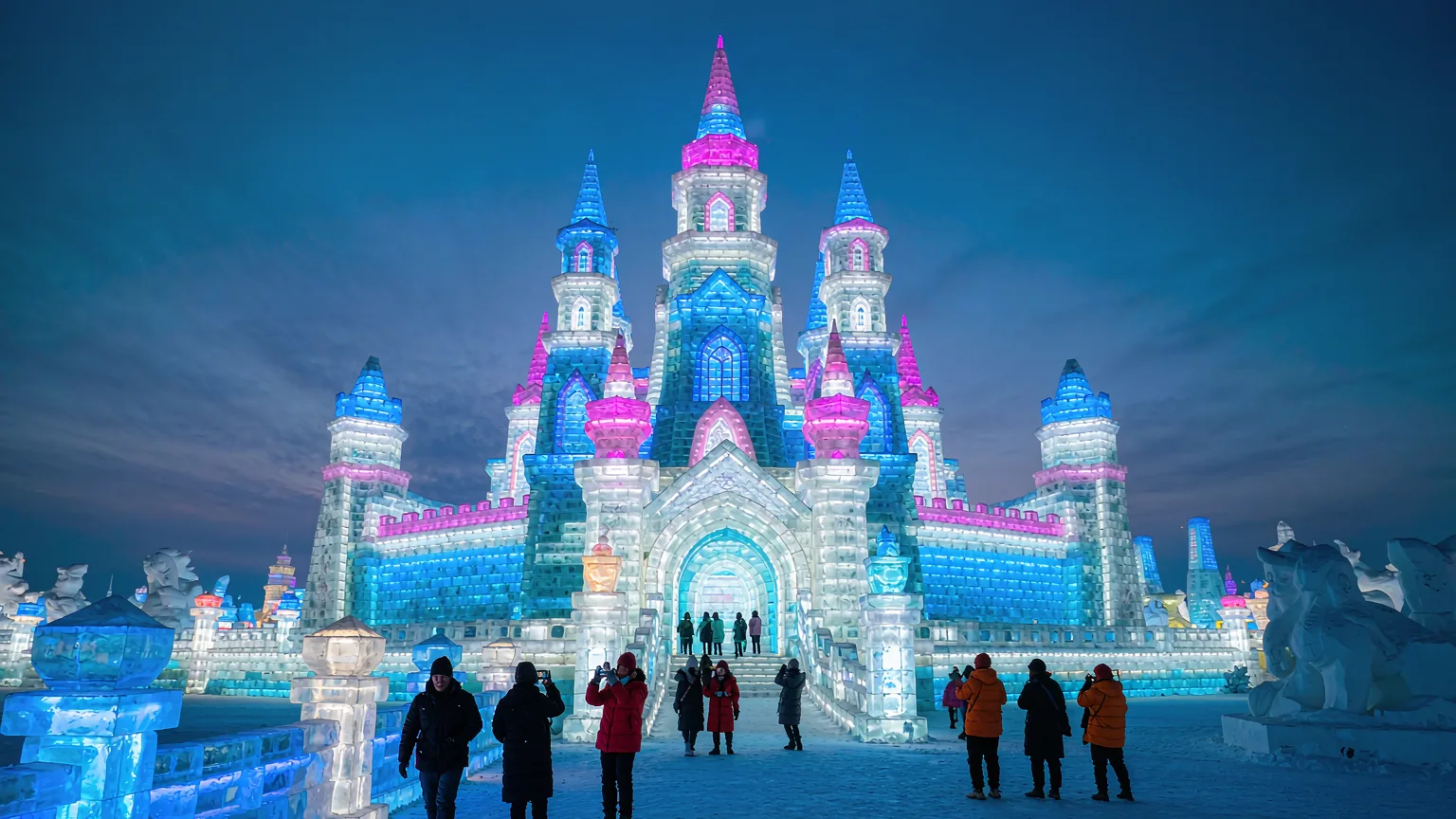
Harbin Ice and Snow World is a city built of river ice each December and knocked down in March. The first edition ran in 1999; recent ones cover about
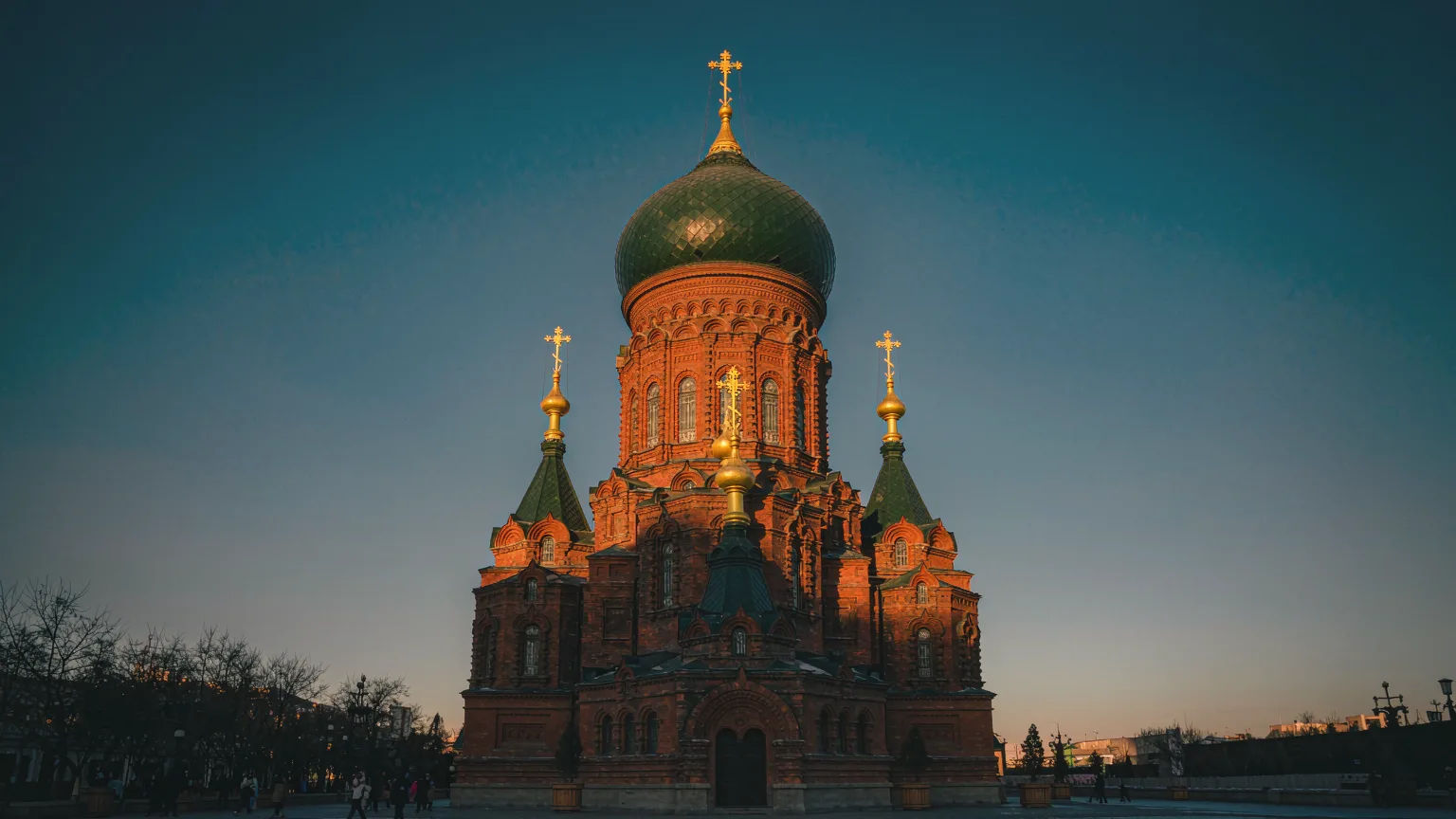
St Sophia is a red brick Orthodox cathedral with a green onion dome, 53 metres to the cross, built between 1923 and 1932 for the Russian community tha
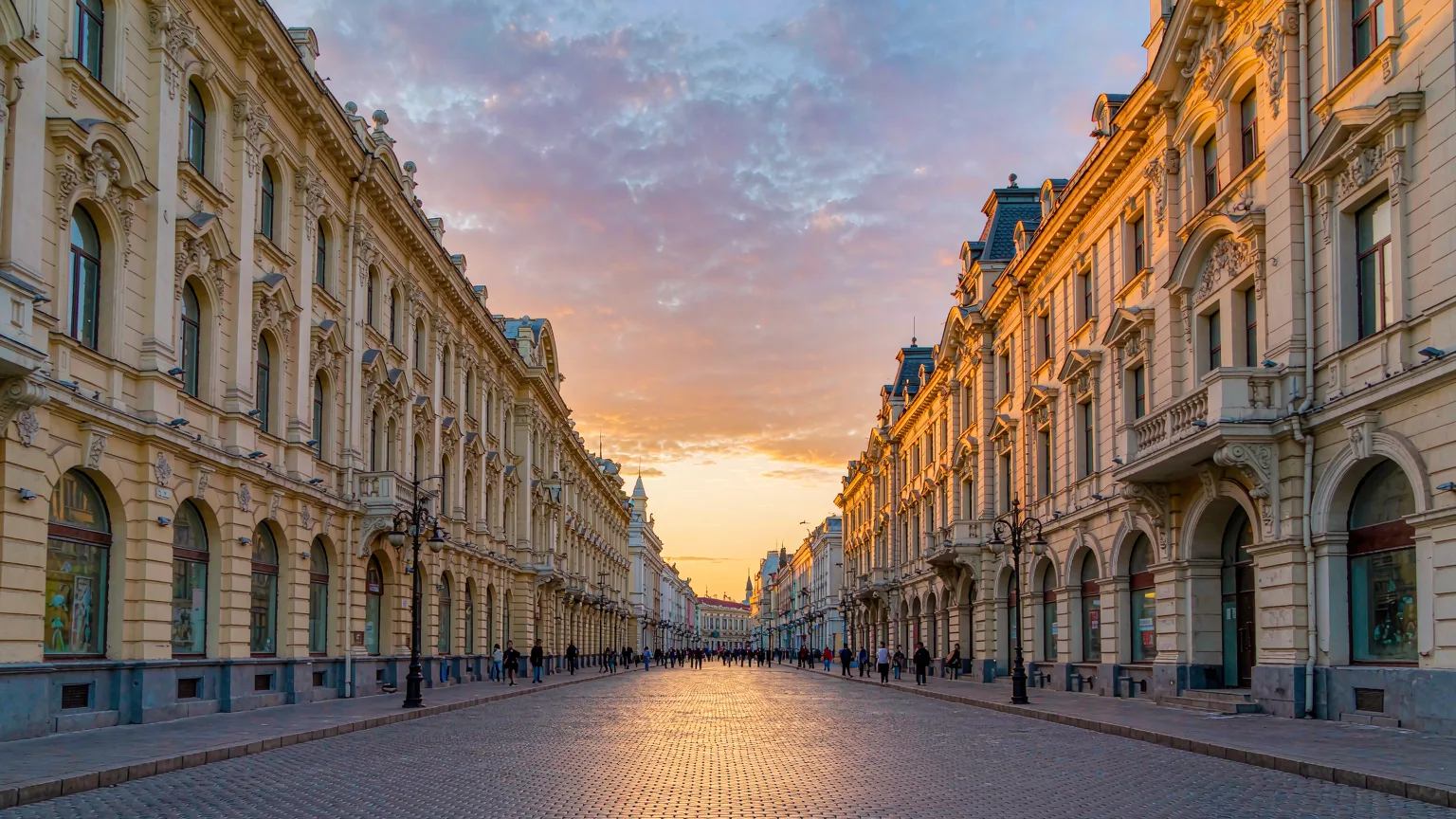
Central Street runs 1,450 metres from Xinyang Square north to the Songhua, paved in 1924 with granite blocks the size of a hand. It was laid out in 18
Sun Island is 38 square kilometres of river island, joined to the city by bridge, cable car and metro. The developed part is about 15 square kilometre
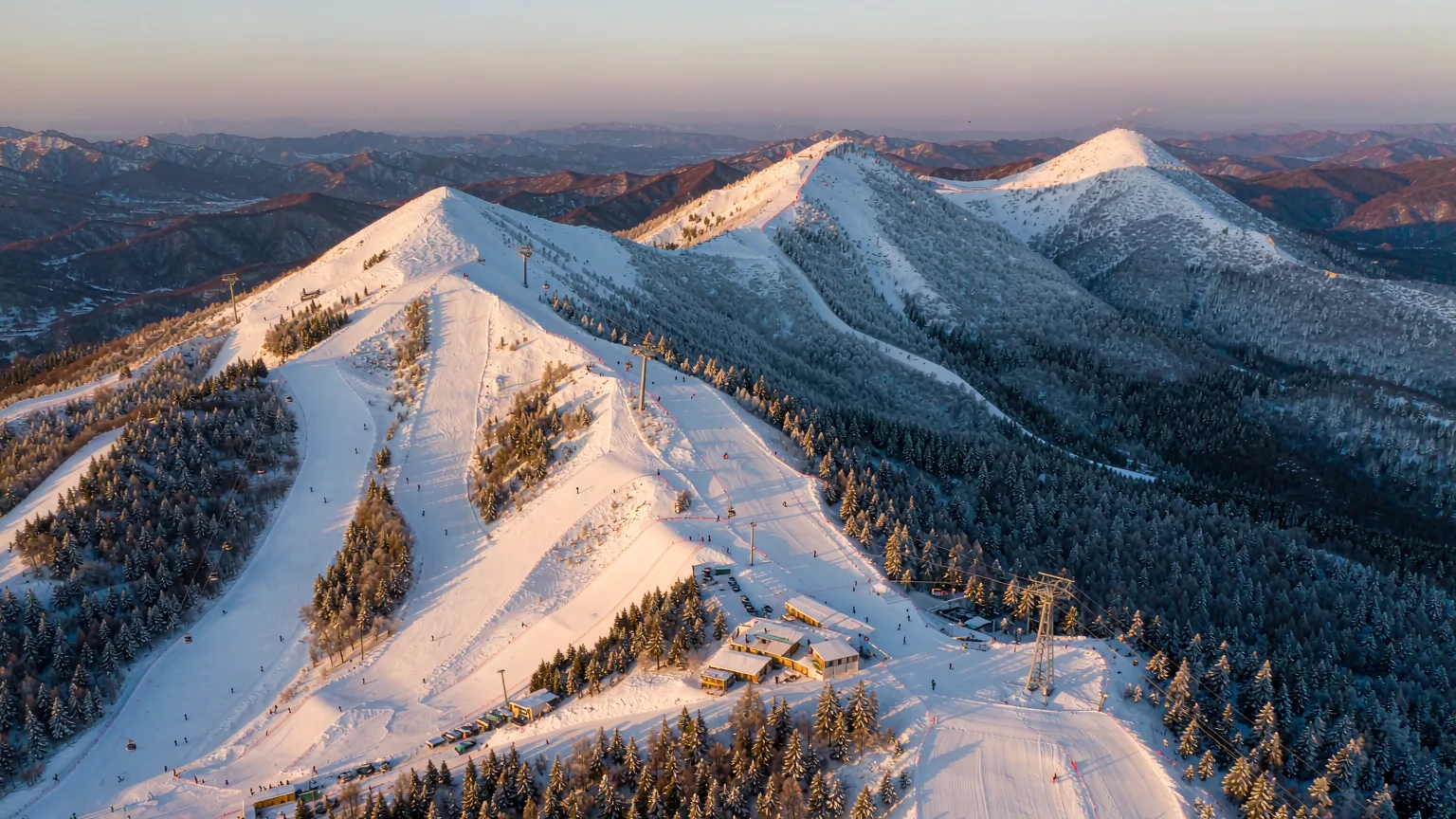
Yabuli is the biggest ski area in China: three mountains in the Zhangguangcai range about 200 km east of Harbin, with 900 metres of vertical and runs
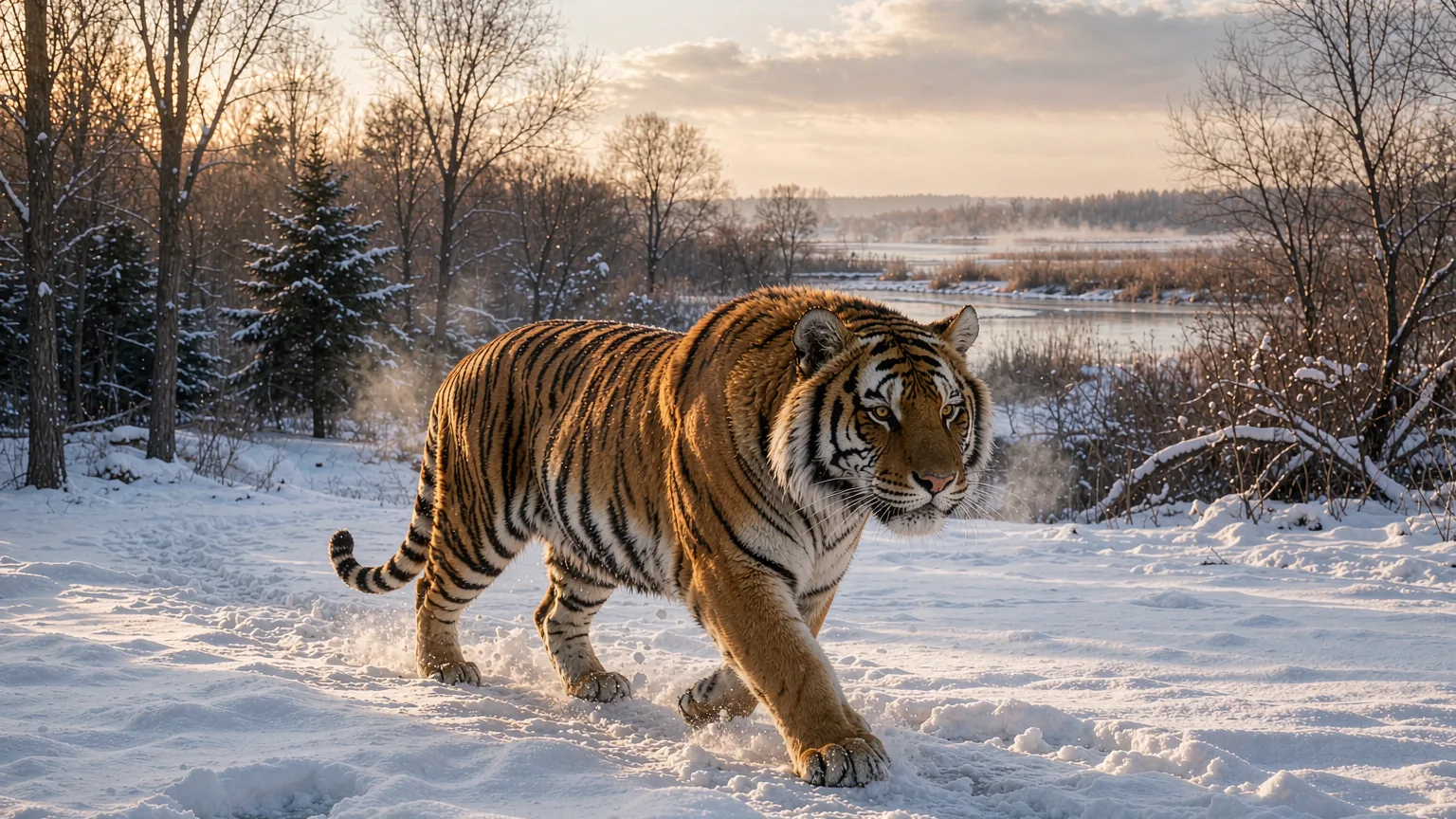
The Siberian Tiger Park on the north bank holds around 1,000 tigers, the largest captive population of the subspecies anywhere. You see them from a bu
A little further out, for a spare half-day.
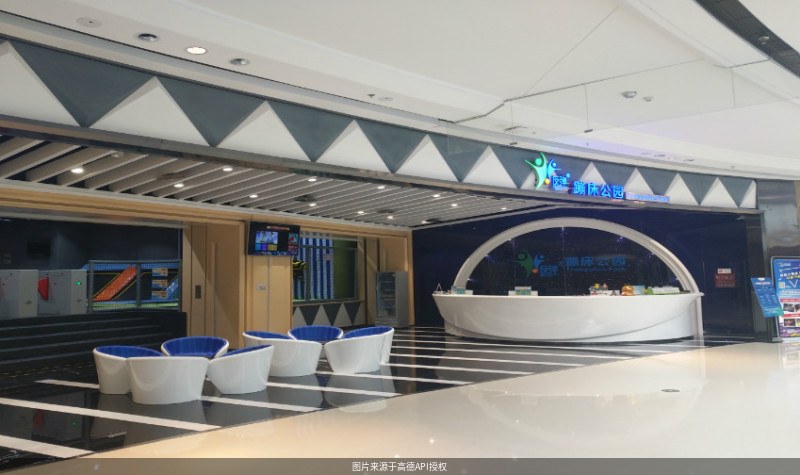
A large mall in Haxi New District with full retail, dining and entertainment, next to the west rail station.…
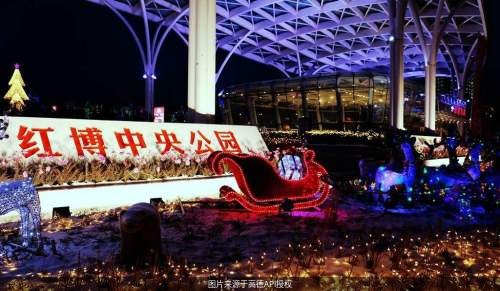
A large shopping park near the convention center, mixing open-air blocks with indoor malls. A favored spot…
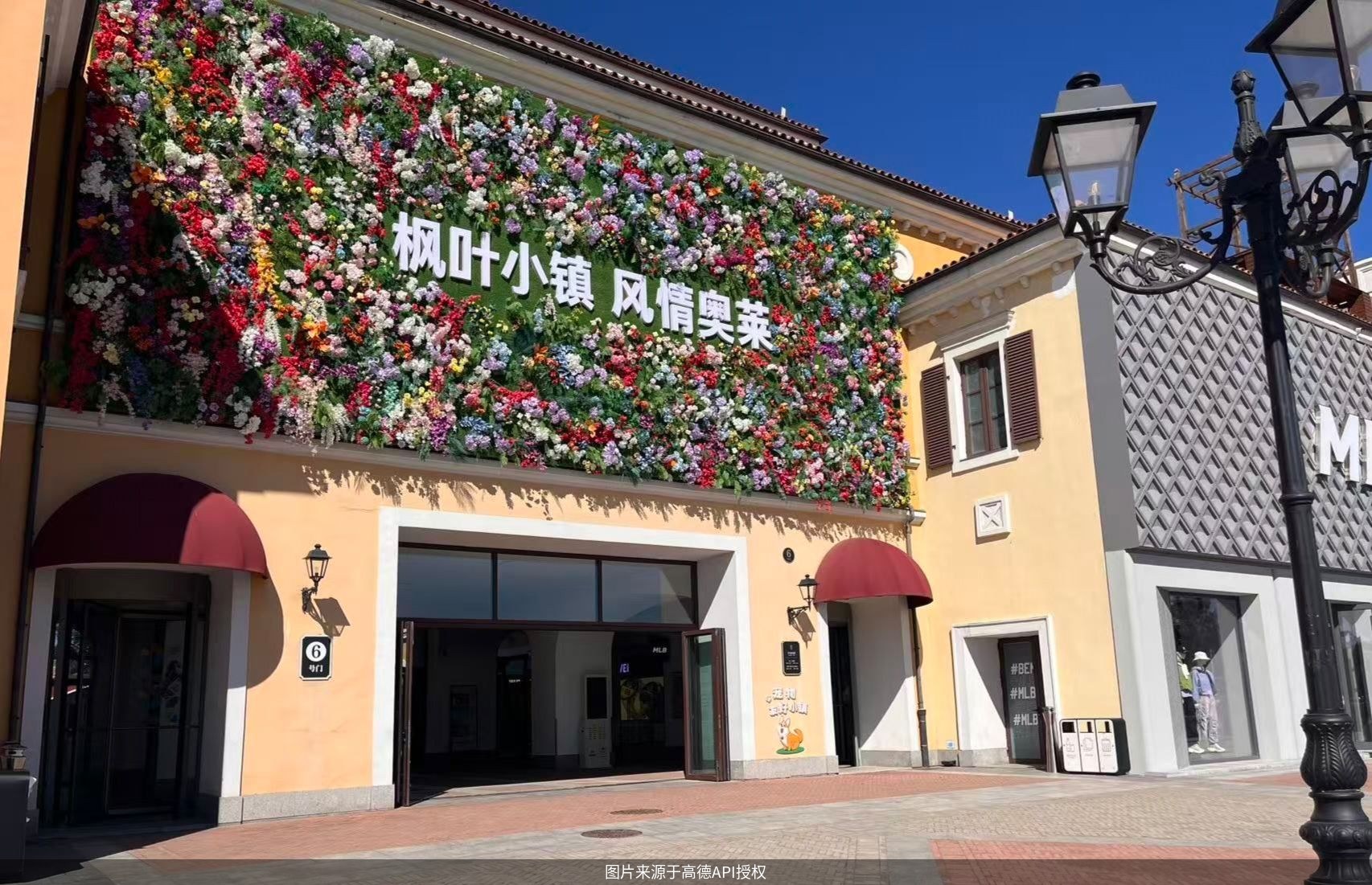
An open-air outlet town in Songbei with European architecture and discount stores. A pleasant destination for…
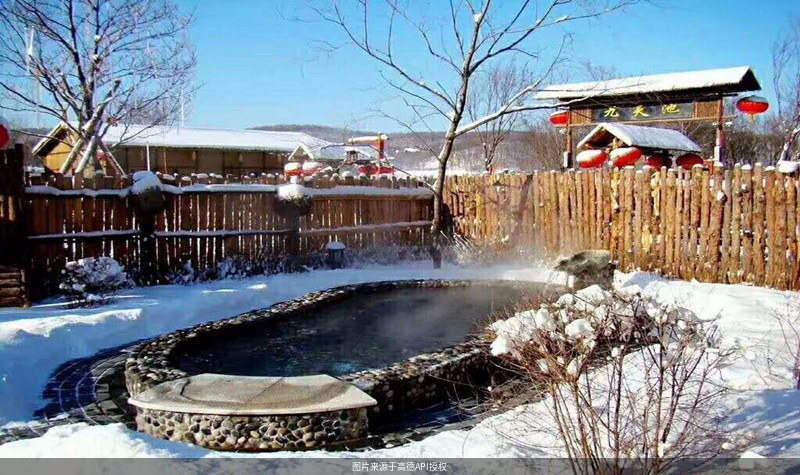
A hot-spring resort in Bin County with quality mineral water and extensive bathing facilities. A favored…
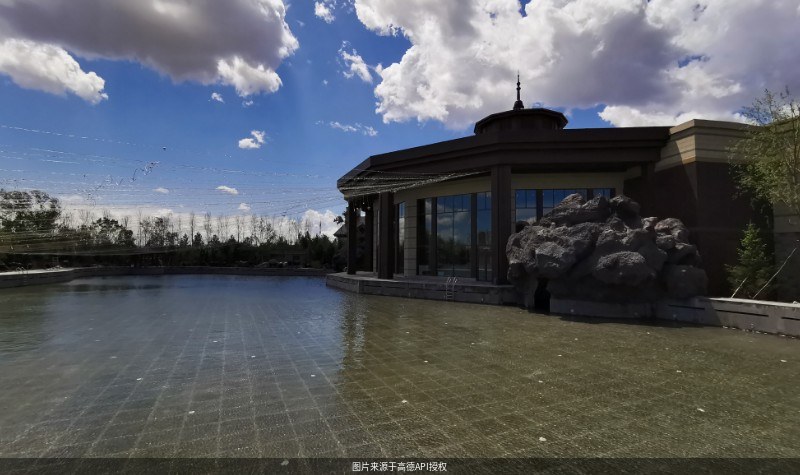
A hot-spring resort in Songbei with abundant indoor and outdoor pools and year-round facilities. A favored…
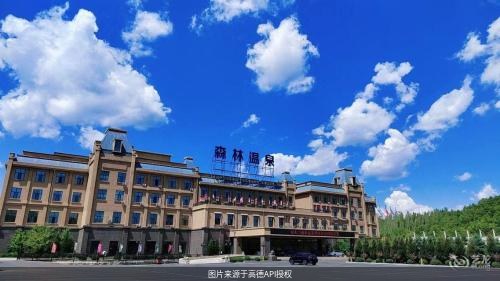
A forest hot spring in the Yabuli ski resort, with indoor and outdoor pools to soak after skiing. Surrounded…
Museums, galleries and workshops still keeping old crafts alive.
A national intangible heritage of the Northeast, a comic song-and-dance duet with lively storytelling and…
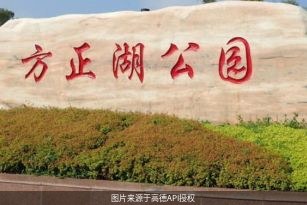
A national intangible heritage from Fangzheng County, with bold lines and earthy subjects full of Northeast…
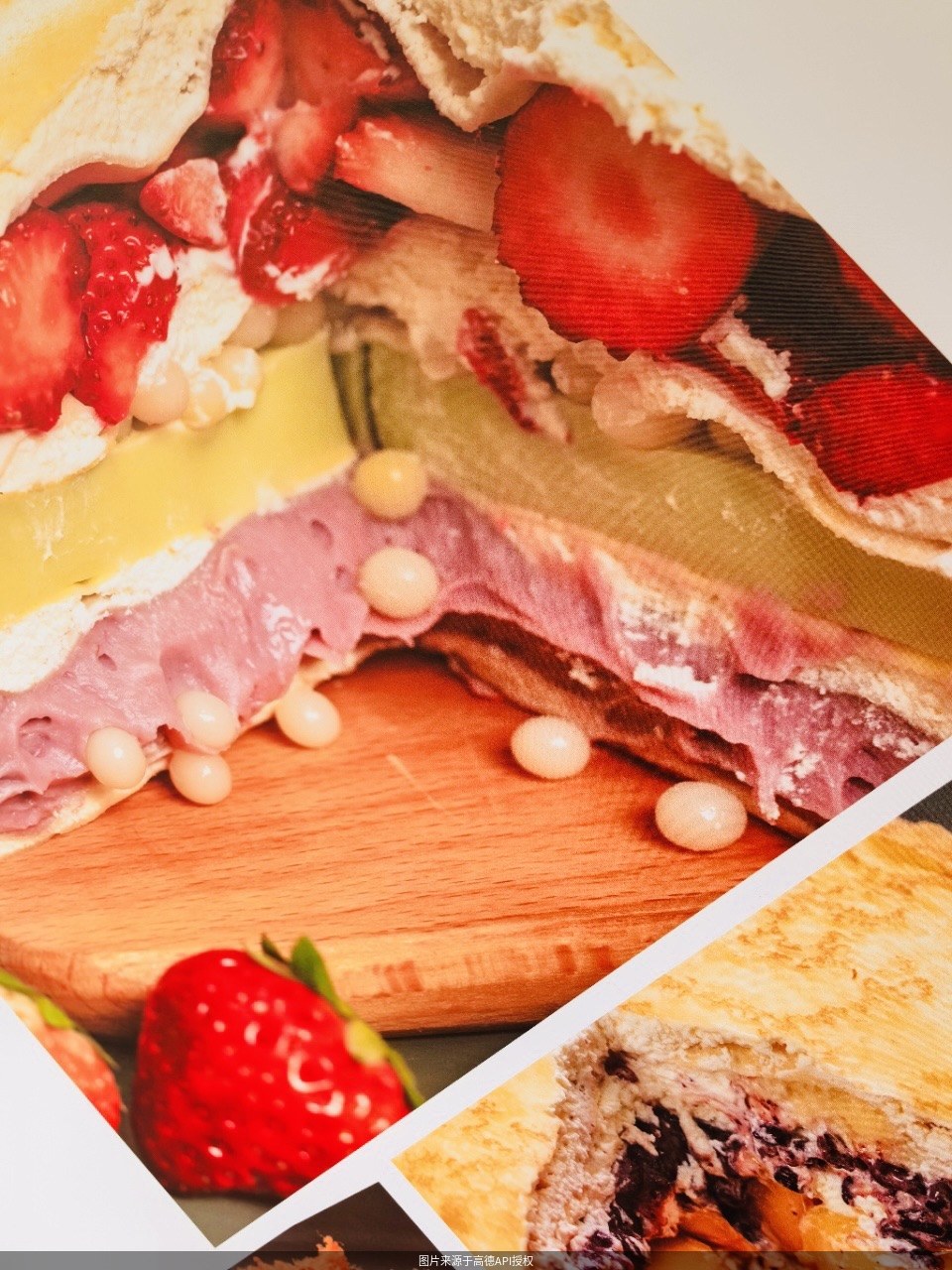
A national intangible heritage of the Hezhen people, who craft clothing and art from fish skin through unique…
Where the whole street eats — the city's most famous food streets, each with its own guide page.
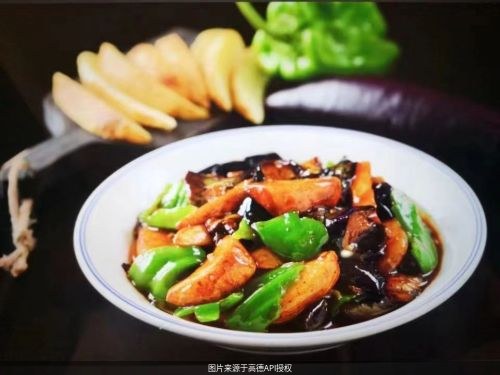
The birthplace of guo bao rou (crispy sweet-and-sour pork), passed down through four generations of the Zheng…
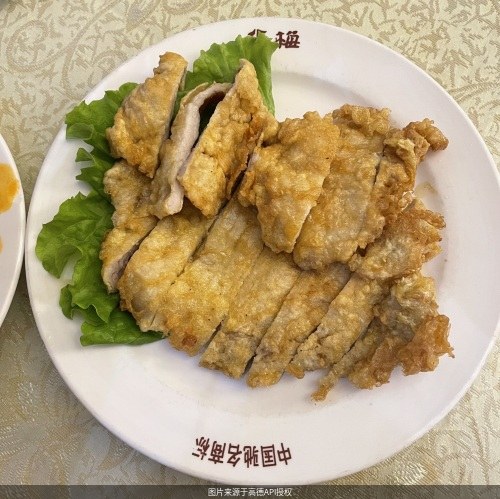
A Russian western restaurant founded in 1925, serving borscht, stewed beef and Madieer bread in a century-old…
A celebrated Russian restaurant with opulent decor and a romantic ambience, offering refined Russian dishes…
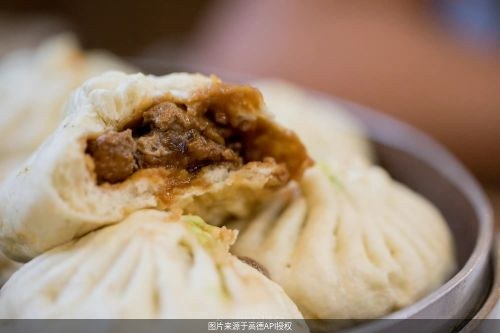
A century-old bun shop in old Daowai, famous for rib and tofu buns with thin skins and juicy fillings. Its…
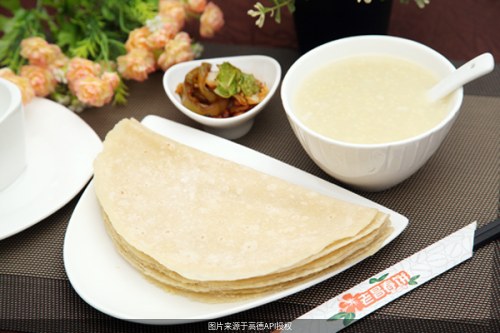
A well-known spring-pancake chain serving freshly griddled pancakes with shredded pork, potato and bean…
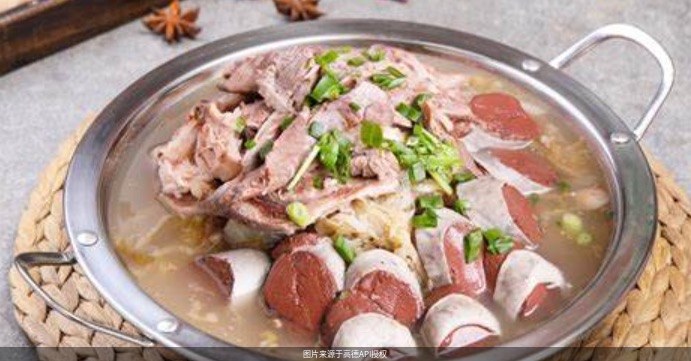
A signature restaurant for shazhucai, the Northeast New Year dish of pickled cabbage, pork and blood sausage.…
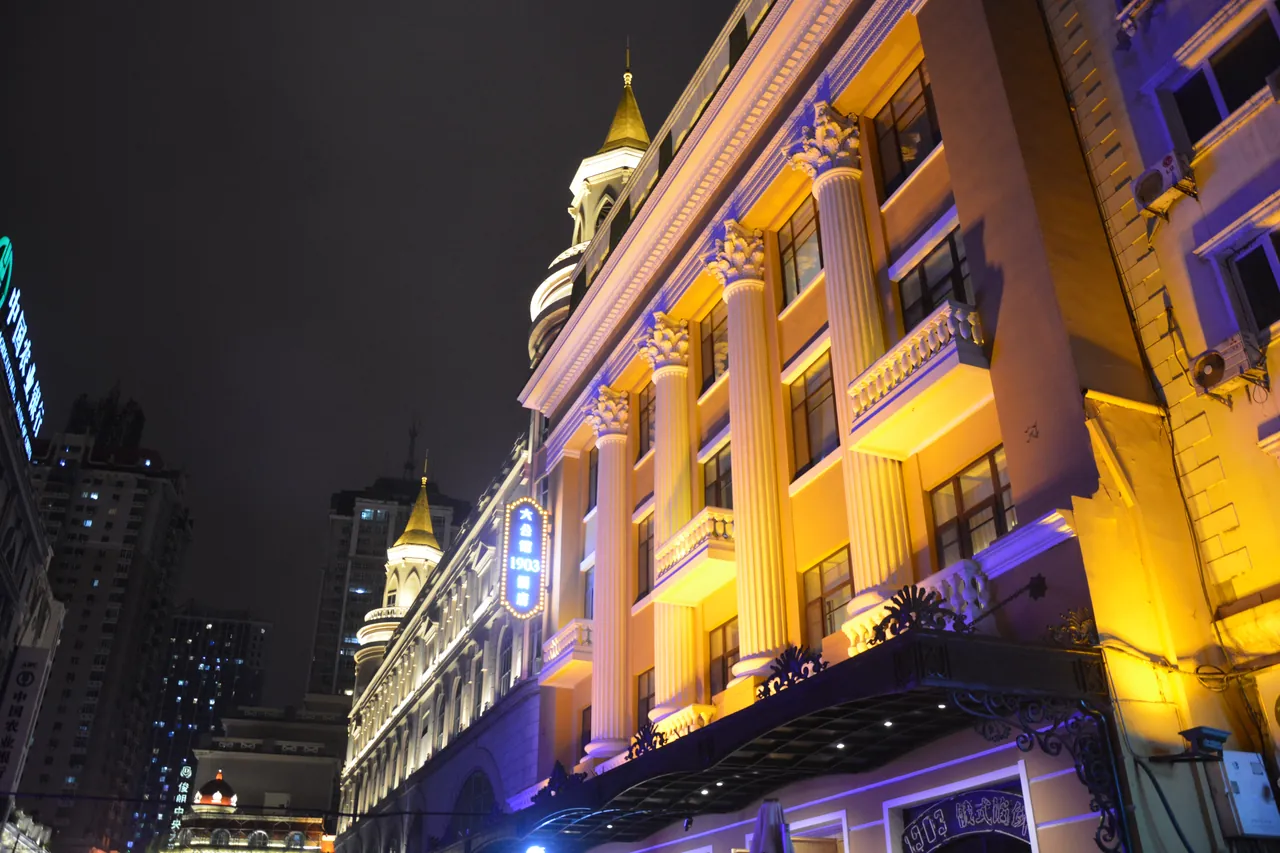
Ice palaces, slides and coloured lights, best after 5pm.
Lit facades, street musicians and Madier ice cream.
Regular symphony and Russian-repertoire concerts.
Grilled skewers and cold beer, indoors.
In winter the night is the main event — the ice city is only worth seeing after dark.
Listed sites and the crafts that made this city famous.
A 1907 Byzantine-revival Orthodox cathedral, now a architecture museum.
1.4 km of 1920s European facades over a stone-paved road.
One of China's largest Confucius temples, built in 1926.
Heilongjiang's modern opera form, mixing song and spoken drama.
A modern Heilongjiang opera combining folk song and spoken drama.
Carving and lighting ice blocks, a century-old Harbin craft.
Russian recipes adapted over a century.
Choral and orchestral traditions brought by émigrés.
Senior licensed guides with 10+ years in the field and fluent English — deep on history, culture and local life.

Experienced licensed guides with clear English — solid on city highlights, food and day-to-day logistics.

Licensed guides with workable English — a good-value choice for city days, transfers and standard commentary.
Chauffeur-driven by the day, plus airport and intercity transfers.
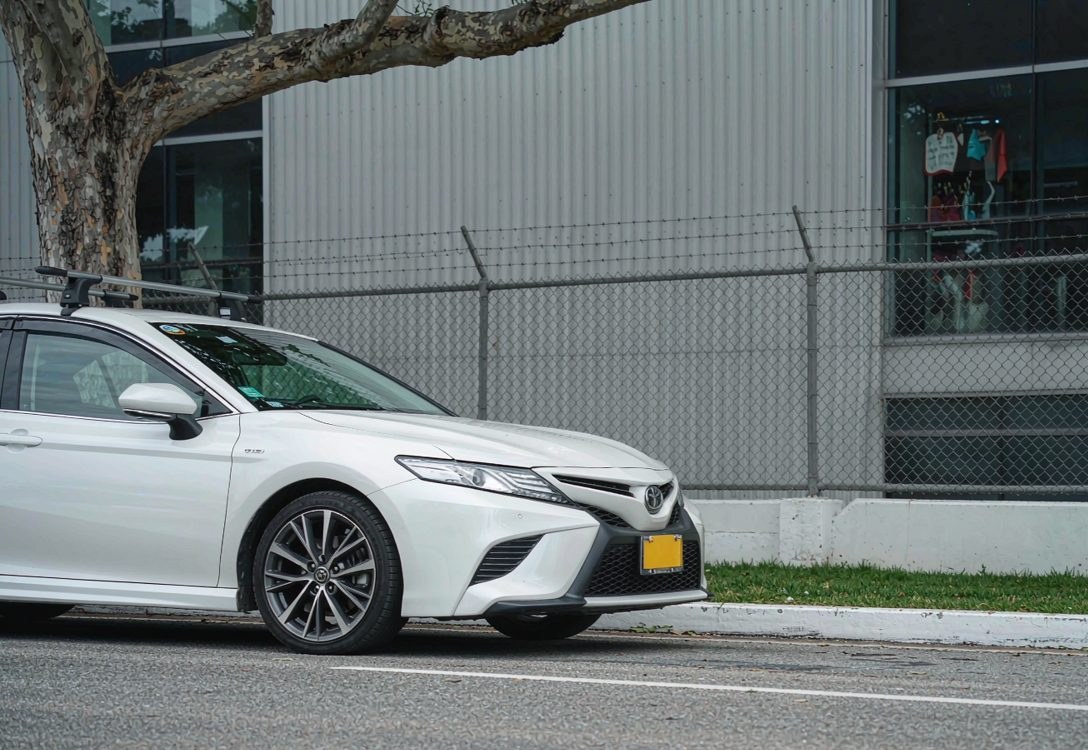
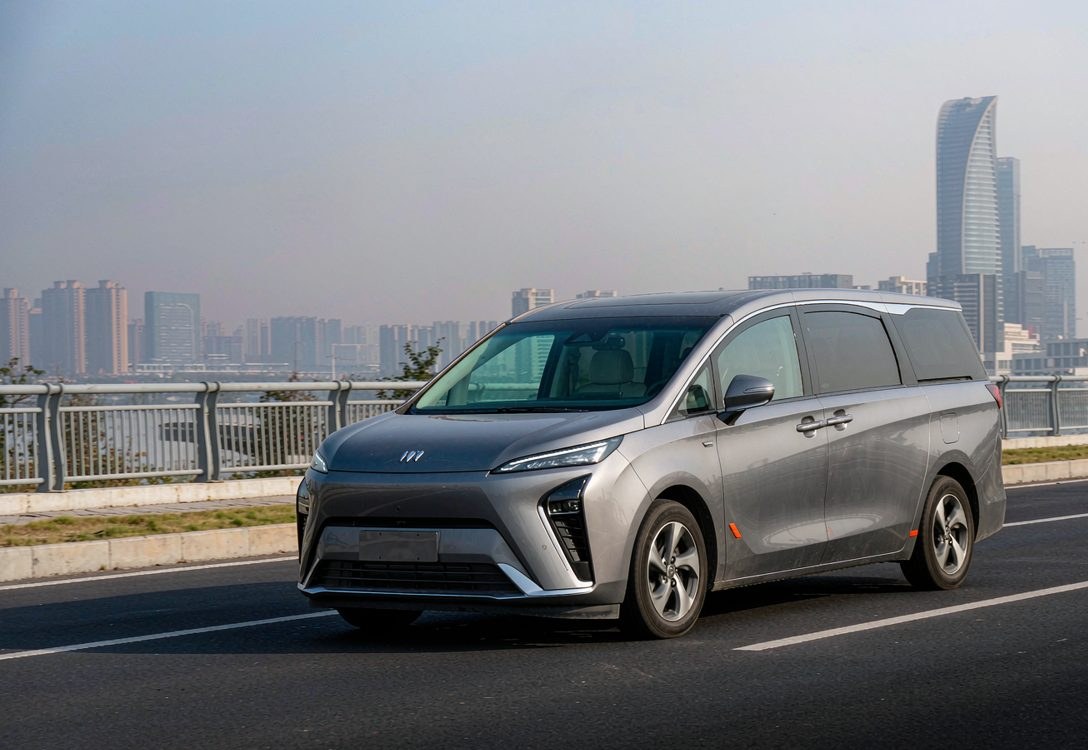
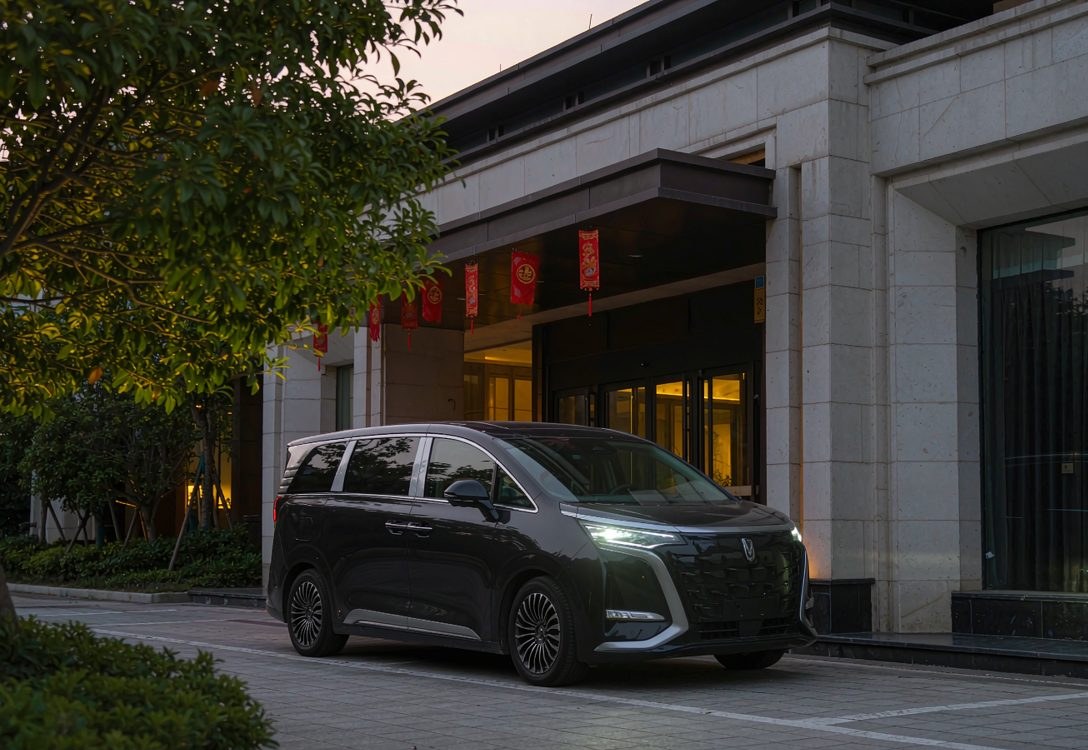
Private chauffeur-driven vehicles, priced per vehicle not per person. Airport transfer from $45; intercity transfer from $180.
Heilongjiang's main aviation hub with extensive domestic and international routes. Airport buses and transport links make it the key gateway to Harbin.
A central railway hub serving both high-speed and conventional trains, with a station building of European character. A main rail gateway to the city.
Harbin's high-speed rail hub, where Beijing-Harbin and Harbin-Dalian lines meet, with a grand station building. Linked to metro and buses, it is the main HSR gateway.
A passenger station in Daowai District serving conventional trains on key regional lines. A transport hub for the Sankeshu area.
A large mall in Haxi New District with full retail, dining and entertainment, next to the west rail station. A popular spot for shopping and transit-stop leisure.
A large shopping park near the convention center, mixing open-air blocks with indoor malls. A favored spot for leisure shopping in Nangang.
An open-air outlet town in Songbei with European architecture and discount stores. A pleasant destination for family shopping and brand hunting.

10 guides split by trip length: one-day city routes, three-day escapes and longer journeys, with stops, costs and transport in each.
Saint Sophia and Central Street in the morning, the Songhua riverbank after lunch, Sun I
Three DaysThree Days of Harbin Nature: River, Island, Snow Forest and Tiger ParkDay one Sun Island, the tiger park and the ice world, day two a high-speed-rail round tr
Multi-DayHarbin in Five Classic Days: Reading the Ice City in Any SeasonTwo days in town (cathedral, old streets, Daowai), one on the north bank (Sun Island, ti
Real routes, real travellers — a sense of what a trip looks like.
Most travellers spend 3 days here. Add a day for a side trip if you want a slower pace.
Spring and autumn are usually the most comfortable. Check the seasonal notes above before booking.
We arrange airport/rail transfers and private drivers. Tell us your arrival point and we plan the connection.
Send an enquiry and a human expert replies within 12 hours with a draft plan and real prices. Flexible rescheduling; clear cancellation terms in your quote.
2-day private itineraries in Harbin start from $590 per person, two travelling together. Your proposal itemises hotels, tickets, guide and car — no hidden fees.
Around -18 to -25°C, with windchill lower. Layered down, boots with grip and hand warmers are essential.
Usually late December to late February, depending on the ice. Check the opening date before booking flights.
Recent listed prices: Harbin Ice and Snow World ¥328; Saint Sophia Cathedral ¥20; Central Street free; Sun Island ¥30; Yabuli Ski Resort ¥300. Ticket prices change seasonally — we confirm them in your quote.