 TripMyChinaJOURNEYS THROUGH REAL CHINA✦ AI Trip✦ Plan My Trip
English
简体中文
繁體中文
日本語
한국어
ไทย
Tiếng Việt
Bahasa Indonesia
Italiano
Español
العربية
Русский
Deutsch
Français
Bahasa Malaysia
TripMyChinaJOURNEYS THROUGH REAL CHINA✦ AI Trip✦ Plan My TripStand face to face with the Terracotta Warriors, cycle the Ming city wall and eat through the Muslim Quarter — thirteen dynasties in one trip.
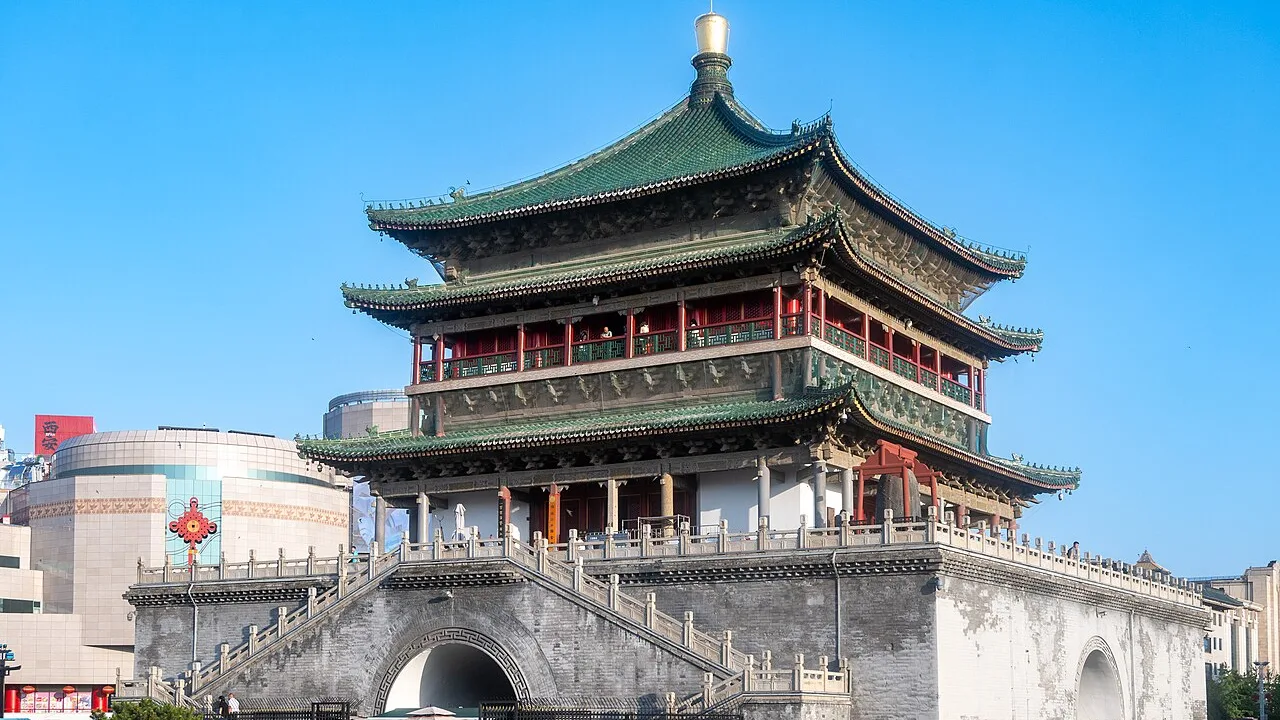
Xi'an, known as Chang'an in ancient times, is one of China's Four Great Ancient Capitals and the starting point of the Silk Road. With over 3,100 years of history and 1,100 years as a capital for 13 dynasties, it served as the political, economic, and cultural heart of ancient China. The city is home to the world-renowned Terracotta Army, a UNESCO World Heritage Site, and the remarkably preserved ancient city wall, offering a tangible link to China's imperial past.
Modern Xi'an is a vibrant metropolis that seamlessly blends its historical heritage with contemporary development. The city is divided into 11 districts and 2 counties, each with its own character. The Beilin District houses the iconic Bell and Drum Towers, while the Yanta District is home to the Big Wild Goose Pagoda and the bustling Qujiang New District. The ancient city wall encircles the core, with the moat and ring roads defining the urban layout.
Travelers to Xi'an can immerse themselves in a living history lesson. From exploring the Terracotta Army to cycling on the ancient city wall, from savoring local delicacies in the Muslim Quarter to experiencing the vibrant nightlife at the Great Tang All Day Mall, Xi'an offers a unique blend of ancient charm and modern energy. The city's warm hospitality and rich cultural tapestry ensure an unforgettable journey through China's imperial legacy.
Xi'an covers an area of 10,752 km² and has a population of approximately 13 million. It is divided into 11 districts and 2 counties. The city is renowned for the Terracotta Army, a UNESCO World Heritage Site, and its well-preserved ancient city wall, making it a top destination for history enthusiasts.
World-class, national and global recognition earned over the decades.
The Mausoleum of Qin Shi Huang and the Terracotta Army (1987), plus six Silk Road sites including the Giant Wild Goose Pagoda (2014).
Served as imperial capital for Zhou, Qin, Han, Sui and Tang — over 1,100 years, longer than any other Chinese city.
Wheat-based staples — biangbiang noodles, roujiamo and jiaozi — trace their lineage to the Guanzhong plain.
Named in the first batch of National Historical & Cultural Cities in 1982.
The Ming wall (1370s) runs 13.7 km around the old city — complete with moat, gates and watchtowers.
Discovered by farmers digging a well in 1974; over 8,000 figures have been excavated to date.

The moments that shaped the city — and the stories its people still tell.
Feng and Hao, twin capitals on the Feng River, made this the political centre of the Western Zhou.
Qin Shi Huang based his empire here at Xianyang, standardising script, currency and measures.
Liu Bang built Chang'an as the capital of the Western Han — the eastern end of the Silk Road.
The largest city on earth at the time — a grid of 108 wards, home to a million people and foreign traders from across Asia.
The Hongwu emperor's son built the present city wall, which still rings the old city.
A turning point in modern Chinese history, staged at the Huaqing hot springs east of the city.
Farmers digging a well uncovered the pits — now the city's defining attraction.
The city's bell and drum towers mark time for the old city; locals say the bell was moved to the Bell Tower so the two would not 'argue' across the street.
Biangbiang noodles are written with a 58-stroke character that exists only on shop signs — never in a standard dictionary.
Three paces, one city — every route built from places we actually operate.
Weather, crowds and the best months for what you want to see.
Mild and dry — the best season for the city wall and the Terracotta Army.
Clear, cool and golden — locals' favourite month for the old city.
Hot and dry; start at 8am and rest at midday.
Cold and quiet, with the fewest visitors at the Terracotta Army.
What this city is known for — the things worth planning your day around.
The places worth building a day around.
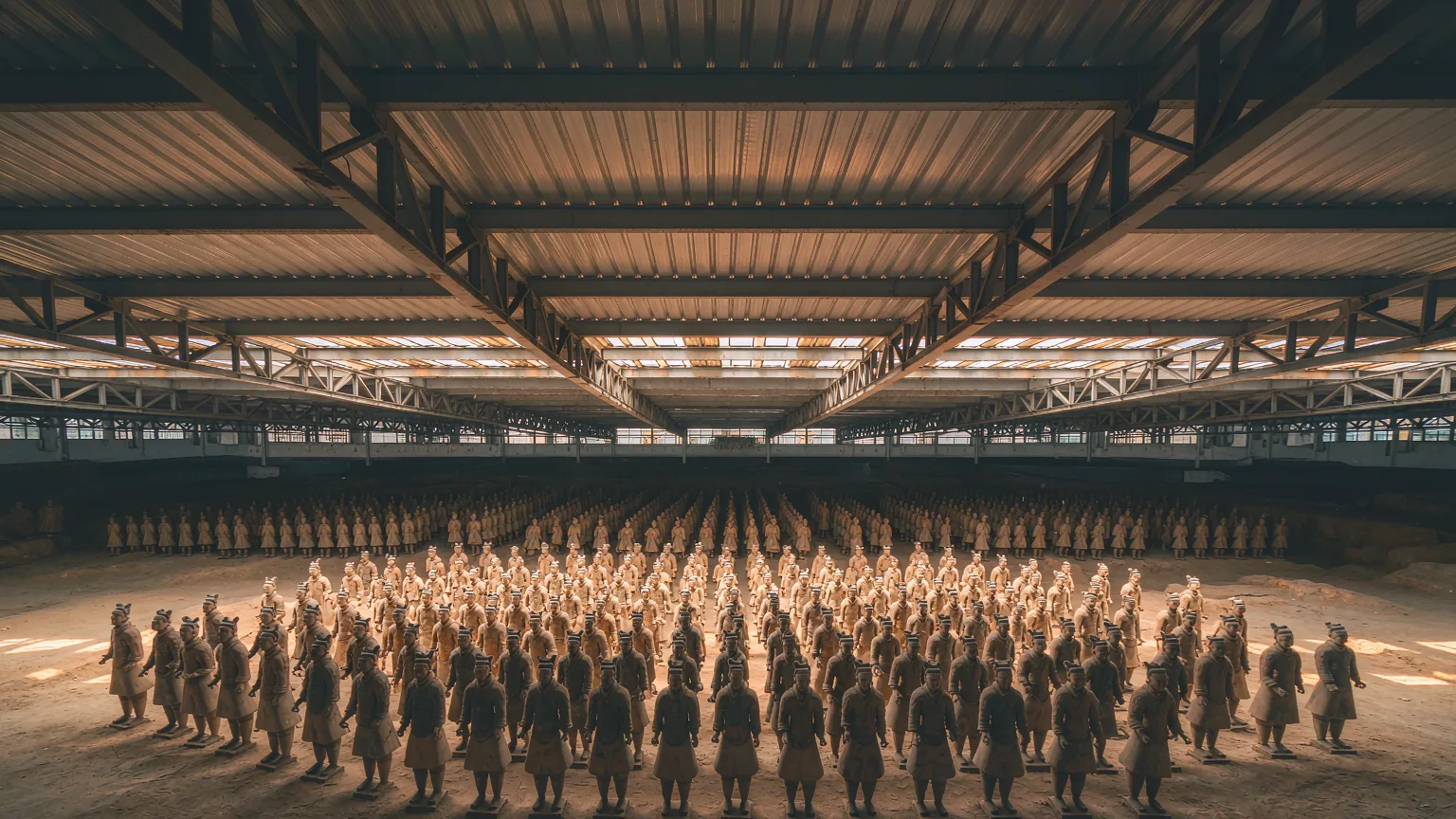
Eight thousand soldiers, standing in three pits under a hangar, 35 km east of Xi'an. They were made between 246 and 208 BC for the First Emperor, buri
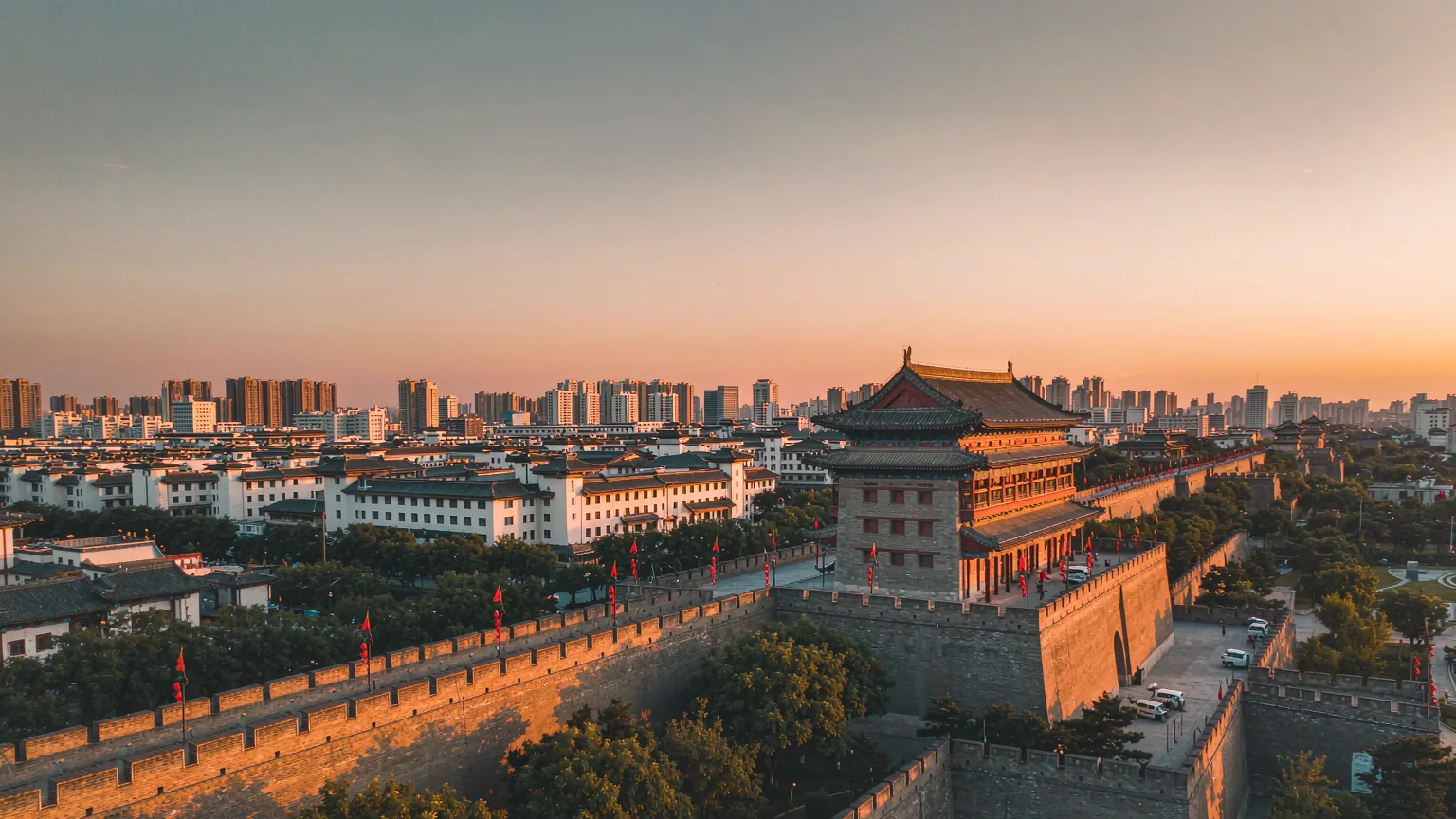
The city wall is 13.74 km around, 12 metres high, and 12 to 14 metres wide at the top. It is the most complete ancient city wall in China, and the bes
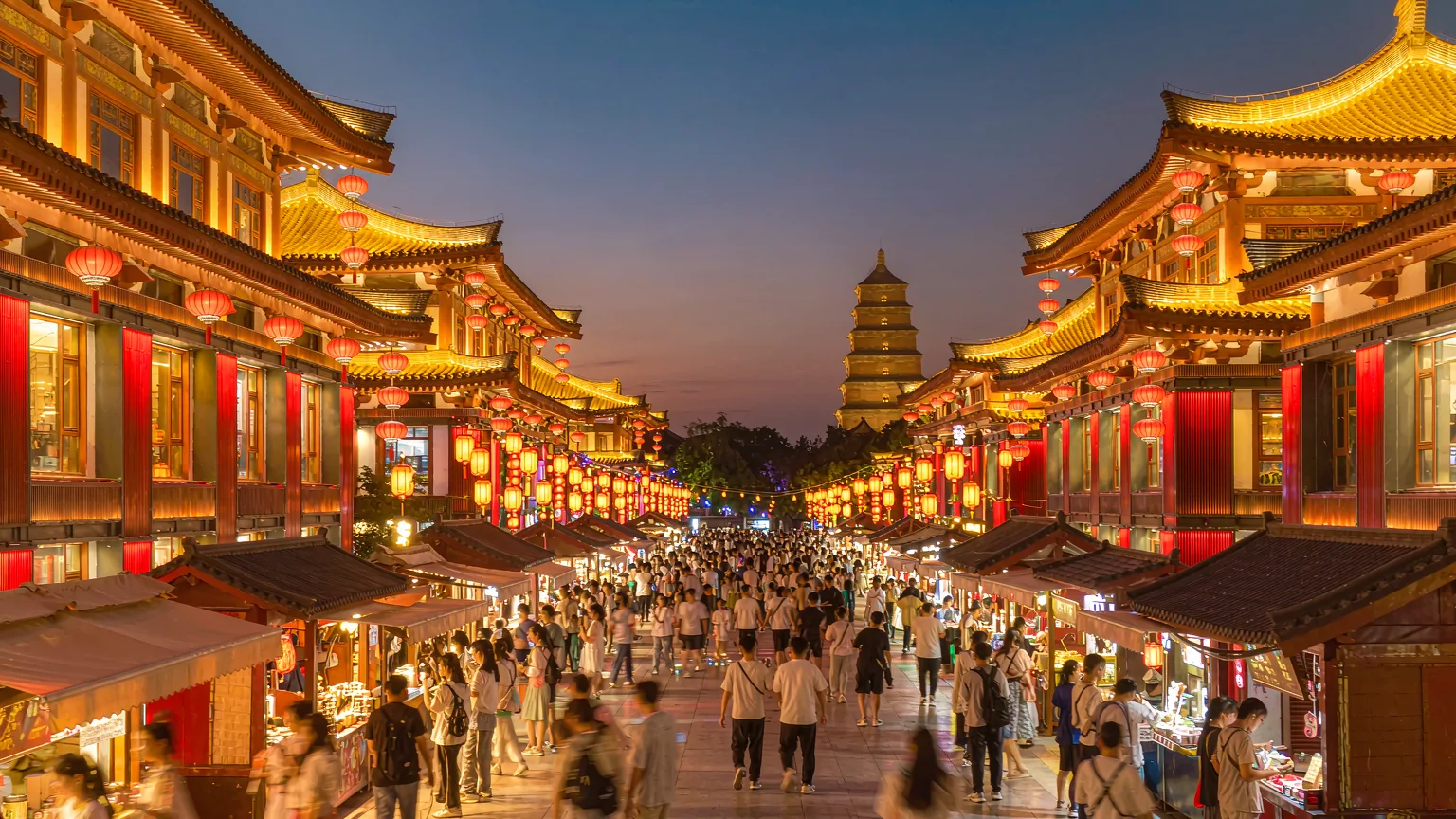
The Grand Tang Mall is a 1.5 km pedestrian avenue running north from the Giant Wild Goose Pagoda, lined with Tang-style buildings, sculpture groups an
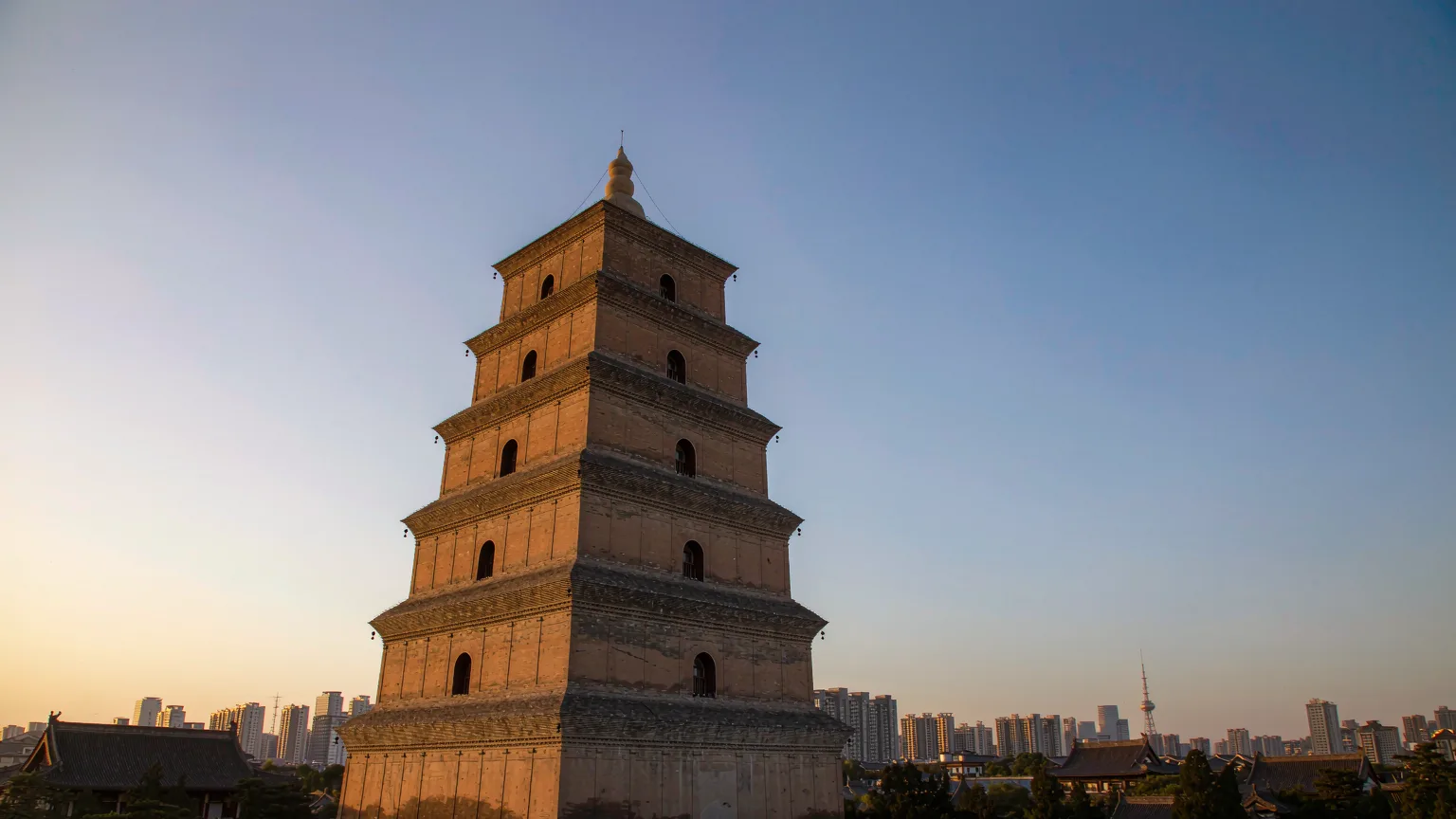
The Giant Wild Goose Pagoda was built in 652 to house the scriptures Xuanzang brought back from India. It is 64.5 metres tall, seven storeys, brick, a
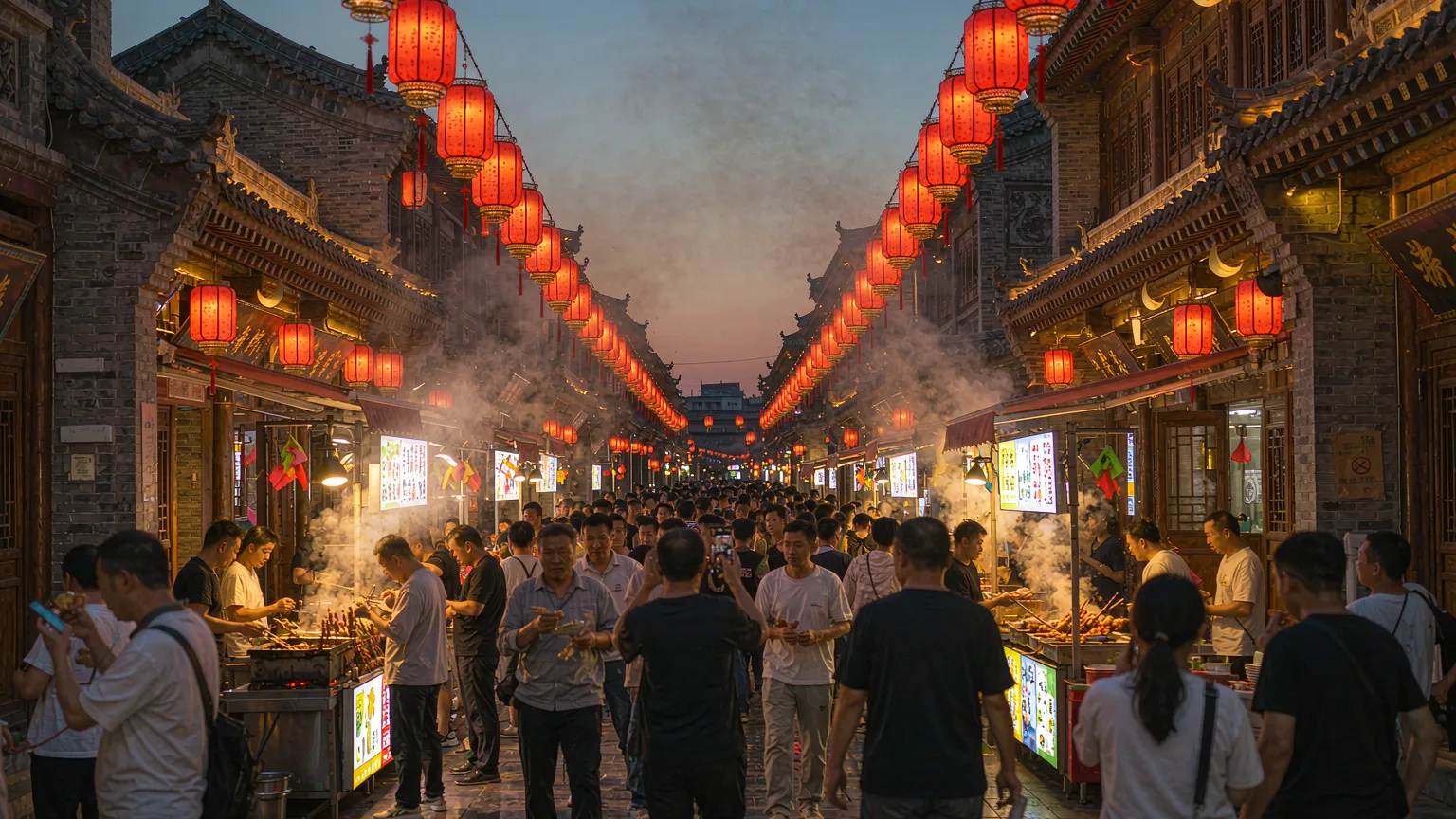
The Muslim Quarter is a dense grid of lanes behind the Drum Tower, home to a Hui community that has lived here since the Tang, and now also the busies
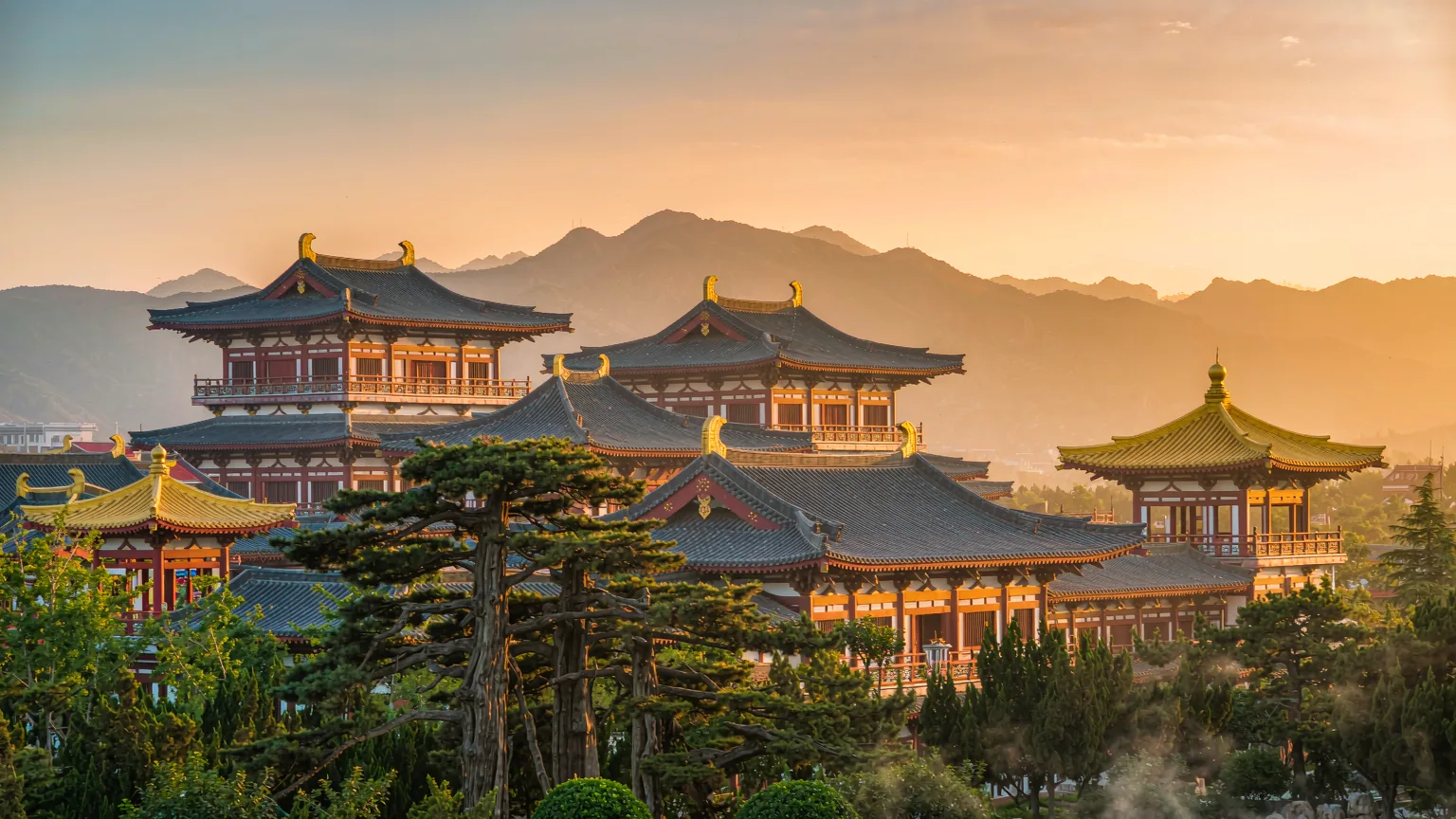
Huaqing Palace is a Tang imperial baths complex at the foot of Mount Li, rebuilt in the Qing on Tang foundations, and famous for two things: the love
A little further out, for a spare half-day.
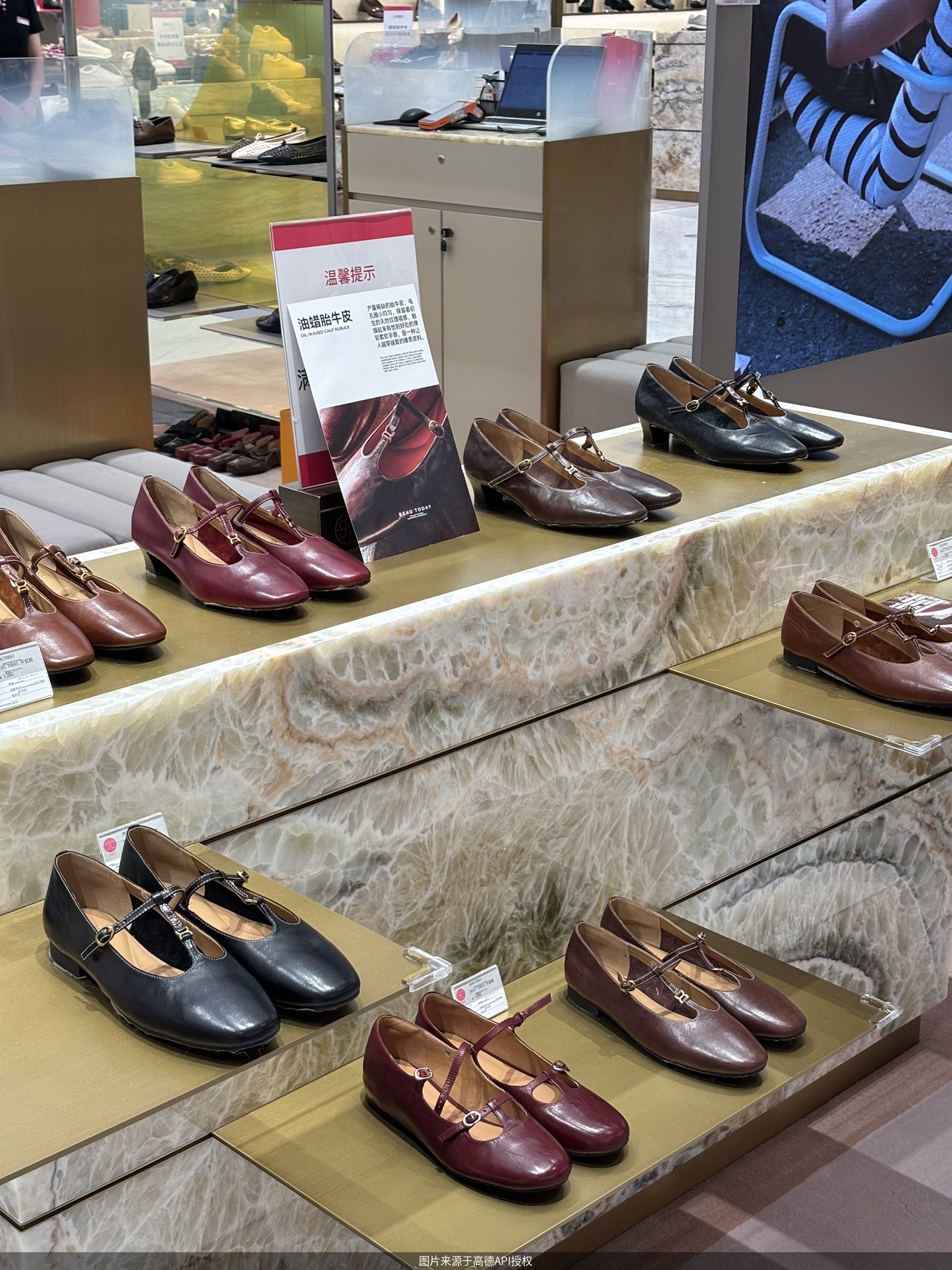
Xi'an's high-end mall with luxury brands.
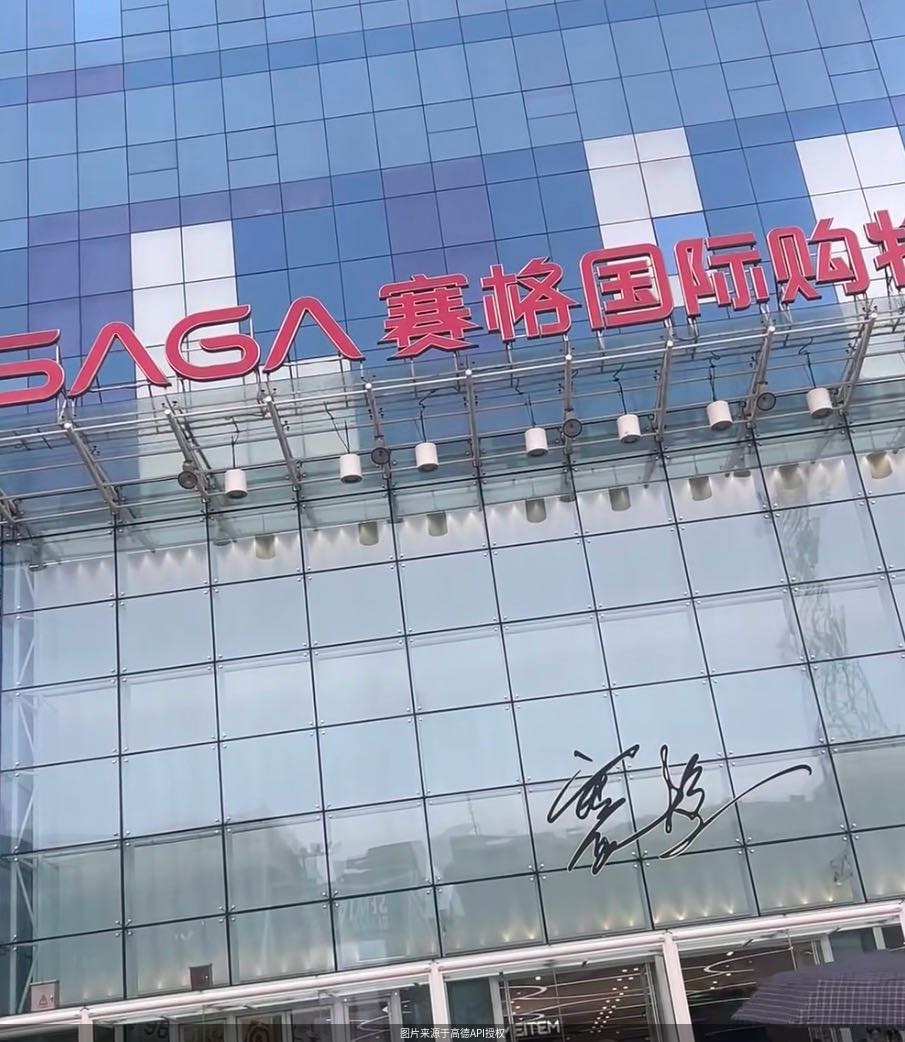
A giant mall in the Xiaozhai area with comprehensive brands.
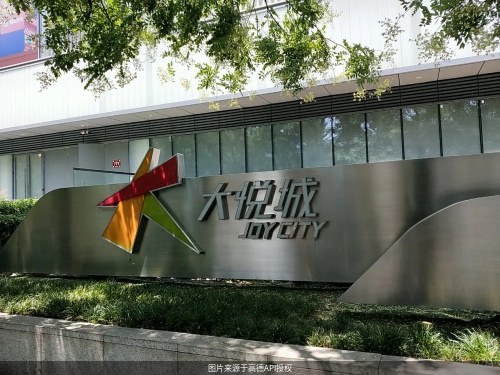
A popular mall in Qujiang with rich dining and entertainment.
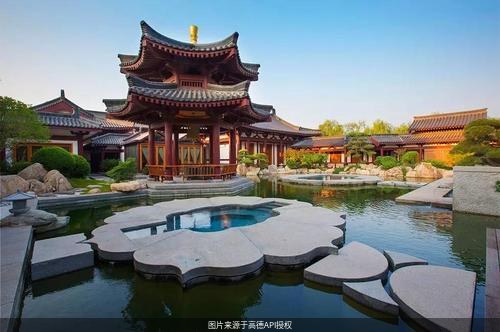
The Mount Li hot spring where Yang Guifei bathed, with royal pools to enjoy.
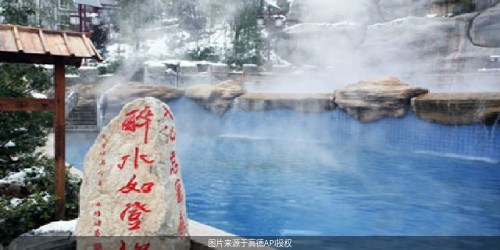
A hot-spring resort in Lantian for soaking and wellness.
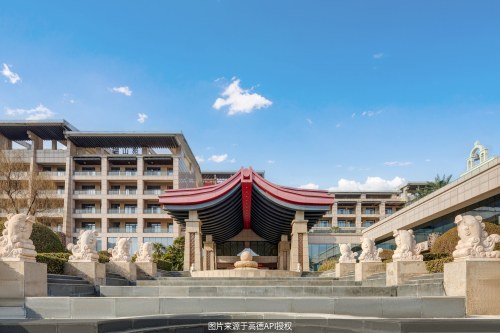
A hot-spring resort in Lintong near the Terracotta Army.
Museums, galleries and workshops still keeping old crafts alive.
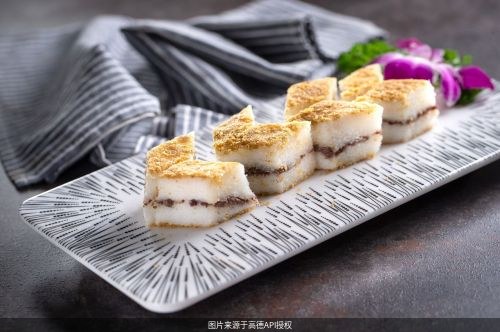
A heritage paomo restaurant preserving century-old craft.
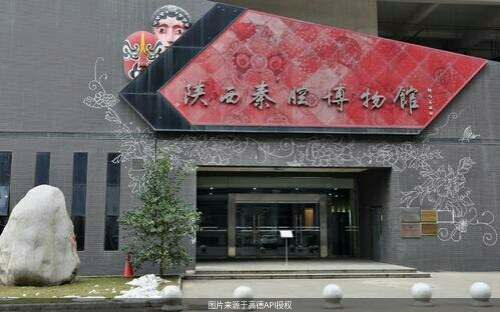
A museum of Qinqiang history, costumes and masks.
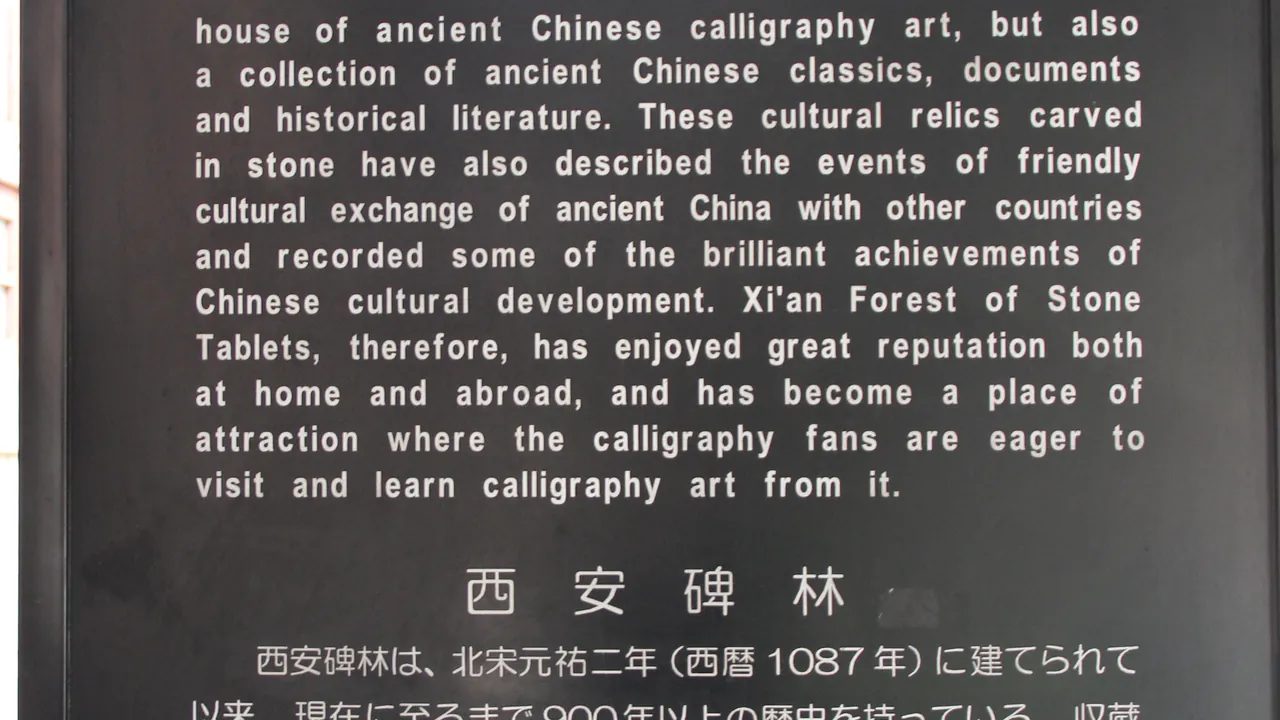
A forest of stone steles carved with calligraphy from the Han to the Qing — holy ground of Chinese writing.
What is on stage after dark.
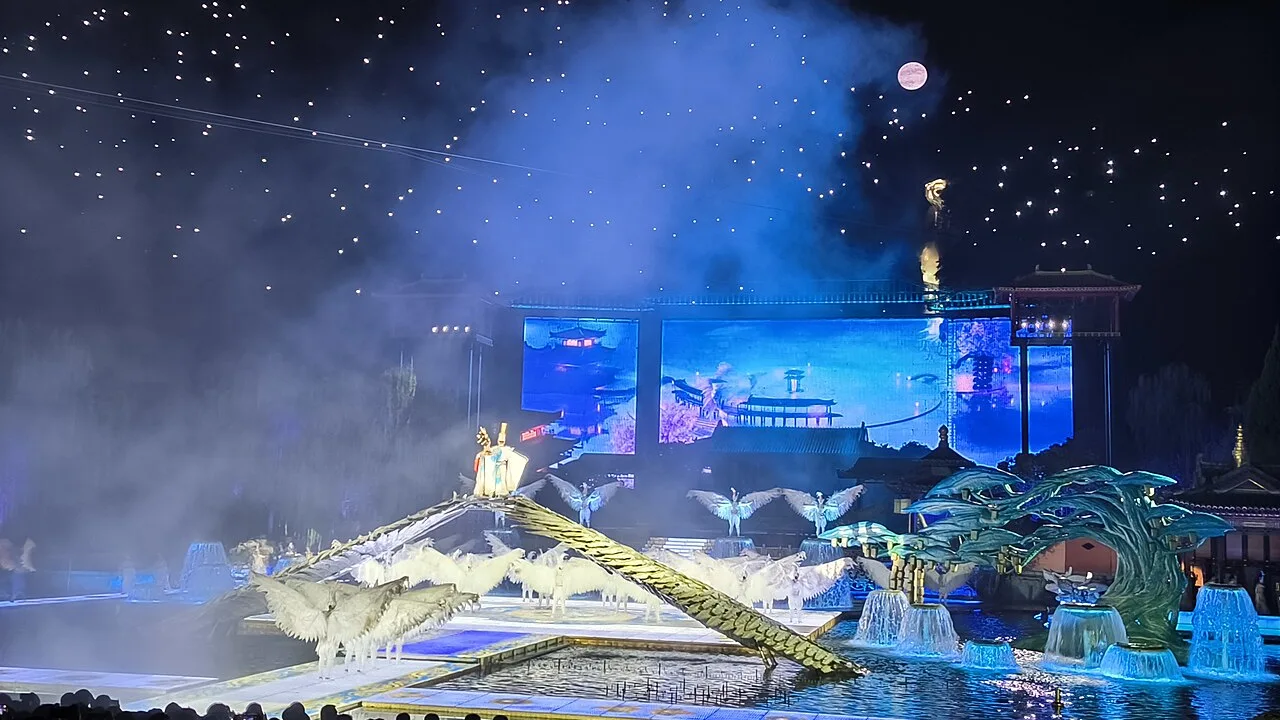
A spectacular open-air show at Huaqing Palace re-enacting the Tang love story.
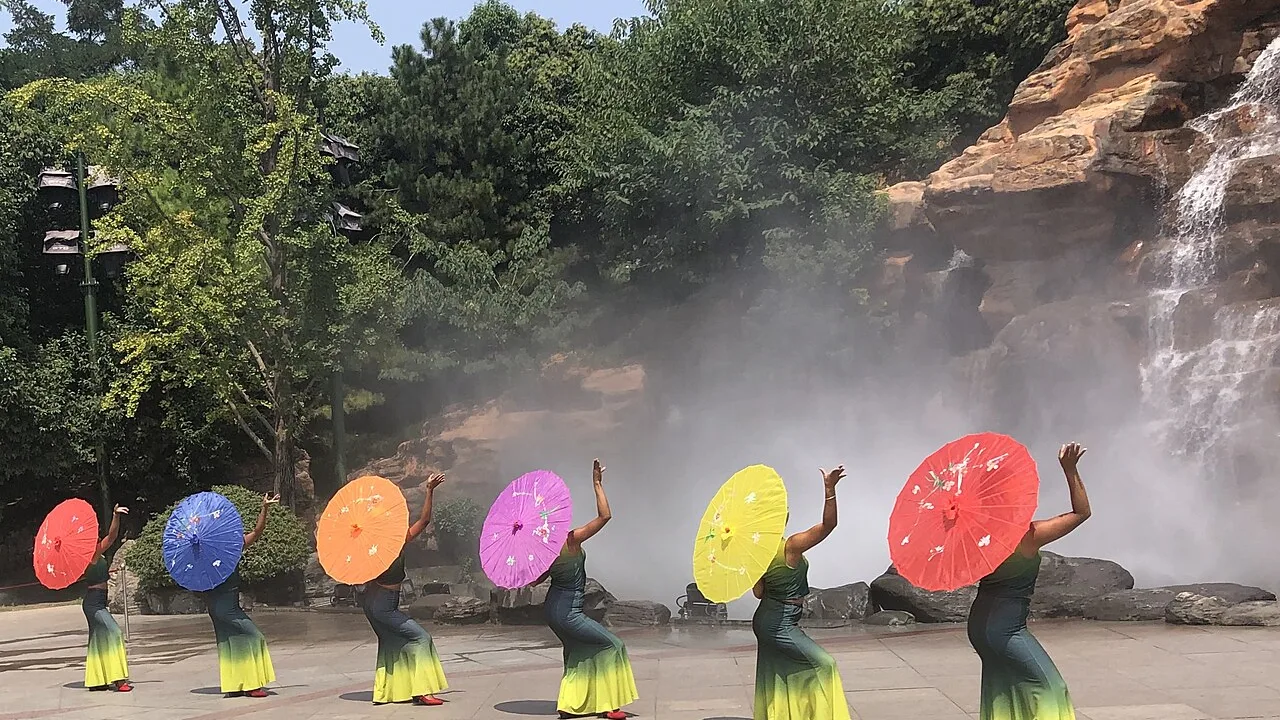
A grand Tang-themed song and dance show inside Tang Paradise.
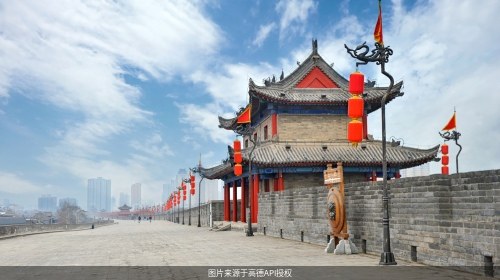
A grand Tang-style welcome ceremony at the South Gate city wall.
Where the whole street eats — the city's most famous food streets, each with its own guide page.
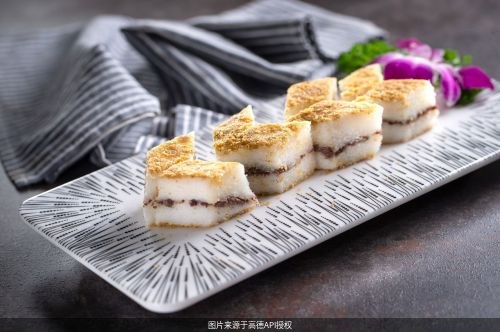
A time-honoured paomo restaurant with heritage craft and authentic flavour.
A signature roujiamo shop with rich braised meat in crisp, soft buns.
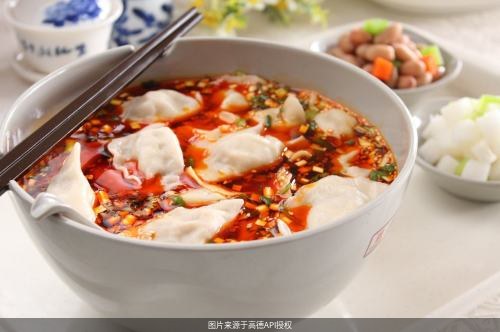
A chain brand of cold noodles, tangy and refreshing, a local favourite.
A famous dumpling banquet house with a dazzling variety of dumplings.
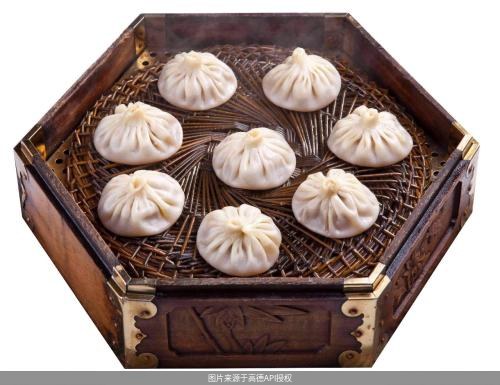
A veteran soup-dumpling shop in the Muslim Quarter with thin skins and juicy fillings.
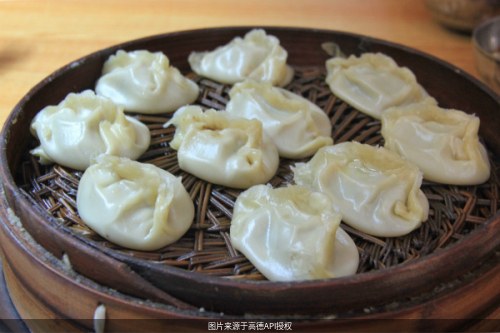
Steamed dumplings rich in broth, thin-skinned and savoury.
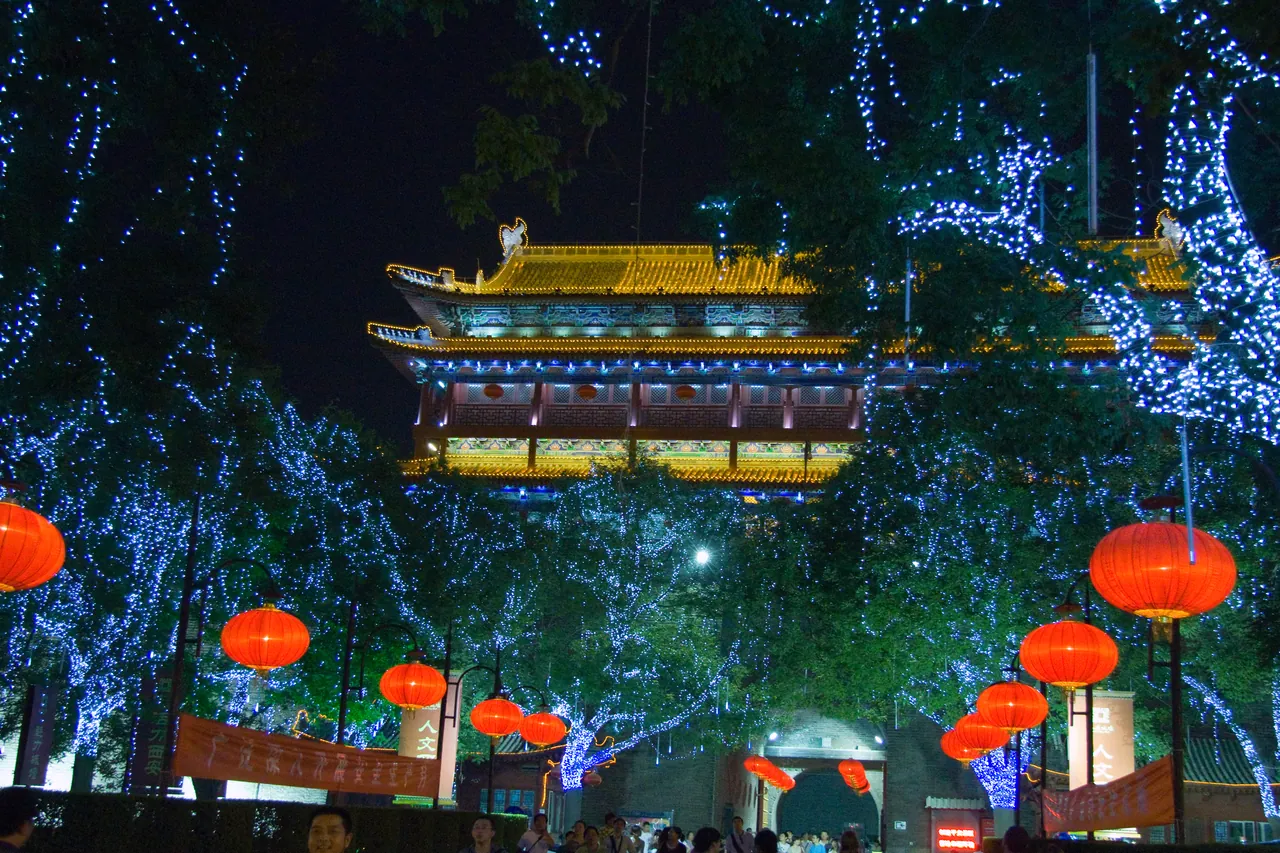
A Tang-themed pedestrian avenue of lights, street performances and snacks below the Big Goose Pagoda.
The wall stays open late and is floodlit — the quietest and most atmospheric way to see it.
Grilled skewers, persimmon cakes and lamb paomo until late.
Nightly palace-style performance near the Big Goose Pagoda.
The old city lights up early — the wall, the towers and the Tang-style street shows all run after dark.
Listed sites and the crafts that made this city famous.
The first emperor's tomb complex, guarded by 8,000 life-size terracotta soldiers — listed in 1987.
Built in 652 to house the sutras Xuanzang brought back from India — a Silk Road World Heritage site (2014).
The Tang imperial palace, five times the size of the Forbidden City — part of the Silk Road listing.
The tomb pagoda of Xuanzang, the monk who walked to India and back.
The oldest of China's opera forms, sung in Shaanxi dialect with a raw, powerful voice — national intangible heritage.
A thousand-year-old ensemble tradition preserved in Buddhist temples — UNESCO intangible heritage (2009).
Leather puppets with intricate carving, performed behind a lit cloth screen.
Hand-pulled wide noodles slapped on the counter — the sound gives the dish its name.
Senior licensed guides with 10+ years in the field and fluent English — deep on history, culture and local life.

Experienced licensed guides with clear English — solid on city highlights, food and day-to-day logistics.
Licensed guides with workable English — a good-value choice for city days, transfers and standard commentary.
Chauffeur-driven by the day, plus airport and intercity transfers.



Private chauffeur-driven vehicles, priced per vehicle not per person. Airport transfer from $45; intercity transfer from $180.
A core metro hub on Line 2.
Xi'an's traditional railway station serving conventional trains.
A coach hub in east Xi'an.
Xi'an's main international airport and air gateway for inbound visitors.
Xi'an's high-end mall with luxury brands.
A giant mall in the Xiaozhai area with comprehensive brands.
A popular mall in Qujiang with rich dining and entertainment.

10 guides split by trip length: one-day city routes, three-day escapes and longer journeys, with stops, costs and transport in each.
Hit the Terracotta Army at opening, fold in Huaqing Palace on the way back, and end the
Three DaysXi'an in Three Days: One Day Each for Zhou, Qin, Han and TangDay one for the warriors and the wall, day two for the history museum and the pagoda, da
Multi-DayFive Days in Xi'an: The Full Span from Qin Warriors to Tang TombsThe classic three days plus wings to Huashan and the Famen-Qianling line, with a Lintong
Real routes, real travellers — a sense of what a trip looks like.
8 days · Beijing + Xi'an · "Standing in front of Pit 1 with a historian who could name every general."
5 days · Silk Road start · "The wall at sunset on a bicycle — the best two hours of the trip."
6 days · Xi'an food trail · "Biangbiang noodles made in front of us, then the terracotta army the next day."
Most travellers spend 3 days here. Add a day for a side trip if you want a slower pace.
Spring and autumn are usually the most comfortable. Check the seasonal notes above before booking.
We arrange airport/rail transfers and private drivers. Tell us your arrival point and we plan the connection.
Send an enquiry and a human expert replies within 12 hours with a draft plan and real prices. Flexible rescheduling; clear cancellation terms in your quote.
2-day private itineraries in Xi'an start from $540 per person, two travelling together. Your proposal itemises hotels, tickets, guide and car — no hidden fees.
About 40 km east. A private car takes 50 minutes; the tourist bus line 5 (306) leaves from the railway station and takes about an hour.
13.7 km, about 1.5–2 hours at a relaxed pace. Bikes are rented at the top of the South Gate and several other gates.
The main street is; the lanes behind it — Dapiyuan, Sajinqiao — are where local families actually eat.
Recent listed prices: Terracotta Army ¥120; Xi'an City Wall ¥54; Grand Tang Mall free; Giant Wild Goose Pagoda ¥50; Muslim Quarter free. Ticket prices change seasonally — we confirm them in your quote.