 TripMyChinaJOURNEYS THROUGH REAL CHINA✦ AI Trip✦ Plan My Trip
English
简体中文
繁體中文
日本語
한국어
ไทย
Tiếng Việt
Bahasa Indonesia
Italiano
Español
العربية
Русский
Deutsch
Français
Bahasa Malaysia
TripMyChinaJOURNEYS THROUGH REAL CHINA✦ AI Trip✦ Plan My TripGiant pandas at opening hour, teahouse culture, temple lanes and a proper mapo tofu lunch — Chengdu's easy pace, done properly.
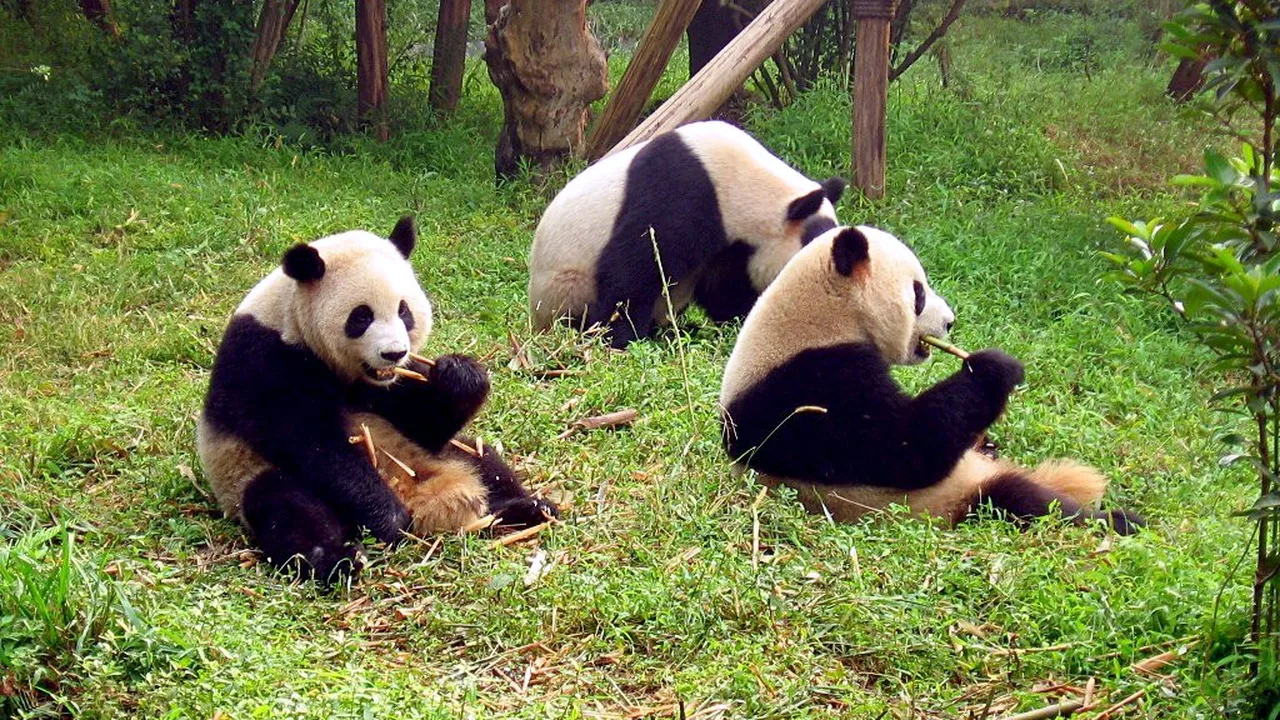
Chengdu is Sichuan's capital and the slow-living heart of southwest China — a city where tea, pandas and mouth-numbing hotpot set the pace. It has been a cultural and trade hub on the Chengdu Plain for over 3,000 years, and today it is best known to travellers for three things: the Chengdu Research Base of Giant Panda Breeding, its teahouse lifestyle, and one of the most celebrated food scenes in the country.
The charm of Chengdu is in its rhythm. Mornings start early at the panda base, when the bears are awake and feeding, before the crowds arrive. Afternoons belong to the city's teahouses — bamboo chairs, jasmine tea and unhurried conversation under wutong trees. Evenings are for Sichuan opera, hotpot, and street snacks that run from mapo tofu to dan dan noodles.
As a gateway to Sichuan and beyond, Chengdu is also the natural base for day trips to Leshan's Giant Buddha, Mount Qingcheng, Dujiangyan and the UNESCO-listed landscapes of Jiuzhaigou and Mount Emei. Most travellers spend three to five days here, often as the opening or closing chapter of a longer China journey.
Greater Chengdu covers 14,335 square kilometers on the western Chengdu Plain and is home to about 21 million people. With more than 2,300 years of recorded history — and a city name and site that have never changed — it administers 12 districts, 5 county-level cities and 3 counties, blending an ancient capital's heritage with one of China's fastest-growing metropolitan economies.
World-class, national and global recognition earned over the decades.
The first city in Asia to join the UNESCO Creative Cities Network for gastronomy (2010).
Named a World Excellent Tourist Destination City by the World Centre of Excellence for Destinations (CED) — the first in Asia (2009).
Host of the 2013 Fortune Global Forum — the premier gathering of global business leaders, a milestone in Chengdu’s rise as an economic hub.
Host of the 2025 World Games and the 31st Summer World University Games (staged in 2023) — the first western Chinese city to host world-class multi-sport events.
Named in China’s first batch of National Historical & Cultural Cities by the State Council (1982).
Jointly named by China’s national tourism authority and the UN World Tourism Organization (2007).
Capital of the Shu Han and later dynasties — an unbroken 2,300-year urban history.

The moments that shaped the city — and the stories its people still tell.
The cradle of the mysterious Shu civilisation — five legendary kings (Cancong, Boguan, Yufu, Duyu, Kaiming) ruled the Chengdu Plain before recorded history.
The Qin general Zhang Ruo built the twin "greater & lesser" walled cities, marking the founding of Chengdu as a city.
Governor Li Bing tamed the Min River with the Dujiangyan irrigation system — still in use today — turning the plain into the fertile "Land of Abundance".
Chengdu grew famous for Shu brocade, earning its nickname "Jinguan" (Brocade City); it was already a major commercial hub on the Southern Silk Road.
Liu Bei founded the Shu Han kingdom with Chengdu as its capital — the Three Kingdoms era that still shapes Chengdu’s culture and street names.
The great poet Du Fu lived here in a thatched cottage, writing some of Chinese literature’s most beloved verses about Chengdu.
King Duyu ("Wang Di") ceded his throne to minister Bieling for taming the floods, then retired to the western hills. After his death he turned into a cuckoo that cries "better to return" each spring — the origin of the azalea, Chengdu’s city flower (called 杜鹃 “dujuan” in Chinese).
Li Bing harnessed the Min River with three wonders — the fish-mouth water divider, the Baopingkou channel and the Feishayan spillway — a feat of 2,000-year-old engineering that still irrigates the plain.
Excavated at the Jinsha site, a 94%-gold foil disc shows a rotating sun ringed by four flying birds — the ancient Shu people’s sun worship, now the emblem of Chengdu.
The only temple in China honouring two kings together — Wang Di (Duyu) and Cong Di (Bieling) — standing by the Min River where the legend of the two Shu kings is still celebrated.
Three paces, one city — every route built from places we actually operate.
Weather, crowds and the best months for what you want to see.
Mild, damp and often overcast; blossoms and tea terraces green up. Crowds are moderate, and it is prime time for panda visits and leisurely teahouse afternoons.
Hot and humid with frequent rain and gray skies; locals retreat to shaded teahouses and evening streets. Expect the heaviest crowds and plan panda visits at opening time.
Cool, clear and comfortable after the summer rains; the best stretch for walking temple lanes and parks. Crowds are moderate, though the National Day holiday brings a sharp spike.
Chilly, damp and gray with little sun; indoor teahouses and hotpot feel coziest. Crowds thin outside holidays, making it a quiet time for museums and panda visits.
What this city is known for — the things worth planning your day around.
The places worth building a day around.
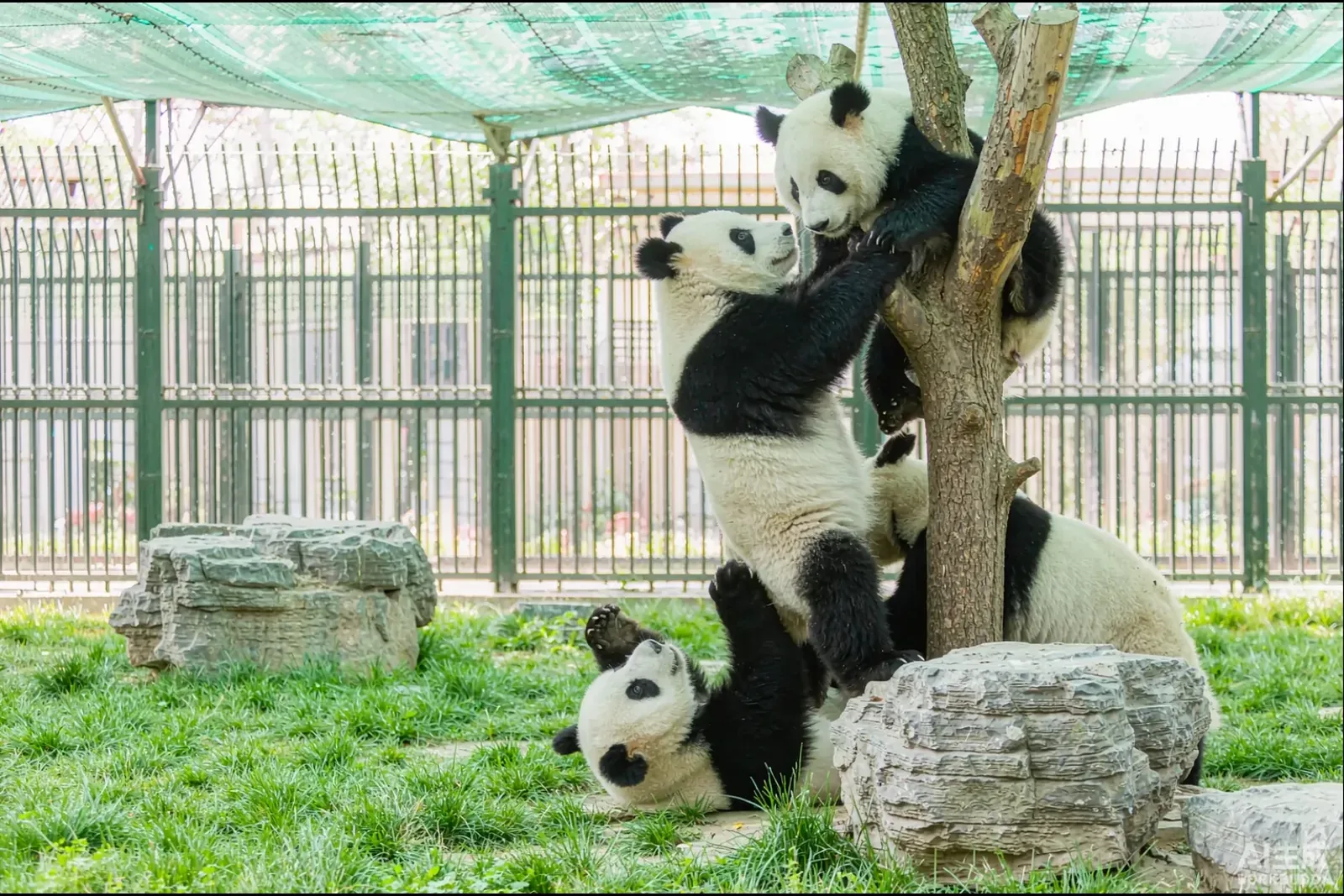
The Chengdu Research Base of Giant Panda Breeding holds around 200 pandas across 357 hectares, and it opens at 7:30. That opening time is the whole vi
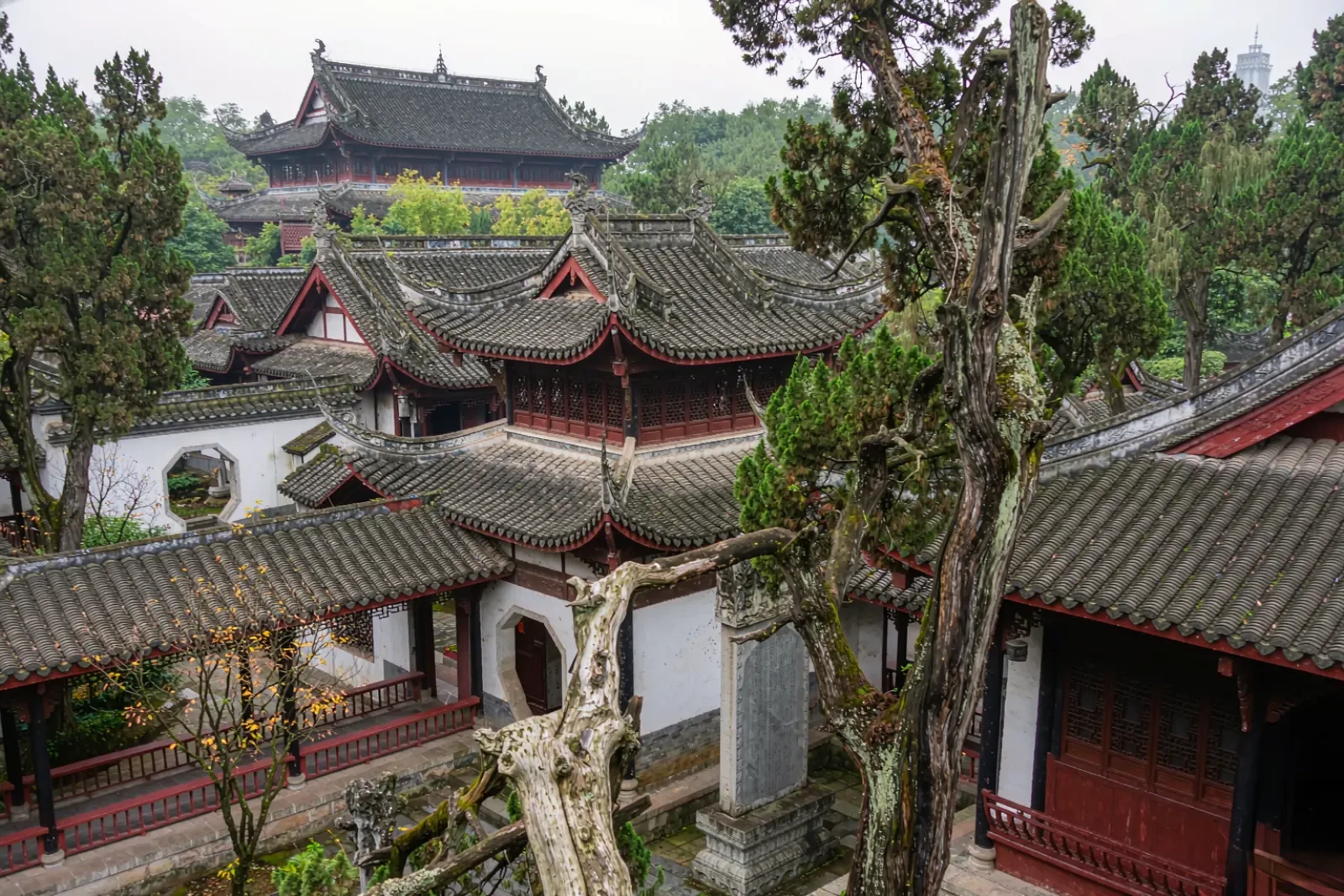
Wuhou Shrine is a memorial to Zhuge Liang, the 3rd-century strategist, built beside the tomb of the warlord Liu Bei. The buildings are Qing, the trees
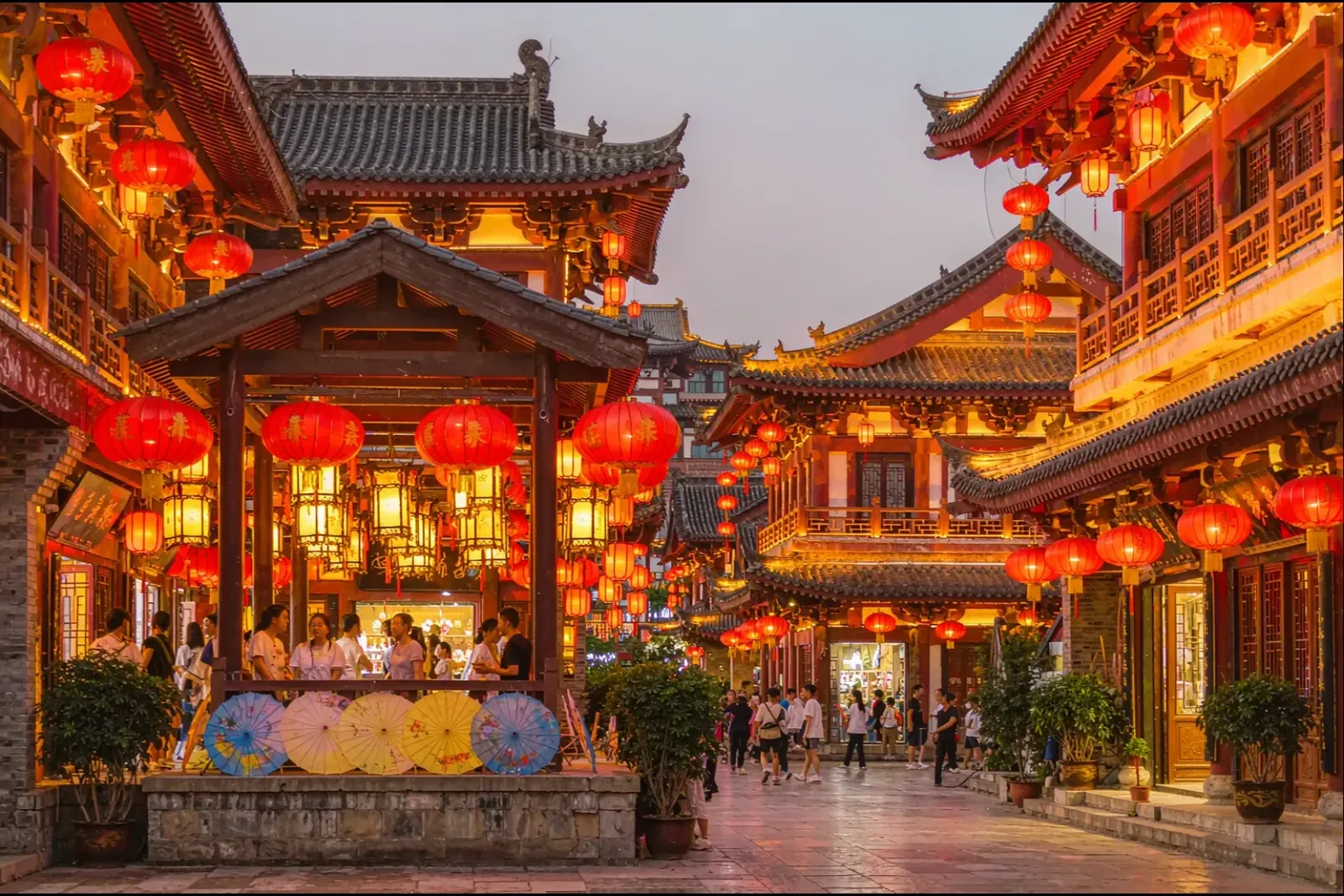
Jinli is a 350-metre reconstructed street of Qing-style buildings beside Wuhou Shrine, opened in 2004. It is entirely new, entirely commercial, and it
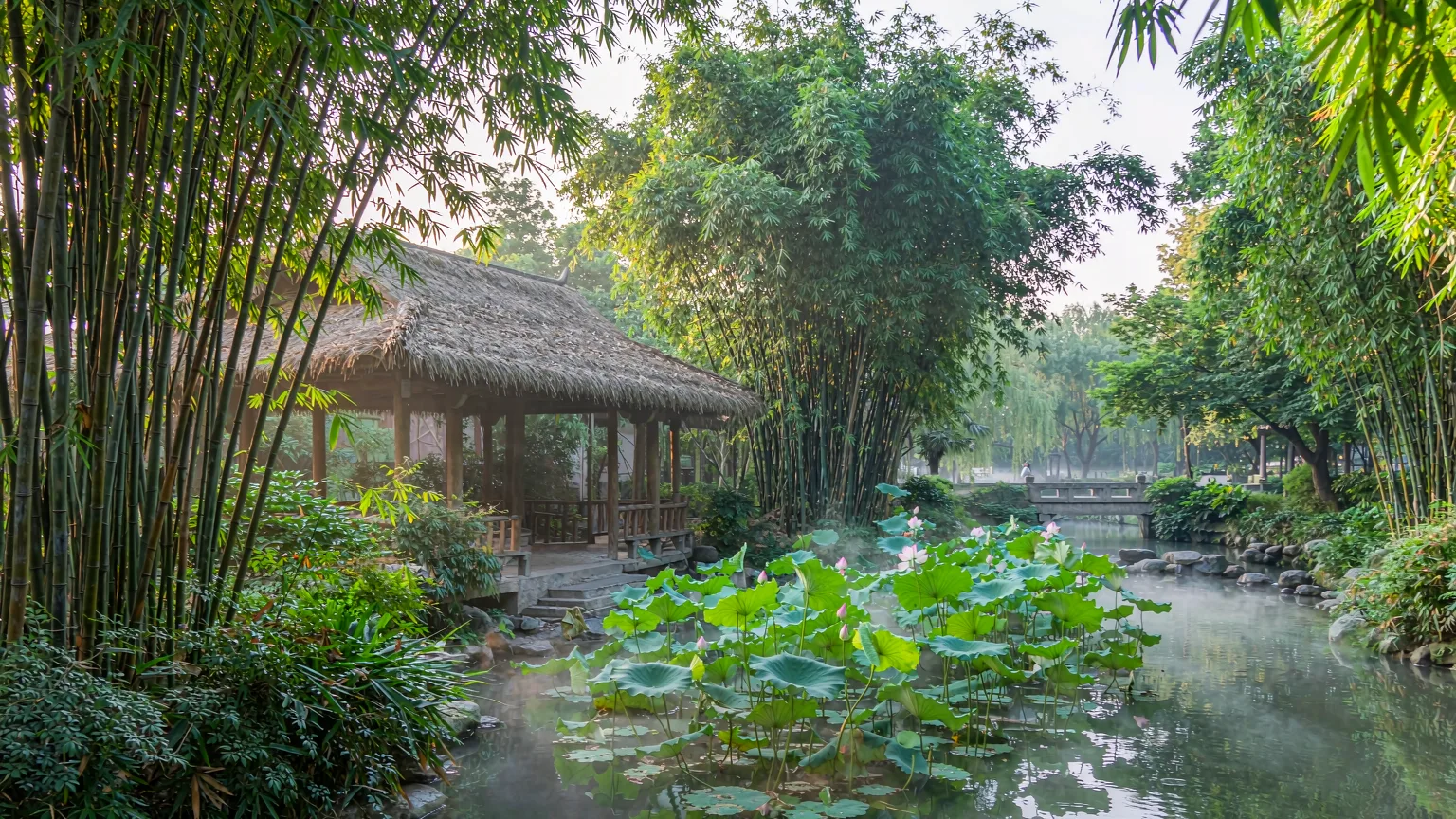
Du Fu lived here for three years and nine months, from 759 to 762, and wrote about 240 poems in that time. The thatched cottage he built is gone; the
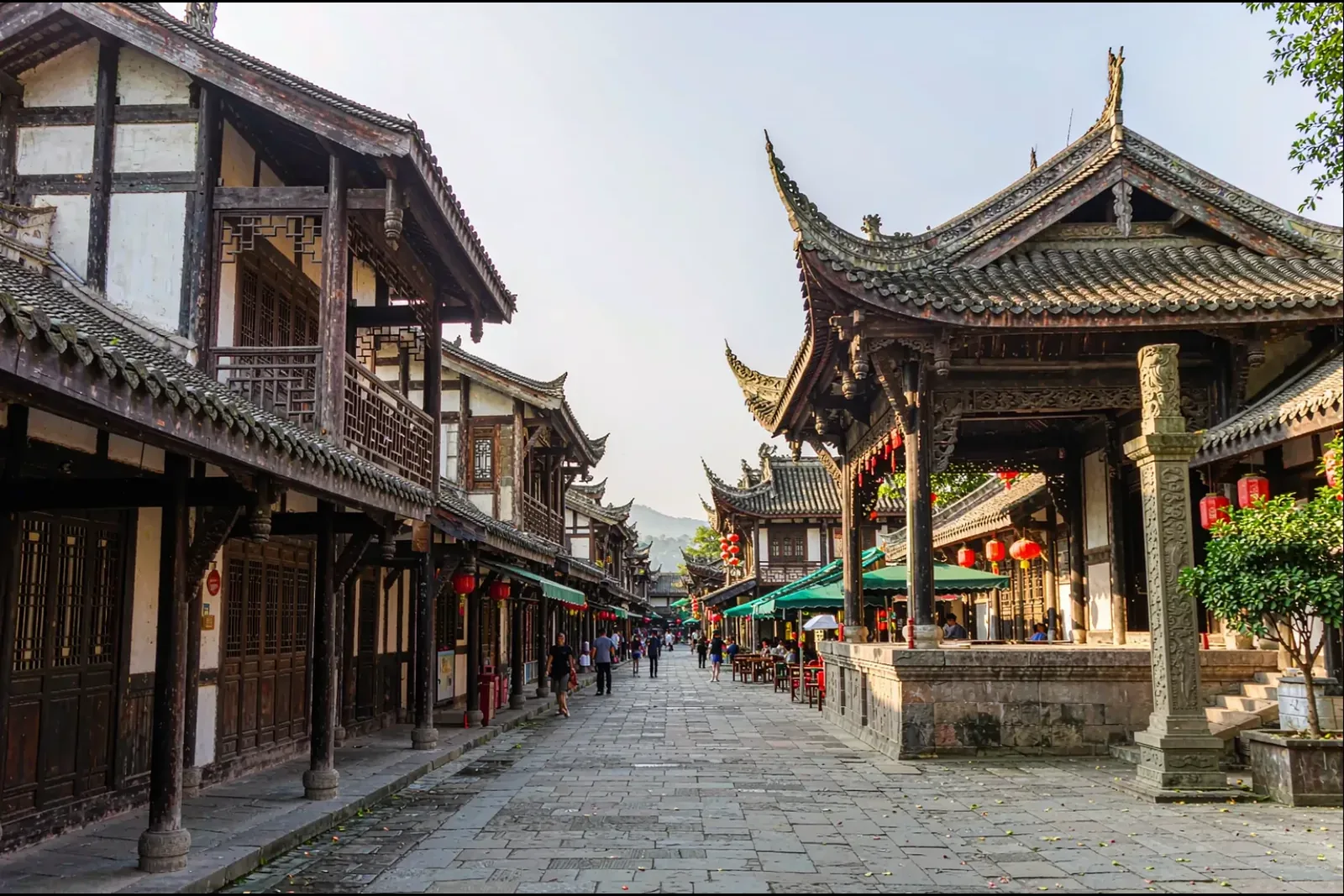
Three parallel lanes, 7, 5 and 3 metres wide, left over from the Manchu garrison city built in 1718. They were restored in 2008 and are now the most p
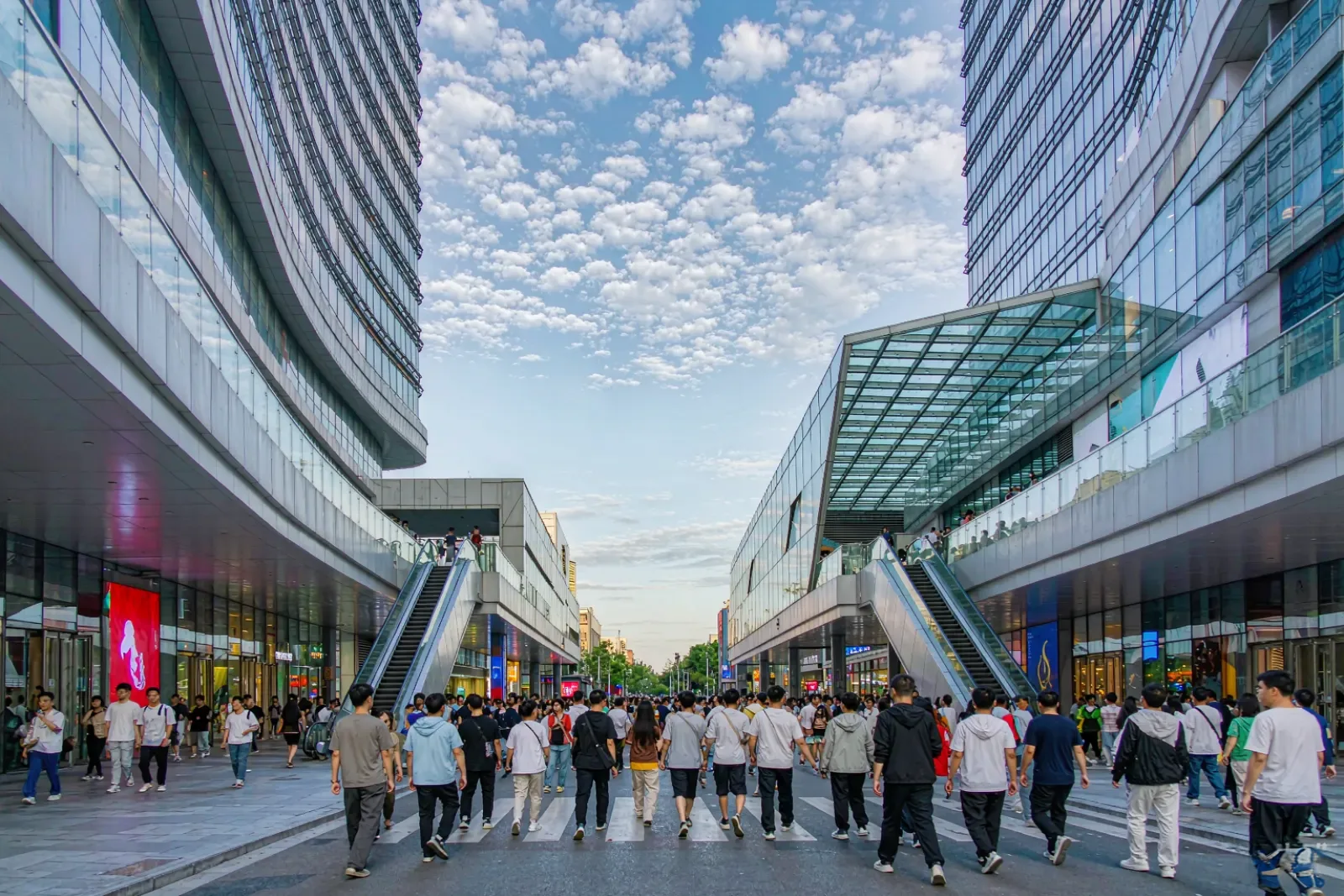
Chunxi Road is a pedestrian grid cut in 1924; Taikoo Li is the low-rise shopping district built beside it from 2014, wrapped around a working Tang dyn
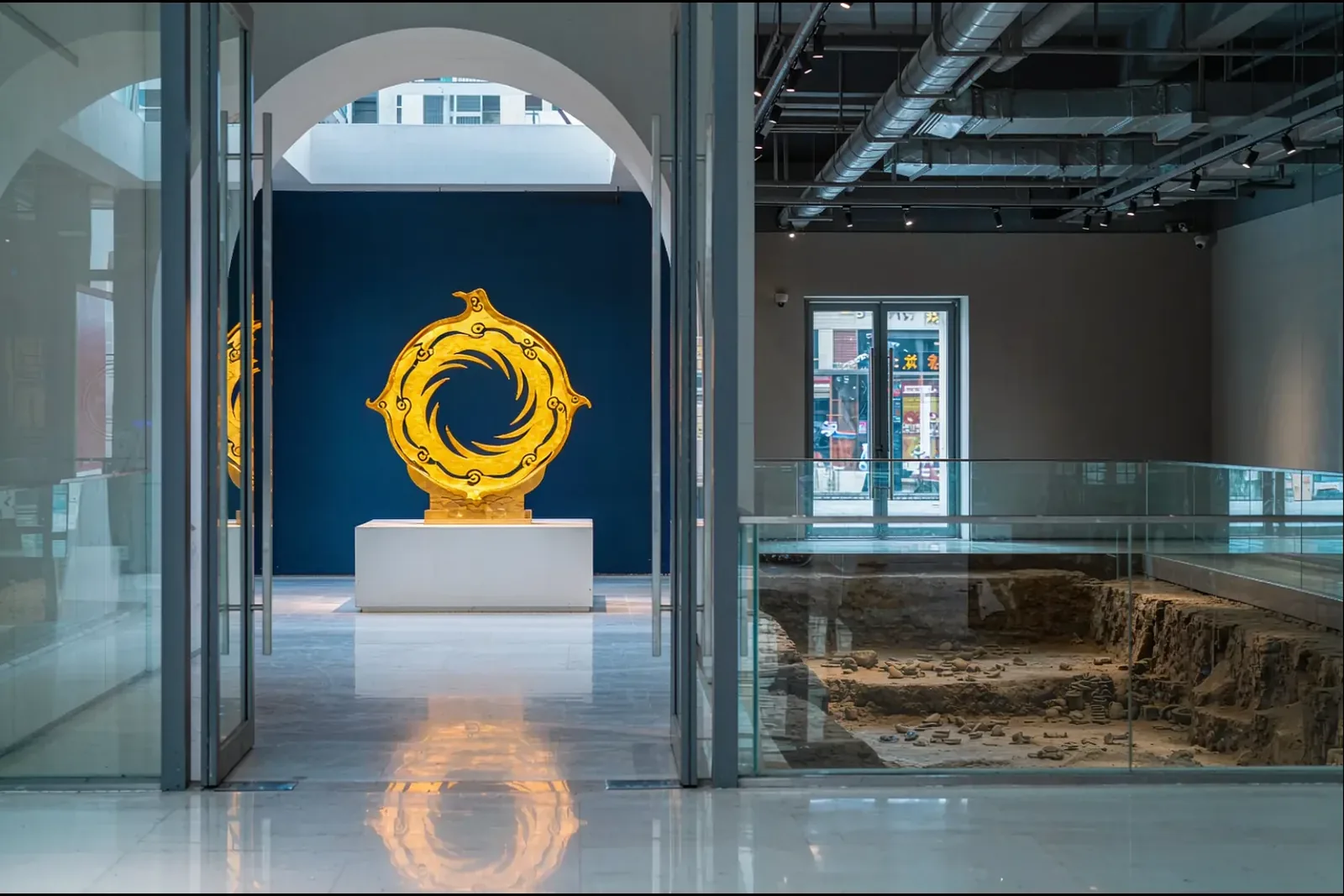
Jinsha was discovered in February 2001, when a construction crew digging foundations for a housing estate hit a layer of ivory and jade. What they fou
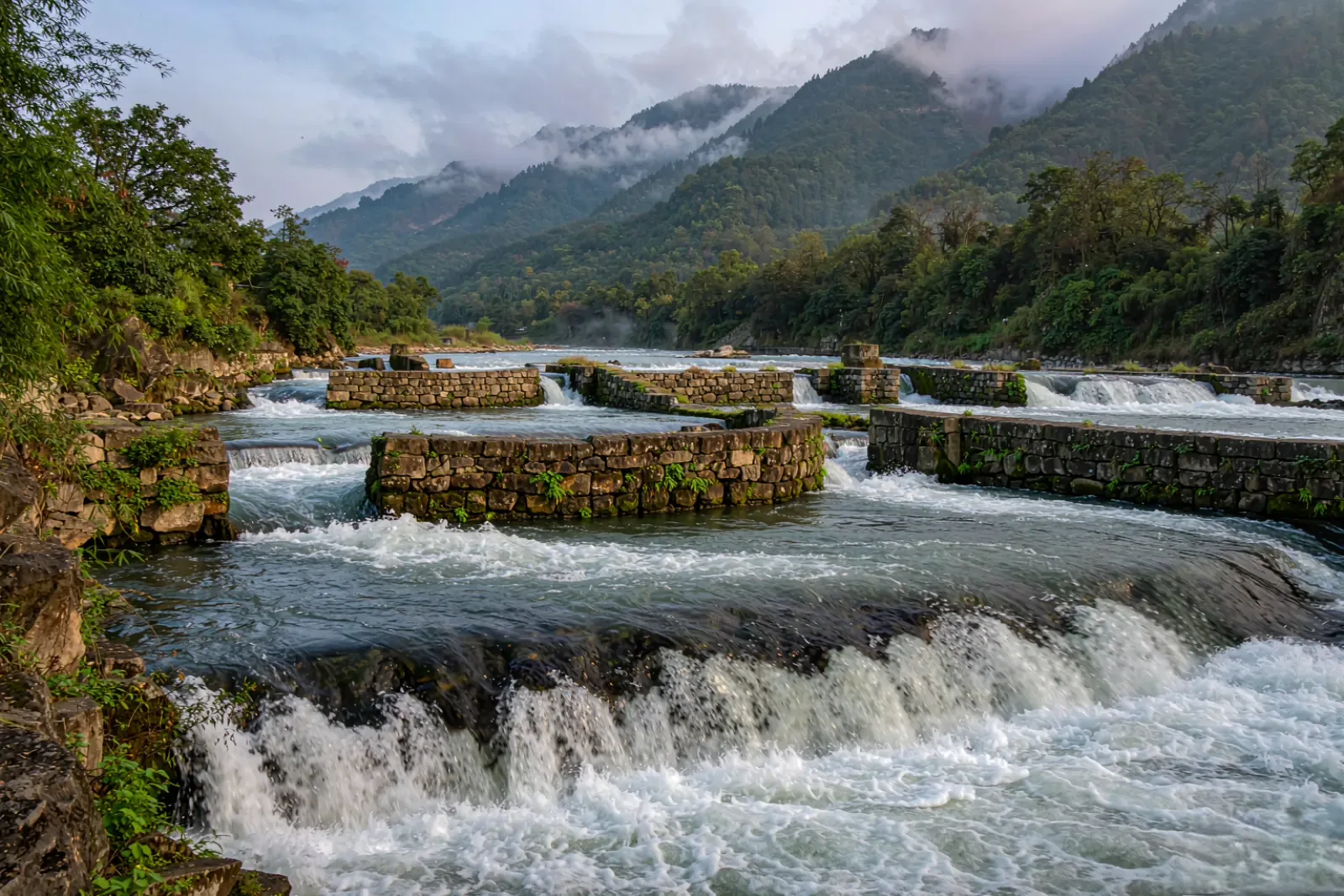
Dujiangyan was built in 256 BC and it still waters 5,300 square kilometres of farmland. No dam, no reservoir: the river is split, the flood diverted,
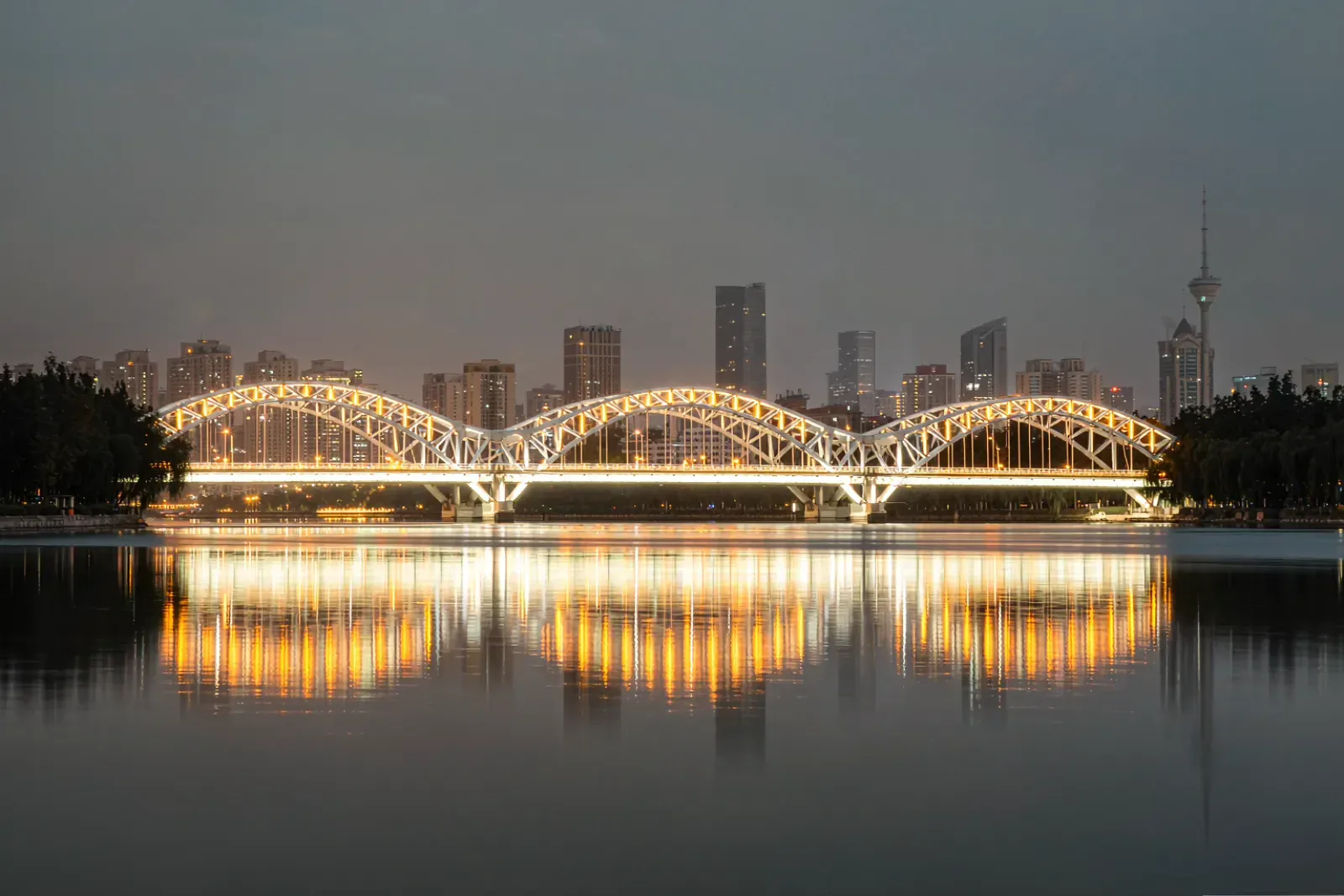
Anshun Bridge carries a two-storey wooden gallery across the Jin River on three stone arches, 81 metres end to end. The bridge you see went up in 2003
A little further out, for a spare half-day.
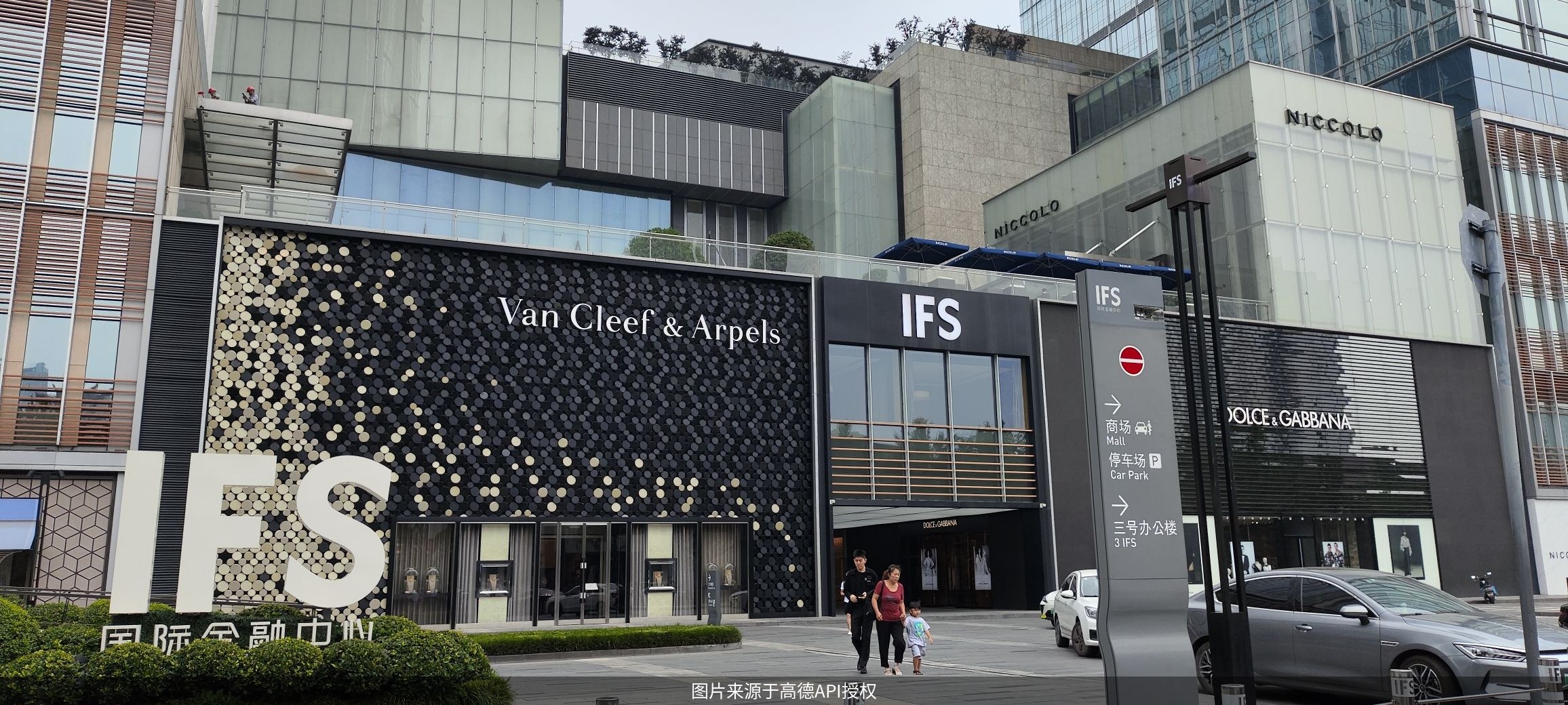
A high-end mall in the heart of Chunxi Road with luxury brands and the famous panda sculpture.

A large one-stop mall with comprehensive brands and rich dining and entertainment.
An upscale mall in the financial district offering refined shopping.
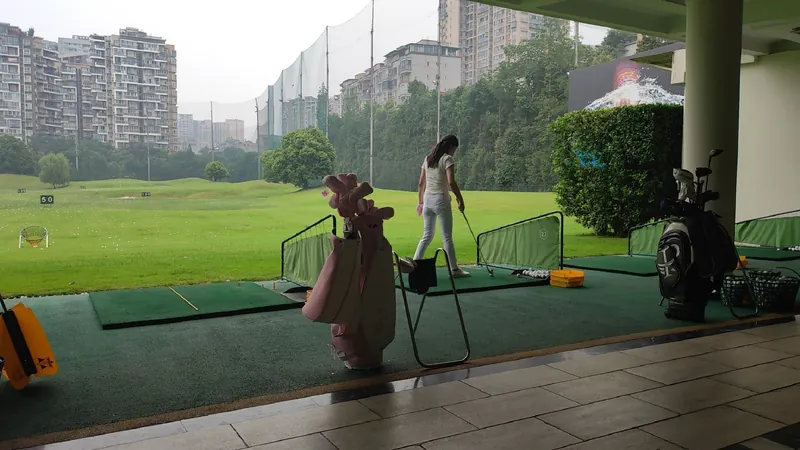
Swan Lake Golf Club on Dongpo Road is an urban golf and leisure venue in Chengdu, combining practice…
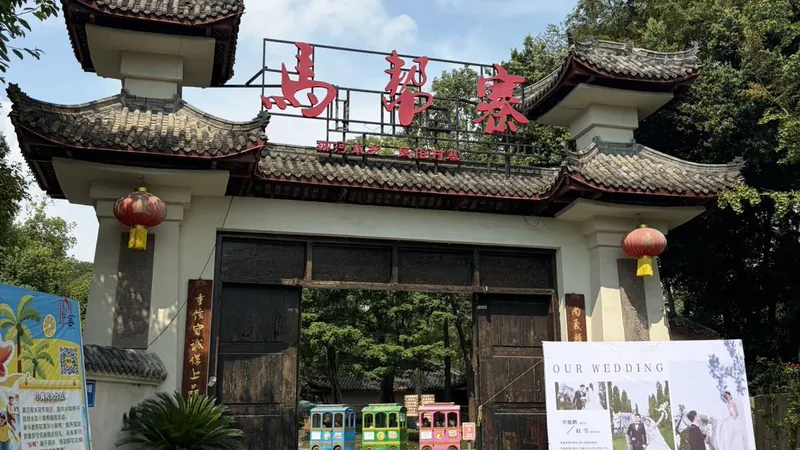
Ma Bang Zhai · Liuhe Water Village is a laid-back rural retreat in Xin'an Village, Pengzhen, on the…
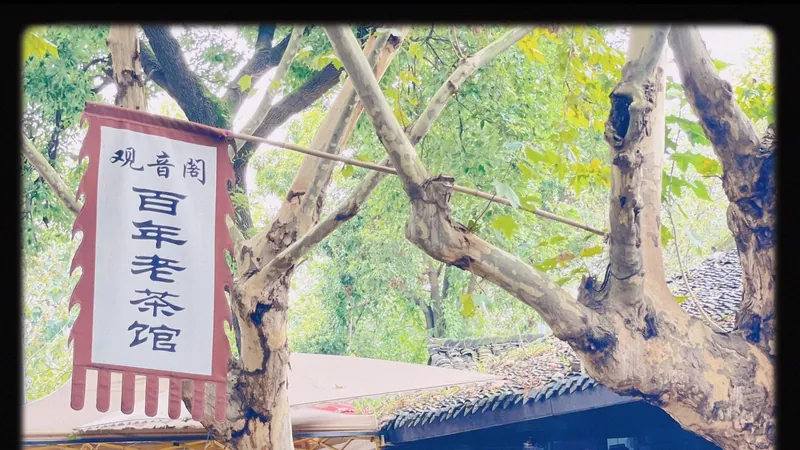
Tucked into the old lanes of Pengzhen, this century-old teahouse keeps the classic Sichuan countryside…
Museums, galleries and workshops still keeping old crafts alive.
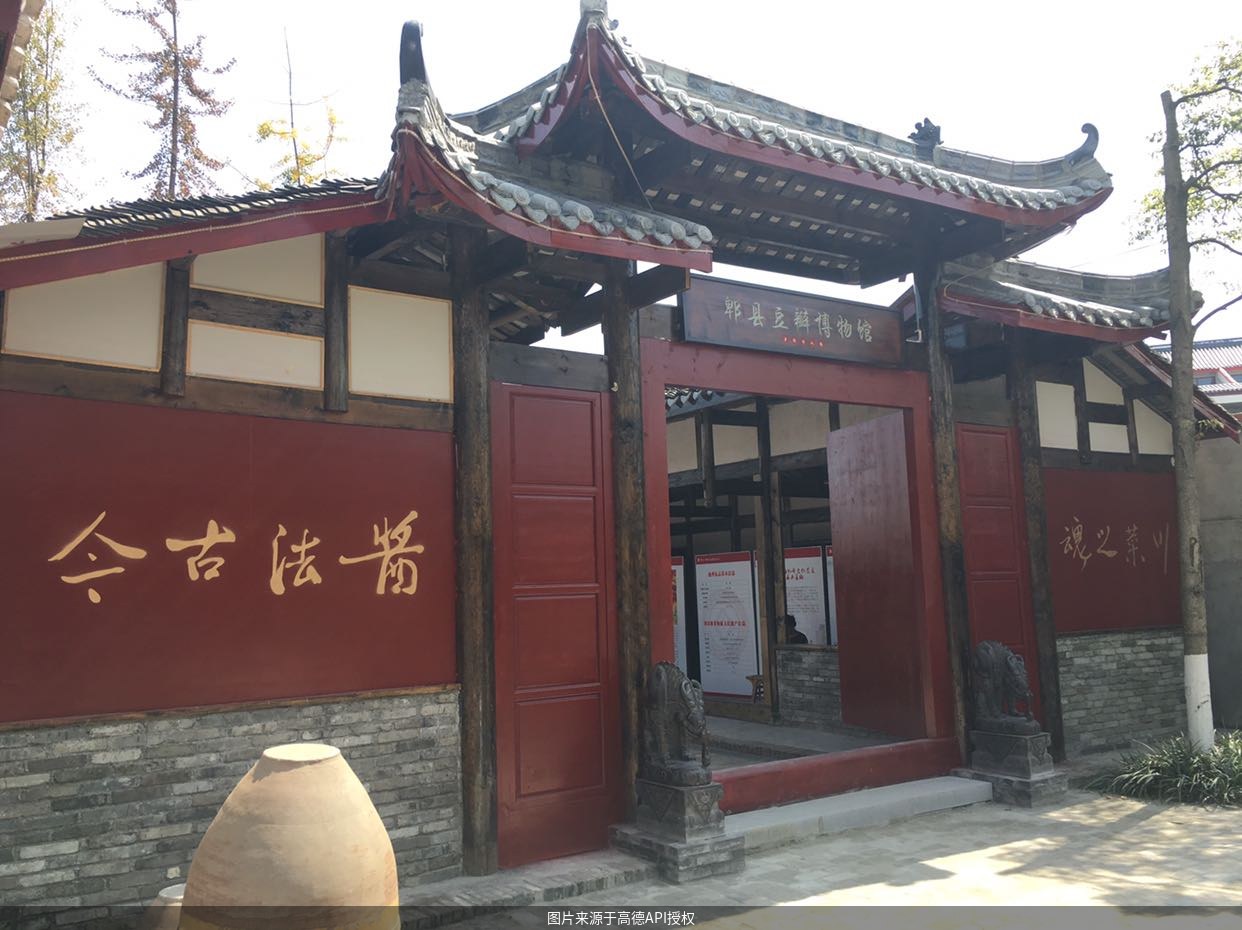
Showcasing the century-old sun-fermentation craft of Pixian douban, the soul of Sichuan cuisine.
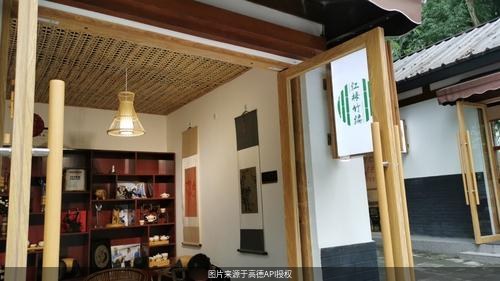
The birthplace of the national intangible heritage Daoming bamboo weaving, with hands-on workshops.
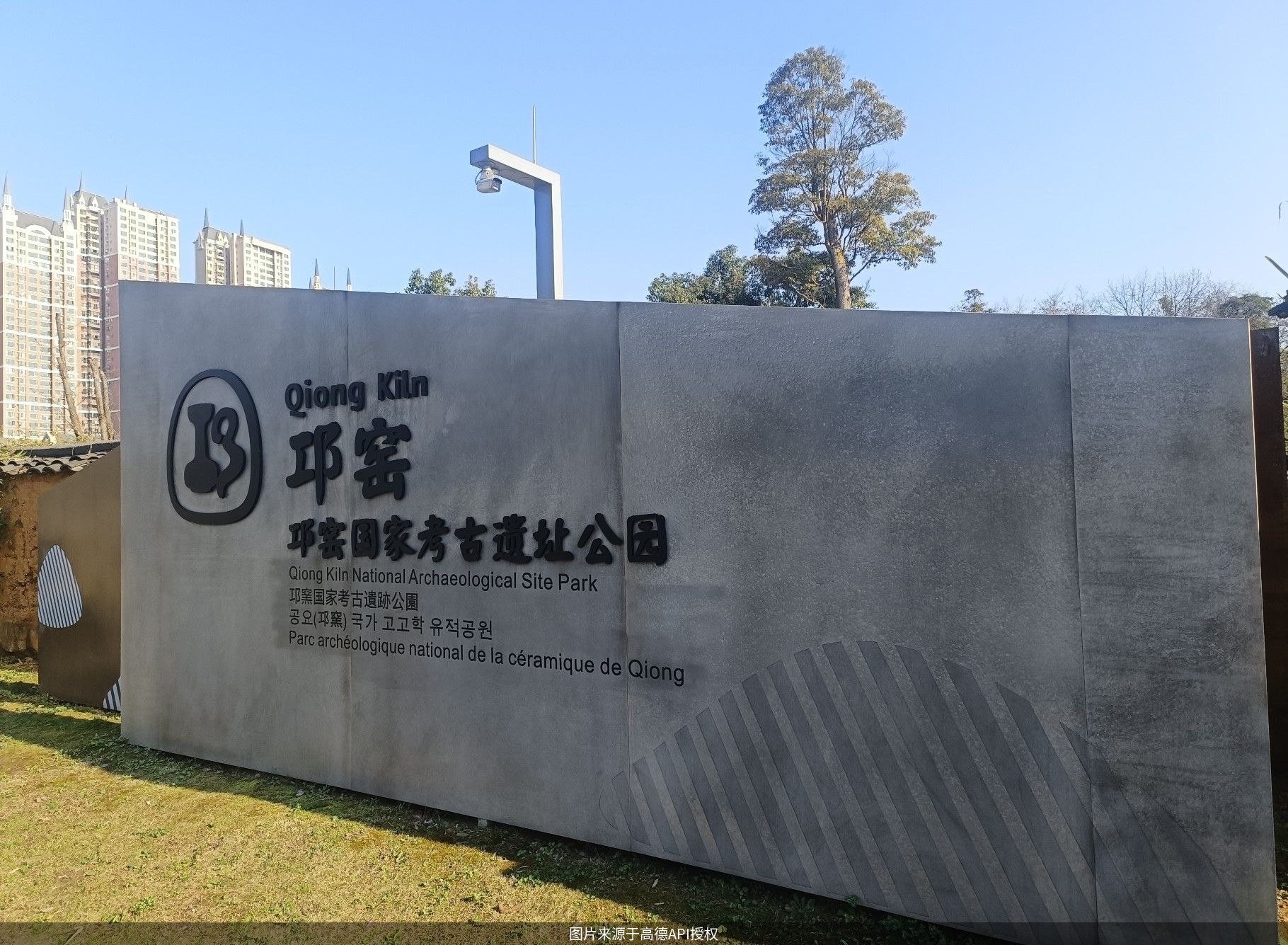
An archaeological park of the famous Tang-dynasty Qiong kiln, tracing a millennium of ceramics.
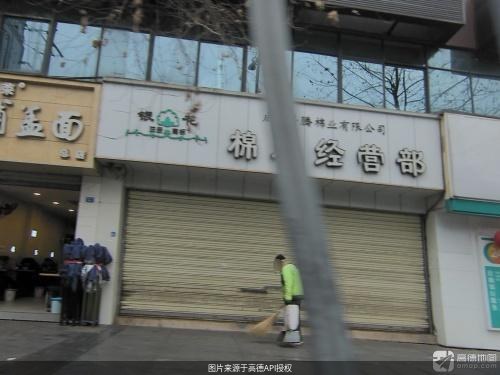
An experience studio for the national intangible heritage of Chengdu silver filigree.
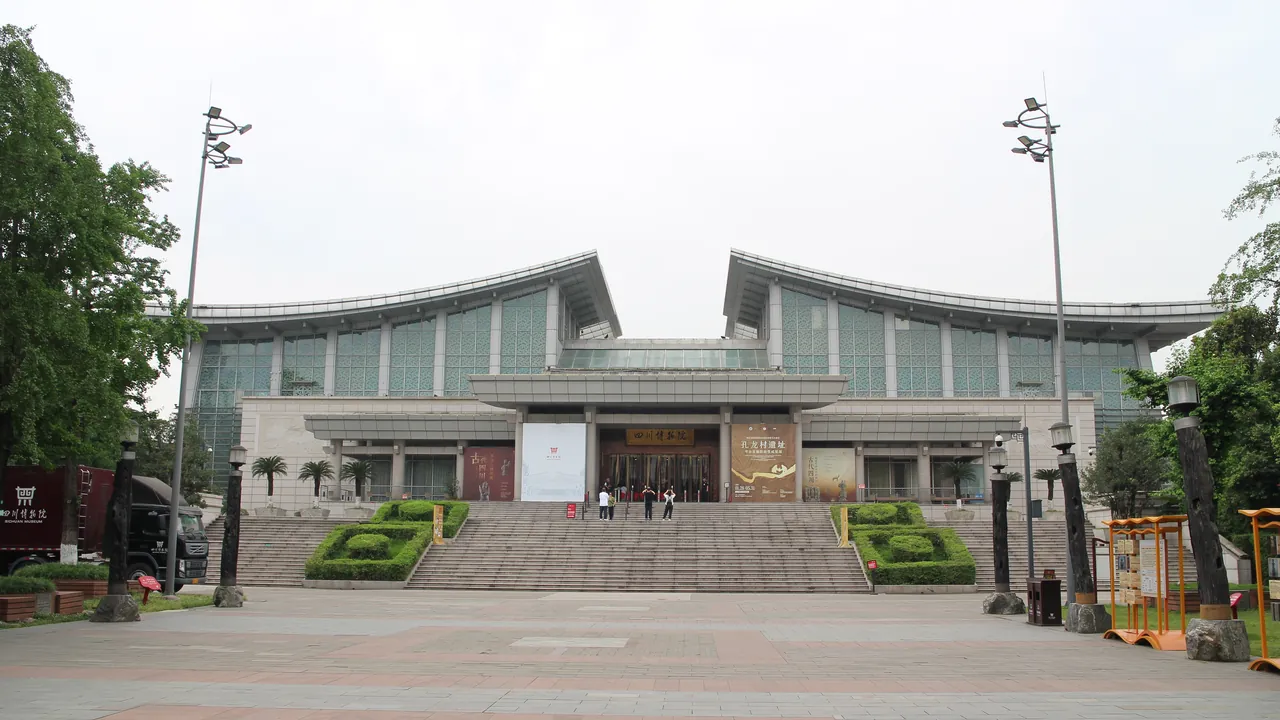
Free galleries of Bashu bronzes, Zhang Daqian's Dunhuang copies and ethnic art, beside green Huanhuaxi Park.
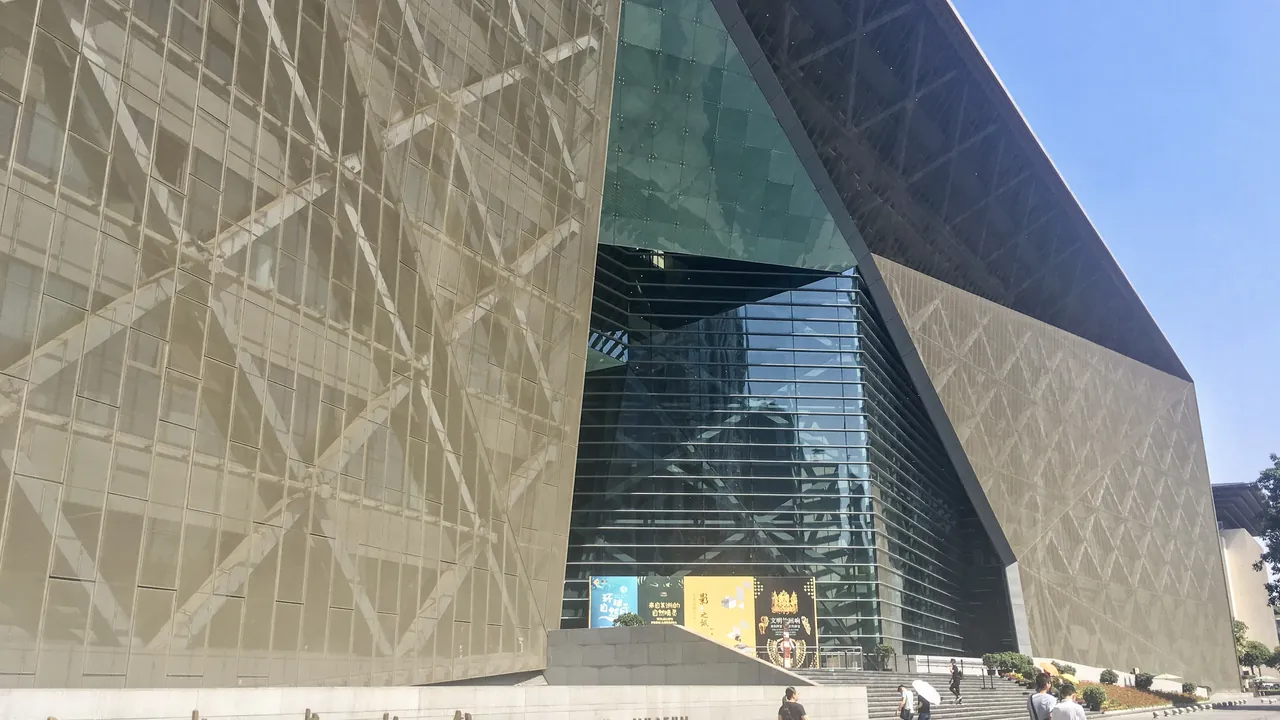
On Tianfu Square, 2,300 years of Chengdu end with a stone rhino and a hall full of shadow puppets.
Where the whole street eats — the city's most famous food streets, each with its own guide page.
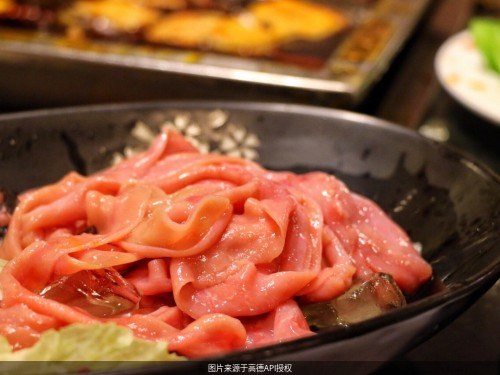
At 80-19 Wuhouci Street in Wuhou District, this is a well-known Black Pearl hotpot restaurant in Chengdu.…
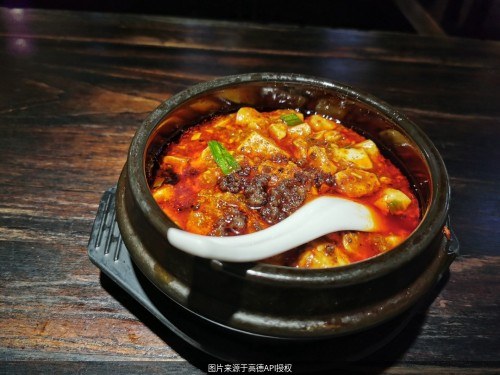
On Qinghua Road in Qingyang District, this is the flagship of Chengdu's century-old brand Chen Mapo Tofu.…
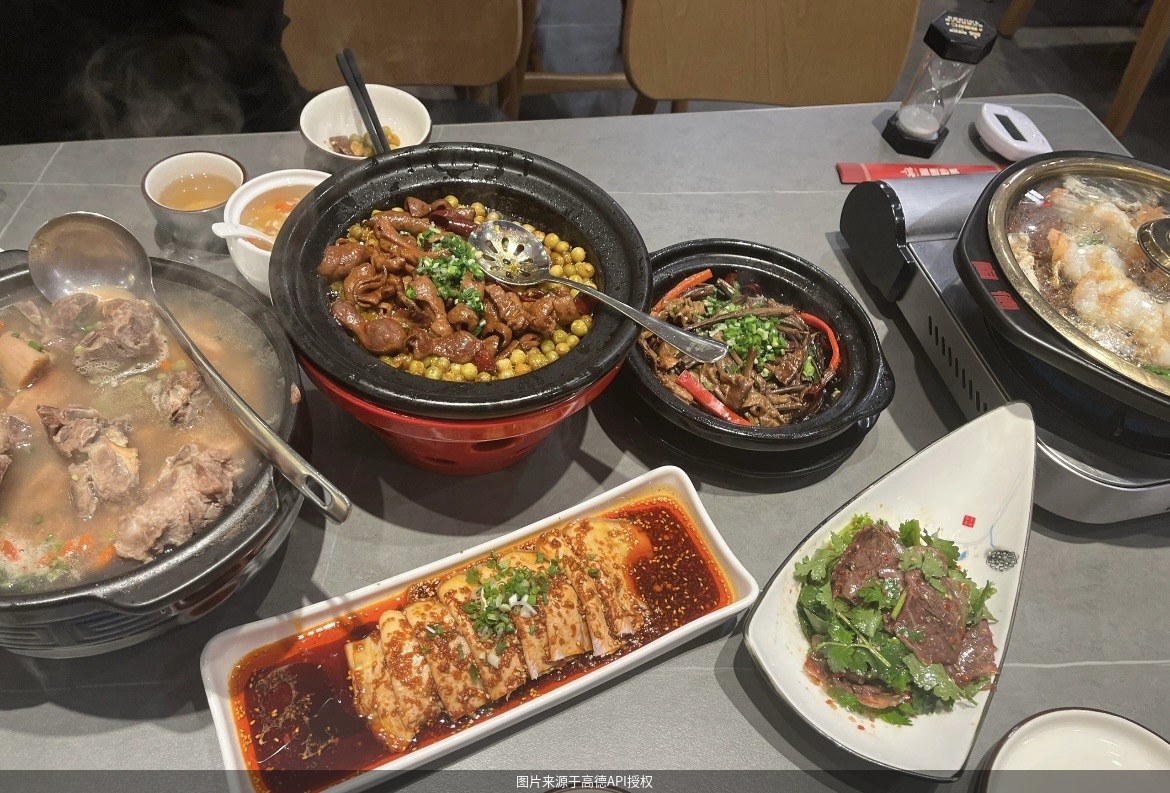
In Champagne Plaza, Jinjiang District, this is a branch of Chengdu's popular claypot brand Taode. It centres…
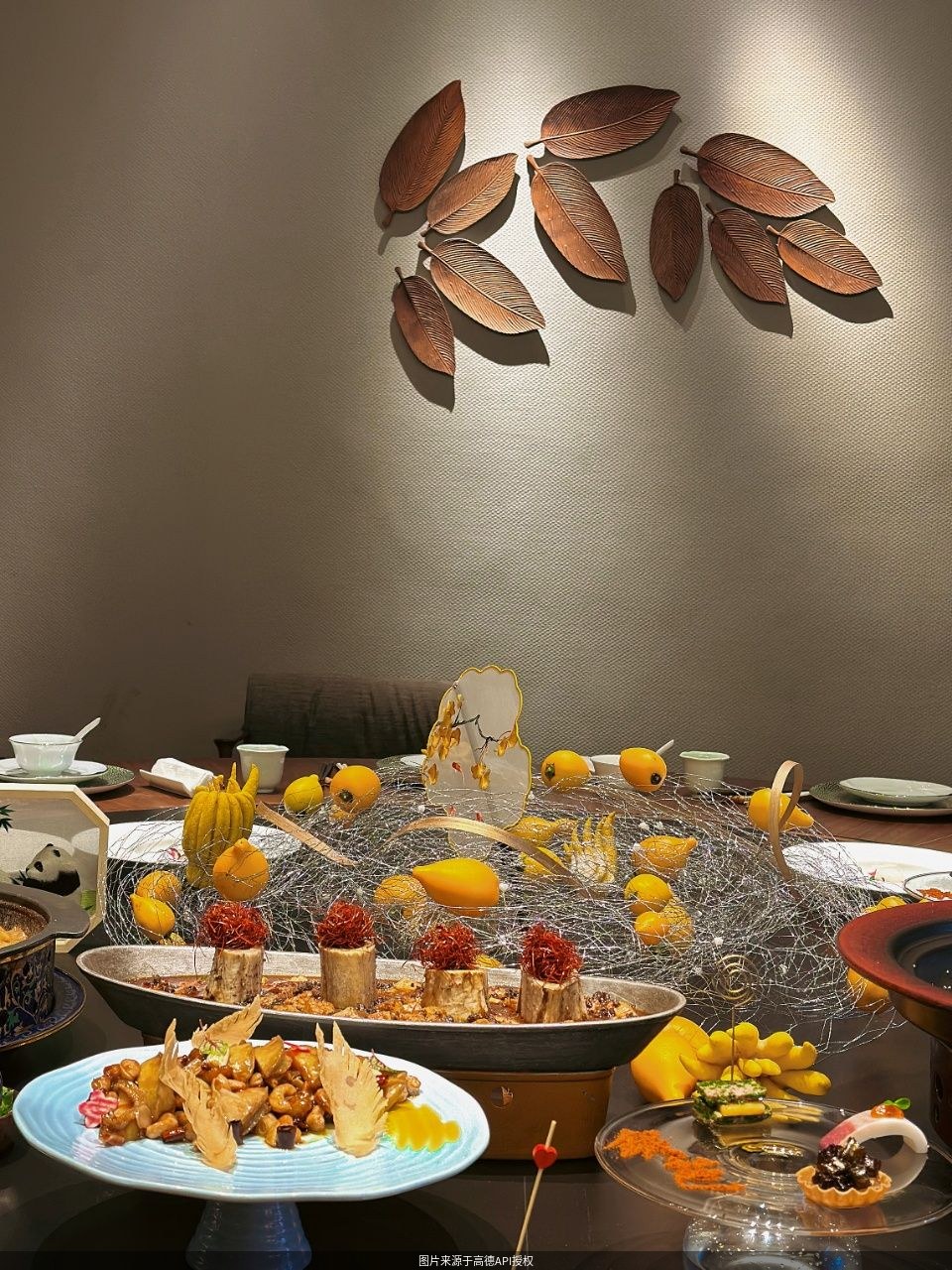
In Lu Town on Section 2 of Lushan Avenue in Shuangliu District, this is a Black Pearl Sichuan restaurant in…
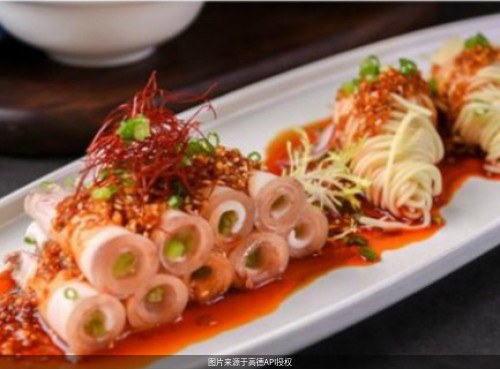
On Yujie Lane in Wuhou District, this is a Black Pearl Sichuan restaurant in Chengdu. It excels in…
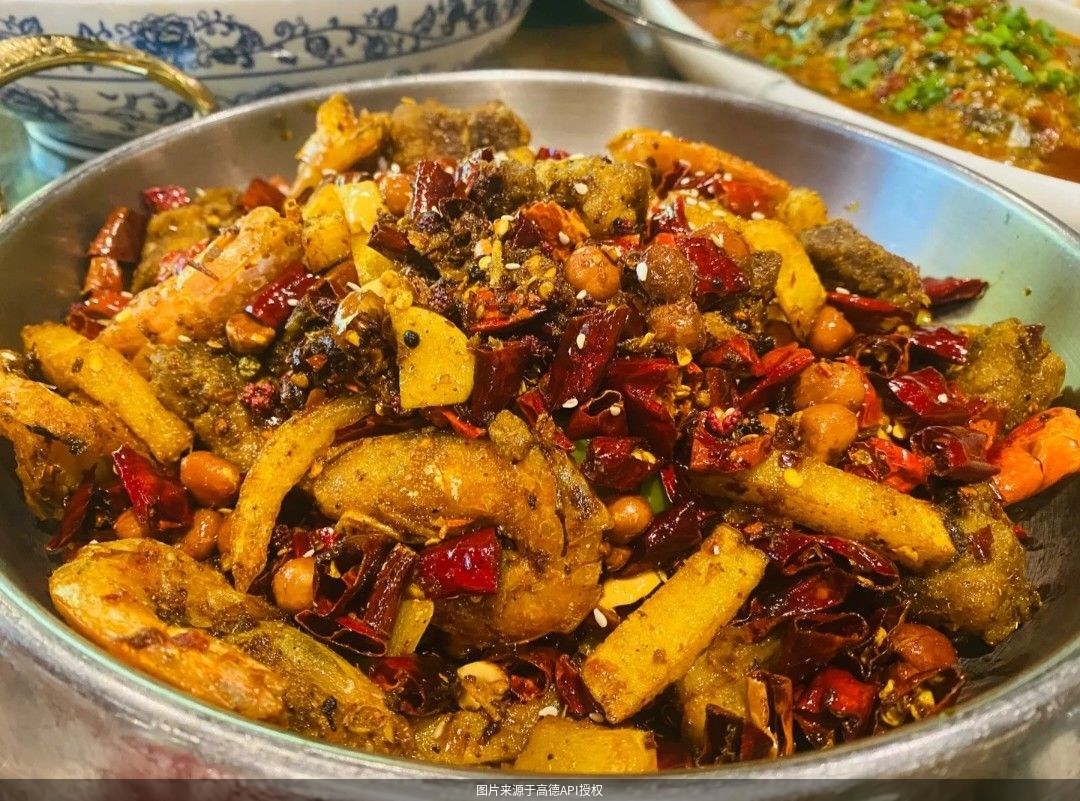
On Century City Road in the High-tech Zone, this old teahouse combines tea-drinking with Sichuan opera…
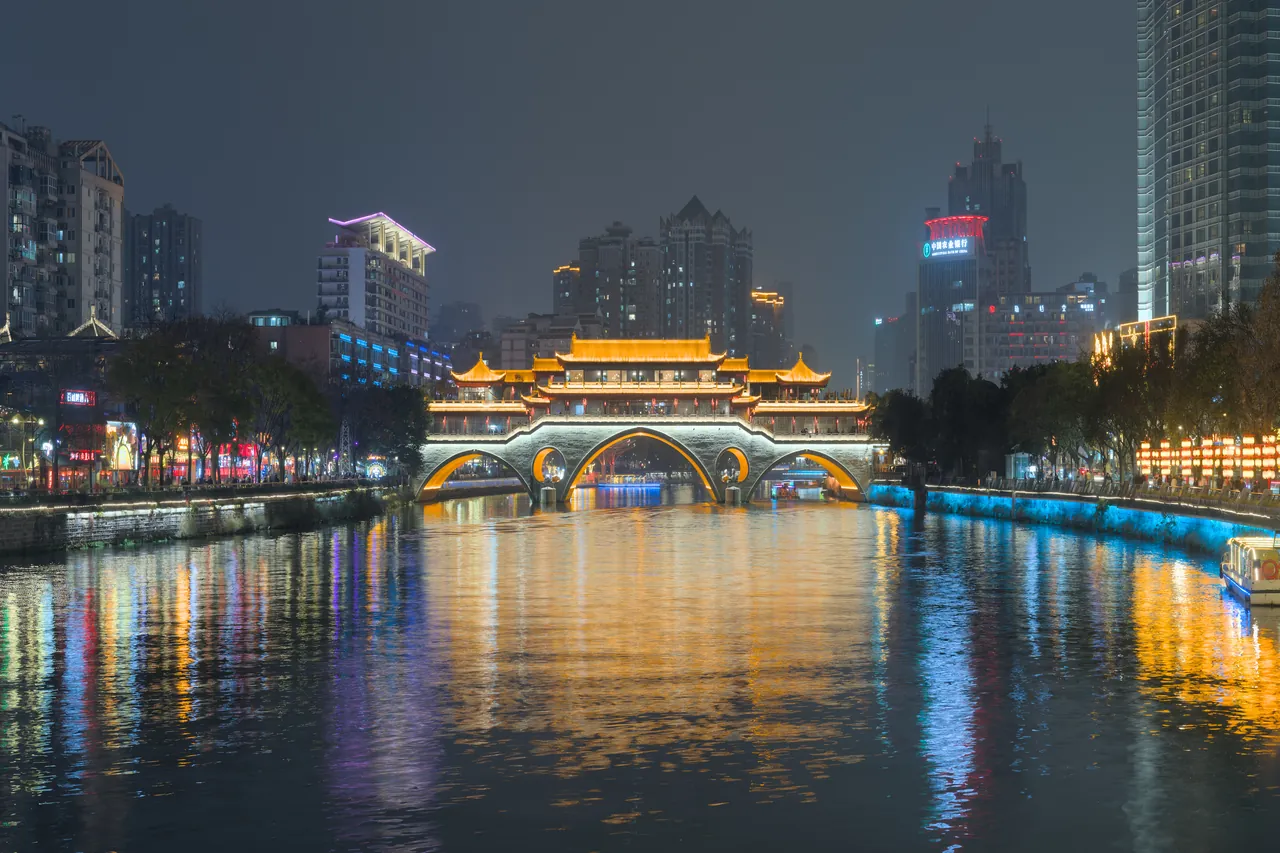
Riverside bar street where the city's nightlife concentrates — loud, bright and busy well past midnight.
Small live houses and neighbourhood bars — the side of Chengdu made famous by a folk song.
Lit-up shopping lanes after dark: boutiques, rooftop bars and the climbing-panda facade.
A short boat ride from Dongmen Wharf, passing lit bridges and riverside courtyards.
Chengdu after dark runs from riverside bar streets to courtyard teahouses — pick a mood and the city shifts with it.
Listed sites and the crafts that made this city famous.
A UNESCO World Cultural Heritage site since 2000, with Mount Qingcheng also part of the Sichuan Giant Panda Sanctuaries natural heritage (2006) — and Dujiangyan separately honoured as a World Heritage Irrigation Structure in 2018. Still irrigating the plain after 2,000+ years.
A UNESCO World Natural Heritage site (2006) protecting the mountain home of the giant panda across western Sichuan.
China’s oldest silk craft, the origin of Chengdu’s "Brocade City" name — UNESCO intangible heritage (2009).
One of China’s four great embroideries — vivid, smooth and luminous.
The fire-and-mask theatre of Chengdu, home of the famous bianlian face-changing.
Lacquer craft rooted in the Shang–Zhou era, famed for carved patterns filled with gold and silver (“diaohua tiancai”).
Hair-thin silver woven into jewellery — a Chengdu craft tracing back some 1,700 years.
Fine bamboo woven tightly over porcelain — a local specialty of Qionglai.
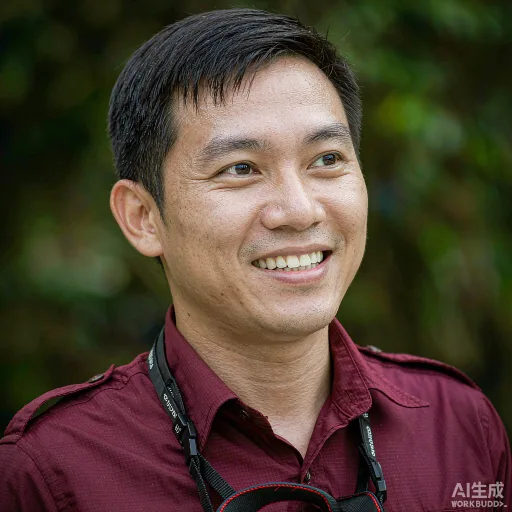
Senior licensed guides with 10+ years in the field and fluent English — deep on history, culture and local life.
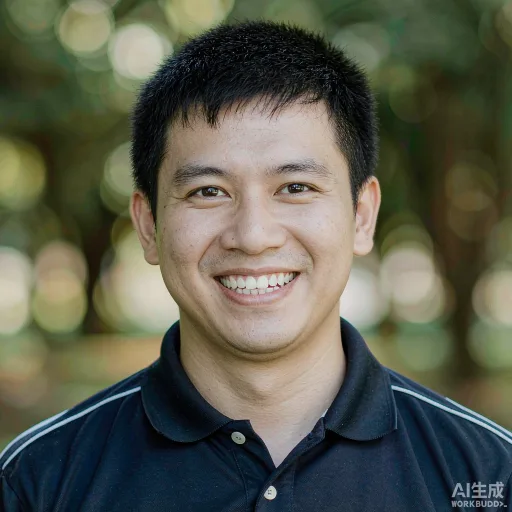
Experienced licensed guides with clear English — solid on city highlights, food and day-to-day logistics.
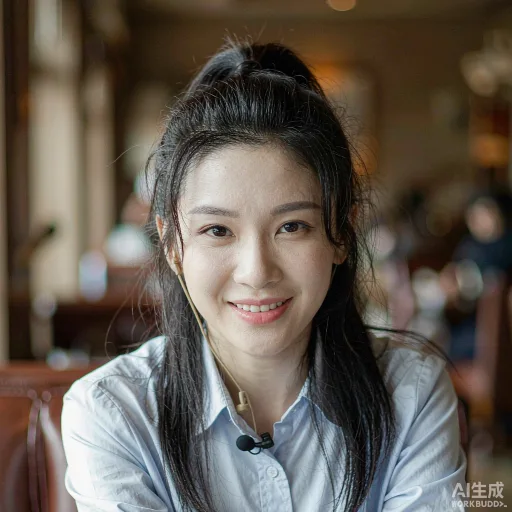
Licensed guides with workable English — a good-value choice for city days, transfers and standard commentary.
Chauffeur-driven by the day, plus airport and intercity transfers.
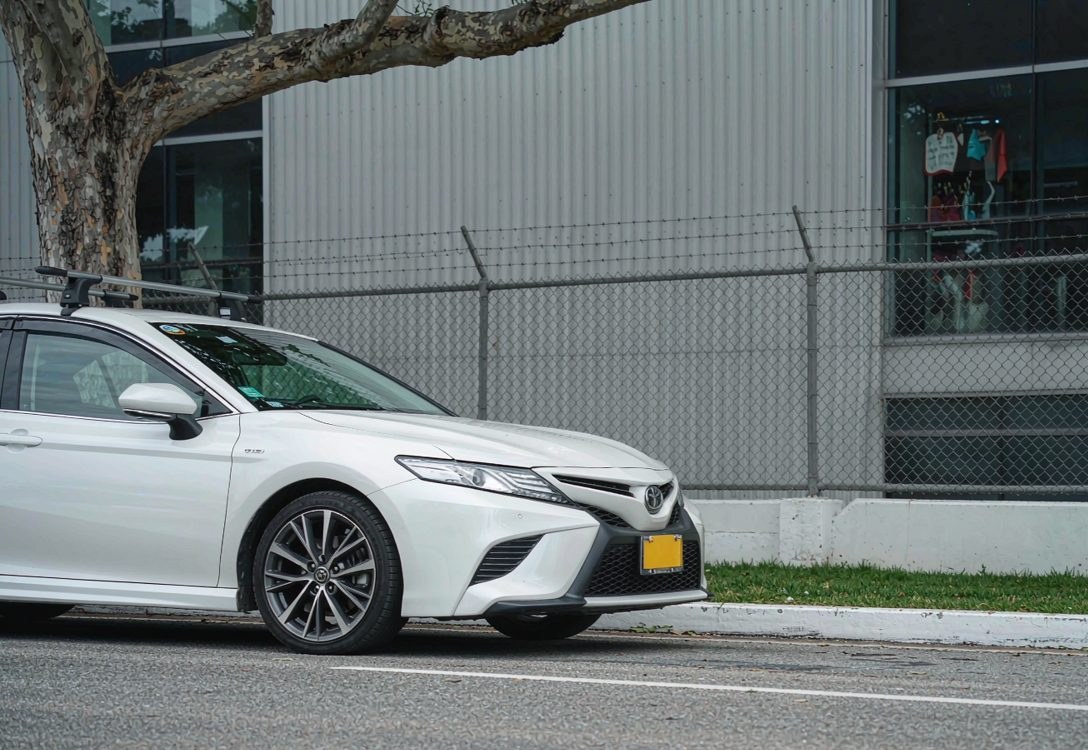
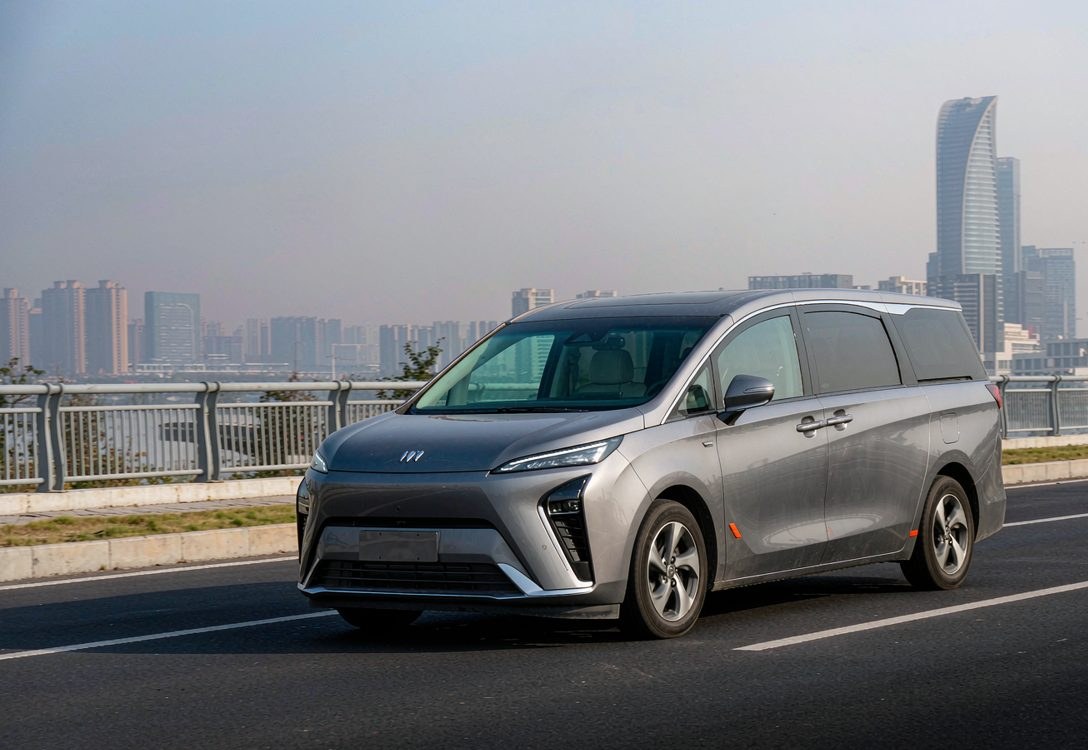
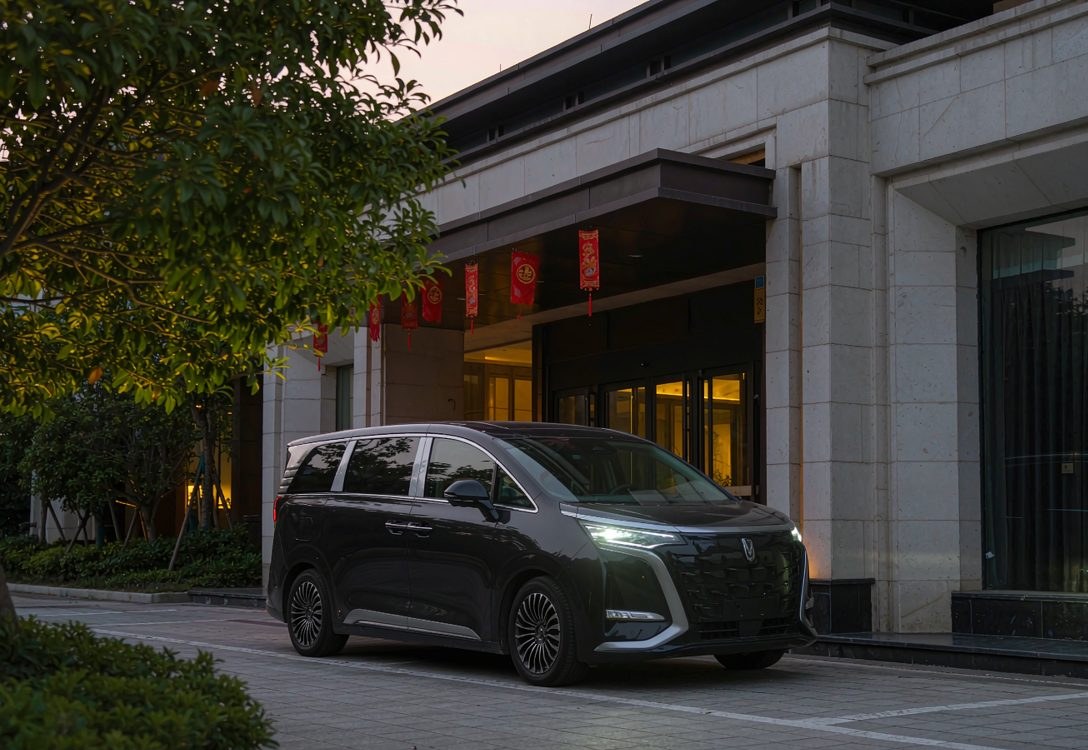
Private chauffeur-driven vehicles, priced per vehicle not per person. Airport transfer from $45; intercity transfer from $180.
A key metro interchange for Lines 1 and 2 in the city centre.
A south Chengdu high-speed rail station serving multiple intercity lines.
Chengdu's long-established international airport, closer to downtown with frequent flights.
Chengdu's new major international airport, the main air gateway for inbound visitors.
A high-end mall in the heart of Chunxi Road with luxury brands and the famous panda sculpture.
A large one-stop mall with comprehensive brands and rich dining and entertainment.
An upscale mall in the financial district offering refined shopping.

10 guides split by trip length: one-day city routes, three-day escapes and longer journeys, with stops, costs and transport in each.
Catch the pandas at dawn, walk the Three Kingdoms sites after lunch, and end on Kuanzhai
Three DaysChengdu in Three Days: Pandas, the Ancient Weir and the Old City in Three MovementsDay one for pandas and the old city, day two for Dujiangyan and Mount Qingcheng, day thr
Multi-DayFive Days in Chengdu: City, Ancient Shu and the Sacred Mountain, CompleteThe classic three days plus a Sanxingdui day and two for Leshan-Emei: five days walking
Real routes, real travellers — a sense of what a trip looks like.
7 days · Chengdu + Jiuzhaigou · "Pandas at dawn, a lazy teahouse afternoon, then the turquoise lakes of Jiuzhaigou."
10 days · Chengdu + Leshan + Mount Emei · "A private guide and unhurried days — the best hotpot we’ve ever had."
5 days · Sichuan Food Trail · "Hotpot, chuanchuan, and a hands-on cooking class in the old town."
Most travellers spend 3 days here. Add a day for a side trip if you want a slower pace.
Spring and autumn are usually the most comfortable. Check the seasonal notes above before booking.
We arrange airport/rail transfers and private drivers. Tell us your arrival point and we plan the connection.
Send an enquiry and a human expert replies within 12 hours with a draft plan and real prices. Flexible rescheduling; clear cancellation terms in your quote.
2-day private itineraries in Chengdu start from $590 per person, two travelling together. Your proposal itemises hotels, tickets, guide and car — no hidden fees.
Three days covers the city and Dujiangyan; five days adds Leshan and Mount Emei, or a run up to Jiuzhaigou.
Go at opening time — pandas are awake, active and feeding in the morning, then sleep through the afternoon heat.
Tianfu and Shuangliu airports both connect by metro; we can also arrange a private transfer from $45.
Yes — the panda base, science museum and easy food make it one of China's easiest cities for children.
Recent listed prices: Base of Giant Panda ¥55; Wuhou Shrine ¥50; Jinli Ancient Street free; Du Fu Thatched Cottage ¥50; Kuanzhai Alley free. Ticket prices change seasonally — we confirm them in your quote.