
The classic three-day solution is a three-movement form: city, pandas plus the old districts; water and mountain, Dujiangyan with Qingcheng in one day; and cultural depth, two of Wuhou, the cottage or Jinsha. Each face of Chengdu gets a full day, the tempo tightening then loosening.
Day two is the trip's only out-of-city day, so lock transport and tickets early: intercity rail from Xipu to Lidui Park runs dense, and the Dujiangyan-Qingcheng combo ticket booked online undercuts the gate and skips the line. Set the budget ratios in advance: entries across three days total a bit over two hundred yuan, pandas at 55 plus the Dujiangyan-Qingchengshan combo and whichever culture sites you pick, with intercity rail and metro covering transport, and hotels and hotpot taking the rest. Buying the day-two intercity tickets and combo passes on the first evening is the single most valuable move of the trip. One last note before departure: only two items are time-sensitive, the panda base's early hour and the morning intercity to Dujiangyan; everything else can bend with your mood. Pin those two to the schedule and the three days will never deliver the classic two-hour queue for a ten-minute look.
Itinerary at a glance
| DAY1 | Day One: Panda Mornings and Old-City Afternoons |
| DAY2 08:00 | Day Two: Dujiangyan's Water and Qingcheng's Quiet |
| DAY3 | Day Three: Cultural Depth and an Unhurried Exit |
The route, stop by stop
Day One: Panda Mornings and Old-City Afternoons
The morning belongs entirely to the base: Moon Nursery at opening, working back from far to near, out by eleven. The afternoon offers a choice of two: street life, People's Park plus Kuanzhai, or history, Wuhou plus Jinli. Hotpot closes day one with all three of Chengdu's calling cards touched once.
Managing day one's evening matters: at 500 meters altitude there is no thin air to blame, but accumulated trip fatigue is real, and an early night funds day two's early intercity.
The details of day one live in the panda base's time math: the shuttle from Panda Avenue metro station to the gate needs twenty minutes, and in season security and ticket checks form two separate lines, so arriving at opening still means entering half an hour late. Set the alarm another quarter-hour earlier; ten extra minutes of sleep is worth far less than the calm of the first hour.
Day Two: Dujiangyan's Water and Qingcheng's Quiet
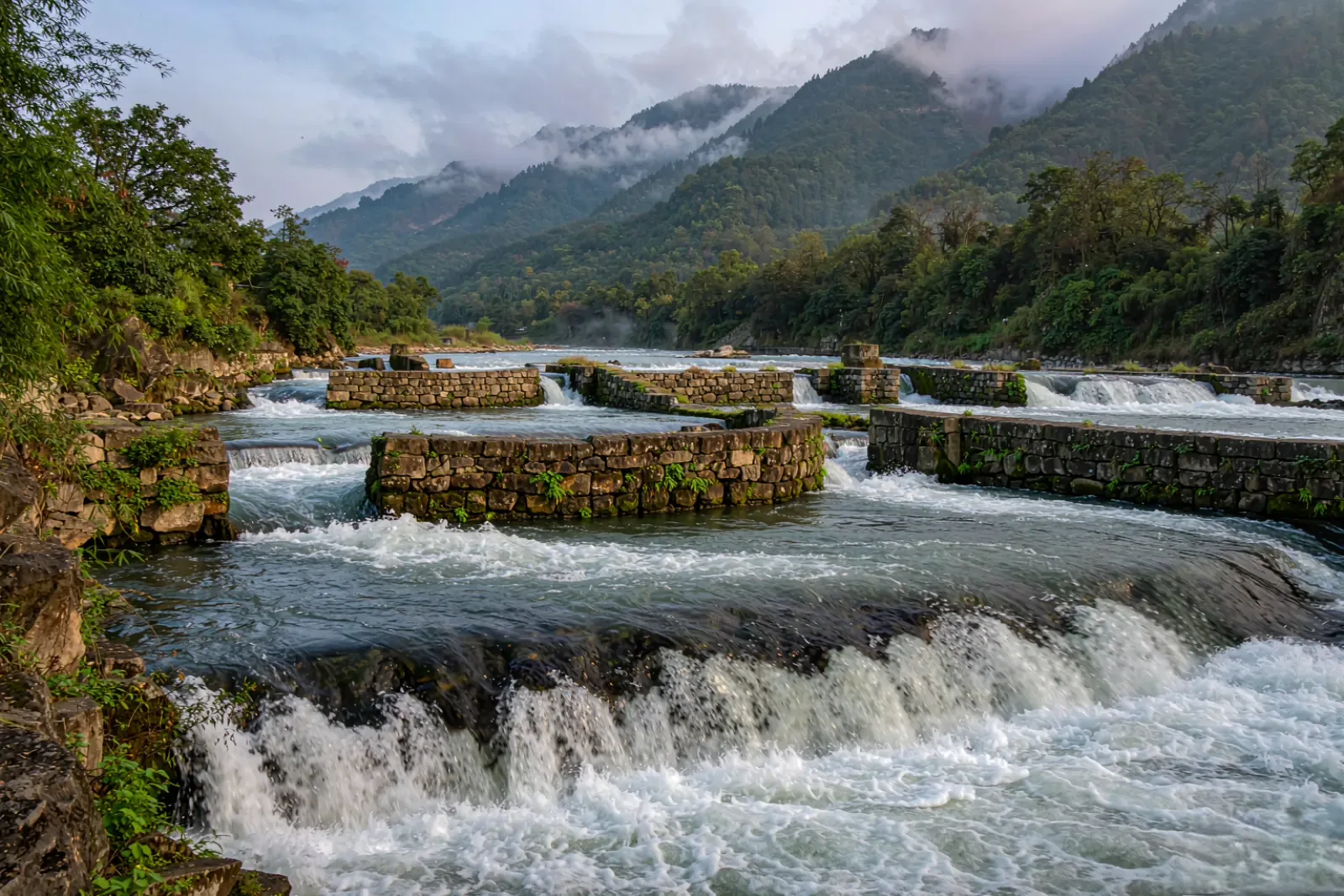
Morning at Dujiangyan: this 2,280-year-old waterworks still irrigates the Chengdu plain, and its three parts, the Fish Mouth splitter, the Flying Sand spillway and the Bottle-Neck channel, explain themselves in ten minutes standing on the Anlan suspension bridge. Enter from Lidui Park, walk up to the Two Kings Temple for the panorama, three hours total.
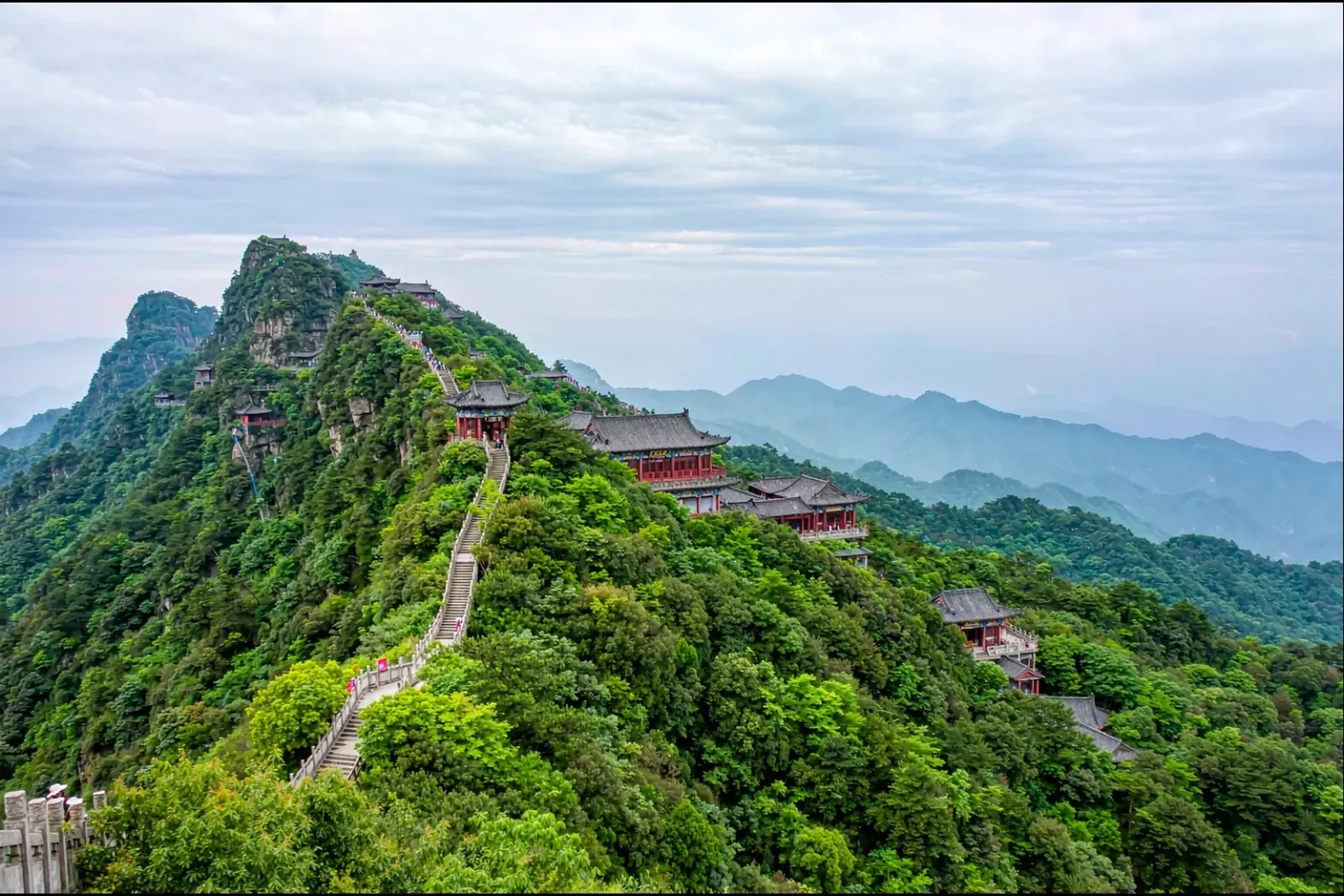
Afternoon on Qingcheng picks front mountain, the temple route with cableways saving legs, or back mountain, a creek-valley hike, sweatier and cooler. From the Upper Clear Palace at the top, the Chengdu plain spreads south, and the word for Qingcheng, secluded, lives between bamboo and temples. The evening intercity returns you in time for hotpot, second sitting.
Lunch between the two sights works well near the Lidui Park exit, where the no-frills diners cook for local drivers and a solid meal costs thirty to forty yuan a head. Buses and taxis between the two parks are easy, but keep the rule of boarding the Qingchengshan leg before two in the afternoon, or the front-mountain cable car's last run will squeeze the schedule.
Day Three: Cultural Depth and an Unhurried Exit
The last day pairs cultural stops by taste: Jinsha plus the Sichuan Museum for history, the cottage plus Qingyang Palace for poetry, or Dongjiao Memory plus U37 for industrial culture, any two, none over half a day. Reserve two afternoon hours for final souvenirs and packing.
Three days render Chengdu whole: a city that turned living itself into a sight, pandas and hotpot as the calling cards, teahouses and riverbanks as the everyday, and a two-thousand-year waterworks still running quietly at its edge. The city's hospitality hides inside that unhurried-ness.
The final day's choice has a value answer: the history pair, Jinsha plus the Sichuan Museum, sits entirely in the west and saves the most movement; the poetic pair, the Cottage and Qingyang Palace, shares the same Huanhuaxi district and can join it into one west-side half-day; the industrial-creative option sits in the east and suits anyone leaving from Chengdu East station, with no backtracking.
| Getting around |
|
| Budget | About RMB 800-1300 pp including Dujiangyan and Qingcheng entries plus rail, excluding hotels. |
| Best time | Mar-May and Sep-Nov; run Dujiangyan on a weekday, weekend shuttle queues bite hard. |
FAQs
Should all three days be packed full?
Not packing full is the correct Chengdu setting. Days one and two run tight in this frame while day three deliberately slows, because half of Chengdu's core experience happens sitting down, teahouse, riverbank, hotpot table. A maxed-out schedule here is playing the wrong scene.
Are Dujiangyan and Qingcheng too much for one day?
Standard but manageable: the weir is three flat hours, and Qingcheng front mountain with cableways both ways is light hiking. The truly taxing one is the back mountain, which earns its own day. Run weir in the morning and front mountain after, and you still have legs for evening hotpot.
Can the panda and Dujiangyan days swap?
Yes, though pandas-first is recommended: the dawn slot needs early-rising discipline, usually best on the second day after landing, while the intercity start demands little. Late arrival on day one? Move the pandas to day three's morning, another well-worn plan.
What swings the three-day budget most?
Hotel tier and hotpot frequency: city rooms swing tenfold from 150-yuan chains to 1500-yuan boutiques, and three hotpot dinners at 100-160 each near 400. Tickets and transport are rigid and cheap, under 400 total for the three days including intercity.