
Ancient Shu is the bronze wonder of the upper Yangtze: it left no writing, but it left the sacred tree reaching heaven, the protruding-eye mask and the golden sun bird. Three days link the civilization's three sites: Sanxingdui in Guanghan, the capital and its sacrifice pits; Jinsha in Chengdu, the culture's continuation and turn; and the Qiong kilns in Qionglai, its everyday face, moving from divine power down to human life.
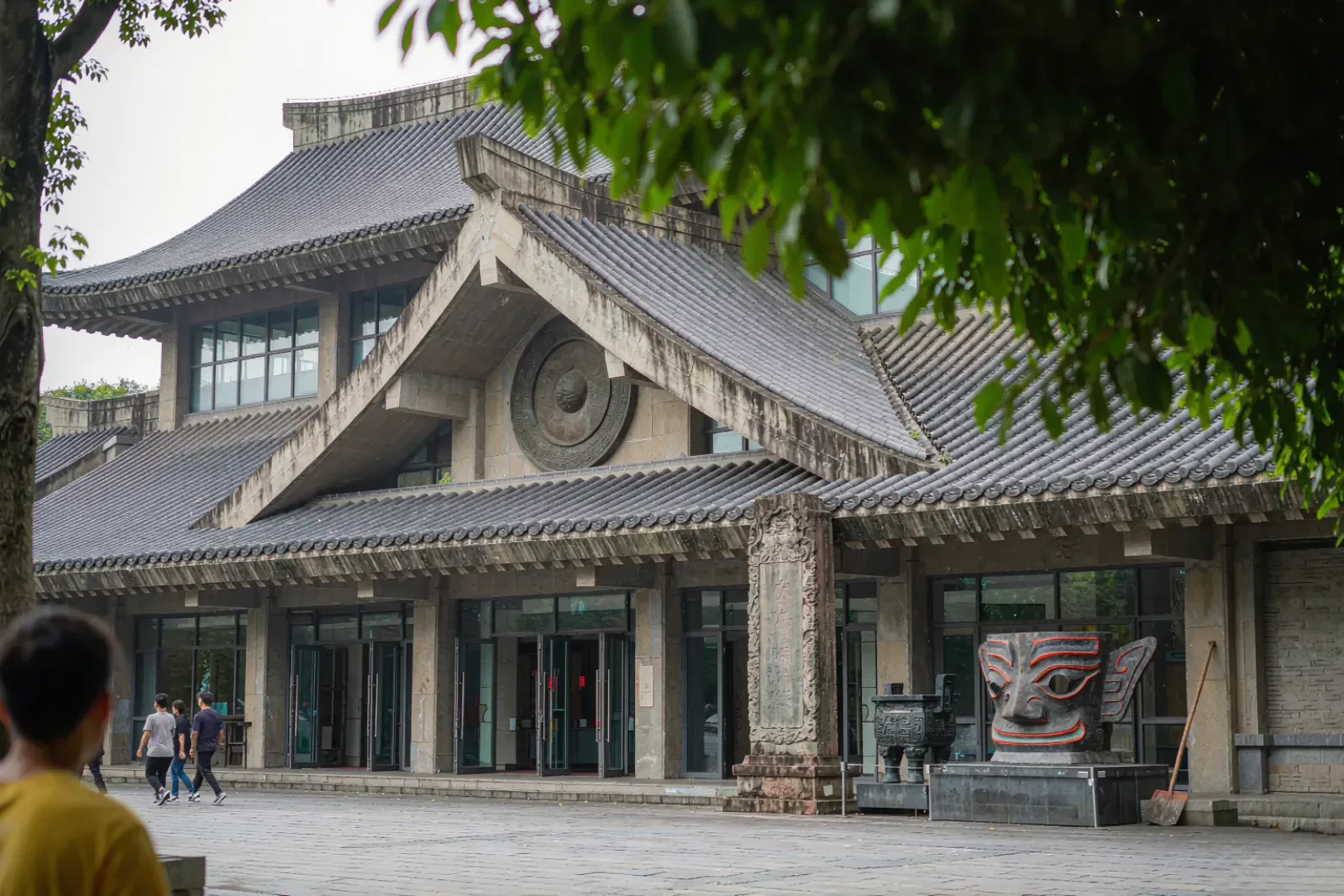
Sanxingdui takes day one in full because the new hall earns it: six national-treasure bronzes deserve twenty minutes each, personal judgment time no guide can spend for you. This line is light on spending: Sanxingdui at 72 yuan and Jinsha at 70, with the Sichuan Museum and the Qionglai kilns free, keeps tickets under 150 in total; the money goes to intercity transport and guiding. For the ancient-Shu theme, buy the top guide tier, since the deep-dive guides explain the stratigraphy of the sacrifice pits, the part self-guided visits cannot reach. Only one item is time-sensitive across the three days: Sanxingdui's new-hall tickets sell out days ahead on holidays, so lock them first. The other museums are forgiving, and Guanghan's trains run dense enough to absorb even a reschedule, which is where the ancient-Shu line treats travelers far better than the mountain routes.
Itinerary at a glance
| DAY1 09:00 | Day One: Sanxingdui, the Whole Day |
| DAY2 09:30 | Day Two: Jinsha's Continuation and the Museum's Context |
| DAY3 | Day Three: The Qiong Kilns' Everyday Face, or Gaps in Town |
The route, stop by stop
Day One: Sanxingdui, the Whole Day
Ride the intercity from Chengdu East or Xipu to Guanghan North, then a bus or twenty-minute taxi to the site. The new hall plays best as general gallery first, bronze hall second: pottery, jade and the sacrifice-pit reconstruction set the stage, while the standing figure, sacred tree, protruding-eye mask, gold staff and sun wheel are the main course. The conservation gallery shows restoration live, with public digs sometimes streamed on Fridays.
After four, the tour groups retreat, the golden hour for a second pass through the bronzes: the standing figure's missing gesture, the tree's nine branches in three tiers, second looks find things first looks never do.
Order matters in the new halls: starting with the bronzes in the morning makes the afternoon's general gallery feel like a step down, so follow the numbered sequence and let the story unfold itself. Rest seats cluster at the cafe; families should schedule a fifteen-minute pause around three in the afternoon, and patience for the back half improves noticeably.
Day Two: Jinsha's Continuation and the Museum's Context
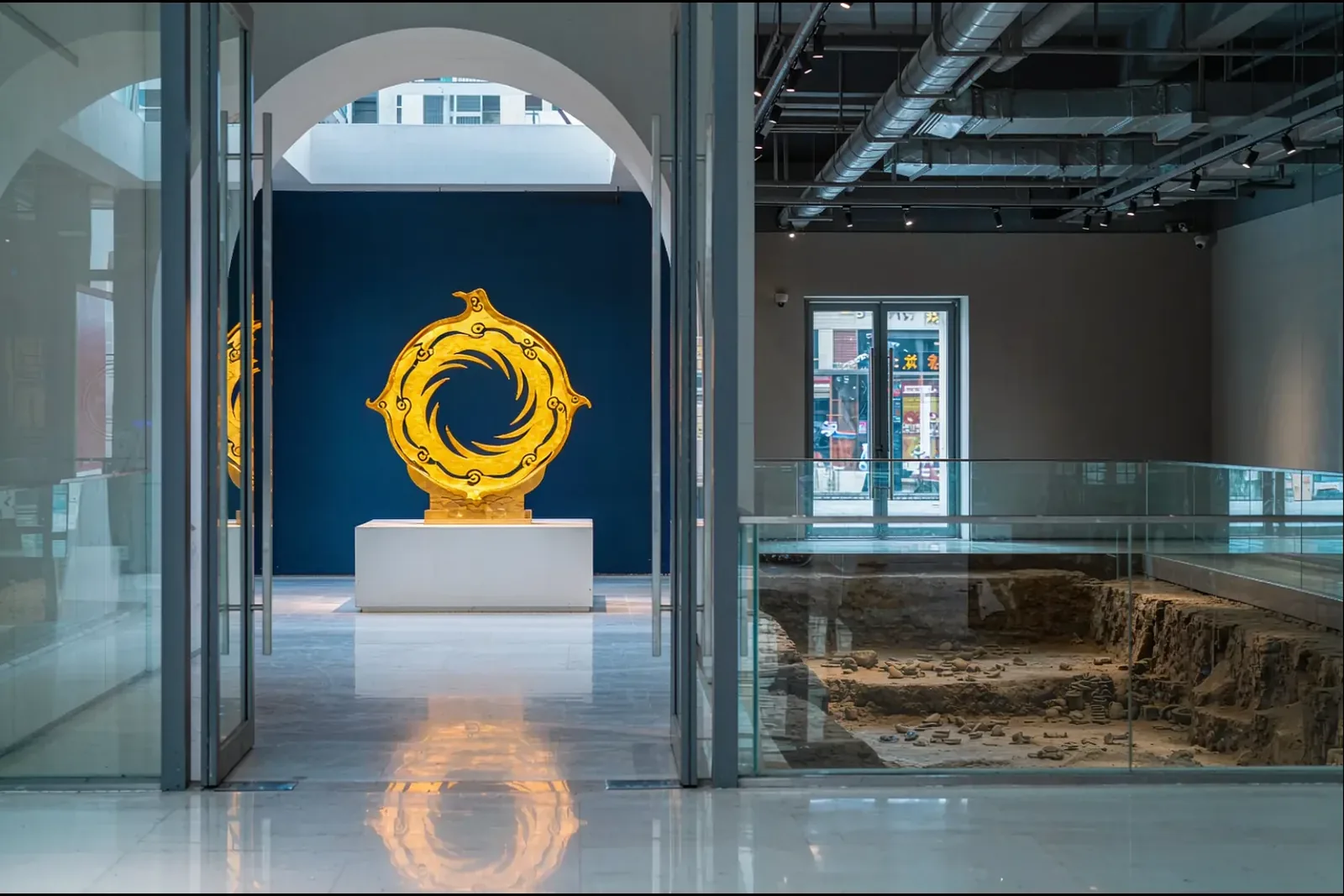
Morning at Jinsha, played as the sequel to Sanxingdui: the sun bird is Jinsha's totem, ivory and jade rituals continue but evolve, and the Shu capital moves from Guanghan to Chengdu. The in-situ trenches here hold a direct conversation with Sanxingdui's pits.
Afternoon at the free Sichuan Museum builds context: the boat-coffin bronzes, Zhang Daqian's Dunhuang copies, a bridge from gods toward people. With evening energy left, the opera excerpts at the Jinjiang Theater add the final stroke of street-level warmth.
The comparison is the day's real homework: the two sites treated ivory differently and their gold shows continuity with variation, so note the differences on your phone and the second museum turns into detective work. The Sichuan Museum's bronze gallery is compact; focus on the boat-coffin reconstruction and the tiger motifs on weapons, and one hour suffices.
Day Three: The Qiong Kilns' Everyday Face, or Gaps in Town
Day three offers two paths. Qionglai: half an hour by rail to a free archaeological park at the Qiong kilns, where the dragon kiln and workshop zones show the civilization's late industrial face, the sancai glazes a Tang-era southwest dialect. Pair it with the Baimo River at Pingle old town, an easy day.
Or fill gaps in town: Donghuamen, the stacked city strata from Han to Ming beside Tianfu Square, is a free urban-dig site; those who absorbed the first two days get goosebumps here.
The dragon kiln at the park climbs the slope, and the drop from head to tail explains the name: flame draws uphill and the temperature gradient was the ancients' firing curve. Save a wheel-throwing session at the workshop area for the last half hour; boarding the train with clay on your hands lands three days of travel right in your palms.
| Getting around |
|
| Budget | About RMB 700-1100 pp, dominated by the Sanxingdui ticket and transfers. |
| Best time | Year-round; Sanxingdui's new hall sells out in season, book 5-7 days ahead. |
FAQs
Do Sanxingdui and Jinsha overlap?
They resemble each other, gold, jade and sacrifice pits, but they are episodes: Sanxingdui is the capital at the peak of divine rule, Jinsha the continuation and secularizing turn after the move to Chengdu. Watching Jinsha after Sanxingdui, the rituals visibly shrink and the objects turn domestic, a sense of a civilization in motion neither site gives alone.
Is a guide worth it at Sanxingdui?
Two answers. First pass, yes, guide or device: without context the standing figure is just a statue. Second pass, alone, testing the clues the guide planted. The new hall runs heavy crowds, and official shared-guide channels sit at the entrance.
Will kids find this route boring?
Sanxingdui never, the tree and masks strike across ages; Jinsha splits even, in-situ trenches give kids a treasure-dig fantasy bonus; the kilns depend on age, ten and up can follow kiln heat and glaze stories. For younger kids pack a find-it card, locate the standing figure, the tree and the gold mask and sketch each, and the museum turns scavenger hunt.
What prep helps with zero background in ancient Shu?
Two hours suffice: any Dunhuang-to-Shu documentary from the last three years, plus three keywords, sacrifice pits, sacred tree, protruding-eye mask. Enter asking why they smashed and buried such precious things; academia still argues the same question, so your confusion is expert-grade.