 TripMyChinaJOURNEYS THROUGH REAL CHINA✦ AI Trip✦ Plan My Trip
English
简体中文
繁體中文
日本語
한국어
ไทย
Tiếng Việt
Bahasa Indonesia
Italiano
Español
العربية
Русский
Deutsch
Français
Bahasa Malaysia
TripMyChinaJOURNEYS THROUGH REAL CHINA✦ AI Trip✦ Plan My TripThe Bund at night, Yu Garden teahouses, French Concession lanes and a day trip to a water town — China's most stylish city, with your own guide.
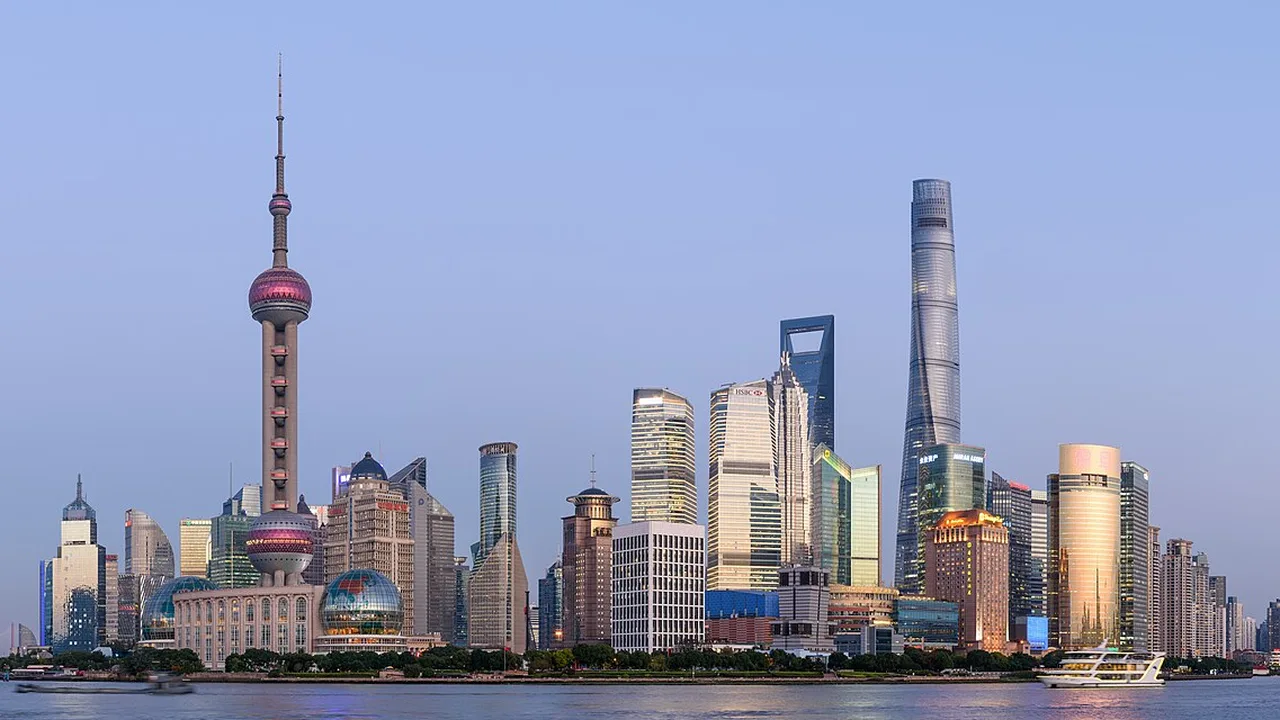
Shanghai is China's most cosmopolitan city — a glittering financial capital where the colonial Bund faces the futuristic skyline of Lujiazui across the Huangpu River. It has been a gateway between China and the world for over a century, and that openness still defines its character today.
The city is a study in contrasts. Stroll the Bund at dawn, wander the French Concession's plane-tree avenues, and step into the lanes of Yu Garden's old town. Then ride up the Shanghai Tower for a view that stretches to the sea, and end the day with xiaolongbao and a river cruise.
Shanghai is also the perfect base for side trips to the water towns of Zhujiajiao and Suzhou, or a quick high-speed rail hop to Hangzhou's West Lake. Most travellers spend two to four days here, often as a stylish start or finish to their China journey.
Shanghai Municipality packs 24.9 million people into 6,340 square kilometers along the Huangpu River — China's largest city and its financial capital. It administers 16 districts, from the Bund-side heritage core of Huangpu to the skyscraper forest of Pudong, with a recorded history of about 730 years as a county and 180 years as an open port.
World-class, national and global recognition earned over the decades.
Joined the UNESCO Creative Cities Network as a City of Design in 2010.
Staged the largest World Expo in history — 246 participating countries and organisations, 73 million visits.
The Shanghai Pilot Free Trade Zone (2013) was China's first, and the city remains the country's largest financial centre.
Named in the second batch of National Historical & Cultural Cities in 1986.
The 1.5 km riverfront of 52 historic buildings was listed as a national key cultural relic protection unit in 1996.

The moments that shaped the city — and the stories its people still tell.
A Tang-dynasty trading port on the Wusong River — the earliest ancestor of Shanghai as a commercial town.
The Yuan court established Shanghai County, giving the town its name and administrative status.
Shanghai opened as a treaty port, and foreign concessions turned a riverside town into Asia's commercial capital within decades.
The city was separated from Jiangsu and became a directly administered municipality — the 'Paris of the East' era.
Pudong New Area was launched, and within 30 years Lujiazui became a global financial skyline.
The 2010 World Expo drew 73 million visits and reshaped the city's riverfront.
China's first Pilot Free Trade Zone opened in Pudong.
The river is nicknamed 'Chunshen River' after Lord Chunshen, a Warring States minister said to have dredged it — Shanghai's old name 'Shen' comes from him.
A spring beneath Jing'an Temple was said to bubble day and night; the district name 'Jing'an' (quiet and peaceful) comes from the temple, not the spring.
Three paces, one city — every route built from places we actually operate.
Weather, crowds and the best months for what you want to see.
Mild and green — the best months for walking the Concession lanes.
Clear skies and comfortable air — the city's most photogenic season.
Hot, humid and prone to typhoon rain; plan indoor museums at midday.
Cold and damp, but the clearest river views and the fewest crowds.
What this city is known for — the things worth planning your day around.
The places worth building a day around.
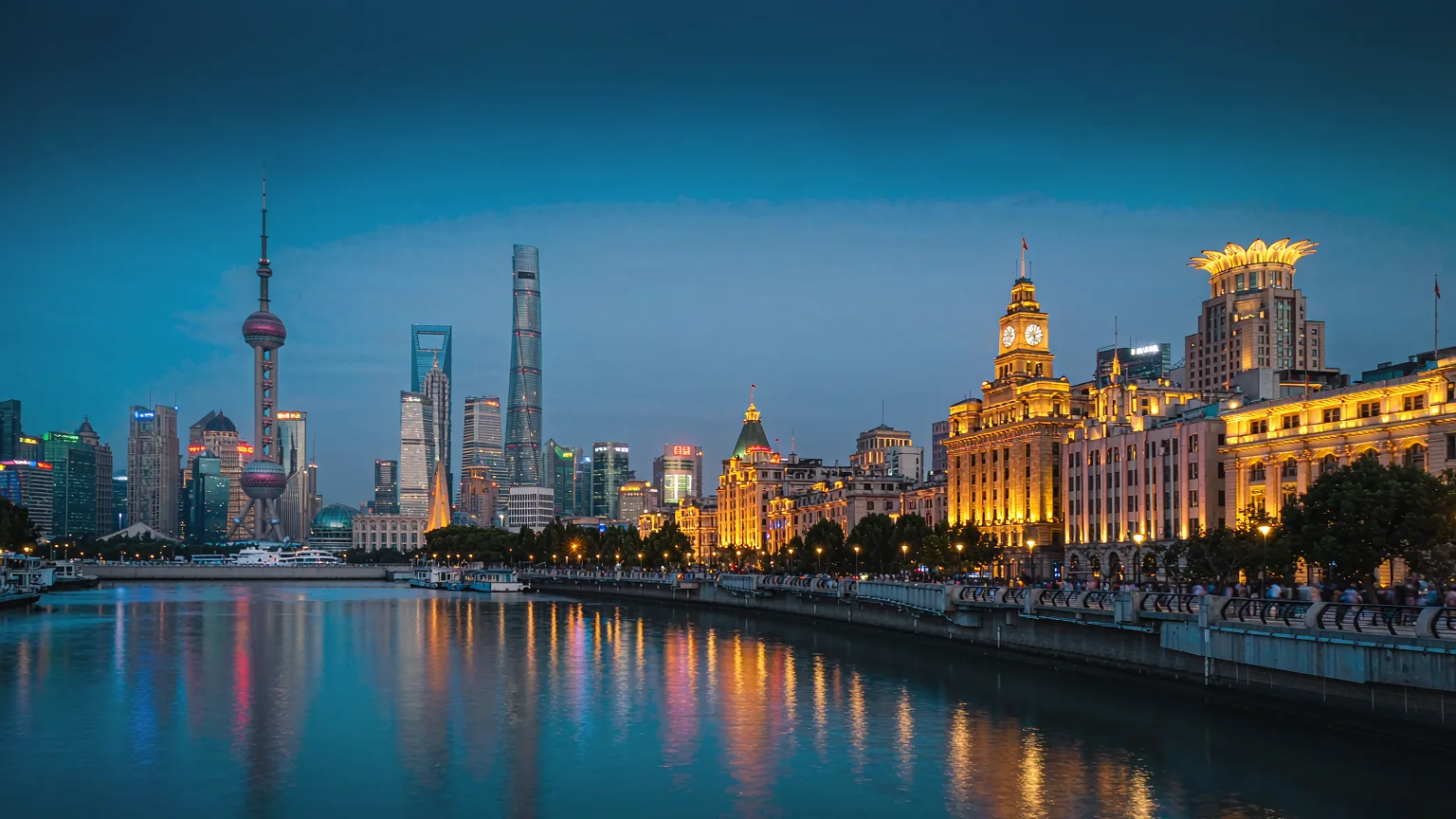
The Bund is a 1.5 km riverfront walk with 52 buildings on one side and a skyline on the other. The buildings are the point: they went up between 1900
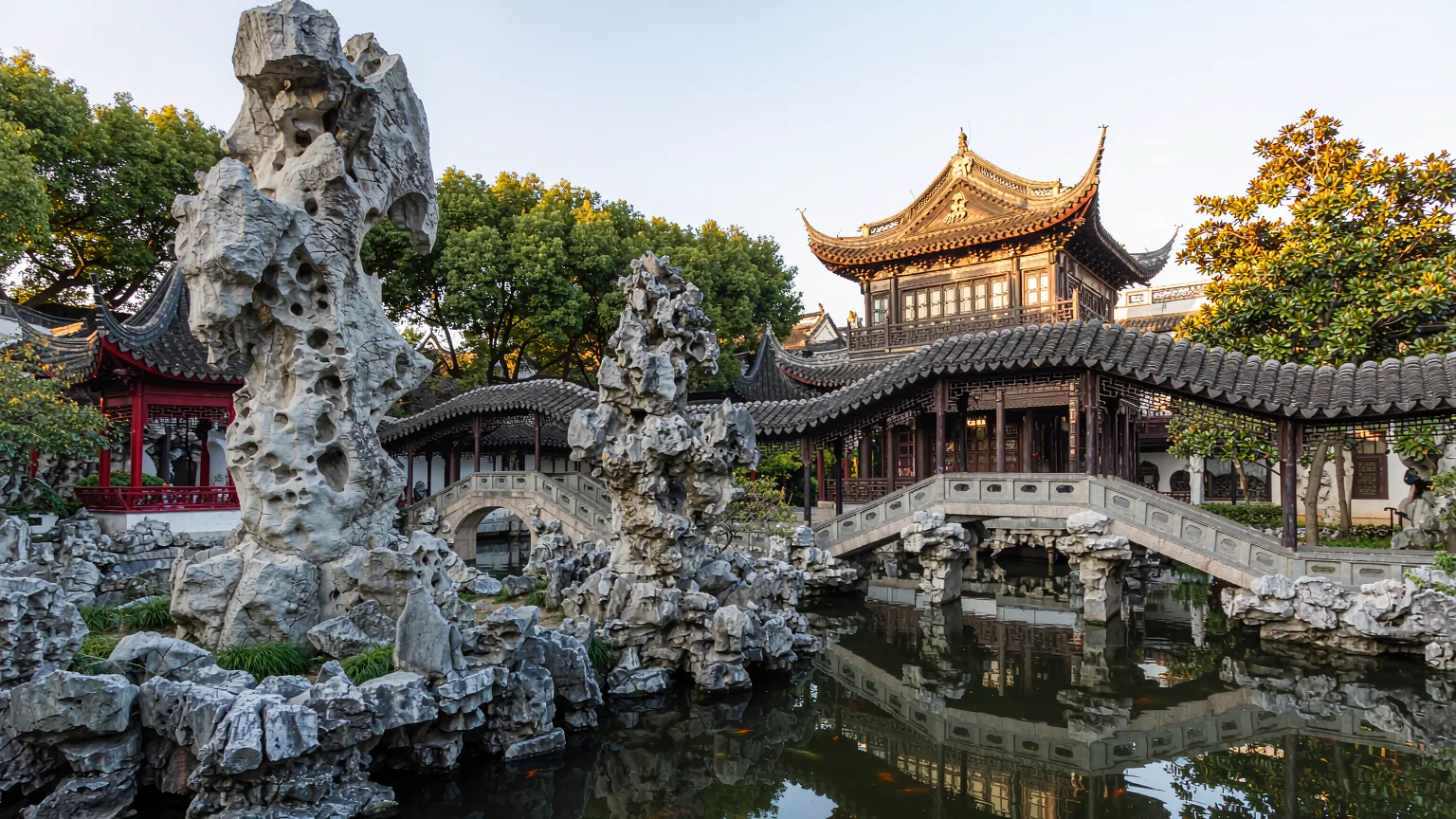
Yu Garden is a 2-hectare Ming garden finished in 1577, surrounded by the busiest commercial temple complex in Shanghai. The garden and the bazaar are
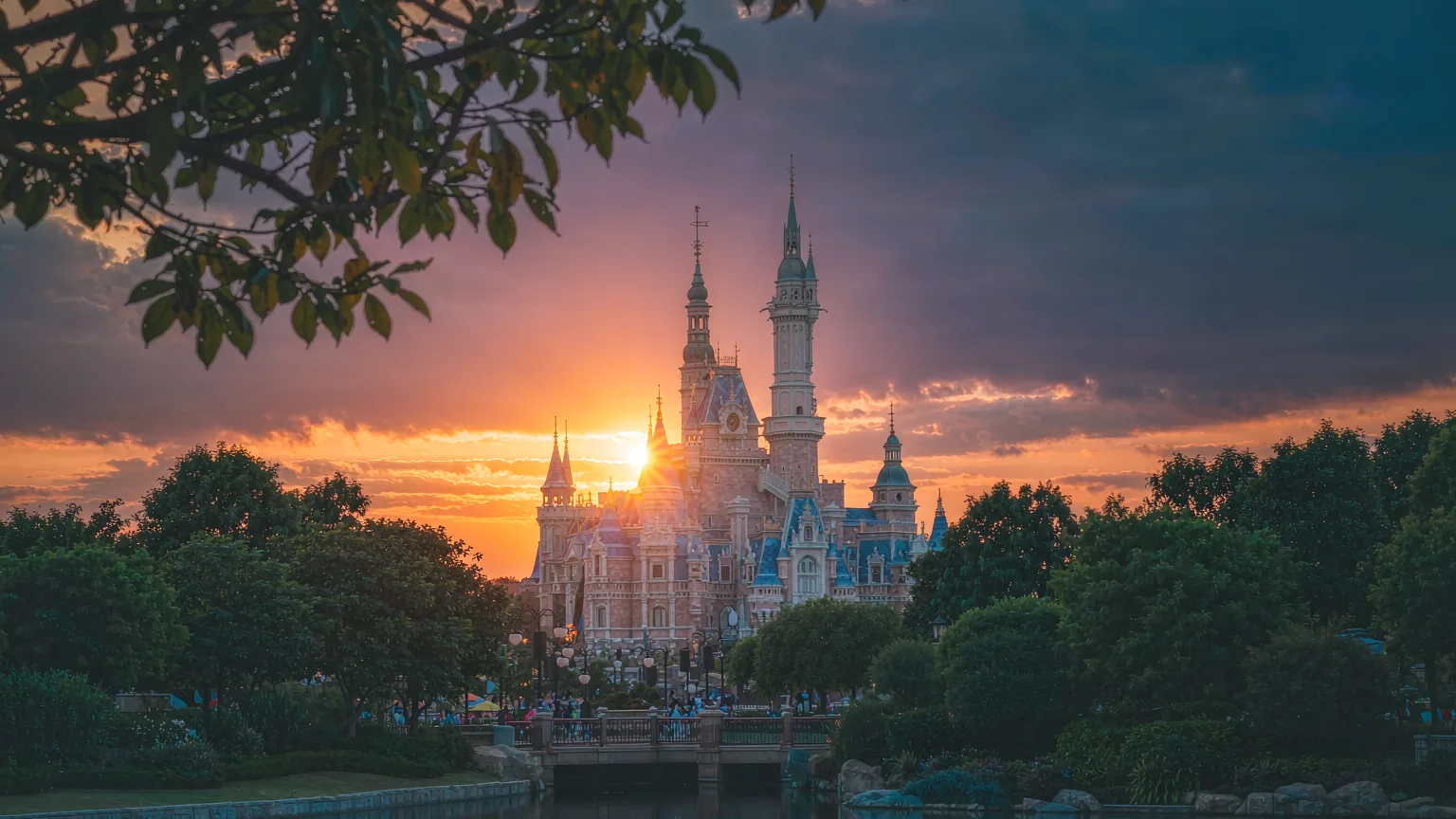
Shanghai Disneyland opened in 2016 and is the largest Disney park in Asia by area. It has one ride that exists nowhere else and is worth the trip on i
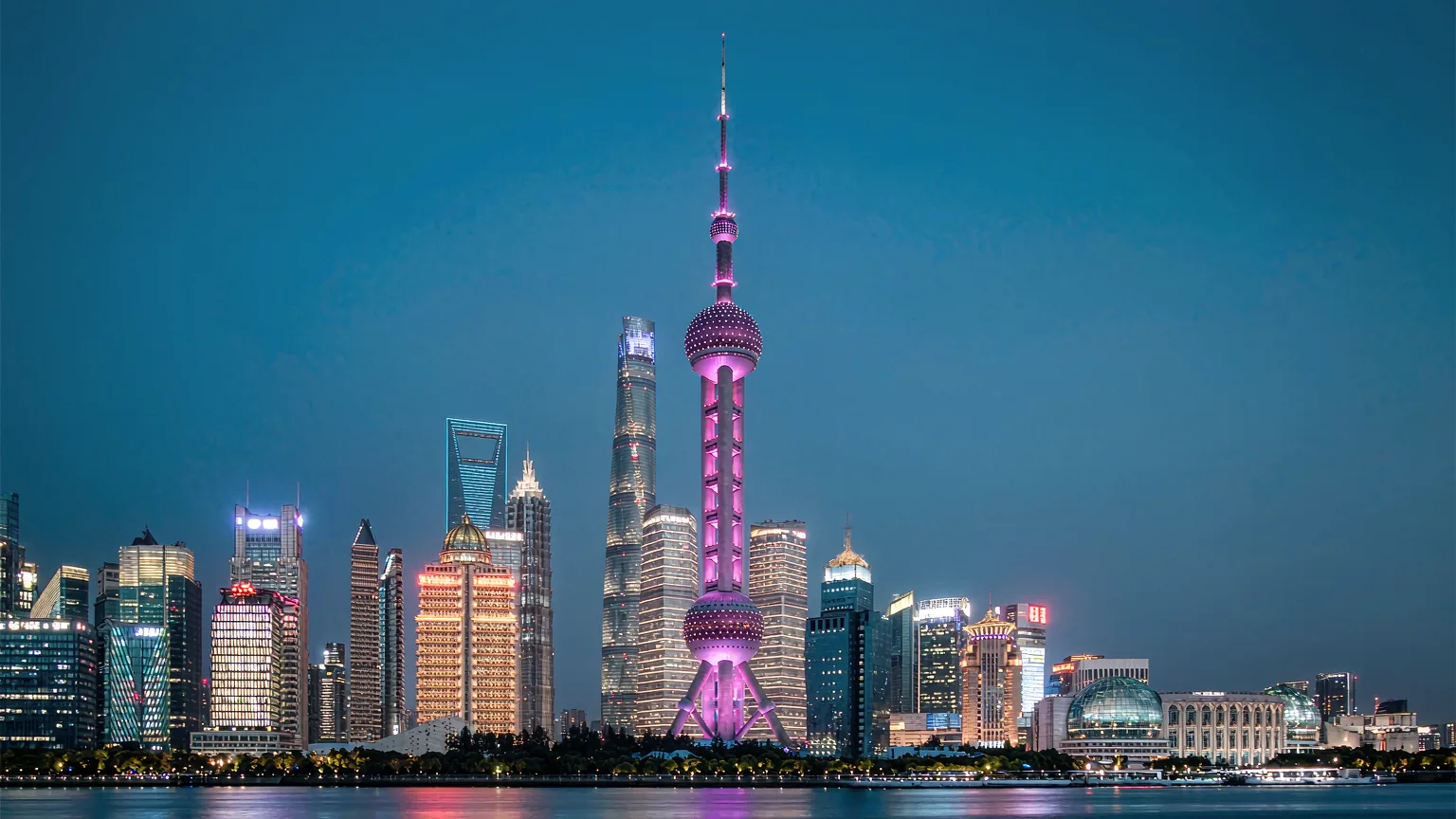
The Oriental Pearl Tower is 468 metres of pink spheres on a concrete column, built in 1994 and now the fourth-tallest tower in the city. It is a touri
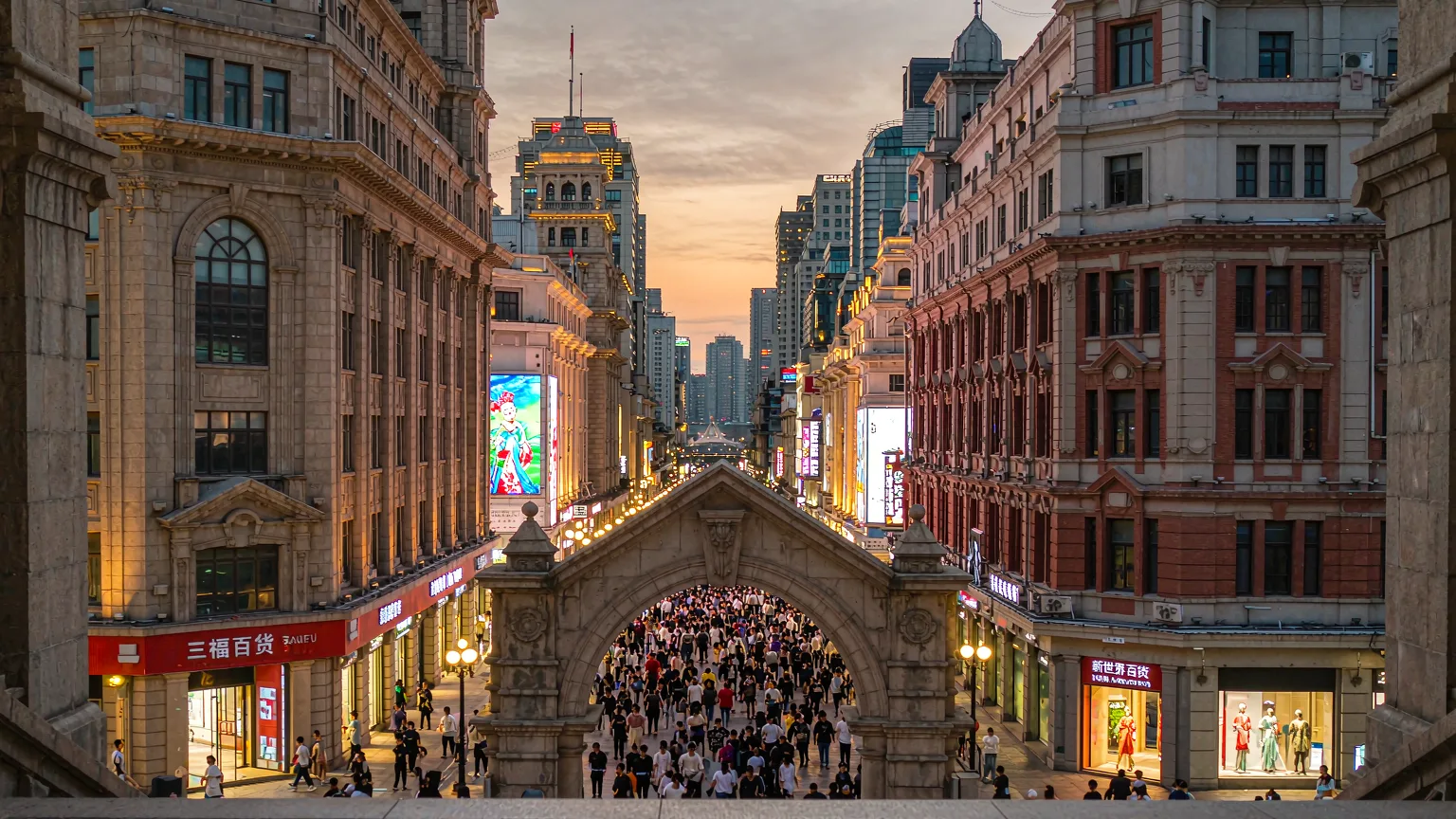
Nanjing Road is 1.2 km of pedestrian shopping between People's Square and the Bund. It is not a sight. It is what a Chinese city centre looks like at
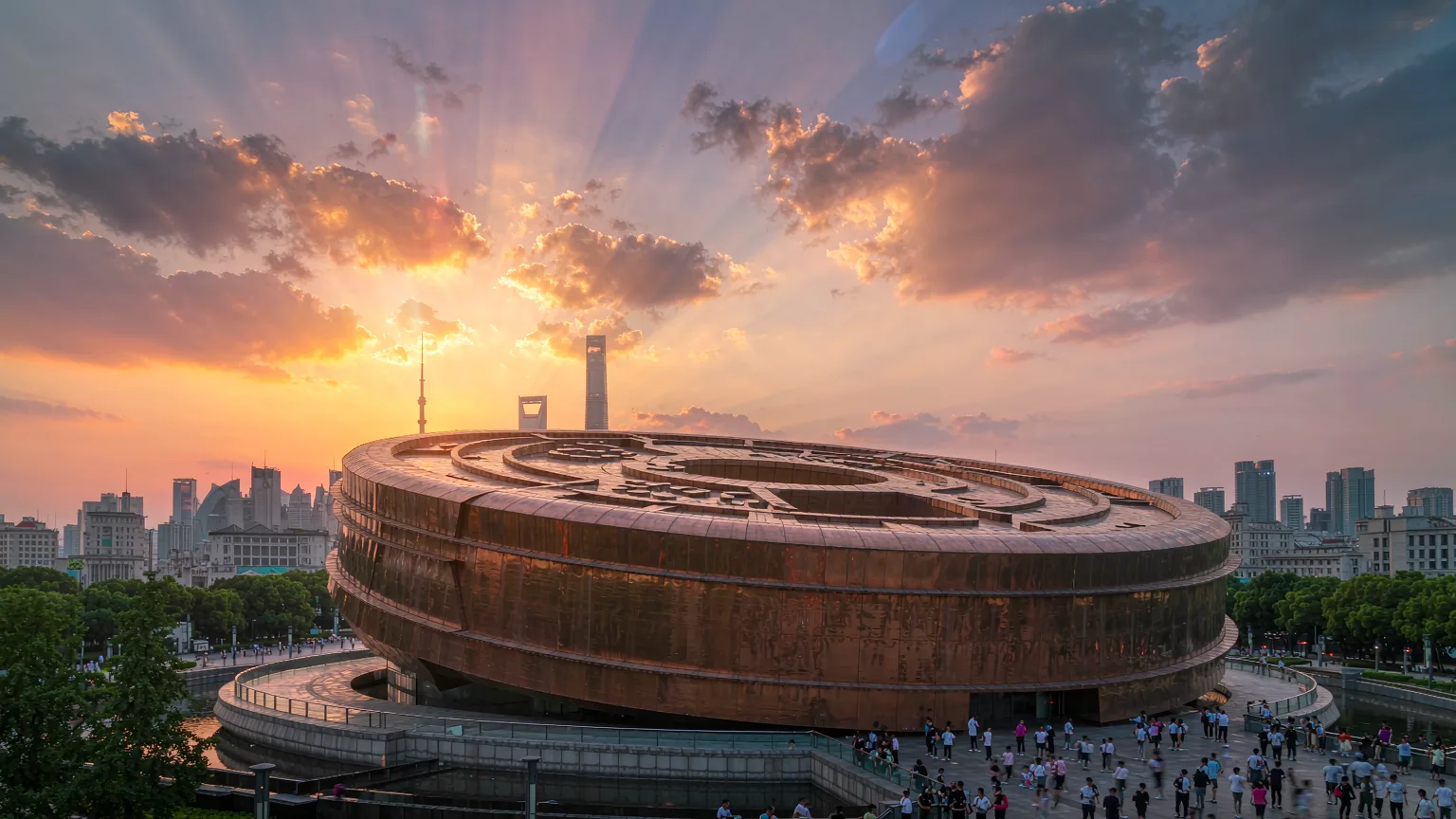
The Shanghai Museum holds 1.02 million objects and displays about 3 percent of them at a time. The bronzes, ceramics and painting galleries are the th
A little further out, for a spare half-day.
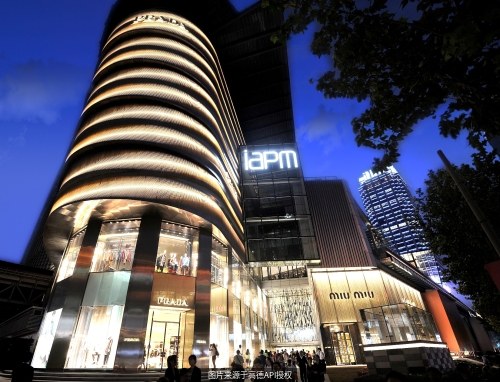
A high-end mall on Huaihai Road known for late-night shopping and international brands, open into the small…
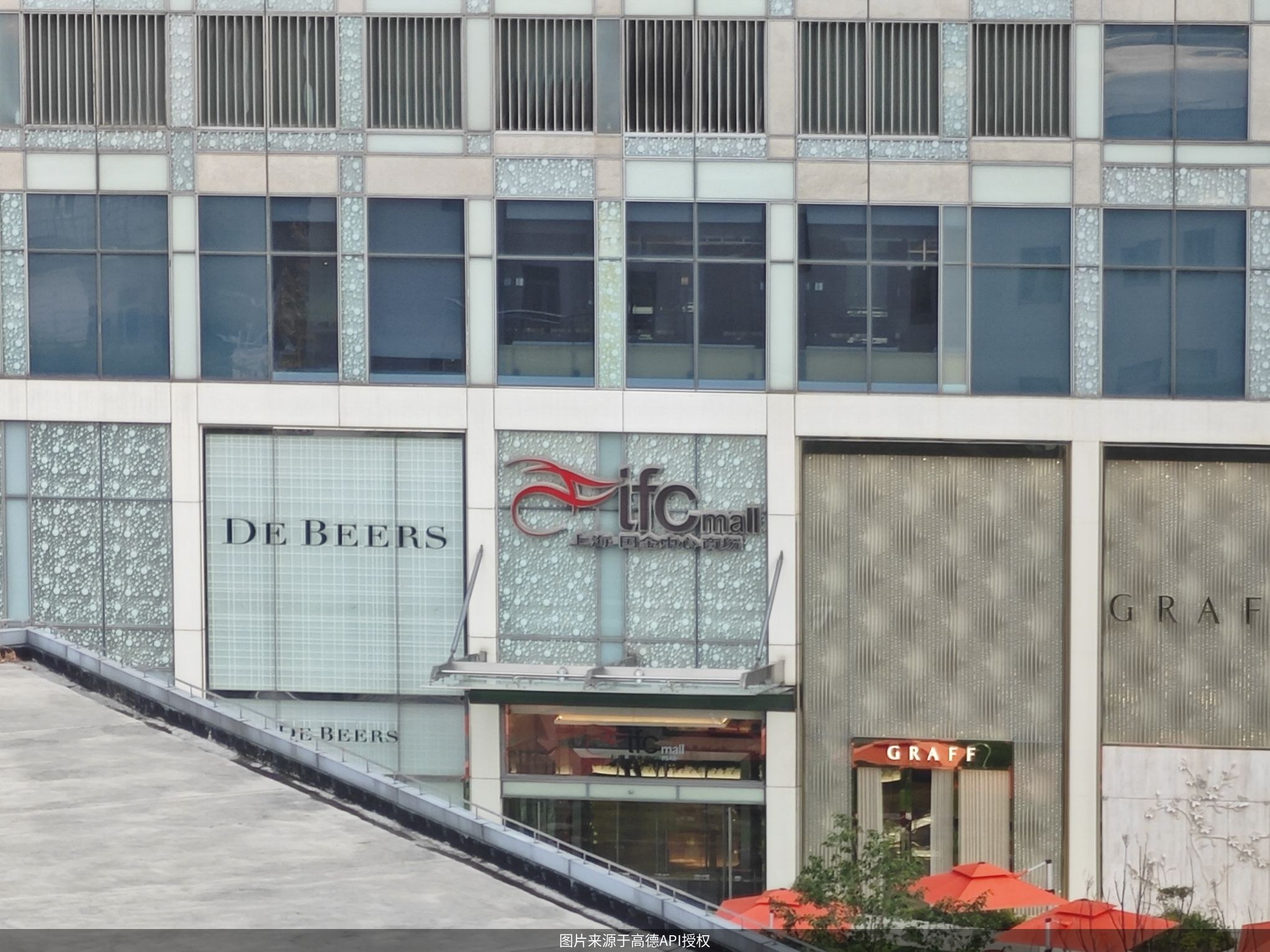
A premium Lujiazui mall with luxury brands and fine dining, plus river views. A landmark for upscale shopping…
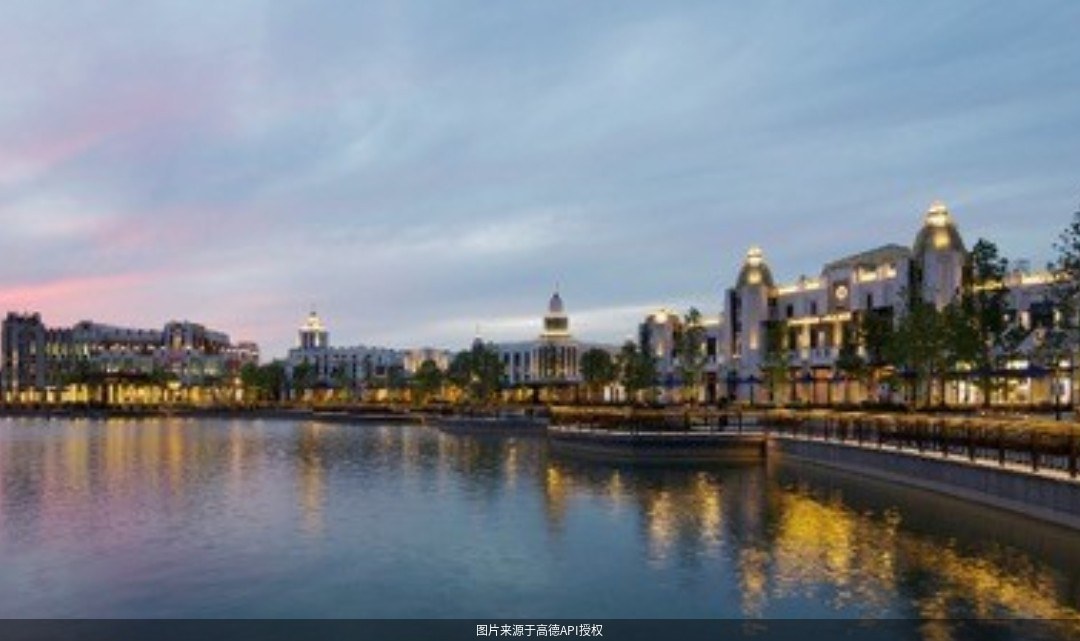
A luxury outlet village with many designer brands at reduced prices, in a European village setting. Near…
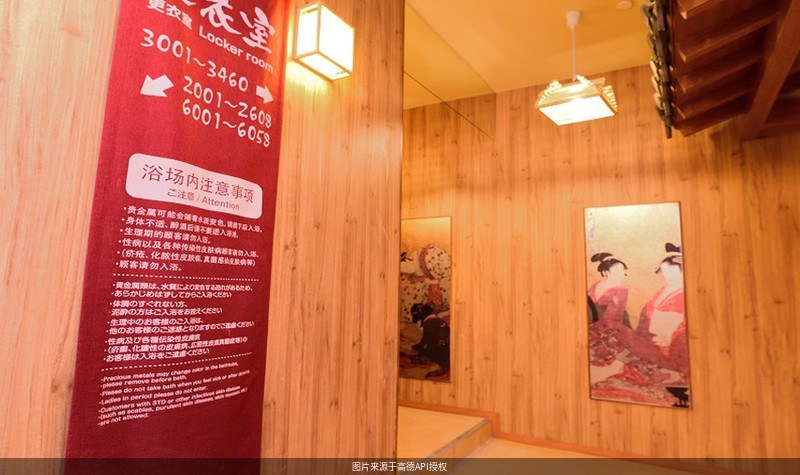
A Japanese-style hot-spring bathhouse chain offering soaking pools, saunas and rock baths in comfortable…
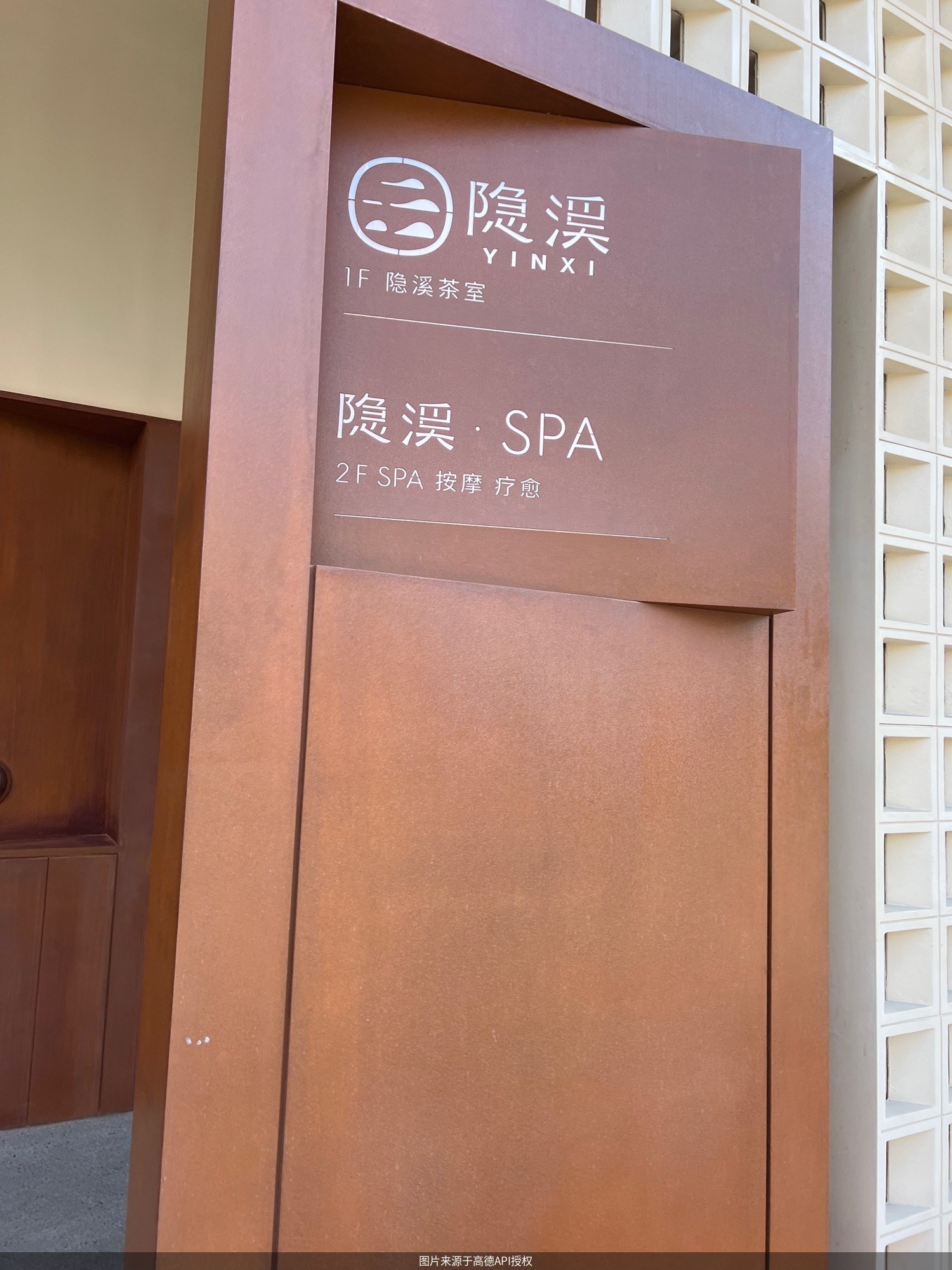
A well-known modern teahouse with serene, elegant surroundings and fine teas. A quiet escape in the city for…
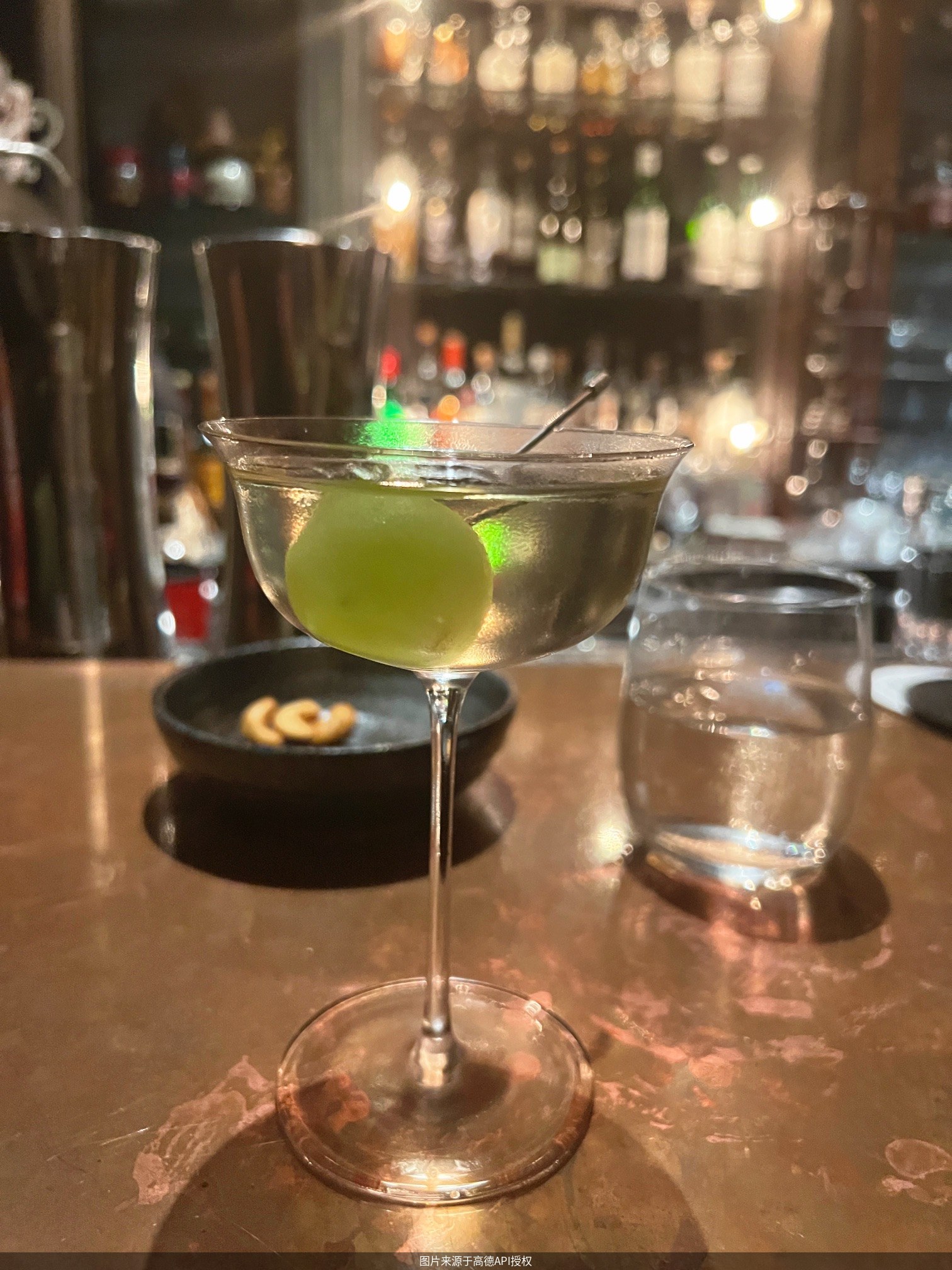
A Shanghai bar repeatedly named to the World's 50 Best Bars list, with a clever hidden entrance and…
Museums, galleries and workshops still keeping old crafts alive.
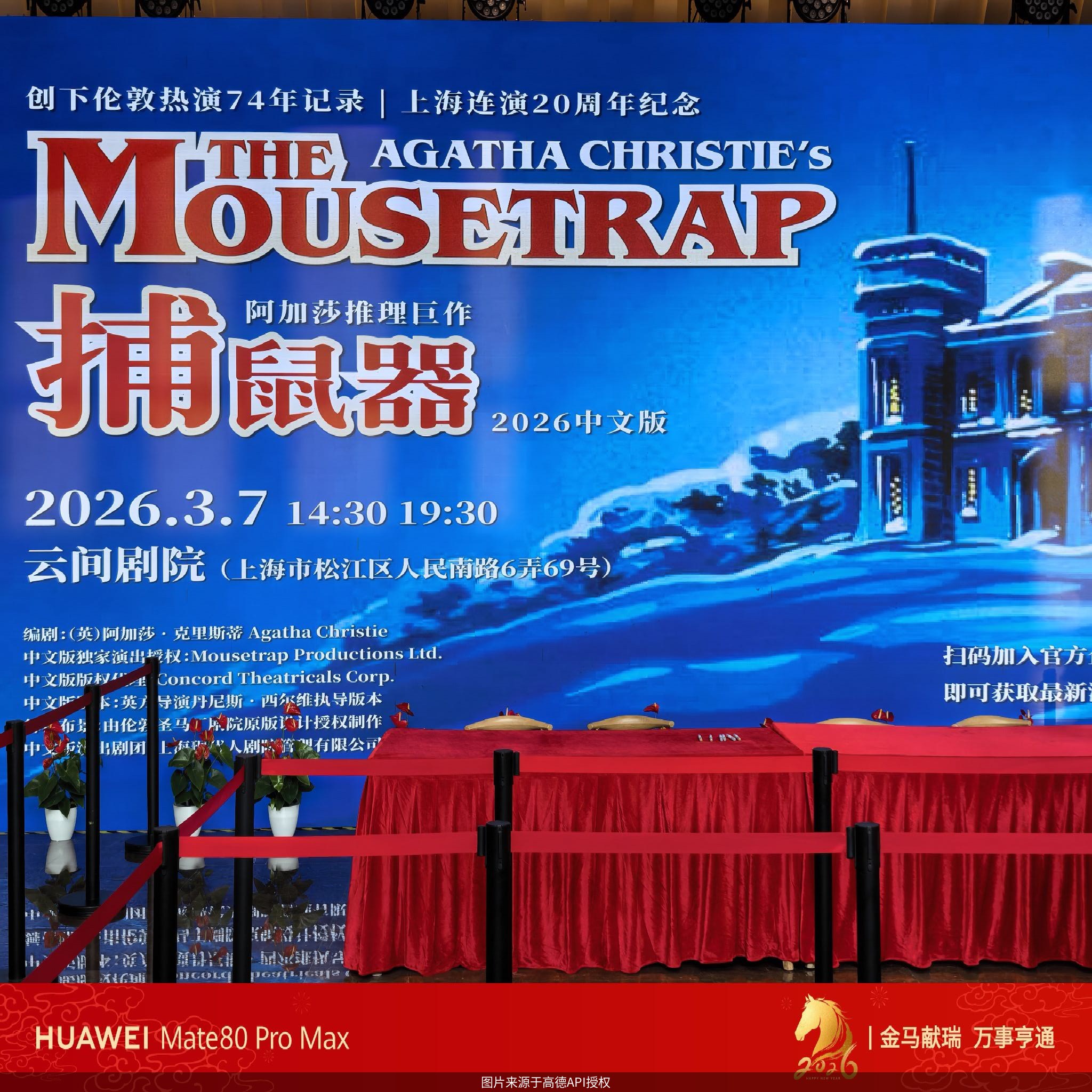
A local opera unique to Shanghai, with melodious tunes and everyday themes, known as the 'voice of Shanghai'.…
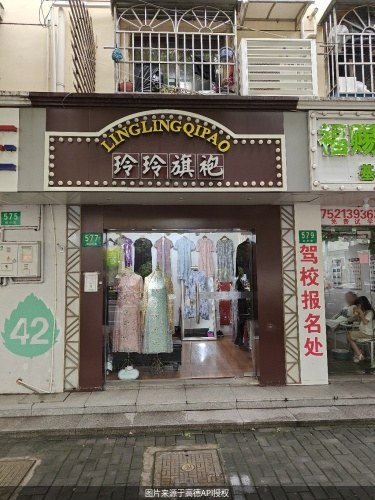
Shanghai-style qipao is famed for fine tailoring and East-meets-West elegance, once all the rage. Blending…
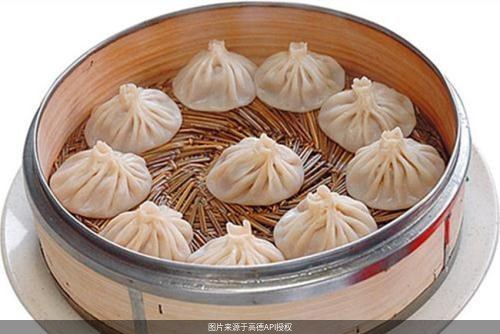
A signature Shanghai snack of thin-skinned, soup-filled dumplings from Nanxiang, Jiading. With 18 pleats and…
Shanghai paper-cutting blends northern and southern styles with rich themes, fine knife work and flowing…
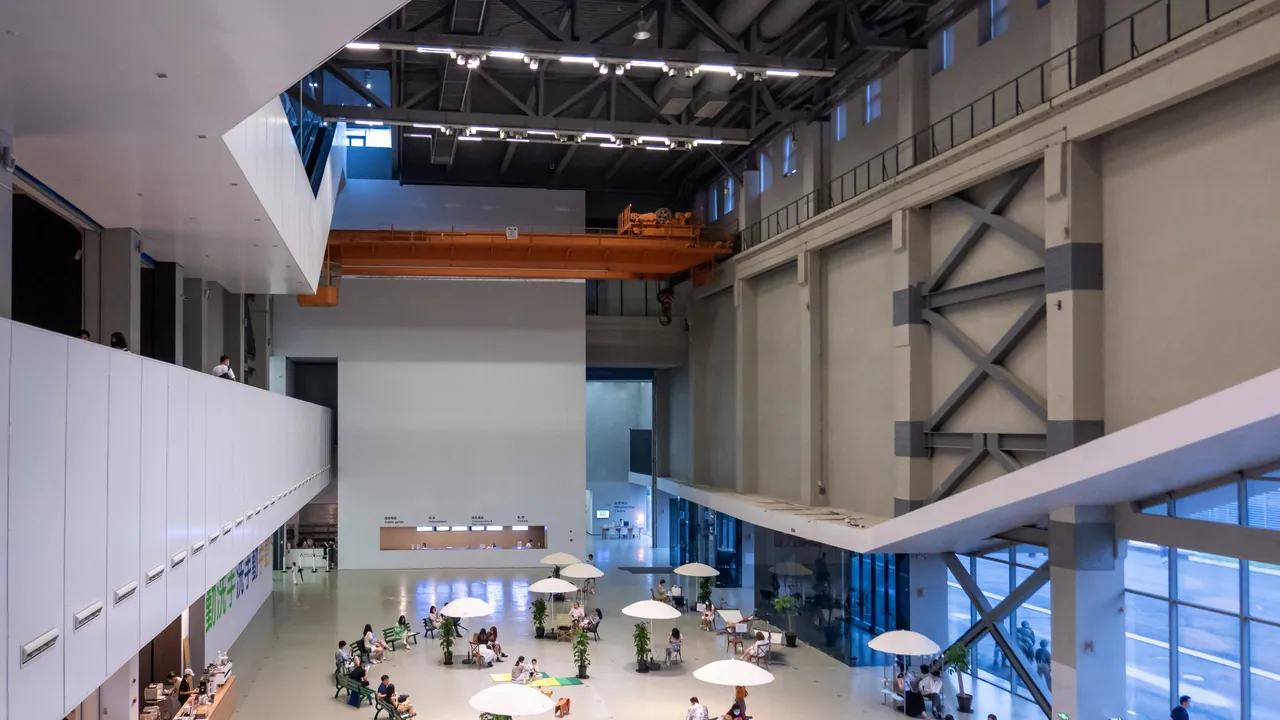
A former power station with a 165-meter chimney, now China's first state-run museum of contemporary art.
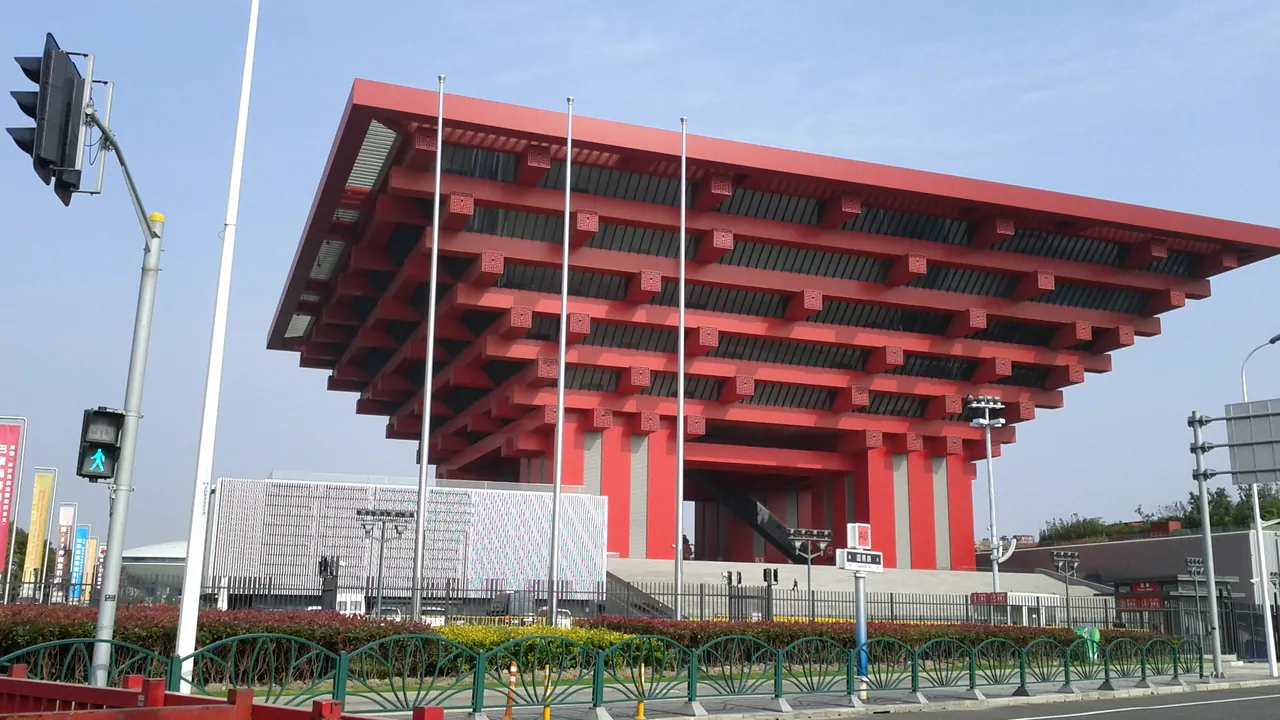
The red inverted-pyramid from Expo 2010 now hangs China's monumental version of 'Along the River During…
Where the whole street eats — the city's most famous food streets, each with its own guide page.
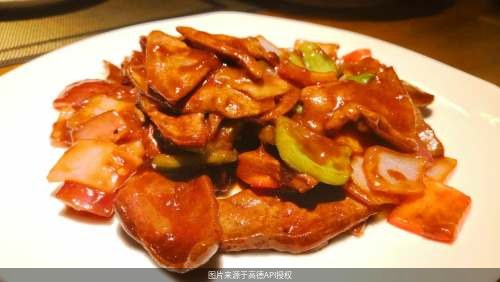
A long-running Benbang (Shanghainese) restaurant, with classics like braised pork and oil-blasted shrimp in…
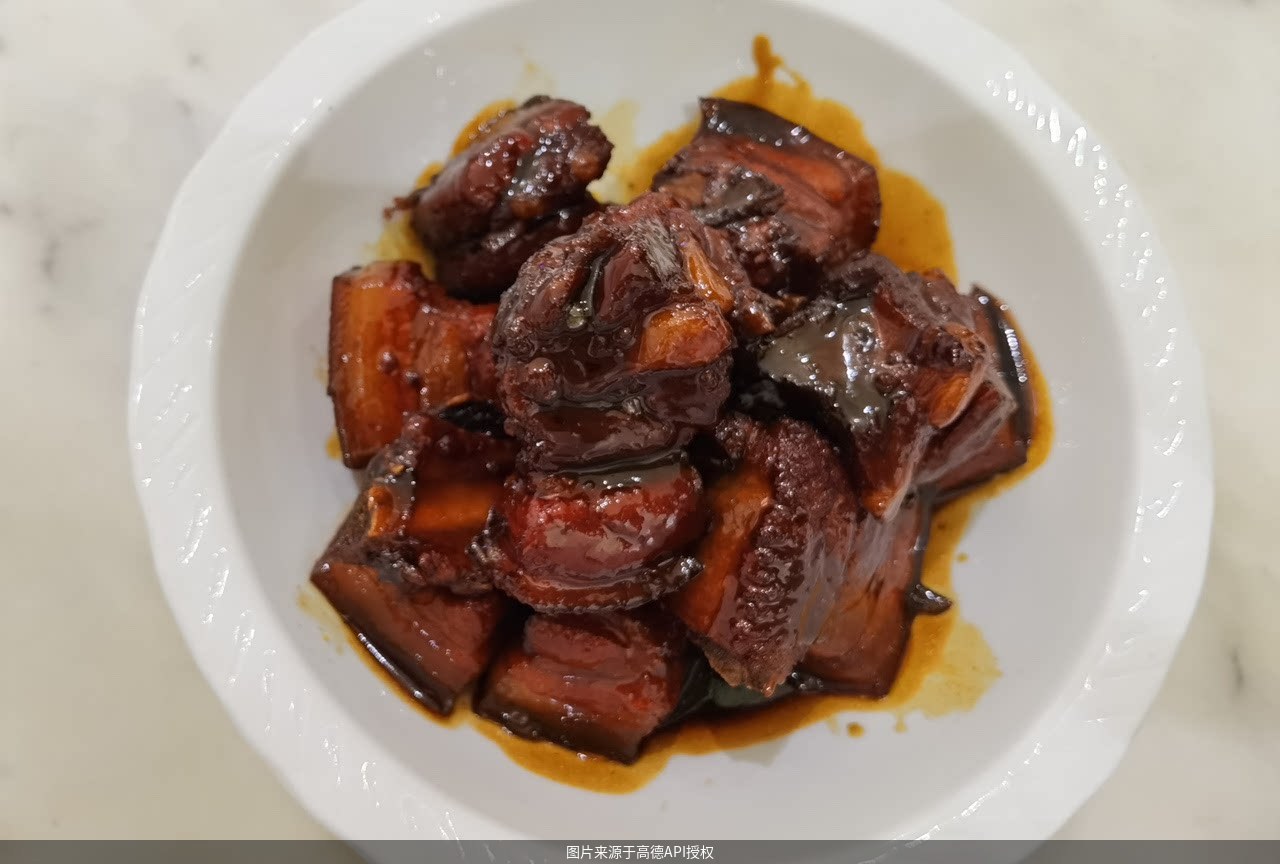
A time-honored restaurant on Huaihai Road famed for pork mooncakes and soy duck, always with long queues. It…
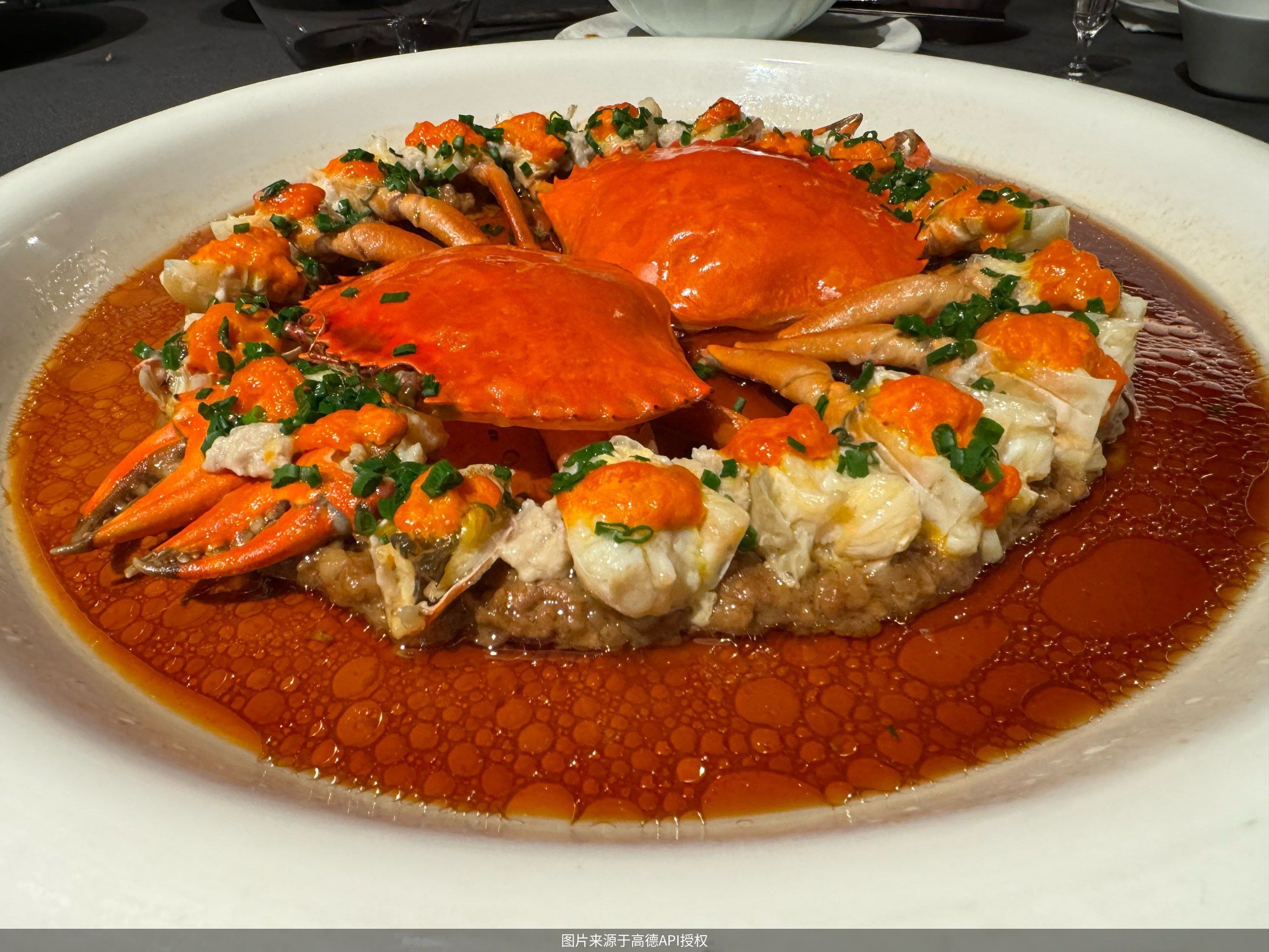
A contemporary Shanghainese restaurant blending nostalgic flair with modern creativity and refined plating.…
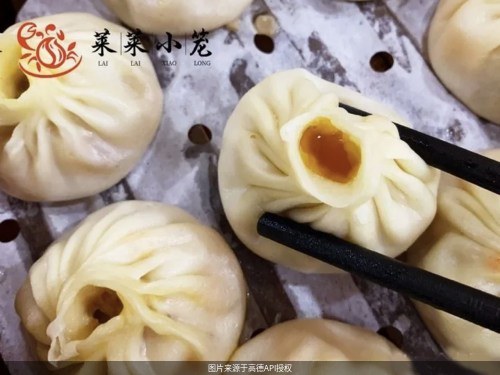
A popular shop famous for crab-roe soup dumplings with thin skins and rich broth, steamed to order. A go-to…
A time-honored dim-sum shop on Nanjing West Road, founded in 1945 and known for shengjian buns, xiaolongbao…
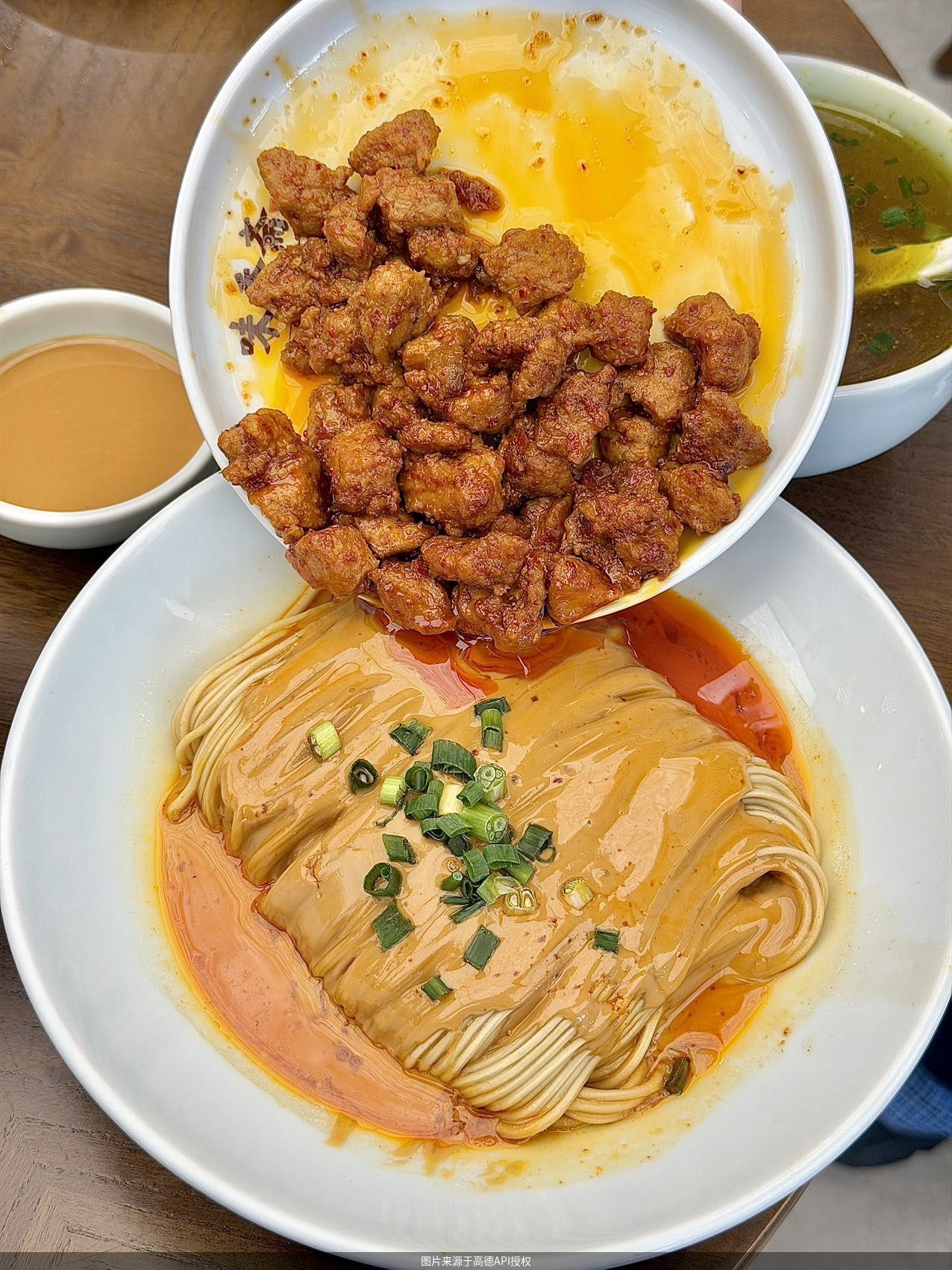
A classic noodle shop famed for scallion-oil noodles — springy noodles with fragrant scallion oil, best with…
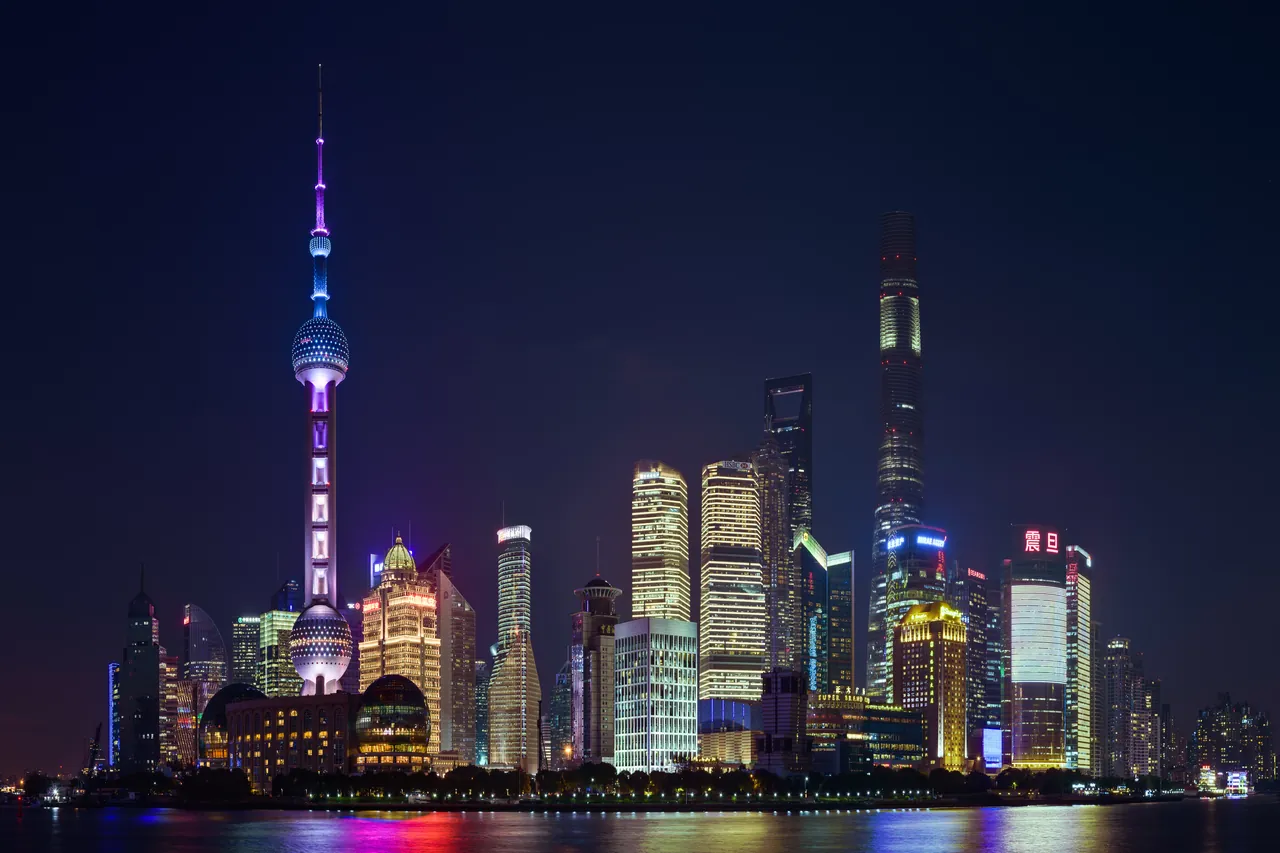
The classic view: 52 historic facades on one side, Pudong's towers on the other.
A cluster of rooftop terraces looking straight across at Lujiazui.
Restored shikumen lanes turned restaurants and bars — busy but well done.
A 1930s art-deco ballroom with a resident band of veteran players.
Two skylines, one river — Shanghai after dark is best seen from the water, then from a bar above it.
Listed sites and the crafts that made this city famous.
52 buildings in 1.5 km — from neoclassical banks to the art-deco Peace Hotel, a national key cultural relic site.
A Ming-dynasty garden (1559) surrounded by the surviving street pattern of the walled city.
Shanghai's own opera form, sung in the Shanghai dialect about city life — national intangible heritage (2006).
Literary painting rendered in silk thread — a Shanghai craft that influenced all later Chinese embroidery.
The 18-fold pleat is the signature — a craft listed as national intangible heritage.
Hand-tailored qipao using traditional Shanghai cutting and silk-brocade techniques.
Senior licensed guides with 10+ years in the field and fluent English — deep on history, culture and local life.
Experienced licensed guides with clear English — solid on city highlights, food and day-to-day logistics.

Licensed guides with workable English — a good-value choice for city days, transfers and standard commentary.
Chauffeur-driven by the day, plus airport and intercity transfers.



Private chauffeur-driven vehicles, priced per vehicle not per person. Airport transfer from $45; intercity transfer from $180.
An airport integrated with the high-speed rail station, mainly serving domestic flights. Seamless air-rail transfers make it a key node for the Yangtze Delta.
A historic railway hub and a key departure point for conventional and some high-speed services in the Yangtze Delta. Its central location ensures easy access.
A domed railway hub mainly serving southbound trains, connected to the metro and long-distance buses. One of Shanghai's key passenger terminals.
A major international aviation hub with global connections and two terminals, Shanghai's primary gateway. The maglev line links it swiftly to the city center.
A high-end mall on Huaihai Road known for late-night shopping and international brands, open into the small hours. A favorite where fashion meets nightlife.
A premium Lujiazui mall with luxury brands and fine dining, plus river views. A landmark for upscale shopping and leisure.
A luxury outlet village with many designer brands at reduced prices, in a European village setting. Near Disneyland, it is a popular shopping and leisure destination.

10 guides split by trip length: one-day city routes, three-day escapes and longer journeys, with stops, costs and transport in each.
Yu Garden and the old town in the morning, Nanjing Road by afternoon, the Bund at dusk,
Three DaysShanghai in Three Days: The Two Cities and a Water-Town BreathDay one for the Bund and Lujiazui, day two for the plane-tree district and museums, day
Multi-DayFive Days from Shanghai: City, Water Town and Gardens, the Full ArcThe classic three days plus a Suzhou day and a Zhujiajiao or Disney day: five days spann
Real routes, real travellers — a sense of what a trip looks like.
6 days · Shanghai + Suzhou · "The water town at 8am, before the tour boats — that was the trip."
5 days · Shanghai design trail · "Our guide took us to studios, not just sights — exactly what we asked."
4 days · Shanghai + Hangzhou · "High-speed train, gardens, then back for the Bund at night. Effortless."
Most travellers spend 3 days here. Add a day for a side trip if you want a slower pace.
Spring and autumn are usually the most comfortable. Check the seasonal notes above before booking.
We arrange airport/rail transfers and private drivers. Tell us your arrival point and we plan the connection.
Send an enquiry and a human expert replies within 12 hours with a draft plan and real prices. Flexible rescheduling; clear cancellation terms in your quote.
2-day private itineraries in Shanghai start from $590 per person, two travelling together. Your proposal itemises hotels, tickets, guide and car — no hidden fees.
Arrive before 8am for empty promenades and soft light, or after 7pm for the skyline lights. Midday weekends are the most crowded.
The garden itself takes about 90 minutes; the surrounding bazaar is free to walk and better for snacks than for shopping.
No — the metro reaches nearly everything on this page. A car helps for Zhujiajiao and for luggage days.
Recent listed prices: The Bund free; Yu Garden ¥40; Shanghai Disney Resort ¥475; Oriental Pearl Tower ¥199; Nanjing Road Pedestrian Street free. Ticket prices change seasonally — we confirm them in your quote.