 TripMyChinaJOURNEYS THROUGH REAL CHINA✦ AI Trip✦ Plan My Trip
English
简体中文
繁體中文
日本語
한국어
ไทย
Tiếng Việt
Bahasa Indonesia
Italiano
Español
العربية
Русский
Deutsch
Français
Bahasa Malaysia
TripMyChinaJOURNEYS THROUGH REAL CHINA✦ AI Trip✦ Plan My TripChengdu · Attractions
Jinsha was discovered in February 2001, when a construction crew digging foundations for a housing estate hit a layer of ivory and jade. What they found was the capital of the Shu state, 3,000 years old, and the gold sun-bird disc that became the symbol of Chinese cultural heritage.
The site covers 5 square kilometres and was occupied from about 1200 BC to 650 BC. It was the political and ritual centre that succeeded Sanxingdui, 40 km north, after that city was abandoned. Excavation is ongoing; about 10 percent of the site has been dug.
The museum, built over the main sacrificial area, has two halls. The first holds the gold, jade and bronze; the second is the excavation pit itself, left open with the layers visible and the elephant tusks still in place, 1,000 of them, stacked in three rows. The Sun Bird gold disc, 12.5 cm across and 0.02 cm thick, with four birds circling a sun, is in a case on its own.
Tailored guests should request a docent with an archaeology background: how the twelve rays and four birds of the Sun Bird gold foil were cut by hand, and what the ebony grove and the ivory pit say about ancient Shu ritual, will decide the order of your visit. The best view of the Sacrificial Hall is from the walkway above; see the main galleries first, then return to the excavation floor so the timeline closes into a loop. Families with children can book the dig-experience area and restore a replica artifact by hand.
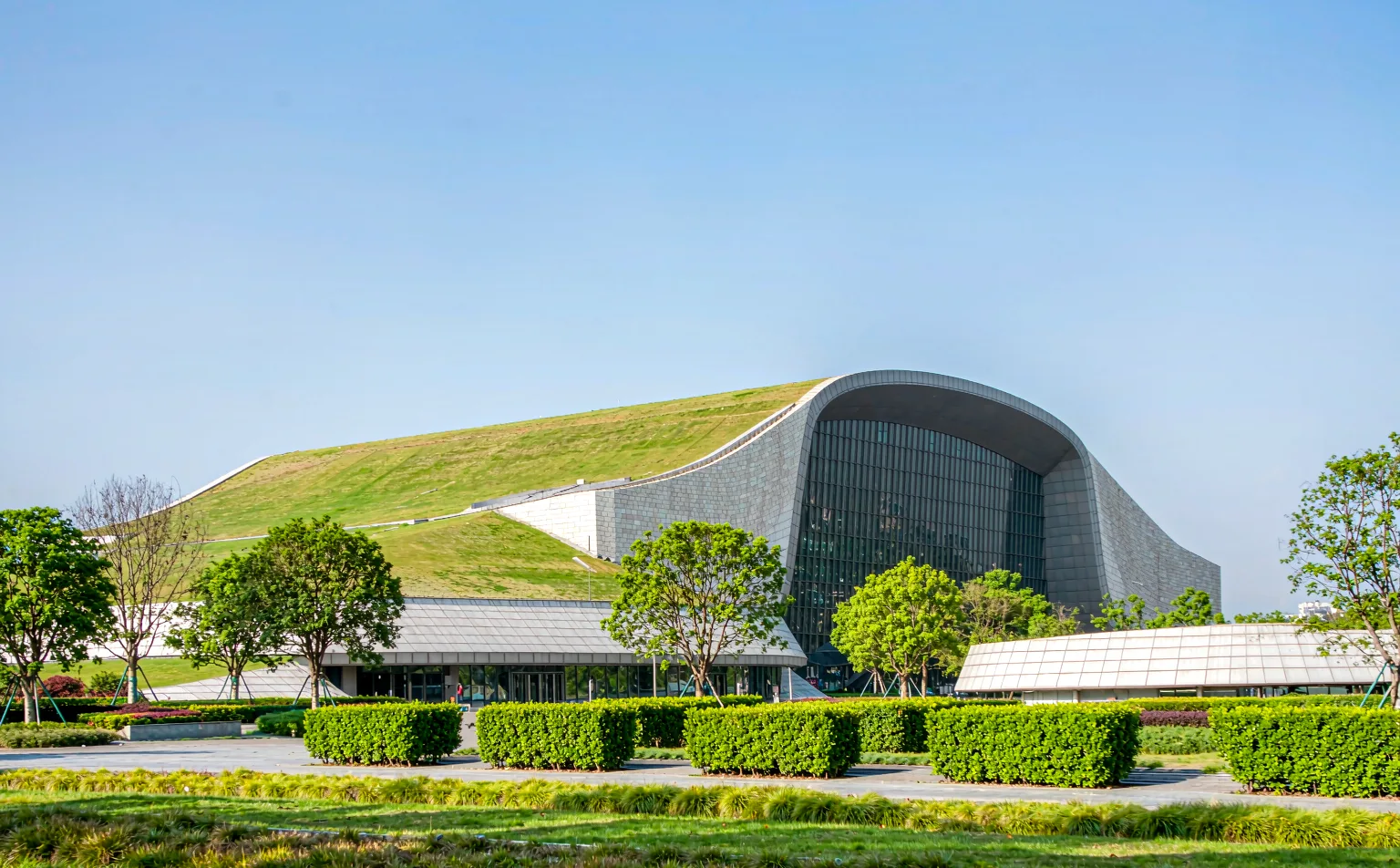
70 yuan. Open 8:00 to 18:00 (17:30 in winter), closed Mondays. The excavation hall is included.
Metro Line 7 to Jinsha Site Museum, exit C, which is 200 metres from the gate.
Weekday mornings. The Sun Bird disc has its own room and the queue for it is short before 10:00.
Both if you can. Sanxingdui for the bronzes, Jinsha for the excavation site and the gold.
Two hours. Three with the audio guide.
The gold and the tusks hold attention. The archaeology is harder.
Yes. The museum is built over the excavation, and the pit is the actual one.
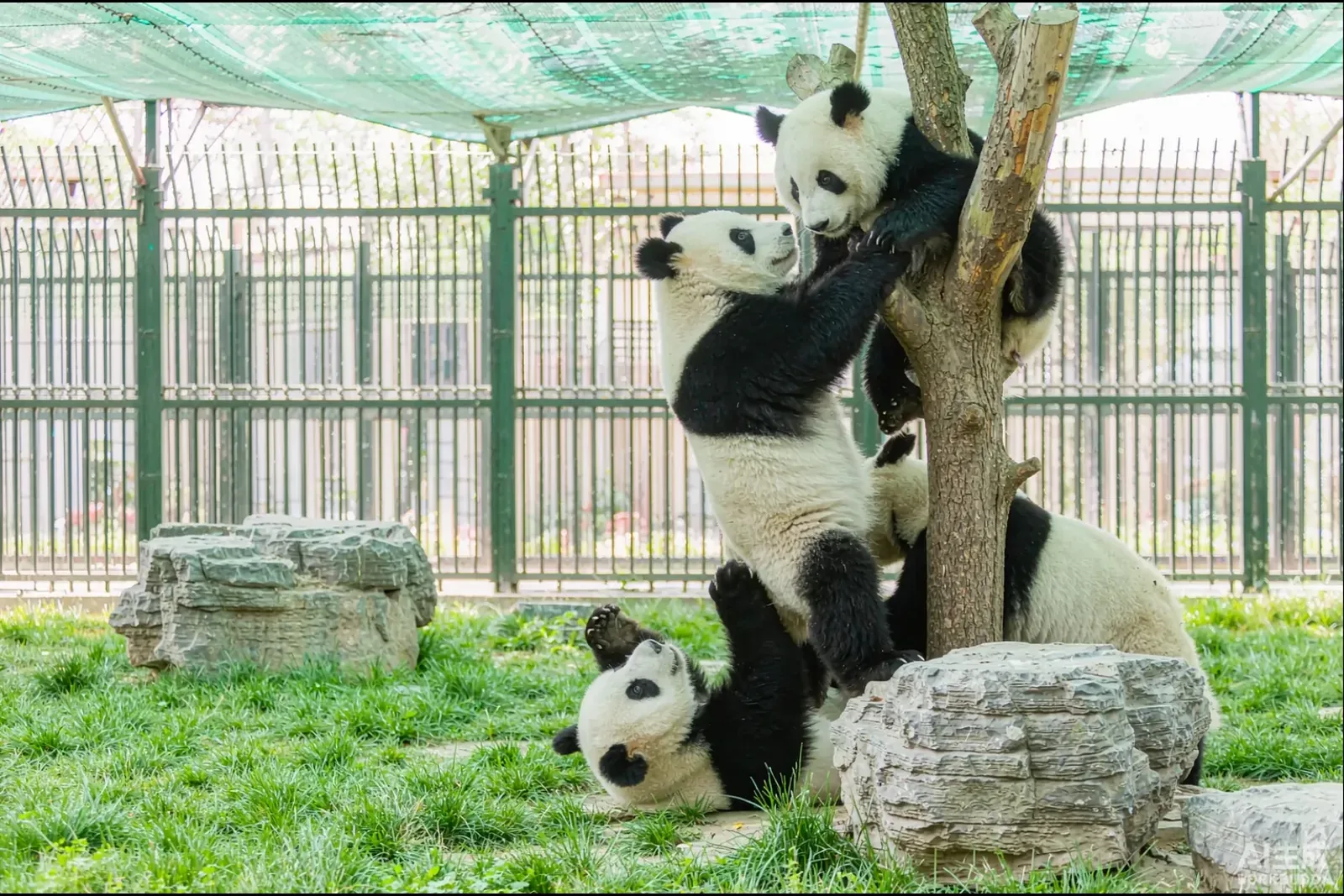 Half day · 4–5 hours
See the pandas at their liveliest, back by noon
View details →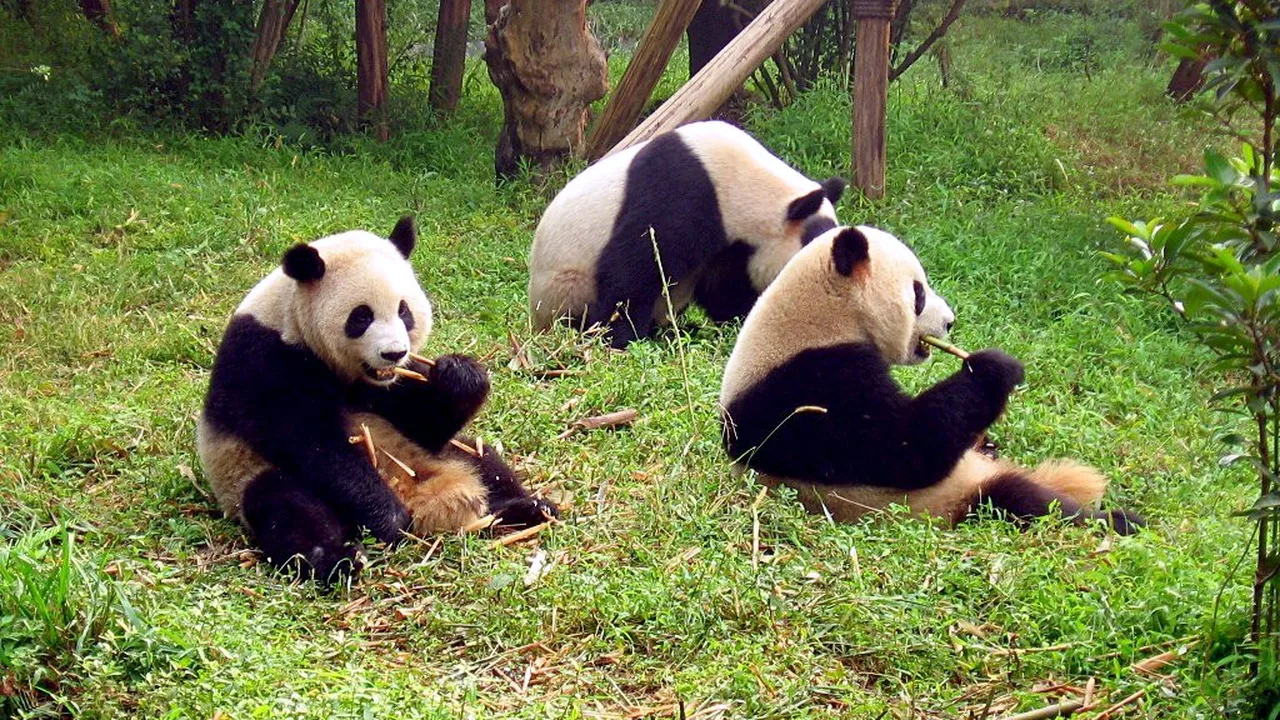 Full day · 8–10 hours
Tea houses, temples and the soul of Chengdu in one day
View details →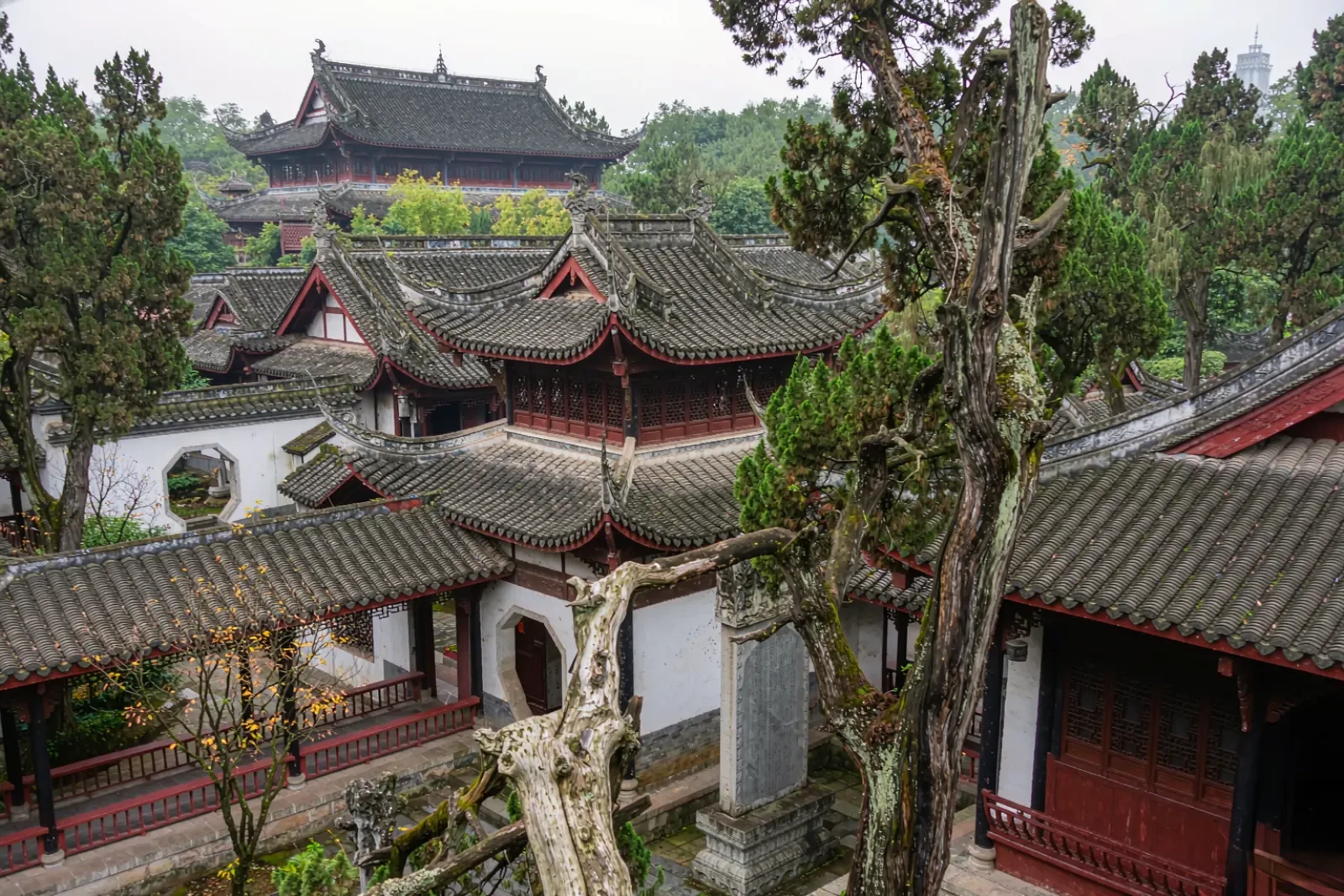 Full day · 8–10 hours
The world's largest stone Buddha, two viewpoints in a day
View details →We booked a private guide for our one full day in Chengdu and she got us to the panda base right at opening, which made all the difference — the pandas were still munching bamboo and climbing around instead of sleeping in a heap. After that she took us to People's Park, where we sat in bamboo chairs with a pot of jasmine tea and watched a man get his ears cleaned with those long tools. Felt like a completely different pace of life.
Took the kids to Wenshu Monastery and we ended up staying way longer than planned. The temple lanes are full of little shops and incense smoke, and my eight-year-old was fascinated by the turtles in the pond. We had the vegetarian lunch there — simple, cheap and honestly one of the better meals of the trip. My wife still talks about the pickled vegetables.
Private car & driver, day trips and multi-day routes from Chengdu. · Free consultation · reply within 12h

