TripMyChinaJOURNEYS THROUGH REAL CHINA✦ AI Trip✦ Plan My Trip
English
简体中文
繁體中文
日本語
한국어
ไทย
Tiếng Việt
Bahasa Indonesia
Italiano
Español
العربية
Русский
Deutsch
Français
Bahasa Malaysia
TripMyChinaJOURNEYS THROUGH REAL CHINA✦ AI Trip✦ Plan My TripBeijing · Attractions
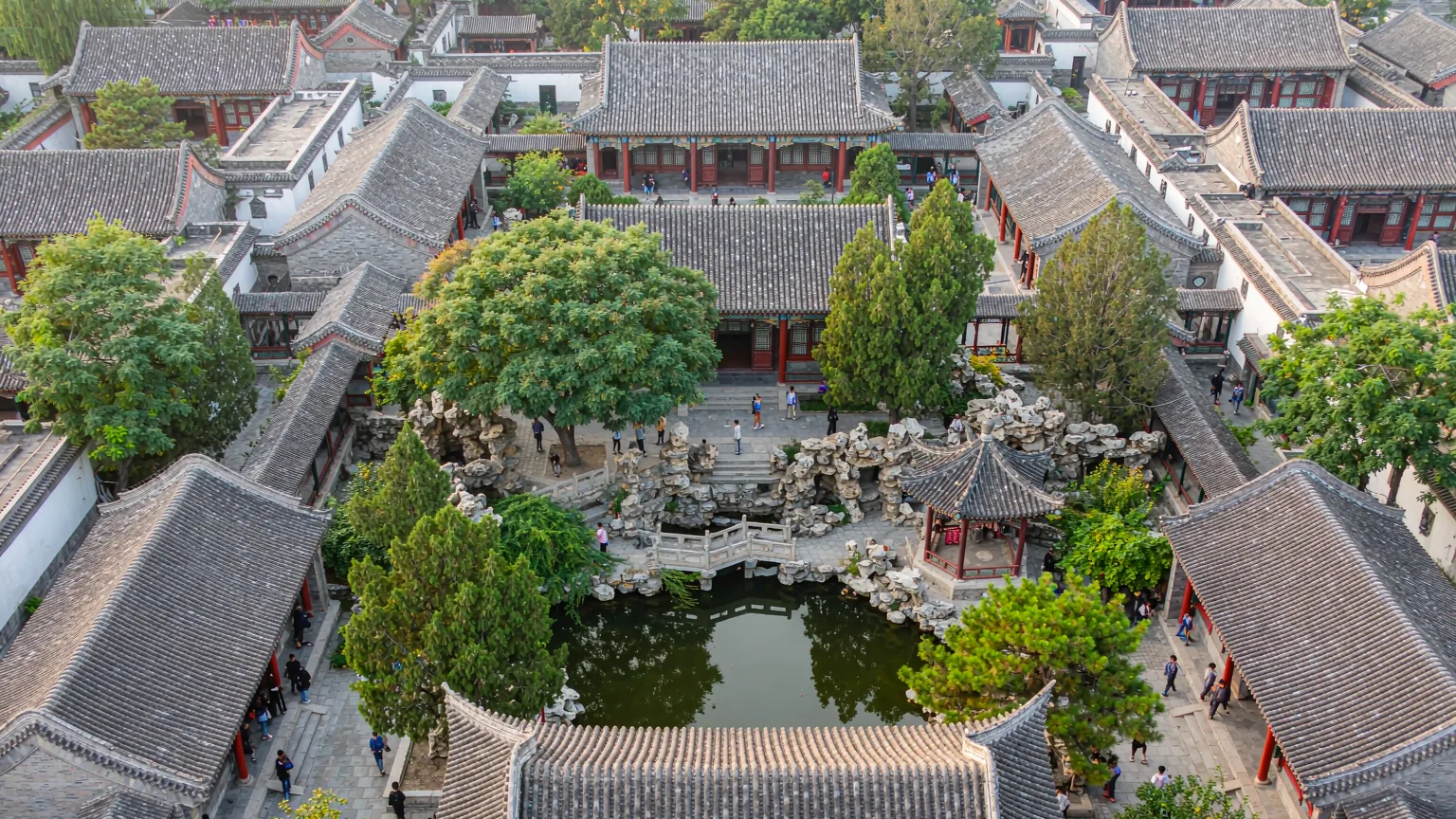
This is the best-preserved princely mansion in Beijing, and it is really two houses: the one He Shen built for himself in 1776, and the one Prince Gong took over in 1851 after He Shen was executed. The garden behind it is the reason to come.
He Shen was the Qianlong Emperor's favourite minister and the richest official in Qing history; his fall in 1799, under the Jiaqing Emperor, was followed by the confiscation of an estate said to be worth eleven years of government revenue. The mansion passed to Prince Gong in 1851, and he lived here until his death in 1898, running foreign affairs from a courtyard on the east side.
The complex is 60,000 square metres, split into a residential front and a garden rear. The front follows the standard princely plan: gate, ceremonial hall, living quarters, in three parallel axes. The garden, 28,000 square metres, breaks every rule, with a 1,000-metre covered walkway, a theatre, a pond shaped like a bat, and the Fu Stele, carved with the Kangxi Emperor's calligraphy of the character for fortune.
Tailored guests walk it with a Qing-history docent: He Shen's treasure loft, the golden nanmu partitions of Xijin Studio, the wine-curling channel of Liubei Pavilion, every detail points at a narrative of wealth turning to fall. There will be a queue to touch the Fortune Stele; come early and it is quiet. The Yu Pass wall at the garden's rear climbs to a rooftop view over the whole Cuibrook Garden that most visitors miss. Out the gate, Shichahai and the hutong district continue the afternoon seamlessly.
40 yuan, including the garden. Open 8:00 to 17:00, last entry 16:00. Tickets on the official WeChat account or at the gate; passport required. The theatre has a separate 40 yuan performance ticket if a show is running.
Metro Line 6 to Beihai North, exit B, then walk east for 10 minutes along Qianhai Lake. It is 500 metres south of Shichahai and easy to combine with a hutong walk.
April for the peonies and wisteria in the garden, or October for the ginkgo. Weekday mornings are quietest; tour groups arrive from 10:00 and the Fu Stele queue peaks around 11:00.
Ninety minutes for the mansion and garden. Two hours if you linger in the garden.
No, but it is smaller, quieter, and shows how the top of the bureaucracy lived rather than how the emperor did. They complement each other.
Only during performances. The building is visible from the garden but the interior is closed otherwise.
For the garden, yes. The residential halls are less interesting than the Forbidden City's.
 Half day · 4–5 hours
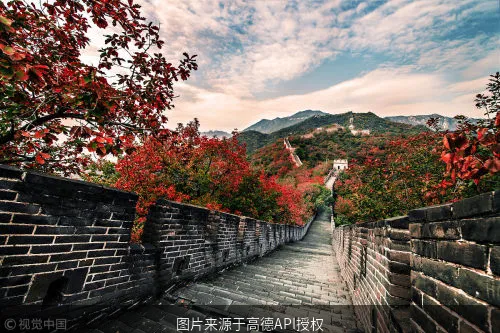
The quiet Great Wall, cable car up and toboggan down
View details →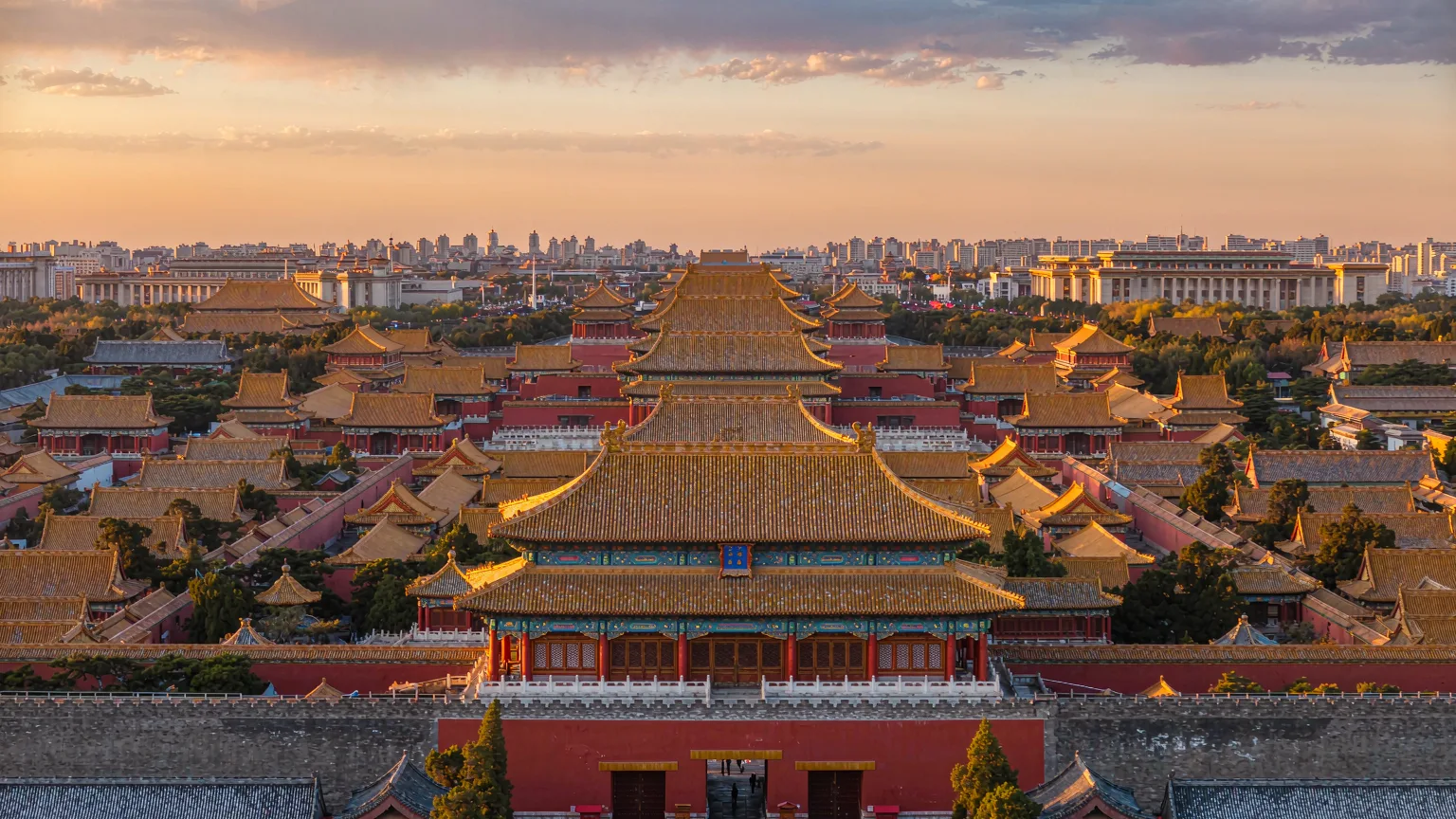 Full day · 8–10 hours
Nine thousand rooms, decoded by a guide who reads roof tiles
View details →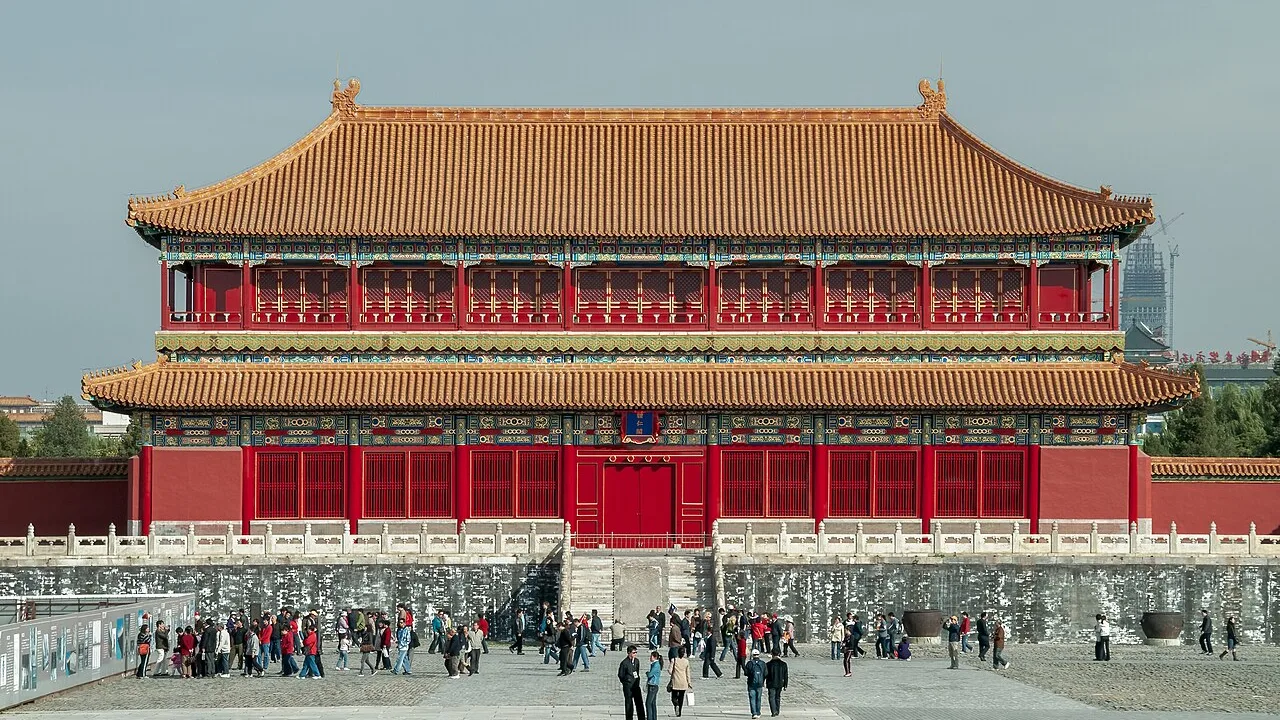 Half day · 4–5 hours
Peking duck and lantern-lit lanes after dark
View details →Booked a private guide for the Forbidden City and it was worth every yuan. She didn't just recite dates — she explained why certain doors had certain numbers of studs, and suddenly the whole place made sense. We also stopped at Jingshan Park afterward and caught the palace roofs turning orange at sunset. My feet were done by 4pm but I'd do it again.
Took the kids to a quieter stretch of the Great Wall and it was the right call — no crush of people, room to let them run a bit. The watchtowers kept them interested for way longer than I expected. Only gripe: the driver we arranged showed up 40 minutes late, so we lost some morning time. Still, the wall itself delivered.
Private car & driver, day trips and multi-day routes from Beijing. · Free consultation · reply within 12h