
First-timers make one classic mistake: they go to Badaling, shoot a selfie over a sea of tour groups, and believe they have seen the Great Wall. The Wall is a 21,000-kilometer defense line, and the three finest sections around Beijing have entirely different characters: Mutianyu is the comfortable wall (cable car to the ramparts, wooded ridges), Jinshanling is the photographers' wall (dense towers, ingenious barrier walls), and Simatai is the perilous wall (original Ming fabric, lit at night).
The three-day route runs west to east, one section per day, stitched by the mountain roads of Huairou and Miyun, ending with two nights around Gubei Water Town and a night walk on Simatai. A chartered car (RMB 1,600-2,200 for three days) is strongly advised — public transport exists but eats the most valuable hours, dawn and dusk.
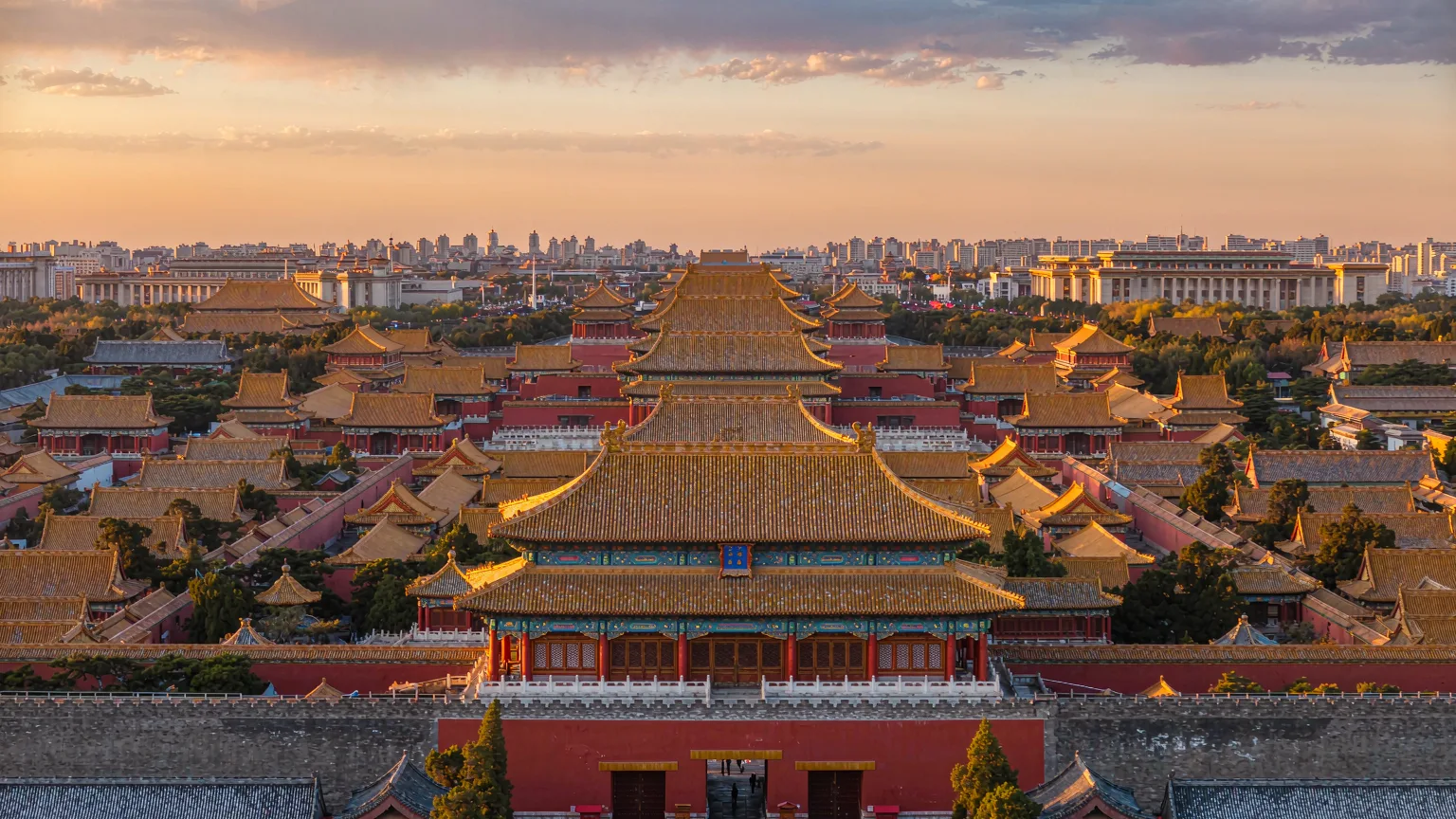
Itinerary at a glance
| Day 1 · 08:00 | Out of the City: The First Hour into Huairou |
| Day 1 · 09:00 | Mutianyu: Cable Car to Tower 14 |
| Day 1 · 15:00 | Huairou Dinner and a Mountain Lodge |
| Day 2 · 07:30 | Transfer to Jinshanling: The Most Photogenic Two Hours |
| Day 2 · 10:30 | From the Brick Rampart to the Small Golden Mountain: Four Centuries in Brick |
| Day 2 · 16:00 | Sunset at Jinshanling, Then to Gubei Water Town |
| Day 3 · 09:00 | Prelude to the Night Wall: Gubeikou by Day |
| Day 3 · 14:00 | Simatai: The Last Original Ming Stretch |
| Day 3 · 21:00 | Return — or One More Night at the Pass |
The route, stop by stop
Out of the City: The First Hour into Huairou
Leave by 7:30, take the Jingcheng expressway into the Huairou mountains, and reach the Mutianyu lot before 8:30 — that early hour buys you the first cable cars of the day. The road skirts Huairou Reservoir; in autumn the reed beds and hill colors merit a three-minute photo stop.
Eat breakfast in the city before departing; mountain-road food is thin — carry water and snacks.
Mutianyu: Cable Car to Tower 14
The right way to do Mutianyu: cable car up (~RMB 100 one way), toboggan down — a 1.5-kilometer alloy slide that is pure joy at any age. On the wall, walk from Tower 14 toward Tower 20: the finest stretch, with timber beams surviving inside the towers; peer out from the arrow slits and the ridgeline runs like a sleeping dragon.
The crowd secret: before 9:00 you share towers 14-16 with nobody; by 10:30 the tour-group cable cars arrive, and the far direction toward Tower 20 stays emptiest since most groups never walk beyond 500 meters of Tower 14.
Huairou Dinner and a Mountain Lodge
Off the wall by 3:00, two lodging strategies: Huairou town (convenient; the trout-grill restaurants along 'one trout valley' are the local signature) or a guesthouse in the hills below Mutianyu-Huanghuacheng — waking to a view of the watchtowers is the whole point. Choose a courtyard with a tower in sight.
Dinner: Huairou rainbow trout cooked two ways (grilled + soup, RMB 80-120 pp), mountain-vegetable corn cakes, chestnut-stewed chicken — this is chestnut country, and in autumn the hills are full of them.
Transfer to Jinshanling: The Most Photogenic Two Hours
Day two: a two-hour drive to Jinshanling (Luanping, Chengde, Hebei), built in the Longqing era under commander Qi Jiguang as the Wall's 'model project' — the densest watchtowers on the entire line, complete with barrier walls, flanking walls and gun platforms; it is called the museum of Wall architecture.
Admission RMB 65, entering via the West Brick Rampart toward the Small Golden Mountain Tower. Morning light comes from the east and colors every tower facade — every shutter click is a postcard.
From the Brick Rampart to the Small Golden Mountain: Four Centuries in Brick
These 2.5 kilometers are the finest on the Wall for close reading: the parapet bricks near the rampart carry stamped inscriptions — unit numbers and dates fired into the clay, a military census in brick. Before the Small Golden Mountain Tower stand the barrier walls, Qi Jiguang's invention: three low walls stepping across a one-meter stair, so every attacker level exposed him to the merlons above.
Round trip to the Small Golden Mountain Tower takes about three hours with photography; sit a while inside the tower. The climb is steep but well restored — anyone of normal fitness under 65 manages it. Look back: the famous S-curve of Jinshanling plunging and leaping with the ridgeline is right here.
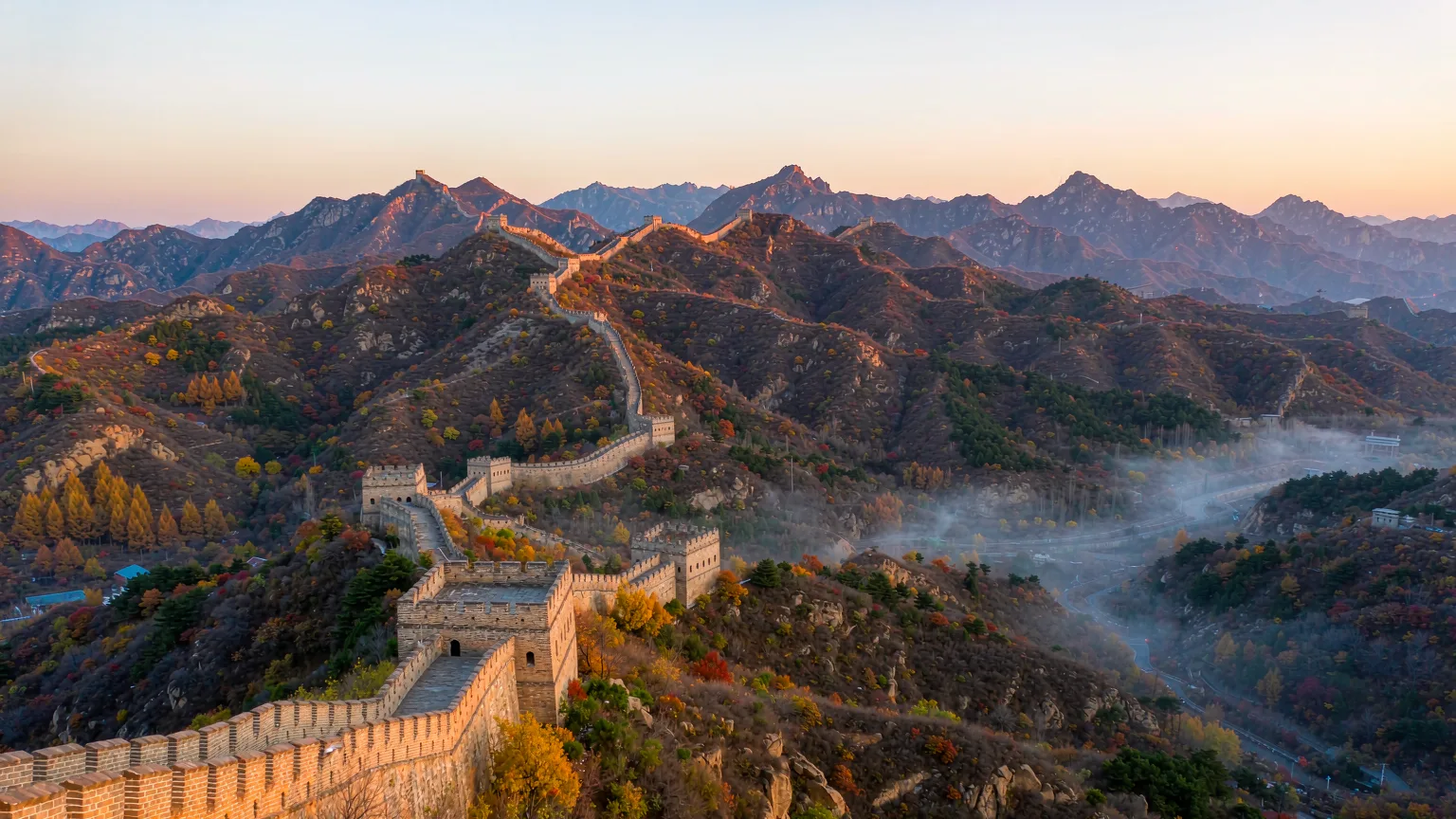
Sunset at Jinshanling, Then to Gubei Water Town
If you lodge below Jinshanling (farmhouse inns, basic but unbeatably located), stay for sunset — the low western sun shoots light shafts through the tower arrow-slots onto the brick floor, ten minutes that define this section. Then a 40-minute drive to Gubei Water Town for the night.
Staying inside Gubei Water Town also works (pricier hotels, easiest night-wall access). Dinner inside the town: the roast-meat house, the Simatai liquor tavern's own distilled baijiu, or copper-pot hotpot by the bridge.
Prelude to the Night Wall: Gubeikou by Day
Day three changes how you see the Wall. Spend the morning drifting through Gubei Water Town, built against Simatai's ridge — a recreated town with real charm in its details: the Tang River threading through, hot-spring taps in hotel rooms, punt boats under stone bridges. Visit the dye workshop, the armed-escort museum, the post office; ride up to the hillside chapel, and try the open-air hot-spring foot baths facing the Wall — an only-in-China experience.
Simatai: The Last Original Ming Stretch
Simatai is the only open section preserved in original Ming fabric without major restoration — parts of the wall are one-person wide; the Fairy Tower to Wangjing Tower pitch near 60 degrees (the open section currently reaches around Tower 8; the perilous stretch needs special booking). Walk it by day first: from a tower, look down at the Tang River mouth and read Gubeikou's 'one man holds the pass' geography.
The day walk is a rehearsal for night: after 7:30 pm the wall's lanterns light in sequence, tracing the ridgeline — the only night-lit Great Wall on earth. From the top, the water town's lamps and the wall's light string in one frame: the closing shot of three days.
Return — or One More Night at the Pass
The night wall closes around 9:00 pm; the drive back is two hours, city by 11:00 pm. The unhurried option: one more night, then walk the Panlong Mountain stretch at Gubeikou next morning — a hidden segment with weathered Ming brickwork and almost nobody on it — returning after lunch.
How to remember these three days: Mutianyu taught you the wall's majesty, Jinshanling its ingenuity, Simatai its peril — one defense line, three characters. That is the Great Wall.
| Getting around |
|
| Budget | Approx. RMB 900-1,600 pp (transport, tickets, lodging) |
| Best time | Mountain blossoms in Apr-May, red foliage from late Sep, snow-clad battlements in Dec-Jan |
FAQs
Can I visit just one section?
Yes, common: pick Mutianyu for the best facilities, Jinshanling for photography, or the Gubei + Simatai day trip for the night wall.
Is this route doable with kids?
Yes: the cable car and toboggan at Mutianyu are peak kid joy; do the short Jinshanling loop (1 hour); the Simatai night climb is not advised under age 8.
Does the Wall close in winter?
No — snow days are peak scenery; the Simatai night session may shorten in deep winter (check notices); icy bricks make grip the priority.
Water Town hotel or farmhouse inn?
For the night wall and hot springs, stay inside the water town (no ticket, easy night access); for value and dawn wall views, the farmhouse below Jinshanling. With budget, book both.