
For the Qing emperors, Beijing was only part of the map: the Forbidden City for ruling, Chengde for escaping the heat. This three-day line stitches the 'afterlife' (an emperor's underground palace at the Eastern Qing Tombs) with the 'summer life' (the Mountain Resort and its temples) — two and a half days of spatial footnotes to Qing history.
Route: Beijing → Eastern Qing Tombs at Zunhua (2.5 h) → Chengde (2 h) → return (3 h), all expressway; self-drive or charter ideal, public transport possible with two transfers.
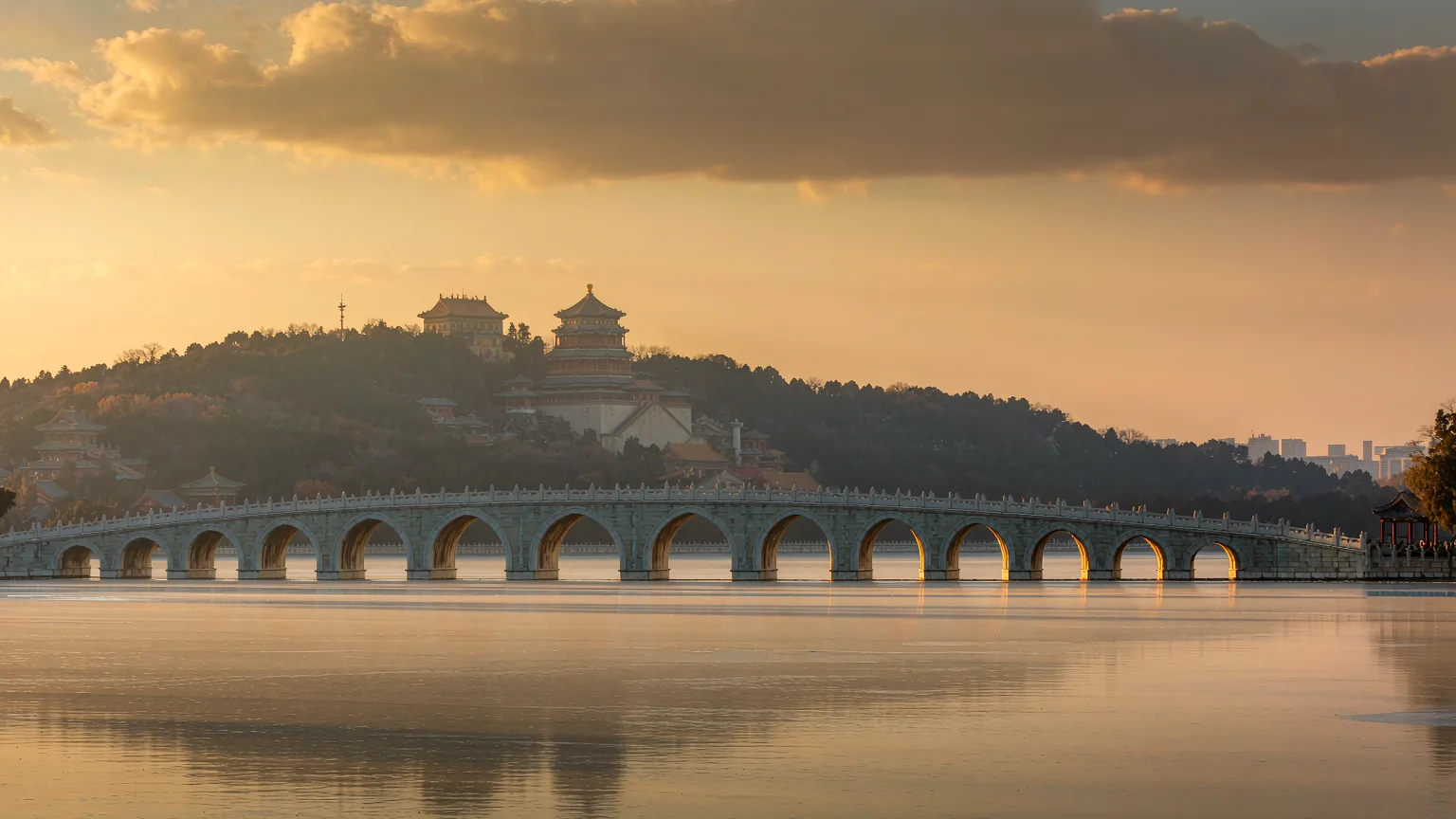
Itinerary at a glance
| Day 1 · 10:00 | The Eastern Qing Tombs: The Awe of Yu Ling's Crypt |
| Day 1 · 14:00 | The Sacred Way of Xiao Ling and Its Stone Figures |
| Day 2 · 09:30 | The Mountain Resort: From the Main Palace to the Hill Carts |
| Day 2 · 15:00 | The Yongyou Pagoda and Resort Dusk |
| Day 3 · 08:30 | The Eight Outer Temples: The Grand Buddha and the Little Potala |
| Day 3 · 13:00 | Qingchui Peak and the Road Home |
The route, stop by stop
The Eastern Qing Tombs: The Awe of Yu Ling's Crypt
At the foot of Changrui Mountain in Zunhua, the Eastern Qing Tombs hold 161 occupants including Shunzhi, Kangxi, Qianlong, Xianfeng and Cixi. The combo ticket (RMB 108) covers the principal tombs. The highlight is Qianlong's Yu Ling crypt: 54 meters underground, its passage and chambers carved entirely from white marble — Four Heavenly Kings, the Five Desires, Sanskrit mantras covering every wall and the vault; it is called a treasury of stone carving. The crypt holds 8°C year-round — Arctic even in July.
Cixi's Ding Dong Ling shows the other extreme: less crypt, more gold — gilded ceilings, dragon-and-phoenix marble balustrades; the word 'extravagance' made architectural.
The Sacred Way of Xiao Ling and Its Stone Figures
The afternoon belongs to the Sacred Way, not the crypts: Shunzhi's Xiao Ling drives a 5.5-kilometer spirit road — the axis of the whole necropolis — lined with 18 pairs of stone figures: lions, xiezhi, camels, elephants, qilin, horses, plus three pairs each of civil and military officials, all monolithic carvings spread across the plain: a textbook of Chinese tomb statuary.
Evening side-light makes the statues' silhouettes. Overnight in Zunhua town or Tangquan (the Qing imperial hot spring, soakable); dinner on Zunhua's legendary ge zha — mung-bean crepes, vinegared, sweet-sour or fried.
The Mountain Resort: From the Main Palace to the Hill Carts
Chengde's Mountain Resort is the largest surviving imperial garden — eight Summer Palaces' worth — and Kangxi and Qianlong each spent half a year here annually: half of the empire's decisions made in these hills. Tour in the right order: the main palace quarter first (smell the golden nanmu columns of the Hall of Frugality and Piety — two hundred years of fragrance), then the lake district (Misty Rain Tower, Golden Hill pavilion), and by afternoon the hill circuit by electric cart (RMB 50) to the four pavilions and 'Mountains on Every Side.'
Admission RMB 130 peak. The Rehe Spring inside is the source of China's shortest river — two kilometers before it joins the Luan.
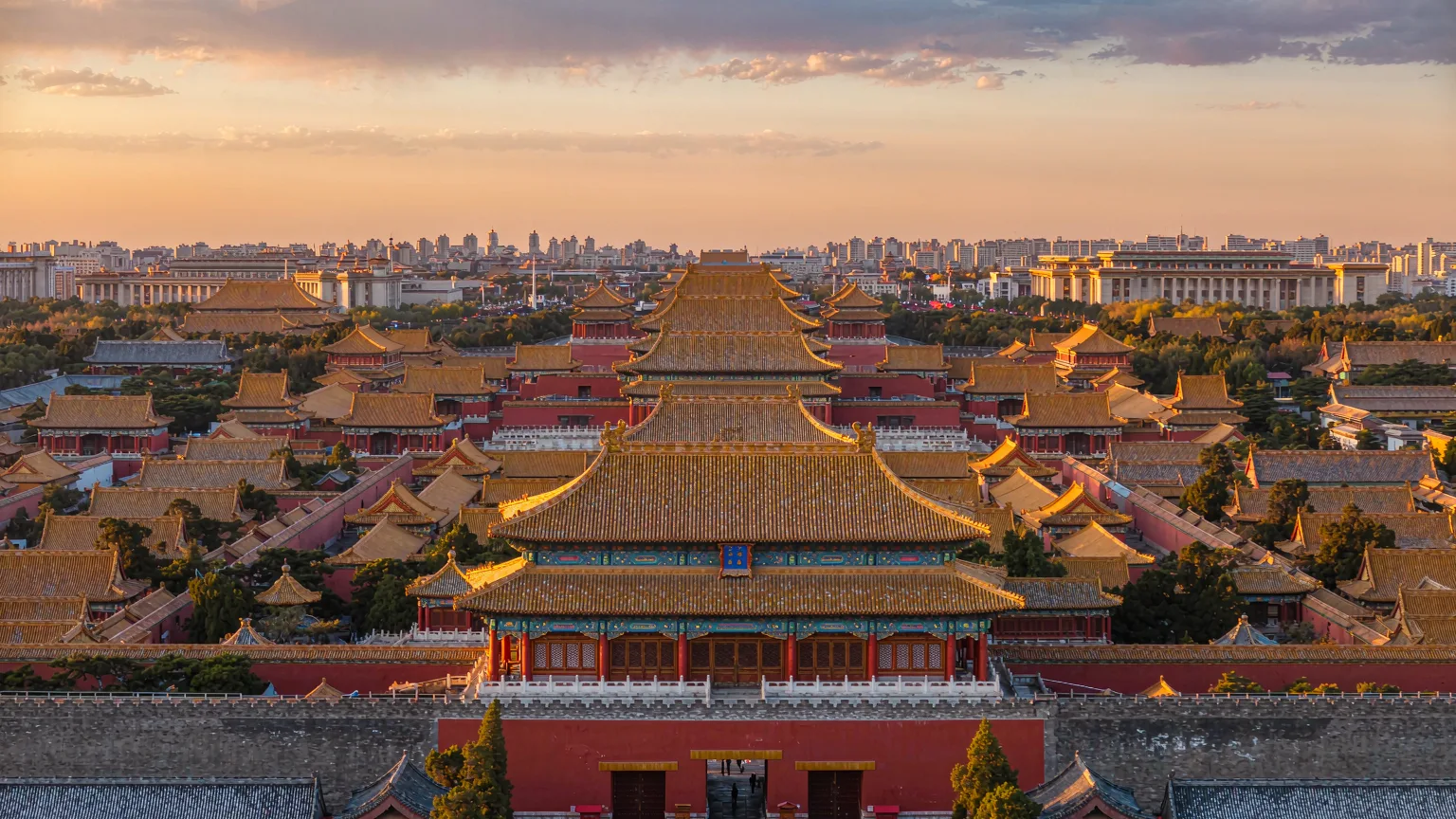
The Yongyou Pagoda and Resort Dusk
Late afternoon, stroll the Ten Thousand Trees Garden — this meadow is where Qianlong received the Macartney mission in 1793, the emblematic meeting of Qing decline, underfoot. The nine-story Yongyou pagoda anchors the skyline.
Evening: walk the Wulie riverbank east of the wall; across the water, Qingchui Peak (Sledgehammer Mountain) stands like a vertical seal in the dusk. Overnight in Chengde city — dense with food and lodging — and dine on Bo Yu noodles, buckwheat helao and Pingquan lamb soup.
The Eight Outer Temples: The Grand Buddha and the Little Potala
Two temples distill the Eight Outer Temples: Puning Temple — Han-Tibetan fusion, housing the world's largest gilded wooden bodhisattva of a thousand hands and eyes (27.21 meters, carved from a single white mulberry trunk, Guinness-listed in 1999) inside the mandala-plan Dacheng Pavilion; and Putuo Zongcheng — the 'Little Potala,' modeled on Lhasa's, its red and white terraces climbing the hillside, with the five-stupa gate and glazed archway most photogenic.
Combo ~RMB 145, 1.5 hours per temple. Puning's kora path invites three clockwise circuits as Mongolian devotees do — watching beats photographing.
Qingchui Peak and the Road Home
After lunch, pass Qingchui Peak Forest Park (skip the RMB 80 cable car; the view from the road suffices) — a lone 38.29-meter stone pillar on the ridge, Chengde's geological totem and the TV series Kangxi Dynasty's title shot. Leave by 1:30 pm; three hours puts you in Beijing before the evening crush.
The three days close cleanly: the tombs showed imperial power's full stop (underground), the resort its daily life (summer rule), the temples its statecraft ('one temple worth a hundred thousand troops,' the appeasement project). Three faces of the Qing in three days.
| Getting around |
|
| Budget | Approx. RMB 800-1,500 pp (intercity transport & lodging) |
| Best time | May-Jun and Sep-Oct flatter the resort; winter snow suits Chengde's gravitas |
FAQs
Is this boring without Qing-history background?
No: the crypt's visual shock, the resort's scale and the Buddha's physical presence work without background — though guides (RMB 100-150 each) double everything.
Is Chengde worth it in winter?
Yes and cheap (half price off-season): ink-painting snow at the resort, gilded roofs against white; trade-offs are frozen lakes and suspended hill carts.
Can I add the Bashang grasslands?
Yes: Chengde → Fengning Bashang is 2.5 hours, best Jun-Aug (riding, bonfires) — extends the trip to four days; winter at -20°C is not advised.
How is lodging in Zunhua?
Business hotels (RMB 150-300) dominate; Tangquan's hot-spring hotels (300-500) pair perfectly with tomb day; for one night, no need to be picky.