 TripMyChinaJOURNEYS THROUGH REAL CHINA✦ AI Trip✦ Plan My Trip
English
简体中文
繁體中文
日本語
한국어
ไทย
Tiếng Việt
Bahasa Indonesia
Italiano
Español
العربية
Русский
Deutsch
Français
Bahasa Malaysia
TripMyChinaJOURNEYS THROUGH REAL CHINA✦ AI Trip✦ Plan My TripMount Lu · Attractions
At the quiet southeastern foot of Lushan stands the White Deer Grotto Academy (Bailudong Shuyuan), the most influential academy in the history of Chinese education. Founded in the Tang era as a hermit's retreat and rebuilt in 1179 by the great Neo-Confucian philosopher Zhu Xi, it set the model for academies across East Asia, its statutes studied in Japan and Korea for centuries. Today the compound of serene courtyards, old steles and a namesake stone deer rests in a valley of streams and old trees, a contemplative counterpoint to the cliffs and crowds of the mountain above.
The academy began in the late Tang period when a scholar named Li Bo (a different Li Bo from the poet) kept a white deer as a companion in this valley, giving the place its name. It evolved into a school in the Five Dynasties era, and in 1179 the philosopher Zhu Xi, then serving as prefect of Nankang, restored and expanded it, writing the famous Academy Statutes that defined Confucian pedagogy for the next seven centuries. Under Zhu Xi and his successors, Bailudong became the template for the shuyuan academy system and a pilgrimage site for scholars.
Visiting today, you pass through a sequence of courtyards, the first gate, the Lixing Gate, the Ceremonial Hall and the shrine of Confucius, flanked by lecture halls, libraries and hundreds of inscribed steles accumulated over a millennium. The valley setting is genuinely lovely: clear streams run through the grounds, stone bridges cross beneath old trees, and the noise of modern China fades at the gate. The site is compact, one to two hours suffices, and it combines naturally with a drive up the southeastern route toward Lushan's Hanpokou pass, making it a standard stop for culturally minded visitors arriving from Nanchang.
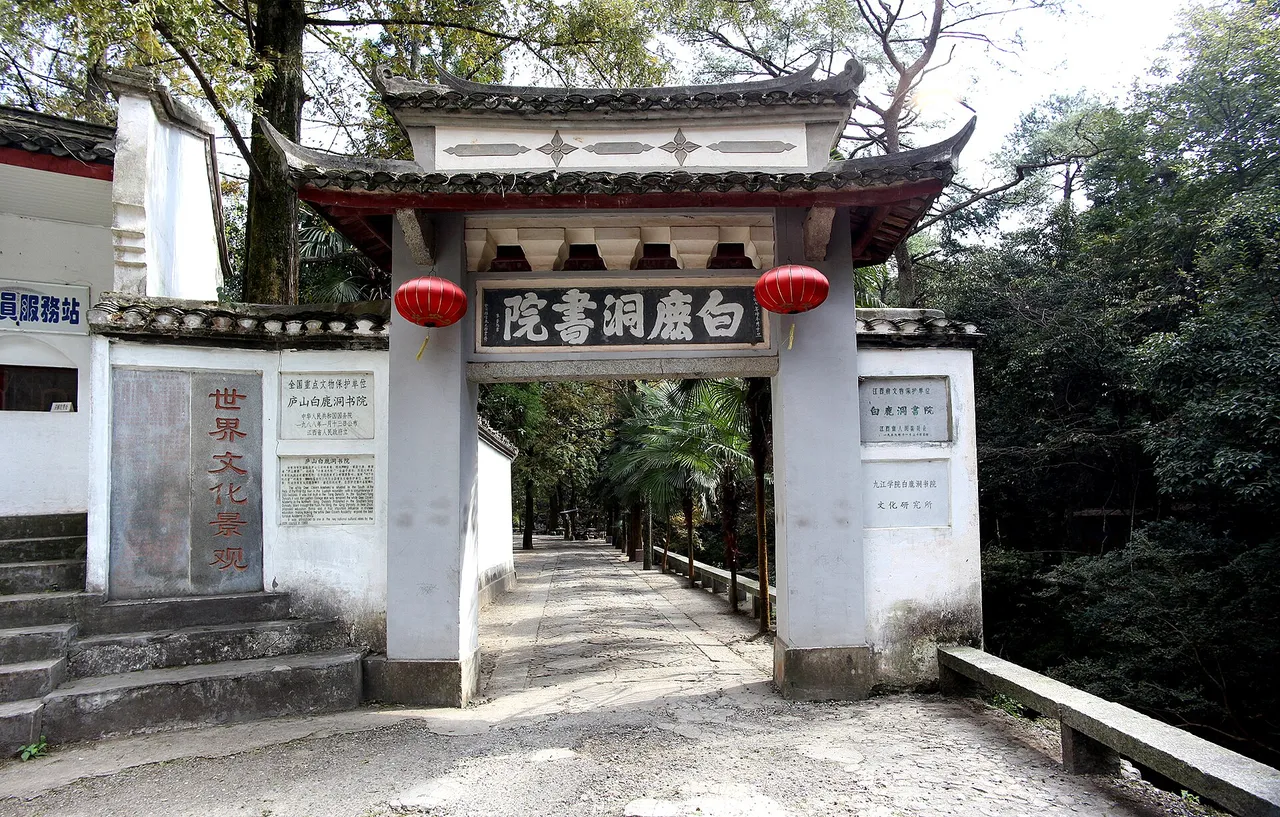
The academy charges a modest separate admission, not covered by the Lushan mountain through-ticket, with discounts commonly available for students and seniors; hours are typically daytime, roughly 8:00 to 17:30 in season, though schedules shift in the off-season, so confirm locally. Foreign visitors should carry a passport where registration is required. The grounds are level and compact, comfortable for all ages, and can be covered in one to two hours. Midday Chinese tour groups are the busiest period, mornings are quiet enough to hear the streams. Note that stele halls and exhibition rooms may close for lunch hours in the off-season, so prioritize the open courtyards first if arriving around noon.
White Deer Grotto Academy lies in Lianhua town at the southeastern foot of Lushan, about 30 minutes by car from Jiujiang and roughly one hour from Nanchang by expressway. There is no direct metro or rail, so most visitors come by taxi, private car or as part of a hired car route that continues up the mountain road to Hanpokou. From the academy, the Lushan southeast gate and the cable car on that side are a short drive away, making this a logical first or last stop of a mountain visit. Combine it with Guanyin Bridge and other valley sights along the same southeastern approach road. Signage includes English, and the grounds are flat and easy to walk.
Spring and autumn are the finest seasons for the academy: spring cloaks the valley in fresh green and blossom, while autumn brings golden light through the old trees and a scholarly stillness that suits the place. Summer works well as a cool, shaded stop before ascending Lushan, and winter is quiet and atmospheric, sometimes with frost lining the streams. Aim for a weekday morning, when tour buses are few and the courtyards are at their most contemplative. Cultural travelers often pair the visit with the drive up to Hanpokou for the afternoon cloud-sea attempt, a satisfying day of both minds of Lushan, the scholarly and the sublime.
Rebuilt by Zhu Xi in 1179, it became the model academy of Neo-Confucian education, and its statutes shaped schooling in China, Japan and Korea for centuries.
The original Tang-era white deer is legend; today stone deer statues commemorate it. No living white deer is kept on site.
One to two hours covers the courtyards, main halls and stele collections comfortably, plus a pause by the streams.
Yes, it lies at the foot of the southeastern route. Many travelers stop here in the morning and drive up to Hanpokou or the summit afterward.
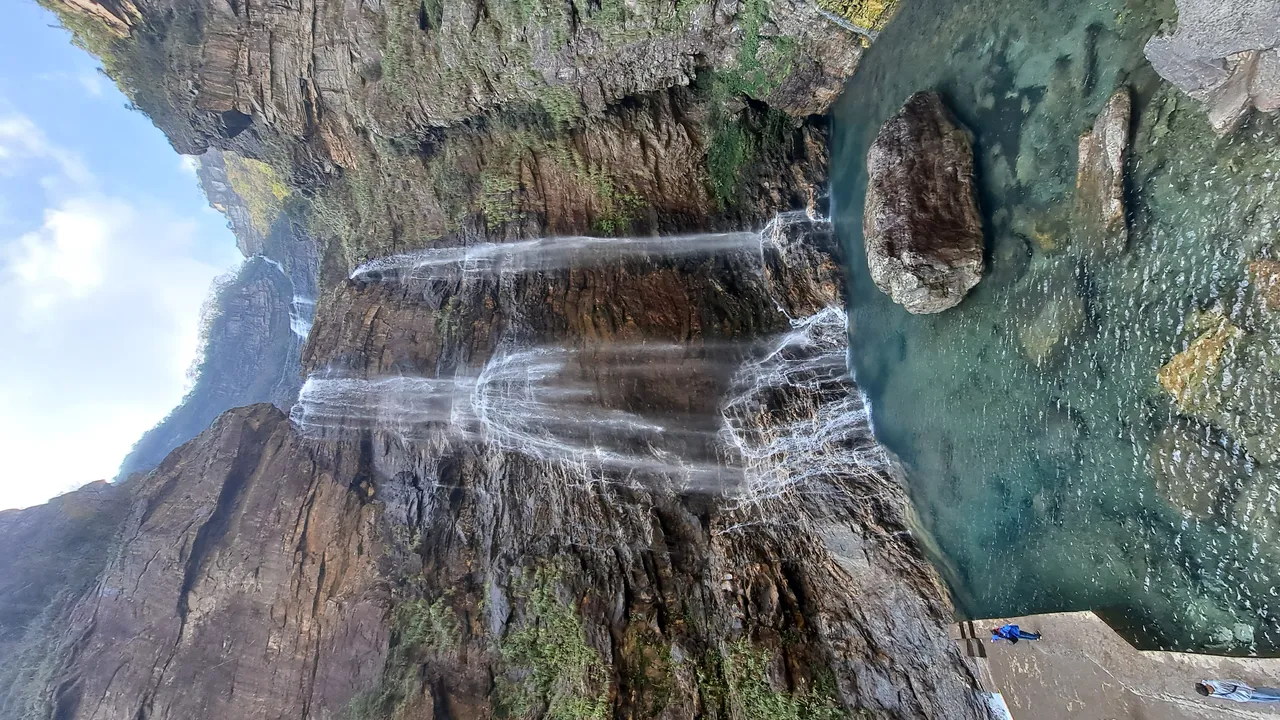 Full day · 8–10 hours
The mountain runs seven to ten degrees cooler than Jiujiang below, and one stop on this day is 1,400 steps down
View details →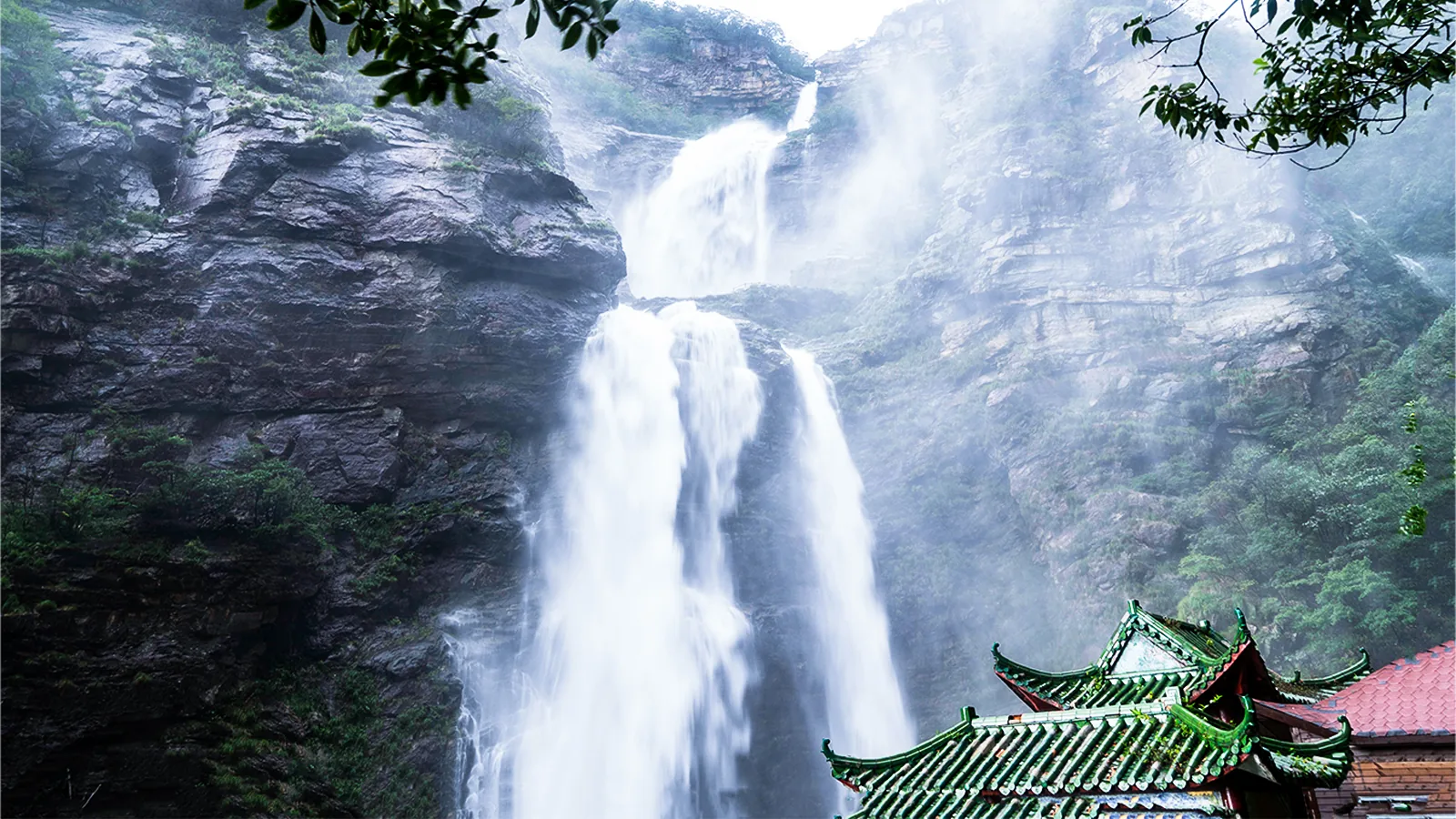 Full day · 8–10 hours
Sunrise over Poyang Lake at 1,286 metres, then a cliff path with cloud coming up the valley from below
View details →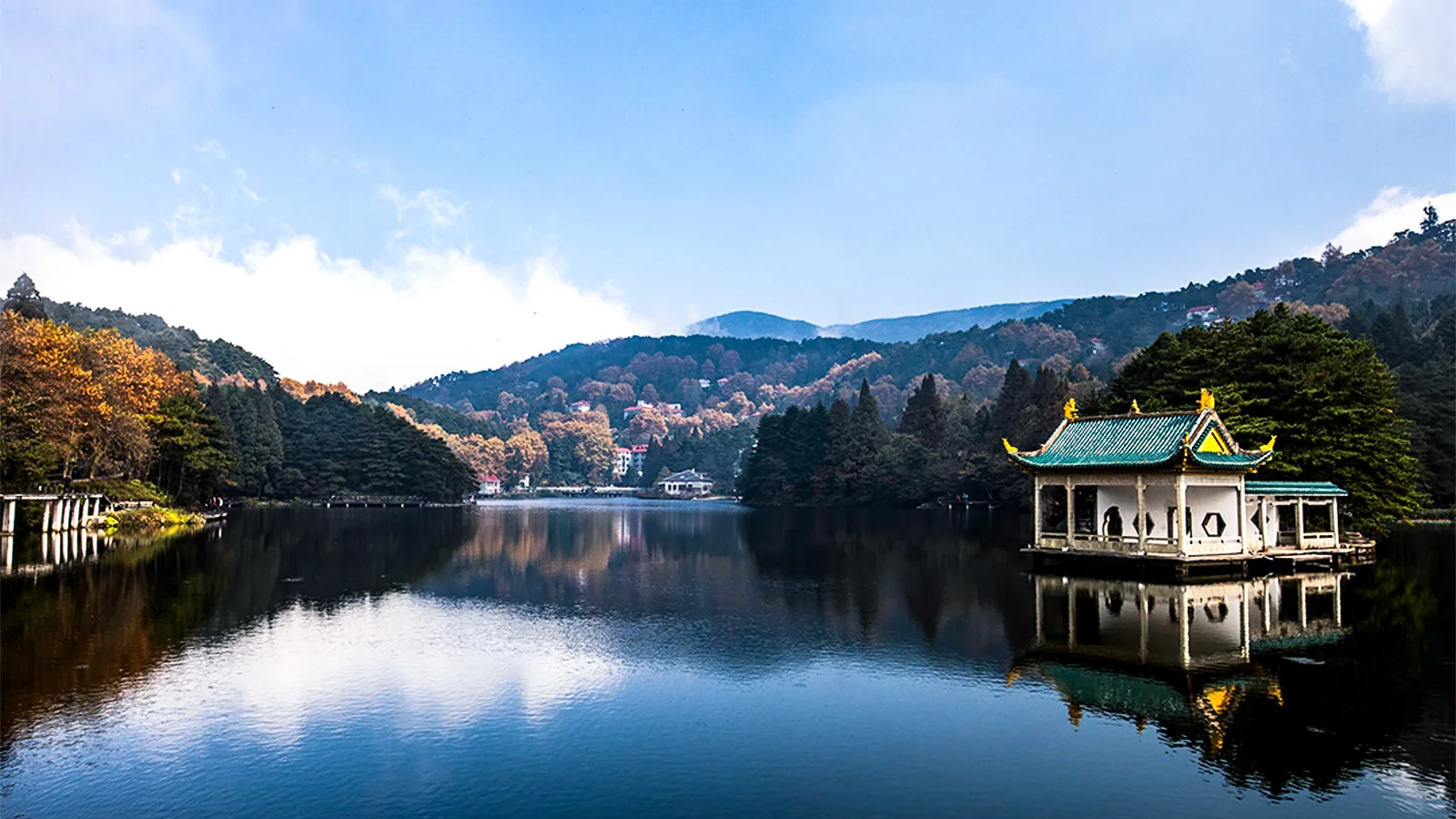 Full day · 8–10 hours
A town at 1,160 metres, one street of shops, and a lake that keeps the lights after the last bus has gone
View details →2 days · 1 night · privateA compact first visit to Lushan National Park: the winding mountain ro
View details → 3 days · 2 nights · private
The classic Lushan triangle: Jinxiu Valley and Fairy Cave, a Hanpokou
View details →I took the bus up to Donglin Temple on a Tuesday morning and basically had the halls to myself for an hour. Sat on the steps listening to the chanting and didn't want to leave. Easy to reach from the main road, just watch the return bus times.
Booked a private guide for two days and it was worth it just for the forest trails in Tianhuajing. We hiked most of a morning and my guide knew every turn without checking a map. Bring proper shoes, the paths get slick after rain.
Private car & driver, day trips and multi-day routes from Mount Lu. · Free consultation · reply within 12h