 TripMyChinaJOURNEYS THROUGH REAL CHINA✦ AI Trip✦ Plan My Trip
English
简体中文
繁體中文
日本語
한국어
ไทย
Tiếng Việt
Bahasa Indonesia
Italiano
Español
العربية
Русский
Deutsch
Français
Bahasa Malaysia
TripMyChinaJOURNEYS THROUGH REAL CHINA✦ AI Trip✦ Plan My TripTengchong · Attractions
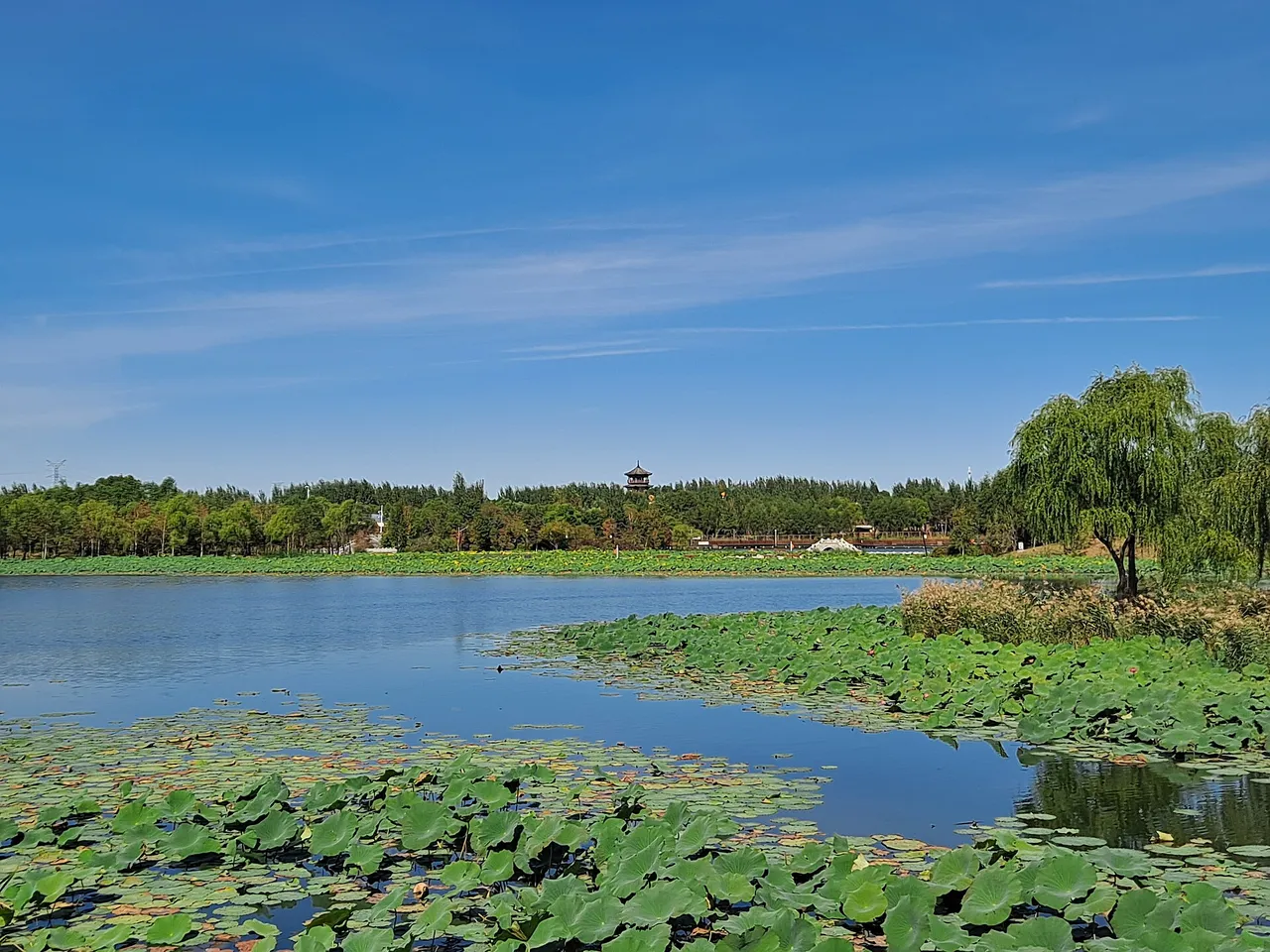
Few wetlands in the world actually float. Beihai Wetland, just outside Tengchong in western Yunnan, is a highland lake blanketed by drifting mats of peat and grass, thick enough to support plants growing straight out of the water and soft enough to be genuinely treacherous underfoot. Wooden walkways and flat-bottomed boats carry you through channels between the green islands, birds rise from the reeds, and volcanic cones frame the horizon. Come near sunset and the whole scene turns gold — the reed beds and mirror-calm water make this the most photogenic stretch of countryside around Tengchong.
Beihai Wetland formed in a volcanic basin, where centuries of decaying vegetation built up thick, buoyant rafts of peat that drift slowly on the water below. The result is one of very few floating wetlands in China and a nationally protected reserve. In late spring the water meadows bloom with clusters of purple and white orchid-like flowers, while the surrounding hills stay green almost year-round thanks to the mild highland climate. Information boards at the dock introduce the floating-mat geology and the bird life, which includes herons, coots and a long list of seasonal migrants.
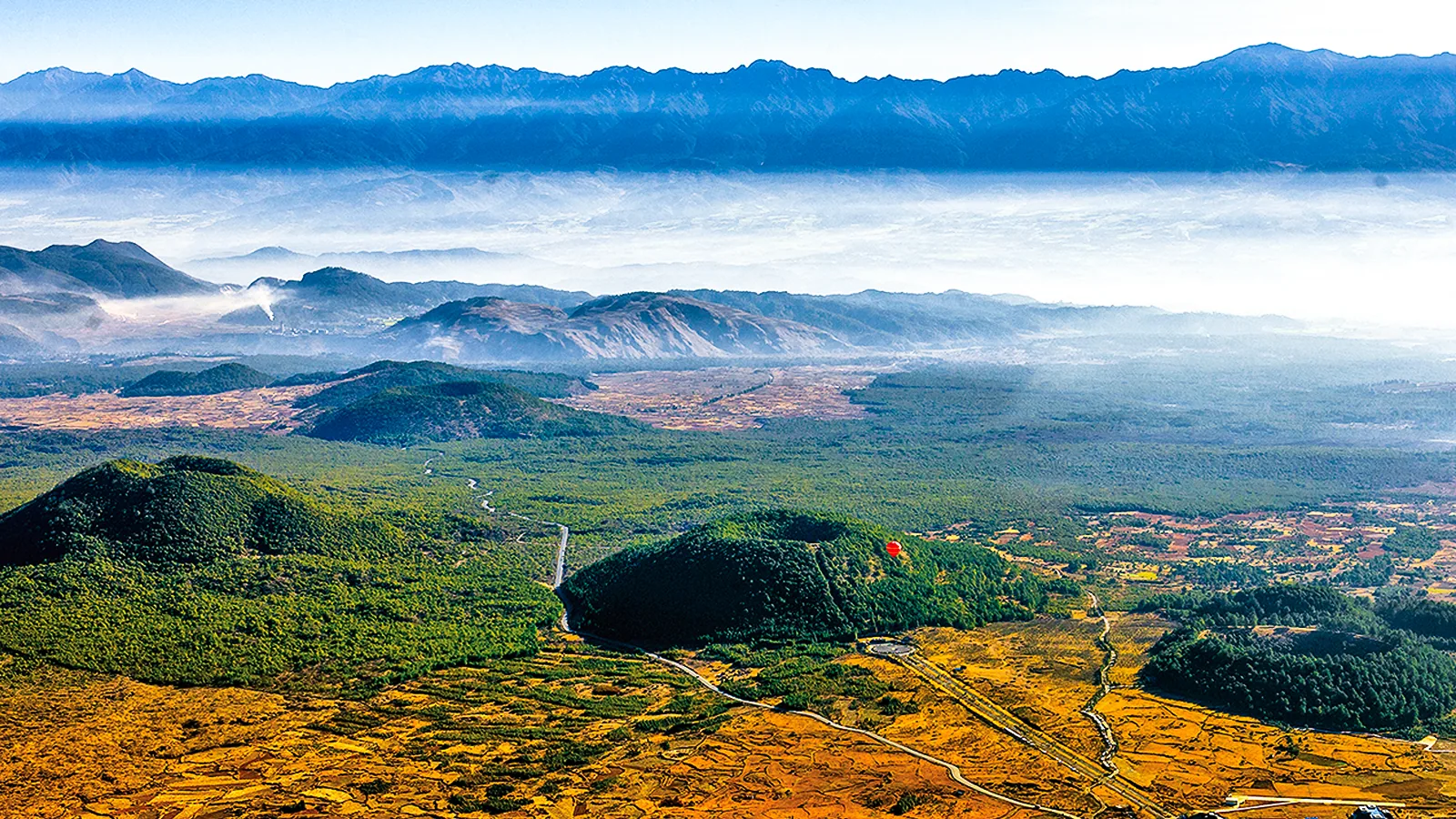
A visit is pleasantly simple: walk the boardwalk to feel the ground sway, then take a boat trip through the deeper channels where the grass islands are at their most dramatic. The reserve sits on the road toward the volcano field, so many travelers pair it with a morning at the <a href="/attractions/volcano-geopark/">Tengchong Volcano Geopark</a> and arrive here as the light softens. There is little in the way of food inside the reserve, so carry water and snacks, and plan a meal back in Tengchong town afterward.
The reserve charges an entrance ticket, with boat rides and certain boardwalk sections priced separately; combined tickets are usually available at the dock. Opening hours generally span daytime and close earlier in winter, and the ticket office can stop selling late-entry tickets before sunset in quieter months, so confirm the closing time with your driver or hotel that day. Prices and boat schedules are subject to seasonal change, and your guide will typically verify them on arrival. Bring your passport for ticket registration, wear shoes that can cope with damp boardwalks, and note that drones may be restricted within the protected area.
Beihai Wetland sits about 12 to 14 kilometres northeast of central Tengchong, roughly 20 to 25 minutes by car. No direct city bus serves the entrance conveniently, so visitors typically come by DiDi taxi or, better, hire a driver for a combined loop that also takes in the volcano geopark further north on the same road. Taxi drivers in Tengchong know the reserve by name; agree on whether the driver waits or whether you book a return pickup in advance, since roadside taxis are scarce out here. If you join a small-group tour, confirm the departure time for the sunset slot the same morning.
The classic advice is simple: arrive about two hours before sunset. The afternoon light warms the reed beds, the boats thin out, and the water turns to gold — the scene in the reserve's most famous photographs. Late spring brings the flowering season on the water meadows, while autumn and winter offer crisper skies and migrating birds. Tengchong's dry season from October to April gives the most dependable weather; summer afternoons can bring sudden showers, so carry a light rain layer. Weekday visits are far quieter than Chinese public holidays, when boardwalks get busy.
The lake surface is covered by thick rafts of peat and grass built up over centuries, which drift slowly on the water beneath. From the boardwalk you can sometimes feel the mats move, and the exhibition boards explain how this rare geology formed in a volcanic basin.
The boardwalk alone gives you a good look at the floating mats, but the boat trip through the channels between the grass islands is the experience most visitors remember. Boats cost extra and run subject to weather, so confirm availability at the dock when you buy tickets.
Yes, and most travelers do exactly that. The wetland sits on the same road you take north to the volcano geopark, so a hired driver can cover both comfortably in a day — volcanoes in the clearer morning, wetland in the softer late-afternoon light.
The famous purple and white water flowers generally appear in late spring, roughly April to May, though exact timing shifts with the year's weather. Even outside the bloom, the wetland is rewarding year-round, especially at sunset and during the winter bird season.
 Full day · 8–10 hours
The big boiling pot sits close to the boiling point; the pools you soak in are fed from it and stay open late
View details →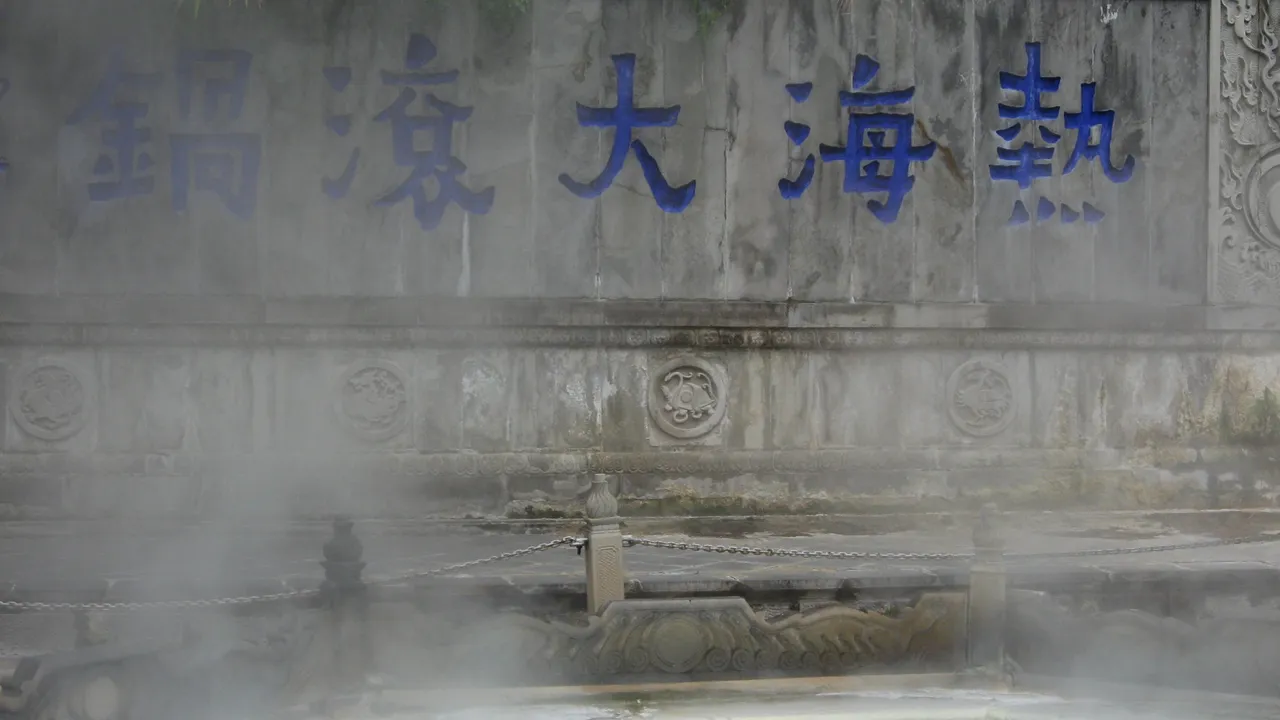 Full day · 8–10 hours
A plate of fried rice cake is said to have fed a fleeing emperor, and the name stuck for three hundred years
View details →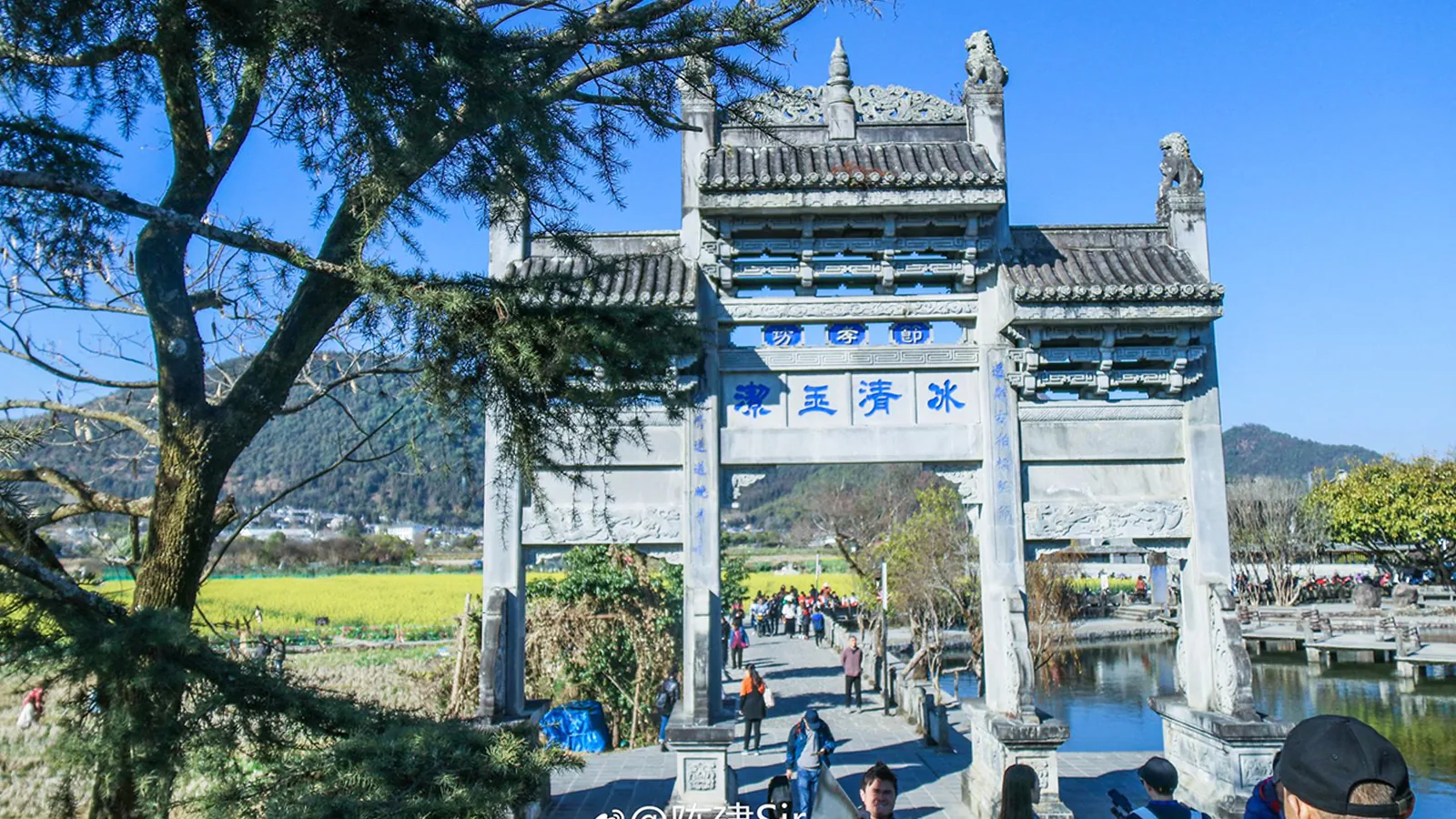 Full day · 8–10 hours
A village library founded in 1924 by overseas Chinese, and a hillside holding more than three thousand small headstones
View details →2 days · 1 night · privateShort on time? This two-day Tengchong express covers the essentials: t
View details →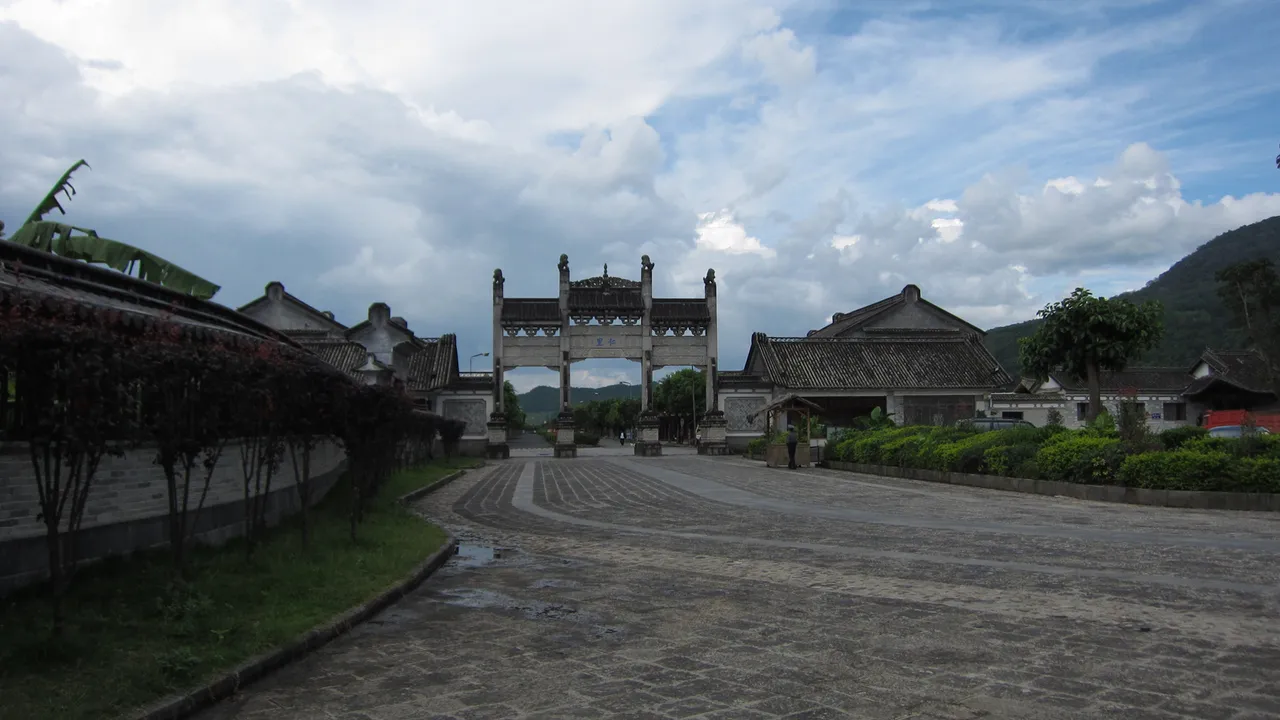 3 days · 2 nights · private
Three days cover Tengchong's classic trio: Heshun Old Town with its li
View details →We booked a private guide for two days in Tengchong and it was worth every yuan. The Rehai Scenic Area was the highlight for me — standing there watching steam roll off the rocks while the guide explained the geothermal stuff in solid English. He also took us through Heshun Ancient Town at a slow pace, no rushing, which I appreciated.
Took the kids to Tengchong for a long weekend. Heshun Ancient Town was easy to wander with a stroller, and the kids got a kick out of the steam vents at Rehai. Only gripe: some signs at Rehai had no English, so we were guessing a bit. Still a good family stop overall.
Private car & driver, day trips and multi-day routes from Tengchong. · Free consultation · reply within 12h