 TripMyChinaJOURNEYS THROUGH REAL CHINA✦ AI Trip✦ Plan My Trip
English
简体中文
繁體中文
日本語
한국어
ไทย
Tiếng Việt
Bahasa Indonesia
Italiano
Español
العربية
Русский
Deutsch
Français
Bahasa Malaysia
TripMyChinaJOURNEYS THROUGH REAL CHINA✦ AI Trip✦ Plan My TripShantou · Attractions
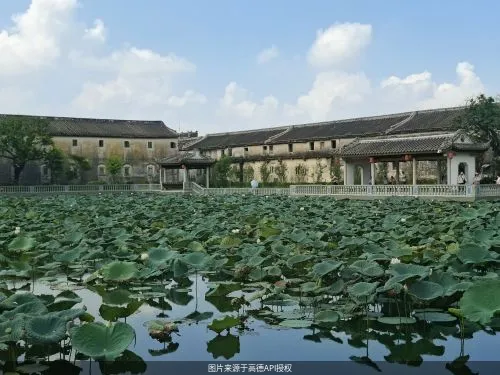
In the countryside of Chenghai, northeast of Shantou, stands the largest and most flamboyant overseas-Chinese mansion in the region: the Chen Cihong Former Residence, a labyrinth of hundreds of rooms built by a family that made its fortune in the rice trade of Thailand. Chaoshan courtyard layout meets Western colonnades, glazed tiles imported from Europe meet carved granite from local masons — a fusion so extravagant that locals nicknamed the family the 'hong of ten thousand rooms'. It is the single most striking piece of architecture in the Chaoshan countryside, and an essential detour for anyone tracing the overseas-Chinese story of this coast.
The Chen family rose from Chenghai village origins to become rice-trading magnates of Bangkok and Hong Kong in the late nineteenth century, and like many successful emigrant families, they sent wealth home in the most permanent form available: architecture. Construction of the four great courtyard compounds stretched across the early twentieth century, employing craftsmen for decades. The result mixes classical Chaoshan layouts — axial courtyards, 'sijin' progressive halls, carved lintels — with verandas, balustrades and colored tiles sourced from Southeast Asia and Europe.
Visiting today, you wander through an astonishing range of spaces: formal reception halls with gilded carvings, family quarters around skywells, airy colonnaded galleries, and rooftops of glazed tile that photograph brilliantly in the afternoon light. Part of the complex operates as a museum with displays on the family and the remittance trade that built so much of Chaoshan. Allow two hours, ideally combined with Chenghai's old streets or, further afield, the qilou arcades of Shantou's old town — together they tell the full story of money, migration and taste on this coast.
Admission is modest, historically a few tens of yuan, covering the open compounds and the small family-history exhibition; prices occasionally change with renovations and seasonal programming, so confirm at the ticket desk. Opening hours generally run from morning to about 17:00, with the last entry somewhat earlier, and the site is open most days of the week. Photography is generally welcomed. Facilities are rural-simple: restrooms and a small shop at the entrance, limited food nearby — plan meals in Chenghai town or back in Shantou. Treat all quoted figures as indicative and check current details with your driver or hotel the day before.
The residence sits in Longdu, Chenghai district, about 25 to 30 kilometers northeast of downtown Shantou — 45 to 60 minutes by car, or a bus toward Chenghai followed by a local ride or taxi for the final stretch. Rural buses are infrequent, so self-driving, a hired car or a ride-hailing round trip is the practical choice. Signs and navigation apps find it easily. The visit takes about two hours over the open compounds. Natural pairings include Chenghai's toy-town and old streets nearby, or a loop back through Shantou's old town qilou quarter and food streets; with a car, the whole circuit makes one full day from the city.
Afternoon light is the residence's best asset: the glazed roof tiles and pale walls glow, and the colonnaded galleries fill with warm raking light. Morning is the alternative for softer tones and cooler walking in summer. The site rewards all seasons since it is largely roofed, making it a reliable stop in Shantou's rainy stretches and hot afternoons. Weekdays are blissfully quiet — you may share the courtyards with no one but caretakers. If you care about photographs, target the hours after 15:00; if you care about comfort in summer, go at opening time. Either way, give the compounds a slow two hours rather than a brisk circuit.
He was a Chenghai-born merchant whose family built one of the great rice-trading businesses of Bangkok and Hong Kong in the late nineteenth century. The fortune he sent home was poured into the vast mansion compounds that bear the family name.
It fuses traditional Chaoshan courtyard planning with Western-style colonnades, verandas and imported European tiles — a style unique to the overseas-Chinese mansions of this coast, executed here at unmatched scale.
About two hours to wander the open compounds and the small exhibition at a relaxed pace. With the drive from Shantou, budget half a day, or a full day if you add the old town.
Take a bus toward Chenghai and finish by taxi or ride-hailing, though rural connections are sparse. Most visitors find a hired driver or a booked round trip the simplest option.
 Full day · 8–10 hours
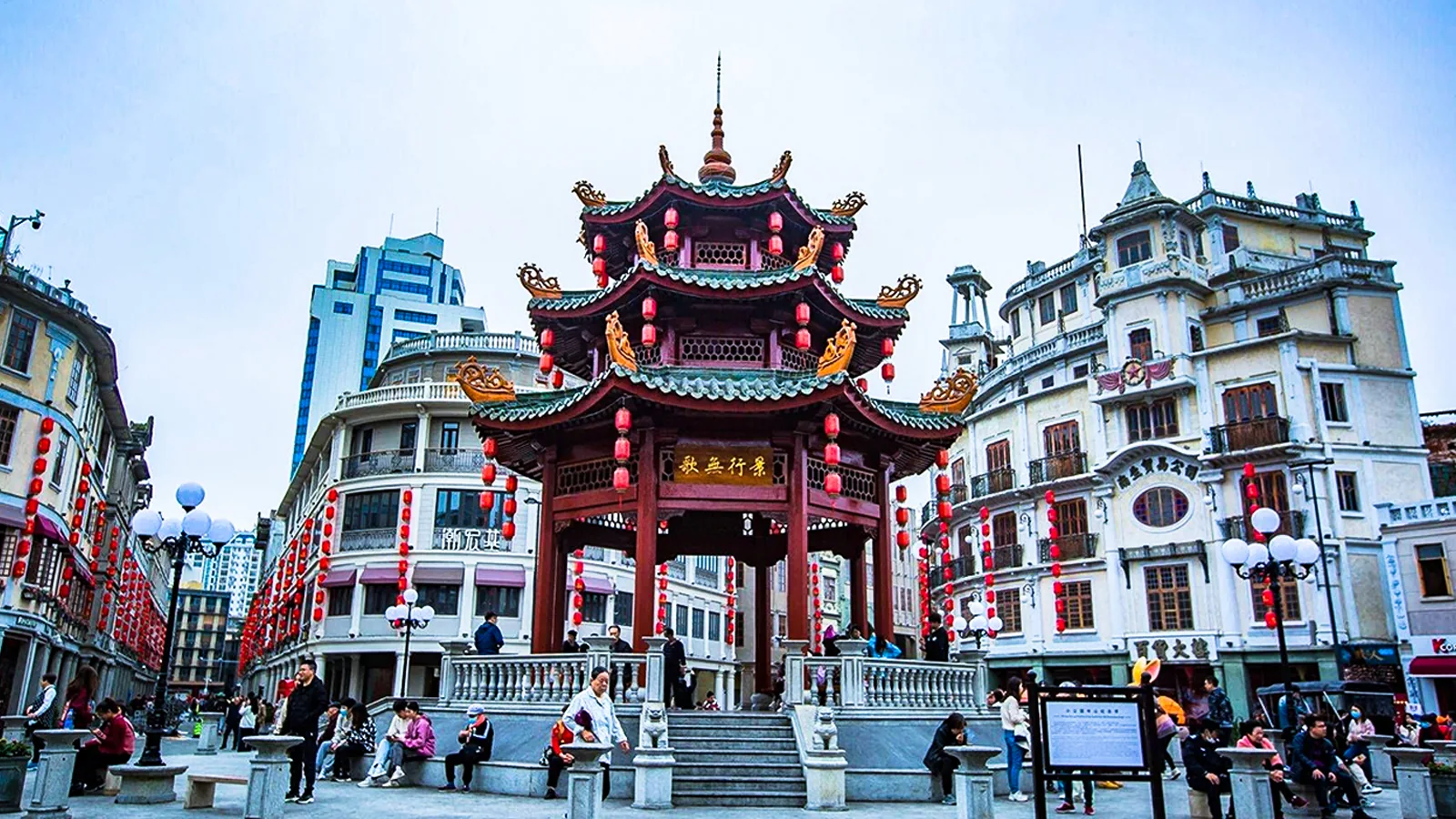
A 1930s port district laid out like a fan, and a merchant's house 40 kilometres out
View details → Full day · 8–10 hours
Eleven kilometres of bridge to an island with a Song well and beaches on the cold current
View details →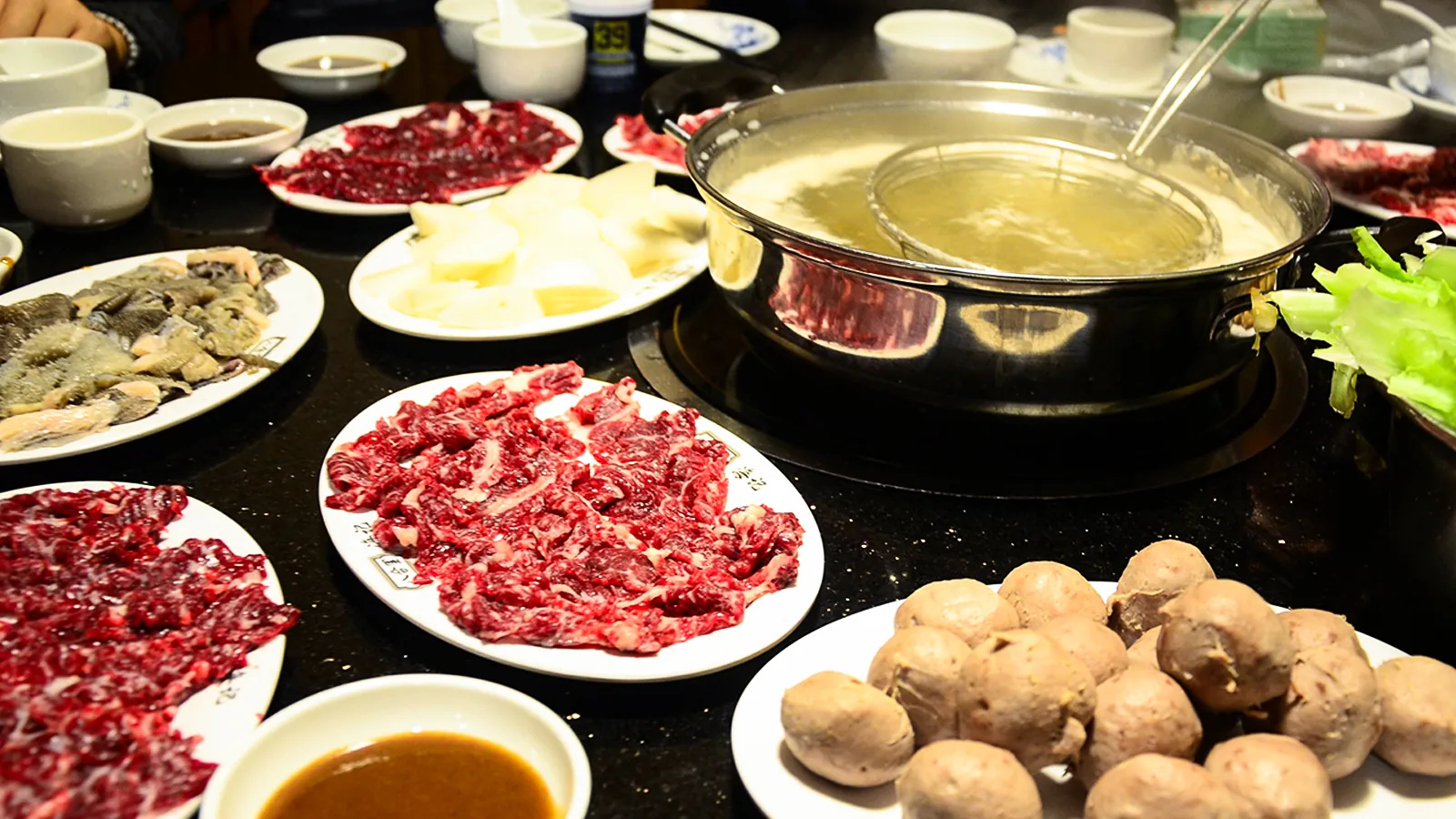 Full day · 8–10 hours
Three things that work with children, and none of them is a theme park
View details →2 days · 1 night · privateThis two-day express route covers Shantou's essentials: the arcade str
View details →3 days · 2 nights · privateThree days cover the classic Shantou set: the arcade old town with its
View details →We booked a private guide for a half day and he took us through Xiaogongyuan Park first. I liked that it was free and full of locals doing their morning exercises instead of tour groups. Then we hiked Queshi Scenic Area and the rock formations along the coast were the best part of the day.
Took the kids to Zhongshan Park on a Sunday and it was packed with families flying kites and feeding fish. Free entry, plenty of shade, and the kids ran around for two hours straight. Only gripe is the toilets were pretty basic, so bring your own tissue.
Private car & driver, day trips and multi-day routes from Shantou. · Free consultation · reply within 12h