 TripMyChinaJOURNEYS THROUGH REAL CHINA✦ AI Trip✦ Plan My Trip
English
简体中文
繁體中文
日本語
한국어
ไทย
Tiếng Việt
Bahasa Indonesia
Italiano
Español
العربية
Русский
Deutsch
Français
Bahasa Malaysia
TripMyChinaJOURNEYS THROUGH REAL CHINA✦ AI Trip✦ Plan My TripShennongjia · Attractions
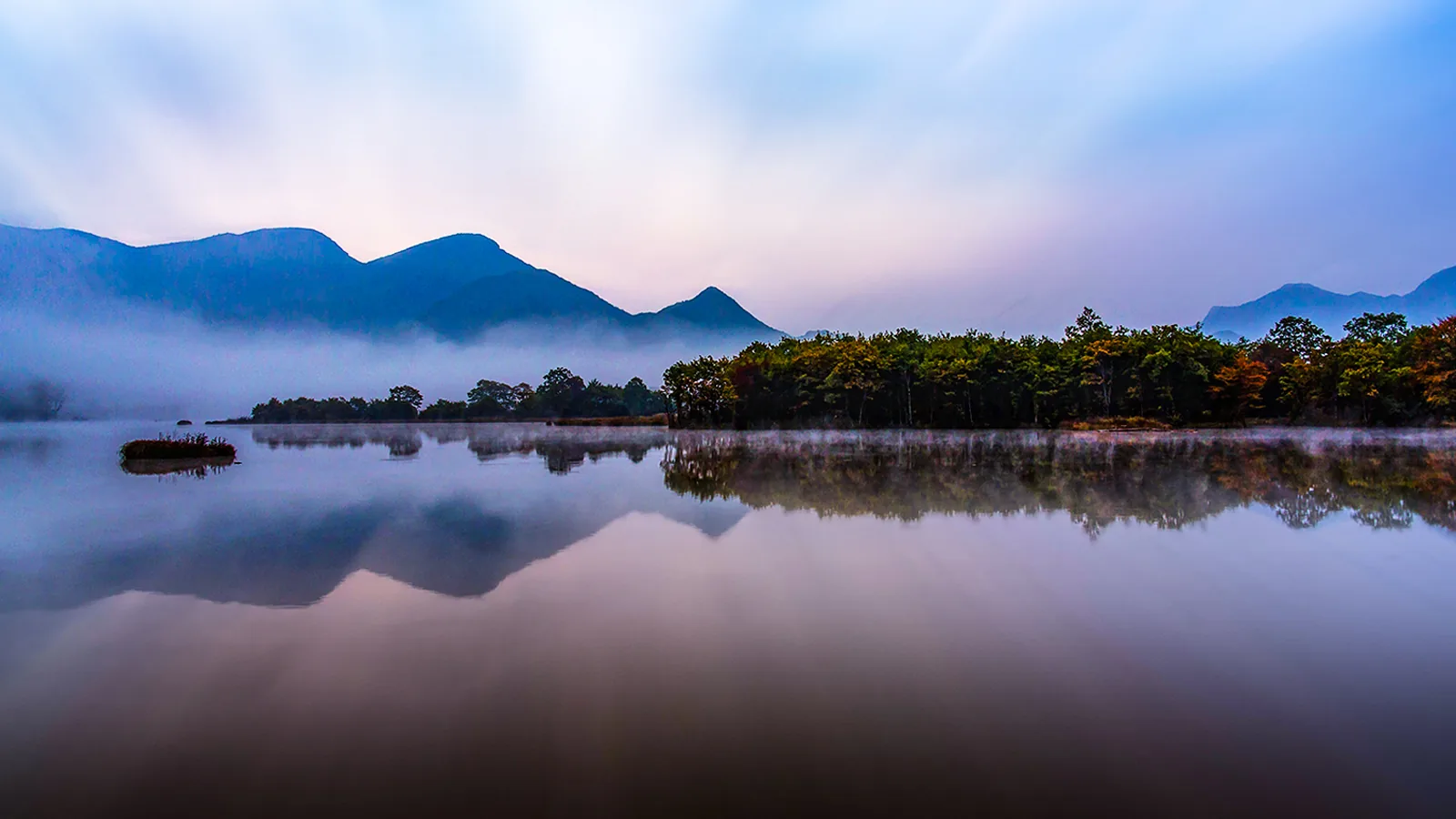
Dajiuhu, the Nine Lakes, is Shennongjia's gentle surprise: after hours of steep mountain forest, the road opens onto a broad alpine basin at about 1,700 meters, where a chain of shallow lakes spreads across one of central China's rarest landscapes — a high-altitude peat wetland. Boardwalks and small bridges stitch the lakes together, horses graze on the meadows, and at dawn a soft mist often lies on the water while the peaks around turn gold. Photographers chase the sunrise, families cycle the flat paths, and everyone slows down. It is the most relaxed day in any Shennongjia itinerary, and a complete change of rhythm from the summits.
The basin holds a chain of nine lakes — hence the name — fed by mountain streams and underlain by ancient peat deposits that scientists prize as a climate archive. Recognized as a national wetland park, Dajiuhu shelters rare amphibians, waterfowl and plant communities that survive only in these high, clean waters. To protect the marsh, the area limits private vehicles: most visitors leave their cars at the gate and transfer to the internal shuttle, walking or cycling between the lakes on boardwalks and quiet lanes.
Each lake has its own mood — some framed by forest, others opening to wide meadow with wooden viewing decks. The classic experience is an early-morning visit, when mist rises off the water and the light turns soft; sunset is equally lovely, with long shadows across the grass. Allow half a day at an easy pace, more if you picnic or ride a bike. Dajiuhu sits on the far side of the Shennongjia range from Muyu town, and combines naturally with the summit highway into a two-day loop that also takes in <a href="/attractions/shennong-summit/">Shennong Summit</a>.
Admission is by ticket at the visitor center, with the internal shuttle usually sold together or separately depending on the season; prices and rules change, so confirm on site or let your guide arrange the day before. Opening hours follow daylight, and the shuttle frequency drops in shoulder seasons. Cyclists can usually rent bikes near the entrance or in the nearby village, and boardwalk access is suitable for strollers and wheelchairs on the main sections. Weekday mornings are quietest; on summer weekends arrive early to catch the mist before the crowds. Bring cash or a working mobile payment method, as signal can be patchy.
Dajiuhu lies in the southwestern part of the Shennongjia forestry district, on the far side of the range from Muyu town, roughly an hour and a half away by mountain road. Most visitors come as part of a Shennongjia loop by private or chartered car, entering the wetland through its visitor center, where private vehicles must generally park and transfer to the official shuttle that circles the lakes. There is limited accommodation near the wetland for those who want both sunset and sunrise. Combine the visit with the summit highway on the drive across, and plan fuel and food stops in advance, as services en route are sparse.
The wetland is at its best from late spring to early autumn, when the meadows are green and the mornings misty. Sunrise is the signature hour — plan to be inside before dawn, which means staying nearby or setting off in darkness. Autumn adds golden grasses and clearer skies, while winter freezes the lakes into a stark white landscape with very few visitors. Midsummer weekends are the busiest; come on a weekday if you can. Rain gear is wise in any season, as mountain weather turns quickly even on the flattest terrain.
It is one of the very few high-altitude peat wetlands in central China, a chain of nine lakes at around 1,700 meters that scientists value as a climate archive and that shelters rare waterfowl and plants. The scenery is equally unusual — flat water and meadow amid steep forested mountains.
Half a day is enough to ride the shuttle and walk the main boardwalks. Photographers often stay overnight nearby to capture both sunset and the famous sunrise mist over the lakes.
Yes, it is the gentlest major sight in Shennongjia. The terrain is flat, the shuttle reduces walking, and the main boardwalks are wide and well railed. Bring warm clothes, as the basin stays cool even in summer.
Usually not — to protect the wetland, private vehicles are generally required to park at the visitor center and transfer to the official shuttle. Rules can vary by season, so confirm the current arrangement at the gate.
 Full day · 8–10 hours
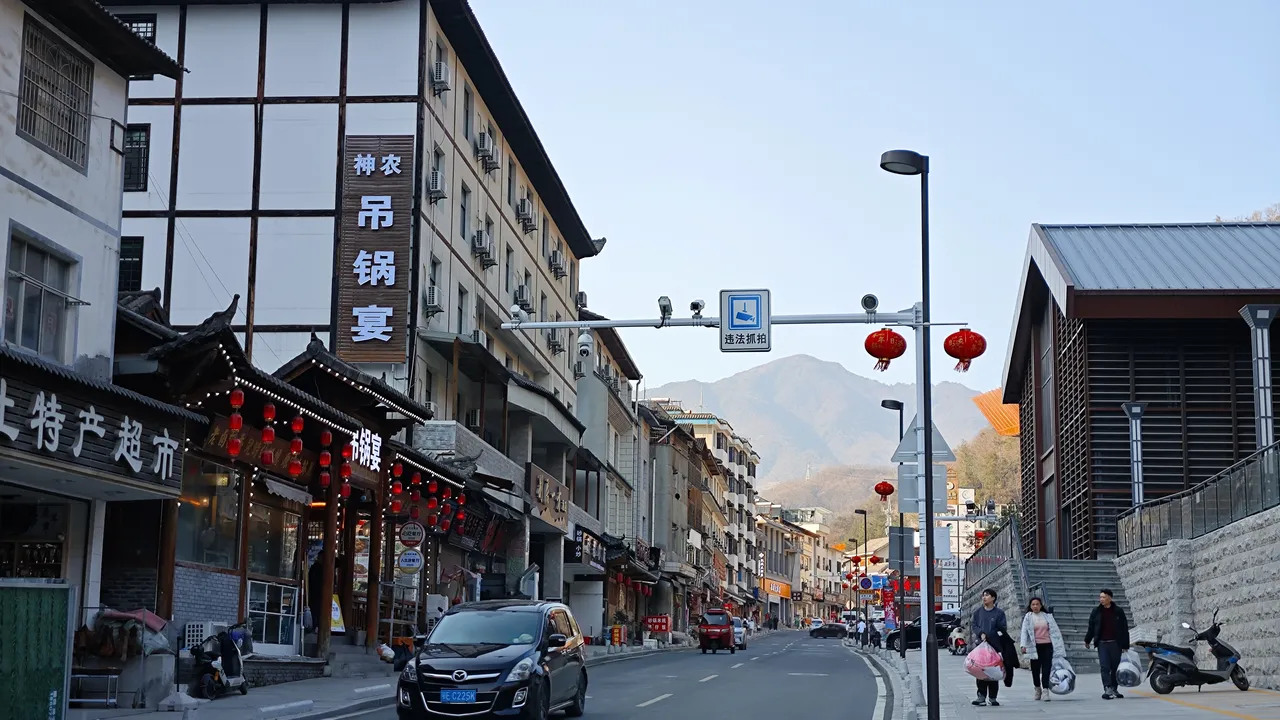
The kitchens up here do three things: meat smoked over cypress, tofu with the fibre left in, and a corn spirit at forty proof
View details →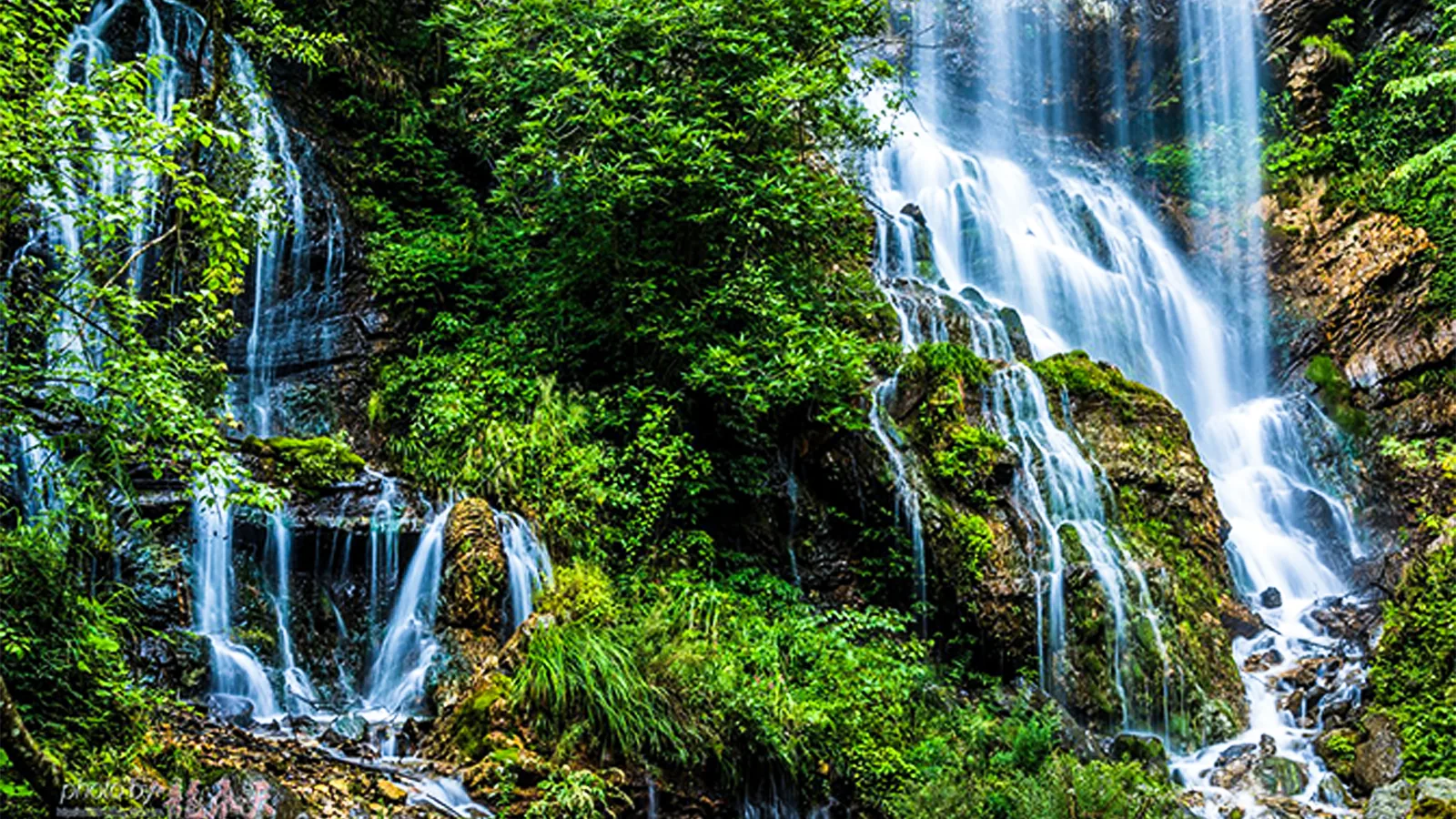 Full day · 8–10 hours
The iron fir in the altar grounds takes six people to ring it; beside it stands a god with a bull's head and a human body
View details →Full day · 8–10 hoursOne day from 1,200 metres up to 3,106 and down to a wetland at 1,700; the air moves fifteen degrees with you
View details →2 days · 1 night · privateA compact first-visit loop of Shennongjia: Guanmen Hill's gorge and na
View details →3 days · 2 nights · privateThe classic Shennongjia loop: golden snub-nosed monkeys at the viewing
View details →Did Shennongjia alone over four days and the Shennong Peak area was the part I keep thinking about. Got up there early, clouds were sliding right over the ridge below me, and I just sat on a rock for an hour. Bring a windproof layer, it's colder up top than the trailhead suggests.
My partner and I took the gorge trail under the natural stone bridge and ended up following the stream for way longer than planned. Water was loud the whole way, we barely talked. Best two hours of our trip, honestly.
Private car & driver, day trips and multi-day routes from Shennongjia. · Free consultation · reply within 12h