 TripMyChinaJOURNEYS THROUGH REAL CHINA✦ AI Trip✦ Plan My Trip
English
简体中文
繁體中文
日本語
한국어
ไทย
Tiếng Việt
Bahasa Indonesia
Italiano
Español
العربية
Русский
Deutsch
Français
Bahasa Malaysia
TripMyChinaJOURNEYS THROUGH REAL CHINA✦ AI Trip✦ Plan My TripMount Everest · Attractions
Everest Base Camp on the Tibetan north side is less a camp than a coordinate: a scatter of yak-wool tents at about 5,200 meters, pitched each season on the gravel flats directly beneath the North Face. From here the world's highest mountain fills the entire horizon, its summit just 20 vertical kilometers away yet utterly untouchable. Reaching it means permits, a licensed tour and a night at extreme altitude, but waking to dawn light climbing the North Face from a tent flap is one of travel's great payoffs.
The north-side base camp has always been a working place first: expedition logistics hub, weather station of sorts, and seasonal village of Tibetan tent-keepers who host climbers and travelers alike. In the tourist season, roughly April to October, rows of communal yak-hair tents offer bunk platforms, boilers of sweet tea and a stove-warmed common room, while in winter the camp largely withdraws. Just below sits <a href="/attractions/mount-everest/">Rongbuk Monastery</a>, at around 5,100 meters among the highest permanent religious sites on earth, its whitewashed walls facing the mountain it watches.
Access is strictly regulated for foreign travelers, who must arrive with a licensed Tibet tour, Tibet Travel Permit and the Everest scenic-area entry ticket; the final approach runs down the Rongbuk Valley past the <a href="/attractions/gangga-town/">Gangga turnoff</a> and over the Gawu La Pass, whose panorama of five 8,000-meter peaks is worth the journey alone. Altitude is the honest headline: at 5,200 meters most visitors feel the thin air immediately, so itineraries that spend nights acclimatizing in Shigatse and Tingri first are not optional extras but the difference between sunrise euphoria and a headache night.
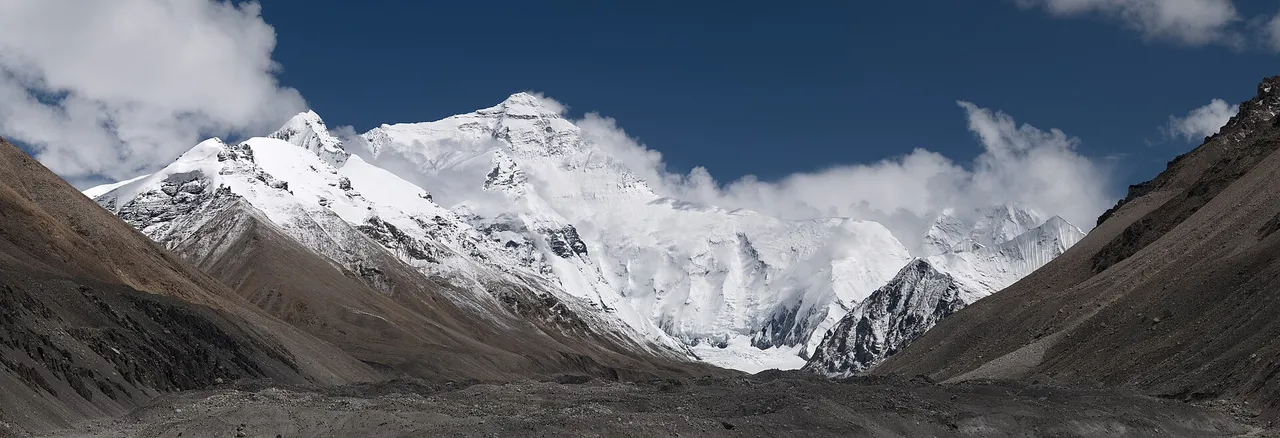
The Everest scenic-area entry ticket plus protected-area vehicle fees are paid as part of your tour package, historically several hundred yuan per person for the mountain segment, with exact figures varying by season and operator; confirm inclusions when booking. The camp operates roughly April to October, and tent accommodation is booked through your guide at modest per-bed rates that include dinner and breakfast. Winter access shrinks or stops entirely. Facilities are primitive by design: no showers, squat toilets, limited power hours and temperatures below freezing at night even in summer.
Base camp is reached from New Tingri town by the protected-area road, about four to five hours including the Gawu La Pass and viewpoint stops, always with your tour's vehicle and guide since private cars cannot enter. Most itineraries flow from Lhasa by road via Shigatse with acclimatization nights, or overland from Kathmandu before continuing into the reserve. The final kilometers run past Rongbuk Monastery to the tent camp; visitors sleep in the communal tents or, when open, in the monastery's basic guesthouse. There is nothing self-organized about the journey, so choose an operator experienced with altitude logistics.
May and late September to October are the prime months, pairing the clearest summit views with the most reliable tent-camp operations; spring also coincides with expedition season, when the mountain buzzes with climbing activity. Summer brings monsoon cloud over the peak though the camp stays open. Winter is essentially off. Arrive mid-afternoon, settle into the tent, then hold your energy for dawn: the sunrise sequence on the North Face, from cold grey to burning gold, is the moment the whole journey exists for.
Yes, in the seasonal yak-wool tents or the Rongbuk guesthouse, roughly April to October. Book through your licensed tour, as independent access is not permitted for foreign travelers.
Even in summer, nights fall below freezing and winds are constant. Winter is extreme and the camp largely closes, so the tourist season is the only realistic window.
About 3,500 vertical meters and roughly 20 kilometers of glacier and rock separate the camp from the top. It looks close in the clear air but remains a serious mountaineering objective.
Acute mountain sickness is common at 5,200 m, with headaches and breathlessness normal, and severe symptoms requiring descent. Acclimatize gradually, hydrate, avoid alcohol and know the warning signs.
 Full day · 8–10 hours
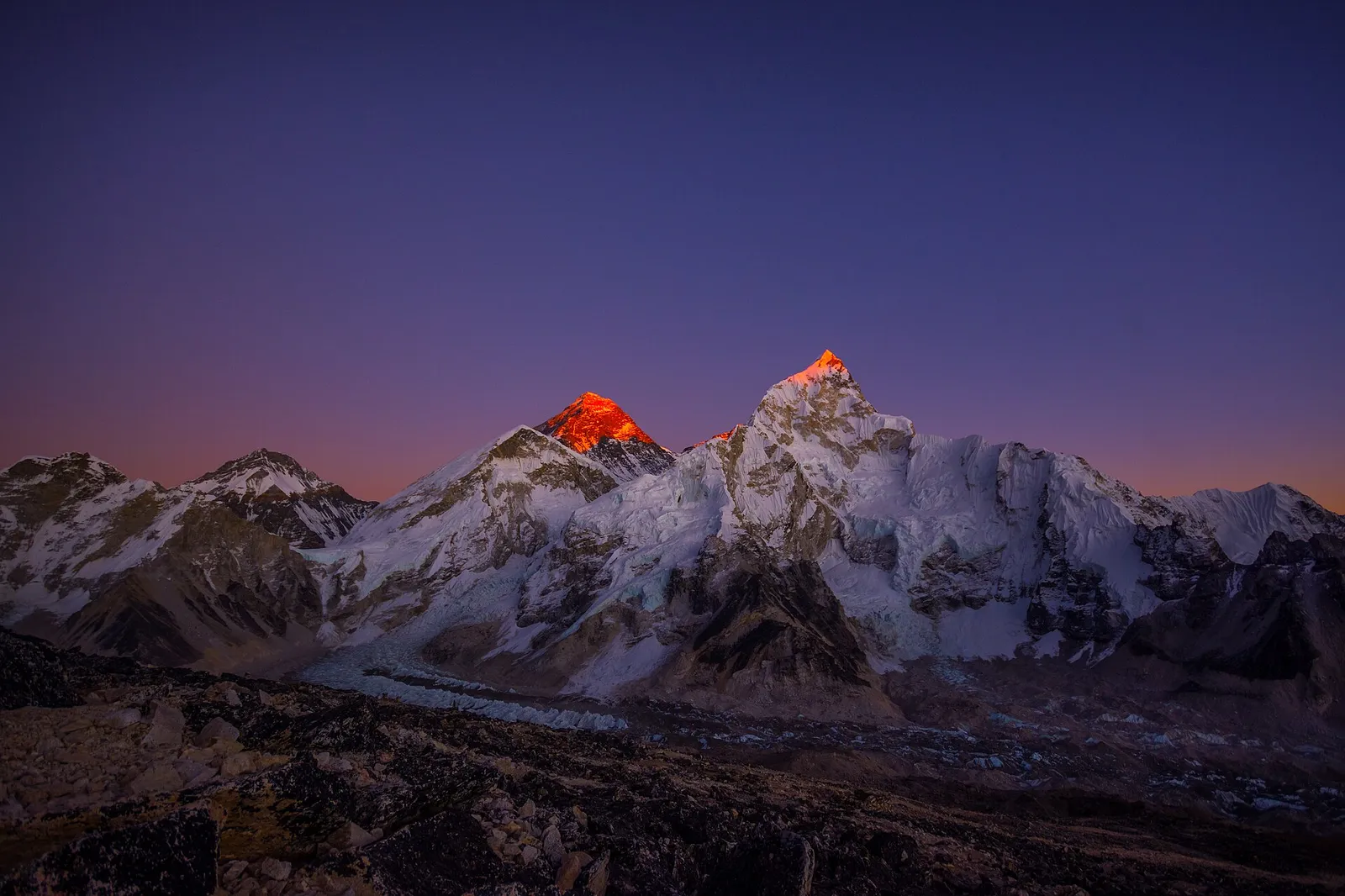
No moon, no lamps, about minus ten: the Milky Way over the north face, and the rules that keep the night safe
View details →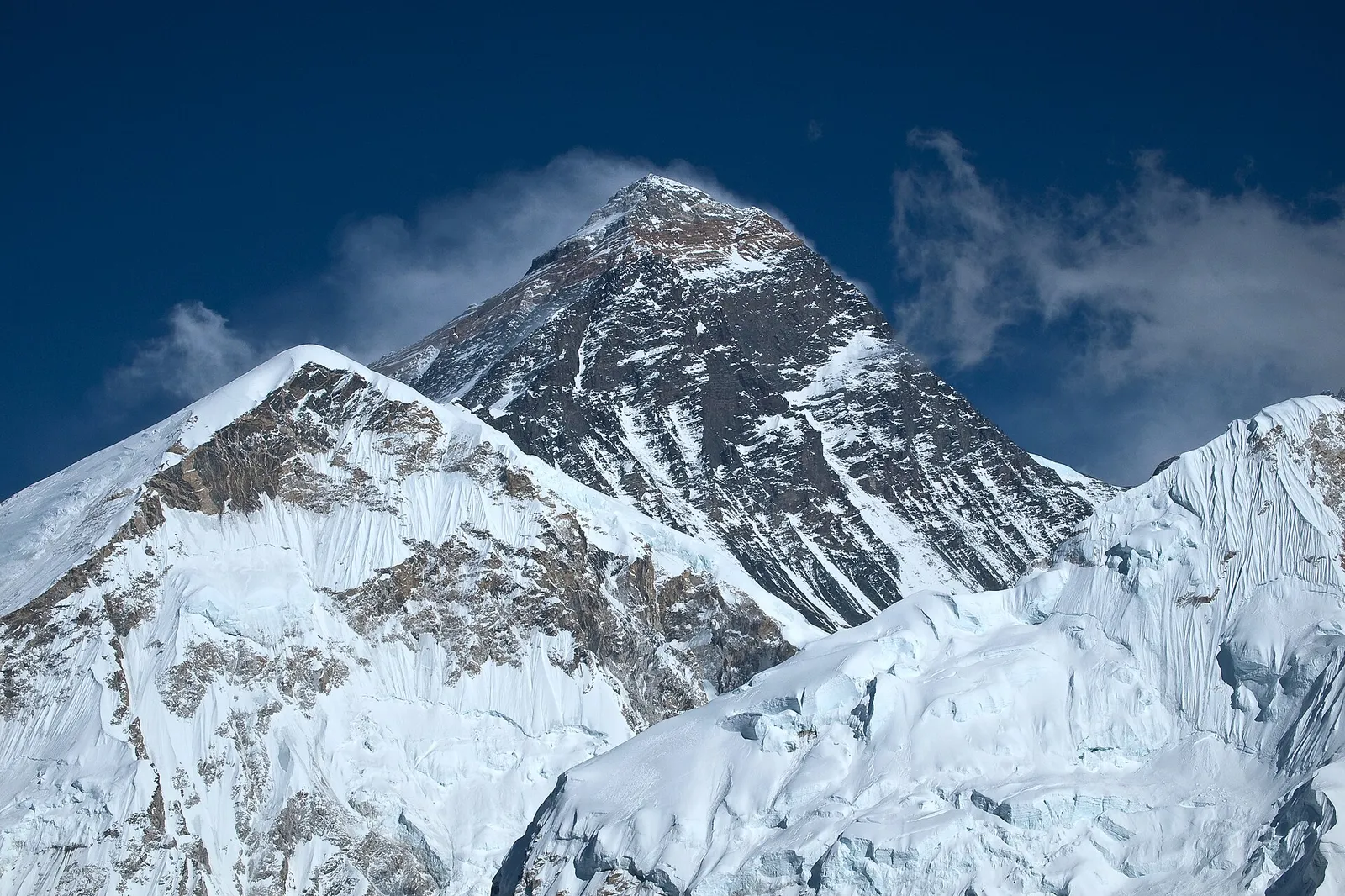 Full day · 8–10 hours
Up here the rice comes out of a pressure cooker and the rules change: hot food, soft food, small portions, no alcohol
View details →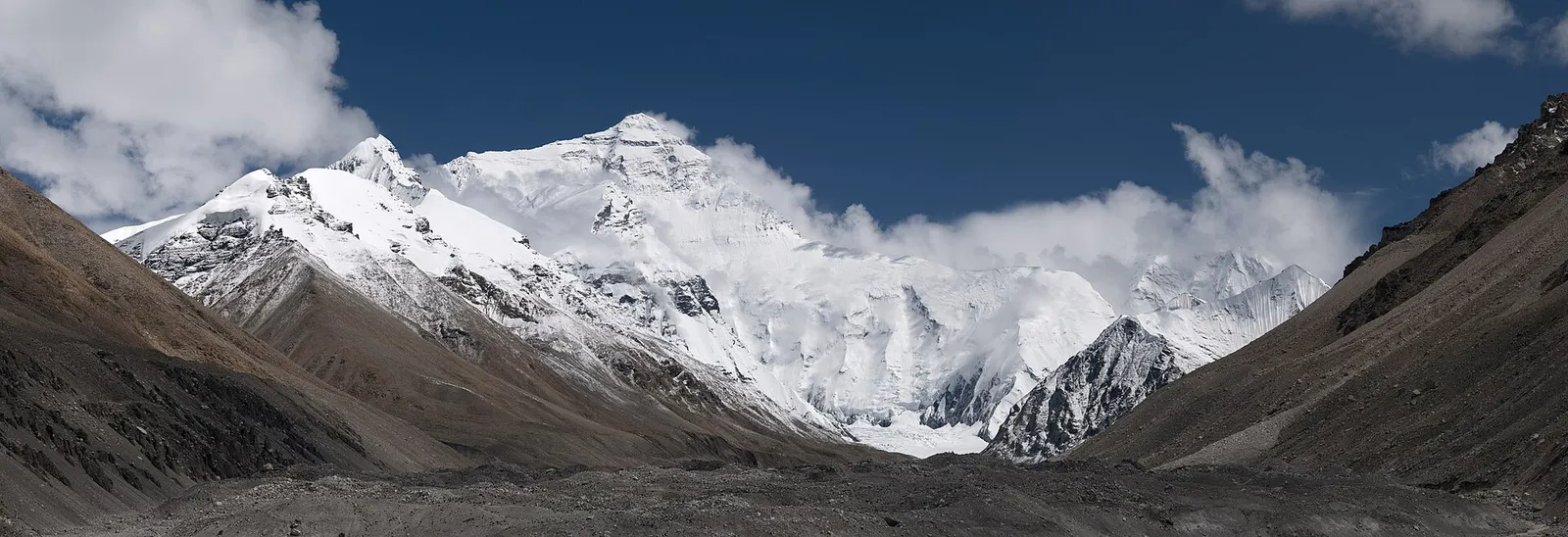 Full day · 8–10 hours
One day up to 5,200 metres: a monastery at about 4,980, a stone marker, and a counter that will stamp a postcard
View details →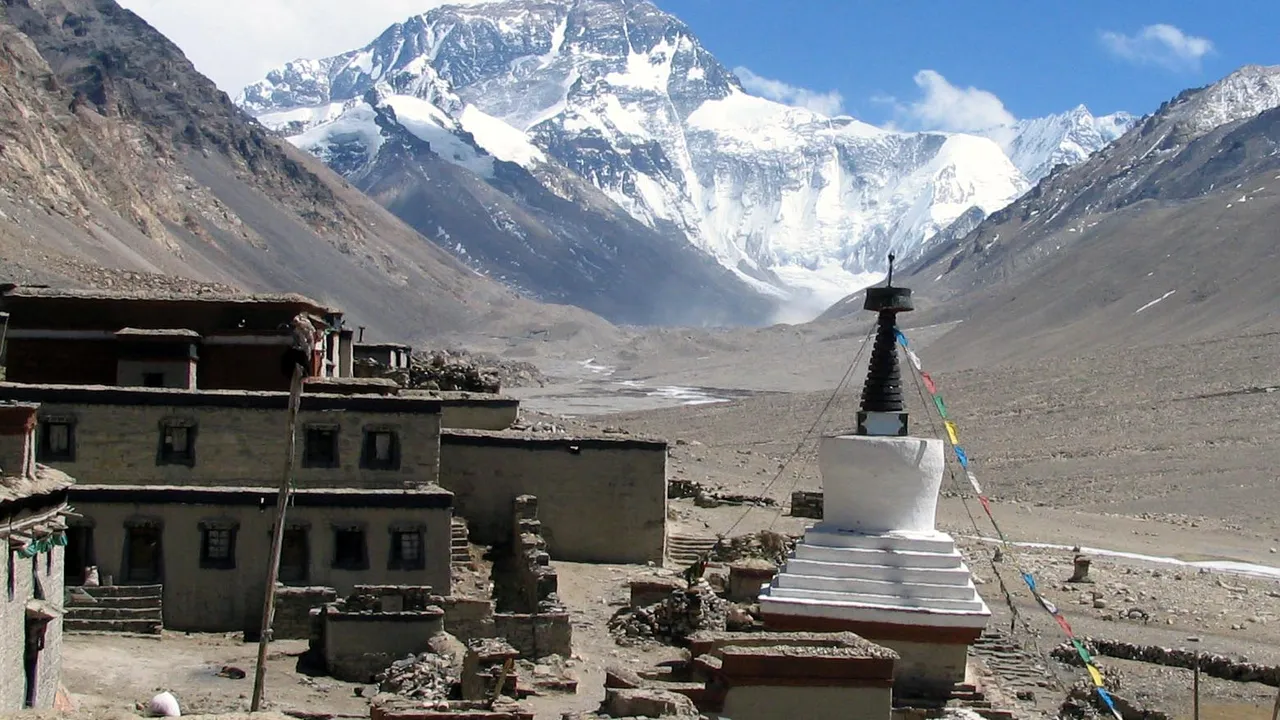 2 days · 1 night · private
A compressed two-day dash to Everest Base Camp in Tingri County, runni
View details →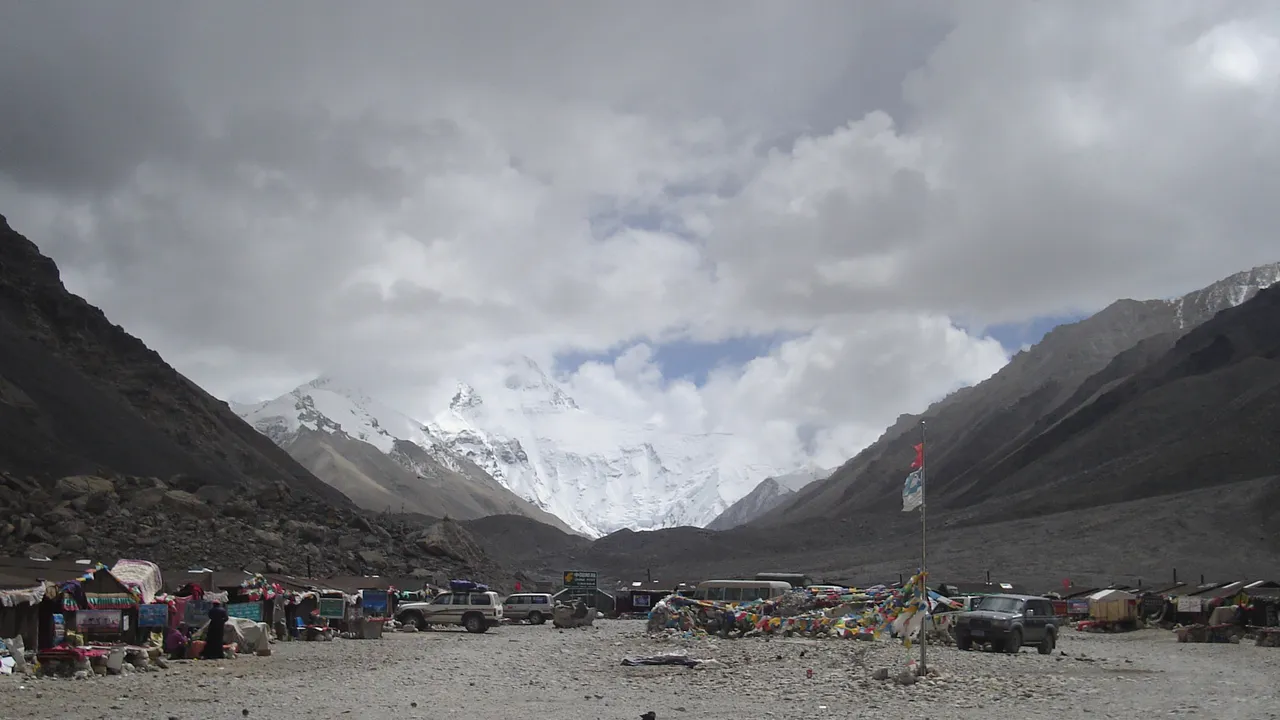 3 days · 2 nights · private
The classic three-day Everest route from Shigatse builds in one altitu
View details →Booked a private guide out of Lhasa and honestly the best money I spent in Tibet. We hit Gawula Pass around 7am and I could count five peaks over 8,000 m lined up like teeth. My guide kept handing me hot tea while I just stood there with my mouth open.
Took my two kids (9 and 12) and they actually put their phones down at the Everest viewing point, which says something. Rongbuk Monastery was the surprise for me, so quiet up there. Only gripe: the altitude hit my son hard the first night and there was not much info beforehand on what to do about it.
Private car & driver, day trips and multi-day routes from Mount Everest. · Free consultation · reply within 12h