 TripMyChinaJOURNEYS THROUGH REAL CHINA✦ AI Trip✦ Plan My Trip
English
简体中文
繁體中文
日本語
한국어
ไทย
Tiếng Việt
Bahasa Indonesia
Italiano
Español
العربية
Русский
Deutsch
Français
Bahasa Malaysia
TripMyChinaJOURNEYS THROUGH REAL CHINA✦ AI Trip✦ Plan My TripMount Putuo · Attractions
Halfway between Baibu Beach and the summit of Foding Mountain, Fayu Temple is Mount Putuo's grand second monastery — a cascade of halls climbing a wooded hillside under enormous old camphor trees. Founded in the Ming dynasty and expanded with imperial favor in the Qing, it is best known for its Nine-Dragon Hall, whose coffered ceiling was salvaged from a Nanjing imperial palace. Less crowded than Puji Temple and more intimate than the summit's Huiji, Fayu is where the island feels most like a working monastery: chanting at dawn, koi ponds, and the smell of incense under the leaves.
The temple began in 1580 as a small hermitage and grew under the name Hailong ('Sea Tide') before the Kangxi Emperor granted it its present title and funds after a devastating fire, rebuilding it in the late seventeenth century. Its most famous structure, the Nine-Dragon Hall, was assembled in 1705 using a coffered ceiling with nine dragon carvings brought from the Ming imperial palace in Nanjing — a detail that makes it unique among Chinese temple halls.
The setting completes the appeal: the complex rises in terraces beneath a canopy of ancient camphor and ginkgo, with stone bridges, lotus ponds and a long stairway linking the gates. Monks' quarters, kitchens and study halls give it the atmosphere of a fully working monastery, and the trail onward to Huiji Temple begins just above its upper gate. Most visitors arrive by island bus from Puji or the wharf, spend an unhurried hour among the halls, then walk or ride onward — the stretch from beach to Fayu to summit cable car is the island's finest sequence.
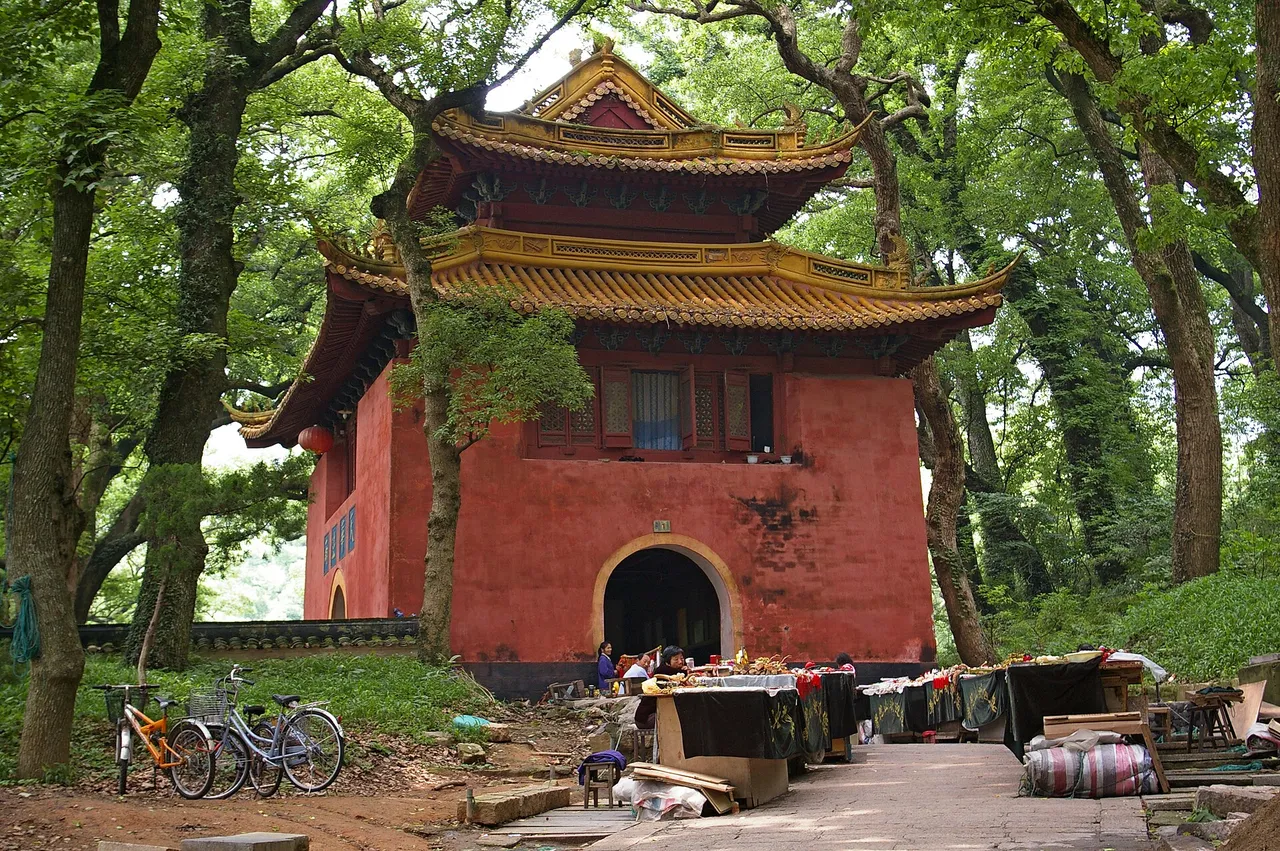
Fayu Temple charges a small separate admission of a few tens of yuan, in addition to the island entry ticket paid at the wharf; the fee has stayed modest for years, but confirm the current amount at the gate. Opening hours follow the island's rhythm, roughly from early morning to about 17:00, with chanting services early and late in the day. Incense is sold or sometimes provided at the halls. There is no booking system for individual visitors. As with all Putuo fees, occasional festival reorganizations and seasonal adjustments apply — treat any figure as indicative and check with your guide or the booth.
Fayu Temple lies on the road between the beach quarter and Foding Mountain, a few minutes' ride from Puji Temple. The island bus stops at the Fayu Temple gate on its loop from the wharf through the beaches to the cable-car base; walking from Baibu Beach takes about 15 minutes up a gentle road. From the temple's upper gate, a stone path continues toward Huiji Temple on foot or joins the short link to the cable car. Most itineraries give the temple 45 to 90 minutes; combined with the beach below and the summit above, it forms the island's classic half-day. The stone steps between terraces are uneven in places — steady shoes are worthwhile.
Early morning is Fayu at its best: mist in the camphor crowns, monks crossing between halls, and the Nine-Dragon Hall quiet enough to look up in peace. Late afternoon is the second choice, when tour groups have moved on and the low light rakes the terraces. Spring's fresh leaves and autumn's ginkgo gold frame the gray walls beautifully; summer is genuinely cool under the grove, and winter offers near solitude. Avoid mid-day arrivals on weekends, when Puji's overflow crowds spill up the road. If your schedule allows only one of the island's three great temples at a quiet hour, make it this one.
Above all the Nine-Dragon Hall, whose coffered ceiling with nine carved dragons was brought from the Ming imperial palace in Nanjing in 1705. The temple's terraced courtyards under ancient camphor trees add to its reputation.
Puji is larger and closer to the main wharf, drawing the biggest crowds; Fayu is the second largest, more wooded and tranquil, and feels more like a working monastery. Many visitors quietly prefer it.
Forty-five to ninety minutes covers the halls and terraces at a relaxed pace. Extended with Baibu Beach below and the cable car to Huiji above, it becomes the island's classic half-day.
Yes, a small separate admission of a few tens of yuan, on top of the island entry ticket. Opening hours run roughly from early morning to 17:00, with services held morning and evening.
 Full day · 8–10 hours
A few yuan for rice and two vegetables at eleven, then crab and mantis shrimp on a pier after five
View details →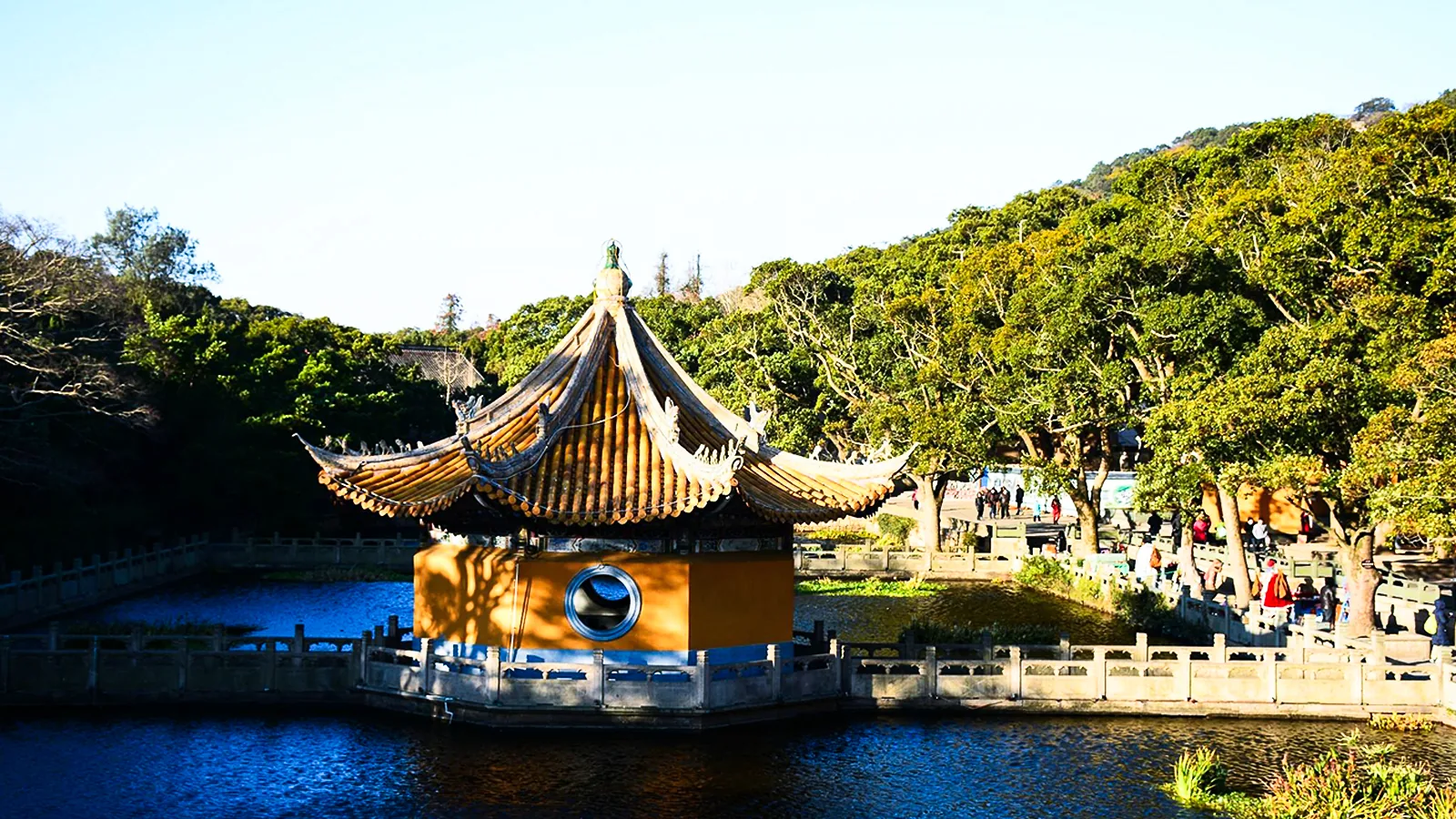 Full day · 8–10 hours
A hall first built in 916, a roof rebuilt with material from the Ming palace, and a summit reached by cable car
View details →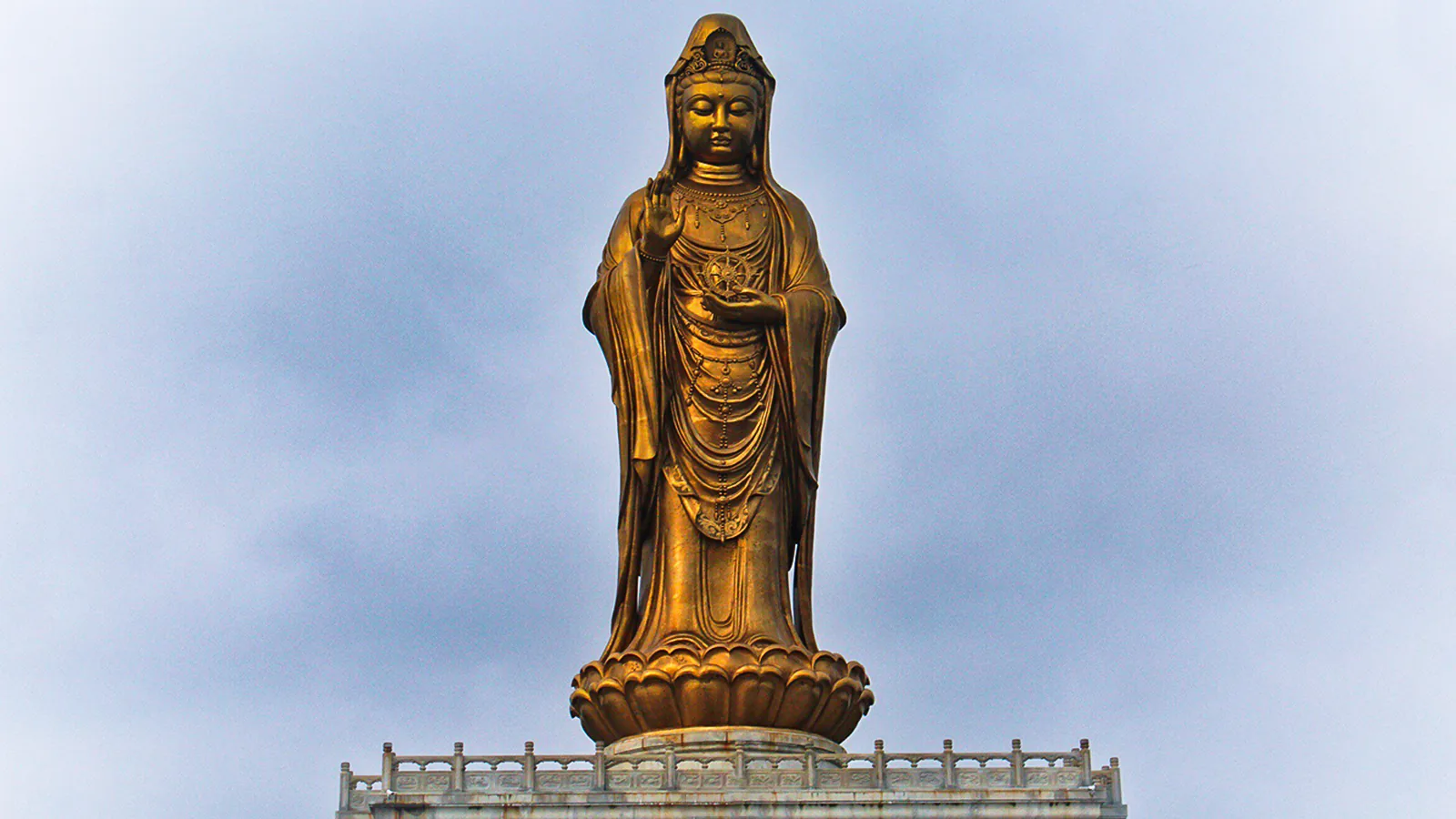 Full day · 8–10 hours
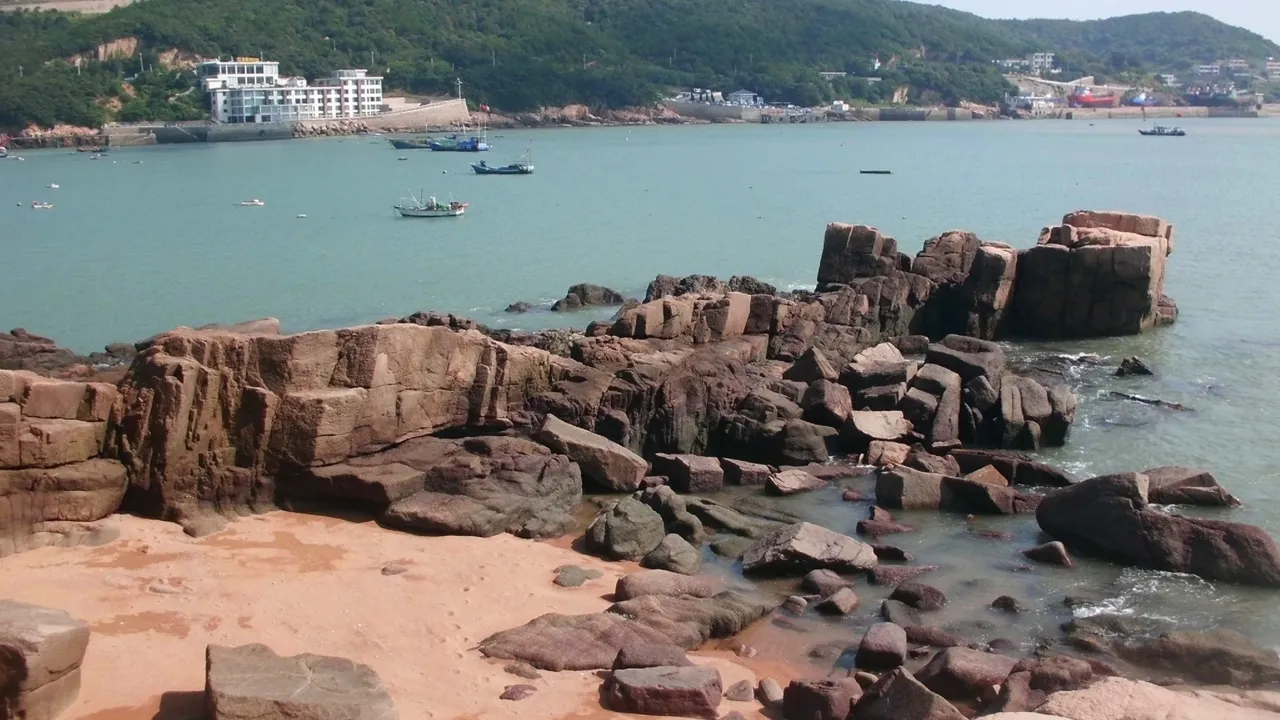
Sand on two sides of the island and a hillside of weathered granite, all of it walkable between boats
View details →2 days · 1 night · privateTwo days cover Mount Putuo's core sanctuaries: the Guanyin statue at t
View details →3 days · 2 nights · privateThree days read Mount Putuo in full: Puji, Fayu and Huiji temples link
View details →Woke up at 5am to catch the sunrise behind the 33m Guanyin statue and it was worth every minute of lost sleep. I went alone and never felt out of place — plenty of pilgrims just quietly doing their thing. The vegetarian lunch at the monastery dining hall cost almost nothing and the braised tofu was better than most restaurants back home.
We booked a private guide for the temple circuit — Puji, Fayu, Huiji — and having someone explain the rituals saved us from just wandering around clueless. The walk between Fayu and Huiji is mostly stairs, so wear proper shoes. Only gripe: the ferry over was packed and we stood the whole way, but that's island life I guess.
Private car & driver, day trips and multi-day routes from Mount Putuo. · Free consultation · reply within 12h