 TripMyChinaJOURNEYS THROUGH REAL CHINA✦ AI Trip✦ Plan My Trip
English
简体中文
繁體中文
日本語
한국어
ไทย
Tiếng Việt
Bahasa Indonesia
Italiano
Español
العربية
Русский
Deutsch
Français
Bahasa Malaysia
TripMyChinaJOURNEYS THROUGH REAL CHINA✦ AI Trip✦ Plan My TripShenyang · Attractions
Fuling Tomb, on the wooded slopes of eastern Shenyang, is the resting place of Nurhaci — the chieftain who forged the scattered Jurchen tribes into the state that became the Qing empire. Built from 1629 and refined by later emperors, the mausoleum climbs a pine-covered hill in a sequence of monumental gates, a famous stairway of 108 steps, and a walled tomb terrace where old pines murmur overhead. It shares UNESCO World Heritage status with Shenyang's Imperial Palace as part of the imperial tombs of the Ming and Qing dynasties, and its blend of Manchu, Mongol and Han design makes it a quieter, greener companion to the palace in the city center.
Nurhaci united the Jurchen tribes, created the Eight Banners system and launched the conquest that his son Hong Taiji and grandson completed as the Qing dynasty. He died in 1626 after his one great defeat, and work on his tomb began three years later, with additions under later reigns completing the ceremonial route. The axis runs uphill through a great archway, a sacred way lined with stone animals and officials, the flight of 108 steps said to symbolize the thirty-six heavenly spirits and seventy-two earthly ones, and finally the walled upper terrace with its stele pavilion and the tumulus itself.
The tomb sits within what is now a public park on the city's eastern side — locally called Dongling, the East Tomb — so a visit combines easily with a stroll under the old pines. The architecture is more austere than Beijing's imperial tombs but charged with meaning: Manchu banners motifs, Mongol-influenced beasts on the sacred way and Han ritual geometry all appear. Most travelers pair it with the <a href="/attractions/shenyang-imperial-palace/">Imperial Palace</a> and <a href="/attractions/marshal-zhang-mansion/">Marshal Zhang's Mansion</a> in one history-heavy day, or visit on a crisp autumn morning when the park is at its best.
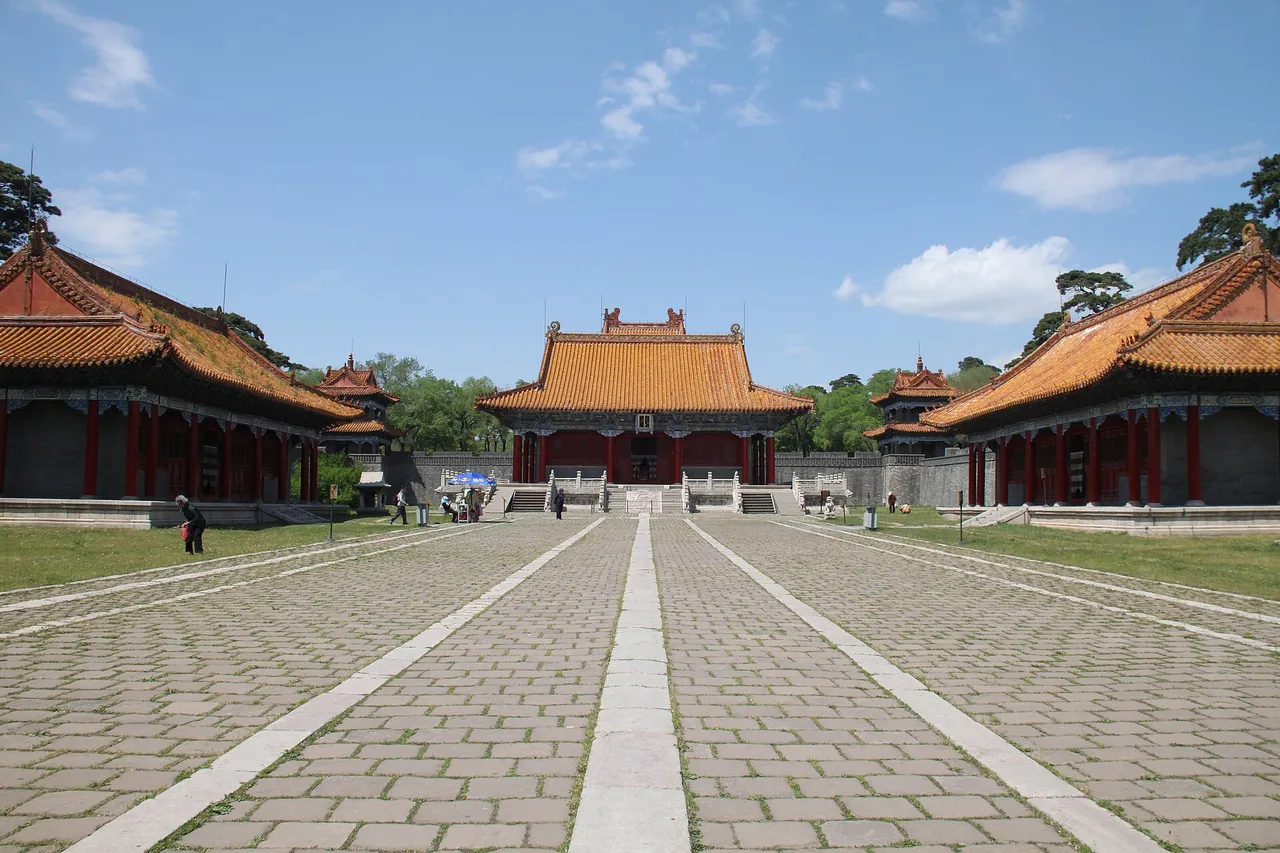
Admission covers the tomb complex, with park entry arrangements varying by season and entrance; fees are modest and change occasionally, so confirm at the gate or let your guide arrange it. Opening hours run through daylight, with the last entry well before closing. Students and seniors with identification receive standard discounts, and small children enter free. Allow two hours for the full axis at a contemplative pace, more if you wander the park woods afterward. Check the closure day in advance, as management can close the site on a weekday, and note that the stairway can be icy in winter — tread carefully.
Fuling sits inside a park in eastern Shenyang, roughly half an hour by taxi from the old city center, longer in rush hour. City buses run to the park gates from downtown, and metro riders can close the distance with a short taxi hop — check current stops, as the network expands. Most visitors arrange the tomb by car together with the Imperial Palace and Marshal Zhang's Mansion for a single history day, or come by taxi for a quiet morning and add the museums afterward. The climb involves stairs and slopes; wear comfortable shoes and take the sacred way at an easy pace. Entrance plazas have space for ride-hailing pickups.
Autumn is the tomb's finest season, when the park's pines and other trees turn gold and the low sun warms the stone animals along the sacred way. Spring is fresh and green, summer pleasantly shady under the canopy, and winter starkly beautiful though bitterly cold and sometimes icy underfoot. Mornings are calmest, before local exercise crowds thin out; weekday visits guarantee the most solemn atmosphere. The tomb is a half-day sight at most, pairing naturally with the palace and mansion in the city center for a full historical circuit.
Nurhaci, the founder of the Later Jin state whose conquests laid the base of the Qing dynasty, rests here with his empress. Later emperors completed and embellished the mausoleum, which is why its buildings span several reigns.
The stairway's count blends Buddhist numerology and imperial symbolism, traditionally read as the thirty-six heavenly stars plus the seventy-two earthly ones. Whatever the exact origin, the climb is the tomb's signature moment.
About two hours covers the full axis and the terrace at an unhurried pace, and longer if you also walk the surrounding park. Most visitors pair it with the city-center sights in the same day.
It stays open most of the time and is beautiful under snow, but Shenyang winters are severe and the stone steps can be icy. Dress in heavy layers and wear shoes with grip, or save the climb for a warmer season.
 Full day · 8–10 hours
Four giant pandas before lunch, then a hall in Hunnan where the exhibits are meant to be touched
View details →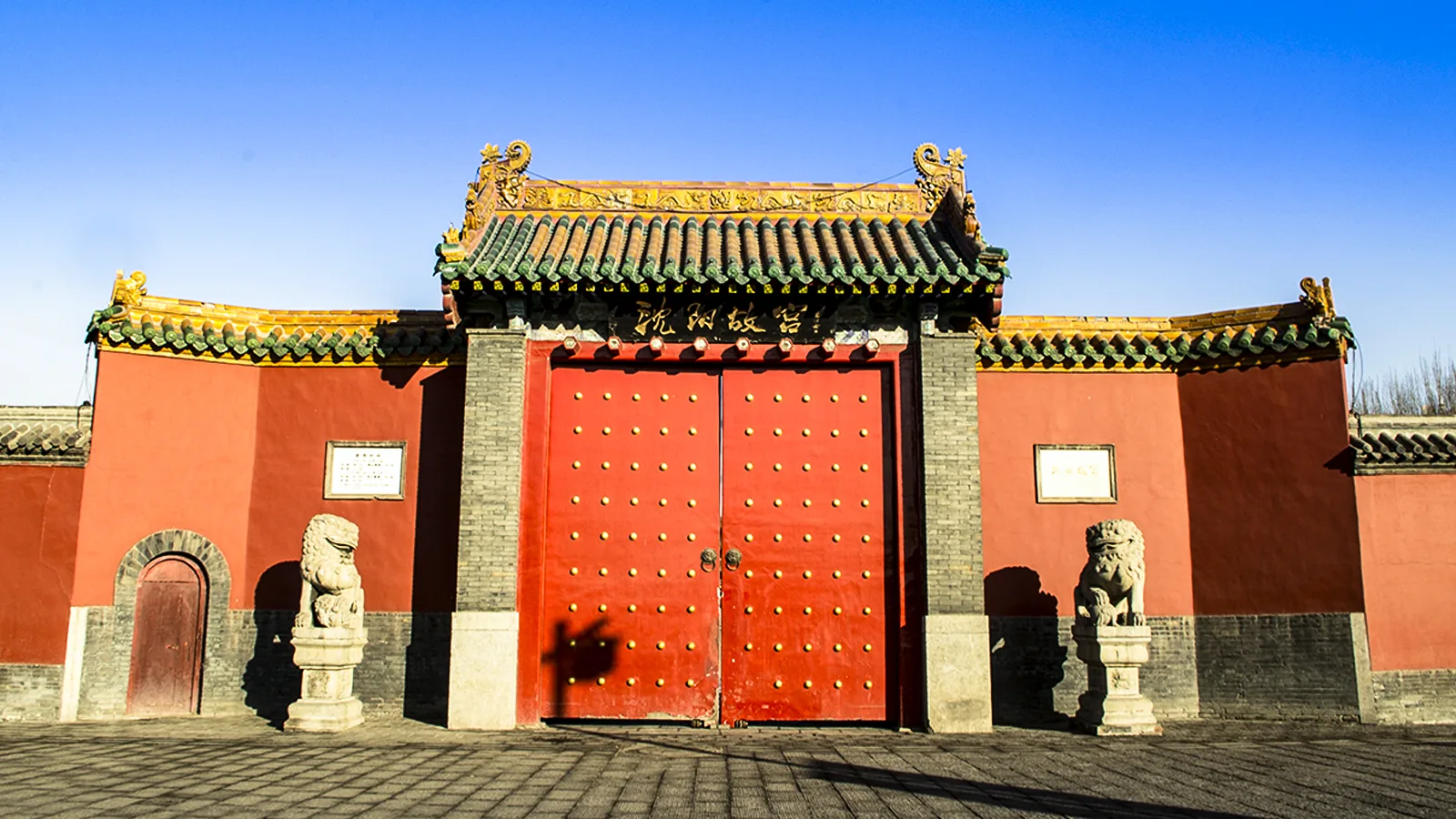 Full day · 8–10 hours
From 1625 timber to 1930s concrete to a 1950s factory hall, none of them half an hour apart
View details →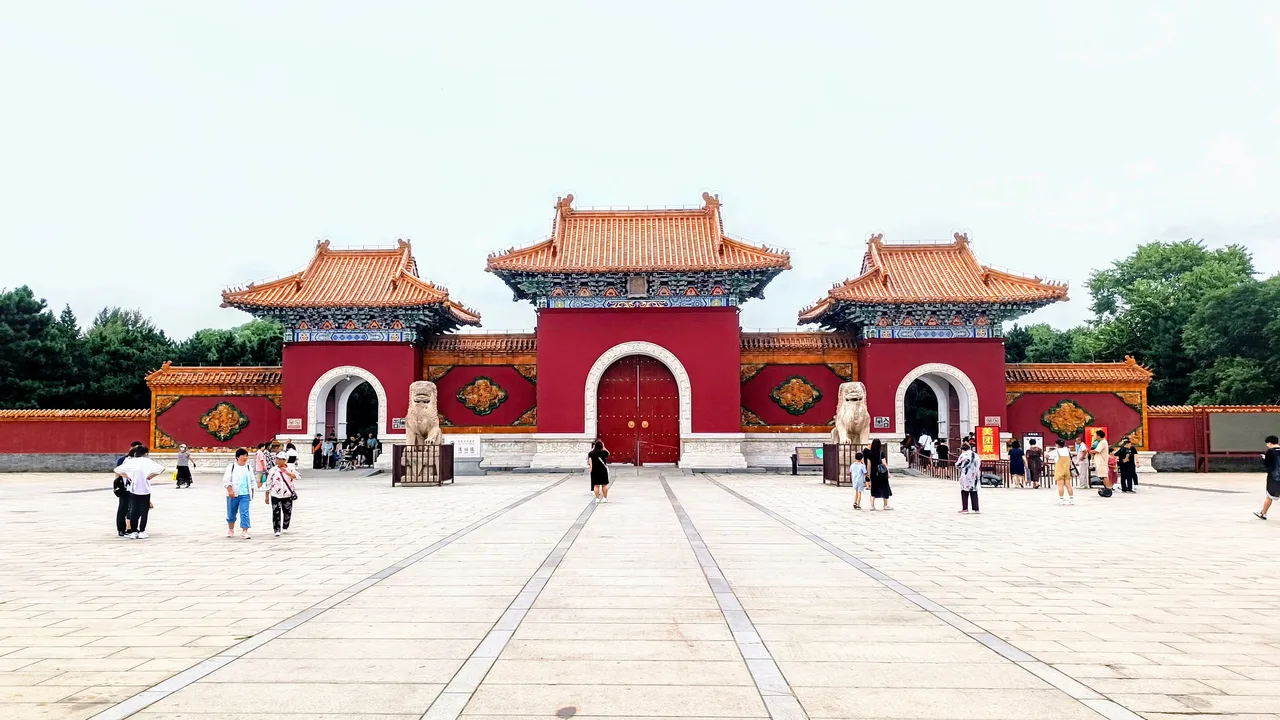 Full day · 8–10 hours
Dumplings since 1829, a red wall under lamps, and a night market wrapped around a Qing temple
View details → 2 days · 1 night · private
A compact first-visit loop of Shenyang: the Qing early-capital palace,
View details → 3 days · 2 nights · private
The classic Shenyang triangle: the Qing early-capital palace and Zhong
View details →Booked a private guide for the Imperial Palace and honestly it was worth every yuan. The Dazheng Hall is smaller than Beijing's stuff but the Ten King Pavilions around the courtyard are a strange and lovely arrangement you won't see elsewhere. My guide grew up nearby and kept pointing out details I'd have walked past.
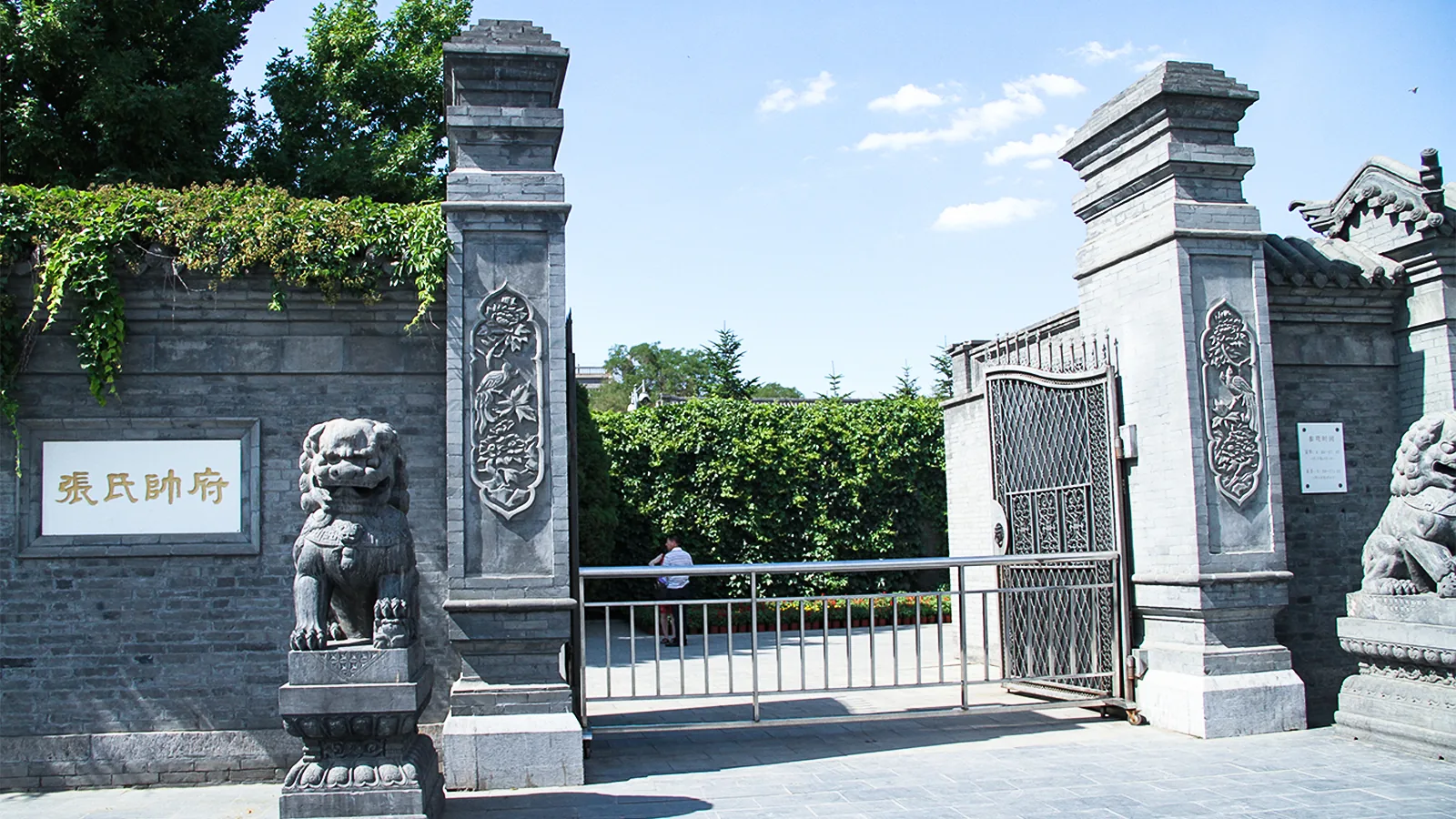
Took the kids to the Zhang family residence and they actually stayed interested, mostly because the big blue-brick tower looks like something out of a film. Comparing it with the smaller building next door was a nice little history lesson. Only gripe: almost no English signage on the upper floors, so bring a translation app.
Private car & driver, day trips and multi-day routes from Shenyang. · Free consultation · reply within 12h