 TripMyChinaJOURNEYS THROUGH REAL CHINA✦ AI Trip✦ Plan My Trip
English
简体中文
繁體中文
日本語
한국어
ไทย
Tiếng Việt
Bahasa Indonesia
Italiano
Español
العربية
Русский
Deutsch
Français
Bahasa Malaysia
TripMyChinaJOURNEYS THROUGH REAL CHINA✦ AI Trip✦ Plan My TripXining · Attractions
Hutai is one of Xining's oldest sights and its most understated: a single enormous rammed-earth terrace rising from the lawns of a free public park in the city's south. Built some sixteen centuries ago as a military platform of the short-lived Southern Liang kingdom, the mound now carries trees, a spiral path to the top, and quiet views over the surrounding neighborhoods. There is little labeling in English and no ticket booth — its appeal is elemental. For travelers with an hour to spare between Xining's bigger attractions, it is a calm, free dose of deep history in the middle of the modern city.
The platform was raised in the late fourth or early fifth century under the Southern Liang, a Xianbei-led state that ruled part of the Qinghai region for less than two decades. Tradition identifies it as a site for reviewing troops and issuing commands — hence the name, "Tiger Platform." Earth rather than stone was the building material: soil compacted in layers, a technique that has kept the mound standing through sixteen centuries of weather while dynasties rose and fell around it.
Today the terrace sits inside a small municipal park called Nanliang Hutai Relics Park, shaded by trees and furnished with walking paths, benches and exercise corners popular with local residents. A path spirals to the flattened top, where pines grow and a low railing guards the edges. Interpretation is minimal and mostly in Chinese, so bring a phrasebook or simply enjoy the geometry: few cities let you climb a late-antique earthen fortress for free on a weekday morning.
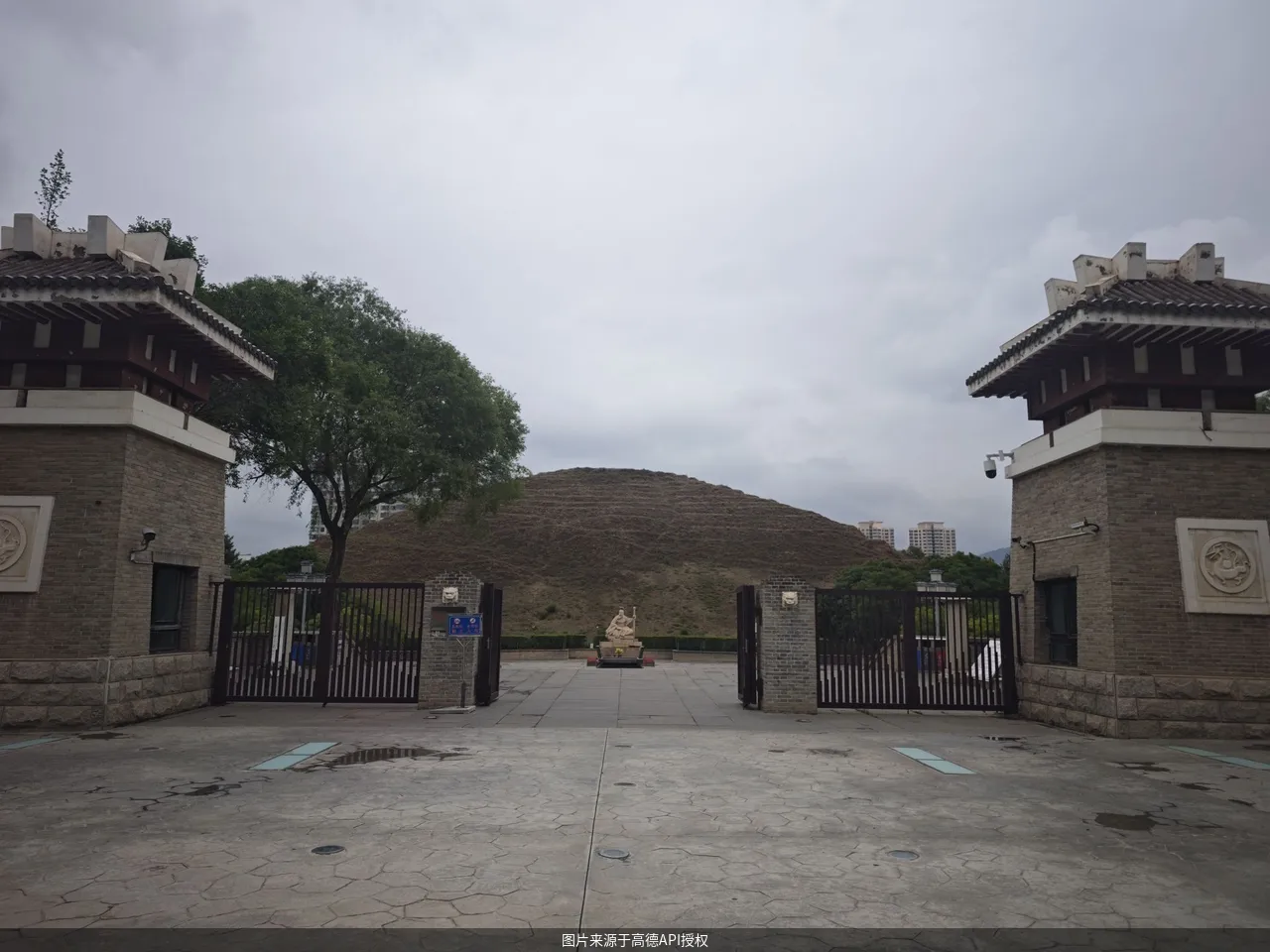
Entry to Hutai Ruins Park is free — there is no ticket office or gate beyond the park's ordinary entrances. The park generally follows standard municipal hours, opening in the early morning and closing around dusk, with no midday closure. There is little in the way of on-site services: no shop, cafe or formal visitor center, so carry water in summer. The summit path is unpaved and can be slippery after rain, which is the only practical limitation on visiting; winter snow aside, the park stays open year-round as a local amenity rather than a managed attraction.
The park lies in the southern part of central Xining, an easy 10-to-15-minute taxi or ride-hail trip from the railway station or the main commercial streets; several city bus lines stop within a short walk. Its position between downtown and the southern districts means it pairs naturally with a visit to the Nanguan Great Mosque or the museum quarter. There is no dedicated parking lot of note, so drivers usually leave cars on surrounding streets. The site is flat apart from the climb itself, and the surrounding neighborhood has convenience stores, fruit sellers and small restaurants for supplies before or after.
Late spring through early autumn suits the park best, when the trees are in leaf and mornings are cool on the climb. Summer mornings bring locals doing tai chi and dancing among the ruins — worth seeing in itself. Autumn lights the summit pines gold, and winter snow on the earthen mass is quietly photogenic, though the path gets icy. As the visit takes under an hour, it works at any point in the day; the most atmospheric times are early morning, when residents fill the paths, and near sunset, when low light rakes across the compacted earth.
It is a large rammed-earth terrace built around 1,600 years ago under the Southern Liang kingdom, traditionally said to have served as a platform for reviewing troops. The earthen mass survives inside a modern city park.
No, the park is free and open to the public. It operates as a municipal park, opening in the morning and closing around dusk.
Yes, a spiral path leads to the flat summit, which has trees and low railings. The path is unpaved, so avoid it in rain or ice.
Thirty minutes to an hour is plenty for the climb, the views and a stroll around the lawns. It combines easily with other downtown stops.
 Full day · 8–10 hours
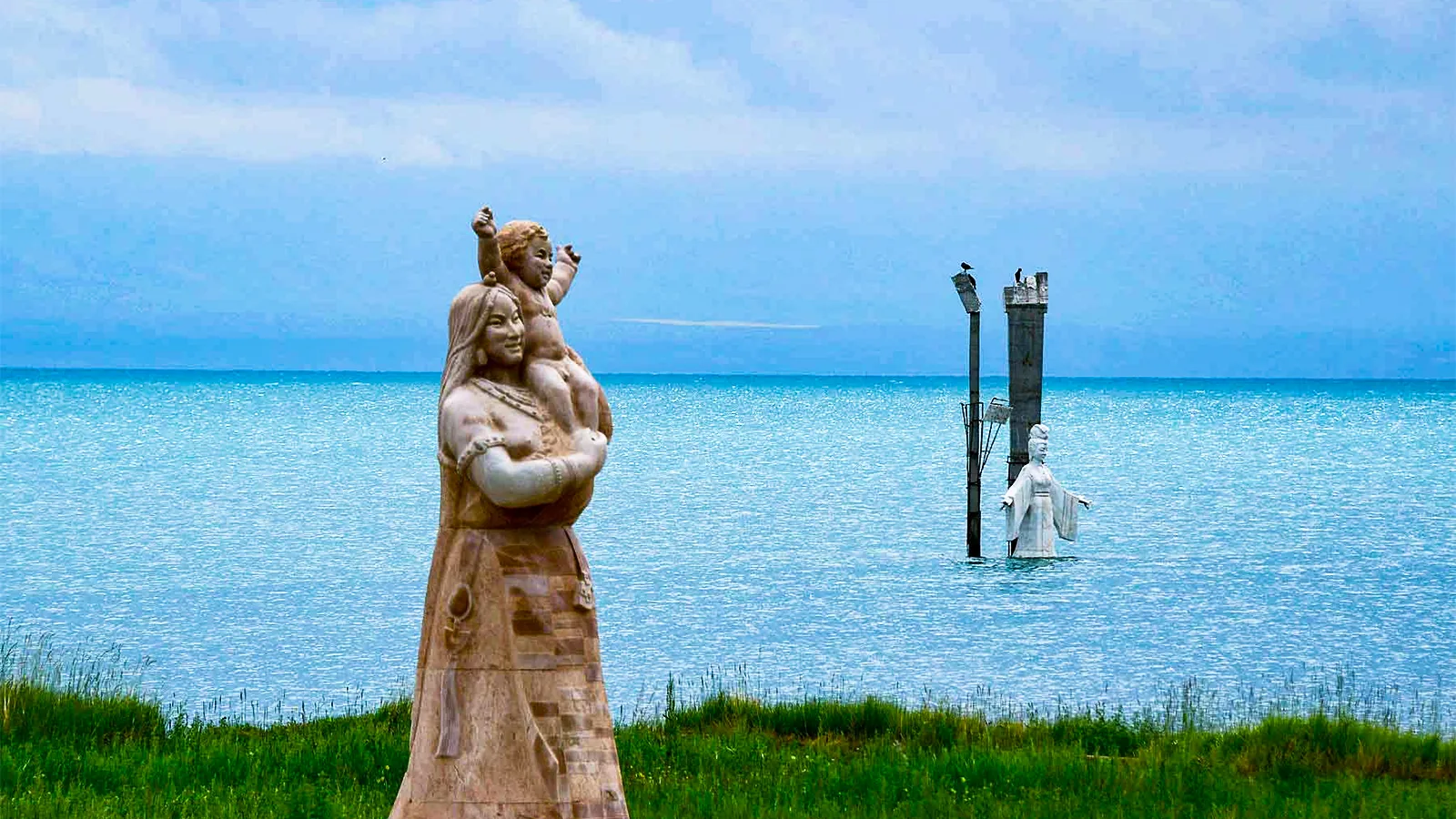
The city eats late and dances in public: skewers on Mojia Street, a circle dance on the square, lights along the water
View details →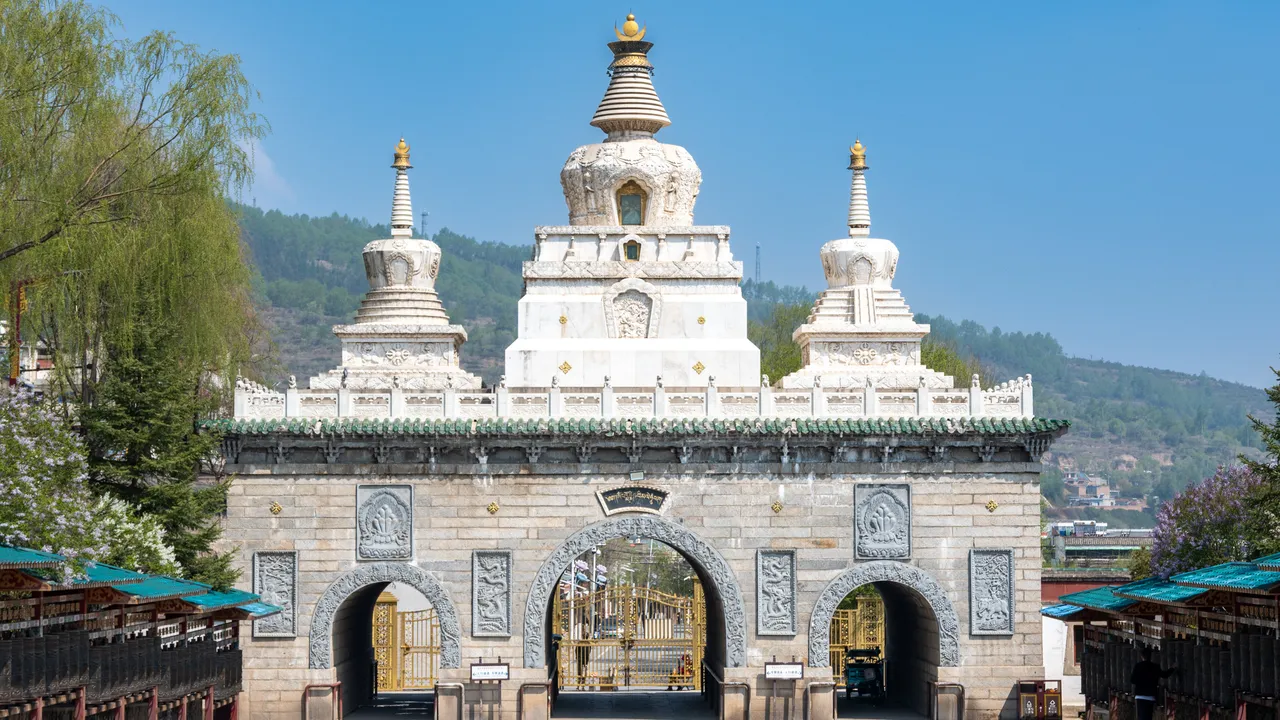 Full day · 8–10 hours
Mutton boiled with salt and eaten with the fingers, cold noodles under chilli oil, and a bowl of fermented oats that tastes like dessert
View details →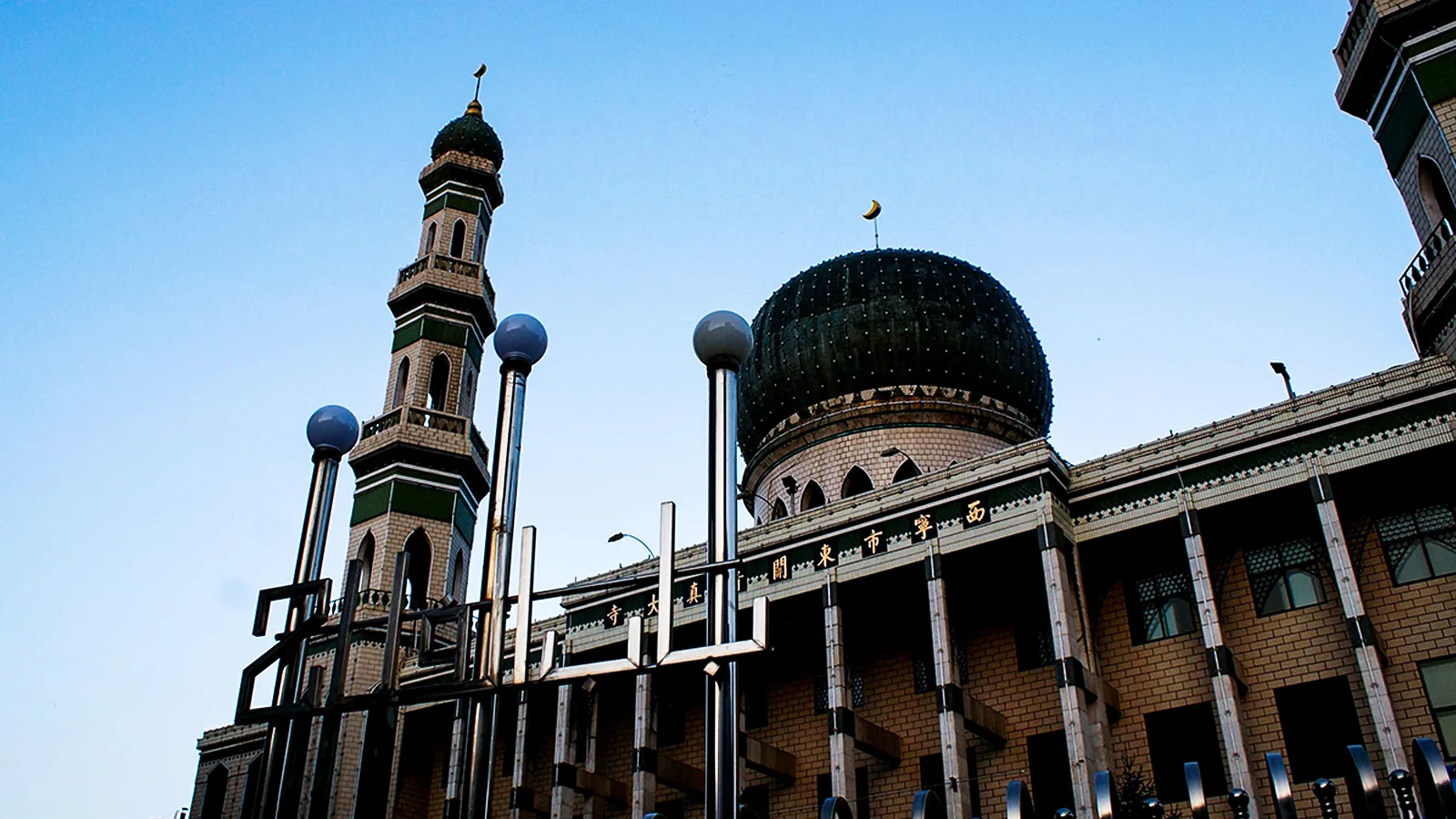 Full day · 8–10 hours
Forty minutes out of town to a monastery of butter sculpture and stacked embroidery, then back to a mosque that closes at prayer
View details →2 days · 1 night · privateA two-day express built around Xining's two essentials. The city sits
View details →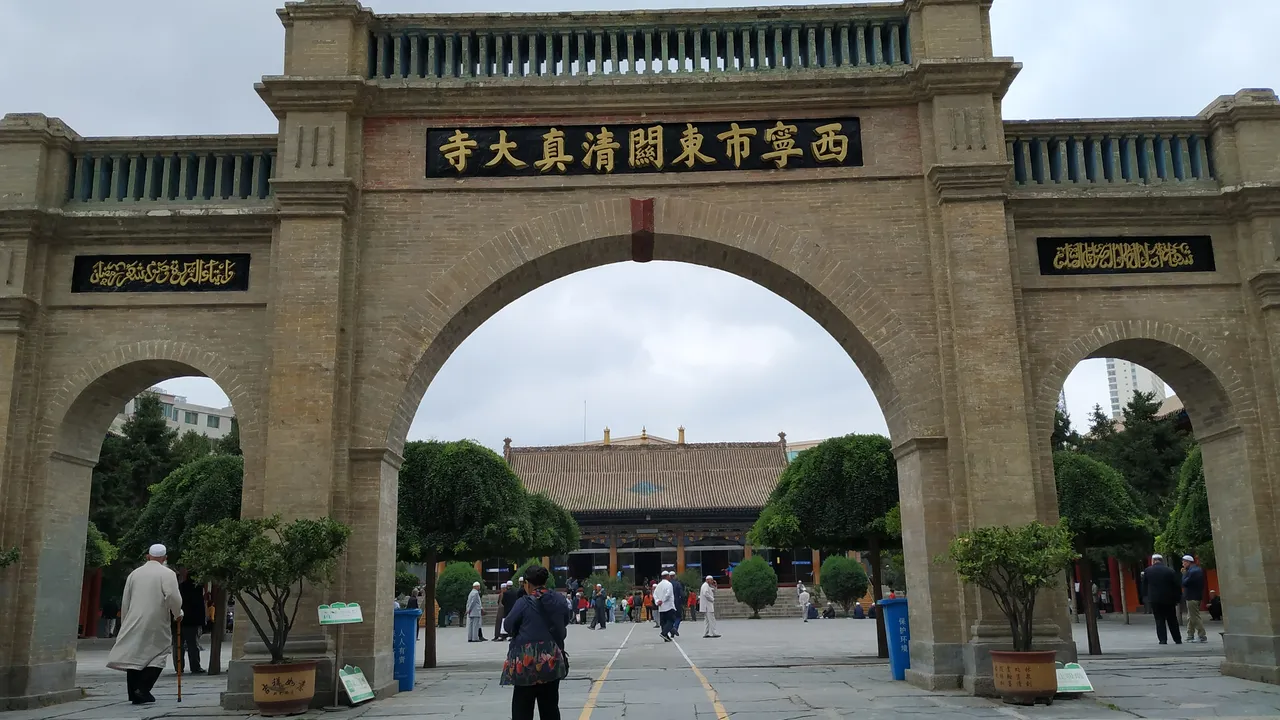 3 days · 2 nights · private
Three days read Xining at an easy plateau pace. After a gentle arrival
View details →We booked a private guide for our one day in Xining and he took us to People's Park first thing in the morning. It's free, which I didn't expect, and locals were doing tai chi and dancing in the shaded paths. Honestly the water features and the old men playing cards under the trees were more interesting to me than any paid attraction.
Took the kids to Xining Wildlife Park and they loved being able to walk right past the enclosures, way closer than back home. Only gripe is the signage in English is patchy, so we guessed at a few of the animals. Still a solid half day out and the kids didn't want to leave.
Private car & driver, day trips and multi-day routes from Xining. · Free consultation · reply within 12h