 TripMyChinaJOURNEYS THROUGH REAL CHINA✦ AI Trip✦ Plan My Trip
English
简体中文
繁體中文
日本語
한국어
ไทย
Tiếng Việt
Bahasa Indonesia
Italiano
Español
العربية
Русский
Deutsch
Français
Bahasa Malaysia
TripMyChinaJOURNEYS THROUGH REAL CHINA✦ AI Trip✦ Plan My TripKaifeng · Attractions
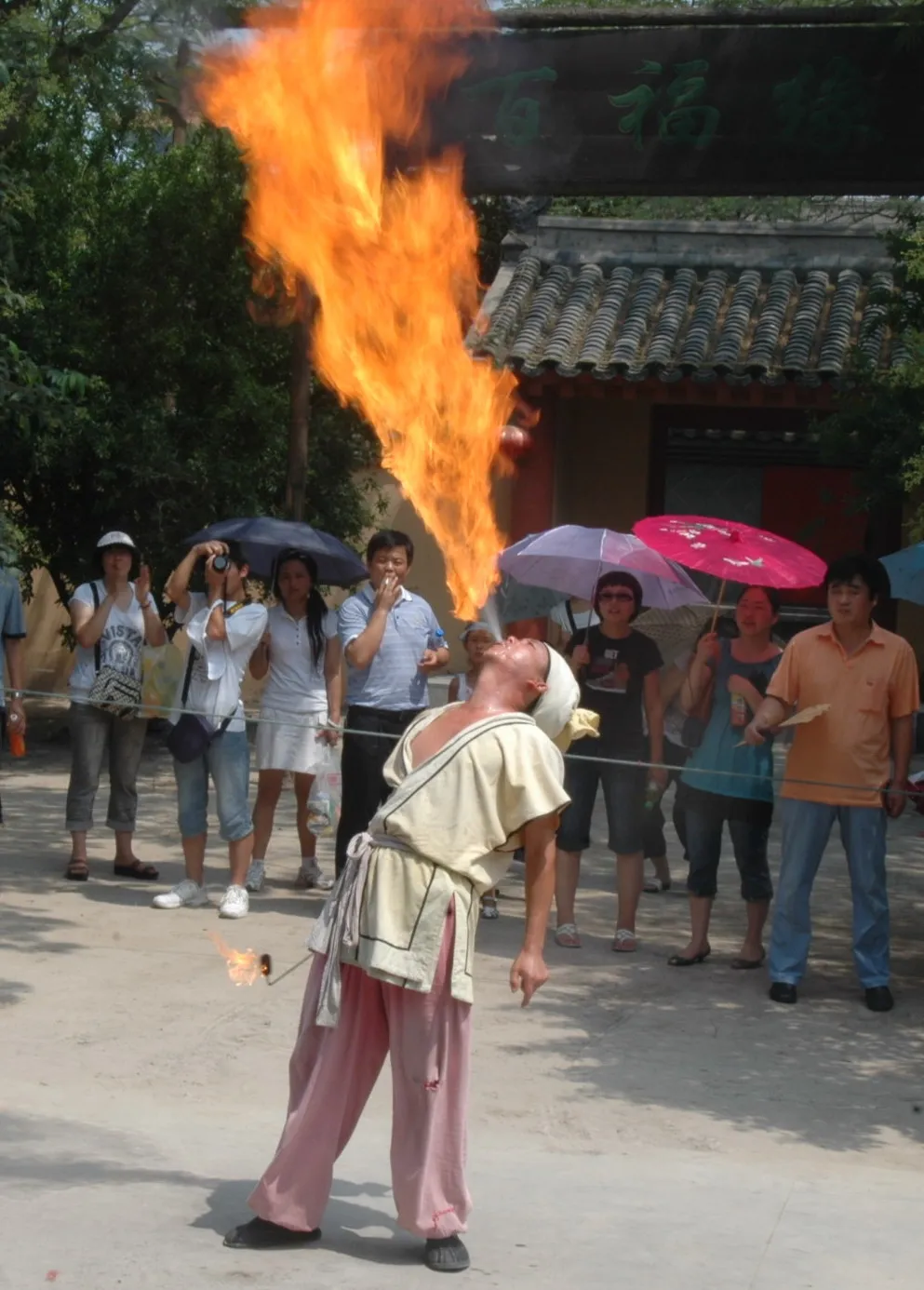
Kaifeng's Iron Pagoda has watched the city for nearly a thousand years — a slender, thirteen-story tower of glazed brown bricks so iron-colored that the name stuck. Built in 1049 during the Northern Song, it survived the floods, wars and Yellow River silts that repeatedly buried medieval Kaifeng, making it the city's most enduring landmark. The surrounding park adds lotus ponds, gardens and a striking hall of wall-embedded Buddhas, and climbing the tower's narrow interior stairs rewards you with the same view of the ancient capital that monks have enjoyed for nine centuries.
Officially the pagoda of Youguo Temple, the tower was commissioned by the Song court after a wooden predecessor burned down, and its builders chose glazed brick as fireproof permanence. The bricks are molded with lotus, bodhisattva and flying-apsara reliefs, and their deep amber glaze gives the tower its iron hue — hence the popular name. Around fifty meters tall, tapering elegantly, it is a masterpiece of Song engineering: the foundation sits on a deliberately flexible base that has let it shrug off earthquakes and floods for centuries.
The park around it is a relaxed green space with lakes and walkways, and its secondary highlight is the Receiving Light Hall, whose walls are lined with glazed brick Buddhas rescued from the pagoda's earlier iterations. Seasonal lotus festivals fill the ponds in summer. The park sits at the northeastern corner of the old city, pairing easily with Millennium City Park and the Dragon Pavilion on the same side of town, and it completes any Kaifeng itinerary that traces the city's Song heritage.
The park charges a modest entrance ticket, and climbing the pagoda has historically required a small separate fee, with numbers limited for safety; availability varies by season and conservation needs, so confirm both at the gate on the day. Hours run from morning to early evening, with extended hours during the summer lotus festival. The park paths, ponds and Receiving Light Hall are all included in the basic ticket. Come in the morning for the best light on the tower's glazed bricks — late-afternoon sun turns them almost metallic — and note that the interior stairs are steep, dim and one-way, unsuitable for anyone uncomfortable with tight climbing.
Iron Pagoda Park sits at the northeastern corner of Kaifeng's old city, about 15 minutes by taxi from Kaifeng Railway Station and 20-25 minutes from the Kaifeng North high-speed rail station. City buses run along the streets south of the park, and taxis remain the simplest option for visitors. The location makes an easy pairing with Millennium City Park to the southwest — a short ride connects the two, and many visitors do both in one day, pagoda in the morning, theme park in the afternoon and evening. Within the park, everything is flat and walkable; the pagoda climb itself is a separate ladder-like staircase inside the tower.
Spring and autumn give the park its best walking weather and clear skies for the tower view. Summer is the festival season, when lotus blooms cover the ponds and evening hours extend — hot days are softened by the shaded walkways. Winter is quiet and stark, with the brown tower stark against pale skies and occasional snow dusting the eaves. Any season, the pagoda photographs best in morning light from the pond side, where the reflection doubles the tower. If climbing is a priority, arrive early in the day: the interior stairs admit limited numbers and the wait can grow through the afternoon.
No — it is built of glazed bricks whose deep amber-brown color resembles iron, which earned the popular name. Officially it is the pagoda of Youguo Temple, completed in 1049 after a wooden predecessor burned down.
Song engineers set it on a specially designed flexible foundation and built the tower of fireproof glazed brick in a gently tapering form. That combination has carried it through earthquakes, Yellow River floods and centuries of war while the medieval city around it was repeatedly buried.
Usually yes, for a small separate fee with limited numbers per day, since the interior is a narrow one-way staircase. Access sometimes pauses for conservation or weather — confirm at the ticket gate on arrival.
The Receiving Light Hall with its walls of century-old glazed Buddha reliefs, the lotus ponds and lakeside walkways, and seasonal festivals in summer. The flat, compact grounds make an easy hour-long stroll around the tower.
 Full day · 8–10 hours
The Northern Song capital, rebuilt at something close to full scale
View details → Full day · 8–10 hours
Six lakes inside the old wall, and a park that predates the Song
View details → Full day · 8–10 hours
Acrobatics, boat fights and a market that runs past midnight
View details →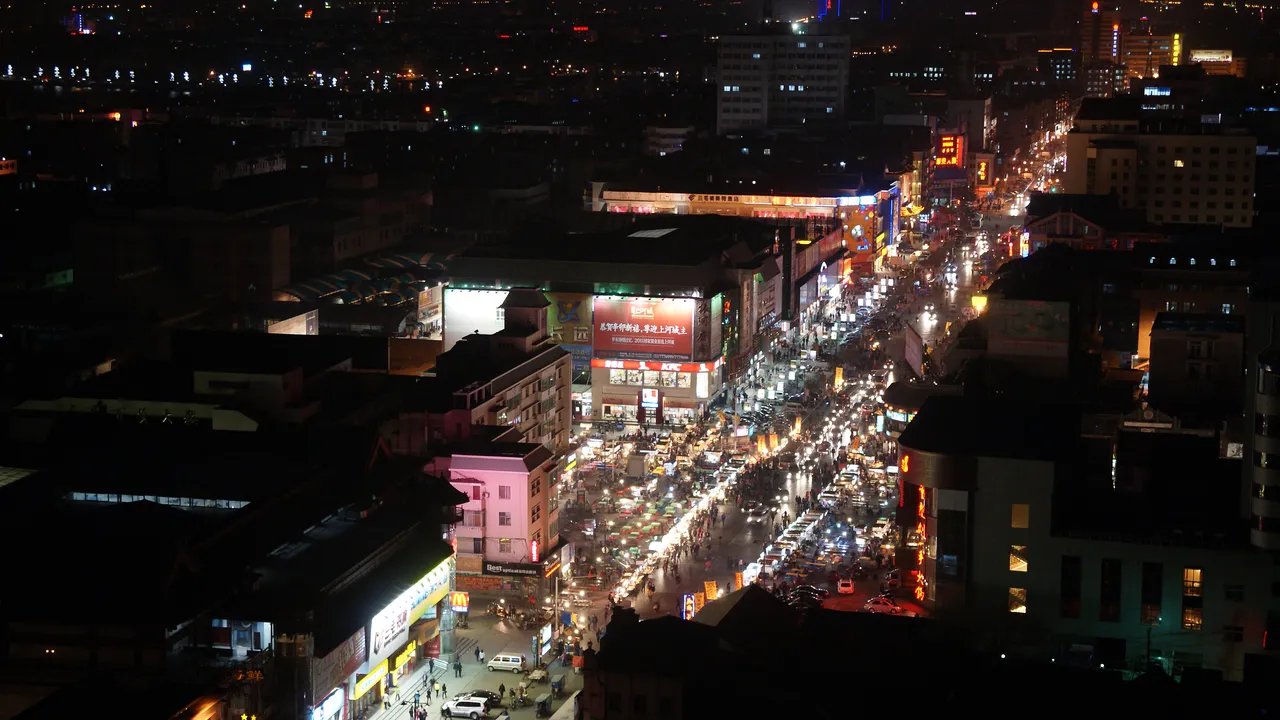 2 days · 1 night · private
A compact first-visit loop of Kaifeng, capital of the Northern Song: t
View details →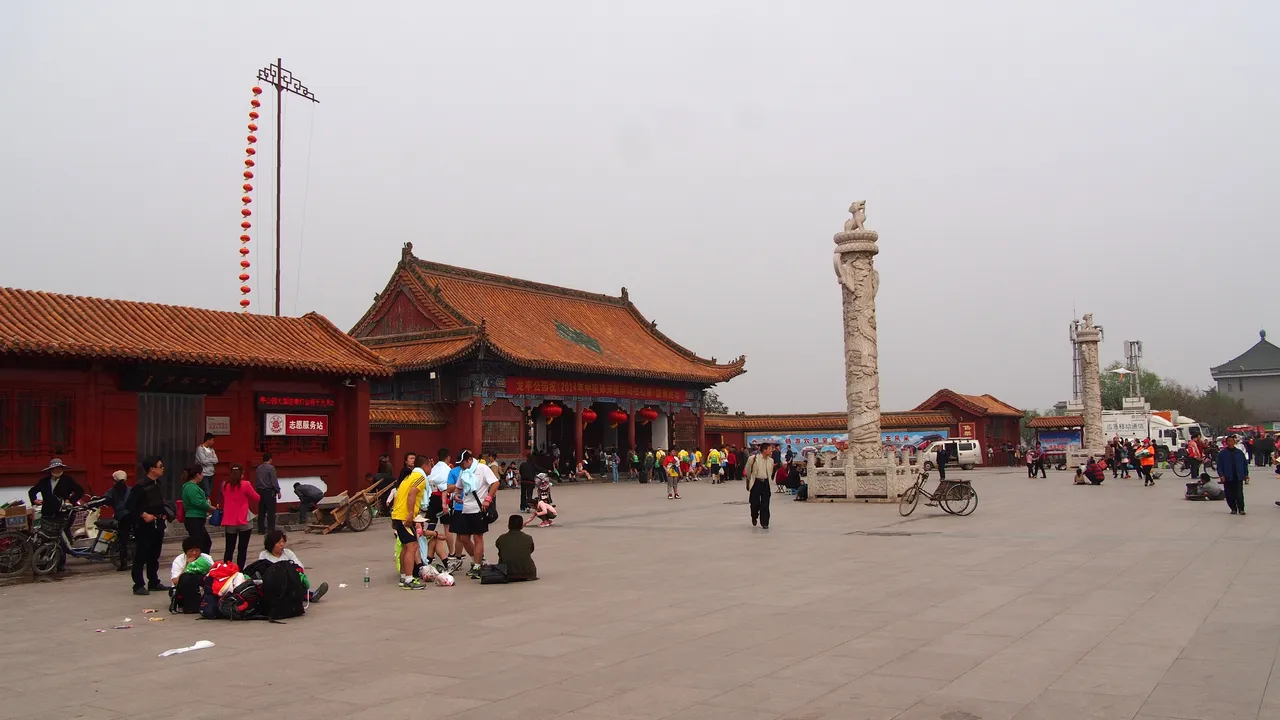 3 days · 2 nights · private
The classic Kaifeng circuit: a full day inside Millennium City Park, M
View details →Booked a private guide for a day in Kaifeng and it was worth every yuan. We spent the morning at Qingming Riverside Garden watching the folk shows between the old-style buildings, then walked along the Dasong Bianhe River in the afternoon. My guide grew up nearby and kept telling me stories about the place that no signboard ever would.
Took the kids to Wansuishan Martial Arts City and they got to try some basic moves with the performers, which they talked about for days. The shows are loud and fun, though the schedule was a bit confusing and we missed one demonstration because we couldn't figure out where it was held. Still a good half-day out for a family.
Private car & driver, day trips and multi-day routes from Kaifeng. · Free consultation · reply within 12h