 TripMyChinaJOURNEYS THROUGH REAL CHINA✦ AI Trip✦ Plan My Trip
English
简体中文
繁體中文
日本語
한국어
ไทย
Tiếng Việt
Bahasa Indonesia
Italiano
Español
العربية
Русский
Deutsch
Français
Bahasa Malaysia
TripMyChinaJOURNEYS THROUGH REAL CHINA✦ AI Trip✦ Plan My TripLuoyang · Attractions
A 2,217-metre peak in the Funiu range, 150 kilometres southwest of Luoyang, with a cluster of gold-roofed Taoist halls on the summit and a 2019 glass bridge. The cable car takes you to 1,800 metres; the last 400 is stairs, and on a clear morning you are above the cloud.
The mountain is named for Laozi, who is said to have retired here after writing the Tao Te Ching. The temples are recent rebuilds of Ming and Qing originals destroyed in the twentieth century, and the gold roofs are a 2010s addition that has made the place a social media destination for domestic tourists.
It is genuinely high and genuinely cold at the top. The cloud sea forms on maybe 60 mornings a year, mostly September to November and March to May, and the summit is above it. Winter brings rime ice on the pines, which is the other reason people come.
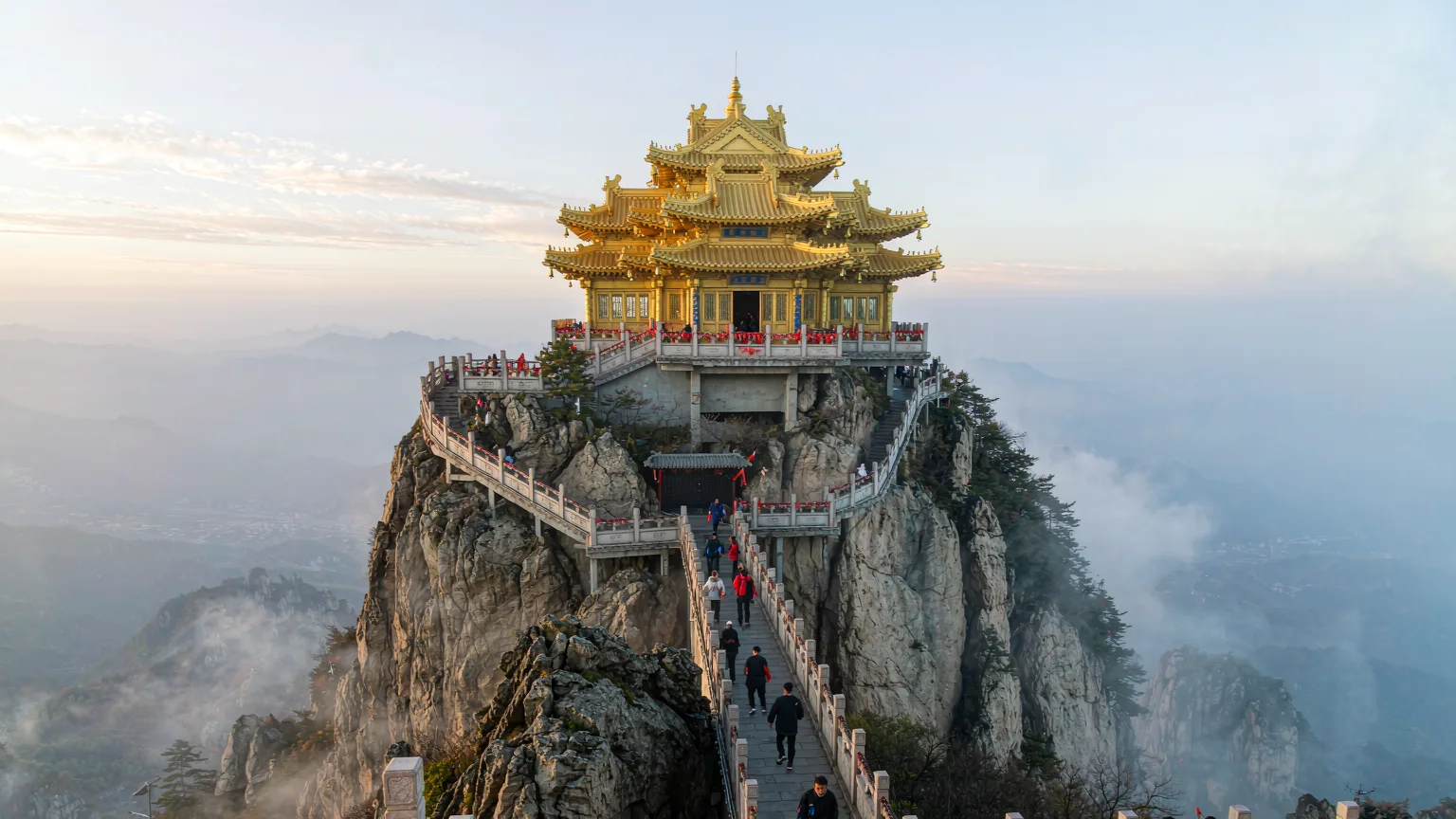
100 yuan entry, 130 for the two cable cars return, 50 for the glass bridge. Total about 280 for the full experience.
Two and a half hours by road from Luoyang, or a bus to Luanchuan then a shuttle. Most people go with a car or a two-day tour that stays at the foot of the mountain.
September to November for the cloud sea and the autumn colour; December to February for the rime. Avoid the first week of October entirely.
If you have a spare day and the weather is clear, yes. On a cloudy day, no; you will see fog.
Yes, but it is a 13-hour day. Staying overnight at the foot makes it much better.
Yes, unless you want a three-hour walk between them. The middle section is pretty but it is all uphill.
The cable cars make it manageable, but the final stairs are steep. There is a sedan chair service for 200 yuan.
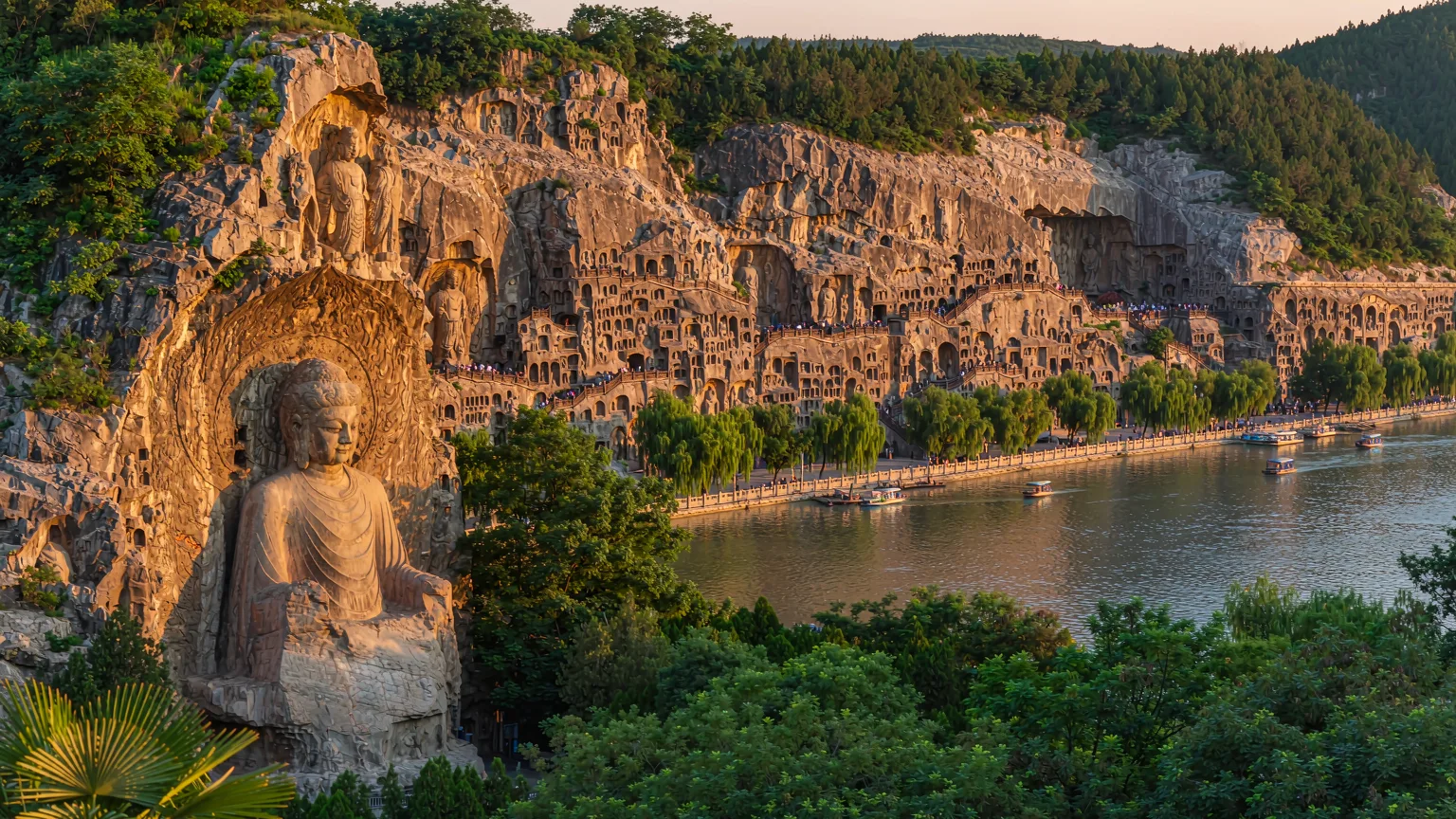 Full day · 8–10 hours
A full day exploring China's Buddhist art and history
View details →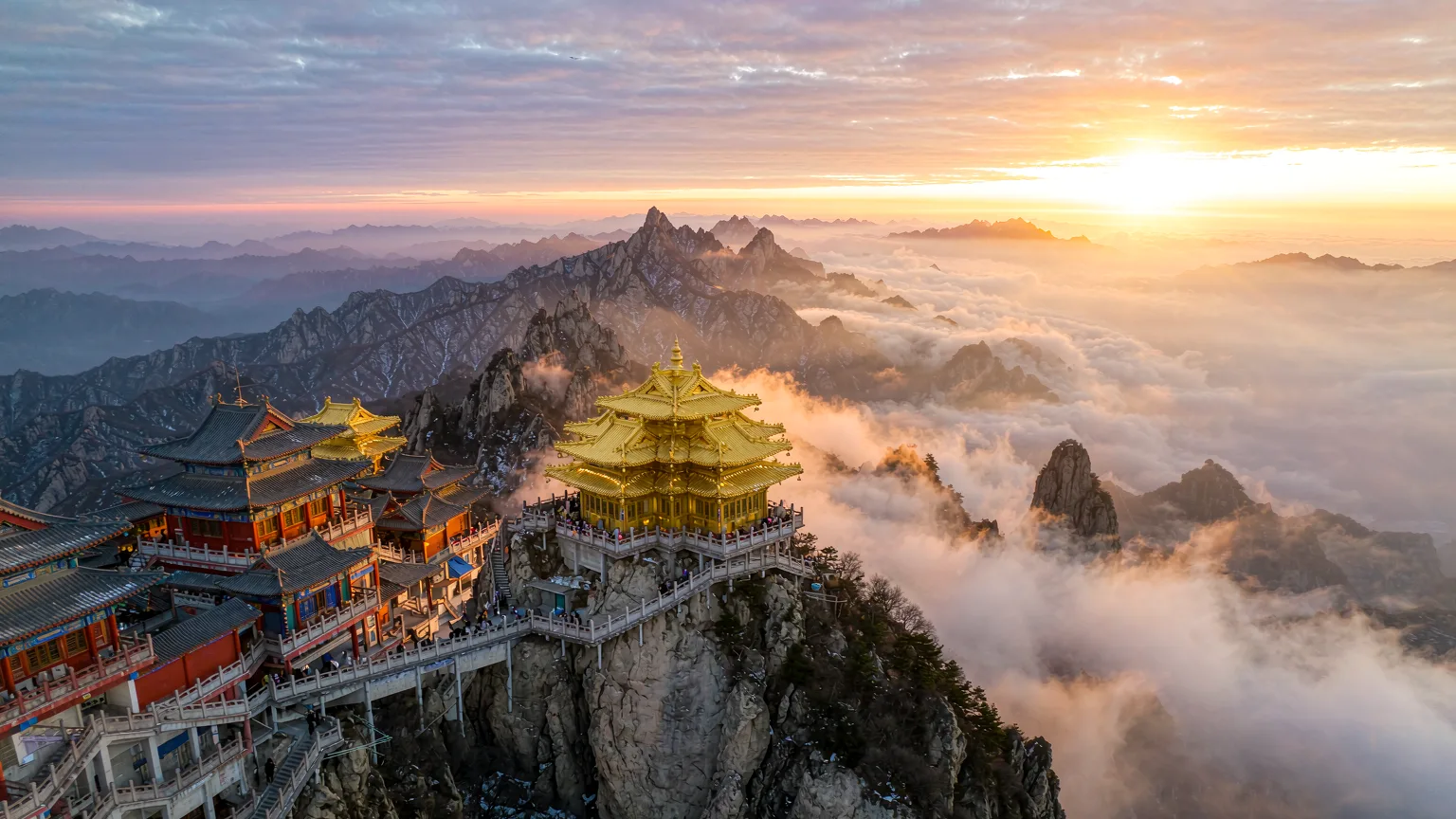 Full day · 8–10 hours
Hike the sacred peaks of Laojun Mountain
View details →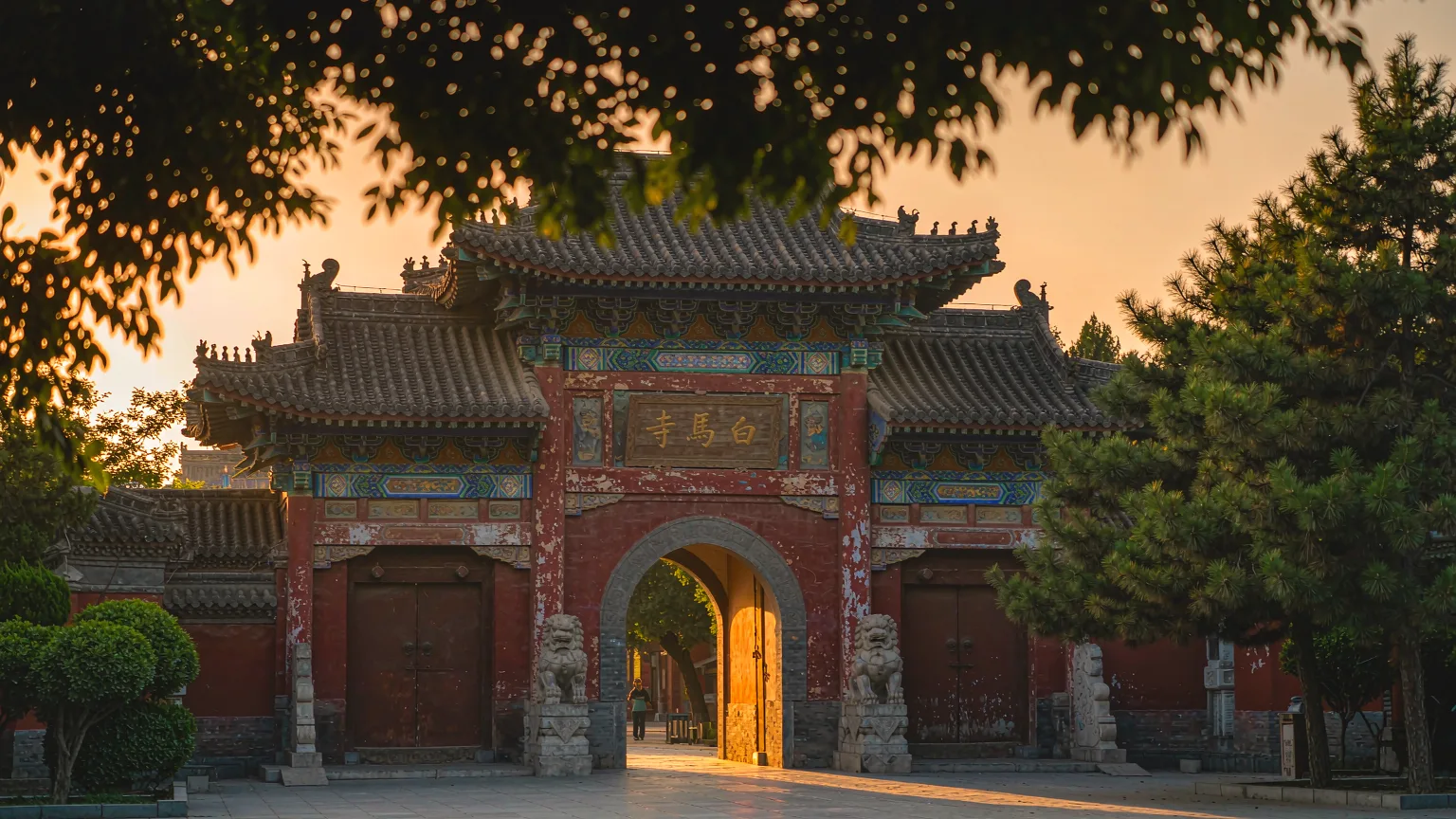 Half day · 4–5 hours
A focused morning among 100,000 Buddhist statues carved into limestone cliffs
View details →We booked a private guide for Longmen Grottoes and it was worth every yuan. The Vairocana Buddha is huge — our guide told us the ears alone are nearly two meters — and walking along the Yi River with statues on both banks felt like stepping into a history book. Having someone explain the carving details made all the difference.
Took the kids to White Horse Temple and they actually stayed interested, which says a lot. It's calm, lots of old trees, and you can feel it's the place where Buddhism first took root in China. My son kept asking why the horses were white — the little story behind the name kept him going the whole afternoon.
Private car & driver, day trips and multi-day routes from Luoyang. · Free consultation · reply within 12h
