 TripMyChinaJOURNEYS THROUGH REAL CHINA✦ AI Trip✦ Plan My Trip
English
简体中文
繁體中文
日本語
한국어
ไทย
Tiếng Việt
Bahasa Indonesia
Italiano
Español
العربية
Русский
Deutsch
Français
Bahasa Malaysia
TripMyChinaJOURNEYS THROUGH REAL CHINA✦ AI Trip✦ Plan My TripWuyuan · Attractions
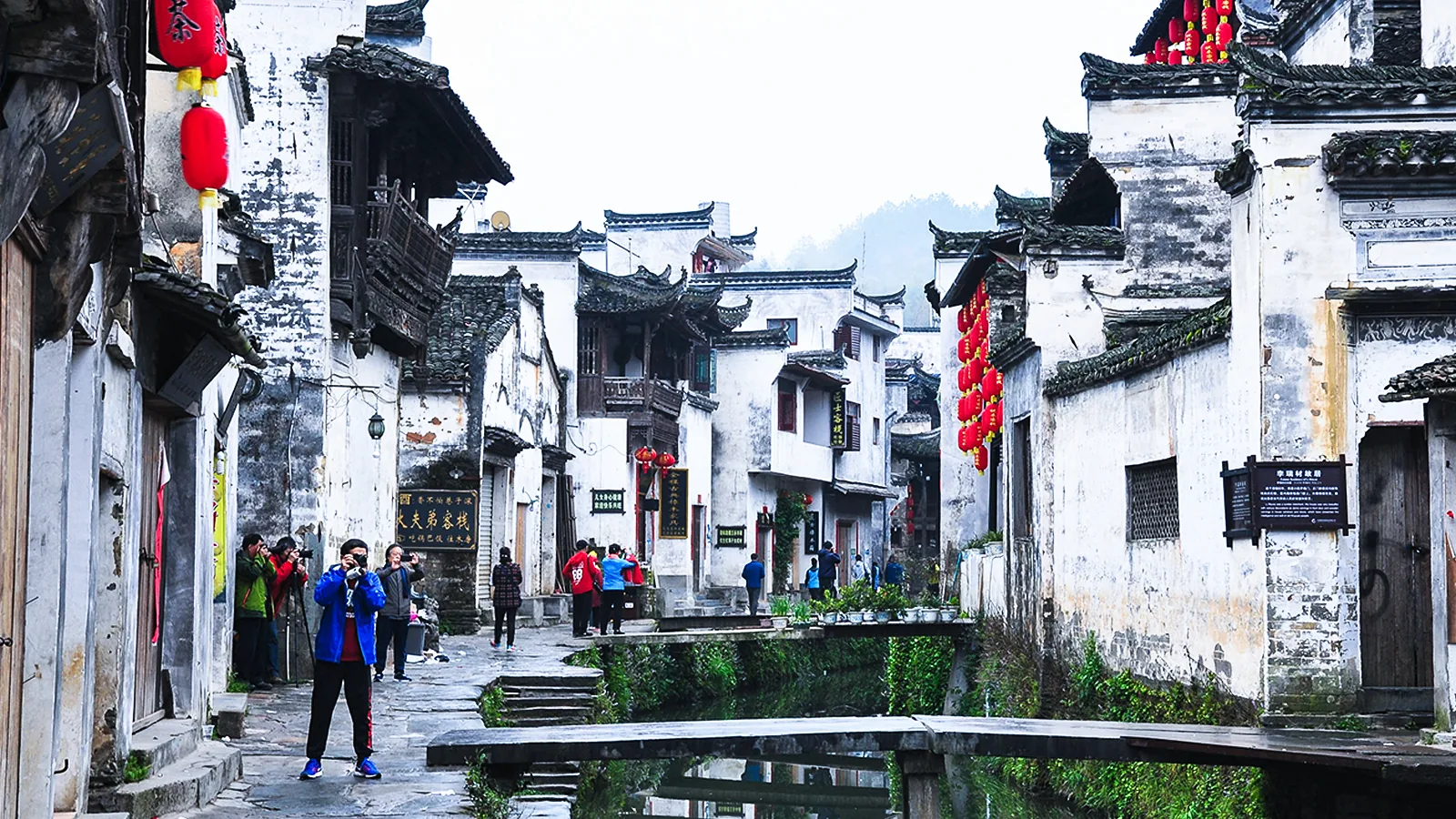
Likeng is the postcard image of Wuyuan condensed into a single walkable village: a narrow stream runs the length of the settlement, crossed by small stone bridges and flanked by Ming and Qing dynasty houses with whitewashed walls, dark tile roofs and carved wooden windows. Wash is hung over the water, tea is served in riverside courtyards, and elderly residents still go about their day between the tourist groups. Compact, atmospheric and close to the county town, Likeng is often the first village visitors see in Wuyuan — and a morning here, before the buses arrive, remains one of the county's most rewarding strolls.
The village takes its name from the Li family who settled here, and "keng" refers to the stream valley it occupies. Founded more than a thousand years ago, Likeng grew on trade and scholarly success — during the imperial examination era it produced a string of officials, and their wealth is still visible in the ornate gatehouses, memorial arches and ancestral halls along the water. The architecture is classic Huizhou style: gray tiles, horse-head gables, and interiors built around skywells that light the wooden rooms.
Likeng lies only about 12 kilometers from Wuyuan county town, which makes it the easiest village to reach without a full-day excursion. A covered walkway leads from the entrance down into the old lanes, where the main pleasure is simply wandering: watching locals rinse vegetables in the stream, crossing from one bank to the other over a dozen small bridges, and climbing to the viewpoints at either end of the village for the classic roofscape photo. Visit early or late in the day, when day trippers have gone, and the village reverts to its unhurried self.
Likeng charges an entrance ticket and is included in the Wuyuan multi-village pass, which covers most of the county's major sights over several consecutive days; the pass usually pays for itself if you visit more than two or three sites, but confirm current prices and validity at the ticket office as they change year to year. The village is open through the day from early morning until early evening, with the last entry typically an hour or so before closing. Weekends and holidays bring large tour groups between late morning and mid-afternoon, so the quietest and most photogenic hours are before 9 a.m. and after 4 p.m. Some houses inside double as small museums or craft shops with separate small charges.
Likeng is the most accessible of Wuyuan's villages, lying about 12 kilometers northeast of the county town along the road toward the eastern circuit. From the county bus station, rural minibuses toward Likeng or the nearby town of Qiukou run frequently through the day, and the ride takes about 20 minutes. A taxi or ride-hail from town costs little and takes roughly the same time. If you arrive by high-speed rail at Wuyuan Station, the village is a short taxi ride away. Most drivers touring the eastern villages — Jiangling, Xiaoqi, Wangkou — pass right by Likeng's turn-off, so it slots naturally into any eastern-loop itinerary, ideally as the first stop before the crowds build.
Spring is the prime season: from mid-March to early April rapeseed fields on the slopes around the village bloom gold, and Likeng pairs the flower views with its water-side streets. Autumn from late October into November brings cooler air, drying crops and golden persimmon trees. In summer the stream and shade make the lanes pleasantly walkable even in the heat, though weekends are busy; winter is quiet and moody, with occasional frost on the roofs. Time of day matters as much as season — arrive early morning for mist and empty lanes, or stay until dusk when the tour buses leave and lamps reflect in the stream.
About 12 kilometers northeast, roughly 20 minutes by bus or taxi. It is the closest major village to town, which is why many visitors make it their first stop.
Between mid-morning and mid-afternoon on weekends and holidays, yes — tour groups move through in waves. Before 9 a.m. and after 4 p.m. it is a completely different, tranquil place.
Yes, there are guesthouses and small family hotels inside and around the old village. Overnight stays let you enjoy the lanes after the day trippers leave, which many travelers consider the best time.
One to two hours covers the main lanes, the bridges and a viewpoint climb. Add time if you want a riverside lunch or a slow tea break by the water.
Full day · 8–10 hoursThree villages in a day, two of them flat, and a ten-minute cable car that saves the climb to the drying racks
View details →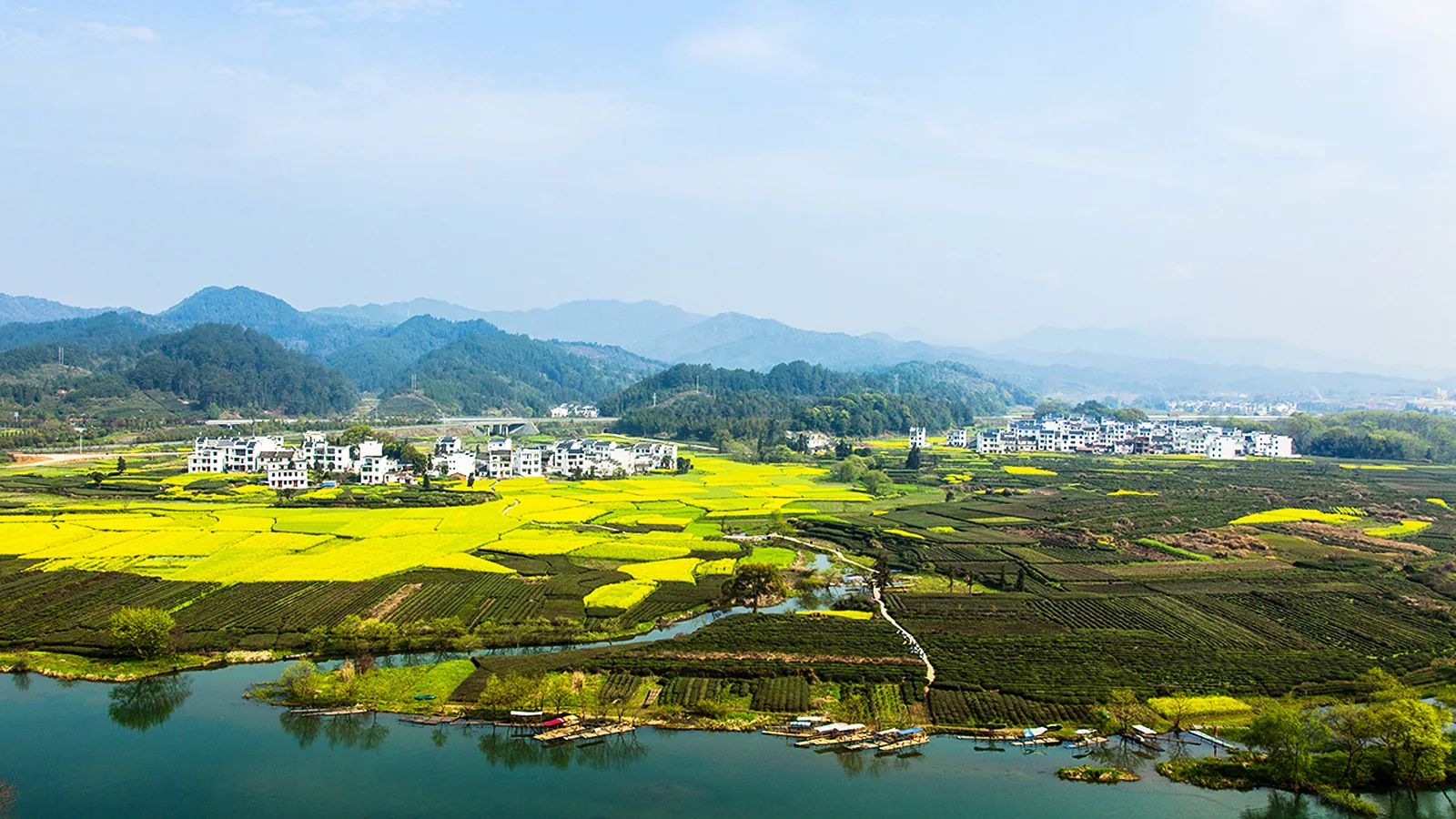 Full day · 8–10 hours
Drying racks from late September to November, rapeseed from mid-March to early April; the two never share a day
View details →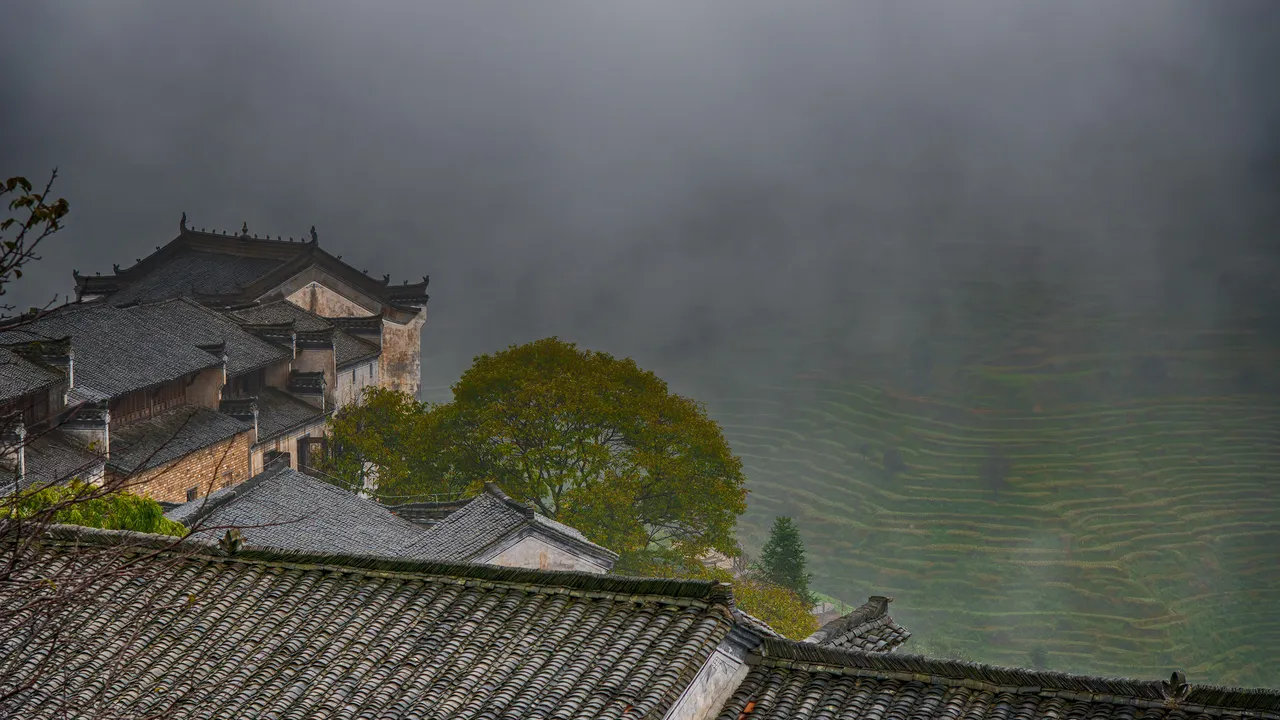 Full day · 8–10 hours
Dinner on a mountain lane among lit shopfronts, then a river walk where the town goes after dark
View details →We booked a private guide for Jiangwan and it was worth it just to have someone point out the little carved figures above the doorways that I'd have walked straight past. He also let us linger whenever we wanted, no herding. Spent nearly two hours in one courtyard because my husband kept asking questions about the old family histories.
Took the kids up to the Huangling viewpoints and the terraced fields looked like something out of a painting, the little ones loved counting the layers. Fair warning though, the stairs are no joke with a stroller and we ended up carrying it half the way. Still glad we went, the village below is worth the climb.
Private car & driver, day trips and multi-day routes from Wuyuan. · Free consultation · reply within 12h
