 TripMyChinaJOURNEYS THROUGH REAL CHINA✦ AI Trip✦ Plan My Trip
English
简体中文
繁體中文
日本語
한국어
ไทย
Tiếng Việt
Bahasa Indonesia
Italiano
Español
العربية
Русский
Deutsch
Français
Bahasa Malaysia
TripMyChinaJOURNEYS THROUGH REAL CHINA✦ AI Trip✦ Plan My TripMount Lu · Attractions
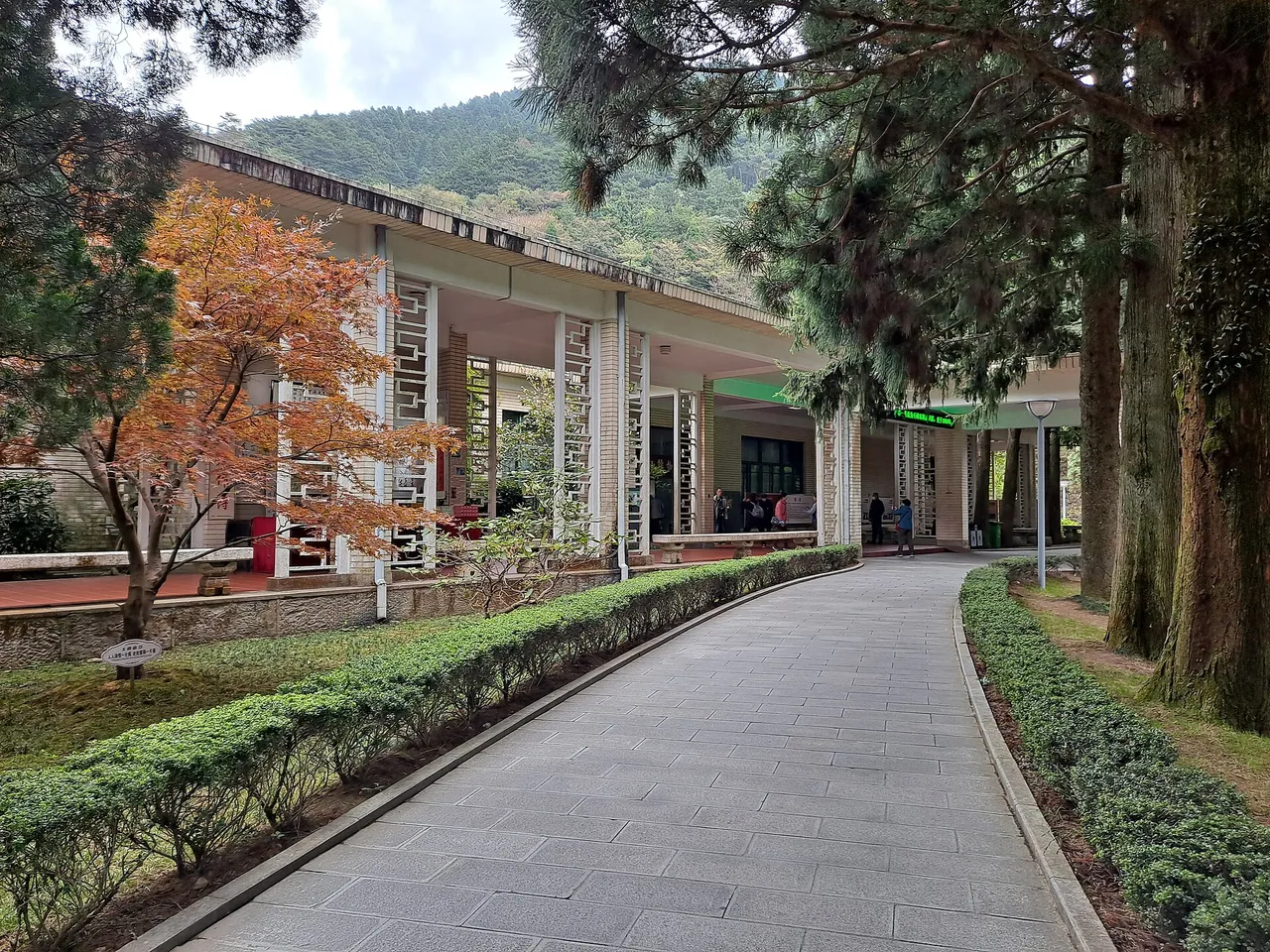
Tucked in a wooded valley near the eastern side of the summit plateau, Lushan Museum is the best single introduction to the mountain's layered identity. Housed partly in a graceful former villa complex amid old trees, its galleries span everything that makes Lushan Lushan: the geology of its glacial valleys, the poems and paintings it inspired across twelve centuries, the villa-era photographs of Guling, and relics of the modern conferences held on its summit. On a foggy afternoon, when viewpoints are wasted, the museum turns weather to your advantage.
The museum occupies grounds that once formed a villa estate, and the architecture, low stone buildings set in mature forest, is itself a sample of Lushan's resort heritage. Galleries move through the mountain's natural history, including the evidence for its celebrated Quaternary glaciation theory championed by geologist Li Siguang, and then through its cultural sediment: calligraphy, paintings, ceramics and manuscripts associated with the poets, monks and scholars who made the mountain famous.
A substantial section covers modern history, the villa era, the summer capital years and the Lushan Conferences, with photographs and documents that give context to sites you will walk through elsewhere on the plateau. Labels are primarily Chinese, so non-readers should pick up a guidebook or hire a local guide at the entrance for a modest fee. The museum is compact, one to one and a half hours suffices, and its location pairs naturally with a walk around nearby Hanpokou or the botanical garden. Keep it in reserve as the fog-day activity: it is the rare Lushan sight that bad weather improves.
Admission to Lushan Museum is included in the Lushan scenic area through-ticket, with no separate charge in normal circumstances, though special exhibitions occasionally apply fees. Opening hours are typically daytime, commonly 8:30 to 17:00 in season with shorter winter hours, and it is normally open daily except possible maintenance closures, so verify locally. The galleries are level and easy walking, suitable for all ages, and photography policies are posted at the entrance, flash being generally restricted in artifact rooms. Foreign visitors carrying passports for the mountain ticket will have no issue here. Afternoon is the pleasantest time to visit, after the morning sightseeing rush and often, conveniently, as the fog rolls in.
Lushan Museum sits in the eastern section of the summit plateau, in a wooded valley a short shuttle or taxi ride from Guling town, near the road linking Hanpokou and the botanical garden. Mountain shuttle buses stop nearby, and the walk from the bus stop to the entrance is short and mostly level, though the estate paths are gravel. Most visitors combine the museum with the Hanpokou sunrise run, the Five Old Peaks trailhead or the botanical garden on the same eastern loop; it also slots neatly into an afternoon after a morning at <a href="/attractions/ruqin-lake/">Ruqin Lake</a> and <a href="/attractions/jinxiu-valley/">Jinxiu Valley</a>. Allow one to one and a half hours inside.
The museum is a year-round, all-weather sight, but its real season is misty weather: when clouds close the viewpoints, this is where thoughtful travelers retreat. It also shines as a morning-after activity, visiting the galleries after a first day on the trails gives the mountain's poems, photographs and geology a resonance they lack on arrival. Autumn is the loveliest time for the wooded grounds, when the estate trees turn gold around the stone buildings. Combine it with Hanpokou or the botanical garden for a gentle eastern-loop day, ideal as a rest day between the Jinxiu Valley walk and the Five Old Peaks climb.
Yes, general admission is covered by the Lushan scenic area through-ticket. Special temporary exhibitions may charge extra.
One to one and a half hours covers the main galleries comfortably. History enthusiasts often linger longer in the modern-history section.
Labeling is mainly Chinese with limited English. A guidebook, a translation app or a local guide makes the visit far more rewarding.
It gathers Lushan's whole story in one place, from glacial geology and classical poetry to villa-era photos and conference history, making it the mountain's ideal orientation stop.
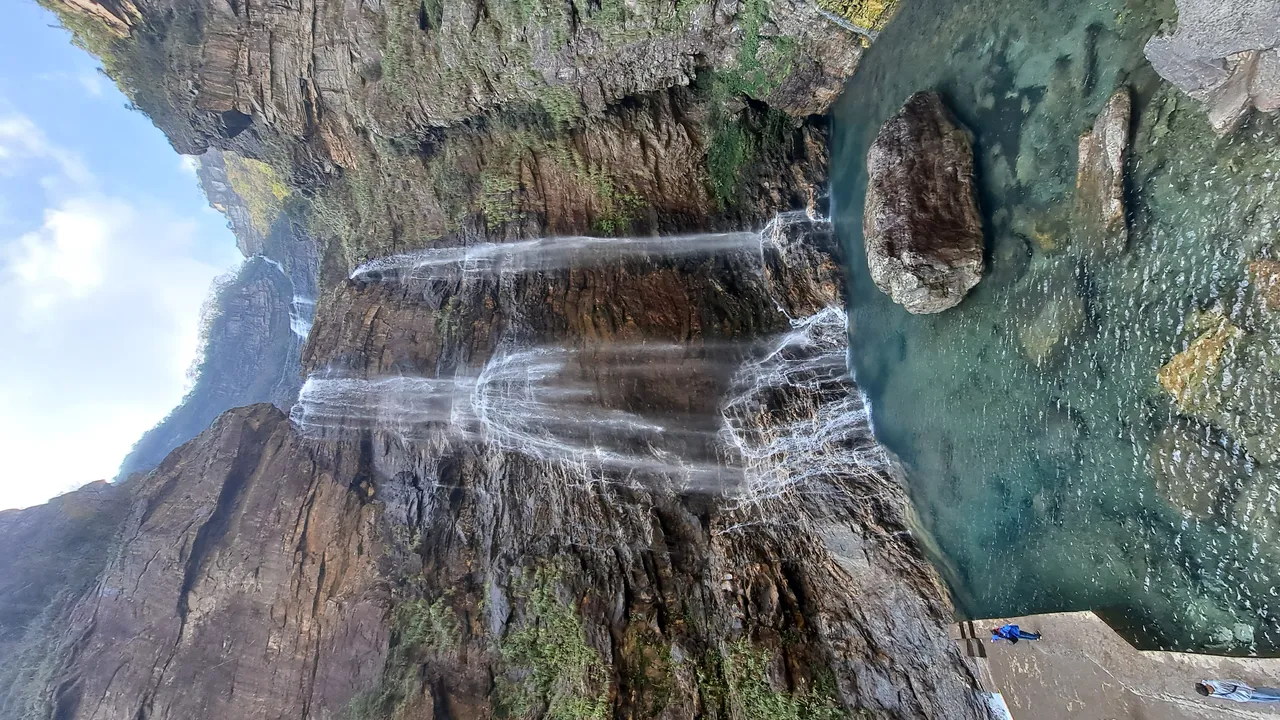 Full day · 8–10 hours
The mountain runs seven to ten degrees cooler than Jiujiang below, and one stop on this day is 1,400 steps down
View details →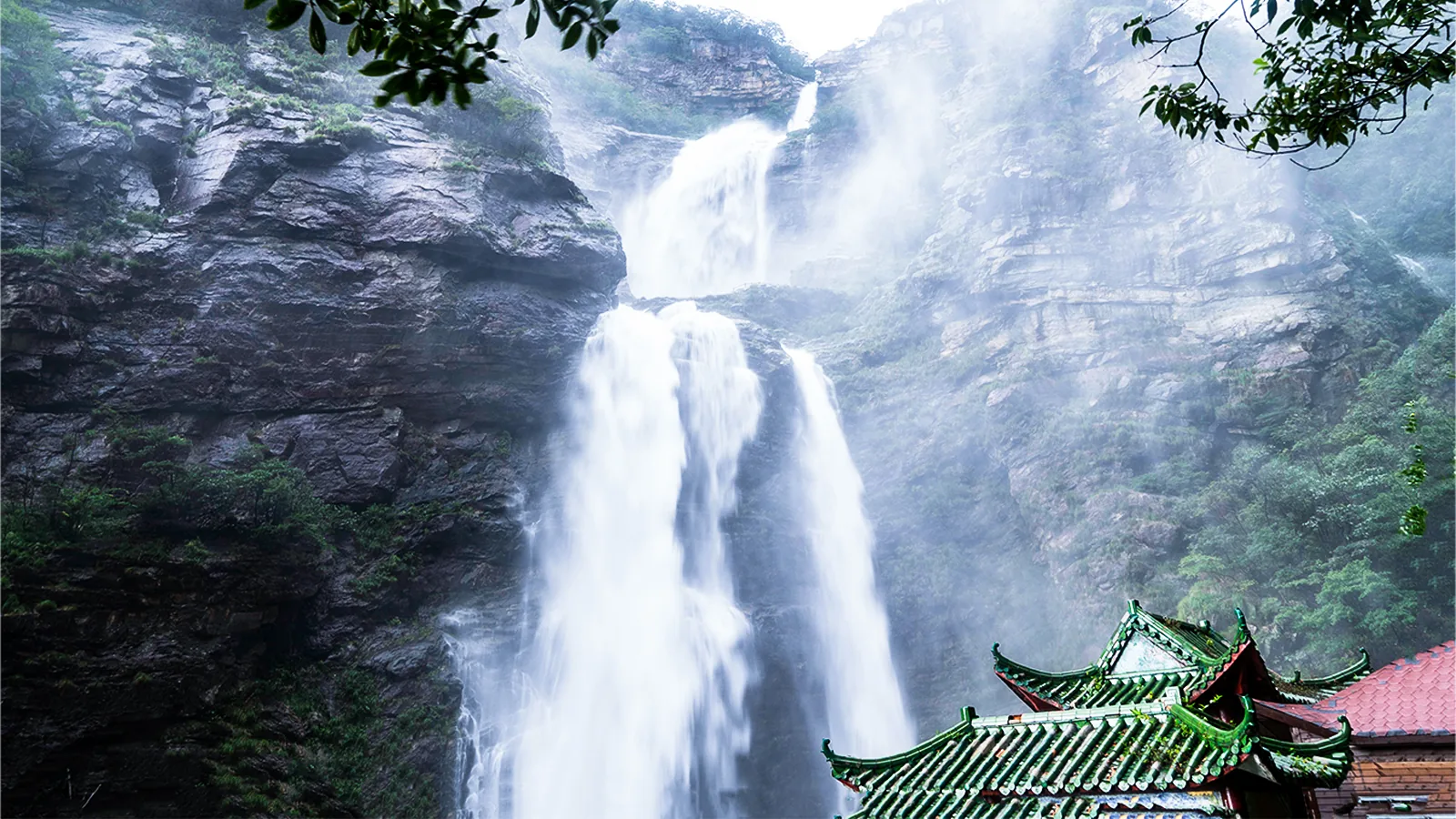 Full day · 8–10 hours
Sunrise over Poyang Lake at 1,286 metres, then a cliff path with cloud coming up the valley from below
View details →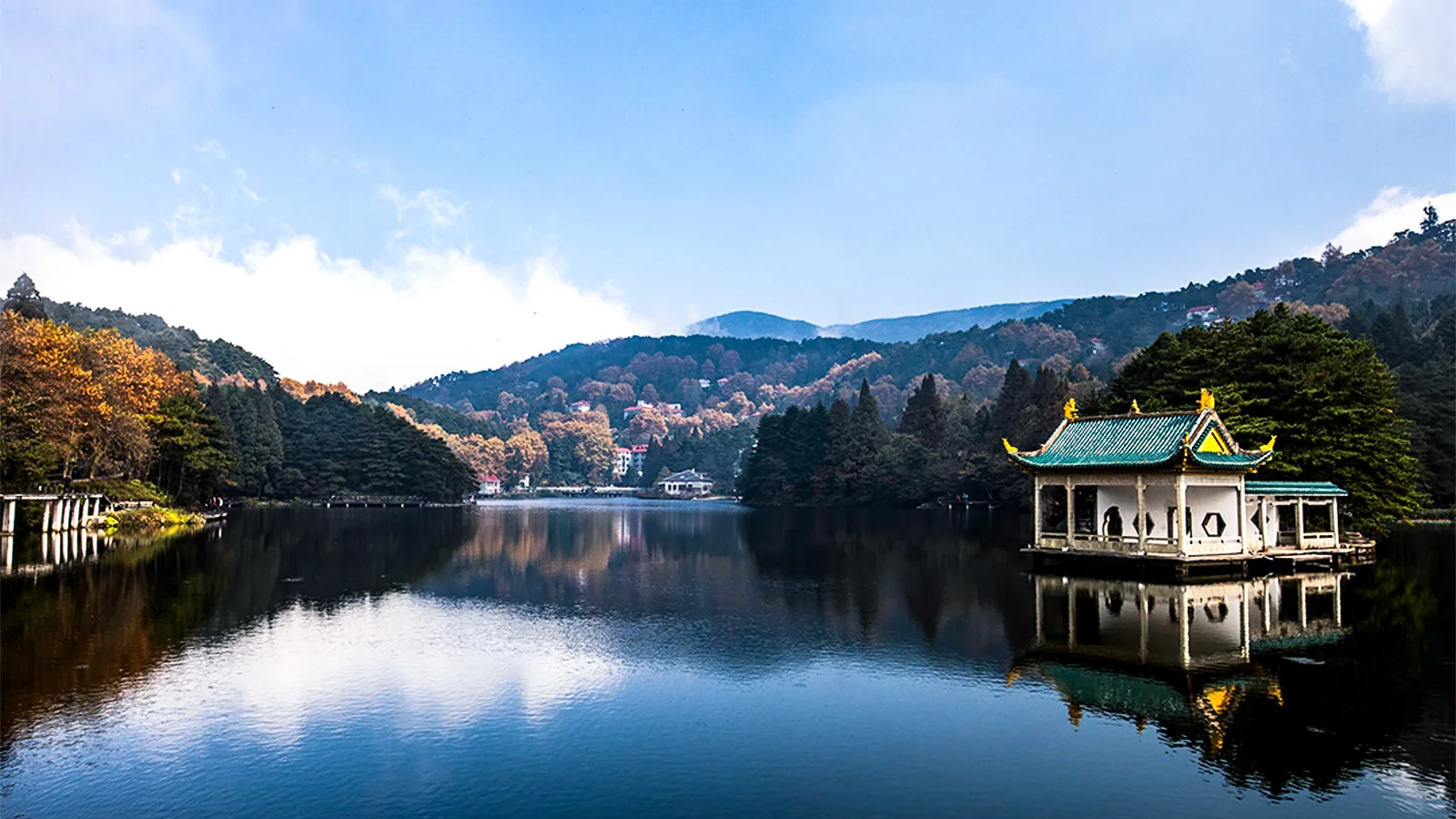 Full day · 8–10 hours
A town at 1,160 metres, one street of shops, and a lake that keeps the lights after the last bus has gone
View details →2 days · 1 night · privateA compact first visit to Lushan National Park: the winding mountain ro
View details → 3 days · 2 nights · private
The classic Lushan triangle: Jinxiu Valley and Fairy Cave, a Hanpokou
View details →I took the bus up to Donglin Temple on a Tuesday morning and basically had the halls to myself for an hour. Sat on the steps listening to the chanting and didn't want to leave. Easy to reach from the main road, just watch the return bus times.
Booked a private guide for two days and it was worth it just for the forest trails in Tianhuajing. We hiked most of a morning and my guide knew every turn without checking a map. Bring proper shoes, the paths get slick after rain.
Private car & driver, day trips and multi-day routes from Mount Lu. · Free consultation · reply within 12h