 TripMyChinaJOURNEYS THROUGH REAL CHINA✦ AI Trip✦ Plan My Trip
English
简体中文
繁體中文
日本語
한국어
ไทย
Tiếng Việt
Bahasa Indonesia
Italiano
Español
العربية
Русский
Deutsch
Français
Bahasa Malaysia
TripMyChinaJOURNEYS THROUGH REAL CHINA✦ AI Trip✦ Plan My TripShenyang · Attractions
Marshal Zhang's Mansion is where Republican-era China feels close enough to touch. This was the residence and headquarters of Zhang Zuolin, the warlord who rose from bandit soldier to ruler of Manchuria, and of his son Zhang Xueliang, the Young Marshal whose 1936 kidnapping of Chiang Kai-shek changed the course of modern Chinese history. The complex holds an extraordinary architectural mix: traditional Qing-style courtyards where the old marshal ran his affairs, the four-story gray-brick Daqinglou built in a Western style as the family's main residence, and compact gardens and temples tucked between. It is, quite simply, the best history stop in Shenyang after the Imperial Palace.
Zhang Zuolin built up the compound from 1914 as his power grew, and its buildings chart the family's ambitions. The northern courtyards follow the classic Chinese quadrangle formula, with carved brick and timber halls where official business was conducted. The Daqinglou — the Big Gray Building — rises behind them in an unapologetically Western mode, housing the family's living quarters and the offices where decisions of national consequence were made, including the tense days after the 1928 railway bombing that killed the elder Zhang. A smaller villa, the Xiaoqinglou, sheltered the family, and a temple to Guandi served their spiritual needs.
The mansion's second act belongs to Zhang Xueliang, who inherited his father's army at twenty-seven and later, with Yang Hucheng, detained Chiang Kai-shek in 1936 to force a united front against Japan — the Xi'an Incident that altered the century. Adjacent to the main compound stands the former residence of Zhao Yidi, the Young Marshal's longtime companion, now part of the ticket. The site sits a short walk from the <a href="/attractions/shenyang-imperial-palace/">Shenyang Imperial Palace</a>, and the two together make the definitive morning in old Shenyang.
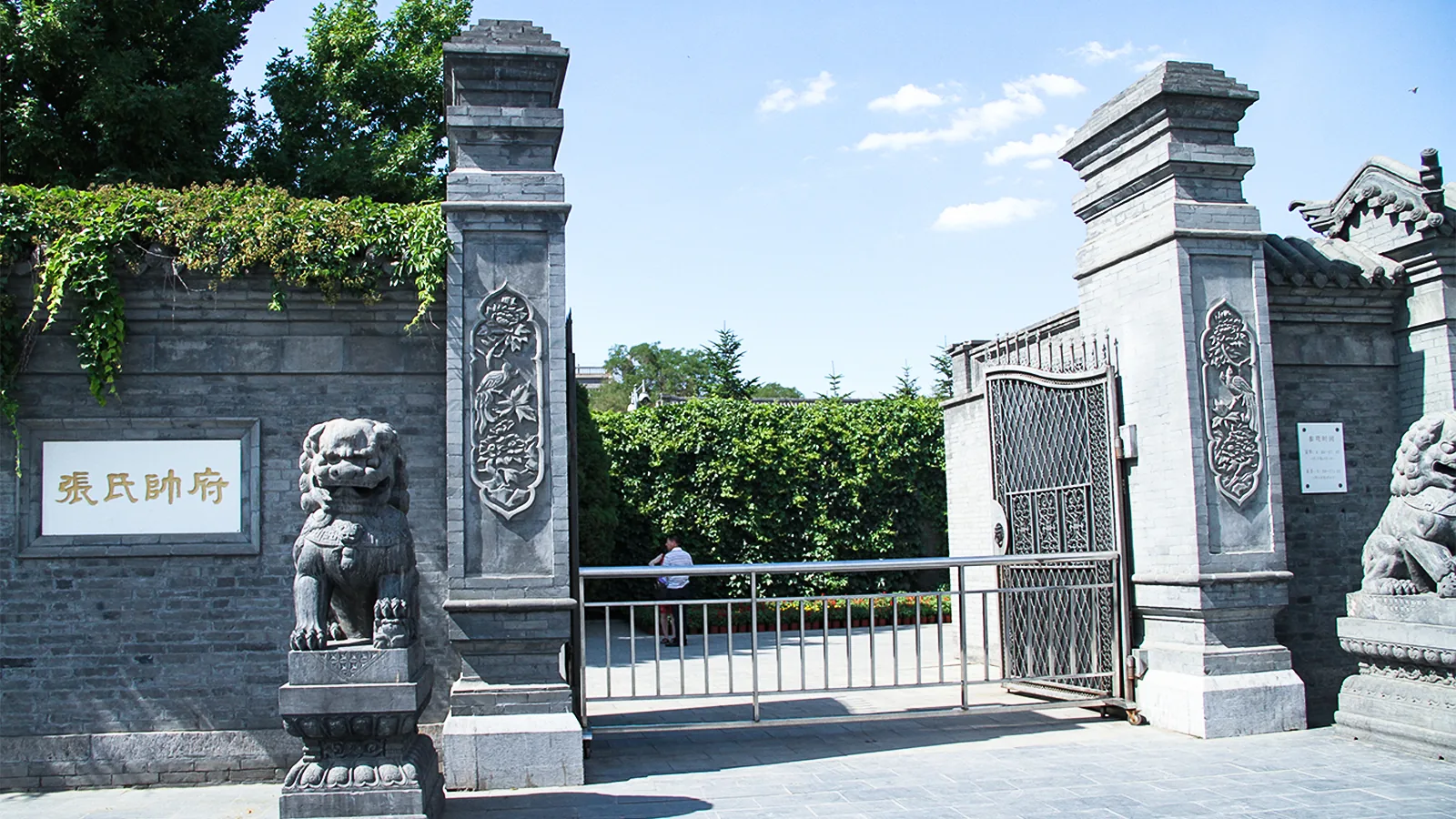
Entry is ticketed, with the Zhao Yidi residence usually included in the combined admission; prices are modest and change occasionally, so confirm on site or let your guide arrange it. Opening hours run through the daytime, with the last entry before closing, and closures can fall on certain weekdays — verify in advance. Photography is generally allowed in the buildings without flash. Allow ninety minutes to two hours for the compound at a thoughtful pace, longer with an audio guide. Students and seniors with identification receive standard discounts, and weekday mornings are the calmest time to see the interiors.
The mansion stands on Shaoshuaifu Lane in the old city center, minutes on foot from the Shenyang Imperial Palace, so most visitors walk between the two. Metro Line 1's Zhongjie station is the nearest underground stop, and buses along the surrounding arteries stop close by; from either mainline railway station a taxi takes about fifteen minutes outside peak hours. Ride-hailing cars can drop at the gate area, and the surrounding traditional commercial streets offer plenty of places to eat between sights. A guide adds real value here, since the rooms' history is richer than the labels alone — or rent the audio guide at the entrance.
The mansion is an all-season, mostly indoor experience, which makes it valuable in Shenyang's harsh winter and steamy summer alike. Spring and autumn are the pleasantest for walking between the courtyards and nearby sights. Arrive early on weekdays to have the atmospheric Daqinglou rooms nearly to yourself. The site pairs naturally with the Imperial Palace in one morning, followed by lunch in the surrounding lanes; if you have a second day, reserve it for the city's museums.
Zhang Zuolin, the warlord ruler of Manchuria, built it as his family residence and headquarters. After his assassination in 1928, his son Zhang Xueliang — the Young Marshal — lived and worked here during the years leading to the Xi'an Incident.
The gray-brick Daqinglou, with its period rooms and offices, is the centerpiece, alongside the traditional Qing-style quadrangle courtyards. The small villa of Zhao Yidi beside the compound completes the circuit and is included in the ticket.
Plan on ninety minutes to two hours at a comfortable pace, or more if you take the audio guide seriously. Most visitors combine it with the Imperial Palace in a single morning.
Yes, provided you bring some context. An audio guide or human guide explains the warlord era in plain terms, and the architecture alone — a mix of Chinese courtyards and Western villa — makes the visit worthwhile.
Full day · 8–10 hoursFour giant pandas before lunch, then a hall in Hunnan where the exhibits are meant to be touched
View details →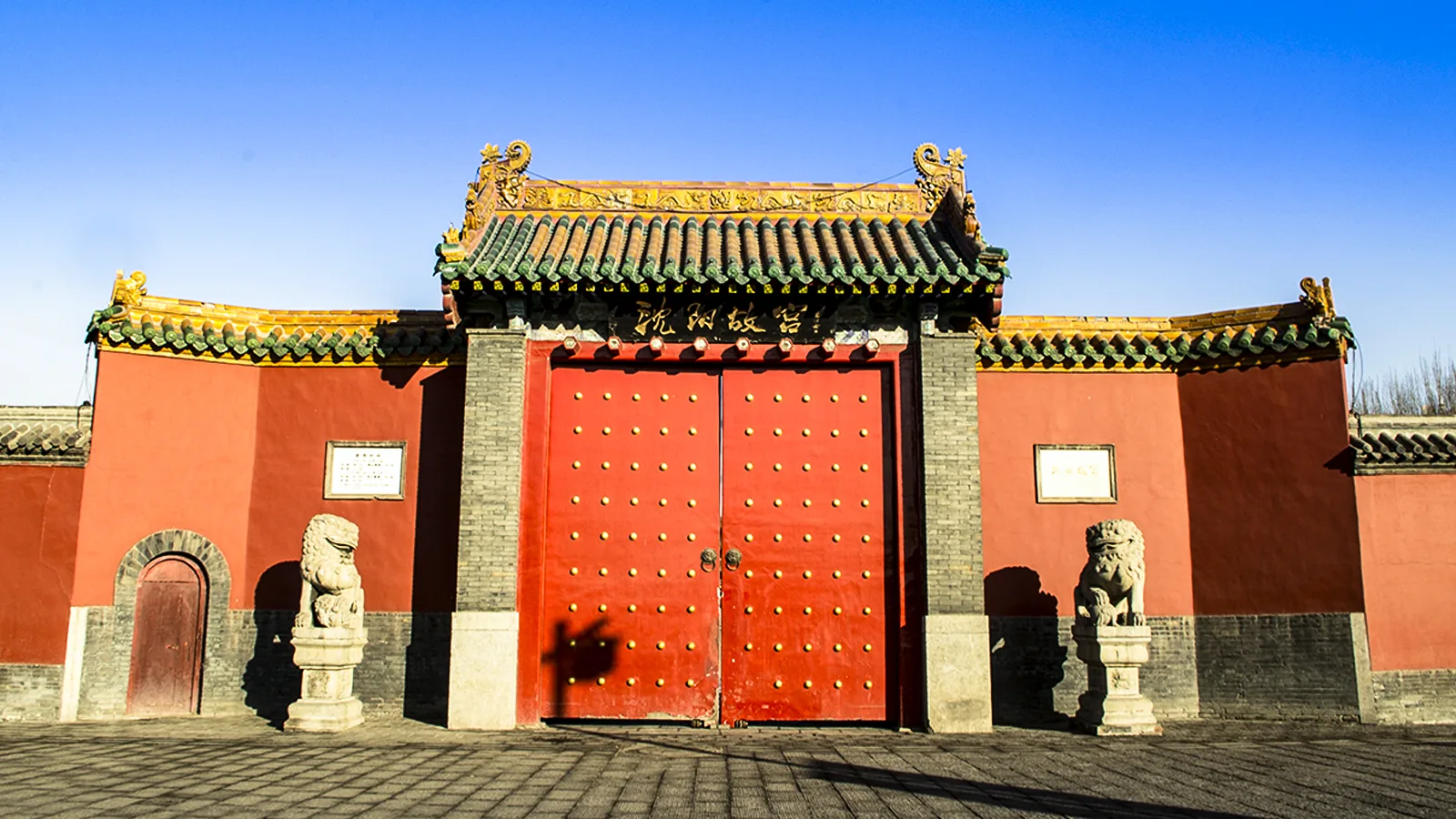 Full day · 8–10 hours
From 1625 timber to 1930s concrete to a 1950s factory hall, none of them half an hour apart
View details →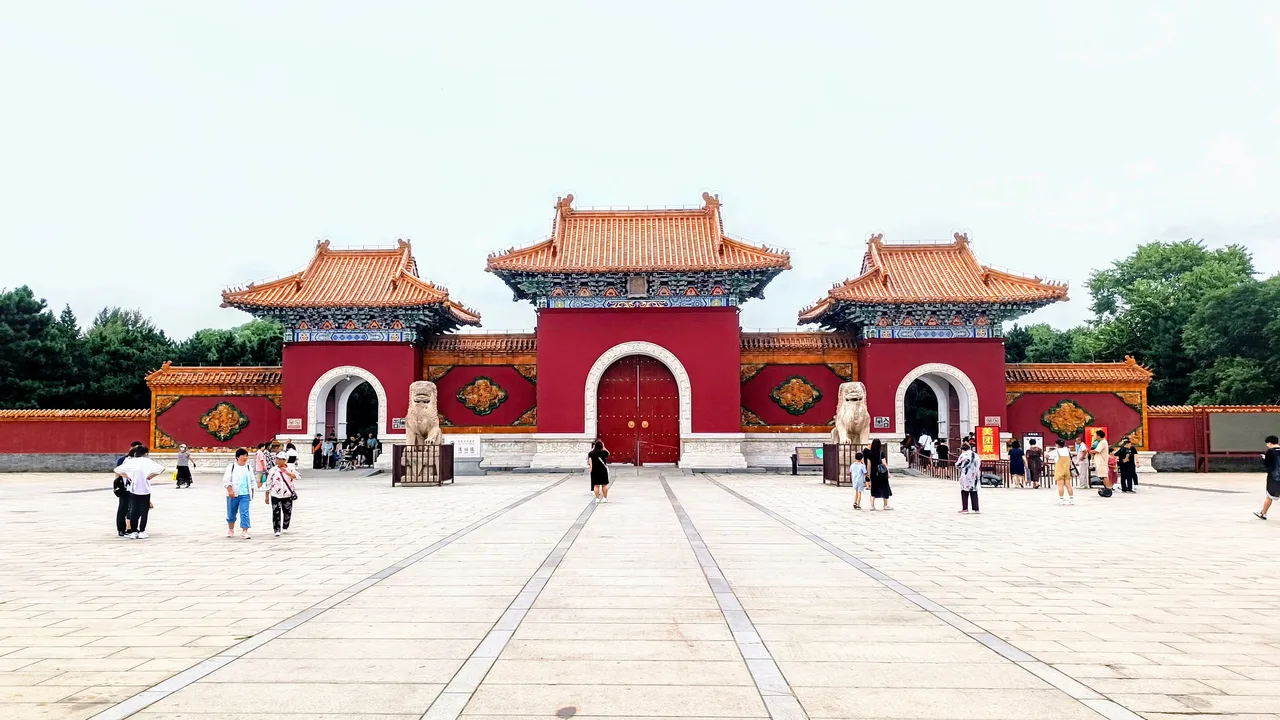 Full day · 8–10 hours
Dumplings since 1829, a red wall under lamps, and a night market wrapped around a Qing temple
View details →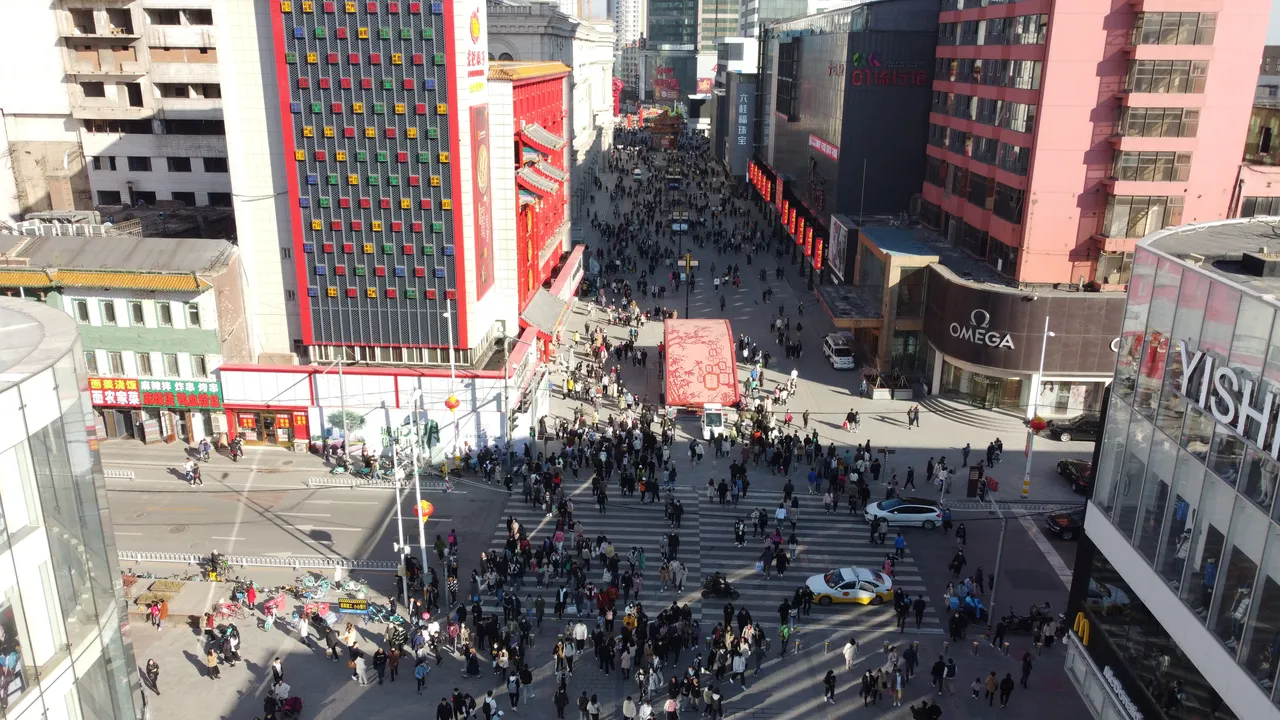 2 days · 1 night · private
A compact first-visit loop of Shenyang: the Qing early-capital palace,
View details → 3 days · 2 nights · private
The classic Shenyang triangle: the Qing early-capital palace and Zhong
View details →Booked a private guide for the Imperial Palace and honestly it was worth every yuan. The Dazheng Hall is smaller than Beijing's stuff but the Ten King Pavilions around the courtyard are a strange and lovely arrangement you won't see elsewhere. My guide grew up nearby and kept pointing out details I'd have walked past.
Took the kids to the Zhang family residence and they actually stayed interested, mostly because the big blue-brick tower looks like something out of a film. Comparing it with the smaller building next door was a nice little history lesson. Only gripe: almost no English signage on the upper floors, so bring a translation app.
Private car & driver, day trips and multi-day routes from Shenyang. · Free consultation · reply within 12h