 TripMyChinaJOURNEYS THROUGH REAL CHINA✦ AI Trip✦ Plan My Trip
English
简体中文
繁體中文
日本語
한국어
ไทย
Tiếng Việt
Bahasa Indonesia
Italiano
Español
العربية
Русский
Deutsch
Français
Bahasa Malaysia
TripMyChinaJOURNEYS THROUGH REAL CHINA✦ AI Trip✦ Plan My TripZhangye · Attractions
Mati Temple, or Mati Si, is a complex of Buddhist grottoes carved into sheer sandstone cliffs about 60 kilometers south of Zhangye, in the grasslands of Sunan Yugur Autonomous County. Its name — Horse Hoof Temple — comes from a legend that a celestial horse left a hoofprint in a cave here, which remains a prized relic. The star attraction is the seven-tiered Thirty-Three Heavens grotto, a honeycomb of shrines and tunnels climbed by steep stairs inside the cliff. Combined with alpine meadow scenery and Yugur herder culture, it makes one of Zhangye's most rewarding day trips.
Grottoes were cut into these cliffs as early as the fifth century, and Buddhist worship continued here across dynasties, with shrines added and restored under Sui, Tang, Ming and Qing patrons. The site actually comprises several separate grotto groups scattered along the valley — including the Thirty-Three Heavens grotto, the Golden Pagoda Temple and the Northern and Southern Mati temples — so exploring means short drives or walks between trailheads. Murals and sculptures survive in varying condition, and several caves still hold working altars where herders from the surrounding grasslands come to pray.
Beyond the Buddhist heritage, the setting is half the experience: the valley floor holds horse paddocks, yurt camps and streams fed by the Qilian Mountains, and the local Yugur people — one of China's smallest ethnic groups — offer horse riding and home-style meals in season. Most travelers pair Mati Temple with <a href="/attractions/binggou-danxia/">Binggou Danxia</a> or a Danxia park for a full day out of Zhangye city.
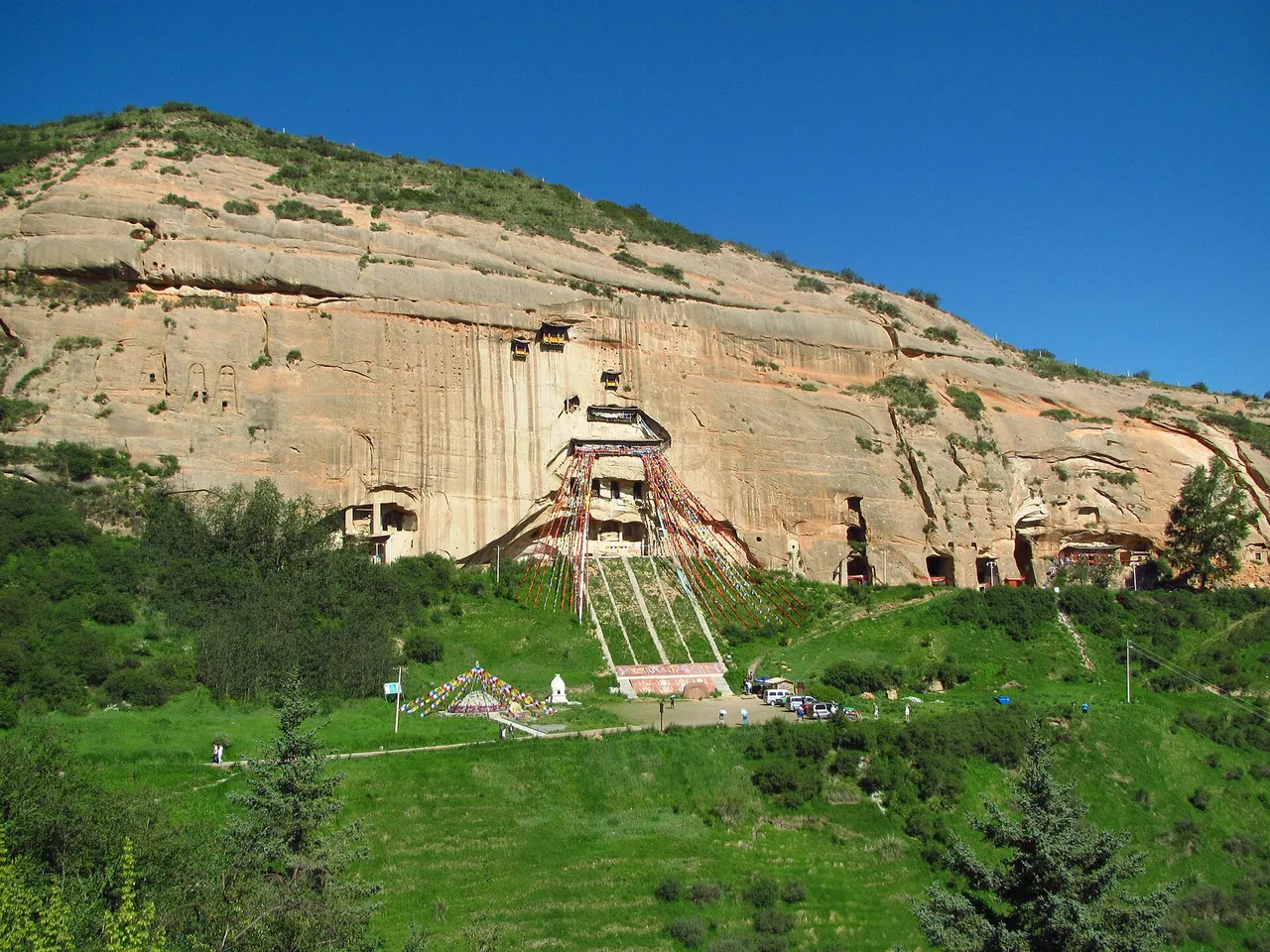
Mati Temple charges a scenic-area entrance ticket, and individual grotto groups inside — including the Thirty-Three Heavens cave — require separate tickets, so most visitors buy a combination option on arrival. Hours generally run from morning to late afternoon, with the high season from May to October and reduced services in winter when ice makes the cliff stairs risky. Prices and ticket combinations are adjusted from time to time, so treat this as a guide and confirm at the gate; drivers and tour guides will usually arrange tickets the same day. Bring cash or a working mobile payment app, since remote ticket desks occasionally have patchy connectivity.
Mati Temple lies roughly 60 to 65 kilometers south of Zhangye city in Sunan Yugur Autonomous County, and the drive takes about one and a half hours. There is no direct train, so visitors come by hired car with driver, joined tour, or taxi for the day; your hotel can arrange a driver, and many travelers combine the temple with a Danxia park on the return leg. The last stretch climbs into grassland valleys, so allow extra time in poor weather. Inside the scenic area, shuttle buses link the scattered grotto groups, and comfortable shoes are essential because the caves are reached by steep, narrow stairs.
Late June to early September is the prime window, when the surrounding grasslands turn green, wildflowers bloom and horse riding is in full swing. May and early October are cooler but quieter and still scenic. In winter the area is starkly beautiful, though some cave stairways may close for ice. Aim to arrive by mid-morning to catch the best light on the cliff face and to stay ahead of tour groups that sweep in around lunchtime; an afternoon return pairs neatly with a Danxia sunset.
Legend says a celestial horse landed here and left a hoofprint in the rock, which became a revered relic and gave the site its name, Mati Si — literally Horse Hoof Temple. A cave shrine protects the imprint today.
The interior stairs are steep, narrow and dimly lit, and passages are low in places. Most healthy adults manage fine with care, but visitors with limited mobility or a fear of confined spaces may prefer the valley-floor temples.
The scenic area generally stays open, but stairs to the higher cliff caves may close when icy, and the grassland loses its summer green. Check conditions in Zhangye the day before, and dress for sub-zero temperatures.
Yes, a half-day covers the main grottoes comfortably, and a full day lets you add grassland riding or a Danxia park on the way back to Zhangye. Most day trips from the city return by early evening.
 Full day · 8–10 hours
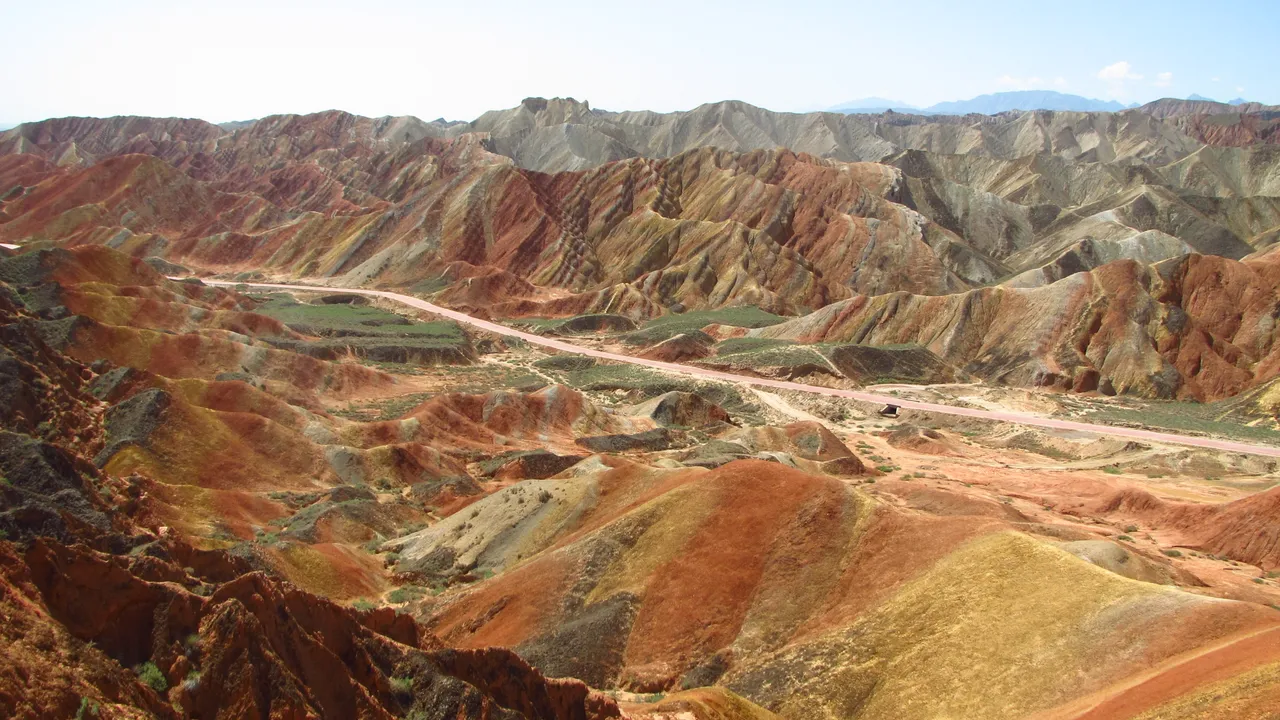
One dough, three shapes: pinched into fish, cut into firecracker segments, diced into grains, eaten at three different hours
View details →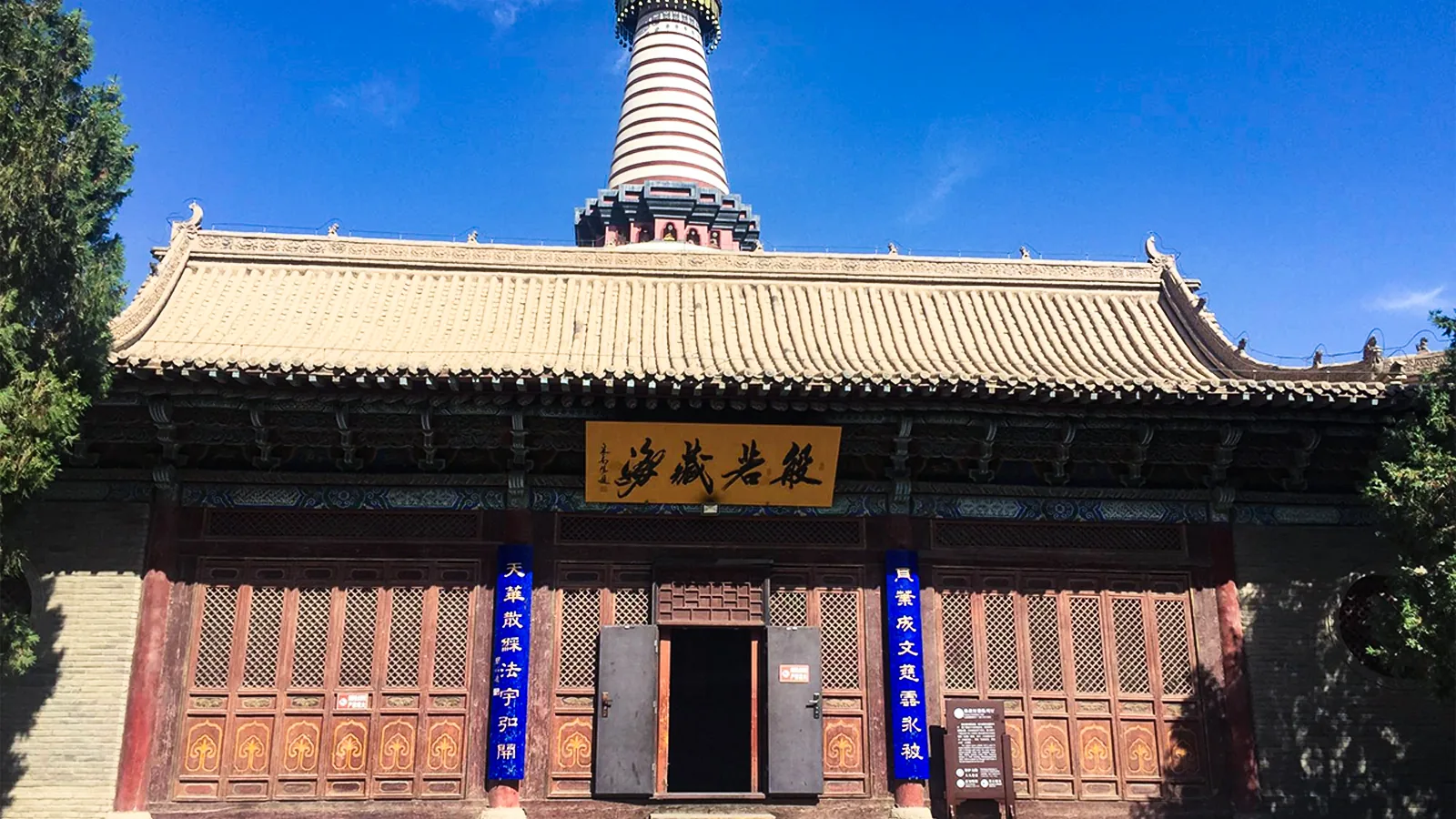 Full day · 8–10 hours
A Western Xia temple of 1098, a Ming tower of 1507, and the merchant road that paid for both
View details →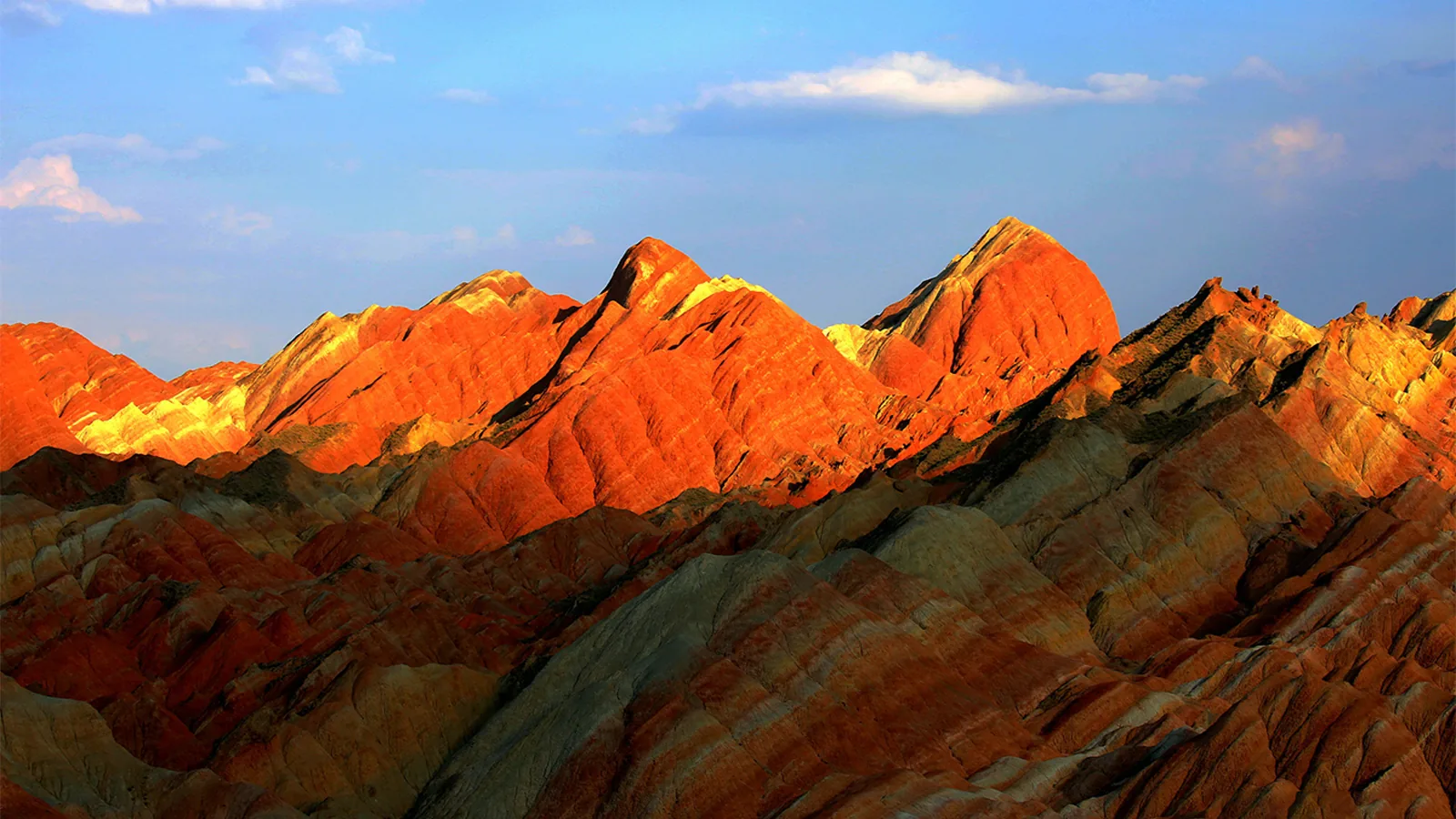 Full day · 8–10 hours
Three rock parks in three directions, three hours of driving between them, and a very long day
View details →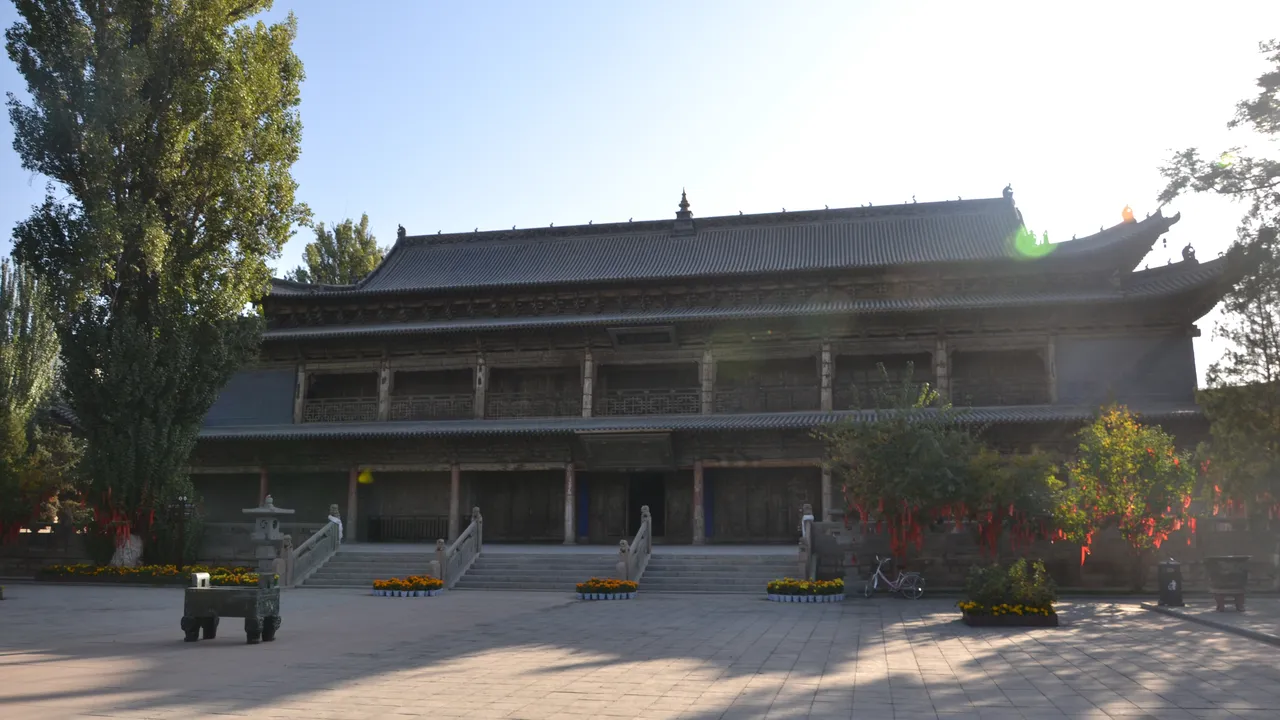 2 days · 1 night · private
A two-day express pairing Zhangye's two signatures. Day one covers the
View details →3 days · 2 nights · privateThree days give the Hexi Corridor's garden city a fuller read. Day one
View details →We booked a private guide for the day and he drove us out to Qicai Danxia in the afternoon. The colors are real, not filtered — those red and yellow bands look painted on. He timed it so we hit the platforms before the tour buses showed up, which made the whole thing way calmer.
Took the kids to the Great Buddha Temple and the 34.5-metre reclining Buddha genuinely stopped them mid-sentence. My youngest just stood there pointing. It's a working temple, not a museum, so we kept our voices down and the kids actually got it.
Private car & driver, day trips and multi-day routes from Zhangye. · Free consultation · reply within 12h