 TripMyChinaJOURNEYS THROUGH REAL CHINA✦ AI Trip✦ Plan My Trip
English
简体中文
繁體中文
日本語
한국어
ไทย
Tiếng Việt
Bahasa Indonesia
Italiano
Español
العربية
Русский
Deutsch
Français
Bahasa Malaysia
TripMyChinaJOURNEYS THROUGH REAL CHINA✦ AI Trip✦ Plan My TripMount Everest · Attractions
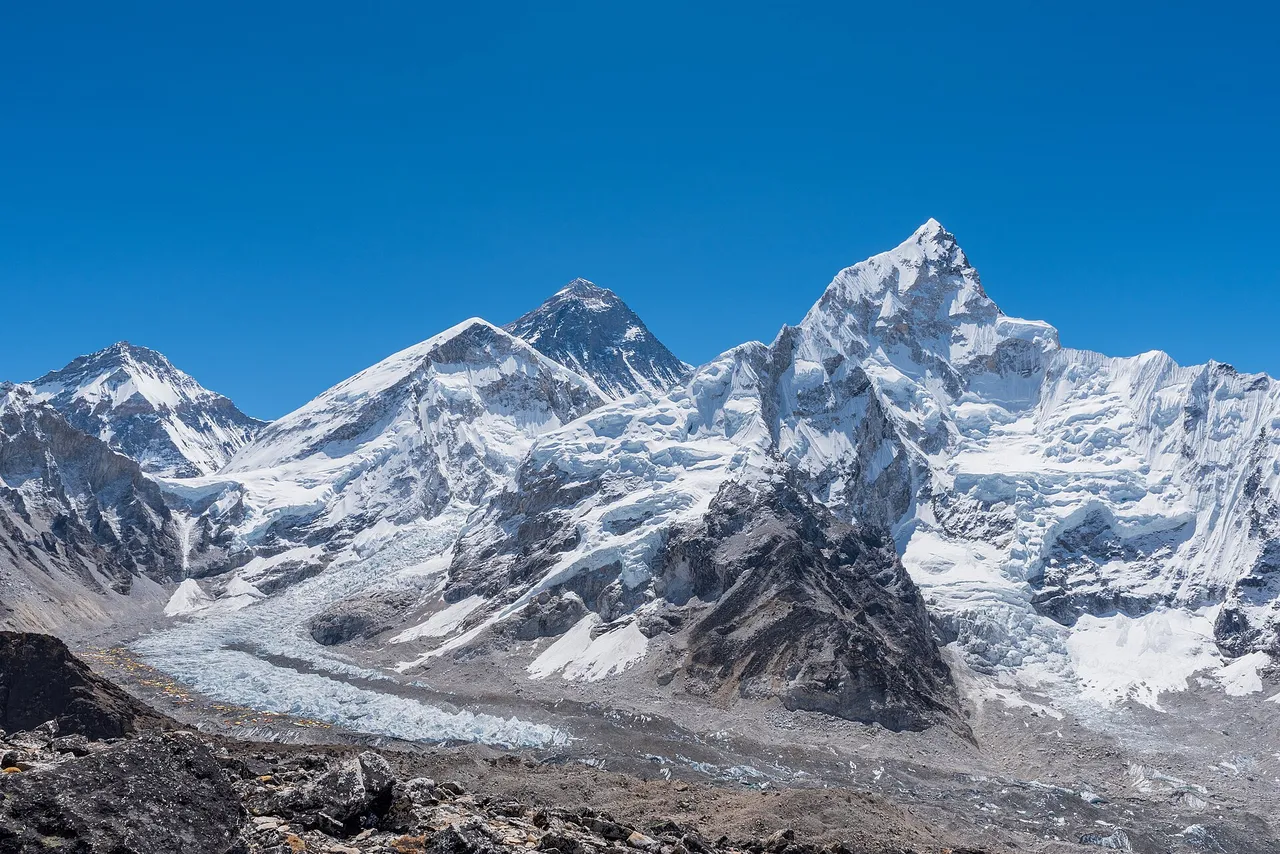
Mount Everest, known in Tibetan as Qomolangma, Goddess Mother of the World, rises 8,848.86 meters on the border between Tingri County in Tibet and Nepal, and its north face is one of the most commanding mountain walls on earth. For travelers on the Friendship Highway, the summit reveal is a slow build: first a white pyramid floating above the Tingri plain, then the full black-and-gold north face from the Gawu La Pass and the Rongbuk Valley. Seeing it requires permits, patience and altitude respect, and rewards all three.
The mountain's north side belongs entirely to Tingri County, and the classic viewing progression has barely changed in a century. From the Friendship Highway the summit appears over the rolling Tibetan plateau long before you feel close; the first real vantage is the Gawu La Pass at around 5,200 meters, where a panorama of five 8,000-meter peaks lines up in a single Himalayan wall. From there the road drops into the Rongbuk Valley toward the <a href="/attractions/everest-base-camp/">base camp</a> at the foot of the North Face.
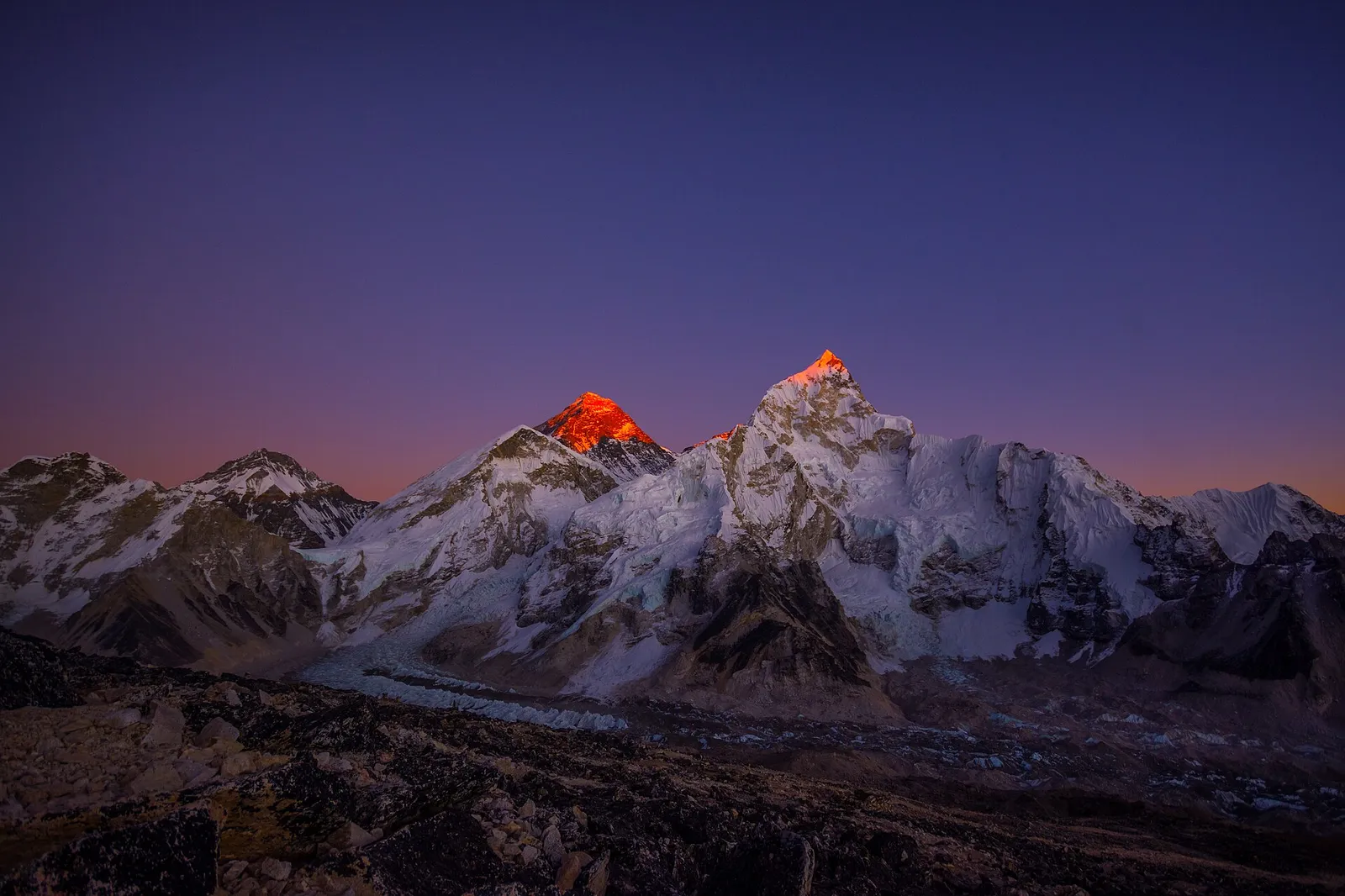
Everest sits within the Qomolangma National Nature Preserve, and access for foreign travelers is tightly structured: a Tibet Travel Permit, an area entry ticket and an organized tour with guide are all required, arranged in advance by licensed operators. The best light is dawn and dusk, when the summit plume glows against deep blue skies, and the mountain hides behind clouds with maddening frequency at midday. Pair the mountain with the plateau viewpoints of <a href="/attractions/cho-oyu/">Cho Oyu</a> and the quiet comforts of <a href="/attractions/gangga-town/">Gangga town</a> on the way in.
Costs stack in layers: the Tibet Travel Permit and guide arrangements come through your tour operator, the Everest scenic-area entry ticket is paid en route, and vehicle fees apply within the protected area; totals vary by season and operator, so budget several hundred yuan per person for the mountain segment and confirm inclusions before booking. There is no independent access for foreign passport holders, and permit processing needs roughly two to three weeks lead time. Weather closures can suspend the mountain road temporarily, and itineraries should keep a buffer day. Carry your passport at all times, as checkpoints are frequent.
Everest is reached through Tingri County on the G318 Friendship Highway between Shigatse and the Nepal border. Foreign travelers must join a licensed Tibet tour with guide and vehicle, typically flying to Lhasa and driving two to three days via Shigatse, or entering overland from Kathmandu. From New Tingri town the road turns south into the protected area, crossing the Gawu La Pass before descending to <a href="/attractions/everest-base-camp/">Rongbuk and base camp</a>, roughly four to five hours from town with viewpoint stops. Private vehicles are not permitted inside; everything moves on the tour's arrangements.
Late April to early June and late September to October are the twin windows, combining clearer skies, stable weather and the famous dawn alpenglow on the summit; these are also the climbing seasons, when the mountain feels most alive. July and August bring monsoon cloud that often buries the peak, though mornings occasionally deliver. Winter offers crystalline views for the hardy, with extreme cold and shortened tourist services. Whatever the month, build in two or three days around the visit: clouds are fickle, and a second sunrise at the pass often makes the trip.
No. Foreign visitors must join a licensed Tibet tour with guide and vehicle, holding a Tibet Travel Permit plus the Everest area entry ticket, all arranged in advance.
The Gawu La Pass gives the grand panorama of five 8,000-meter peaks, while Rongbuk Valley puts you directly beneath the North Face. Most itineraries include both.
Reasonably likely in the spring and autumn windows, especially at dawn and dusk. Midday clouds hide the summit frequently, so patience and a flexible schedule pay off.
The Gawu La Pass sits around 5,200 meters and Everest Base Camp near 5,200 meters, both well above safe sleeping altitude for most newcomers. Acclimatize gradually and discuss altitude medication with your doctor first.
 Full day · 8–10 hours
No moon, no lamps, about minus ten: the Milky Way over the north face, and the rules that keep the night safe
View details →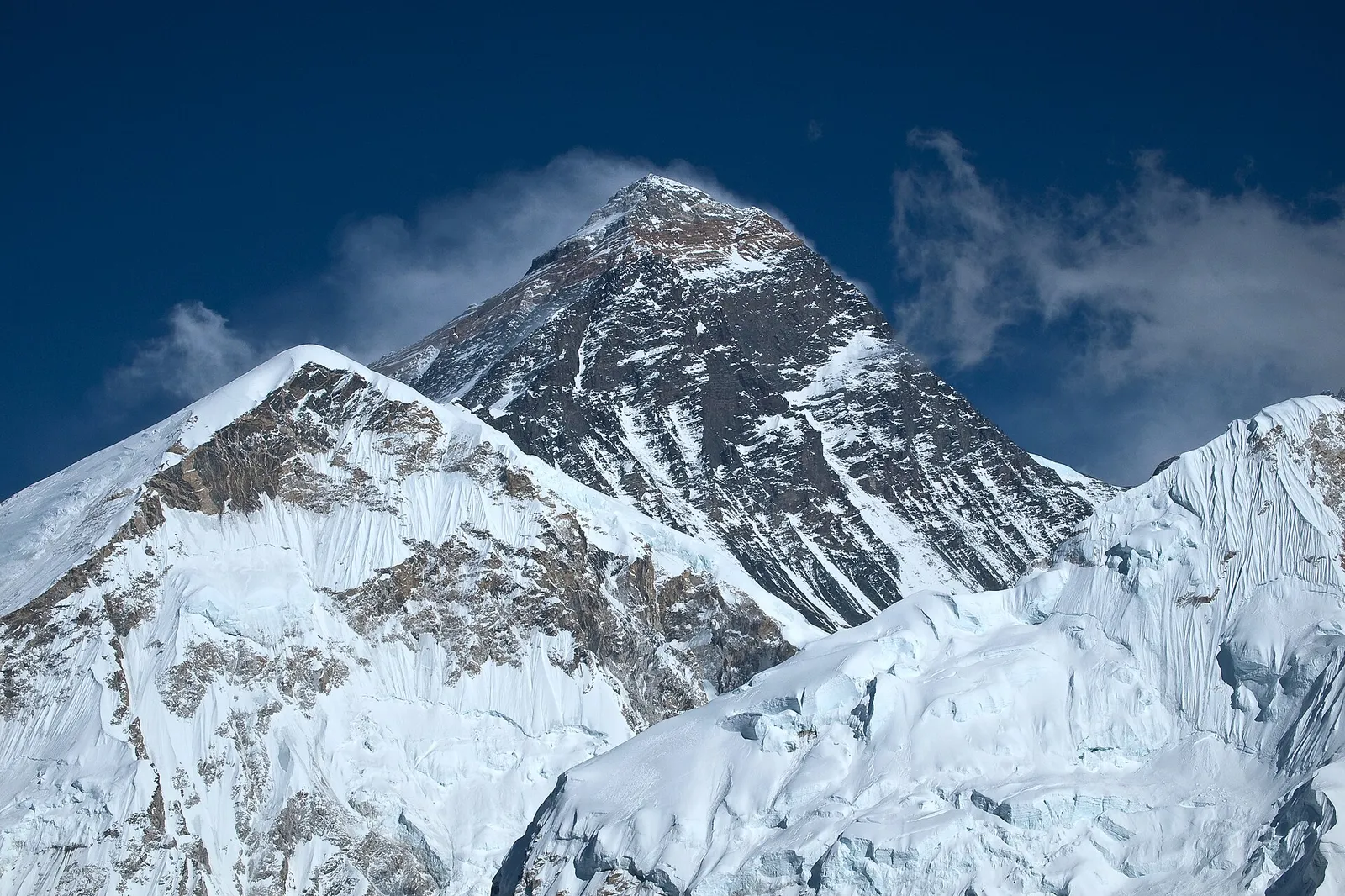 Full day · 8–10 hours
Up here the rice comes out of a pressure cooker and the rules change: hot food, soft food, small portions, no alcohol
View details →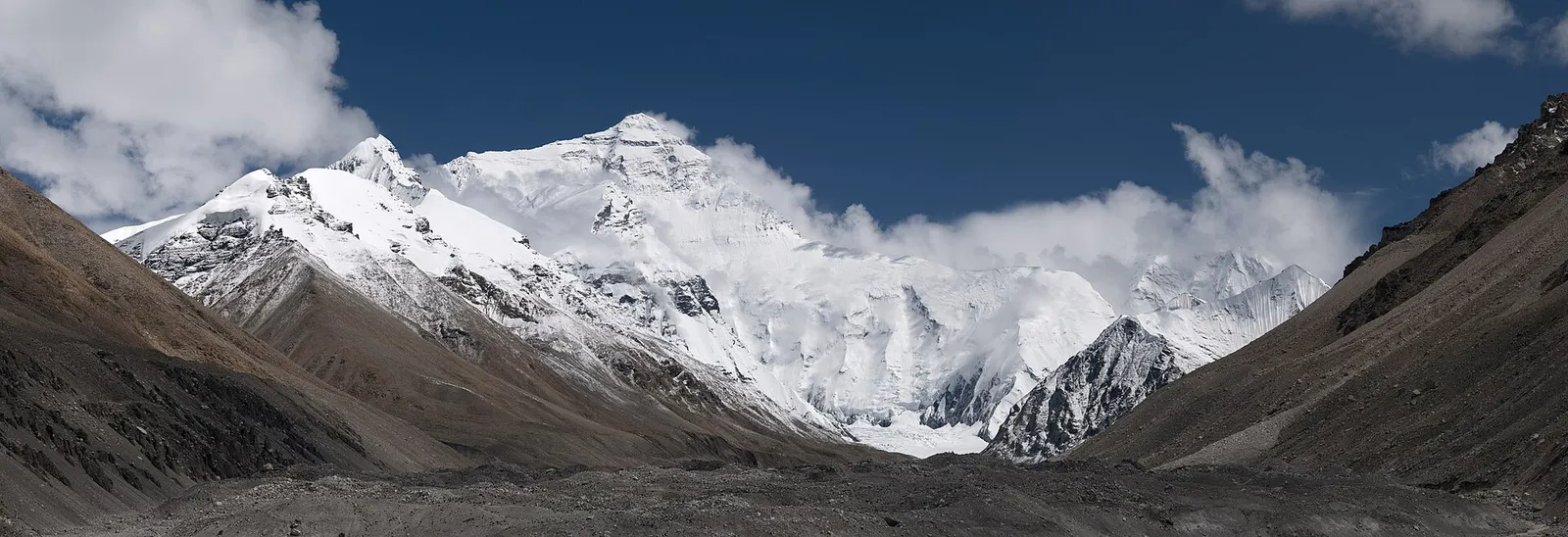 Full day · 8–10 hours
One day up to 5,200 metres: a monastery at about 4,980, a stone marker, and a counter that will stamp a postcard
View details →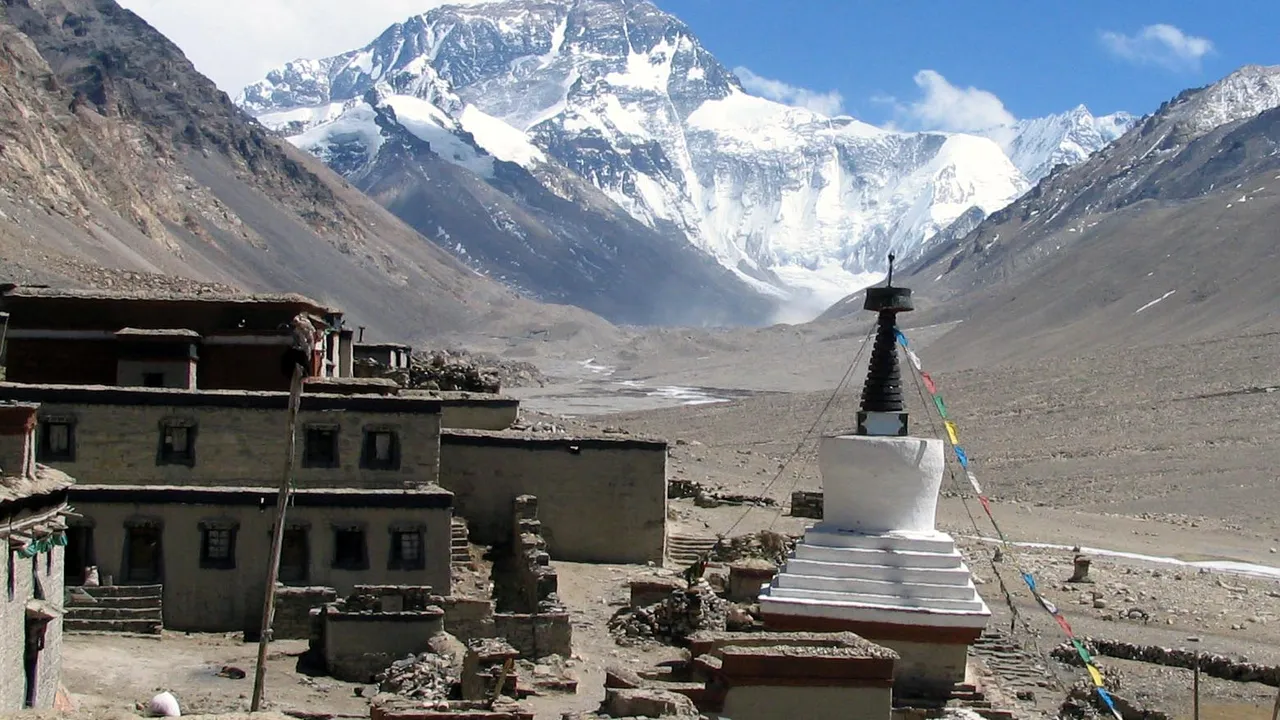 2 days · 1 night · private
A compressed two-day dash to Everest Base Camp in Tingri County, runni
View details →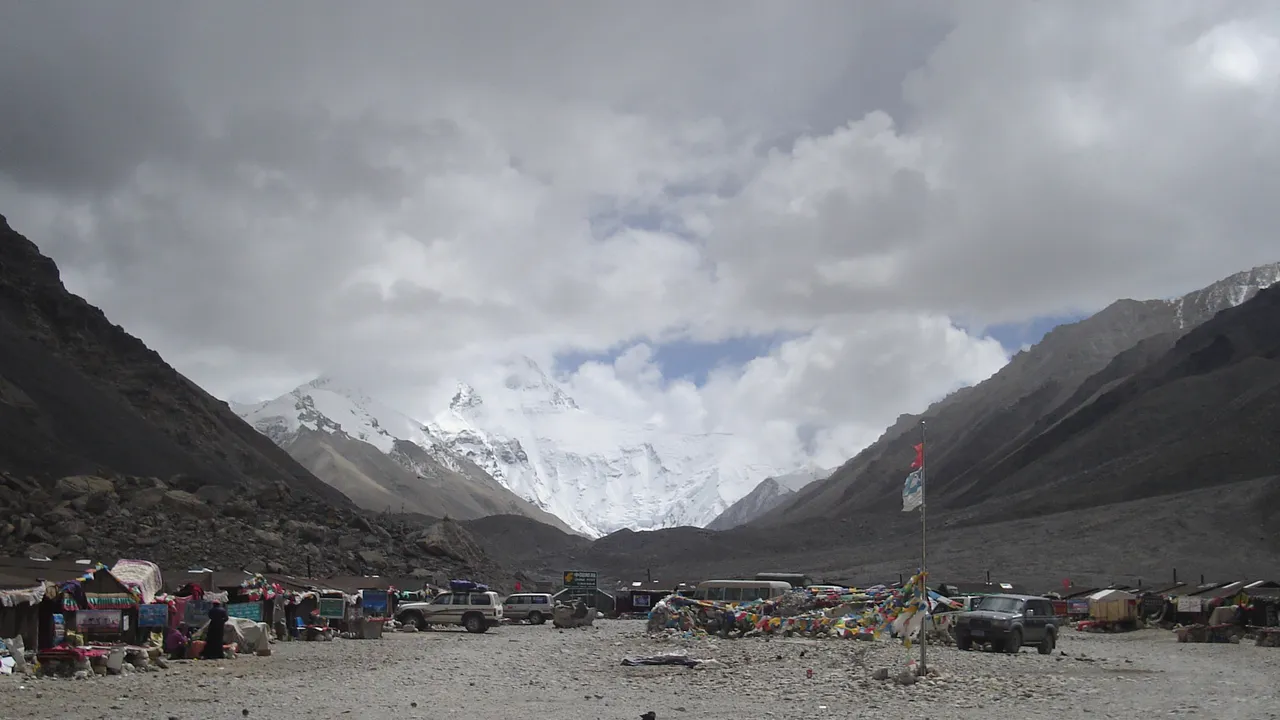 3 days · 2 nights · private
The classic three-day Everest route from Shigatse builds in one altitu
View details →Booked a private guide out of Lhasa and honestly the best money I spent in Tibet. We hit Gawula Pass around 7am and I could count five peaks over 8,000 m lined up like teeth. My guide kept handing me hot tea while I just stood there with my mouth open.
Took my two kids (9 and 12) and they actually put their phones down at the Everest viewing point, which says something. Rongbuk Monastery was the surprise for me, so quiet up there. Only gripe: the altitude hit my son hard the first night and there was not much info beforehand on what to do about it.
Private car & driver, day trips and multi-day routes from Mount Everest. · Free consultation · reply within 12h