 TripMyChinaJOURNEYS THROUGH REAL CHINA✦ AI Trip✦ Plan My Trip
English
简体中文
繁體中文
日本語
한국어
ไทย
Tiếng Việt
Bahasa Indonesia
Italiano
Español
العربية
Русский
Deutsch
Français
Bahasa Malaysia
TripMyChinaJOURNEYS THROUGH REAL CHINA✦ AI Trip✦ Plan My TripMount Putuo · Attractions
Mount Putuo is a small island in the Zhoushan archipelago where Buddhist devotion and sea-breeze leisure share the same shorelines. One of China's four sacred Buddhist mountains and the bodhimanda — earthly home — of the Bodhisattva Guanyin, it packs three great temples, sandy beaches, rock shrines and a village of tea houses into barely twelve square kilometers. Pilgrims come to pray, families come for the beaches and seafood, and both board the same ferries from Zhoushan. With an efficient island bus system and car-free lanes, it is the rare pilgrimage site that doubles as a genuinely relaxing coastal getaway.
The island has drawn worshippers since the Tang dynasty, when a Japanese monk's attempt to carry a Guanyin statue home was stalled here — locals took the omen, enshrined the statue, and Mount Putuo's fame began to grow. Through the Song, Yuan, Ming and Qing eras, imperial patronage built up the three great monasteries of Puji, Fayu and Huiji, which remain the island's spiritual anchors. Today the island is a national scenic area: no private cars are allowed, the villages keep their fishing-town charm, and temples, beaches and seafood restaurants sit within walking distance of each other.
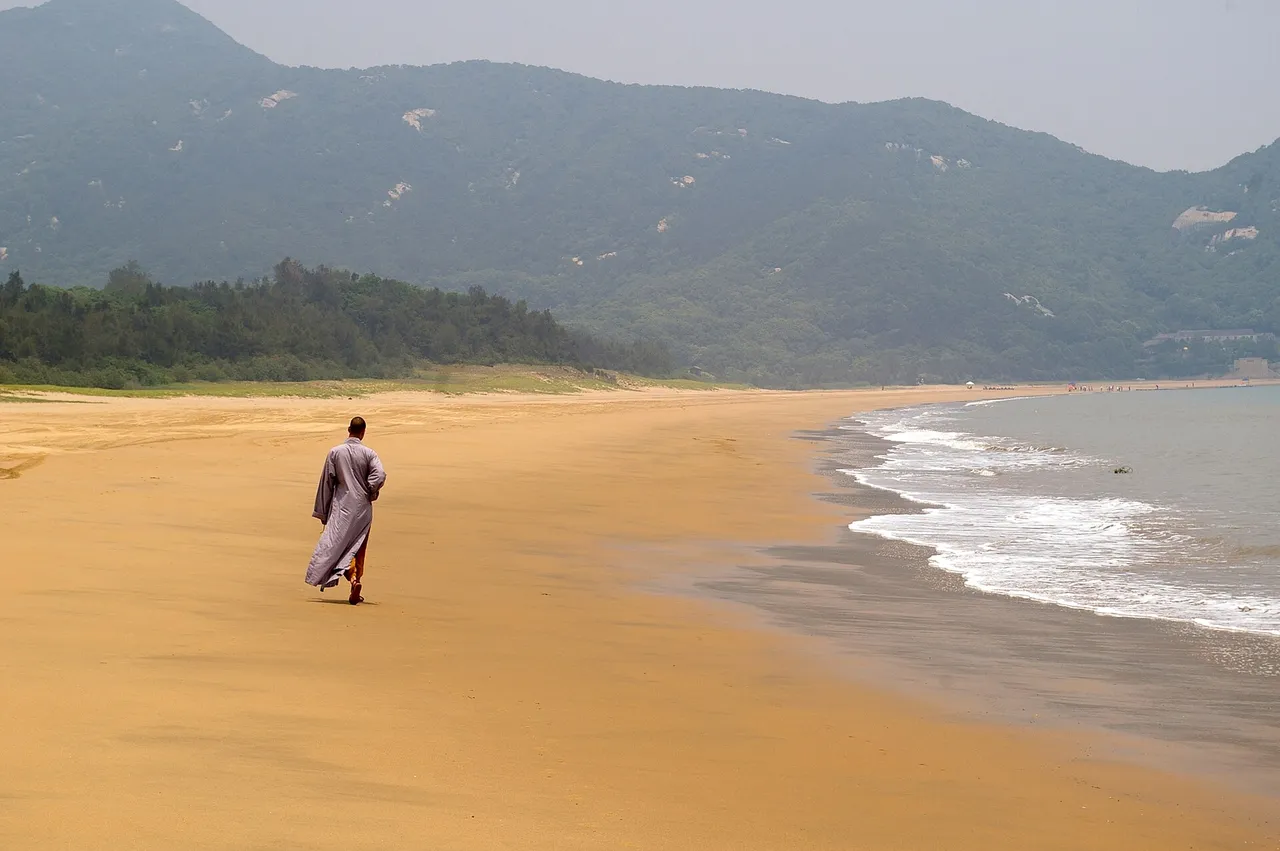
The classic circuit starts at Puji Temple near the main wharf, continues along Baibu Beach to Fayu Temple, and climbs — by bus, cable car or stone steps — to Huiji Temple on Foding Mountain, the island's summit. The 33-meter Guanyin statue at the southern tip has become the island's modern icon, gazing over the East China Sea. Most visitors spend one or two nights on the island: mornings belong to temple bells and chanting, afternoons to beaches and cliff walks, and evenings to seafood dinners as the ferries fall quiet.
The island charges an entry ticket at the wharf, typically in the low hundreds of yuan with a lower off-season rate, and each of the three great temples adds a small separate fee of a few tens of yuan; the Guanyin statue park is also ticketed. The island bus charges small per-ride fares, and the Foding Mountain cable car is separately priced. Ferries are inexpensive and can be paid on boarding at most times. Opening hours follow daylight, roughly from early morning to 17:00 or 18:00 for temples and attractions. Prices and schedules adjust seasonally and around festivals — treat all figures as indicative and confirm at the wharf or with your guide.
Almost all visitors reach Mount Putuo by ferry from Zhoushan. High-speed rail from Shanghai or Hangzhou stops at Ningbo, from which buses run to Zhujiajian's Wugongzhi wharf in about 1.5 to 2 hours; the ferry crossing takes 10 to 15 minutes and runs frequently from early morning to evening. Direct tourist buses also link Shanghai and Hangzhou with the wharf in roughly 4 to 5 hours. On the island, no private vehicles are permitted: a hop-on hop-off bus network connects the wharf, Puji Temple, Fayu Temple, beaches and the cable-car base, and most lanes are walked. Return ferries run until early evening, though overnighting on the island is the far richer experience.
Spring and autumn are ideal: mild walking weather, clear seas and temple festivals enlivening the courtyards. Summer is beach season — hot, lively and best entered through early-morning temple visits before the crowds. Winter is the connoisseur's choice: cold but quiet, with the island's incense and sea fog at their most atmospheric and hotel rates at their lowest. Aim to arrive on an early ferry to tour the main temples before tour groups land, and if possible stay for a weekday night — dawn on Baibu Beach, with monks walking and fishing boats crossing the sunrise, is the island's single finest moment.
Take high-speed rail to Ningbo, then a bus to Zhujiajian's Wugongzhi wharf, and a 10 to 15 minute ferry to the island. Direct buses from Shanghai and Hangzhou also serve the wharf in 4 to 5 hours.
One full day covers the three temples and the Guanyin statue at a brisk pace, but two days with an overnight stay is far better — it allows dawn beaches, evening temple lamps and the cable-car summit without rushing.
Absolutely. The island is also a scenic area with beaches, cliff walks, old fishing lanes and seafood. Pilgrimage and leisure coexist comfortably, and most temple grounds welcome respectful visitors of any faith.
No — private vehicles are prohibited. The island runs a cheap, frequent bus network linking wharf, temples and beaches, and walking is pleasant everywhere in the compact central area.
 Full day · 8–10 hours
A few yuan for rice and two vegetables at eleven, then crab and mantis shrimp on a pier after five
View details →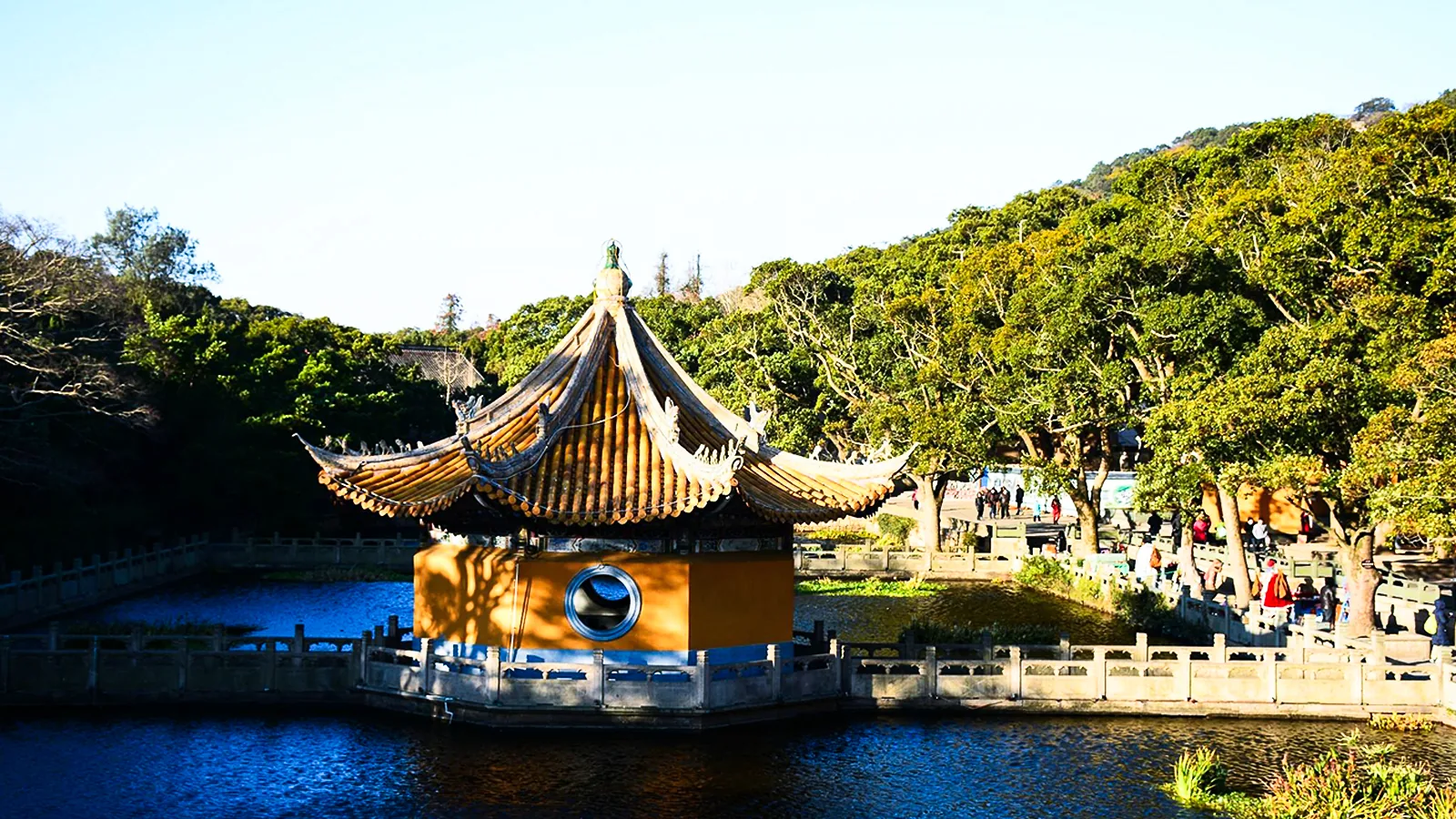 Full day · 8–10 hours
A hall first built in 916, a roof rebuilt with material from the Ming palace, and a summit reached by cable car
View details →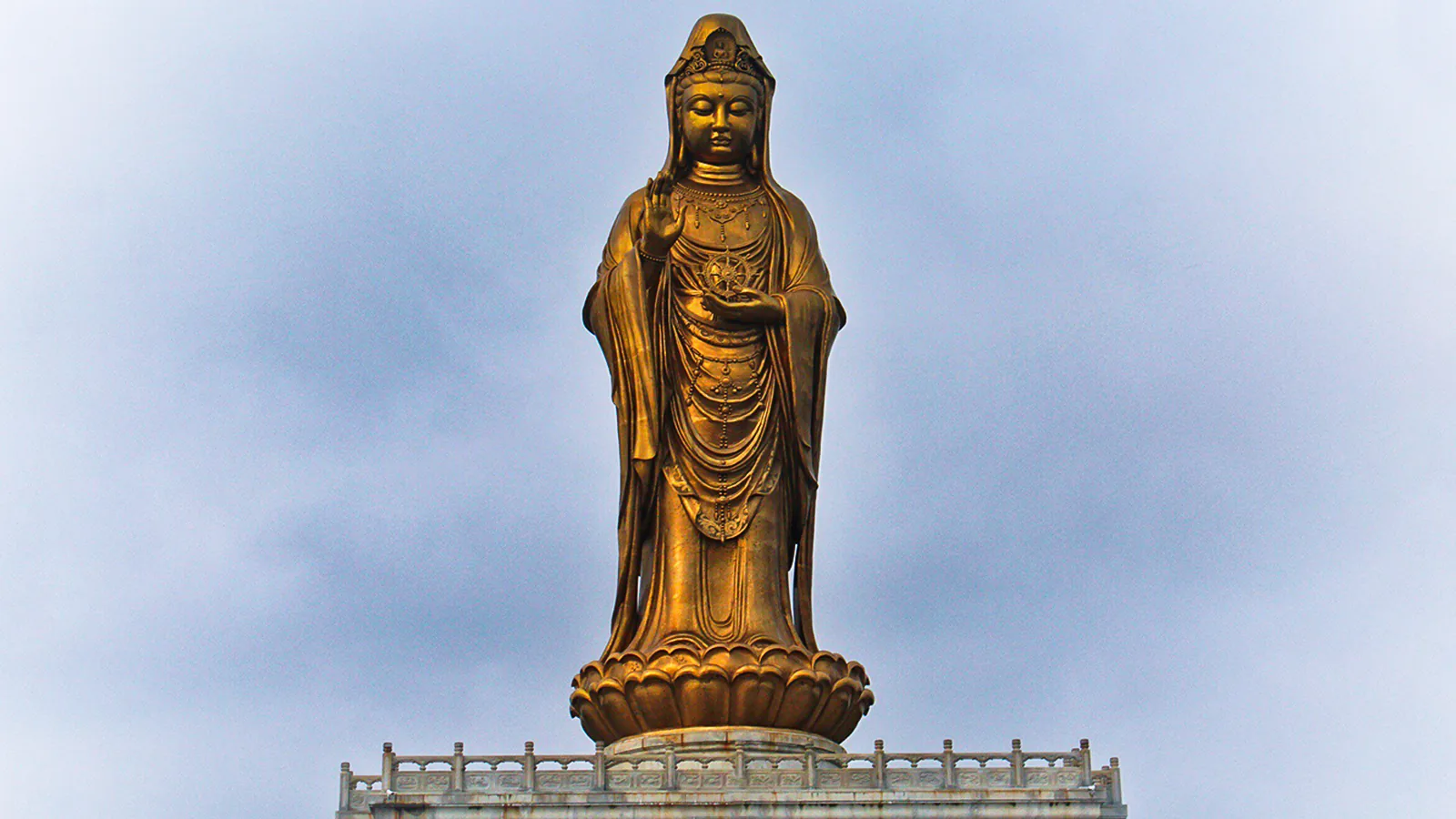 Full day · 8–10 hours
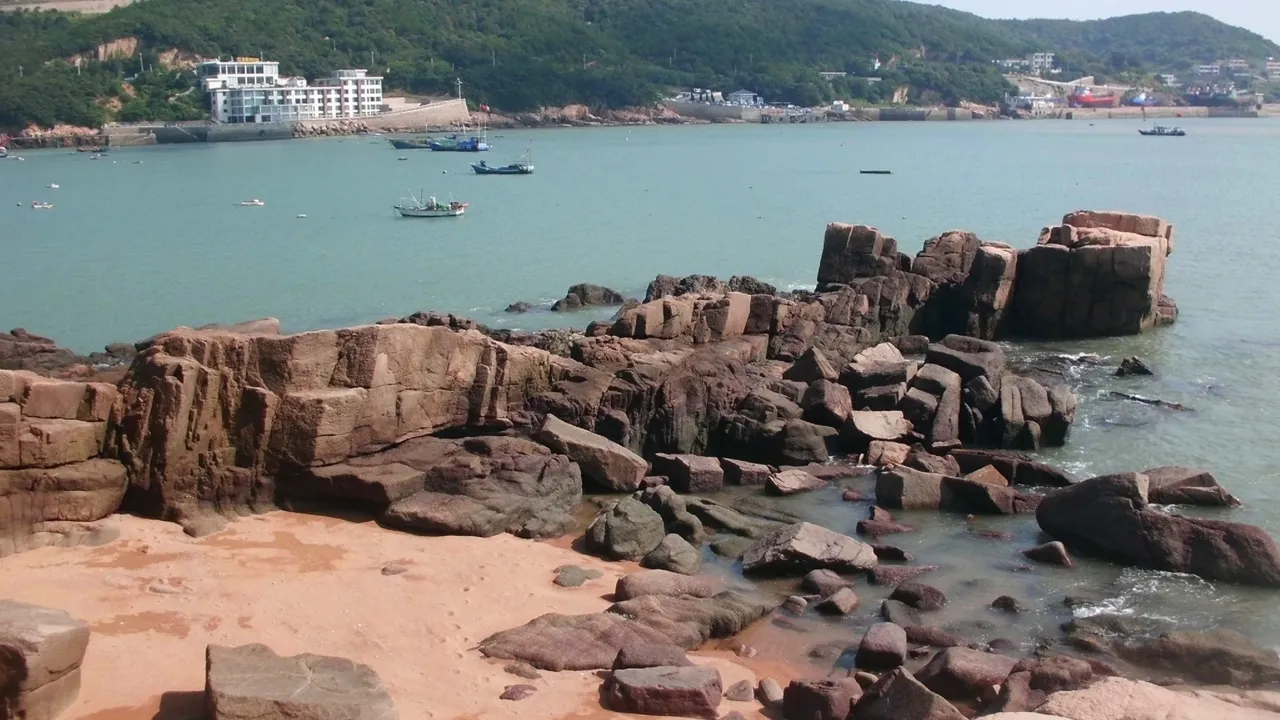
Sand on two sides of the island and a hillside of weathered granite, all of it walkable between boats
View details →2 days · 1 night · privateTwo days cover Mount Putuo's core sanctuaries: the Guanyin statue at t
View details →3 days · 2 nights · privateThree days read Mount Putuo in full: Puji, Fayu and Huiji temples link
View details →Woke up at 5am to catch the sunrise behind the 33m Guanyin statue and it was worth every minute of lost sleep. I went alone and never felt out of place — plenty of pilgrims just quietly doing their thing. The vegetarian lunch at the monastery dining hall cost almost nothing and the braised tofu was better than most restaurants back home.
We booked a private guide for the temple circuit — Puji, Fayu, Huiji — and having someone explain the rituals saved us from just wandering around clueless. The walk between Fayu and Huiji is mostly stairs, so wear proper shoes. Only gripe: the ferry over was packed and we stood the whole way, but that's island life I guess.
Private car & driver, day trips and multi-day routes from Mount Putuo. · Free consultation · reply within 12h