 TripMyChinaJOURNEYS THROUGH REAL CHINA✦ AI Trip✦ Plan My Trip
English
简体中文
繁體中文
日本語
한국어
ไทย
Tiếng Việt
Bahasa Indonesia
Italiano
Español
العربية
Русский
Deutsch
Français
Bahasa Malaysia
TripMyChinaJOURNEYS THROUGH REAL CHINA✦ AI Trip✦ Plan My TripTengchong · Attractions
The National Memorial Cemetery — Guoshang Muyuan — is Tengchong's most moving site and one of China's most significant Second World War memorials. Here lie thousands of soldiers of the Chinese Expeditionary Force who died in 1944 retaking Tengchong from Japanese occupation, the first county seat recovered during the war. Pine-shaded terraces hold row after row of small headstones, each engraved with a name, rank and hometown, while the museum beside the graves presents the Burma Road campaign in carefully curated detail. For any traveler interested in the war's China theater, this quiet hillside is essential, sobering viewing.
In May 1944 Chinese forces launched an offensive across the Salween River to push the Japanese army out of western Yunnan and reopen the Burma Road, the vital supply line to wartime China. Tengchong had been occupied since 1942, and its recapture that summer cost enormous casualties — the old walled town was reduced to rubble in street-by-street fighting. The cemetery was laid out immediately after victory, on a hillside overlooking the town, and its name Guoshang — roughly 'national mourning for the fallen' — comes from a classical phrase honoring soldiers who died for the country. Allied servicemen and local civilians who died in the campaign are also commemorated here.
The site pairs a dignified cemetery with a substantial museum, the Memorial Hall of the Western Yunnan War of Resistance, whose photographs, uniforms, weapons and personal letters document the campaign from occupation to liberation. Allow at least an hour and a half, and take your time on the terraced grave rows, where many of the fallen were barely out of their teens. The cemetery lies near the Dieshui River waterfall on the edge of town, easy to combine with central Tengchong sights such as the <a href="/attractions/beihai-wetland-tengchong/">Beihai Wetland</a> on a wider county loop. Visit with the quiet demeanor the site deserves.
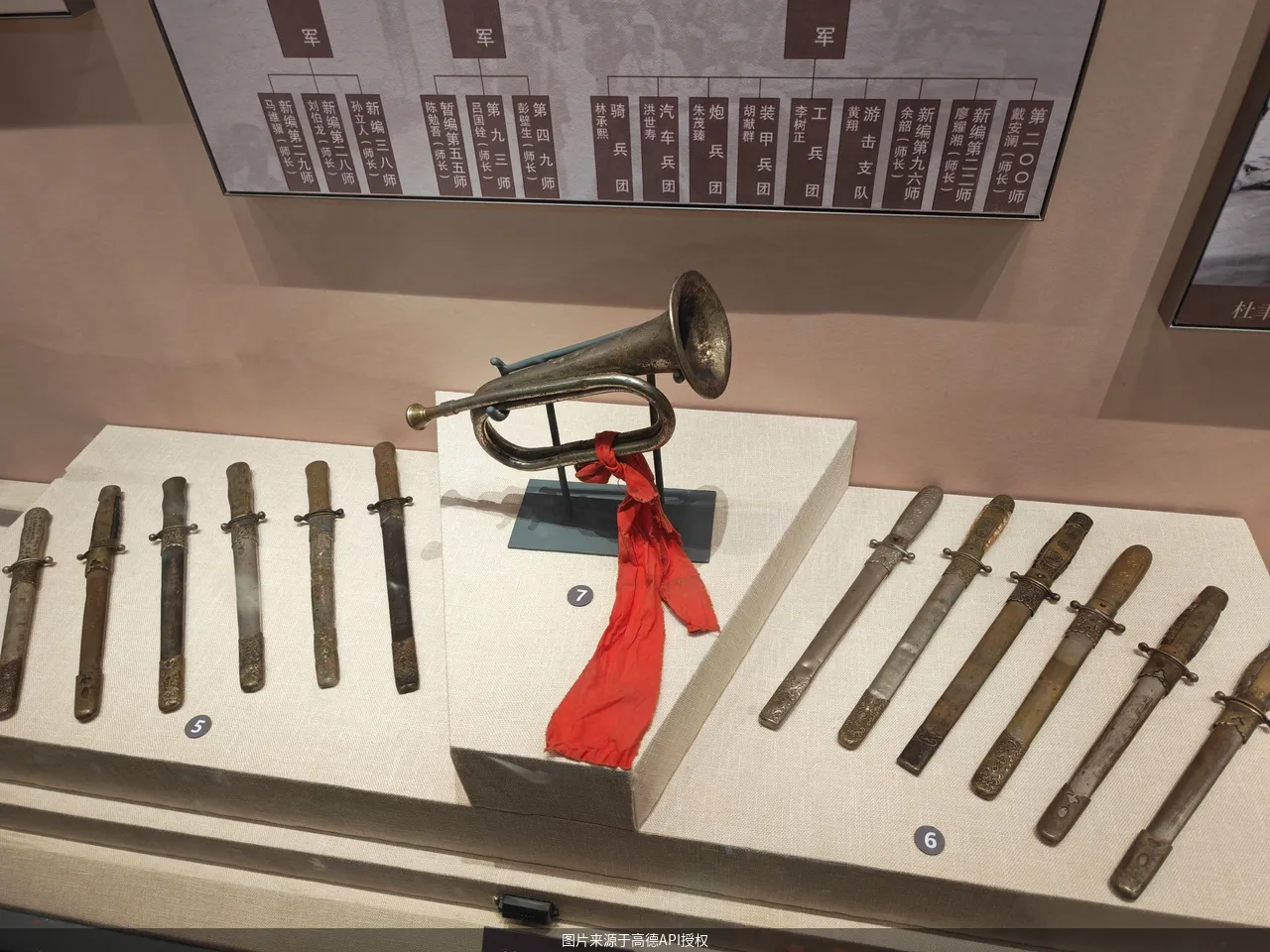
Admission has long been free of charge, in keeping with its role as a public memorial, though you are asked to register identification — foreign visitors should carry their passports. The site generally opens in the morning and closes in the late afternoon, with the museum keeping slightly shorter hours than the outdoor grounds, and it may close on certain maintenance days. Because policies on hours and registration can change, ask your hotel to confirm the current arrangements before you go. Photography is permitted in most outdoor areas but restricted inside parts of the museum; follow on-site signage and staff guidance.
The cemetery sits on the western edge of Tengchong town, close to the Dieshui River waterfall area, only about ten minutes by car from the city center and reachable by city bus or a short taxi ride. Most visitors simply take a DiDi or hotel-arranged car, then continue onward to other sights in the county afterward. Entry is through the museum complex, and the layout naturally leads you from the exhibition halls up the hillside to the grave terraces. Comfortable shoes help, as the paths climb gently, and the whole visit typically takes between one and a half and two hours.
Any season works, but the atmosphere is at its most fitting on a quiet weekday morning, when sunlight filters through the pines and the grave terraces are nearly empty. Autumn and winter bring Tengchong's clearest skies, while spring adds fresh green to the hillside. Allow time afterward to process the visit — many travelers follow the cemetery with the nearby waterfall or a calm walk through town. Avoid Chinese public-holiday crowds if you can, and note that ceremonies are sometimes held around war-anniversary dates, when parts of the site may be in use for commemorations.
The cemetery honors soldiers of the Chinese Expeditionary Force who died in 1944 retaking Tengchong during the western Yunnan campaign, along with Allied servicemen and civilians who perished in the fighting. Tengchong was the first county seat recovered from Japanese occupation during the war, which gives the site particular historical weight.
The exhibition focuses on Chinese-language interpretation, with some English captions on key panels. It is still very followable, but hiring a guide or reading up on the Burma Road campaign beforehand will greatly enrich the visit.
Plan for at least 90 minutes: roughly an hour in the museum and another 30 to 45 minutes on the grave terraces and monuments. Visitors with a deep interest in WWII history often stay two hours or more.
Yes. The cemetery sits near the Dieshui River waterfall on the edge of town, about ten minutes from the center, so it combines easily with a town-based day or with a loop out to the wetland and volcanoes on a following day.
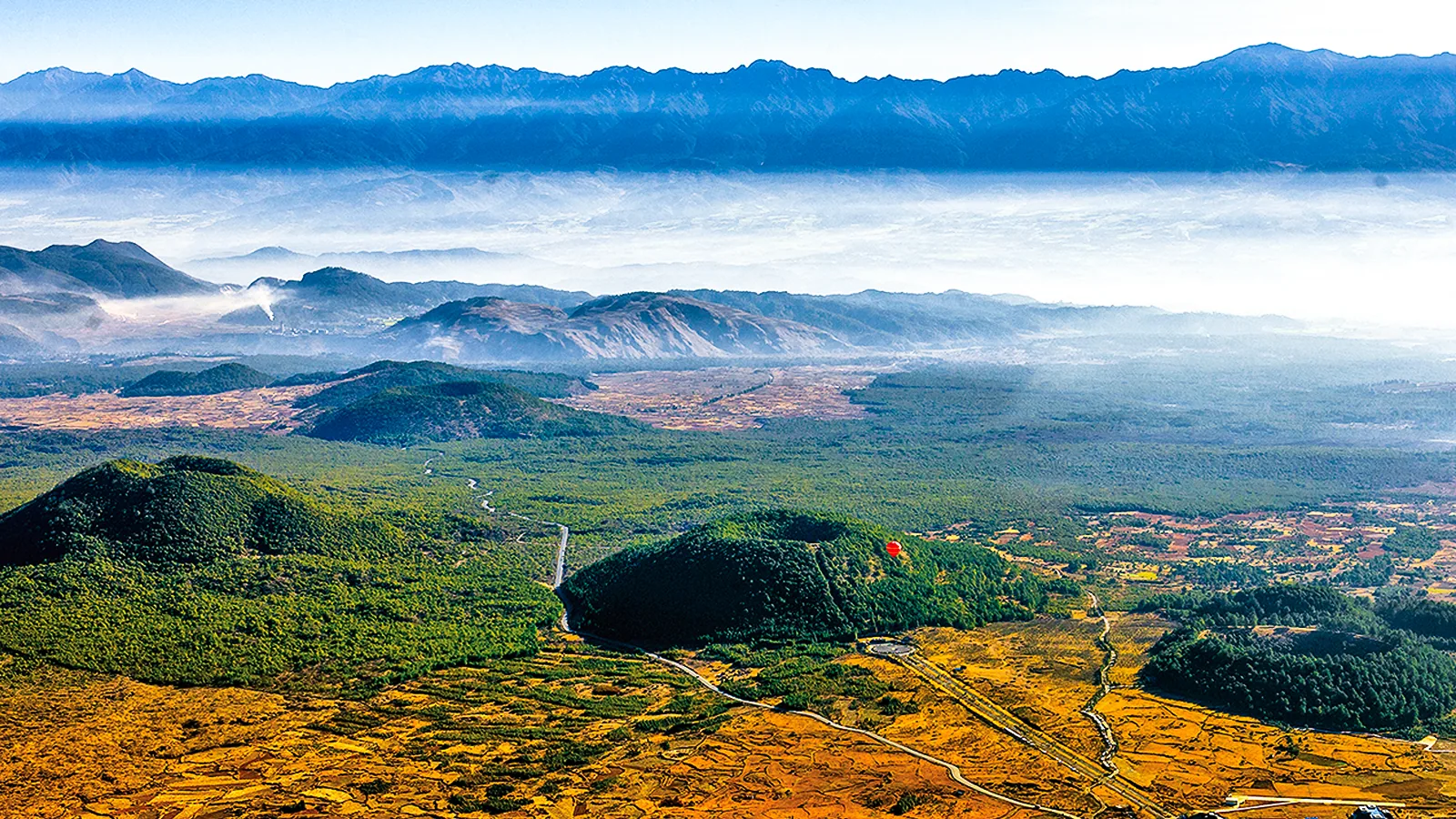 Full day · 8–10 hours
The big boiling pot sits close to the boiling point; the pools you soak in are fed from it and stay open late
View details →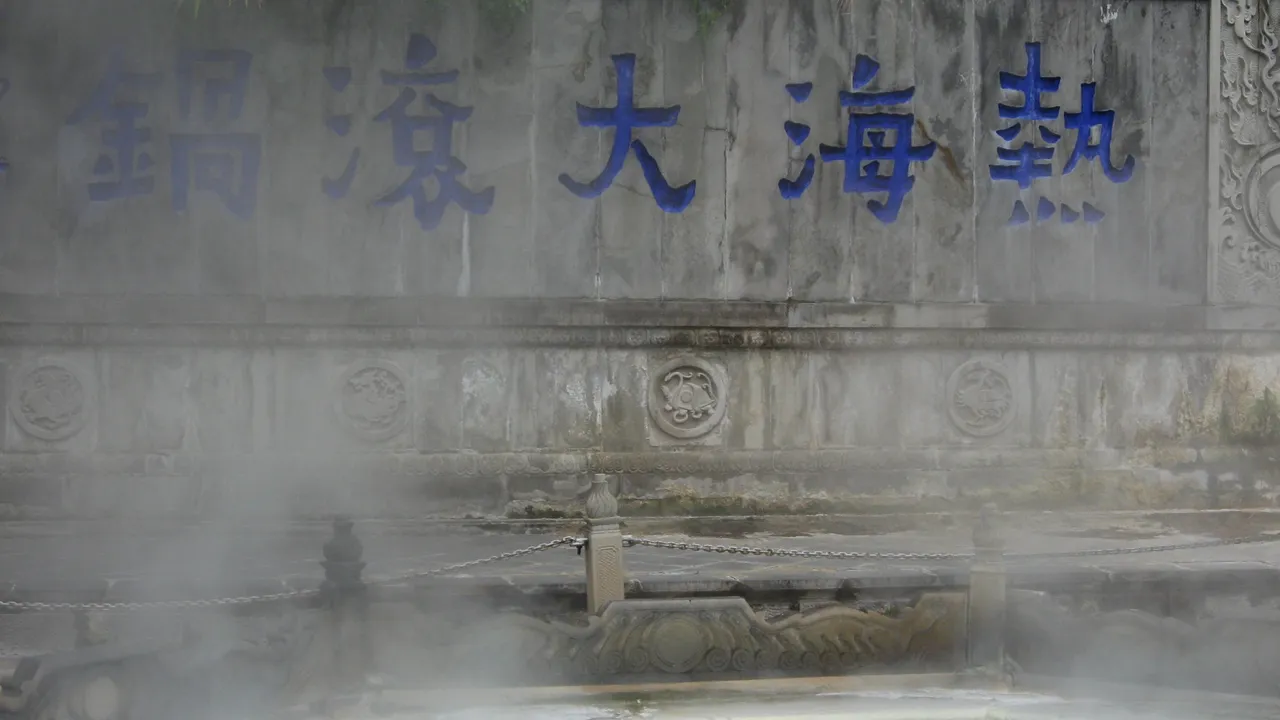 Full day · 8–10 hours
A plate of fried rice cake is said to have fed a fleeing emperor, and the name stuck for three hundred years
View details →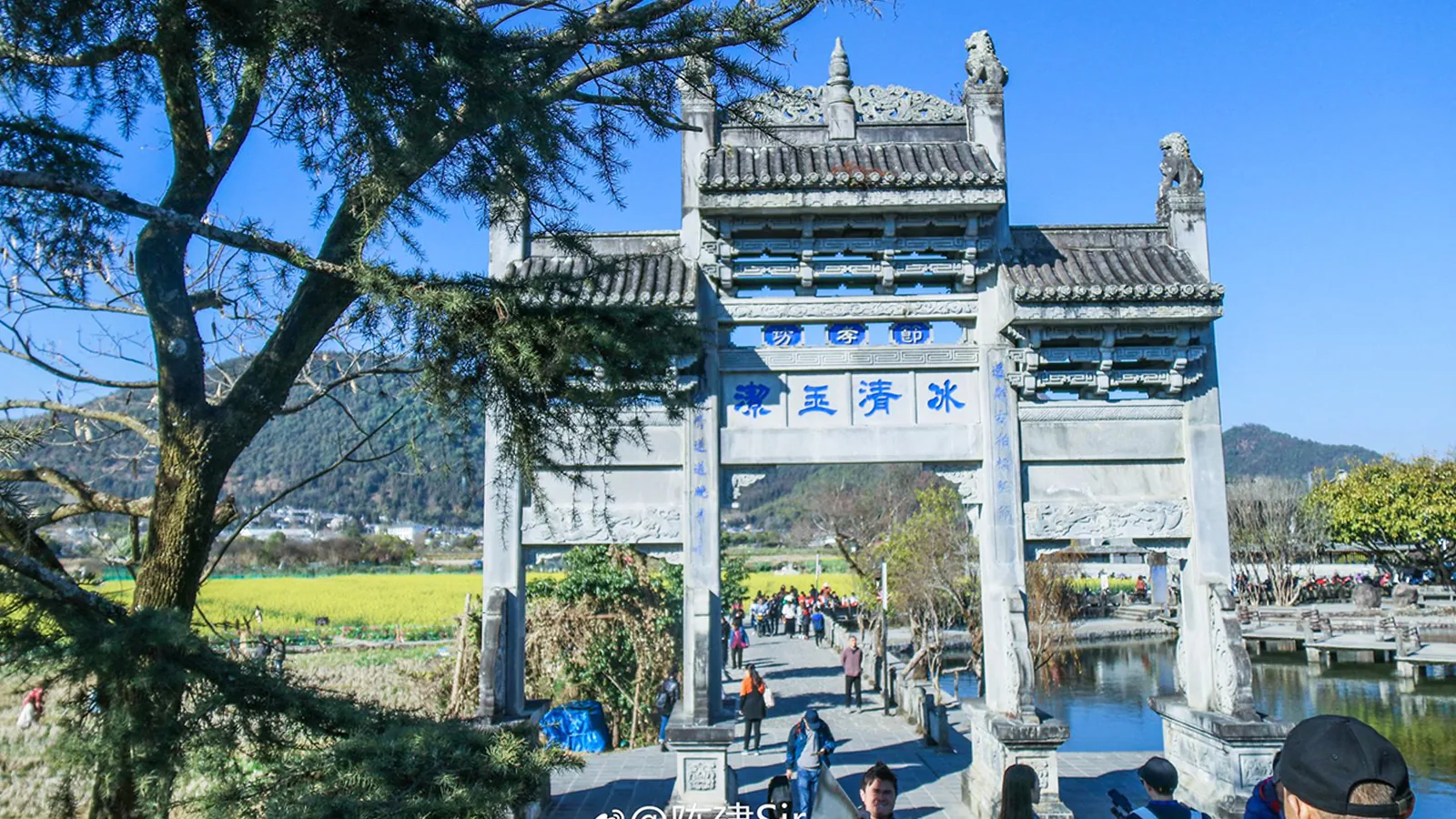 Full day · 8–10 hours
A village library founded in 1924 by overseas Chinese, and a hillside holding more than three thousand small headstones
View details →2 days · 1 night · privateShort on time? This two-day Tengchong express covers the essentials: t
View details →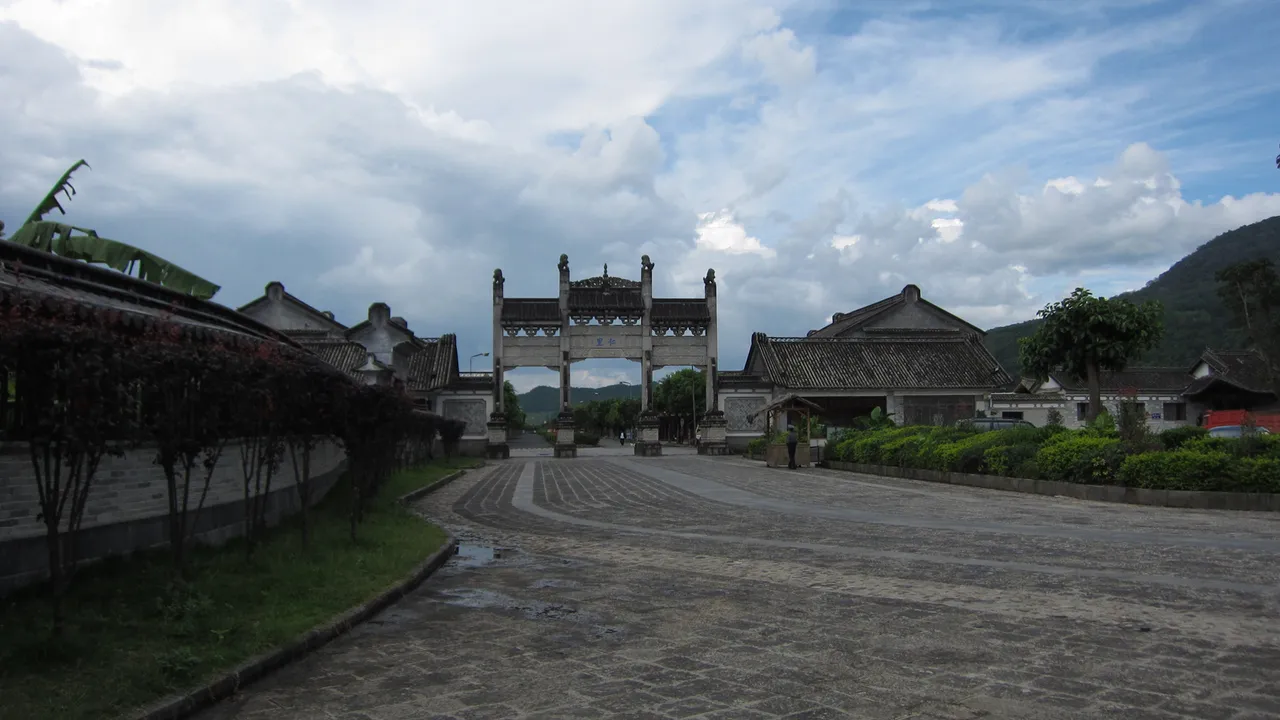 3 days · 2 nights · private
Three days cover Tengchong's classic trio: Heshun Old Town with its li
View details →We booked a private guide for two days in Tengchong and it was worth every yuan. The Rehai Scenic Area was the highlight for me — standing there watching steam roll off the rocks while the guide explained the geothermal stuff in solid English. He also took us through Heshun Ancient Town at a slow pace, no rushing, which I appreciated.
Took the kids to Tengchong for a long weekend. Heshun Ancient Town was easy to wander with a stroller, and the kids got a kick out of the steam vents at Rehai. Only gripe: some signs at Rehai had no English, so we were guessing a bit. Still a good family stop overall.
Private car & driver, day trips and multi-day routes from Tengchong. · Free consultation · reply within 12h