 TripMyChinaJOURNEYS THROUGH REAL CHINA✦ AI Trip✦ Plan My Trip
English
简体中文
繁體中文
日本語
한국어
ไทย
Tiếng Việt
Bahasa Indonesia
Italiano
Español
العربية
Русский
Deutsch
Français
Bahasa Malaysia
TripMyChinaJOURNEYS THROUGH REAL CHINA✦ AI Trip✦ Plan My TripWuxi · Attractions
Nianhua Bay is what happens when a Buddhist theme park grows into a village: a purpose-built Zen town of whitewashed walls, wooden lattice windows, lotus ponds and lantern-lit lanes on the shores of Lake Tai, a few minutes' drive from the Lingshan Grand Buddha. The name means 'picking up the flower and smiling' — the founding Zen parable — and the whole place is staged as a slow, aesthetic meditation on that idea. By day it is pleasant gardens and tea houses; after dark, when the lanterns come on and projections ripple across walls and water, it becomes one of the most atmospheric night strolls in the Yangtze delta.
Built from scratch in the 2010s as an extension of the Lingshan Buddhist cultural complex, Nianhua Bay is a masterclass in curated atmosphere: architecture that quotes Tang and Song wood-building traditions, gardens arranged around Zen riddles, staff in period-inspired robes, and scheduled rituals — incense ceremonies, tea tastings, evening chanting — that give the town a liturgy of its own. Skeptics call it a Buddhist-themed resort; fans call it the most beautiful new town in Jiangnan. Both are right, and the experience is best taken at the village's own unhurried pace.
The practical magic is the night: stay until the lamps light up and the free light-and-music projections begin, then wander the lanes past tea houses, incense shops and craft studios. An overnight in one of the inns is the classic move — you get the village at its quietest after the day crowds leave. Nianhua Bay sits right beside the <a href="/attractions/lingshan-grand-buddha/">Lingshan Grand Buddha</a> complex, so the standard plan pairs the daytime Buddha and Brahma Palace with the village's evening lights, returning to Wuxi city or staying over.
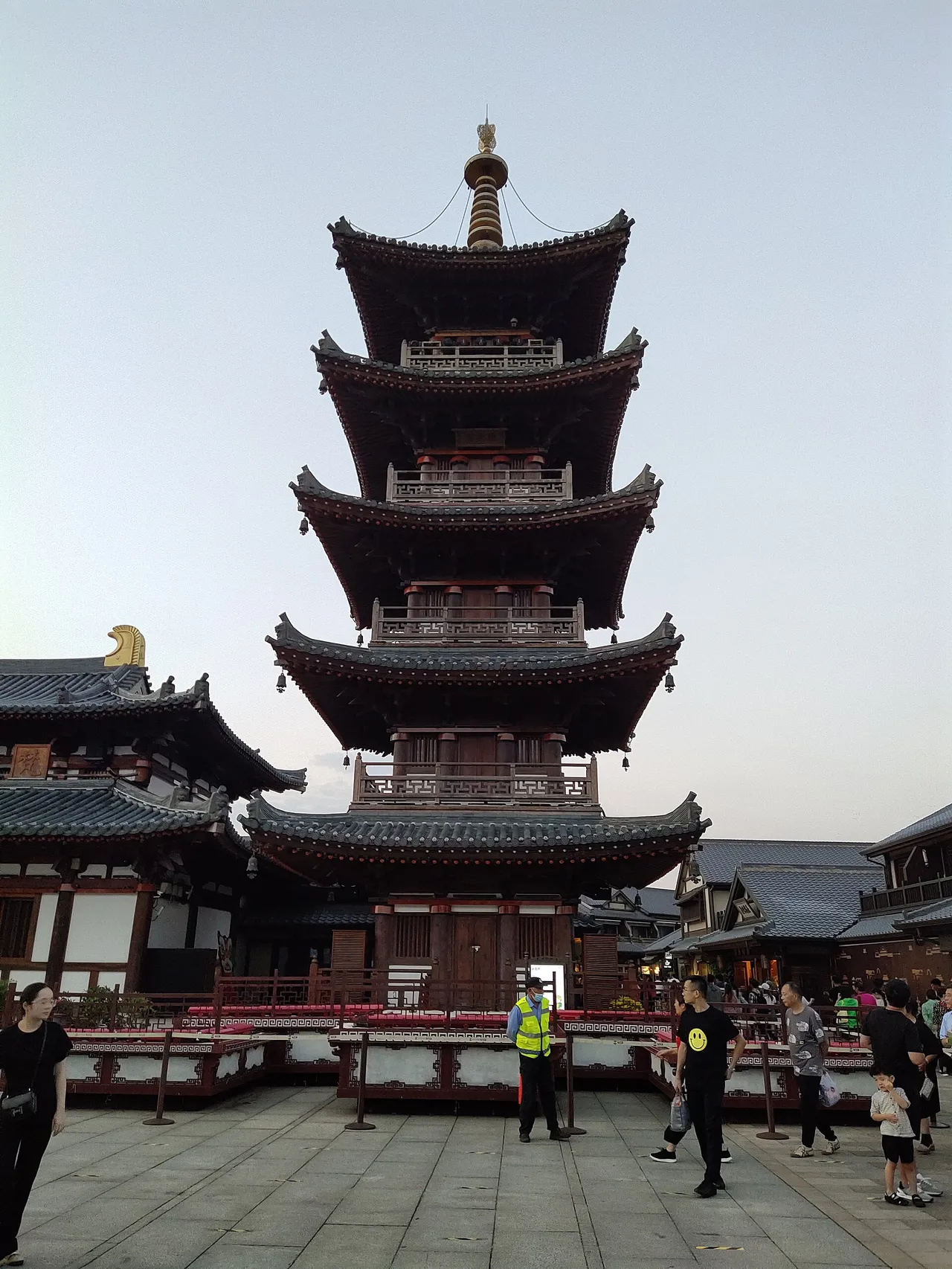
Day entry from 50 yuan online (standard 140)
Nianhua Bay adjoins the Lingshan scenic area on the Mashan peninsula, about 25 to 30 kilometres southwest of central Wuxi. From Wuxi railway station or the old town, a taxi or ride-hailing trip takes around 50 minutes; buses run toward Mashan but involve transfers, so most visitors arrive by car. If combining with the Grand Buddha, the two complexes are minutes apart by shuttle or taxi. Day-trippers from Shanghai or Suzhou should take the high-speed train to Wuxi and continue by taxi; return transport in the evening is plentiful given the village's popularity, but pre-booking a car for the ride home removes all uncertainty.
The village is designed for two golden windows: late afternoon into night, and early morning. Arrive around four or five, walk the lanes in soft light, stay for the lantern hour and the projections, and you experience Nianhua Bay as intended. Spring and autumn are the most comfortable seasons for lingering outdoors; summer evenings are lively and warm, and winter nights are cold but atmospheric with steam rising from tea houses. Weekends and Chinese holidays pack the lanes hard — if a quiet night is the goal, choose a weekday and consider staying overnight to enjoy the village after the coaches leave.
It is a purpose-built Zen-themed cultural village beside the Lingshan Grand Buddha on Lake Tai, created in the 2010s as an extension of the Buddhist cultural complex. Its name refers to the founding Zen parable of the flower sermon, and the whole town stages that idea through architecture, gardens and scheduled rituals.
Night, decisively. The lantern-lit lanes and evening light projections are the village's signature experience, and the crowds thin after dark. Many visitors pair the daytime Lingshan Buddha visit with the village's evening hours.
In many seasons entry becomes free in the evening once the town shifts into night-street mode, but the cutoff time and rules change with the season and events. Confirm the day's arrangement at the gate or through your hotel before planning around it.
Yes, and that is the standard pairing: the two complexes sit minutes apart on the Mashan peninsula. Do the Buddha, fountain show and Brahma Palace in the day, then move to Nianhua Bay for lantern hour and dinner.
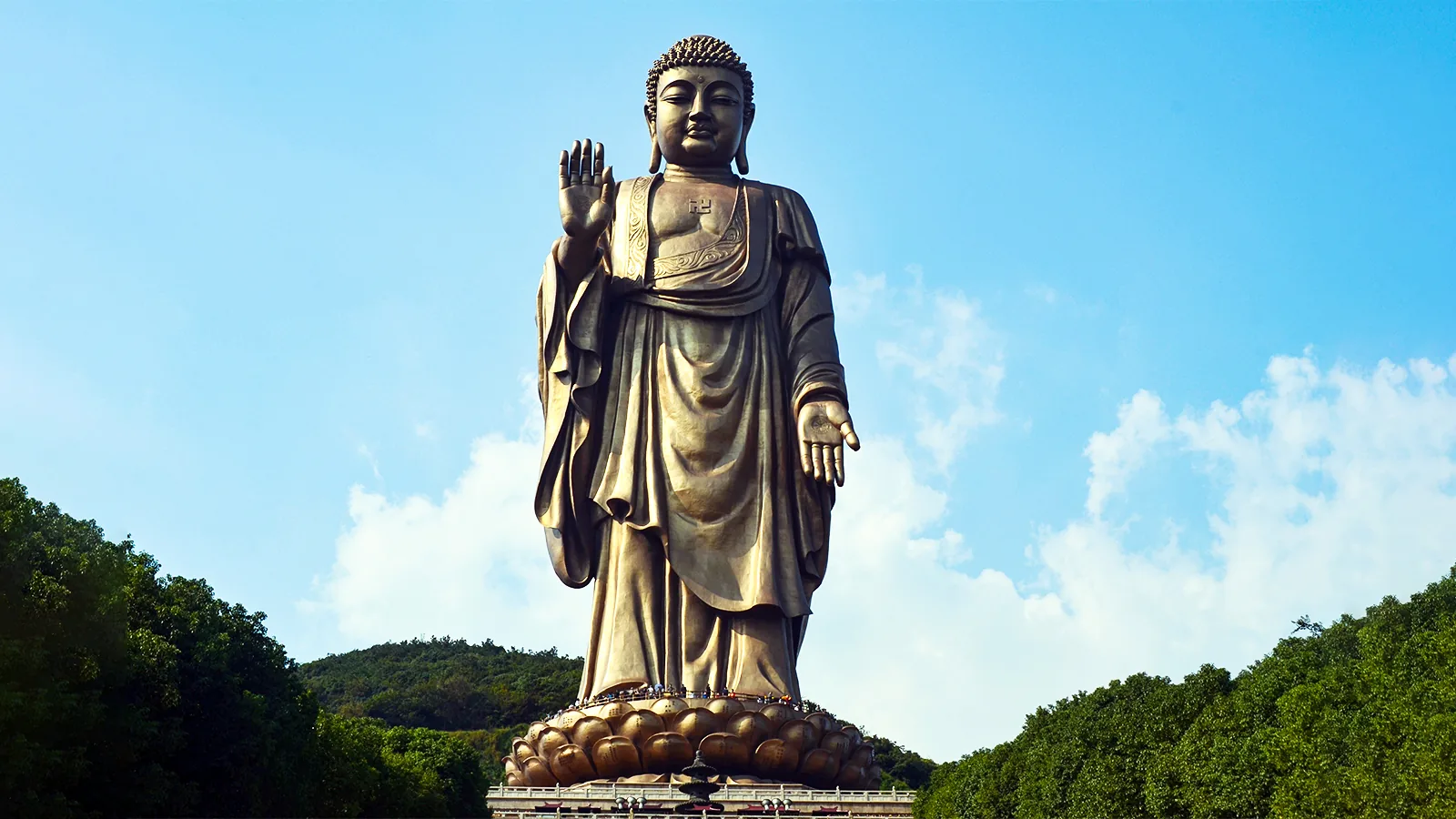 Full day · 8–10 hours
Real horses and stage weapons in the morning, then a slow afternoon by the water
View details →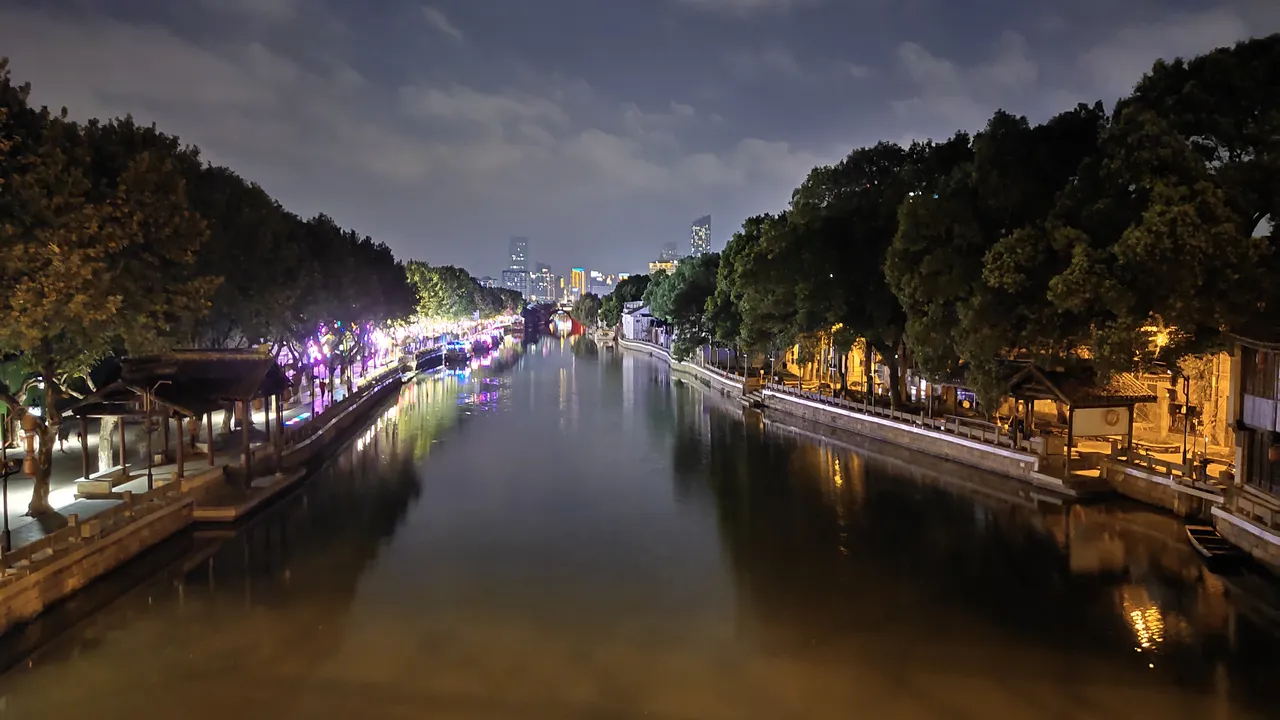 Full day · 8–10 hours
From a Ming garden to the edge of Taihu, three different kinds of light in one day
View details →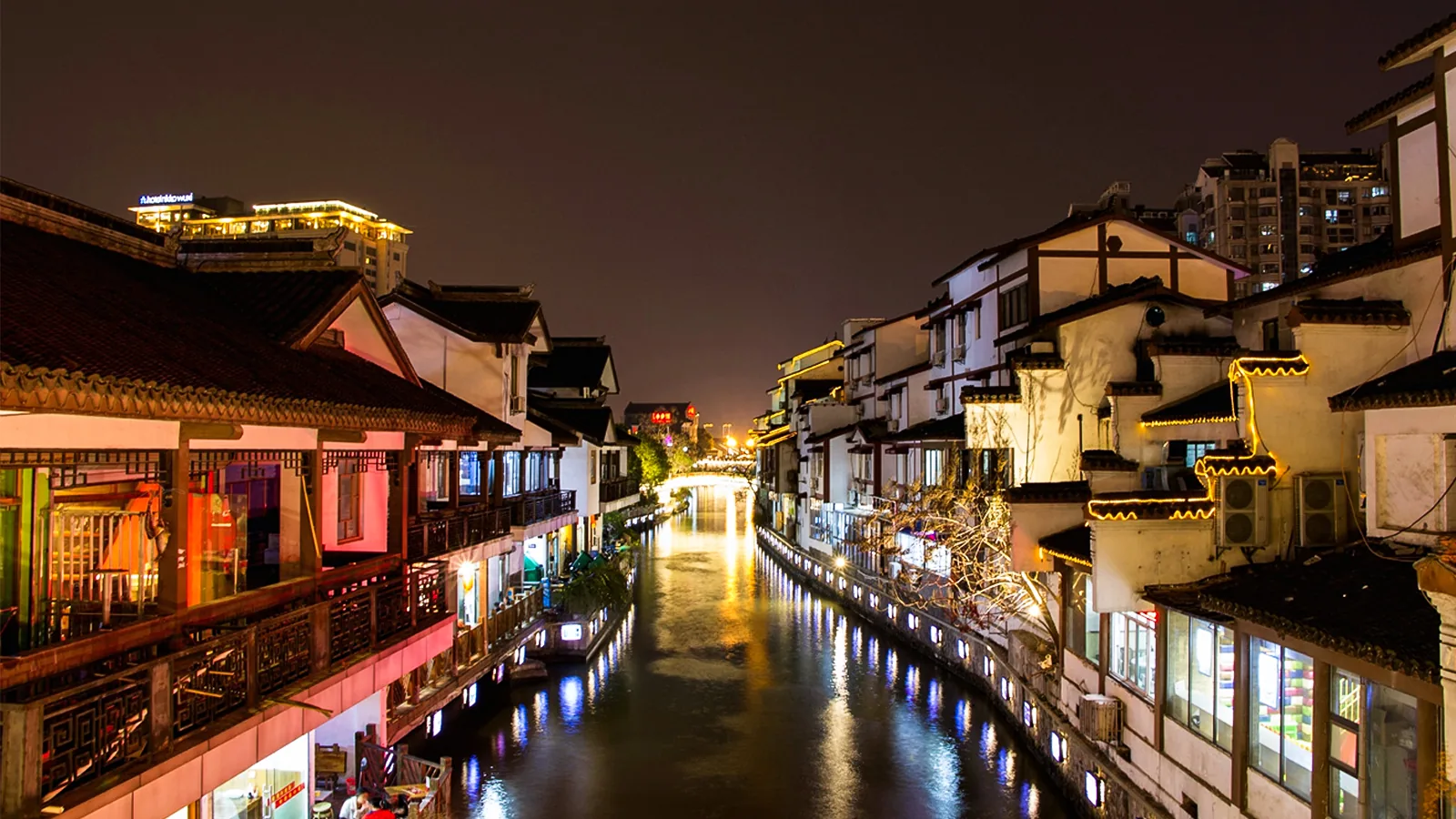 Full day · 8–10 hours
A waterway that has run since the Sui, and turns back into the past when the lanterns come on
View details →2 days · 1 night · privateThis two-day express route covers Wuxi's essentials: Yuantouzhu penins
View details →3 days · 2 nights · privateThree days cover the classic Wuxi set: Yuantouzhu and Taihu Lake, the
View details →We booked a private guide for two days in Wuxi and it was worth every yuan. She took us through the Huishan lanes in the morning, and I liked that nobody rushed us — an old man was drying chili peppers outside his door and we just stood there chatting. The guide knew which snack stalls were actually good, which saved us a lot of guessing.
Took the kids to Yuantouzhu and they ran themselves out on the lakeside paths, which is all a parent can ask for. The flower displays were in full swing when we went, though the crowds near the main viewing point got a bit much and we had to wait ages for a toilet. Still, a solid half-day out with children.
Private car & driver, day trips and multi-day routes from Wuxi. · Free consultation · reply within 12h