 TripMyChinaJOURNEYS THROUGH REAL CHINA✦ AI Trip✦ Plan My Trip
English
简体中文
繁體中文
日本語
한국어
ไทย
Tiếng Việt
Bahasa Indonesia
Italiano
Español
العربية
Русский
Deutsch
Français
Bahasa Malaysia
TripMyChinaJOURNEYS THROUGH REAL CHINA✦ AI Trip✦ Plan My TripShaoxing · Attractions
On a spring day in 353 AD, the calligrapher Wang Xizhi gathered with more than forty scholar friends beside a winding stream at Lanting, the Orchid Pavilion, in the hills southwest of Shaoxing. They floated wine cups down the water and composed poems as each cup drifted past — and the preface Wang Xizhi wrote that afternoon, the Lanting Xu, is still celebrated as the greatest masterpiece of Chinese running script. Today the Orchid Pavilion Scenic Area recreates that celebrated gathering among bamboo groves, ponds and pine woods. Its quiet courtyards, the goose pond stele and the winding stream where the game is reenacted make this the essential pilgrimage for calligraphy lovers.
Lanting stands about ten kilometers southwest of downtown Shaoxing, at the foot of Lanzhu Mountain. In the spring of 353 AD, during a traditional purification gathering, Wang Xizhi hosted forty-one literati friends for a day of drinking and poetry by a winding stream. Cups of wine floated downstream, and whenever one stopped beside a guest, that guest had to finish the wine and compose a poem. From the resulting collection Wang Xizhi wrote a short preface in a burst of inspiration — the famous Lanting Xu — which emperors and calligraphers copied for over a thousand years. The original has been lost, but its prestige as the finest running script under heaven has never faded.
The present scenic area grew from later reconstructions and includes several distinct corners: the Goose Pond, whose stele is traditionally attributed to both Wang Xizhi and his son Wang Xianzhi; the pavilion raised over the winding stream, where visitors can still reenact the cup-floating game; and an imperial stele pavilion sheltering a tall stone bearing copies of the Lanting Xu. A small exhibition hall displays rubbings and tells the story of the gathering. With bamboo everywhere, tea houses on the water and calligraphy activities for visitors, Lanting makes an unhurried half-day trip that pairs well with the <a href="/attractions/dayu-ling/">Mausoleum of Yu the Great</a> on a full-day loop out of town.
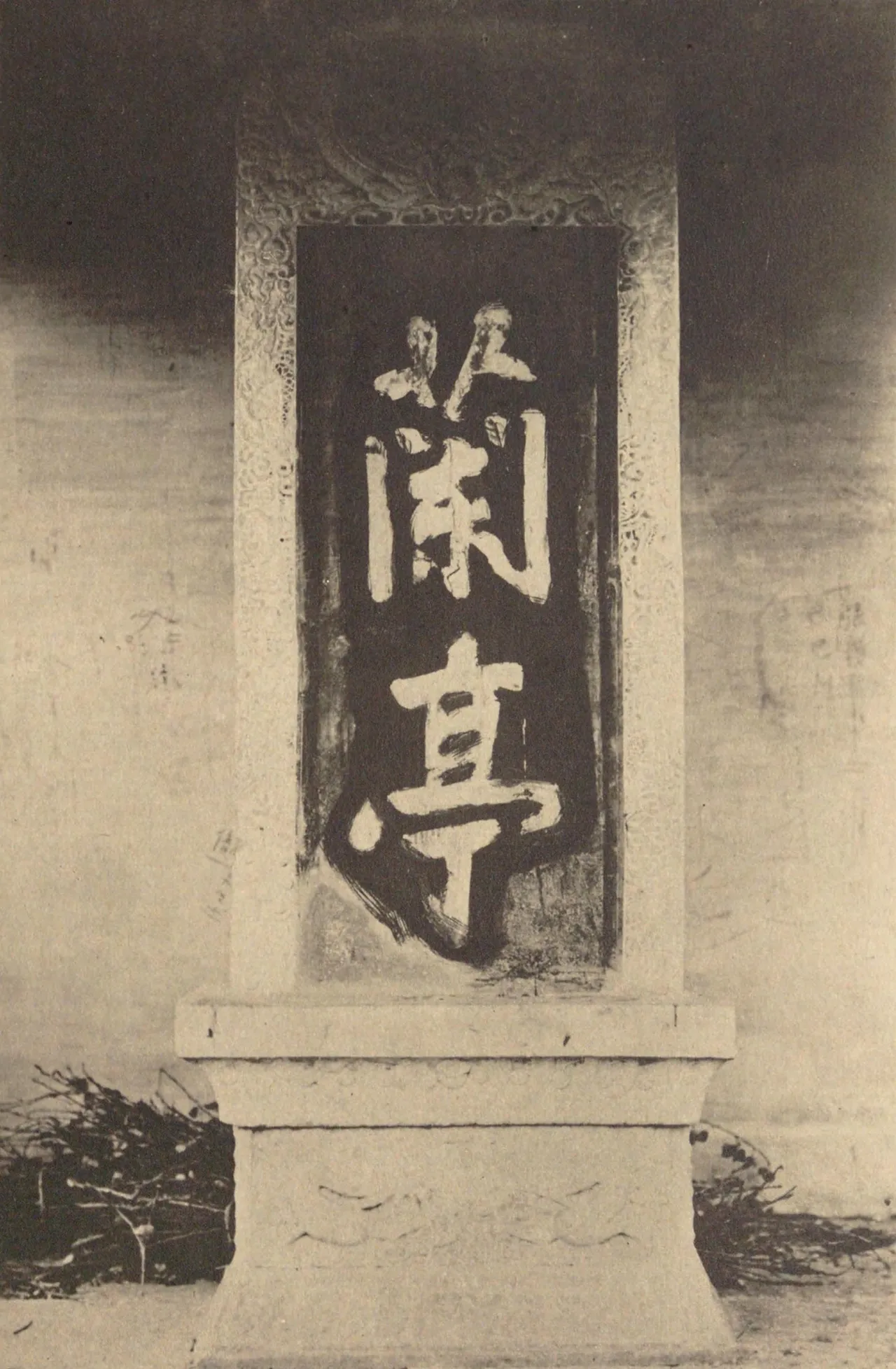
Entry is by a single ticket at the main gate, with a modest fee historically in the tens of yuan; prices and hours can change, so check current notices or let your guide confirm on the day. The site is generally open through the daytime, with the last entry well before closing. Calligraphy activity sessions and the cup-floating reenactment may carry small extra charges or run at set times. Allow two to three hours, more if you plan to write, sip tea and wander the ponds. Weekdays are peaceful; on days linked to calligraphy festivals the grounds fill with student groups.
Lanting lies roughly ten kilometers southwest of central Shaoxing, so most visitors come by taxi or ride-hailing car, about thirty minutes from downtown. City buses run toward Lanting but are slow and infrequent; for foreign visitors, a taxi from the Lu Xun Native Place or the railway station is the simplest option. Many travelers combine Lanting with the Mausoleum of Yu the Great or other suburban sights in one loop, and hiring a car for the half day makes this easy. If you arrive by high-speed rail at Shaoxing North, allow extra time for the cross-town trip. A guide can arrange a driver who waits while you explore, which is the most comfortable way to cover the outlying sights.
The classic time to visit is late spring, echoing the original gathering of April 353 AD, when new bamboo and mild temperatures make the groves glow. Autumn is similarly pleasant, with golden ginkgo leaves around the ponds. Go in the morning on a weekday to have the stream mostly to yourself. Rainy days add a misty, painterly atmosphere to the bamboo, so bring a light rain layer. Winter is quiet and gray though rarely severe, and the site stays open year-round.
It is famous as the place where calligrapher Wang Xizhi wrote the Lanting Xu, the Preface to the Poems Collected from the Orchid Pavilion, in 353 AD. That manuscript is revered as the finest example of Chinese running script ever written.
No. The original has long been lost, and its whereabouts remain one of China's great historical mysteries. The pavilion's steles carry later carvings and copies, and the exhibition hall uses rubbings and replicas to tell the story.
The easiest way is a taxi or ride-hailing car from central Shaoxing, about thirty minutes each way. Public buses exist but are slow and infrequent, so a half-day chartered car is the most practical choice for foreign visitors.
Yes. The scenic area stages reenactments of the winding-stream gathering at set times, and visitors can sometimes join for a small fee. Ask staff at the entrance about the schedule for the day.
 Full day · 8–10 hours
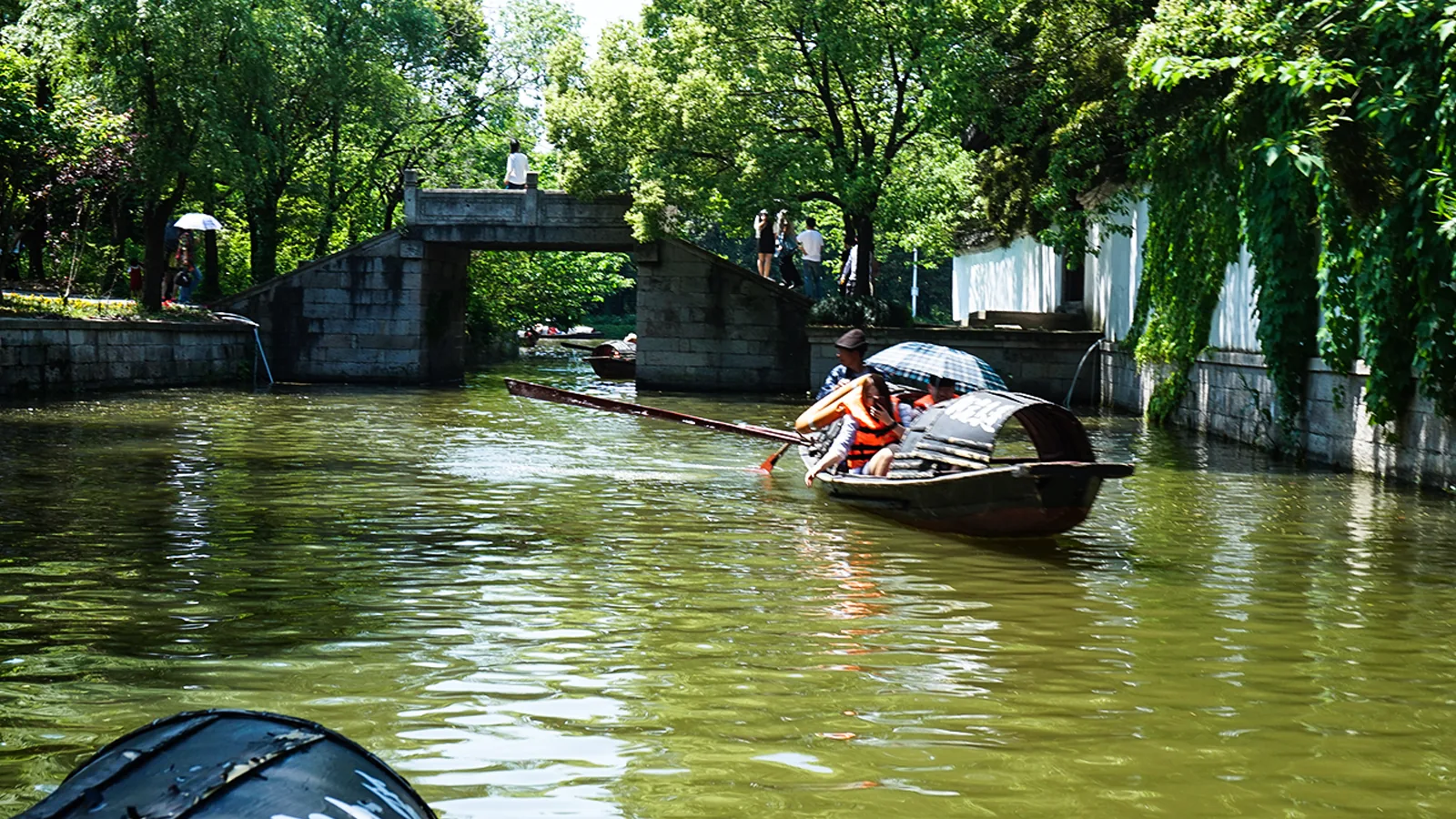
The landscape here is small enough to fit in a lens: one cliff lake, one winding stream, one old street
View details →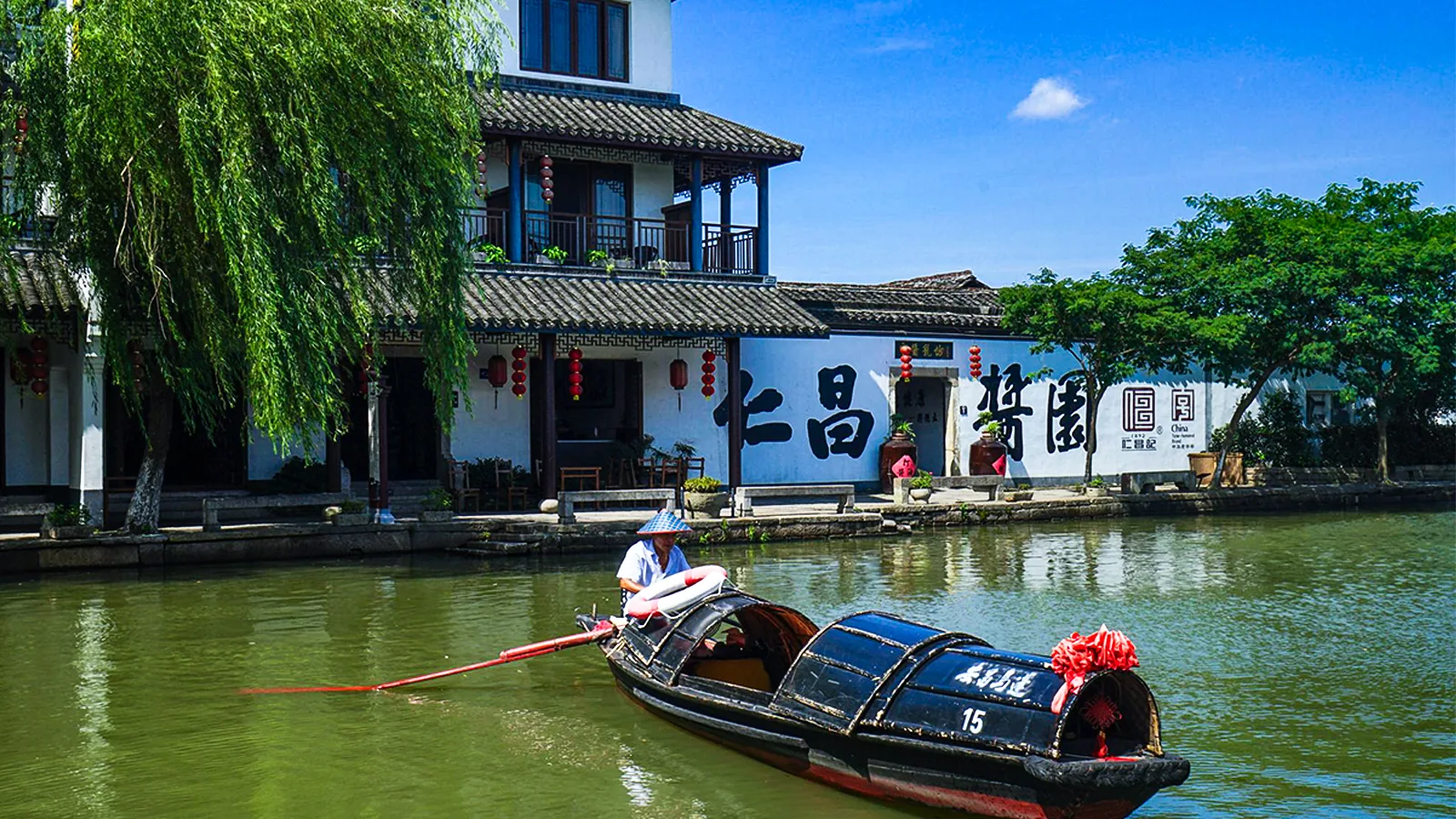 Full day · 8–10 hours
Two performances after dark: one against a garden wall, one along the water
View details →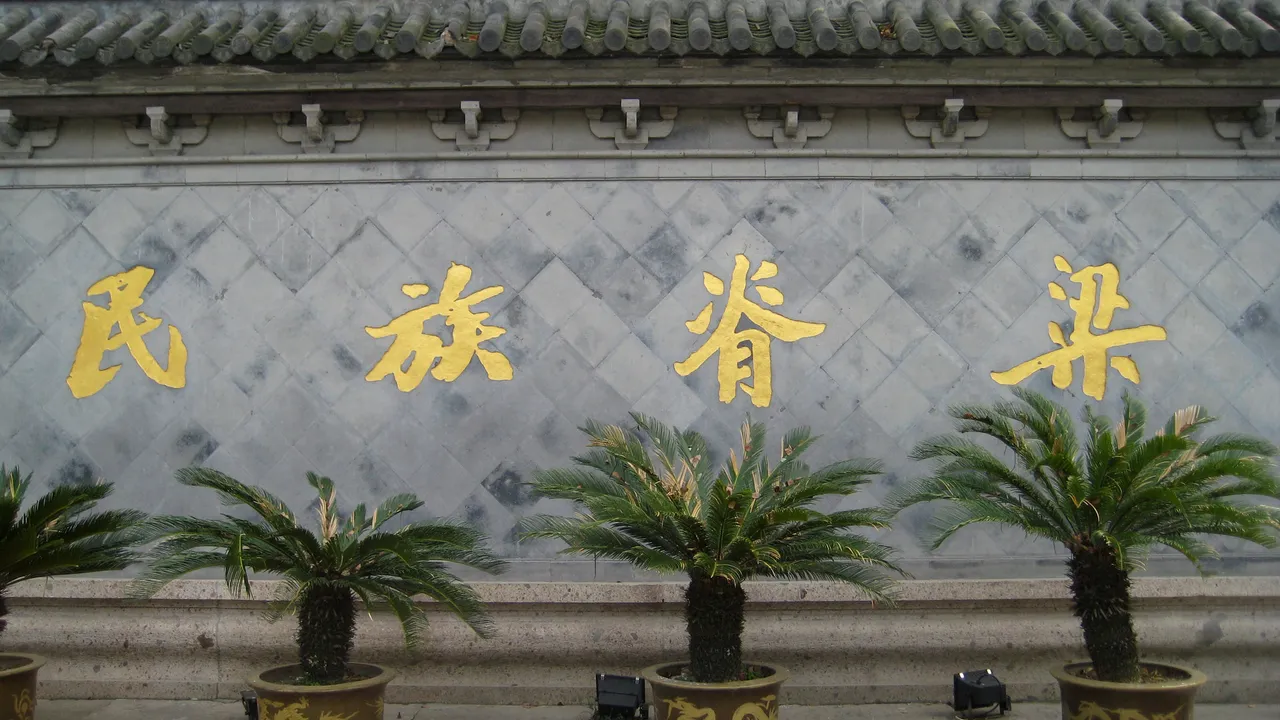 Full day · 8–10 hours
A city that turned fermentation into a daily habit: wine, soy, mould, lees, all of it in the lanes
View details → 2 days · 1 night · private
This two-day express route covers Shaoxing's essentials: the Lu Xun na
View details → 3 days · 2 nights · private
Three days cover the classic Shaoxing set: the Lu Xun quarter and Cang
View details →We booked a private guide for two days in Shaoxing and it was money well spent. He walked us down Cangqiao Straight Street and explained what all the little canal-side shops were selling, which we never would have figured out on our own. The pace was relaxed and he never rushed us.
Took the kids to Jinghu Wetland Park one morning and they loved spotting birds along the boardwalks. Bring snacks and water though, the food options inside were pretty limited and we got a bit stuck. Still a nice easy half day out with children.
Private car & driver, day trips and multi-day routes from Shaoxing. · Free consultation · reply within 12h