 TripMyChinaJOURNEYS THROUGH REAL CHINA✦ AI Trip✦ Plan My Trip
English
简体中文
繁體中文
日本語
한국어
ไทย
Tiếng Việt
Bahasa Indonesia
Italiano
Español
العربية
Русский
Deutsch
Français
Bahasa Malaysia
TripMyChinaJOURNEYS THROUGH REAL CHINA✦ AI Trip✦ Plan My TripXining · Attractions
Qinghai Provincial Museum is the best single introduction to a province most travelers cross too quickly. Its halls move from Neolithic painted pottery — some of the oldest in China, made along the upper Yellow River — through Silk Road artifacts, Tibetan Buddhist art and the everyday cultures of Qinghai's many ethnic communities. The building sits in a modern district of downtown Xining, is comfortable to navigate, and admits visitors free of charge. Whether you have two hours before a train to Qinghai Lake or a rainy afternoon to fill, this is where the plateau's story comes into focus.
The museum's collection leans on geography. Qinghai sits where the farming heartland of ancient China met the Tibetan plateau and the Central Asian trade routes, and the galleries reflect every layer of that exchange: painted pottery of the Majiayao culture made more than four thousand years ago, bronzes and silk from the Silk Road era, sculptures, thangka paintings and ritual objects from the region's monasteries, and displays on the Tibetan, Hui, Tu, Salar and Mongol communities who share the province today.
For visitors, the practical appeal is scale and access: the museum is large enough to fill a morning but small enough that the highlights can be seen in under two hours. Labels are primarily in Chinese with English on many major exhibits, and the free entry (bring your passport for ticketing) makes it an easy repeat visit. It also serves as excellent preparation for a plateau itinerary — seeing the artifacts first makes the monasteries, mosques and landscapes around Xining far more legible once you reach them.
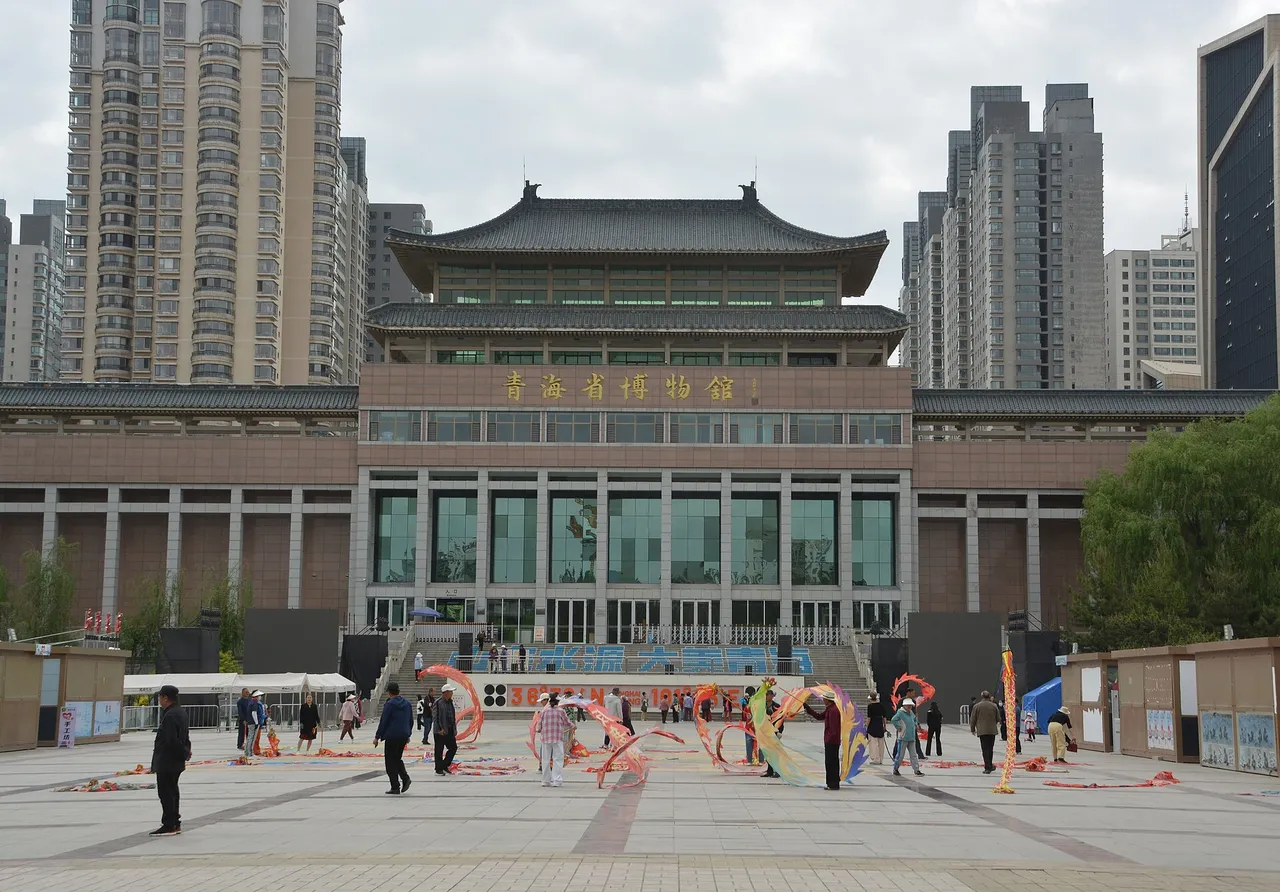
Entry to the museum is free, but visitors register with a passport or other ID at the ticket window to receive an entry pass, and daily quotas can apply during holidays — arrive earlier in the day at busy times. Opening hours generally run from mid-morning to late afternoon, with the museum typically closed on Mondays (confirm locally, as schedules shift around public holidays). Special exhibitions occasionally carry a separate charge. Photography rules vary by gallery; flash and tripods are usually restricted, and staff will indicate where pictures are not allowed. Bag storage is available at the entrance.
The museum stands in the west of downtown Xining, near New Ning Square, an area served by many city bus lines; a taxi or ride-hail from the railway station takes around 20 minutes depending on traffic. Xining's urban core is compact, so combining the museum with other downtown sights in one outing is simple. Most travelers fit it in either on arrival day, before heading west toward Qinghai Lake, or on a buffer day around trips to Ta'er Monastery and the outlying mountains. Signs around the entrance are bilingual at the main gate; inside, allow about 90 minutes for the main galleries and more if you read Chinese comfortably.
The museum is a year-round, weather-proof attraction, which matters in Xining: winters are cold, summers can bring afternoon showers, and the galleries suit both. Weekday mornings are quietest; weekends and national holidays fill with school groups. A good pattern for inbound travelers is to visit the museum early in a Xining stay, then move on to Ta'er Monastery, Qinghai Lake or the Helan-adjacent landscapes with the historical context fresh. Allow about two hours, or a full morning if you combine it with a stroll around New Ning Square and lunch nearby.
Yes, general admission is free with passport registration at the ticket window. Special temporary exhibitions may charge separately, and quotas can apply on busy holiday days.
About 90 minutes to two hours covers the main galleries at a comfortable pace. Visitors who read the Chinese labels in detail often stay half a morning.
Many major exhibits and section introductions carry English text, though coverage is uneven in smaller side halls. Allow extra time for the galleries where labels are Chinese-only.
Yes — the museum needs about two hours, and Ta'er Monastery sits roughly an hour southwest of downtown Xining. Start early and you can comfortably manage both.
 Full day · 8–10 hours
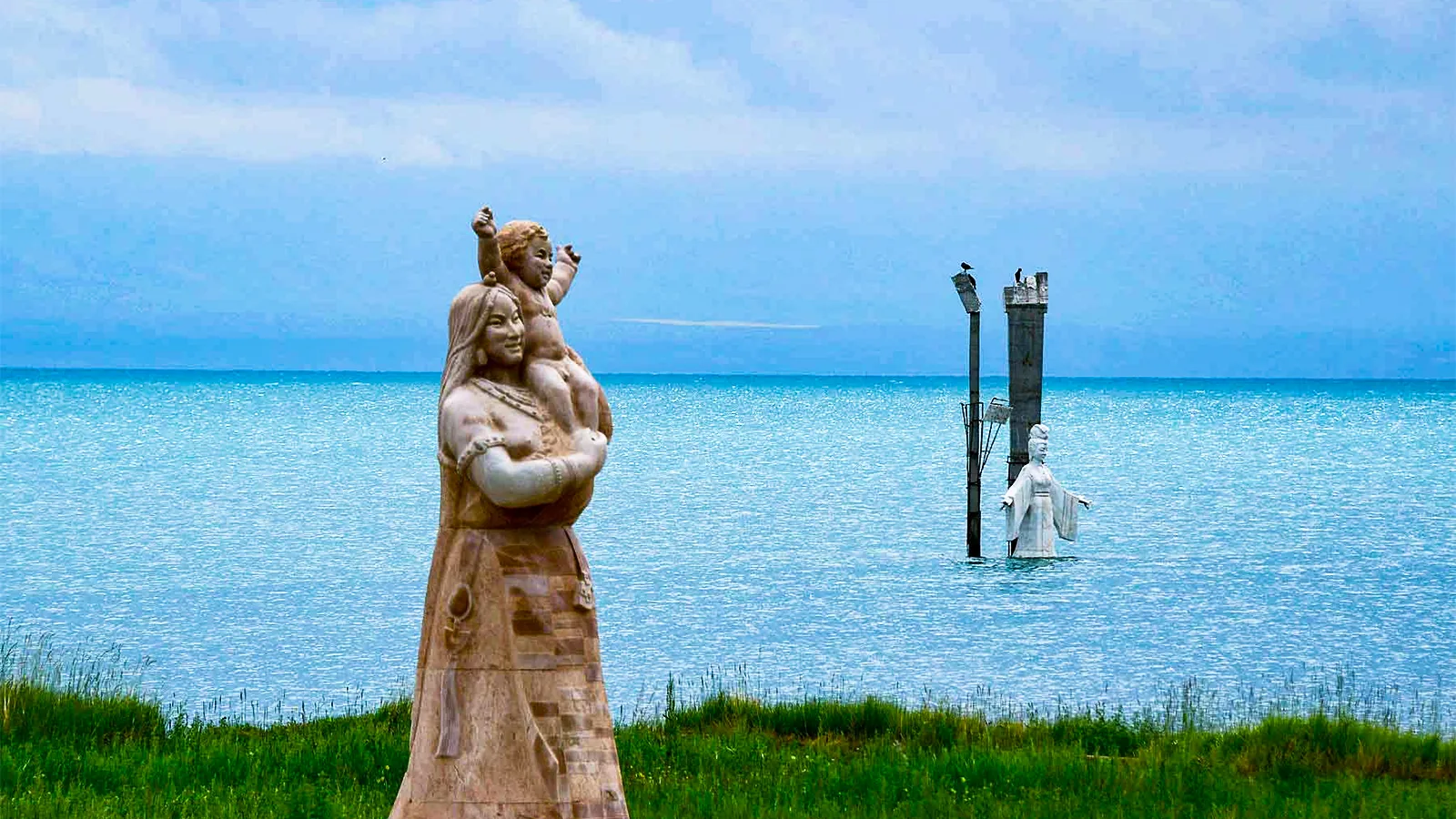
The city eats late and dances in public: skewers on Mojia Street, a circle dance on the square, lights along the water
View details →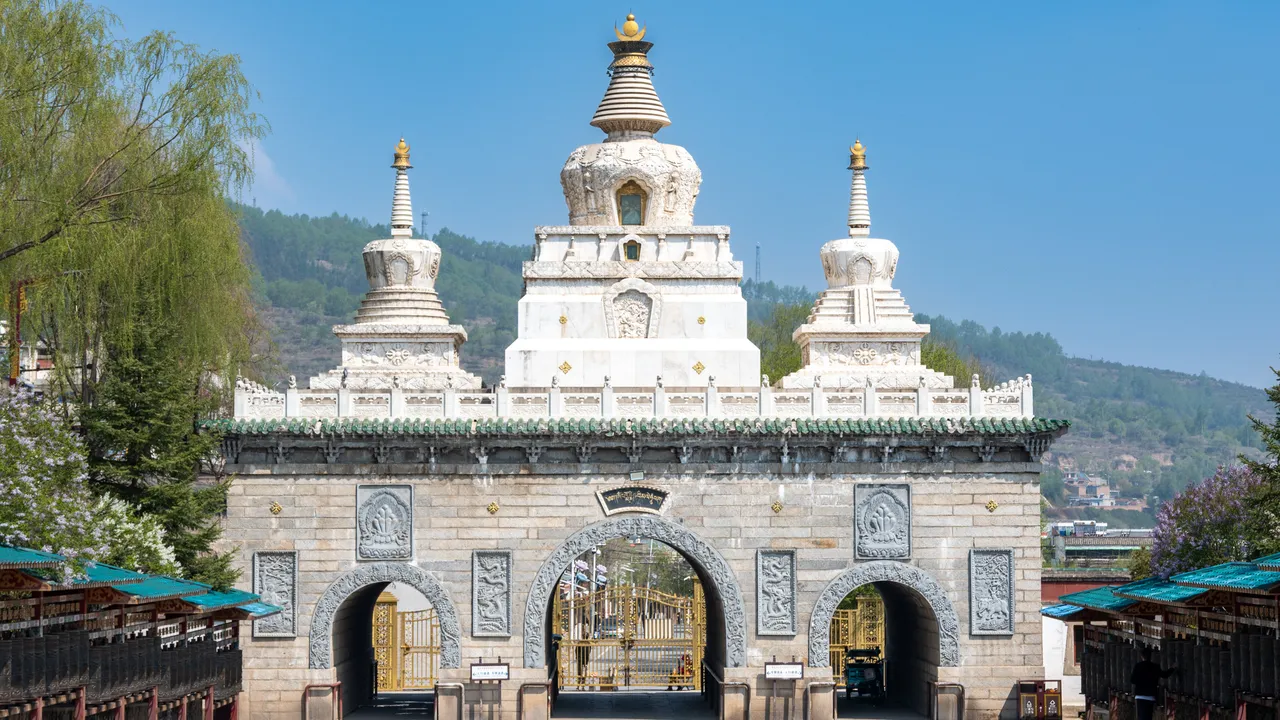 Full day · 8–10 hours
Mutton boiled with salt and eaten with the fingers, cold noodles under chilli oil, and a bowl of fermented oats that tastes like dessert
View details →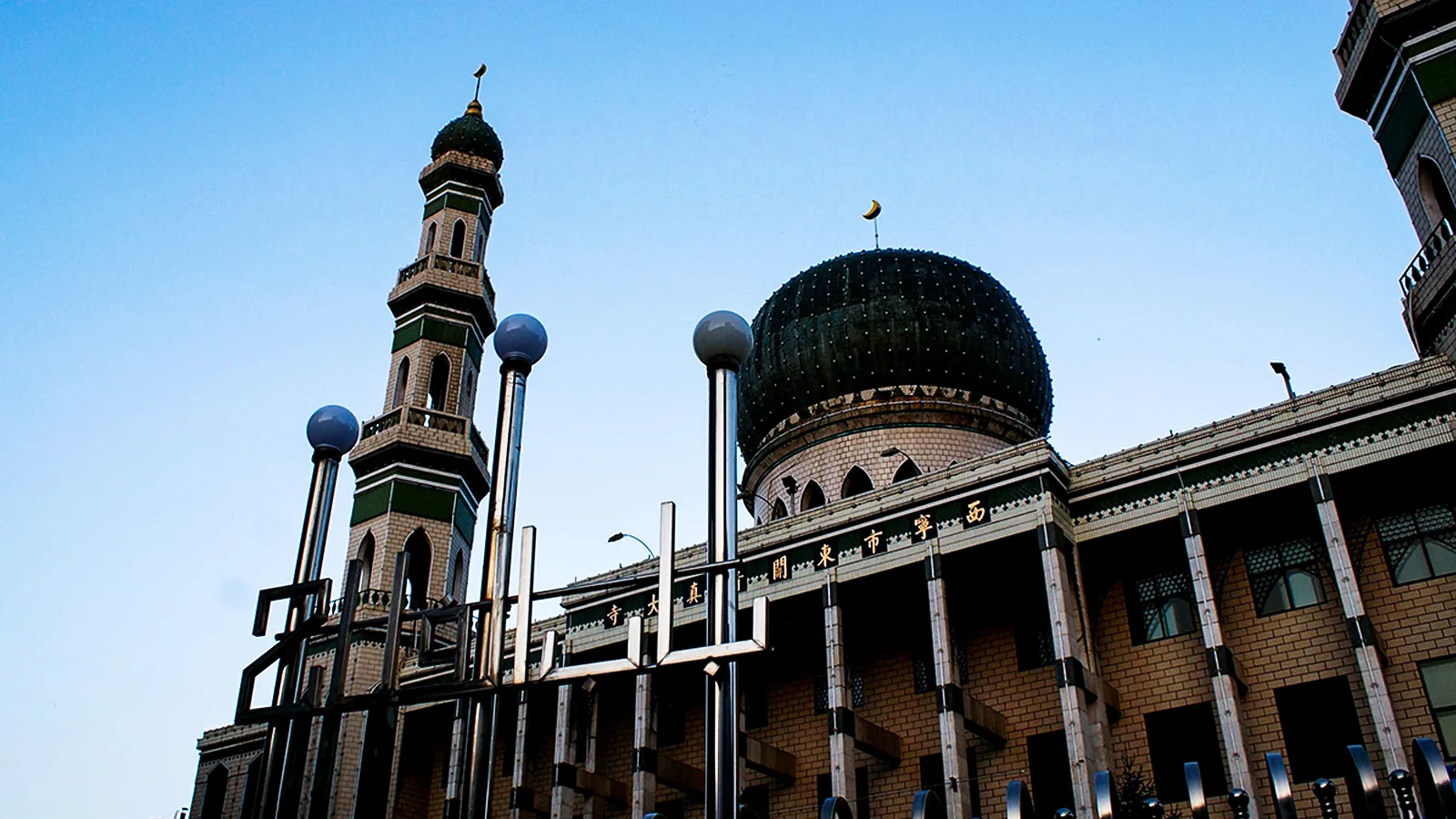 Full day · 8–10 hours
Forty minutes out of town to a monastery of butter sculpture and stacked embroidery, then back to a mosque that closes at prayer
View details →2 days · 1 night · privateA two-day express built around Xining's two essentials. The city sits
View details → 3 days · 2 nights · private
Three days read Xining at an easy plateau pace. After a gentle arrival
View details →We booked a private guide for our one day in Xining and he took us to People's Park first thing in the morning. It's free, which I didn't expect, and locals were doing tai chi and dancing in the shaded paths. Honestly the water features and the old men playing cards under the trees were more interesting to me than any paid attraction.
Took the kids to Xining Wildlife Park and they loved being able to walk right past the enclosures, way closer than back home. Only gripe is the signage in English is patchy, so we guessed at a few of the animals. Still a solid half day out and the kids didn't want to leave.
Private car & driver, day trips and multi-day routes from Xining. · Free consultation · reply within 12h