 TripMyChinaJOURNEYS THROUGH REAL CHINA✦ AI Trip✦ Plan My Trip
English
简体中文
繁體中文
日本語
한국어
ไทย
Tiếng Việt
Bahasa Indonesia
Italiano
Español
العربية
Русский
Deutsch
Français
Bahasa Malaysia
TripMyChinaJOURNEYS THROUGH REAL CHINA✦ AI Trip✦ Plan My TripWuyuan · Attractions
Rainbow Bridge stretches on long timber legs across the river at Qinghua town, a covered wooden corridor bridge first raised in the Song dynasty and rebuilt many times since. Eleven bays of dark-tiled roof shelter a walkway wide enough for porters, peddlers and farmers sheltering from the rain, exactly as they have for centuries. Set against green hills and water wheels at the riverbank, it is often billed as China's most beautiful corridor bridge. Unlike Wuyuan's courtyard villages, this is architecture built purely for use — and standing mid-bridge above the flowing water is its own quiet reward.
The bridge was completed in the Southern Song dynasty, its name drawn from the line that the crossing looks like a rainbow over the water. Its builders chose a low, long profile on purpose: rather than pitting stone piers against the flood-prone river, they built a timber structure on stone piers that could be repaired section by section after each flood — a philosophy of pragmatic survival that explains why the bridge still stands more than eight hundred years on. Four stone-paved piers divide the span into eleven bays, each roofed in dark tiles.
Rainbow Bridge sits at the edge of Qinghua town, about 20 kilometers north of Wuyuan county seat, and makes a natural stop on the northern circuit of the county along with the ancient village of Wangkou's neighbors to the east. Beside the bridge you will find old water wheels, bamboo rafts for short river trips in season, and tea sheds looking back at the span. The walk across takes minutes; lingering on a bench in the corridor, watching the river slide beneath, takes far longer — and is the point of coming.
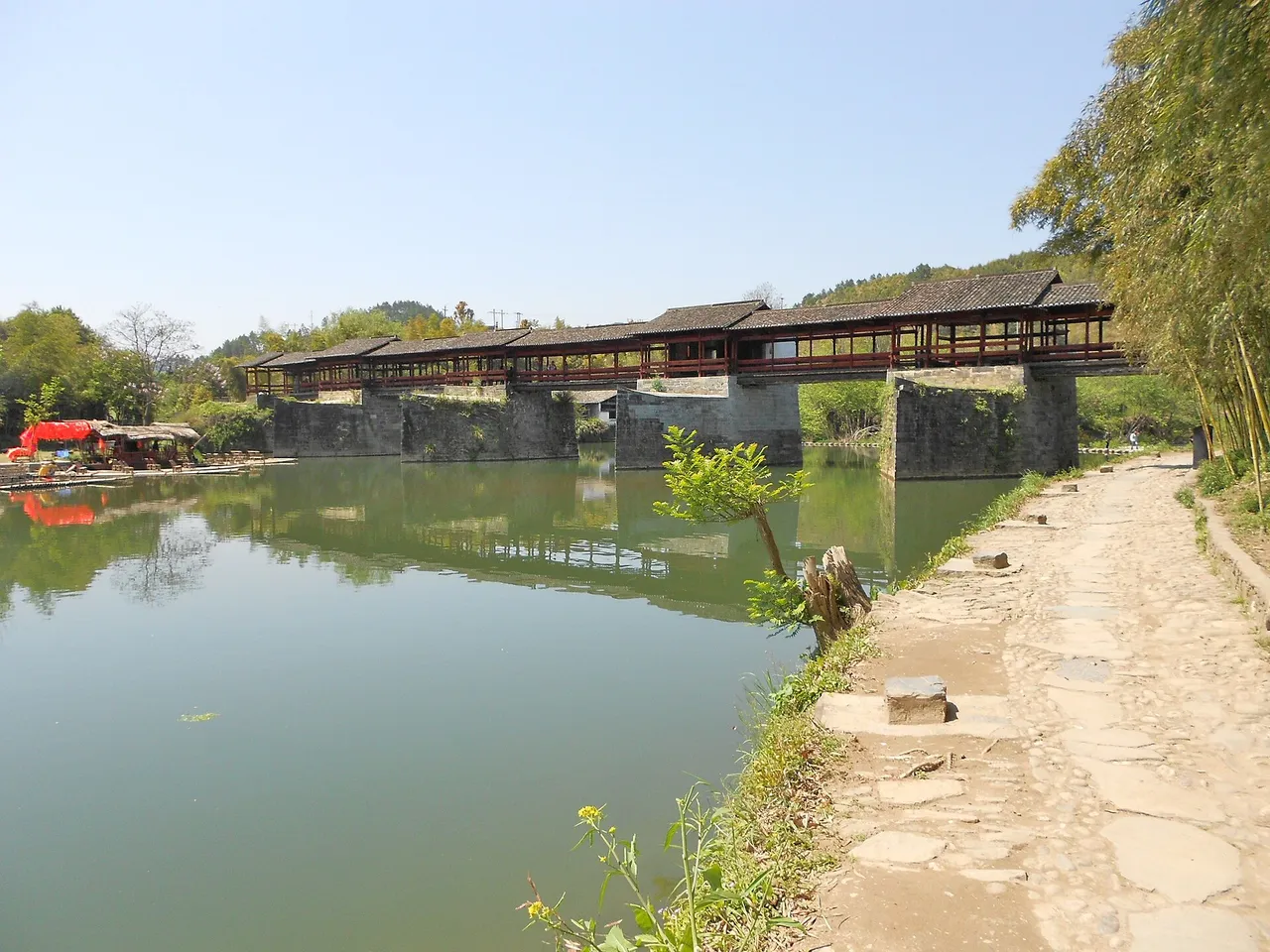
The bridge is a ticketed site and is included in the Wuyuan multi-village pass that covers most of the county's major attractions; if you plan to visit several villages, the pass is usually the economical choice, but confirm current prices and validity at the gate as they adjust over time. Opening hours run from morning until late afternoon, with slightly longer hours in peak season. The site itself is compact — most visitors spend under an hour unless they linger for tea or a raft ride, which are charged separately. Weekends in spring see the heaviest foot traffic; weekdays, especially mornings, are quiet and give you the bridge almost to yourself.
Rainbow Bridge is in Qinghua town, roughly 20 kilometers north of Wuyuan county seat — about 30 minutes by car on good roads. Rural buses from the county bus station toward Qinghua run through the day, and from Qinghua's main street the bridge is a short walk. Drivers on the northern circuit typically combine the bridge with Tsinghua's old street and the villages deeper north such as Likeng's neighbors in the same day. If you are self-driving, parking is beside the scenic entrance and rarely full outside flower season. High-speed rail travelers should aim for Wuyuan Station and continue by taxi or chartered car; there is no rail link to Qinghua itself.
Spring and early summer suit the bridge best: the river runs full, the hills are intensely green, and morning mist along the water makes the classic photographs. Autumn brings clear skies and golden fields around Qinghua, while winter's low light and sparse crowds give the timber structure a stark, photogenic calm. Rain days are underrated here — the corridor exists precisely to shelter travelers, and mist rising off the river between showers is the scene local photographers wait for. Whatever the season, come in the early morning or an hour before closing, when tour groups thin and the light turns warm across the tiles.
The name comes from the old compliment that the bridge arches across the water like a rainbow. It has carried the name since its completion in the Southern Song dynasty.
The first span dates to the Southern Song era, more than 800 years ago. It has been repaired many times after floods — the timber-on-stone-pier design was built to be maintained, which is why it survives.
The crossing itself takes only a few minutes. Most visitors spend 30 to 60 minutes walking the banks, photographing the water wheels, and resting in the corridor.
The bridge sits within a ticketed scenic area, so entry is charged even for a quick crossing. Holders of the Wuyuan multi-village pass enter as part of their ticket.
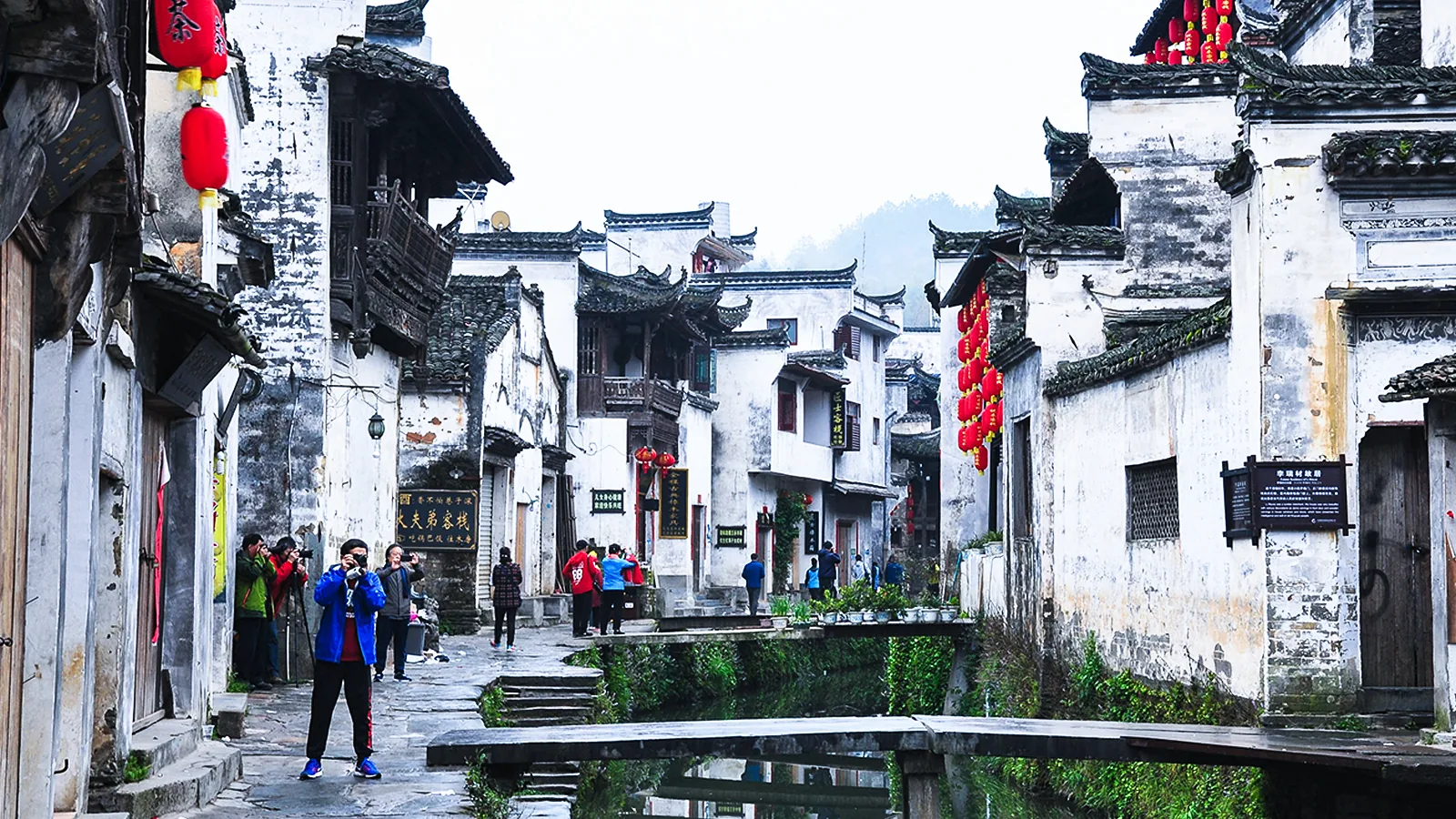 Full day · 8–10 hours
Three villages in a day, two of them flat, and a ten-minute cable car that saves the climb to the drying racks
View details →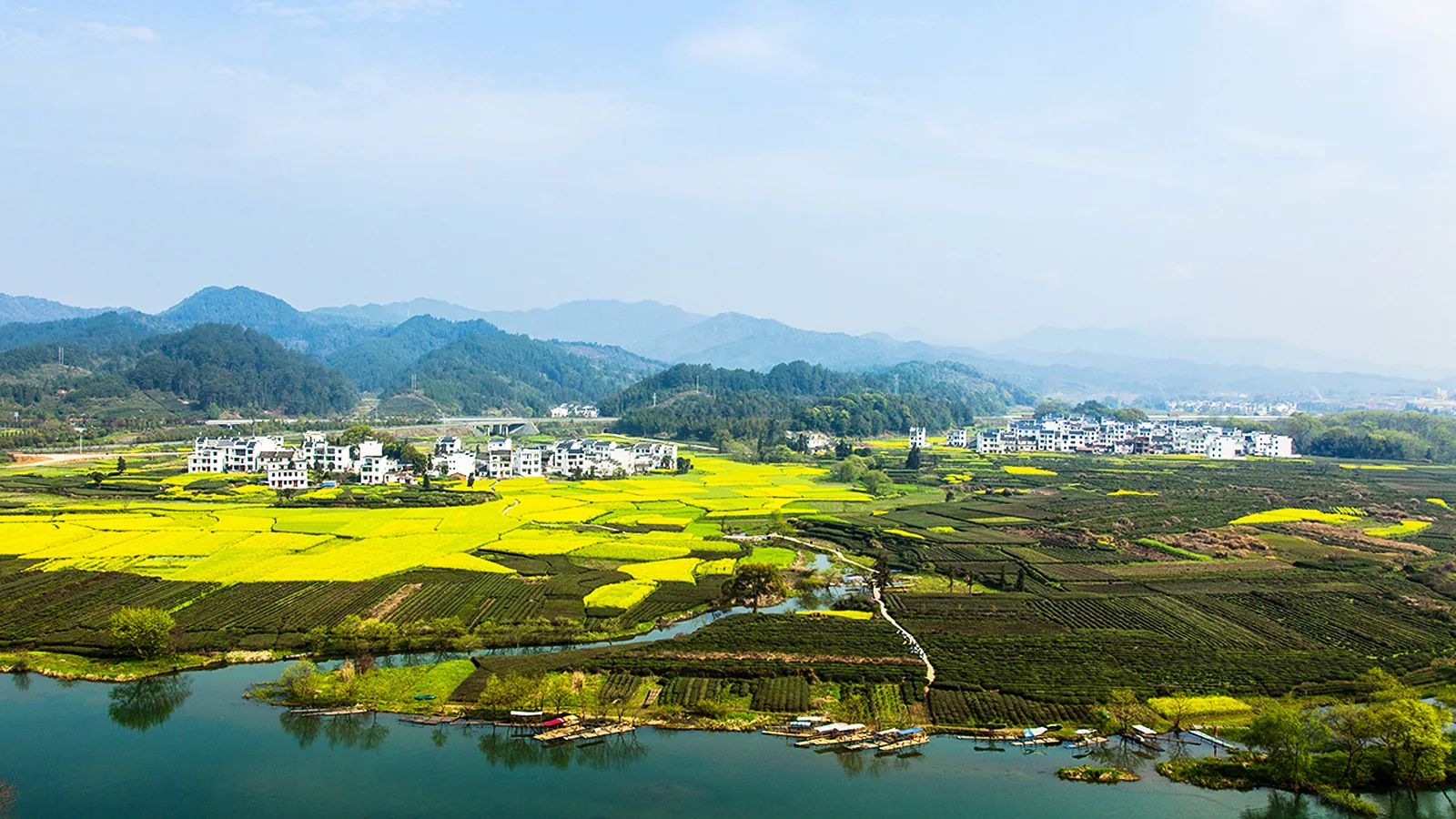 Full day · 8–10 hours
Drying racks from late September to November, rapeseed from mid-March to early April; the two never share a day
View details →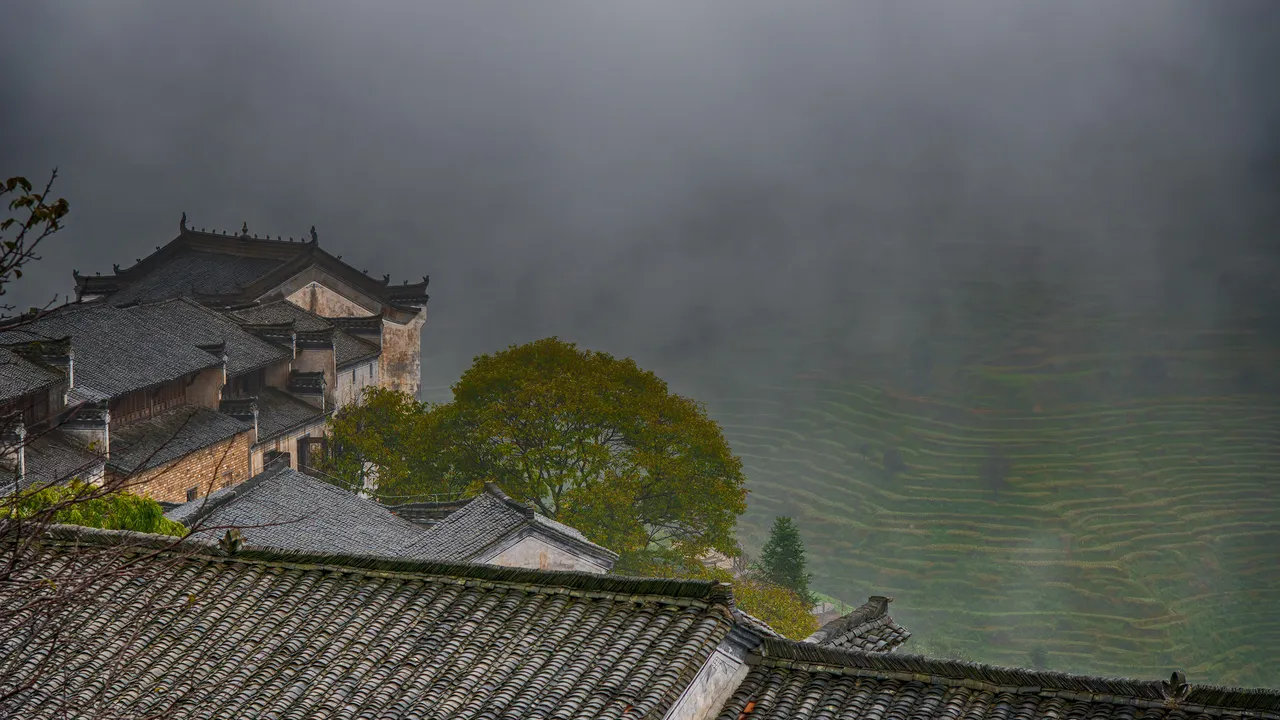 Full day · 8–10 hours
Dinner on a mountain lane among lit shopfronts, then a river walk where the town goes after dark
View details →We booked a private guide for Jiangwan and it was worth it just to have someone point out the little carved figures above the doorways that I'd have walked straight past. He also let us linger whenever we wanted, no herding. Spent nearly two hours in one courtyard because my husband kept asking questions about the old family histories.
Took the kids up to the Huangling viewpoints and the terraced fields looked like something out of a painting, the little ones loved counting the layers. Fair warning though, the stairs are no joke with a stroller and we ended up carrying it half the way. Still glad we went, the village below is worth the climb.
Private car & driver, day trips and multi-day routes from Wuyuan. · Free consultation · reply within 12h
