 TripMyChinaJOURNEYS THROUGH REAL CHINA✦ AI Trip✦ Plan My Trip
English
简体中文
繁體中文
日本語
한국어
ไทย
Tiếng Việt
Bahasa Indonesia
Italiano
Español
العربية
Русский
Deutsch
Français
Bahasa Malaysia
TripMyChinaJOURNEYS THROUGH REAL CHINA✦ AI Trip✦ Plan My TripShennongjia · Attractions
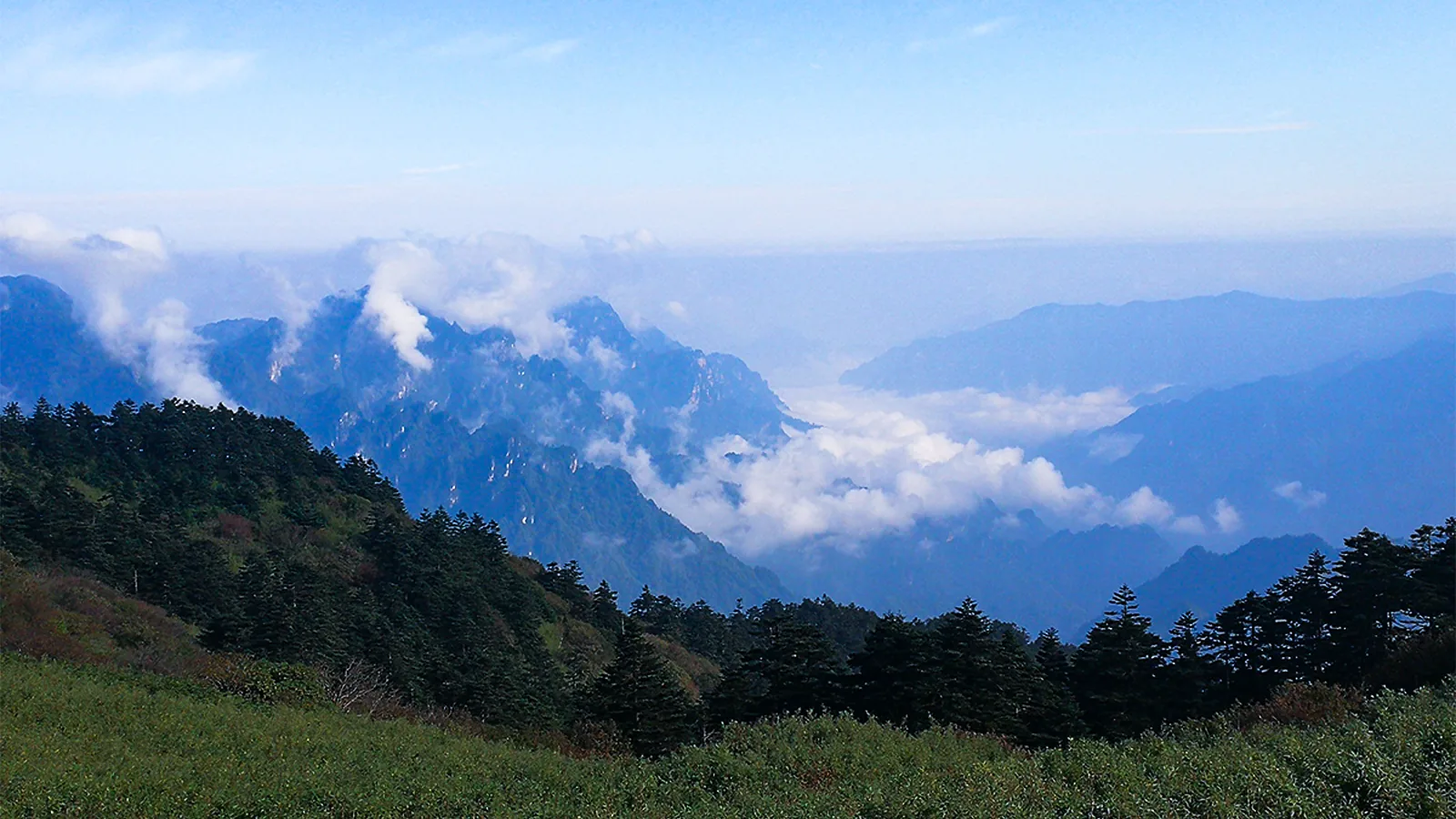
Shennong Summit is the roof of central China. At 3,106 meters, the peak known as Shennongding crowns the Shennongjia massif in western Hubei, a UNESCO World Heritage landscape of primeval forest, alpine meadow and cloud sea. The summit scenic area strings together some of Shennongjia's most celebrated corners along the mountain highway: Shennong Valley's dizzying overlook, the karst labyrinth of Banbiyan, and Golden Monkey Ridge, where troops of the rare golden snub-nosed monkey leap through the firs. Weather writes the script here — one hour brings blue skies over a rolling sea of clouds, the next a cold fog with an icy bite, even in the middle of summer.
Shennongjia takes its name from Shennong, the legendary Divine Farmer who is said to have climbed these mountains on a ladder of wood to taste hundreds of medicinal herbs. In 2016 the region's vast old-growth forests were inscribed as a UNESCO World Heritage site for their biodiversity, which includes the endangered golden snub-nosed monkey and a wealth of endemic plants. Shennong Summit itself is the highest point of the range — and of all central China — and the highway that crosses the scenic area ranks among China's great mountain drives.
Most visitors explore by private or chartered car, hopping between viewpoints along the road: the boardwalks and stairs of Shennong Valley, the stone pinnacles of Banbiyan, the fir forest and monkey-watching boardwalk of Golden Monkey Ridge, and the summit zone with its viewing platforms. In deep winter, waterfalls along the route freeze into spectacular ice curtains — the sight captured in many classic photographs. Distances are long and facilities simple, so plan a full day, and in the cold months check road conditions in advance, as sections can close after snow.
Shennongjia's scenic areas are ticketed separately or through combined passes that change by season, so confirm current prices at the visitor center or let your guide arrange them on the day. Shuttle bus fees inside the area may apply in addition to admission, and private cars are sometimes restricted on peak days. Opening hours follow daylight in the mountains, roughly from early morning to late afternoon, and winter openings depend on road and ice conditions. Bring identification for ticket discounts for seniors and students. Facilities along the viewpoints are basic — use the toilets at the main stops and carry snacks and water.
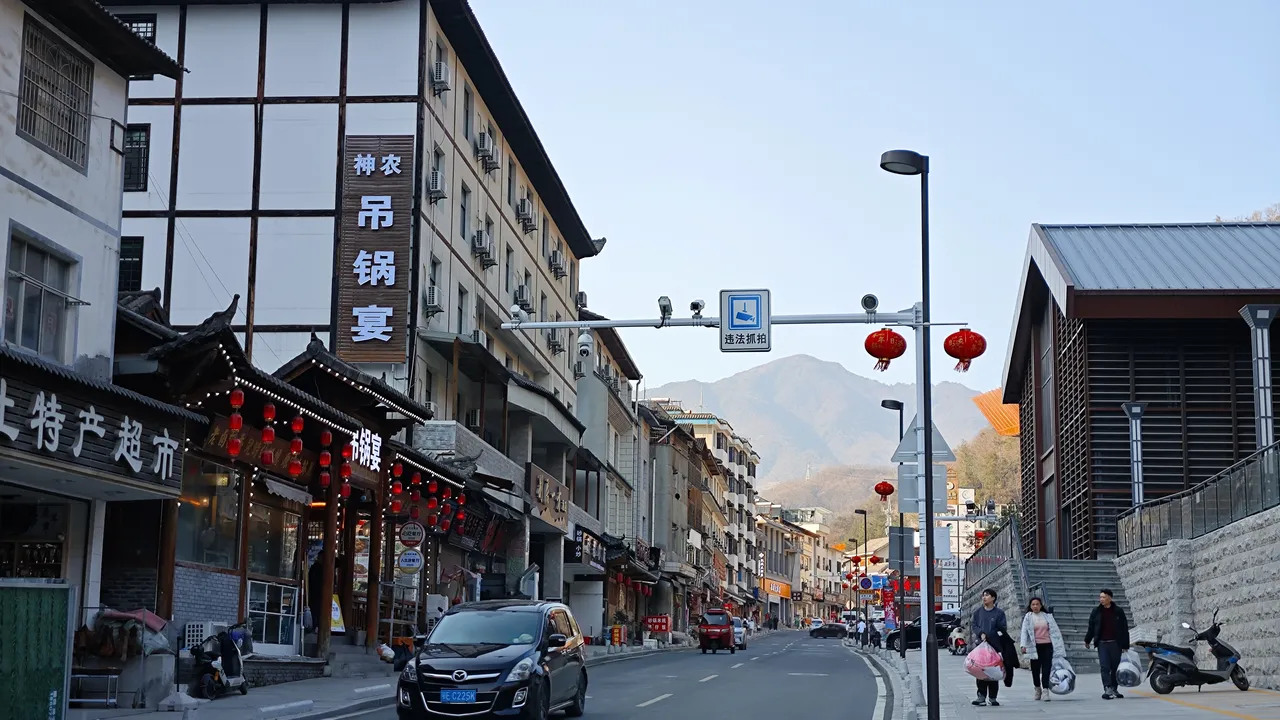
Shennongjia has no railway into the mountains themselves. Most visitors arrive via Yichang city to the east, or by high-speed rail to the Shennongjia station on the line linking Yichang and Chongqing, followed by a drive of one to two hours to the tourism hub of Muyu town, which sits near the southern entrance of the summit area. From Muyu, the scenic area is reached by the mountain highway: self-driving is popular, chartered cars with local drivers are easy to arrange, and shuttle buses connect the main viewpoints in high season. Distances between stops are long, so fill up on fuel and plan your viewpoints the night before. A local guide helps combine the summit area with nearby sights such as <a href="/attractions/dajiuhu-wetland/">Dajiuhu Wetland</a>.
Late spring to mid-autumn is the prime window, when the high meadows bloom, the air is clear and the roads are reliable. July and August offer a cool escape from central China's heat, with summit temperatures often far lower than in the valleys. Autumn turns the slopes gold and red, and early morning brings the most reliable cloud seas. Winter delivers the famous ice waterfalls and snow scenes, but the air is thin and bitterly cold and some sections close — check ahead. Start early any season, as afternoon fog frequently swallows the viewpoints.
The main peak, Shennongding, rises to 3,106 meters, making it the highest point of central China. The scenic highway crosses passes close to that height, so visitors should expect noticeably thinner air and much cooler temperatures than in the valleys.
Golden Monkey Ridge protects one of their habitats, and sightings are frequent but never guaranteed, as the monkeys are wild. Early morning is the best time, and visitors must stay on the boardwalks and refrain from feeding.
Self-driving along the through highway is generally allowed and is the most flexible way to tour, though controls may apply on peak days. Check the day's rules at the visitor center, or hire a local driver who knows the stops and the weather.
Parts of the scenic area stay open in winter and the frozen waterfalls are spectacular, but heavy snow and ice can close sections at short notice. Confirm current conditions before setting out and carry tire chains or travel with a local driver.
 Full day · 8–10 hours
The kitchens up here do three things: meat smoked over cypress, tofu with the fibre left in, and a corn spirit at forty proof
View details →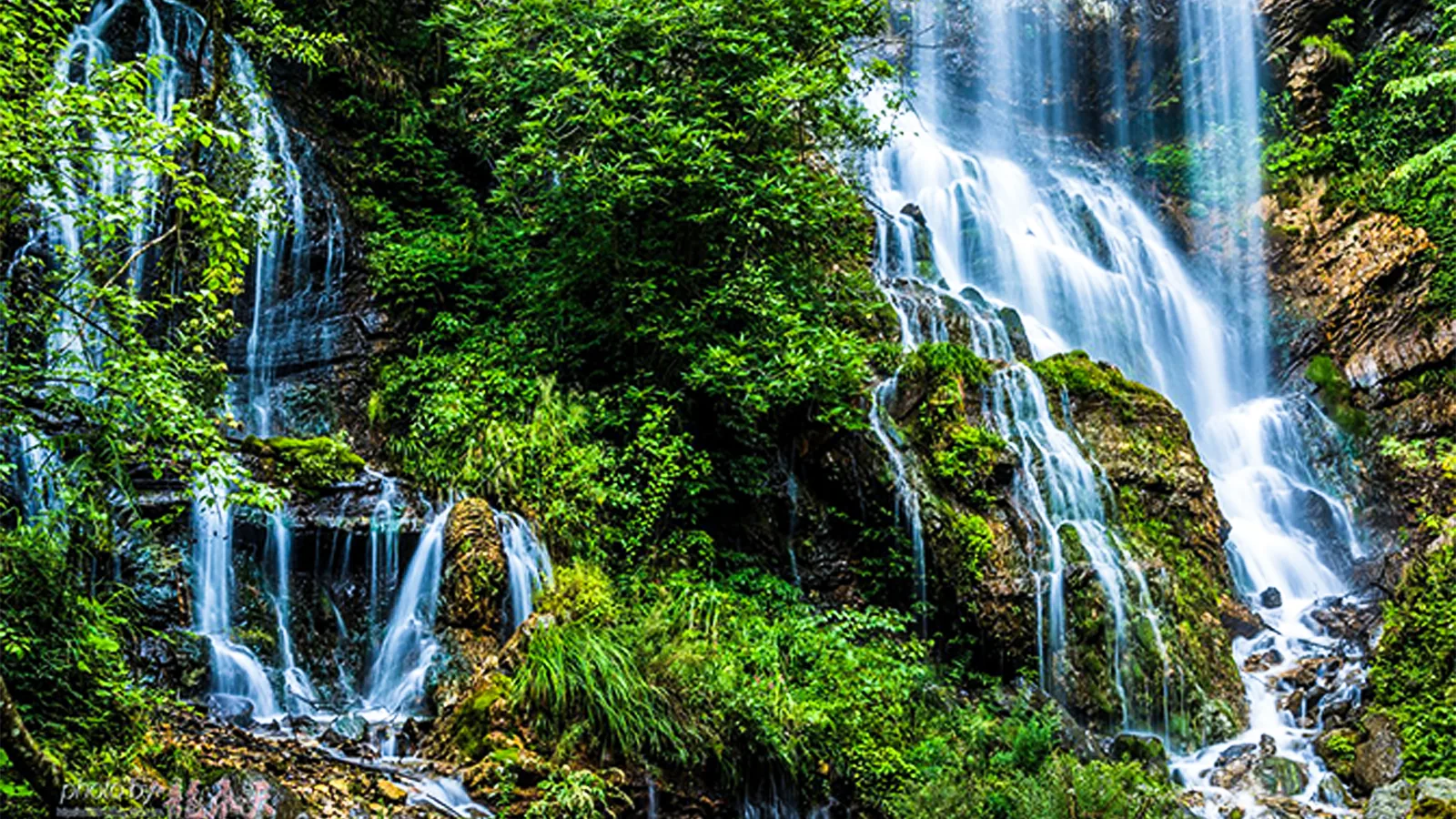 Full day · 8–10 hours
The iron fir in the altar grounds takes six people to ring it; beside it stands a god with a bull's head and a human body
View details →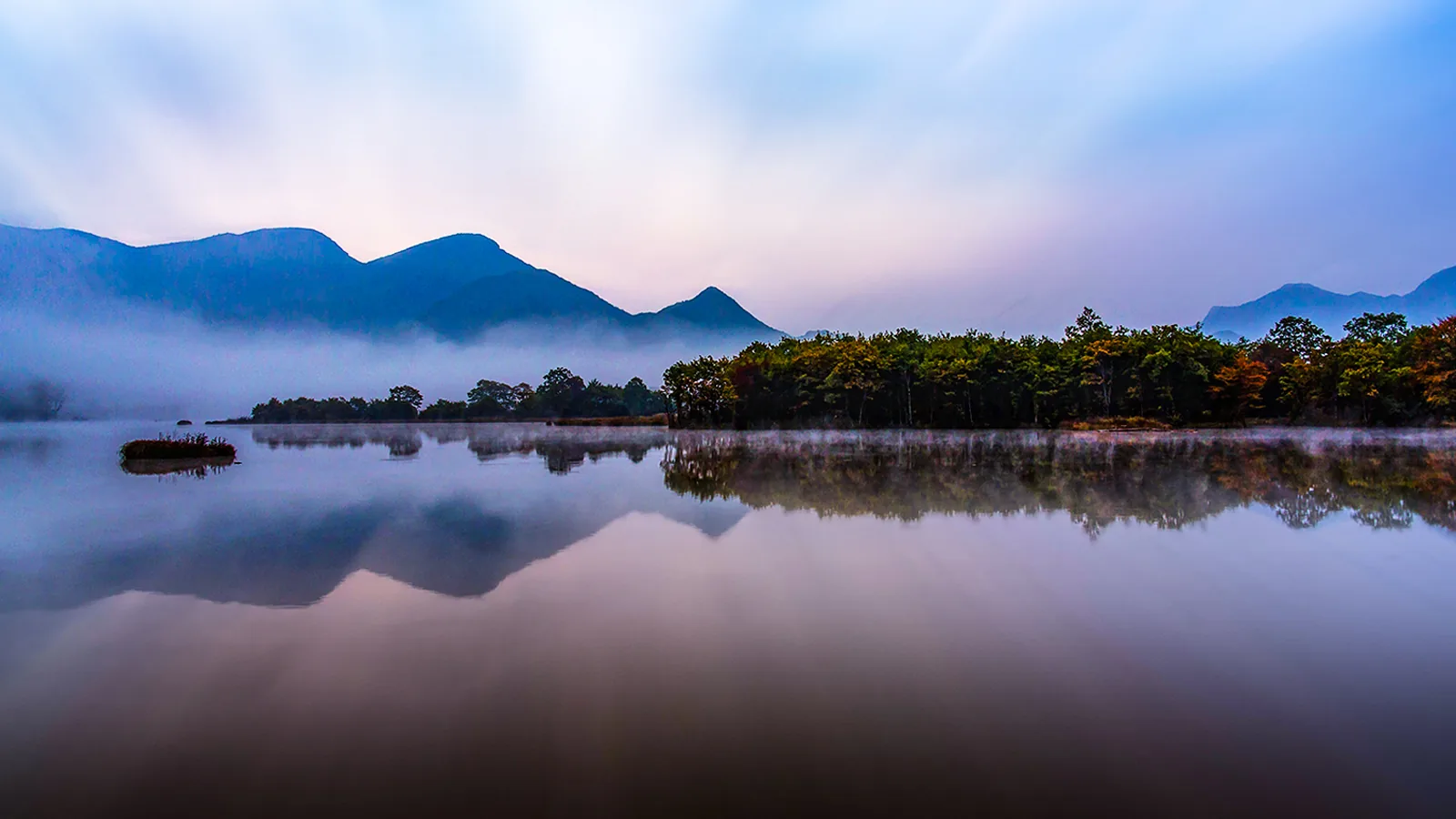 Full day · 8–10 hours
One day from 1,200 metres up to 3,106 and down to a wetland at 1,700; the air moves fifteen degrees with you
View details →2 days · 1 night · privateA compact first-visit loop of Shennongjia: Guanmen Hill's gorge and na
View details →3 days · 2 nights · privateThe classic Shennongjia loop: golden snub-nosed monkeys at the viewing
View details →Did Shennongjia alone over four days and the Shennong Peak area was the part I keep thinking about. Got up there early, clouds were sliding right over the ridge below me, and I just sat on a rock for an hour. Bring a windproof layer, it's colder up top than the trailhead suggests.
My partner and I took the gorge trail under the natural stone bridge and ended up following the stream for way longer than planned. Water was loud the whole way, we barely talked. Best two hours of our trip, honestly.
Private car & driver, day trips and multi-day routes from Shennongjia. · Free consultation · reply within 12h