 TripMyChinaJOURNEYS THROUGH REAL CHINA✦ AI Trip✦ Plan My Trip
English
简体中文
繁體中文
日本語
한국어
ไทย
Tiếng Việt
Bahasa Indonesia
Italiano
Español
العربية
Русский
Deutsch
Français
Bahasa Malaysia
TripMyChinaJOURNEYS THROUGH REAL CHINA✦ AI Trip✦ Plan My TripShenyang · Attractions
Shenyang Museum is the city's own answer to its deep past — a modern museum that walks you through eight thousand years of settlement on this frost-prone plain, from the Neolithic Xinle culture with its carved wooden birds to the Liao and Jin frontier towns, the Ming garrison and finally the Qing capital of Mukden. Opened recently and purpose-built, it is bright, well signed and manageable in two hours, making it an ideal first stop for travelers who want context before tackling the Imperial Palace and the city's other monuments. For a city so often reduced to heavy industry, the museum is a quiet revelation of how old Shenyang really is.
The museum's galleries run broadly chronologically. The opening halls present the Xinle culture, a Neolithic settlement excavated in the city itself, whose delicate carved wooden bird is among Shenyang's most treasured finds. Later rooms move through bronze-age cultures and the Chinese dynasties' shifting frontier — Han commanderies, the Khitan Liao and Jurchen Jin states, and the Ming era, when Shenyang was a walled garrison town — using pottery, tools, coins and architectural fragments to trace the layers.
The final galleries reach the seventeenth century, when Nurhaci and Hong Taiji made the city their capital, and follow Shenyang's transformation into the Qing's eastern capital and beyond. Exhibits of courtly objects, building materials and daily goods connect directly to what you will see at the <a href="/attractions/shenyang-imperial-palace/">Shenyang Imperial Palace</a> and <a href="/attractions/fuling-tomb/">Fuling Tomb</a>, which is precisely why seasoned visitors schedule the museum first. English labeling is present but uneven, so an audio guide or guide app helps — the storytelling rewards the extra effort.
Admission to the main galleries is inexpensive or free under current public-museum policies, though temporary exhibitions may charge separately; identification is needed for free-ticket registration for foreign visitors in many Chinese museums, so carry your passport. Hours run through the daytime with last entry before closing, and the museum typically closes one weekday — verify the current schedule before you go. No advance booking is usually needed on weekdays, though holiday periods can require online reservation. Allow about two hours at a steady pace. Photography without flash is generally permitted; check signs in special exhibits.
The museum sits in central Shenyang and is easy to reach from anywhere downtown. Taxis and ride-hailing cars are the simplest option, about fifteen minutes from the mainline railway stations outside rush hour, and city buses stop along the surrounding streets. Metro riders can combine a stop with a short walk — check the current nearest station, as the network keeps expanding. Many visitors pair the museum with the nearby <a href="/attractions/liaoning-museum/">Liaoning Provincial Museum</a> for a full museum day, or slot it before an afternoon at the Imperial Palace. Reserve two hours inside, and note that museum closure days typically fall early in the week.
As an indoor museum, it suits every season and is especially welcome in Shenyang's long winter or on a rainy afternoon. Weekday mornings are quietest, and the galleries rarely feel crowded even at peak times. The natural pairing is a museum morning followed by an afternoon at the Imperial Palace, so the artifacts you have just seen come alive in situ. Autumn visitors can add the city's parks for golden foliage; winter visitors can combine the museum with the palace in one warm-cold rhythm of indoor and outdoor stops.
It is the city's principal museum of Shenyang's own history, best known for the Neolithic Xinle culture finds — including a famous carved wooden bird — and for its clear, chronological telling of the city's path from frontier settlement to Qing capital.
About two hours covers the main galleries at a steady pace. History enthusiasts can spend longer, and it is worth half a day if you combine it with a second museum.
Yes, with modest preparation. English labeling exists but is uneven, so use a translation app or audio guide where offered. The chronological layout makes the broad story easy to follow regardless.
Start at the museum if time allows. The artifacts and narrative give you the framework — early Manchu state, Qing capital — that makes the palace, the tombs and the mansion far more meaningful when you walk through them.
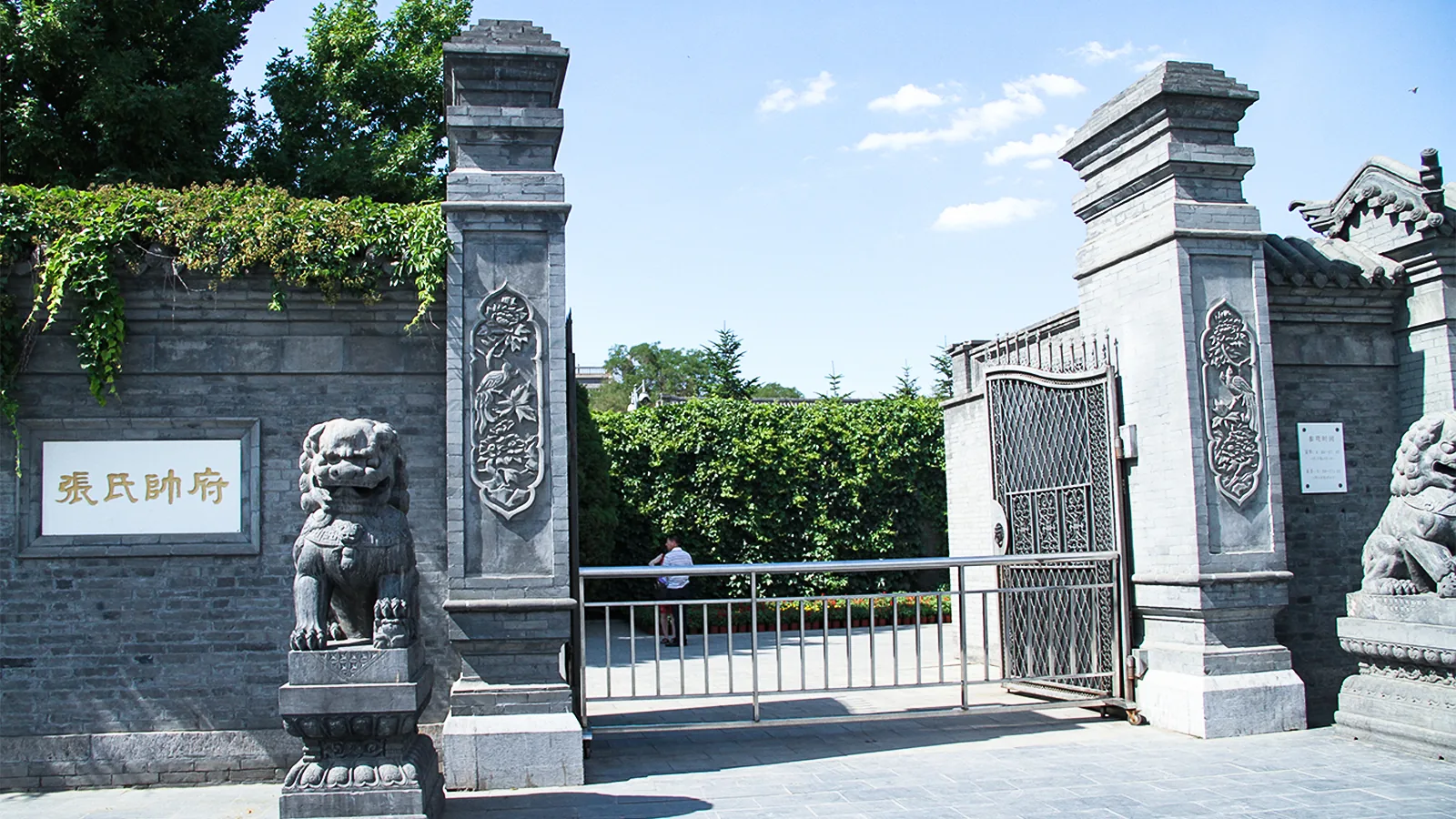 Full day · 8–10 hours
Four giant pandas before lunch, then a hall in Hunnan where the exhibits are meant to be touched
View details →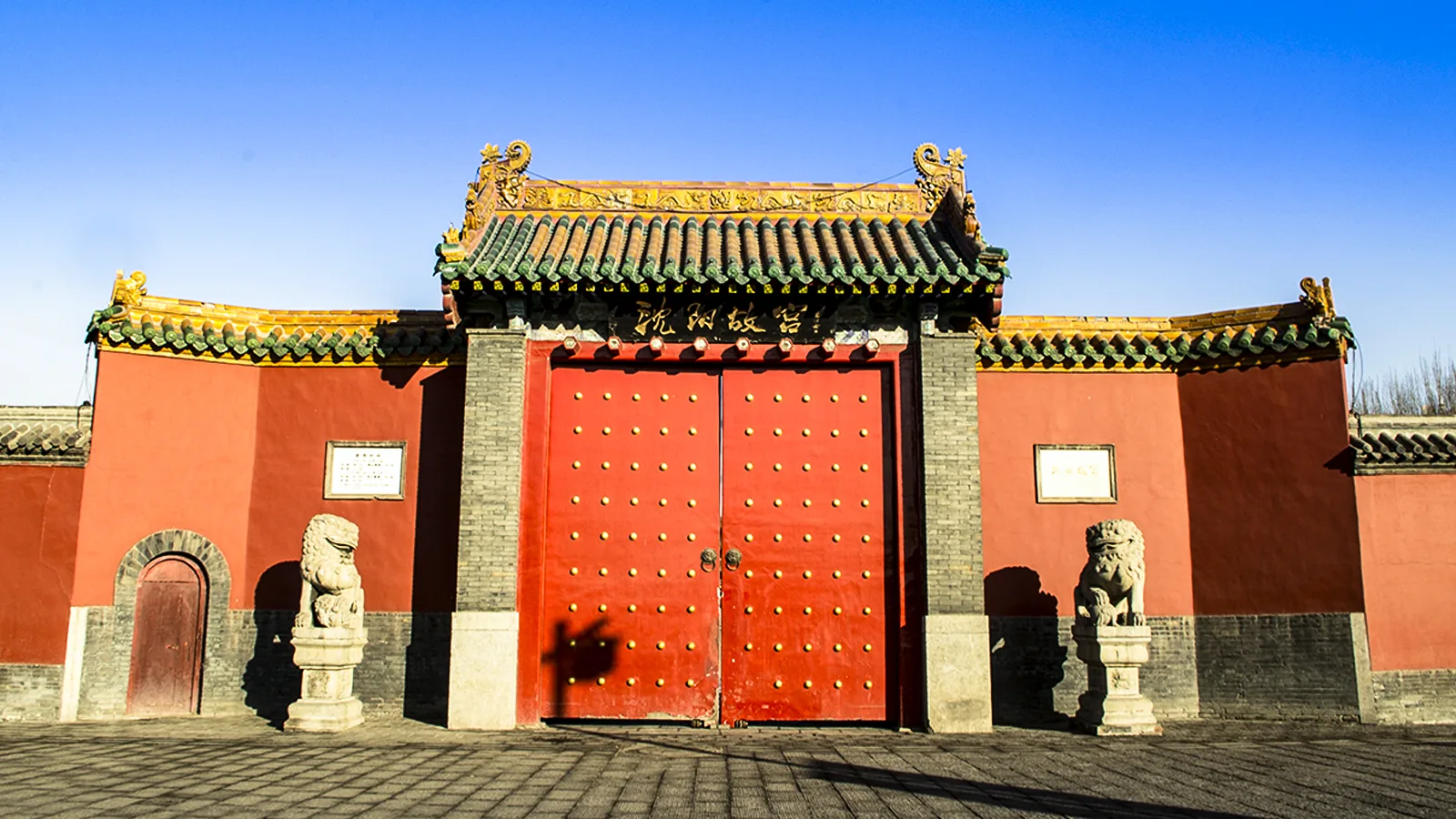 Full day · 8–10 hours
From 1625 timber to 1930s concrete to a 1950s factory hall, none of them half an hour apart
View details →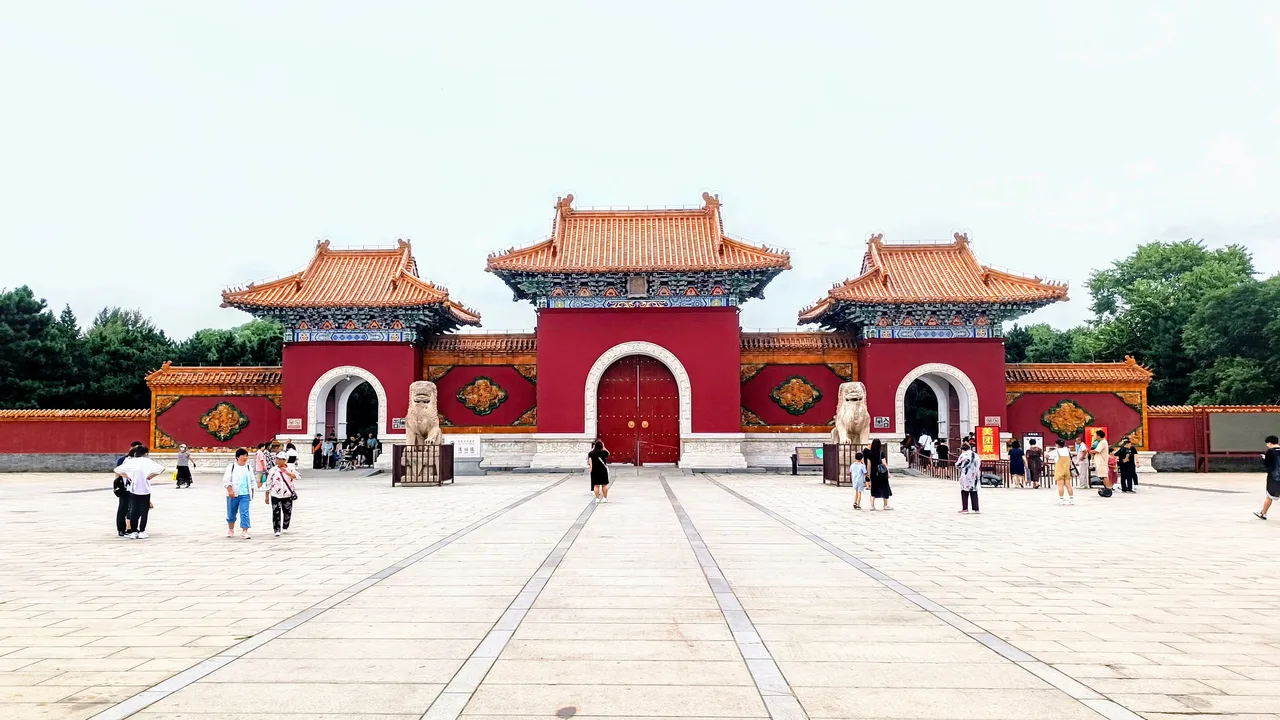 Full day · 8–10 hours
Dumplings since 1829, a red wall under lamps, and a night market wrapped around a Qing temple
View details → 2 days · 1 night · private
A compact first-visit loop of Shenyang: the Qing early-capital palace,
View details → 3 days · 2 nights · private
The classic Shenyang triangle: the Qing early-capital palace and Zhong
View details →Booked a private guide for the Imperial Palace and honestly it was worth every yuan. The Dazheng Hall is smaller than Beijing's stuff but the Ten King Pavilions around the courtyard are a strange and lovely arrangement you won't see elsewhere. My guide grew up nearby and kept pointing out details I'd have walked past.
Took the kids to the Zhang family residence and they actually stayed interested, mostly because the big blue-brick tower looks like something out of a film. Comparing it with the smaller building next door was a nice little history lesson. Only gripe: almost no English signage on the upper floors, so bring a translation app.
Private car & driver, day trips and multi-day routes from Shenyang. · Free consultation · reply within 12h