 TripMyChinaJOURNEYS THROUGH REAL CHINA✦ AI Trip✦ Plan My Trip
English
简体中文
繁體中文
日本語
한국어
ไทย
Tiếng Việt
Bahasa Indonesia
Italiano
Español
العربية
Русский
Deutsch
Français
Bahasa Malaysia
TripMyChinaJOURNEYS THROUGH REAL CHINA✦ AI Trip✦ Plan My TripYiwu · Attractions
Yiwu International Trade City — known to buyers worldwide as the Futian Market — is the largest small-commodity wholesale complex on earth, a city of merchandise under one roof. Across five linked districts, tens of thousands of stalls display everything from Christmas ornaments and umbrellas to power tools and pet toys, arranged by product category block after block. Most visitors come on sourcing missions, but even casual travelers find it fascinating: it is the physical backbone of global e-commerce. A few hours here will change how you think about where things come from.
The market grew out of Yiwu's roadside stalls in the 1980s and has been rebuilt in ever-larger iterations, culminating in the Futian districts that opened from 2002 onward. Today the complex stretches for kilometers, with District One covering flowers, toys and jewelry; District Two electronics, luggage and hardware; District Three stationery, cosmetics and sporting goods; District Four socks, textiles and hats; and District Five imported goods and garments. Roughly speaking, if a small product is manufactured in China, a version of it is sold here, and the buyers walking the aisles come from every continent.
For casual visitors, the spectacle is the point: entire corridors of Christmas decorations in July, walls of hair clips, aisles of inflatable pool toys. Serious buyers should register for a purchaser's pass at the service counter, consider hiring one of the many trade agents or translators, and remember that most stalls are wholesalers who prefer bulk orders. Independent travelers often combine the market with quieter city sights such as <a href="/attractions/xiuhu-park-yiwu/">Xiuhu Park</a> to balance commerce with calm.
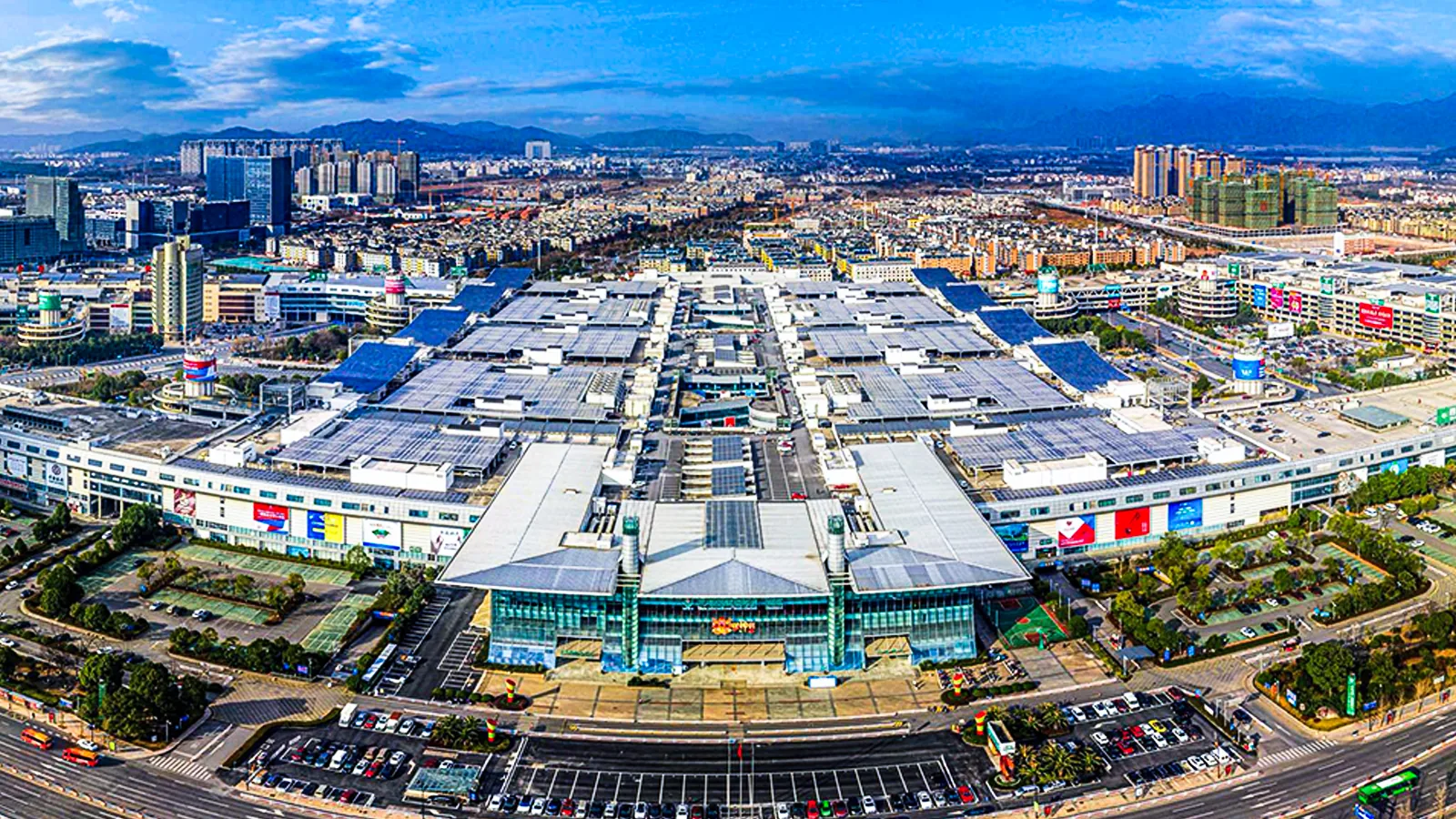
Entry to the market areas is free for visitors; you simply walk in during opening hours, which generally run from morning until early evening, with most stalls busiest on weekdays. Serious buyers should bring a passport to register for a purchaser's pass, which is required for some services such as certain translation desks or export documentation support. Individual stalls set their own minimum order quantities and payment terms, and bargaining is expected on bulk deals. Opening days shift slightly around Chinese public holidays, especially Spring Festival, when many stalls close for about a week, so time your visit accordingly and confirm details with your hotel or agent.
Yiwu lies about an hour by high-speed train from Hangzhou and is also served by a small airport with domestic flights, so reaching the city is easy from anywhere in eastern China. The trade city sits in the Futian area on the northern edge of the urban center; from the railway station a taxi or Didi takes roughly 15 to 25 minutes. Each district has its own entrance and enormous parking areas, and shuttle carts circulate inside the corridors. If you plan to cover several districts in one day, start early, wear comfortable shoes and note that the districts connect at covered passages, so you can walk between them without crossing open roads.
The market operates year-round, and the aisles are most complete in spring and autumn when buyers from every continent fill the corridors. Visit on a weekday morning if you want stall owners' full attention; afternoons get crowded with delegation groups. For atmosphere, September to November is peak season for Christmas-goods shipments, when entire districts read like a winter festival. Avoid the first week of Spring Festival, when many stalls shut, and note that summer afternoons can be hot for the walks between districts.
Absolutely. Entry is free and browsing is welcome, and many travelers come simply to photograph the astonishing aisles of goods. Stall owners are used to visitors who are not buying on this trip.
One day is enough to see highlights of two or three districts, while serious buyers usually spend several days, one district per morning. Plan by product category rather than trying to see everything.
Standard China visa rules apply for entry to the country; the market itself requires no special permit. For a purchaser's pass and export services, bring your passport and register at the district service counters.
Yes, especially for bulk orders, where prices move significantly with quantity. For single items, prices are usually fixed and some stalls do not sell small quantities at all, so ask politely before negotiating.
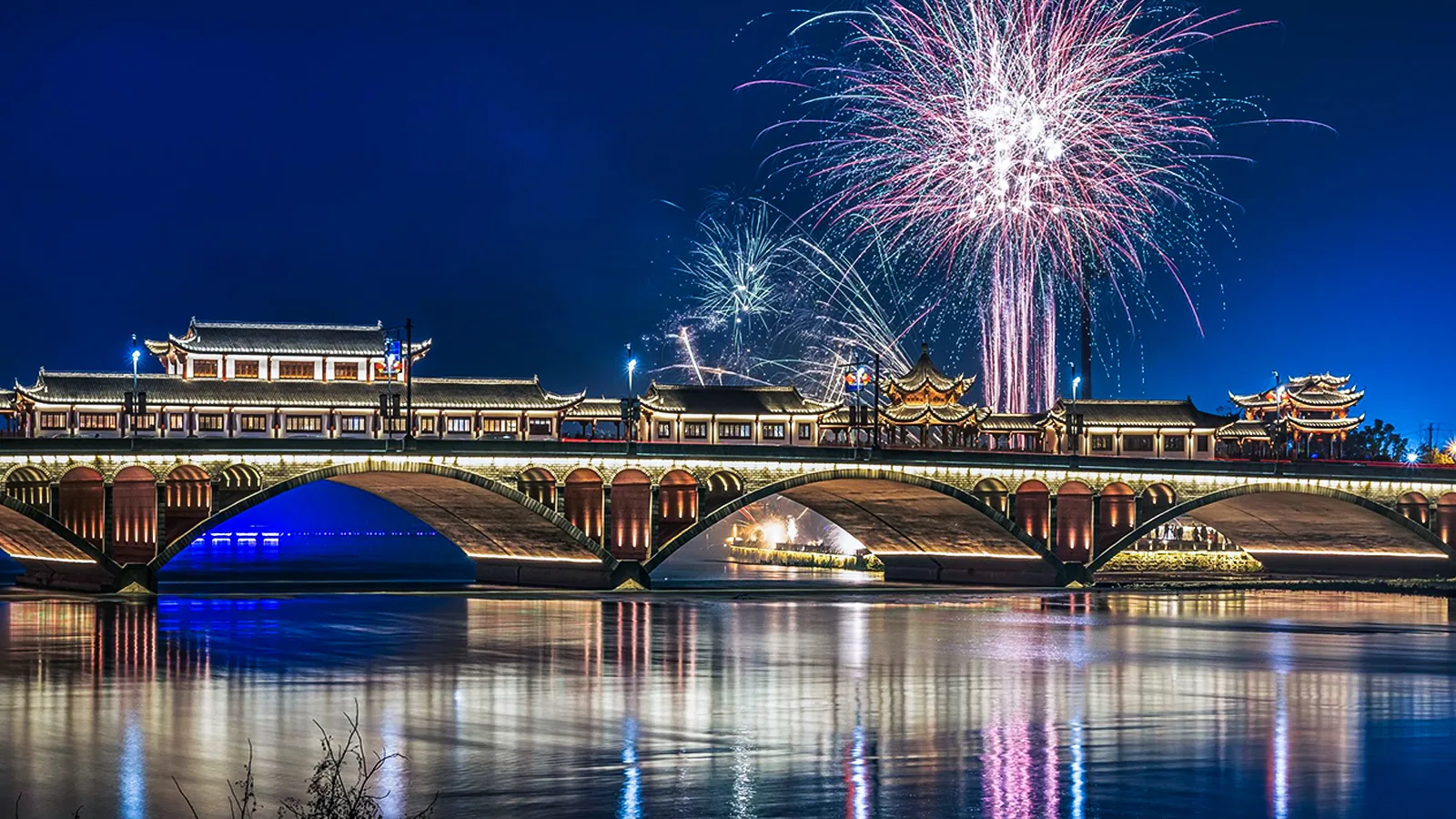 Full day · 8–10 hours
The other Yiwu, away from the wholesale halls: a small aquarium, a dendrobium farm and a canal town with a pontoon bridge
View details →Full day · 8–10 hoursWooden shopfronts at eight, seventy thousand booths at two, bridge lights at five
View details →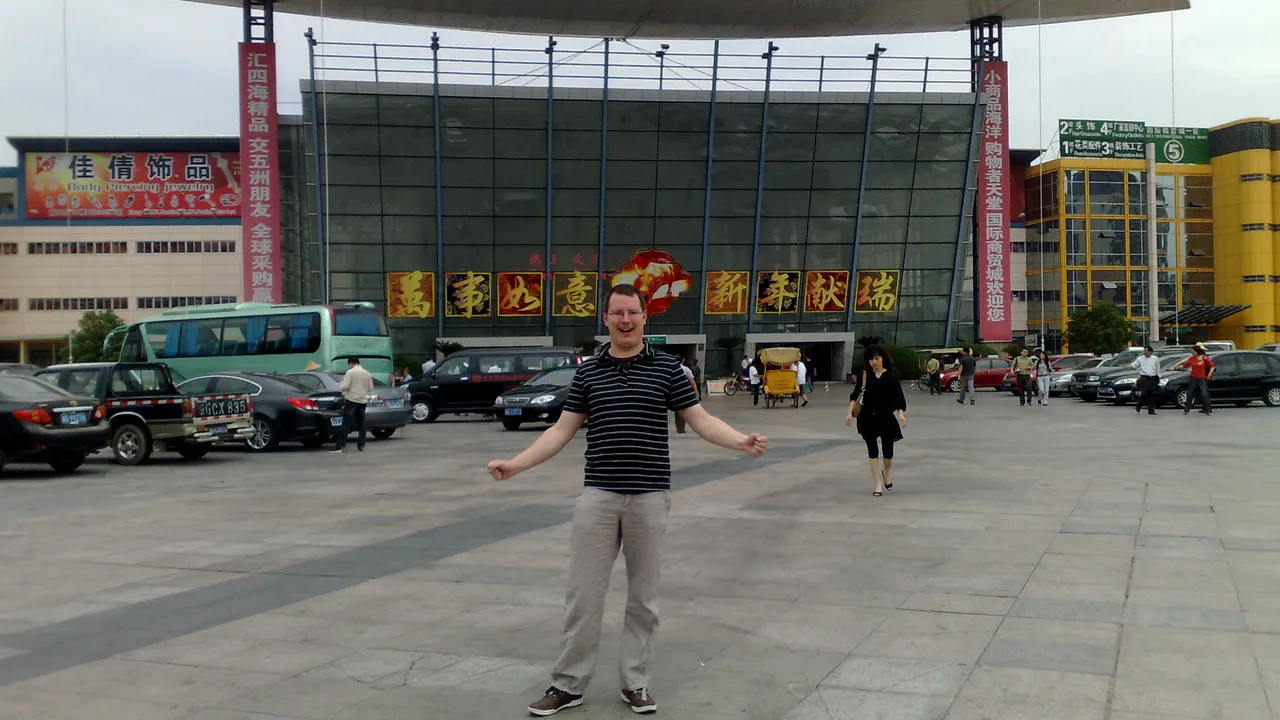 Full day · 8–10 hours
A city that trades with more than two hundred countries eats late: skewers at nine, a Song pagoda at ten
View details →2 days · 1 night · privateThis two-day express route pairs Yiwu's two faces: the vast Internatio
View details →3 days · 2 nights · privateThree days designed for visitors interested in sourcing: a guided orie
View details →Booked a private guide for a half day at the International Trade City and it was worth it. The place is huge, like five malls glued together, and without someone explaining how the wholesale system works I'd have just wandered around confused. My guide showed me how buyers order samples from the stalls, which was the part I actually wanted to understand.
Took the kids to Fotang Ancient Town for the day and they loved crossing the floating bridge. The old street is nice to walk, though a few shops were closed when we went on a weekday. Still, the kids got to see how the town sits along the river, and we grabbed some brown sugar on the way back.
Private car & driver, day trips and multi-day routes from Yiwu. · Free consultation · reply within 12h