
Hong Kong's history lives less in vitrines than in buildings still in use: a police station turned gallery, prison wings hosting exhibitions, an opera house ringing the gong nightly, and a Hakka house whose stove keeps its nineteenth-century form. Three days here chase depth over coverage, reading living buildings closely.
The route splits by district: day one for the treaty-port layers of Central and Sheung Wan, day two for Kowloon's street life and opera, day three for the off-corner treasures of To Kwa Wan and Chai Wan. Daily walking stays near ten thousand steps, saving energy for the buildings themselves.
Itinerary at a glance
| Day 1 · 09:30 | Tai Kwun: Police Station, Prison and Century-Old Brick |
| Day 1 · 11:00 | Man Mo Temple and Ladder Street: Old Order in Incense Smoke |
| Day 1 · 14:00 | The Dr Sun Yat-sen Museum and Mid-Levels Traces |
| Day 1 · 16:00 | The Star Ferry and the Tsim Sha Tsui Clock Tower |
| Day 2 · 10:00 | Hong Kong Heritage Museum: The Cantonese Opera Treasury |
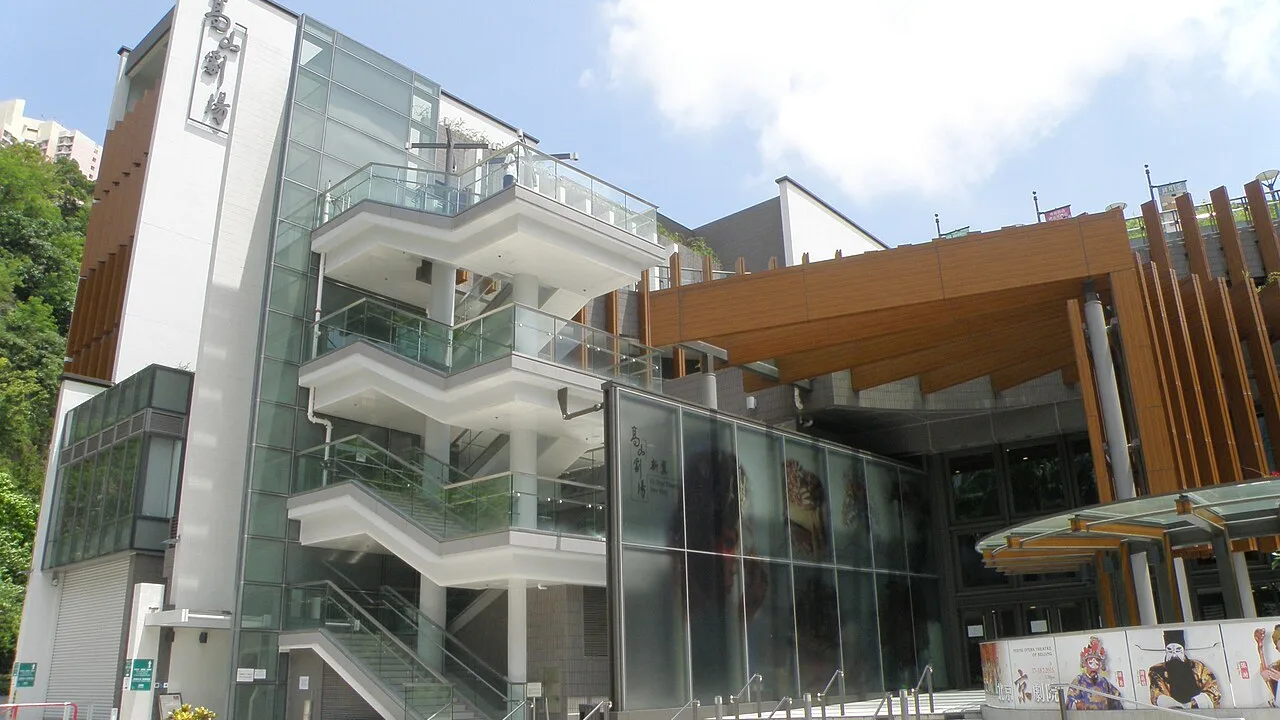
| Day 2 · 14:30 | Ko Shan Theatre: The Opera Still Rings Up |
| Day 2 · 19:00 | Temple Street Night Market and the Banyan Square |
| Day 3 · 10:00 | Cattle Depot Artist Village: Studios in a Slaughterhouse |
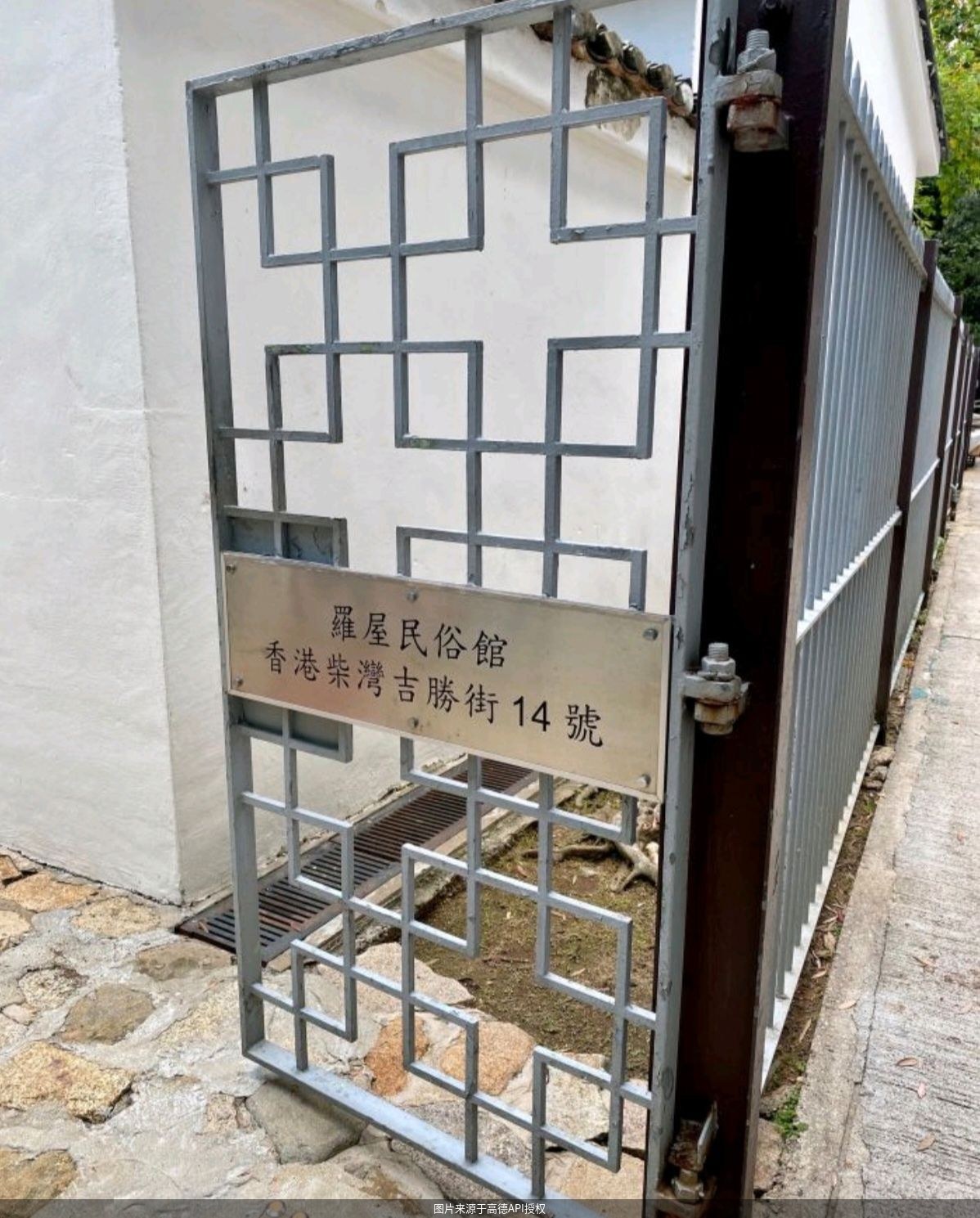
| Day 3 · 14:00 | Law Uk Folk Museum: A Hakka House in Chai Wan |
The route, stop by stop
Tai Kwun: Police Station, Prison and Century-Old Brick
Starting here matters: the Central Police Station compound is the template of the city's early public architecture, with Victorian and Edwardian brick blocks intact around the parade ground. The barracks galleries trace the police story, and Victoria Prison's cells keep their bars and numbers.
Look close at the brickwork: red bricks from Guangdong kilns, granite cut locally, Chinese and Western craft biting into the same wall. Give it two hours in the quiet morning, galleries and rooftop alike.
Man Mo Temple and Ladder Street: Old Order in Incense Smoke
Built in the Guangxu years, Man Mo Temple was the arbitration and assembly hall of the early Chinese community; its coiled incense towers burn year-round, and the bells and donor plaques record the merchants and gentry of the treaty-port decades. The divination sticks and notices still hang in the old formats, and you may catch a traditional procession.
Leave via Ladder Street downhill, granite steps that are Sheung Wan's oldest street fabric, old tenements and signboards stacking on both sides. Of all three days this stretch carries the strongest sense of time; take it slow.
The Dr Sun Yat-sen Museum and Mid-Levels Traces
The museum occupies Kom Tong Hall, an Edwardian red-brick mansion from 1914, and traces Sun Yat-sen's Hong Kong years: schooling and medical practice here, revolution fundraising tied to the city. Bilingual panels carry high source density along a clear route.
Walk a stretch of the Mid-Levels paths around the museum; churches and old houses along Caine Road and the escalator hide a dozen heritage points, and the bronze plaques of the Sun Yat-sen Historical Trail keep the wayfinding honest.
The Star Ferry and the Tsim Sha Tsui Clock Tower
End day one on a century-old waterway. The Star Ferry dates to 1888, and the eight-minute crossing from Tsim Sha Tsui to Central is the cheapest ticket to the city's maritime story. Ashore, the red-brick Clock Tower is the last survivor of the 1915 Kowloon terminus, the whole steam-era platform memory compressed into one tower.
The square before the tower opens widest at dusk, where culture and maritime history meet on this stretch. After the tower, ride the ferry back to Central and close day one.
Hong Kong Heritage Museum: The Cantonese Opera Treasury
Day two moves north to Sha Tin. The Heritage Museum ranks among the city's largest, and its Cantonese opera gallery is the flagship: costumes, librettos, playbills and star performers' photo archives, tracing opera from red-boat troupes to modern theatres.
Beyond opera, the contemporary design and comics galleries each hold interest, and families can fill a day here. Sha Tin is calm, with lunch along the Shing Mun River beside the museum.
Ko Shan Theatre: The Opera Still Rings Up
Back in Kowloon, Ko Shan Theatre is a Cantonese opera stronghold with troupes on stage nearly nightly. Even without a ticket, the lobby's opera culture displays and the rehearsal-room caption screens show how ordinary opera remains in daily Hong Kong life.
If you can stay into the evening, the cheapest ticket is extraordinary value: rear-row seats run around a hundred Hong Kong dollars with gongs, vocals and projected lyrics all complete. The theatre stands on Ko Shan Road in To Kwa Wan, and the surrounding old streets add their own texture.
Temple Street Night Market and the Banyan Square
Temple Street keeps jade and antiques by day and dresses for the market by night: open-air kitchens, fortune-tellers and street Cantonese opera along the row, with the banyan square serving as old Kowloon's front room. The heritage here lives in continuity, stallholders running the same spots for decades.
Eat dinner here: claypot rice and stir-fried crab are the street's signatures at gentle prices. Stay for the street opera, which starts at fixed hours nightly and sings the old masters' classics.
Cattle Depot Artist Village: Studios in a Slaughterhouse
The Cattle Depot in To Kwa Wan was a 1908 cattle quarantine and slaughter station; its red-brick, tiled colonial blocks now house local artists' studios. The calm here is the polar opposite of Central, and exhibitions under the brick arches stay free year-round.
The village takes an hour; hand-written notes hang at studio doors, and a polite knock usually opens a visit. The old Ma Tau Kok streets and Hoi Sham Park nearby round out a gentle walk.
Law Uk Folk Museum: A Hakka House in Chai Wan
Among Chai Wan's industrial blocks hides a Hakka house over two centuries old: Law Uk, ancestral home of the Law clan, its brick-and-timber frame, courtyard and stove kept in original form, among the oldest surviving dwellings on the island. The small gallery of Hakka life is precise and rewarding.
The old house against the surrounding towers is the most direct photograph of the city's rural-to-urban shift. Entry is free and crowds thin; rest in the adjacent park afterward, letting day three run deliberately slow.
| Getting around |
|
| Budget | Three days of tickets total about HKD 150-250 (RMB 140-230), with most sites free or cheap; add roughly RMB 200 a day for meals and transport. |
| Best time | October to March suits the walking; several museums close on Tuesdays, so put open-air sites on that day. |
FAQs
For three heritage days, how to plan documents and crossing?
Carry the Exit-Entry Permit with a valid endorsement and pick the port nearest your lodging: for eastern Kowloon, Lo Wu or Futian links to the East Rail Line, about fifty minutes to Central. Multi-day trips should dodge the Friday-evening and Sunday-evening border peaks.
Which sites need booking, and which are free?
Tai Kwun is free with special shows booked online; the Sun Yat-sen Museum, Law Uk and the Cattle Depot are all free. The Heritage Museum's permanent galleries run free or cheap, and opera tickets sell via the city ticketing site, with popular runs selling out days ahead.
What if the trip lands on a Tuesday?
With several museums closed Tuesdays, schedule open-air and street heritage that day: the Tai Kwun grounds, Man Mo Temple, Temple Street and the Cattle Depot are unaffected. If museums are your priority, shifting the whole three days by one beats swapping in substitutes.
Any etiquette for Cantonese opera, plus dress and payment?
Neat casual dress suffices, no formal wear; late seating happens between pieces, so arrive early. Photography is mostly banned, with lyric screens above each seat. Octopus and mobile payments cover most needs, buy tickets online, and keep cash for the open-air kitchens and market stalls.