
Sanya's flavor comes down to three things: seafood bought live and cooked on the spot, an iced glass of qingbuliang, and a sweet pot of coconut chicken hot pot. They map neatly onto lunch, afternoon tea and dinner, so one day built around mealtimes covers all three without repeating yourself, spanning the First Market, the downtown lanes and Dadonghai.
No early starts, no long drives; everything sits within the city, reachable by bus or taxi. The only rules worth remembering: the market is fullest after four, arrive at the coconut chicken place just before peak hours, and qingbuliang needs no scheduling at all. Leave the rest to your stomach.
Itinerary at a glance
| 09:30 | Warm-Up at the Morning Market: A Bowl of Hainan Noodles |
| 11:30 | Lunch: The Full First Market Seafood Process |
| 14:00 | Afternoon Tea: Qingbuliang and Coconut Jelly |
| 16:30 | The Digestive Walk: Old Town to Dadonghai |
| 18:30 | Dinner: Coconut Chicken Hot Pot, Done Right |
The route, stop by stop
Warm-Up at the Morning Market: A Bowl of Hainan Noodles
A day of eating should not open with a feast; it opens with what locals actually have for breakfast. Around the First Market, old noodle shops start queuing in the morning: Baoluo noodles in a light broth, Hou'an noodles rich and savory, a spoon of yellow lantern chili to wake you up, all settled for about ten CNY. The point of this bowl is a base, keeping your judgment sharp for the market walk.
Afterwards, browse the dried goods and fruit stalls around the market's edge to scout the day's catch and prices, noting what mud crab and lobster are going for so lunchtime buying feels familiar. When mango or jackfruit is in season, have a small box cut open on the spot.
Lunch: The Full First Market Seafood Process
The midday seafood run is the main event. The process has three steps: pick your seafood in the market where weights go on standardized scales, hand it to a cooking shop of your choice, then pay cooking fees by method. A proven combo: one mud crab with ginger and scallion, one steamed grouper, half a jin of spicy mango clams, and a jin of salt-and-pepper mantis shrimp, 100 to 200 CNY per person for two.
Three rules for buying: check that everything is alive and lively, compare at least two stalls, and bring your kitchen's staff along to help pick. Reference cooking fees: steaming about 10 to 15 CNY per jin, stir-fried dishes 15 to 25; confirm the unit price and whether aromatics are included before you commit. A busy shop means fast turnover and fresh stock.
Afternoon Tea: Qingbuliang and Coconut Jelly
Qingbuliang is Sanya's national dessert: a coconut-milk or syrup base loaded with a dozen toppings, from red and mung beans and pearl barley to taro balls, watermelon cubes and quail eggs, eight to fifteen CNY a bowl. The blocks around the First Market and Qunzhong Street hold the classic shops, while others have made their name on coconut jelly and coconut-milk desserts.
Two or three in the afternoon, at the hottest and sleepiest hour, sitting in a fan-cooled dessert shop inside an old arcade building with an iced coconut qingbuliang, is the most pleasant forty minutes of this route. For more texture, order the dry-mix style, heavy on toppings and light on liquid, essentially a sweet multigrain salad.
The Digestive Walk: Old Town to Dadonghai
Between two serious meals you need a walk. Head east from the First Market along Jiefang Road, threading the old town's arcade blocks and lanes for about forty minutes until Dadonghai. Along the way Sanya turns utterly everyday: hardware stores, tailors, old tea shops and fried-skewer carts outside the school gate, a different world from the duty-free mall's version of this city.
You reach Dadonghai just as the light turns kind. Walk the sand barefoot, watch locals take their evening swims and kids chase the waves. If you still have room, a fresh-cut coconut from the beachside stalls costs about ten CNY; finish it under the palms and then let the dinner battle begin.
Dinner: Coconut Chicken Hot Pot, Done Right
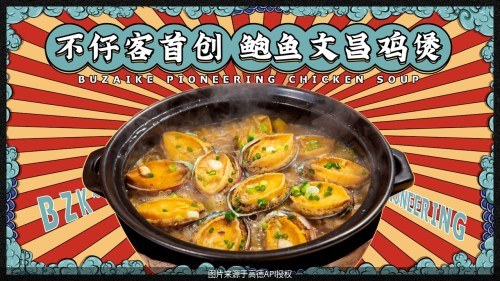
Coconut chicken rules Sanya's dinner hour: the juice of three fresh coconuts goes into the pot and comes to a boil, chunks of Wenchang chicken go in for just three minutes, and each bite dips into a sauce of calamansi juice, sand ginger and soy. The meat stays silky, the broth faintly sweet. Shops are everywhere around Dadonghai and downtown, 80 to 120 CNY per person.
The order formula: three coconuts and one chicken as the base, then water chestnuts, bamboo fungus and a hand-beaten shrimp paste, finishing with a bowl of multigrain noodles cooked in the coconut broth. Arrive half an hour before peak and you skip the line; by seven thirty the clatter of turning tables blends with coconut steam, which is exactly what a Sanya night should feel like.
| Getting around |
|
| Budget | About 300 to 500 CNY per person excluding hotels: seafood lunch 100 to 200 each, coconut chicken dinner 80 to 120, snacks and drinks around 50 |
| Best time | Any season works; the seafood market is fullest after four in the afternoon, and qingbuliang hits hardest in summer |
FAQs
Is the First Market too crowded at lunch?
Lunch is calmer than dusk; arrive by 11:30 for a relaxed shop. If you prefer, just browse at midday and save the big seafood meal for the evening run.
What if I cannot tell good seafood from bad?
Three fixes: have your kitchen's staff shop with you, buy only lively shellfish, and favor crabs, shrimp and clams which are harder to fudge; have any fish cleaned in front of you.
Which qingbuliang shop is the most authentic?
Plenty of old-town shops have run for over a decade and the gap is small; pick the busy one. What matters is the coconut-milk base and topping freshness, best judged by the day's taro balls and fruit.
Is coconut chicken too much after a seafood lunch?
No. Coconut chicken is mild and balances the bold seafood seasoning; keep the lunch order reasonable, take the digestive walk, and your stomach will be ready.