 TripMyChinaJOURNEYS THROUGH REAL CHINA✦ AI Trip✦ Plan My Trip
English
简体中文
繁體中文
日本語
한국어
ไทย
Tiếng Việt
Bahasa Indonesia
Italiano
Español
العربية
Русский
Deutsch
Français
Bahasa Malaysia
TripMyChinaJOURNEYS THROUGH REAL CHINA✦ AI Trip✦ Plan My TripThe Nine-Bend Stream bamboo raft, the wondrous Danxia peaks and the thousand-year tea aroma — Wuyishan blends landscape and Tea Culture into one.
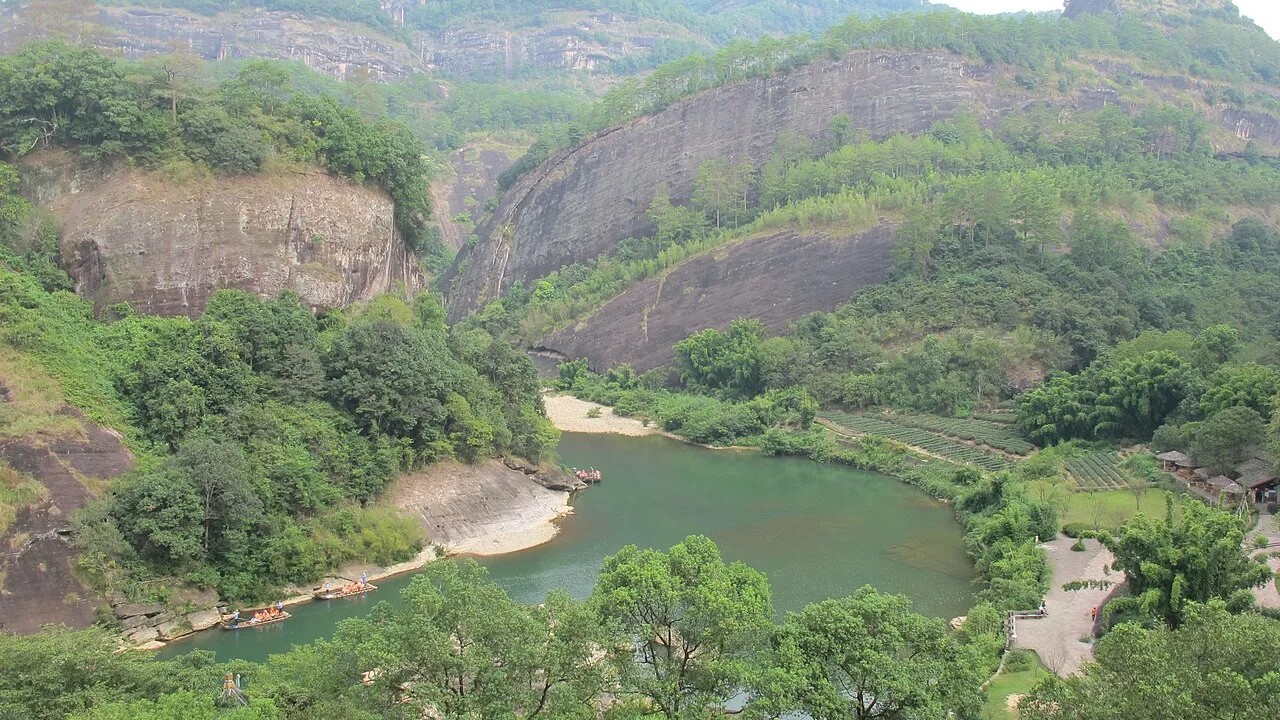
Wuyishan sits in northern Fujian, near the Jiangxi border, and is administered as a county-level city under Nanping. The UNESCO-listed Wuyi Mountains scenic area wraps around the urban edge, so the town works as a base for both the river valley and the trailheads.
The area has been known for tea since the Tang and Song dynasties, and the cliffs and caves here hold a dense concentration of inscriptions and old tea gardens. The mood is small-town and agricultural rather than urban: tea drying on bamboo mats, mist in the valley, and a slow pace outside the scenic gates.
Most visits revolve around the Nine-Bend Stream, where bamboo rafts drift past the Danxia peaks, and around walking routes such as the climb to Tianyou Peak, the narrow gap at Yixiantian, and the Da Hong Pao tea cliffs. Wuyi Palace and the Yünü (Jade Maiden) Peak anchor the lower valley, while Shuilian Cave and Qinglong Waterfall give a different, wetter side of the mountain.
Wuyishan covers an area of approximately 999.75 square kilometers and has a population of about 230,000. It is a county-level city in Fujian Province, known for its UNESCO World Heritage status, which recognizes both its cultural and natural significance. The city is divided into several districts and towns, with the scenic area being the focal point for visitors.
World-class, national and global recognition earned over the decades.
Inscribed in 1999 for its Danxia peaks, Nine-Bend River and 1,000-year tea culture.
Da Hong Pao oolong and Lapsang souchong black tea both originate in the Wuyi cliffs.
Zhu Xi taught at the Wuyi Academy for 40 years, shaping Chinese thought for 700 years.
A UNESCO biosphere reserve with one of China's richest biodiversity zones.
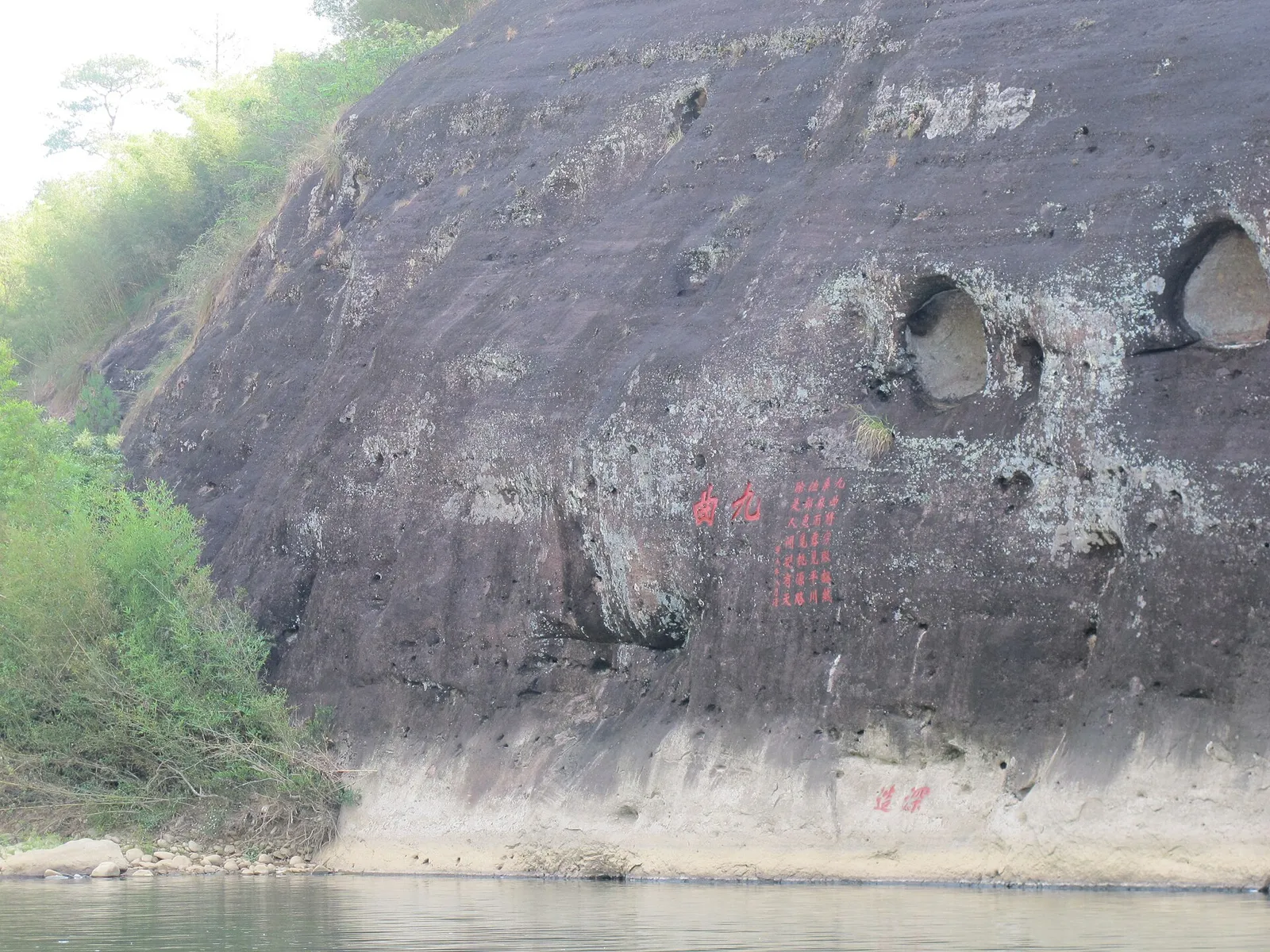
A 9.5 km bamboo-raft route through 36 peaks.

The moments that shaped the city — and the stories its people still tell.
The Han enfeoffed the Minyue king here; the Wuyi Han city ruins survive.
The Neo-Confucian master built his academy below the Five Bends and taught for decades.
Wuyi bohea and souchong became the first Chinese teas shipped to Europe in bulk.
Mount Wuyi became a mixed cultural-natural World Heritage site.
Wuyishan became one of China's first batch of national parks.
Two lovers turned to stone peaks on opposite banks of the Nine-Bend River, forever facing each other.
Local legend says the cliff monkeys guarded the first tea bushes, and the best Da Hong Pao grows where they climbed.
Three paces, one city — every route built from places we actually operate.
Weather, crowds and the best months for what you want to see.
Misty and green — the best light for the river and the tea picking.
Hot but good for rafting; afternoon storms are common.
Clear and dry — the best season for hiking and photography.
Quiet and cool, with mist on the river most mornings.
What this city is known for — the things worth planning your day around.
The places worth building a day around.
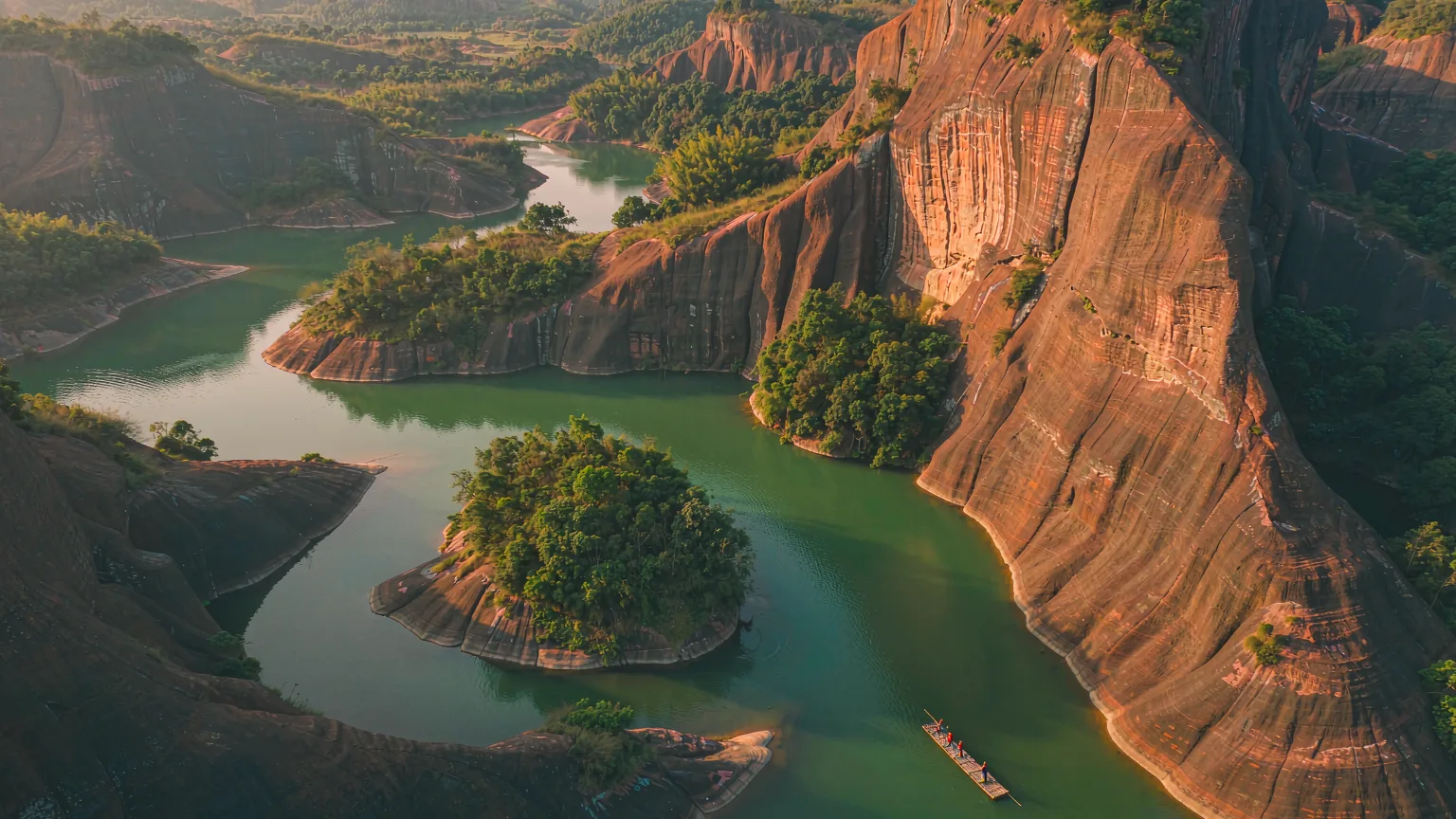
The Nine-Bend Stream is a 9.5-km stretch of the Chongyang River cutting through the Wuyi range, and the standard way to see Wuyi Shan is to sit in a b
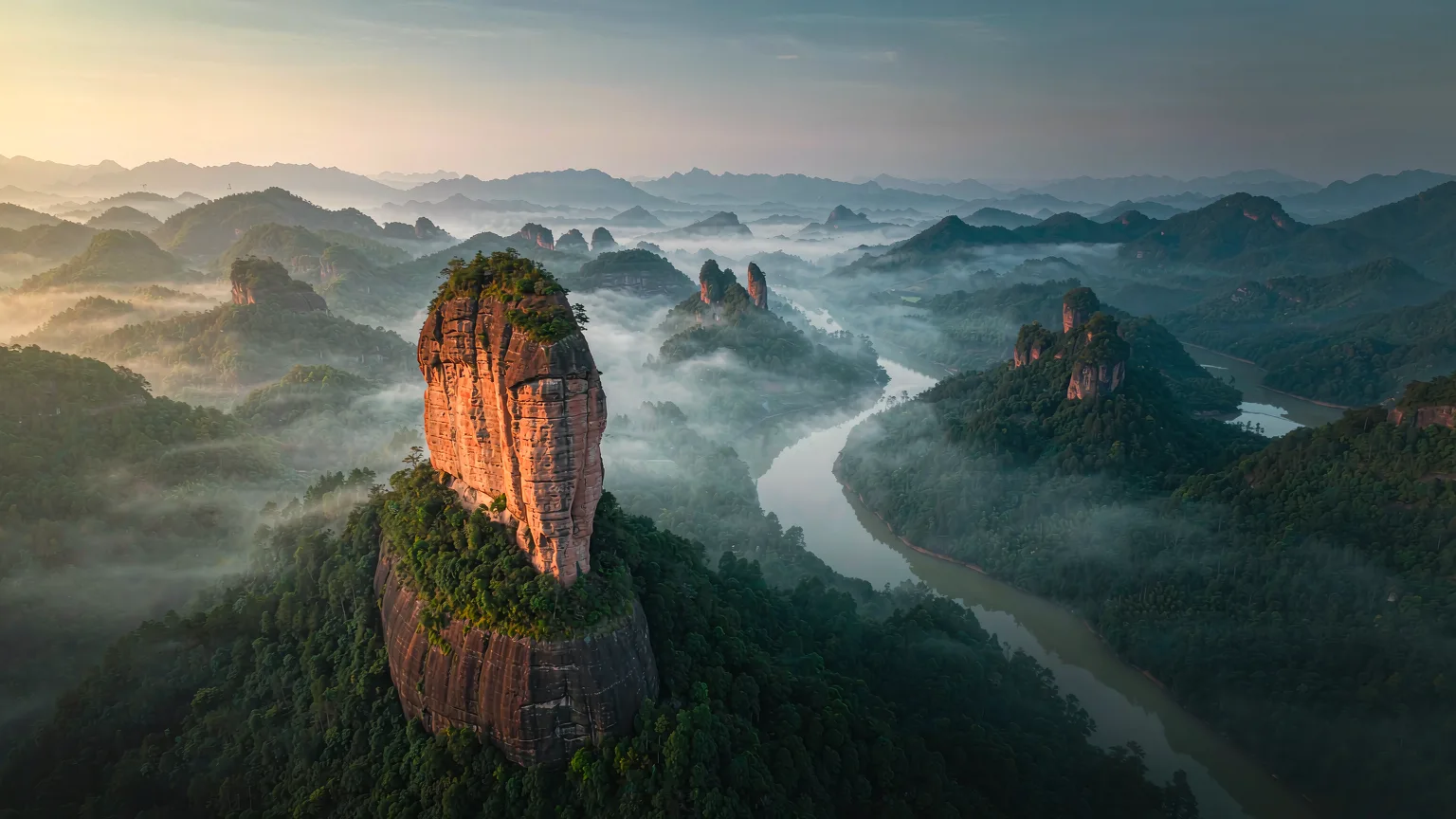
Tianyou Peak is 408 metres high and 848 steps from the valley floor, and it is the best short climb in Wuyi Shan. The staircase goes up a rock face in
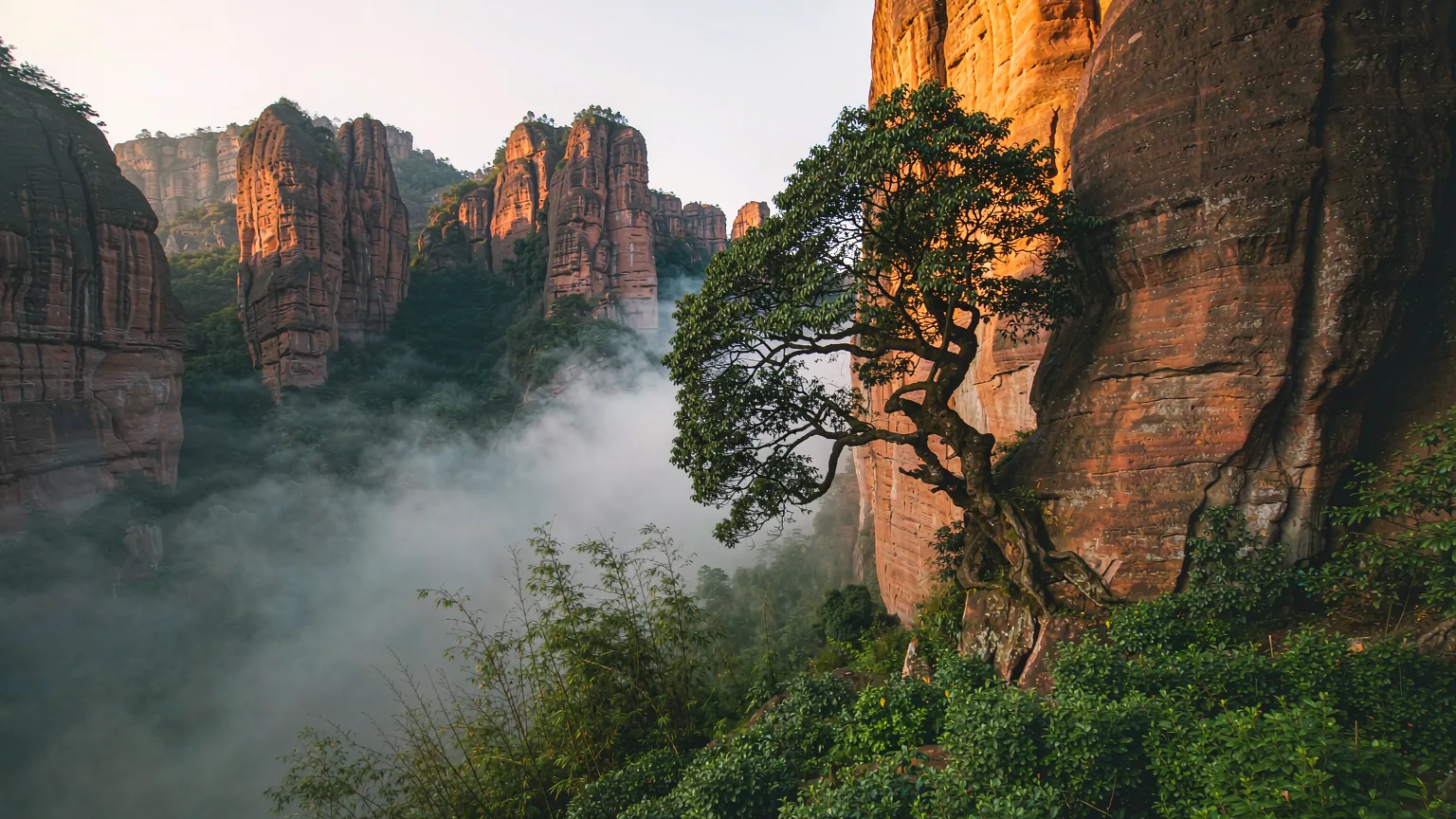
The Dahongpao scenic area is a narrow gorge called Nine Dragon Nest, where six tea bushes grow out of a cliff about 50 metres up. Those six are the or
A little further out, for a spare half-day.
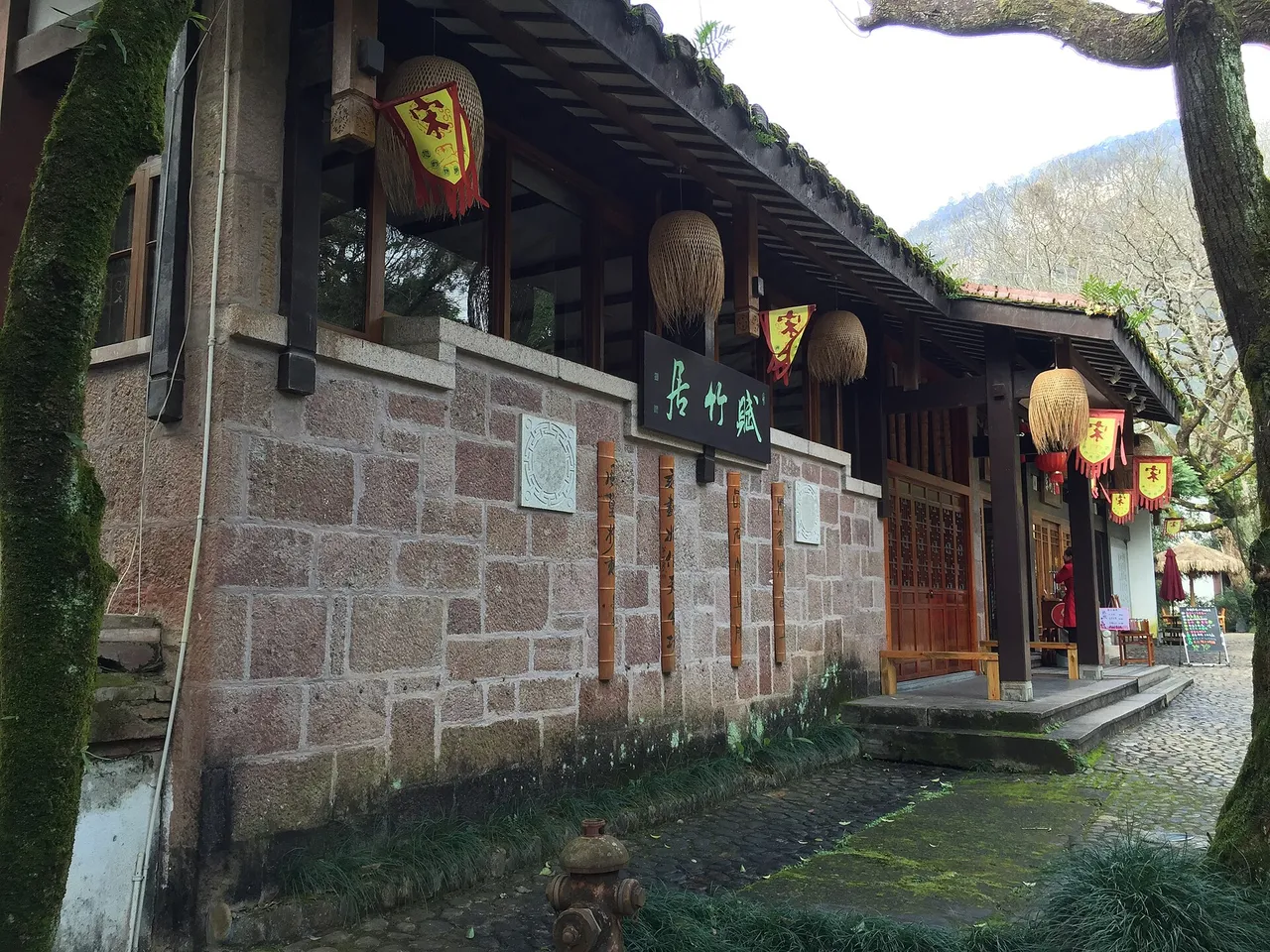
A Song-style street on Wuyigong Road within the scenic area. Grey bricks and dark tiles line its winding…
A cultural street around Dawangfeng North and Xiabin Rock roads mixing dining, shopping and shows. Wuyi…
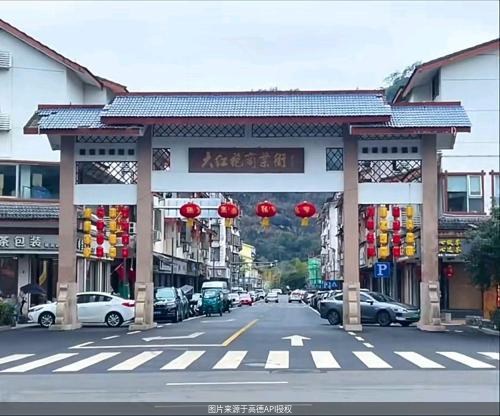
A rock-tea themed street on Hongpao Street, Sangu. Tea houses and brand shops line both sides, offering Da…
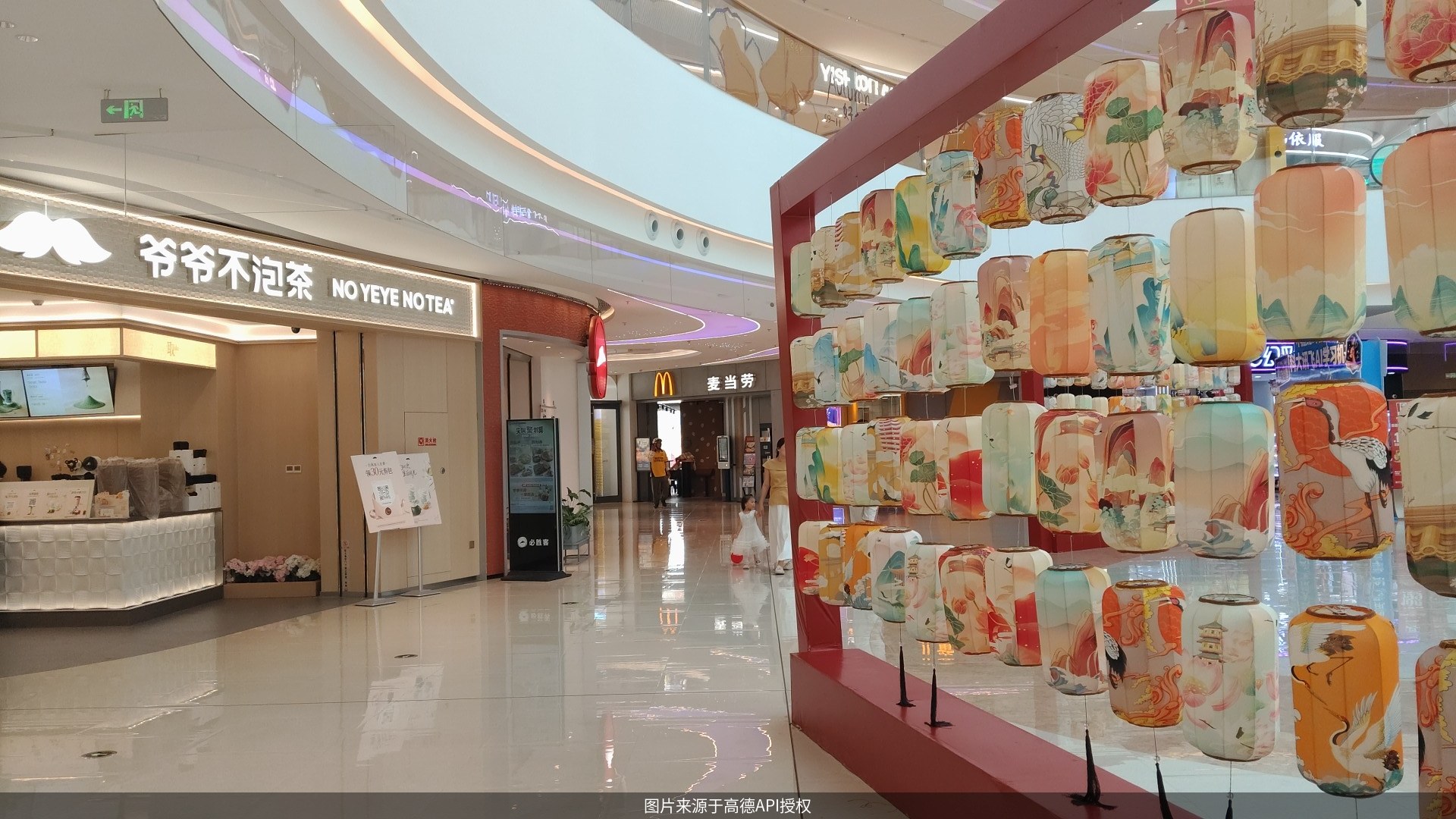
A large modern shopping centre at 867 Baihua Road, Xinfeng. Brand retail, a supermarket, cinemas and dining…
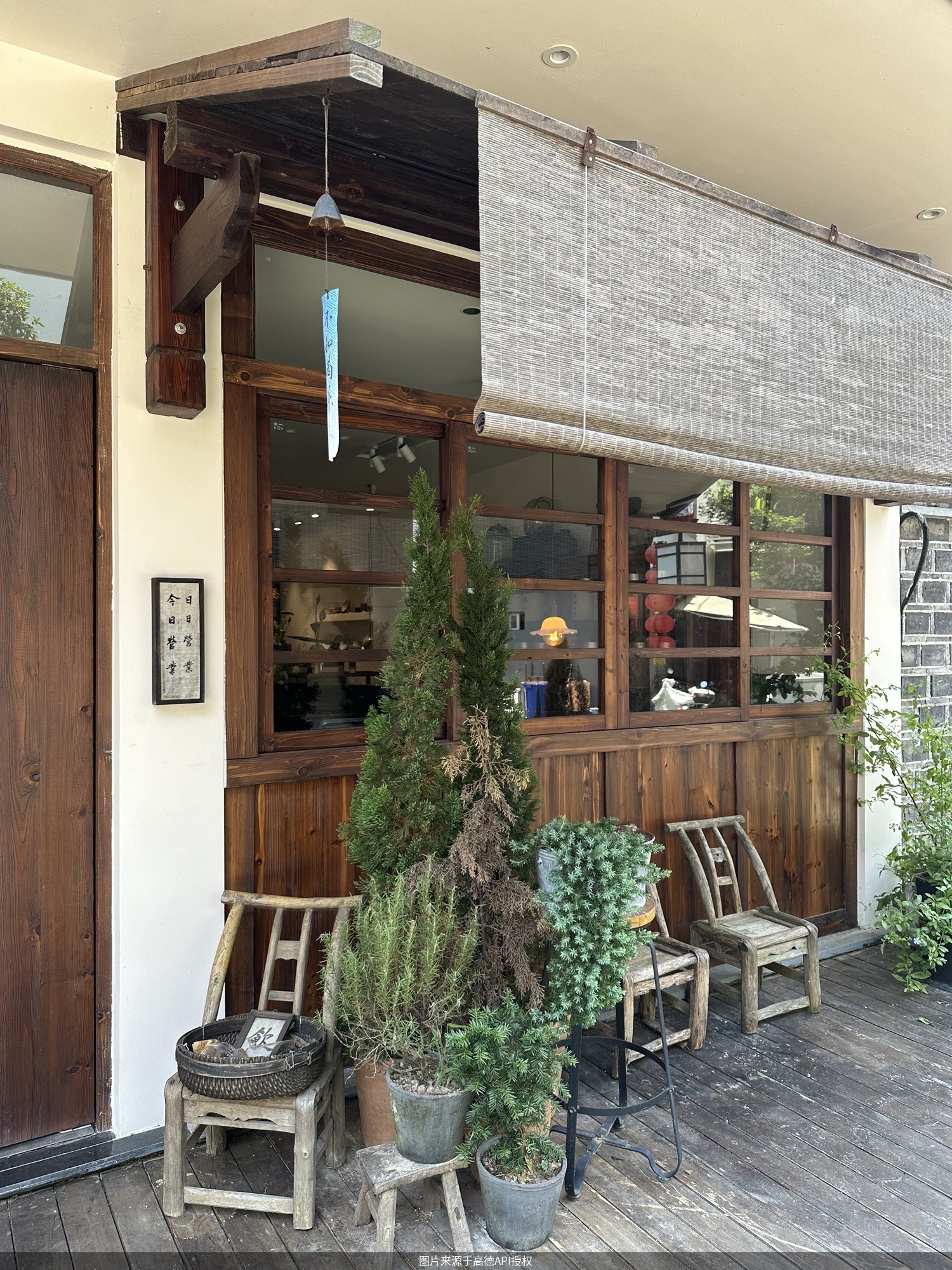
A tranquil tea house by the stream on Mantingfeng Road, Sangu. It focuses on Wuyi rock tea and Lapsang…
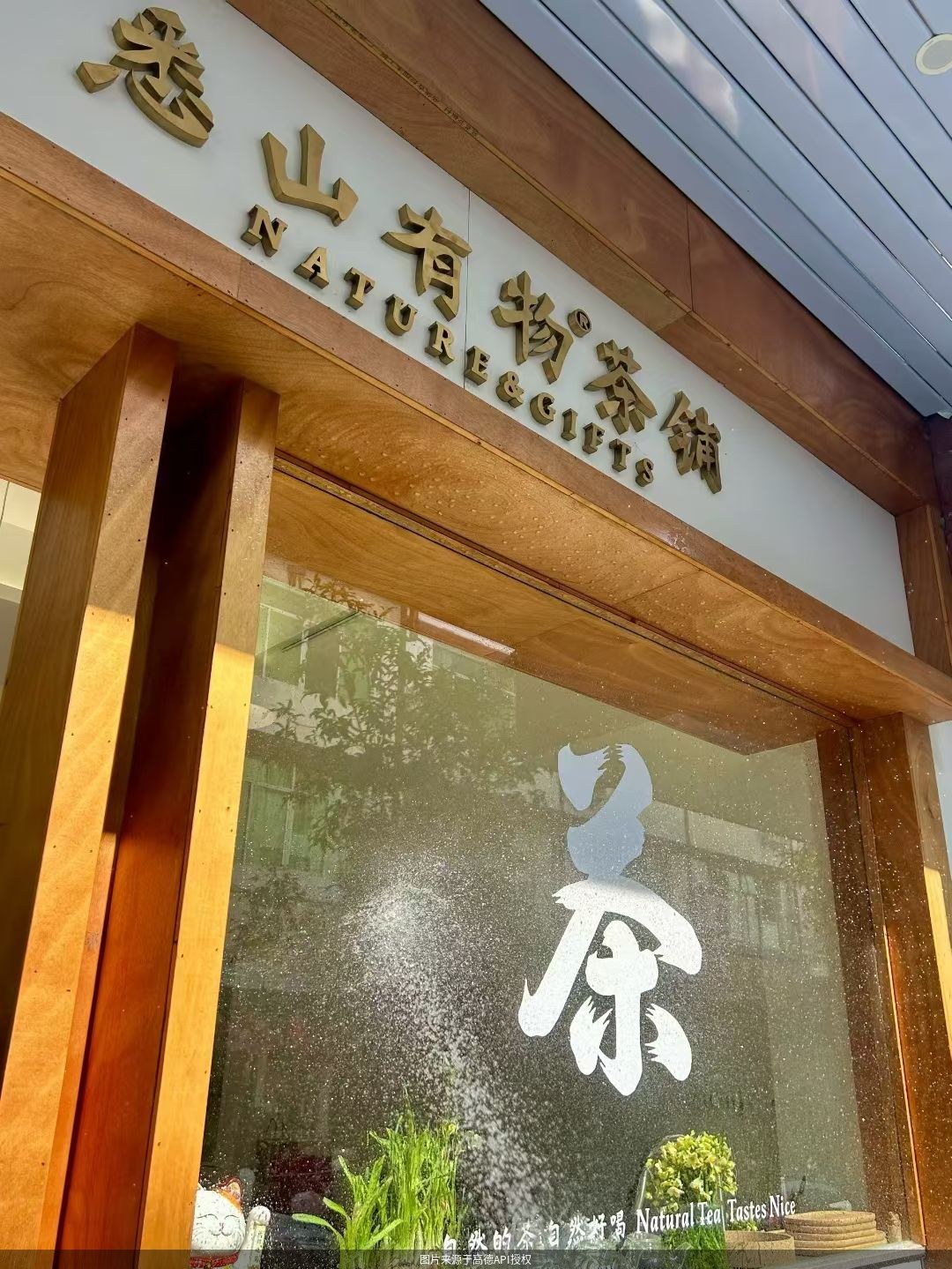
A refined little tea shop on Yunvfeng Road, Sangu. It displays Wuyi rock teas and handmade wares, where a tea…
Museums, galleries and workshops still keeping old crafts alive.
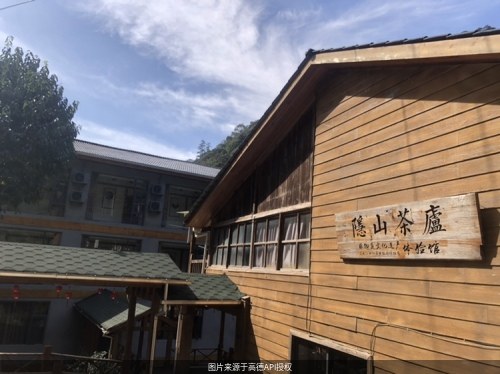
Set deep in the national nature reserve at Tongmu, Xingcun, the birthplace of Lapsang Souchong. It shows the…
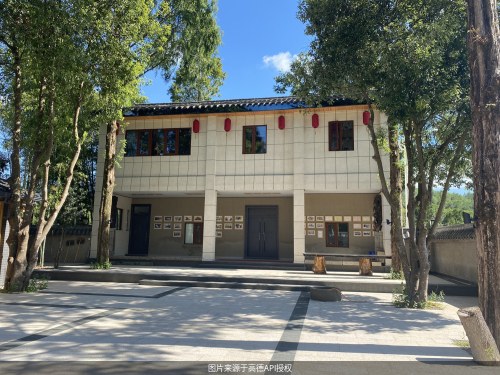
A hands-on venue at Dapingzhou Tea Garden on the park's scenic route. It presents the intangible heritage of…
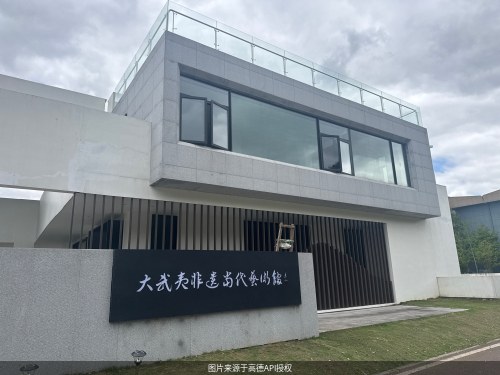
A space by the Chongyang River walk on Dawangfeng Road blending heritage and contemporary art. Wuyi rock tea…
What is on stage after dark.
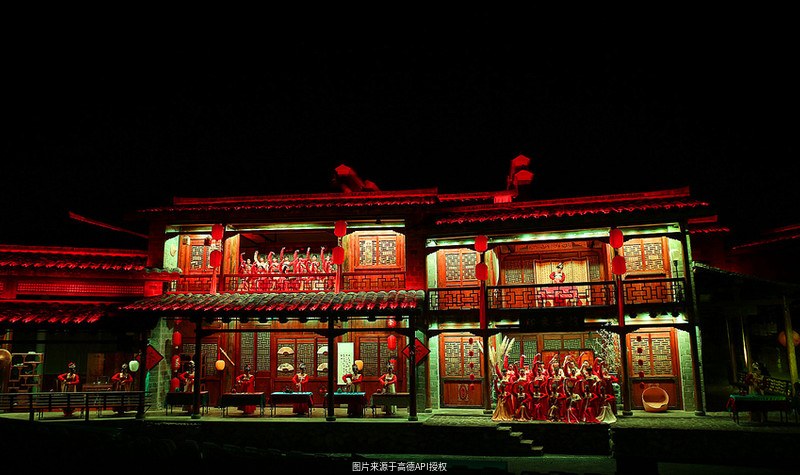
A grand live landscape show on Dawangfeng Road, Sangu, directed by Zhang Yimou's team. Using the peaks and…
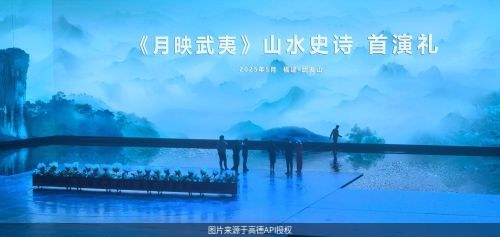
A modern indoor theatre in Wuyi Plaza, Sangu. Its productions draw on Wuyi landscapes and tea culture, using…
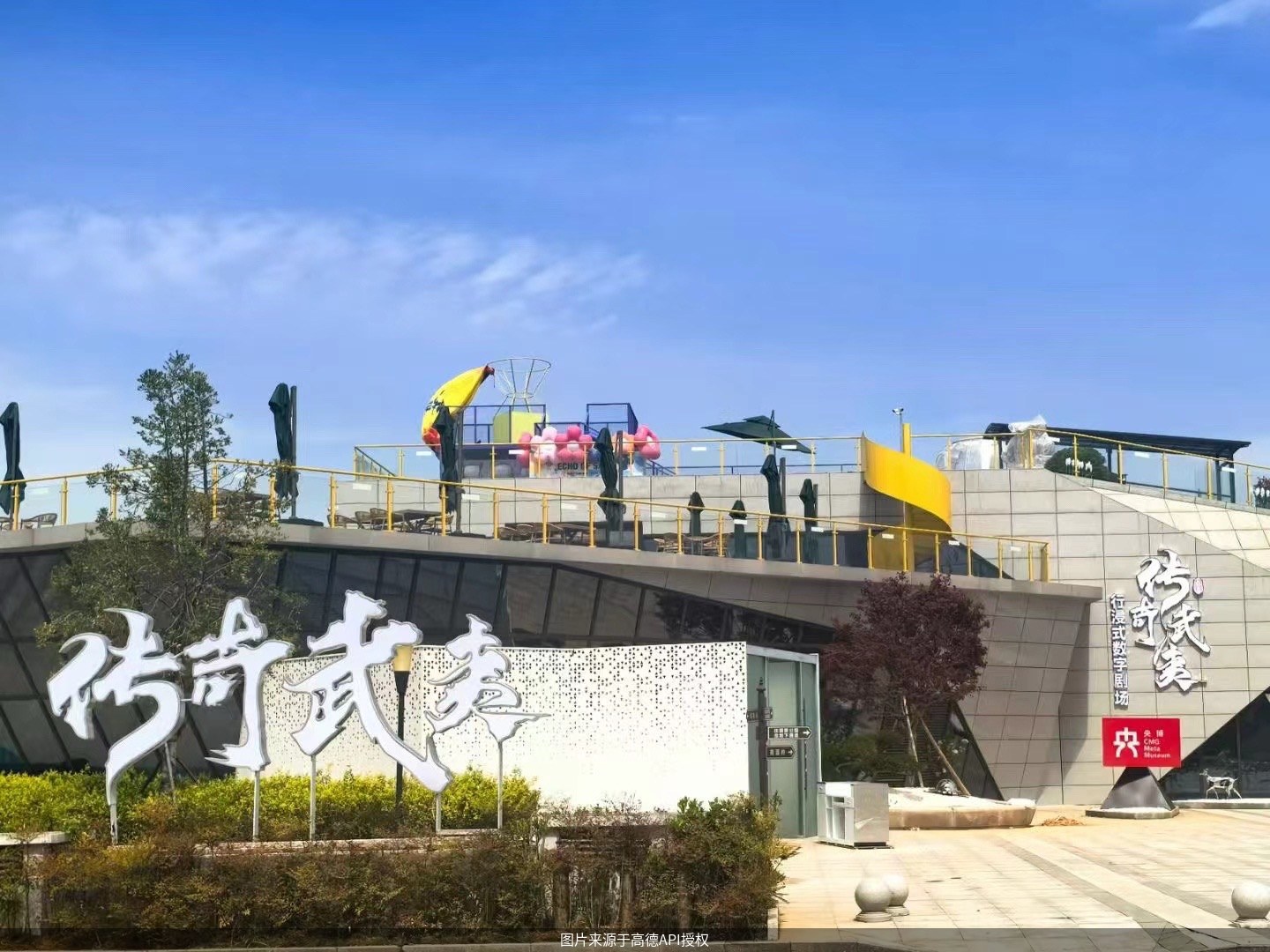
An immersive digital venue at Shangpu, Xingchen Town, opposite the park's south entrance. Visitors walk…
Where the whole street eats — the city's most famous food streets, each with its own guide page.
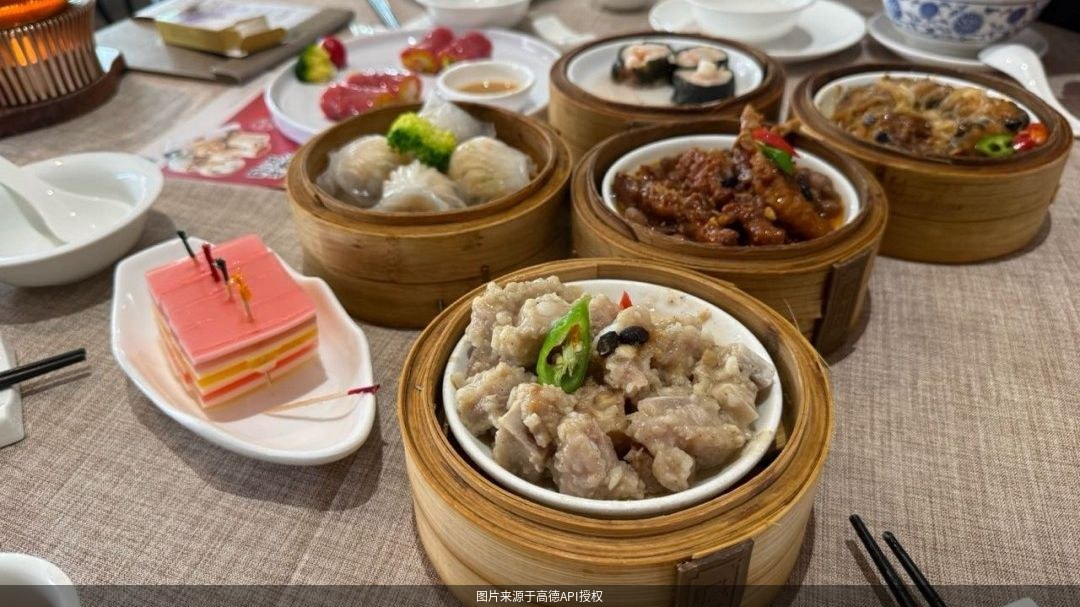
A restaurant on Yinpingfeng Road in Sangu for Wuyi home cooking. Its Langu smoked goose, stream fish and…
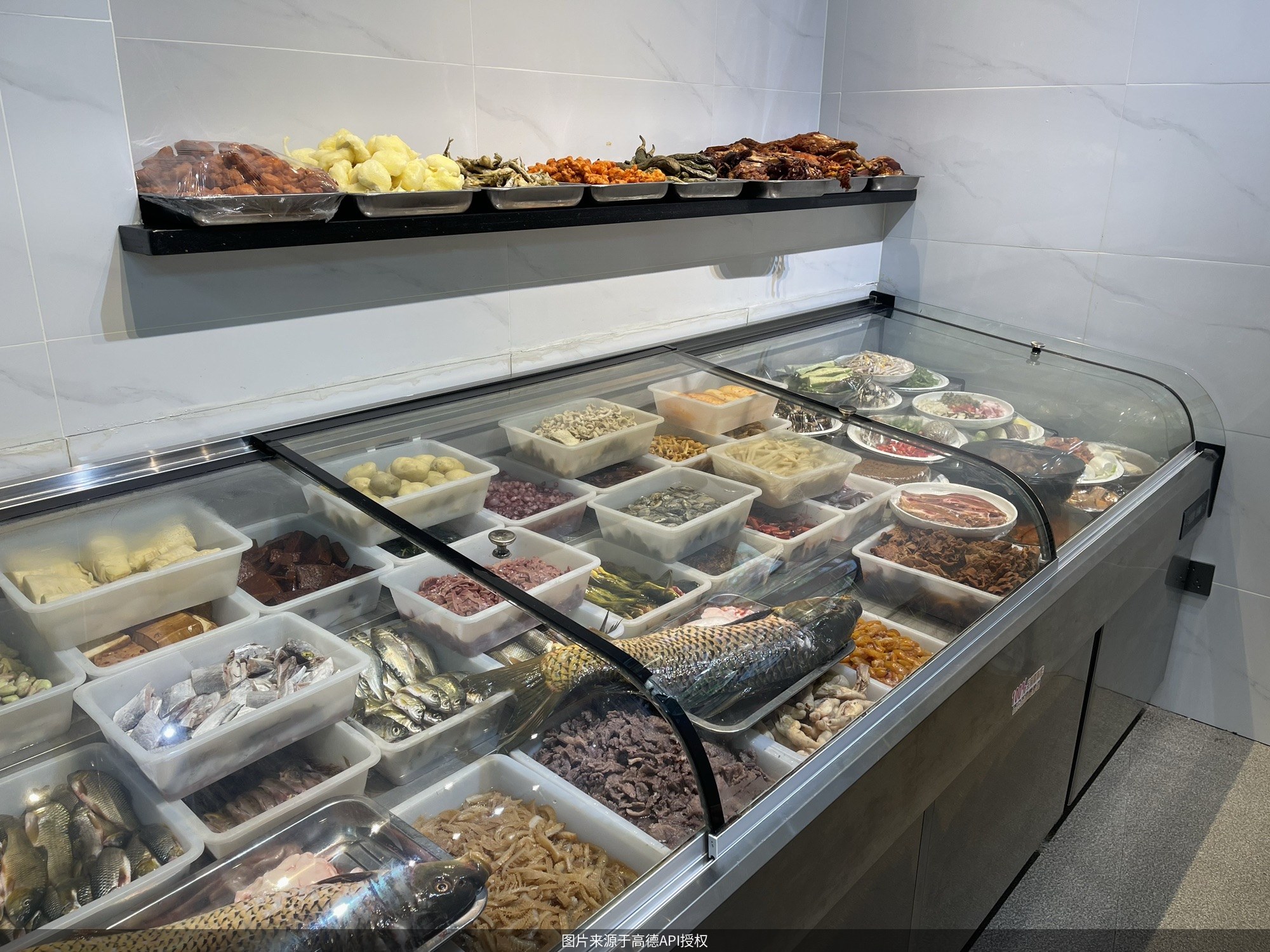
A popular home-style eatery on Shanqian Street, Sangu. Named for its hearty big-bowl portions, it serves…
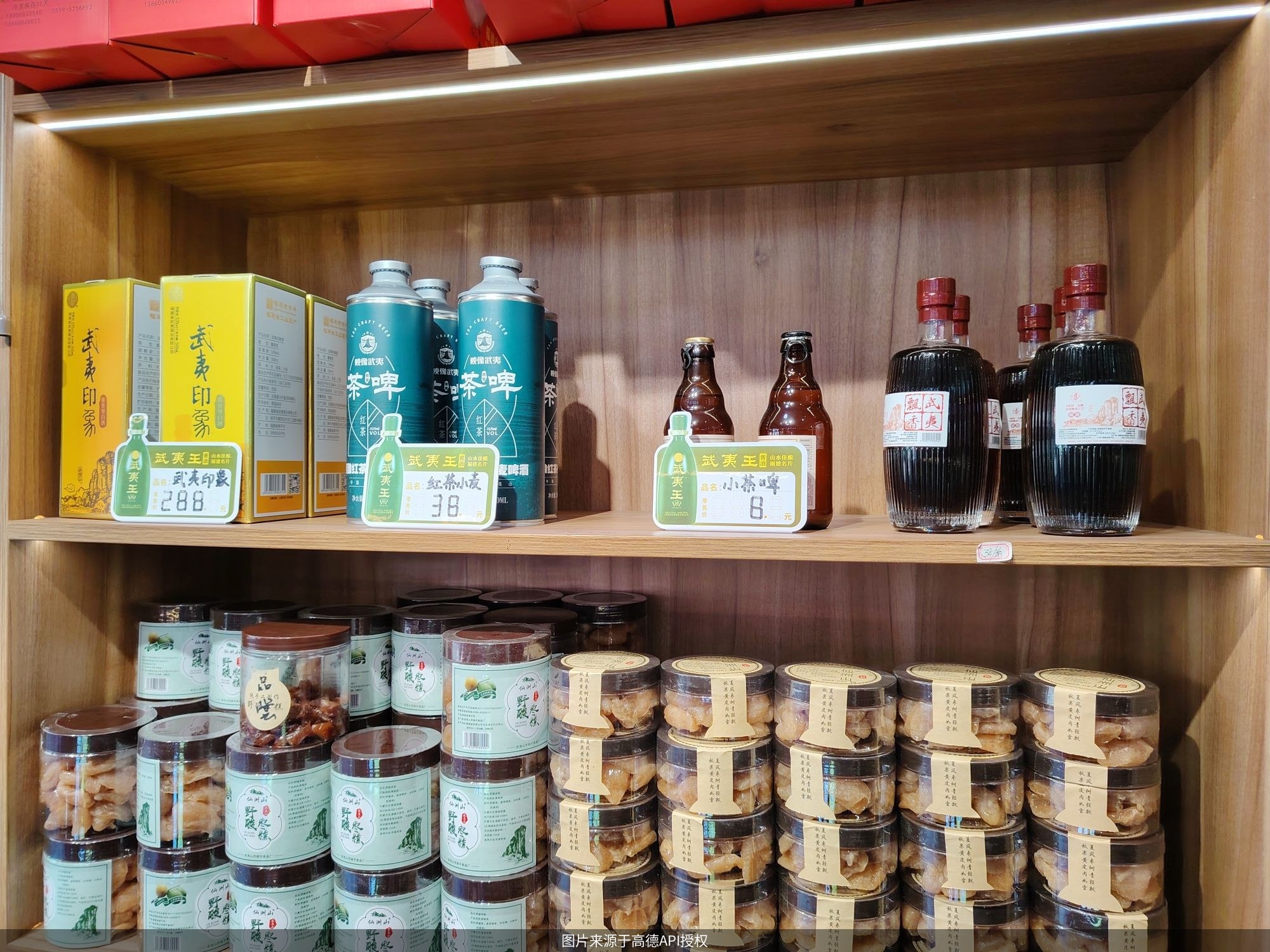
A long-standing shop for Langu smoked goose on Sangu Street. The local goose is marinated and smoked to a…
A rotating-audience show staged against the peaks.
Yancha tastings until 10pm.
Lit paths along the river below the resort.
Tea, a river walk and an early night — this is a mountain town, not a night city.
Listed sites and the crafts that made this city famous.
Danxia peaks, the Nine-Bend River and 1,000 years of tea culture (1999).
The 2,000-year-old capital of the Minyue kingdom.
A Tang-founded Taoist temple at the river's first bend.
Charcoal-fired oolong production unique to the Wuyi cliffs.
Hand-picked, sun-wilted and charcoal-fired — the 'rock rhyme' flavour.
Local narrative singing with string accompaniment.
Bamboo baskets and tea ware woven locally.
Rafts lashed from local bamboo for the river route.
Senior licensed guides with 10+ years in the field and fluent English — deep on history, culture and local life.

Experienced licensed guides with clear English — solid on city highlights, food and day-to-day logistics.
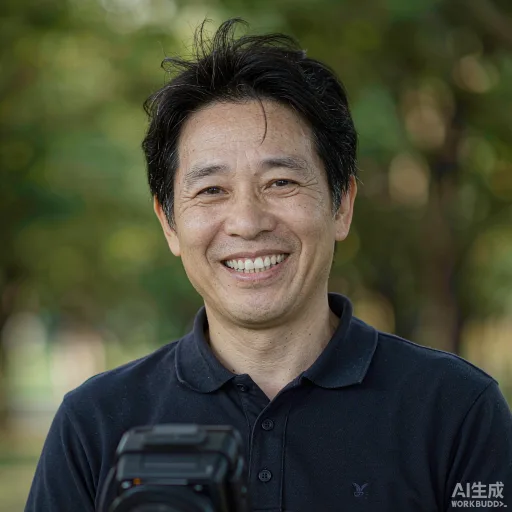
Licensed guides with workable English — a good-value choice for city days, transfers and standard commentary.
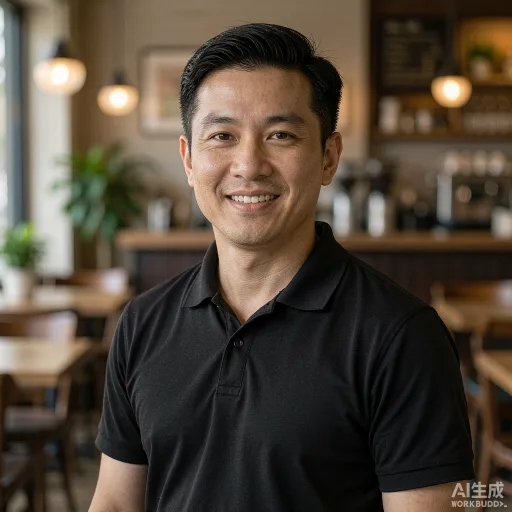
Chauffeur-driven by the day, plus airport and intercity transfers.
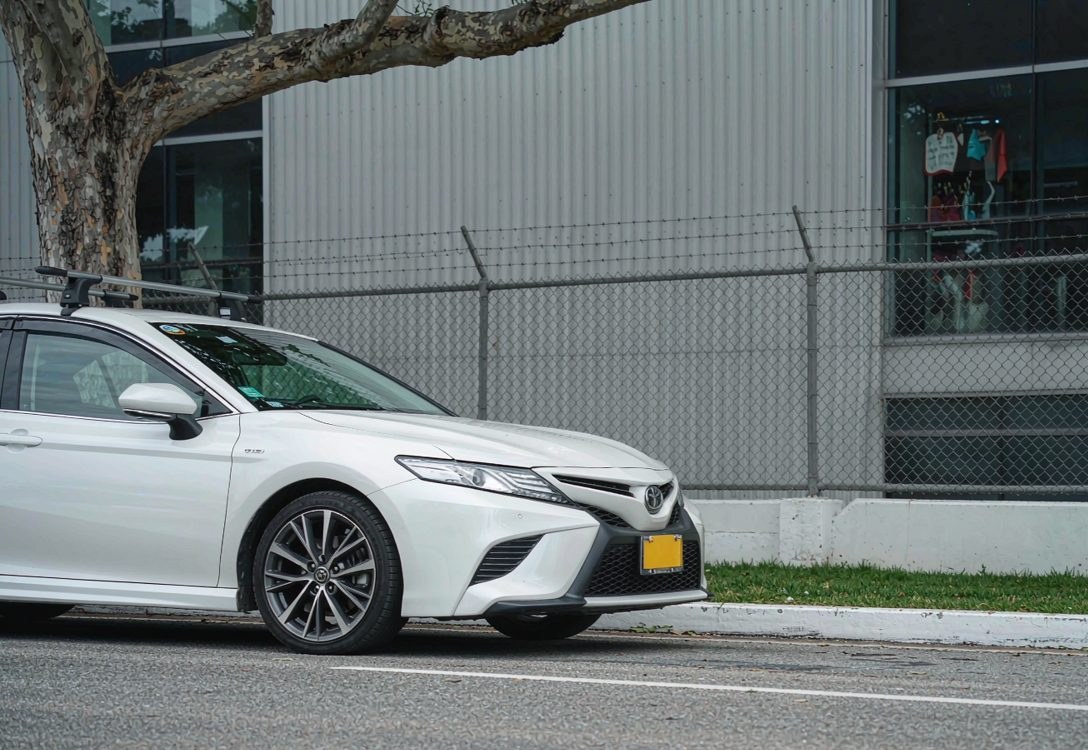

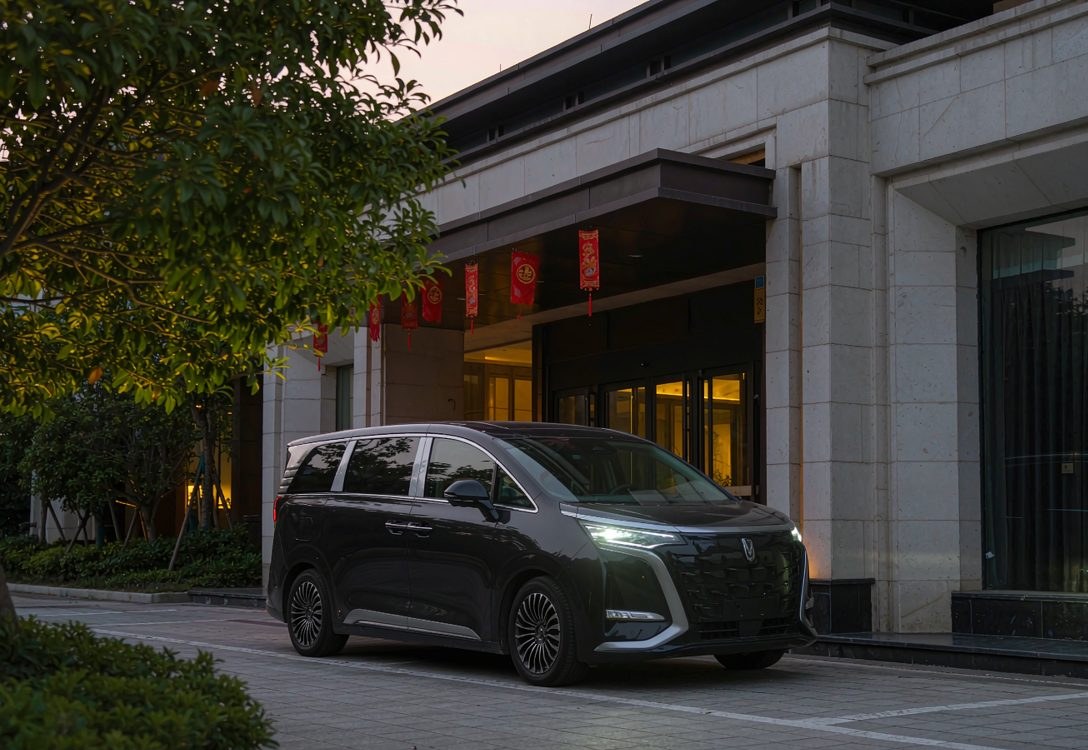
Private chauffeur-driven vehicles, priced per vehicle not per person. Airport transfer from $45; intercity transfer from $180.
A key regional airport on Wuyi Avenue. It serves Beijing, Shanghai, Guangzhou, Shenzhen, Xiamen and other major cities, a short drive from the scenic area, the main air gateway to Wuyishan and northern Fujian.
A station on the Fengfu railway at Zhanqian Road. It mainly serves conventional trains linking Fuzhou, Nanping and Yingtan, a useful supplement to Wuyishan's rail network for surrounding counties.
The main high-speed rail station on Qingxian Avenue, Chong'an. Trains on the Hefei-Fuzhou line link Fuzhou, Xiamen, Shanghai and Beijing, making this modern station a key rail gateway for visitors to Wuyishan.
The main long-distance coach terminal at 64 Wujiu North Road. Buses to Nanping, Jianyang, Shaowu and some interprovincial routes depart here, with a well-equipped hall and dense local bus links for easy transfer.
A rock-tea themed street on Hongpao Street, Sangu. Tea houses and brand shops line both sides, offering Da Hong Pao, Rougui and Shuixian teas plus Jian wares, a hub for tasting and buying in the home of Wuyi oolong.
A large modern shopping centre at 867 Baihua Road, Xinfeng. Brand retail, a supermarket, cinemas and dining fill its floors with ample facilities, one of the main complexes for city shopping and family leisure in…

10 guides split by trip length: one-day city routes, three-day escapes and longer journeys, with stops, costs and transport in each.
Climb Tianyou Peak at dawn for the view over nine bends, raft down the stream at midday,
Three DaysThree Days in Wuyishan: Nine Bends, Rock Rhymes and a WaterfallDay one Tianyou Peak and the Nine-Bend Stream, day two Da Hong Pao, Water Curtain Cave a
Multi-DayFive Days in Wuyishan: Peaks, Tea and Old Villages in FullThree days cover the park's bends and peaks, one day reads history at Xiamei and the Min
Real routes, real travellers — a sense of what a trip looks like.
Most travellers spend 3 days here. Add a day for a side trip if you want a slower pace.
Spring and autumn are usually the most comfortable. Check the seasonal notes above before booking.
We arrange airport/rail transfers and private drivers. Tell us your arrival point and we plan the connection.
Send an enquiry and a human expert replies within 12 hours with a draft plan and real prices. Flexible rescheduling; clear cancellation terms in your quote.
2-day private itineraries in Wuyishan start from $540 per person, two travelling together. Your proposal itemises hotels, tickets, guide and car — no hidden fees.
Yes — the Nine-Bend raft and Tianyou Peak are among China's best scenery, and the Zhu Xi academy is a major cultural site.
Wuyishan North station is on the high-speed line from Hangzhou (1.5h) and Xiamen (2.5h); the airport has domestic flights.
Recent listed prices: Nine-Bend Stream ¥140; Tianyou Peak included; Dahongpao Scenic Area included; Wuyi Palace included. Ticket prices change seasonally — we confirm them in your quote.