
Zhangjiajie's food runs on three lines. First, three-pot, the dry-pot standard, braising cured meats and mountain goods in one vessel. Second, fish: live fish from the Yanbodu stretch of the Li's tributaries, tender and clean-tasting. Third, the sweet-salt poles of Tujia bacon and kudzu jelly. This day follows your stomach's rhythm: local rice noodles and wormwood cakes for breakfast, a proper three-pot lunch, kudzu jelly to reset the palate, Yanbodu fish for dinner, and barbecue to close.
Two mental notes. The heat here is legitimate Hunan army grade; asking for mild costs no dignity, or your next morning will judge you. Portions are honest, so two dishes plus a soup is the ceiling for two people; add later rather than leave leftovers. Follow the queues of locals and you will rarely go wrong.

Itinerary at a glance
| 08:00 | Breakfast: Rice Noodles, Wormwood Cakes and Fresh Soy Milk |
| 11:30 | Lunch: The Science of the Three-Pot Queue |
| 14:30 | Afternoon: Kudzu Jelly and Mountain Sweets |
| 17:30 | Dinner: Eating Yanbodu Live Fish Properly |
| 20:30 | Late Night: Skewers, River Snails and Rice Wine |
The route, stop by stop
Breakfast: Rice Noodles, Wormwood Cakes and Fresh Soy Milk
Hunan mornings start on rice noodles, the Zhangjiajie version round or flat with freshly stir-fried toppings: shredded pork, hot-and-sour or beef, a filling bowl for a bit over ten yuan. Do not miss the steamed wormwood cakes at street stalls, mugwort fragrance with diced cured pork in both sweet and salty versions, two yuan each.
Shops peak at seven to eight, with locals eating standing at the curb. Come after 08:30 for a seat; noodles and toppings stay just as fresh.
The wormwood in the cakes is a wild local green, and spring foraging for these cakes goes back a long way by local account; stalls now sell them year-round from chilled paste, while freshly steamed batches concentrate in the morning.
Lunch: The Science of the Three-Pot Queue
Lunch targets the downtown old-school three-pot houses, where signature shops queue an hour at mealtime; beat it by entering before 11:20 or after 13:00. The order formula: one medium pot of cured-pork three-pot, wormwood cakes, unlimited rice, 60 to 70 RMB a head.
Attack the bacon and tofu first; the radish at the bottom turns richest last. The corn cakes stuck to the pot's edge soak up the broth, the hidden delicacy most diners forget to order.
Three-pot is said to trace back to a Ming-era chieftain army's marching stew, one pot easy to cook and carry; today shops differ in bacon ratio and chili-paste recipe, and eating at two houses back-to-back is the fun way to compare.
Afternoon: Kudzu Jelly and Mountain Sweets
Kudzu jelly is the city's signature sweet: kudzu root starch brewed into translucent amber, topped with crushed peanuts, sesame and hawthorn slices, cool and silky, about ten yuan a bowl. It lifts away the lunch heat and grease, clearing space for dinner's fish.
Old-street stalls brew it fresh; choose those. Proper kudzu pours translucent and clings to the spoon; anything chalk-white and overly uniform is stretched with other starches.
Wild kudzu grows in the local hills with autumn and winter as the dig season; street stalls brew from processed starch. If you are taking some home, check the origin label on the pack, and locally processed product is the safer bet.
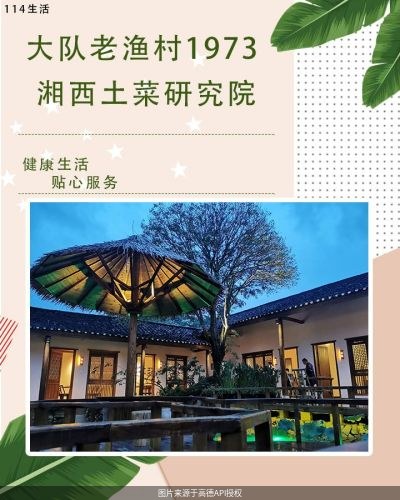
Dinner: Eating Yanbodu Live Fish Properly
Yanbodu is an old ford on the Li's tributary, and its fish houses kill to order, with two paths: yellow-braised, a golden lightly spicy broth with tofu and konjac, or clear soup for the original taste, and pouring fish soup over rice is the insider move. Around 80 RMB a head; a two-jin fish plus sides suits two.
Insist on fish scooped from the tank in front of you; frozen substitutes cannot fool your chopsticks. Fish-head tofu and fish offal in the pot are what regulars add.
Yanbodu began as a ferry-crossing place name on the Li's tributary and grew into a fish-cooking brand; downtown houses flying the name vary in quality, so pick those with a live tank scooped before you and plenty of local diners, and you will rarely miss.
Late Night: Skewers, River Snails and Rice Wine
The late-night scene orbits barbecue and river snails: grilled pork belly, eggplant and chives, a bowl of snails to suck out, and a warm pot of local rice wine, about 40 RMB to finish. The night markets cluster near Dayong bridge and downtown alleys, denser with locals than tourists; follow the school uniforms.
Snail-sucking has its own sound; a toothpick is legal for beginners. The rice wine is low in proof but long in aftertaste; if mountains await tomorrow, sip lightly.
The snails come from local waterways, tails clipped and simmered in chili broth; veterans suck the tail end first, then the opening. Order mild if heat worries you, and the leftover broth makes a fine noodle sauce.
| Getting around |
|
| Budget | About 200 to 280 RMB per person: 15 RMB breakfast, 70 RMB three-pot lunch, 15 RMB afternoon snack, 80 RMB Yanbodu fish dinner and 40 RMB late-night barbecue. |
| Best time | All year. Night markets peak in summer and rafting season; off-peak meal hours eat better. |
FAQs
Can a non-spicy eater survive in Zhangjiajie?
Easily. Say no-spice or barely-spice first; both three-pot and Yanbodu fish offer clear-soup versions, while kudzu jelly, wormwood cakes and corn rice never carry heat. Hunan mild can already burn outsiders, so start from none and work up.
Are three-pot and Yanbodu fish too repetitive in one day?
Not at all: one is a dry-pot of cured meats, the other a fresh-fish soup, nearly opposite systems. What needs managing is stacked spice: dry-pot at noon pairs with clear-soup fish at night, and your stomach will thank you.
How does Tujia bacon differ from ordinary cured pork?
Tujia bacon means long, cold smoking over pinewood fires, deep smoke aroma and amber cross-section; ordinary versions cure briefly in air or smoke, paler and milder. In Zhangjiajie, look for fire-pit pork or established cured-meat shops and you will not meet the industrial kind.
Is kudzu jelly a breakfast or dessert, and can supermarket powder brew at home?
Locals treat it mostly as an afternoon or late-night sweet. Pure supermarket kudzu starch brews at home: loosen it in a little cold water first, then pour boiling water while stirring fast; the first attempt often curdles, the second usually works.