
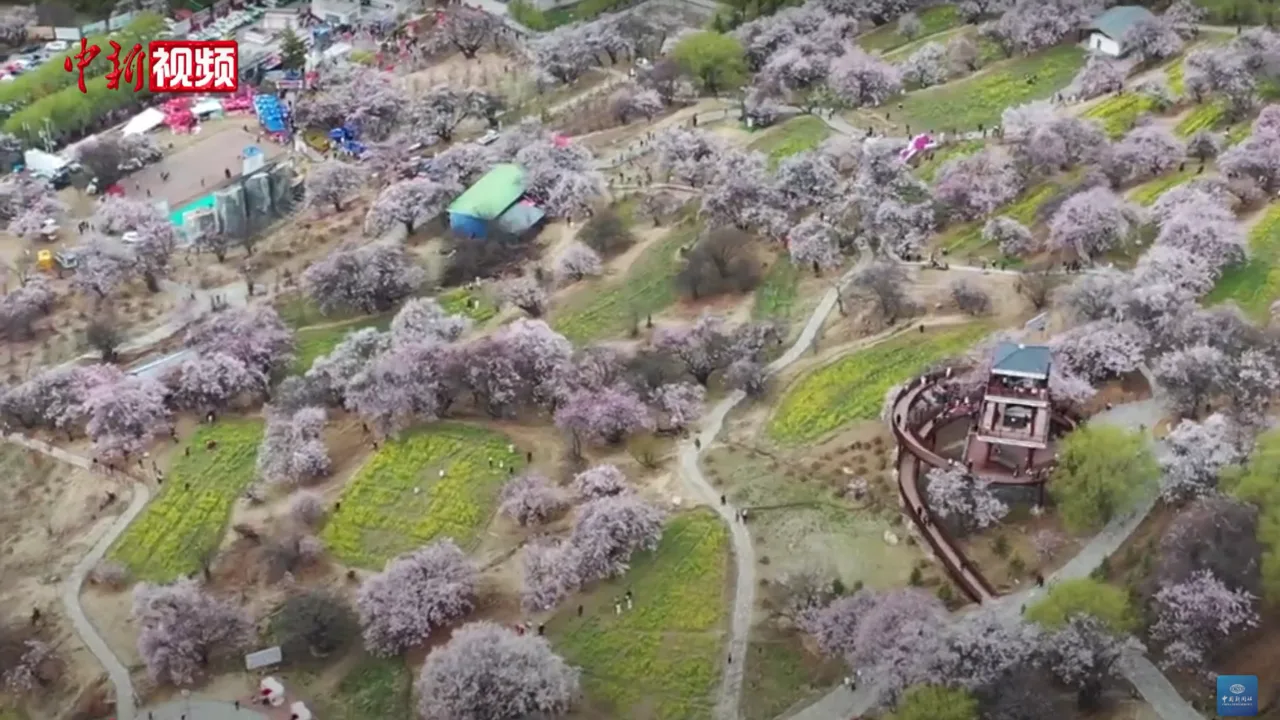
The Songtsam lodges are called "sleeping museums" for a reason - every property is built like a private collection of Tibetan craft, and the route moves lodge to lodge so the altitude climbs gently. Foreign visitors need the Tibet Travel Permit arranged about 20 days ahead through the operator; the paperwork was handled before I bought flights.
The week, compressed
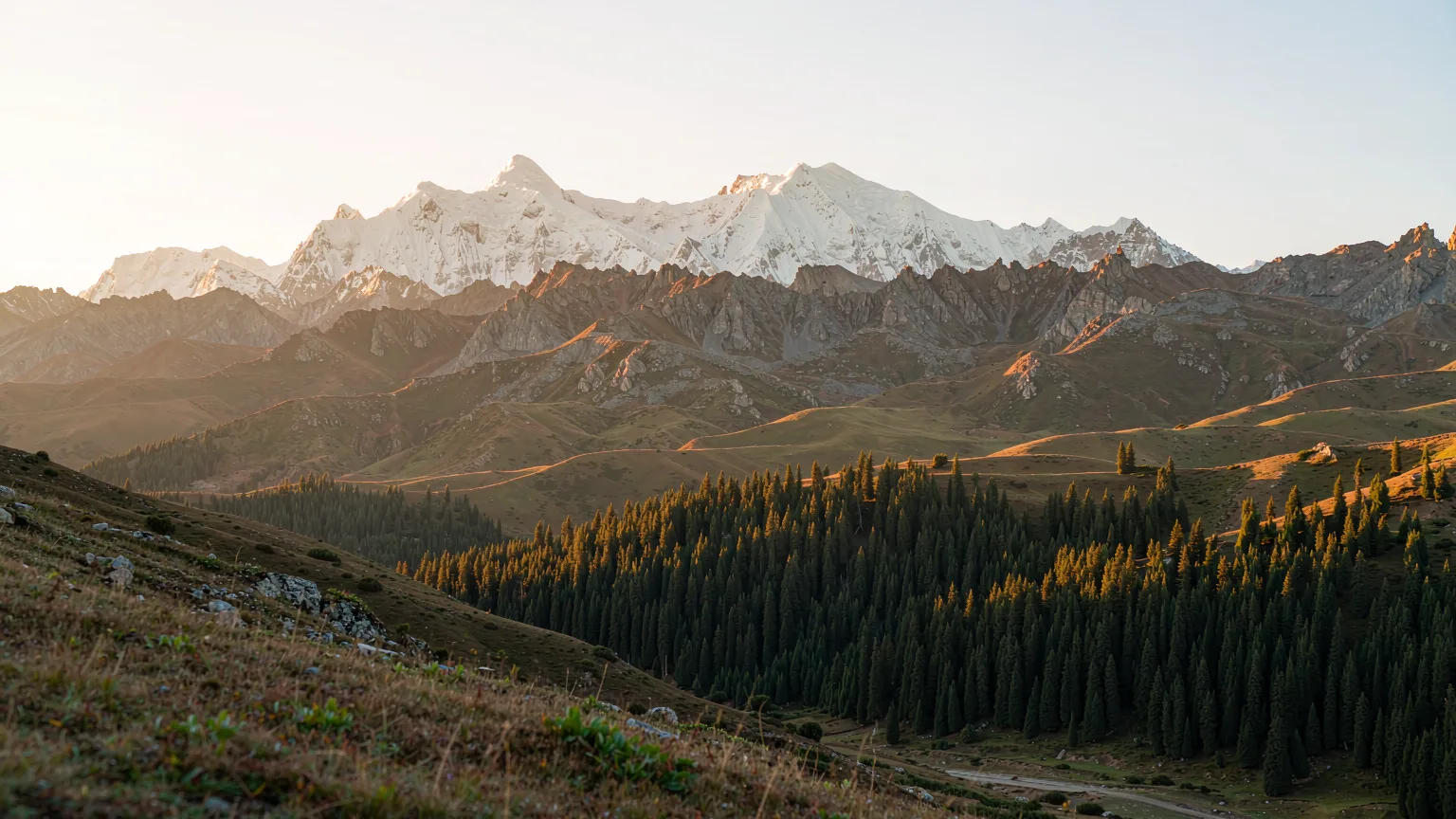
Nyingchi arrival at 2,900 metres (the forested valley is the gentlest entry into Tibet). Lulang: stone valleys and pine forests, walks between viewpoints. Basum Tso: the island monastery on a green lake. And a monastery morning where butter tea kept arriving while we asked questions through the guide.
Altitude, honestly
- No alcohol for the first 48 hours, water constantly, and walks not runs
- The lodge route is designed to climb in stages - trust it
- A mild headache on night one is normal; by day three I felt stronger than at sea level
Eight days. The single best morning: sunrise over the valley from the lodge terrace with a thermos of coffee, mist lifting off the river in ribbons.
A wonderful tour of Tibet that surpassed my highest hopes - an extremely responsive and professional company, and a truly excellent guide and driver throughout.
FAQs
Do I need a Tibet Travel Permit for the Songtsam Nyingchi route, and how far in advance should I apply?
Yes, foreign visitors need a Tibet Travel Permit, and it should be arranged about 20 days ahead through the operator. On this trip the paperwork was handled before flights were even booked, so let the operator drive the timeline rather than sorting it yourself.
Is Nyingchi a good first stop for someone worried about altitude sickness in Tibet?
Nyingchi is about as gentle an entry as Tibet gets, arriving at roughly 2,900 metres in a forested valley, and the lodge-to-lodge route is built so the altitude climbs gradually. Still, skip alcohol for the first 48 hours, drink water constantly, and walk rather than run.
What are the Songtsam lodges actually like to stay in?
They're nicknamed "sleeping museums" because each property is put together like a private collection of Tibetan craft, so the lodging itself is part of the trip rather than just a bed. You move lodge to lodge along the route, which is also what keeps the altitude gain gentle.
What do you actually do during the week between the lodges?
Expect slow, on-foot days: stone valleys and pine forests around Lulang with walks between viewpoints, the island monastery on the green lake at Basum Tso, and a monastery morning where butter tea keeps coming while you ask the guide questions. It's a week built around looking and talking, not ticking off sights.